Effective Dust Control Strategies for Grinding Operations | Emission Management Guide

Effective Dust Control Strategies for Grinding Operations | Emission Management Guide

Effective Dust Control Strategies for Grinding Operations | Emission Management Guide

In modern industrial processing, grinding operations are fundamental for achieving desired material fineness across sectors like mining, construction, cement, and chemicals. However, these processes are significant sources of airborne particulate matter (PM), posing serious health risks to workers, environmental challenges, and operational inefficiencies. Effective dust control is no longer a secondary consideration but a core component of sustainable and profitable plant management. This guide outlines a comprehensive, multi-layered approach to dust emission management, integrating source control, containment, and collection strategies.

1. Understanding the Dust Generation Mechanism in Grinding

Dust generation during grinding is primarily a function of mechanical force application—impact, compression, and attrition—which fractures material into fine particles. Key factors influencing dust emission rates include:

  • Material Characteristics: Moisture content, hardness, abrasiveness, and inherent friability.
  • Process Parameters: Feed size, grinding fineness target, throughput rate, and system airflow.
  • Equipment Design: The sealing integrity of the grinding chamber, the efficiency of internal classification, and the design of material transfer points.

A proactive strategy begins with selecting grinding technology engineered to minimize dust creation at the source.

2. Primary Strategy: Source Control Through Advanced Grinding Technology

The most effective way to manage dust is to prevent its generation. Modern grinding mills achieve this through enclosed, negative-pressure designs and efficient, contained size-reduction principles.

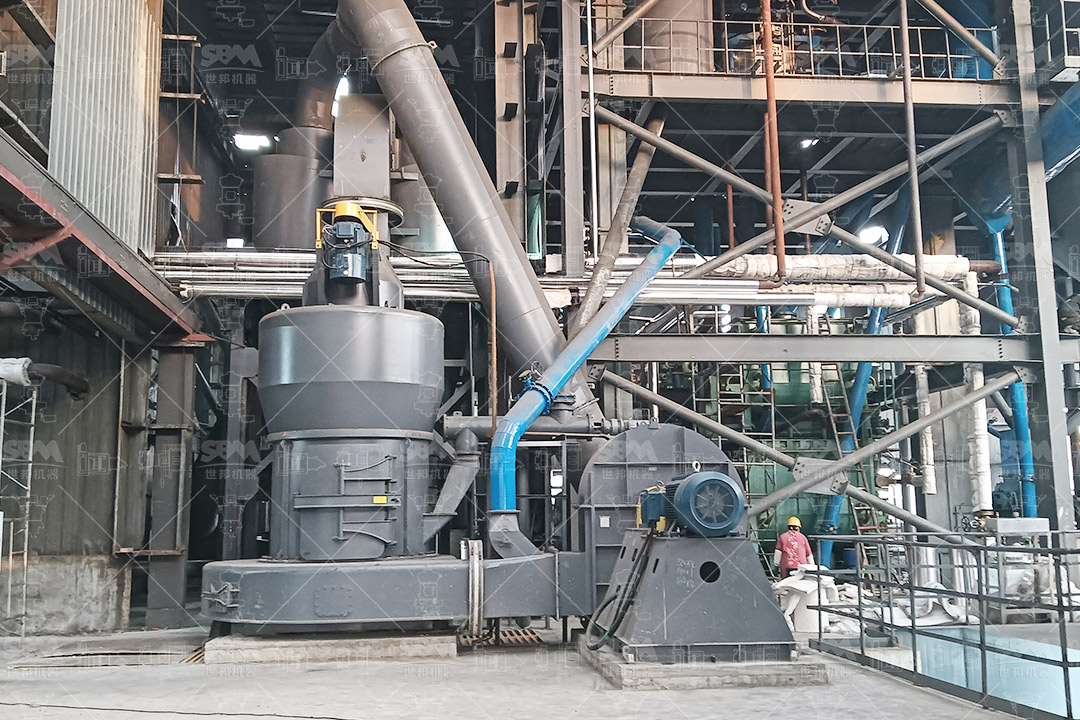
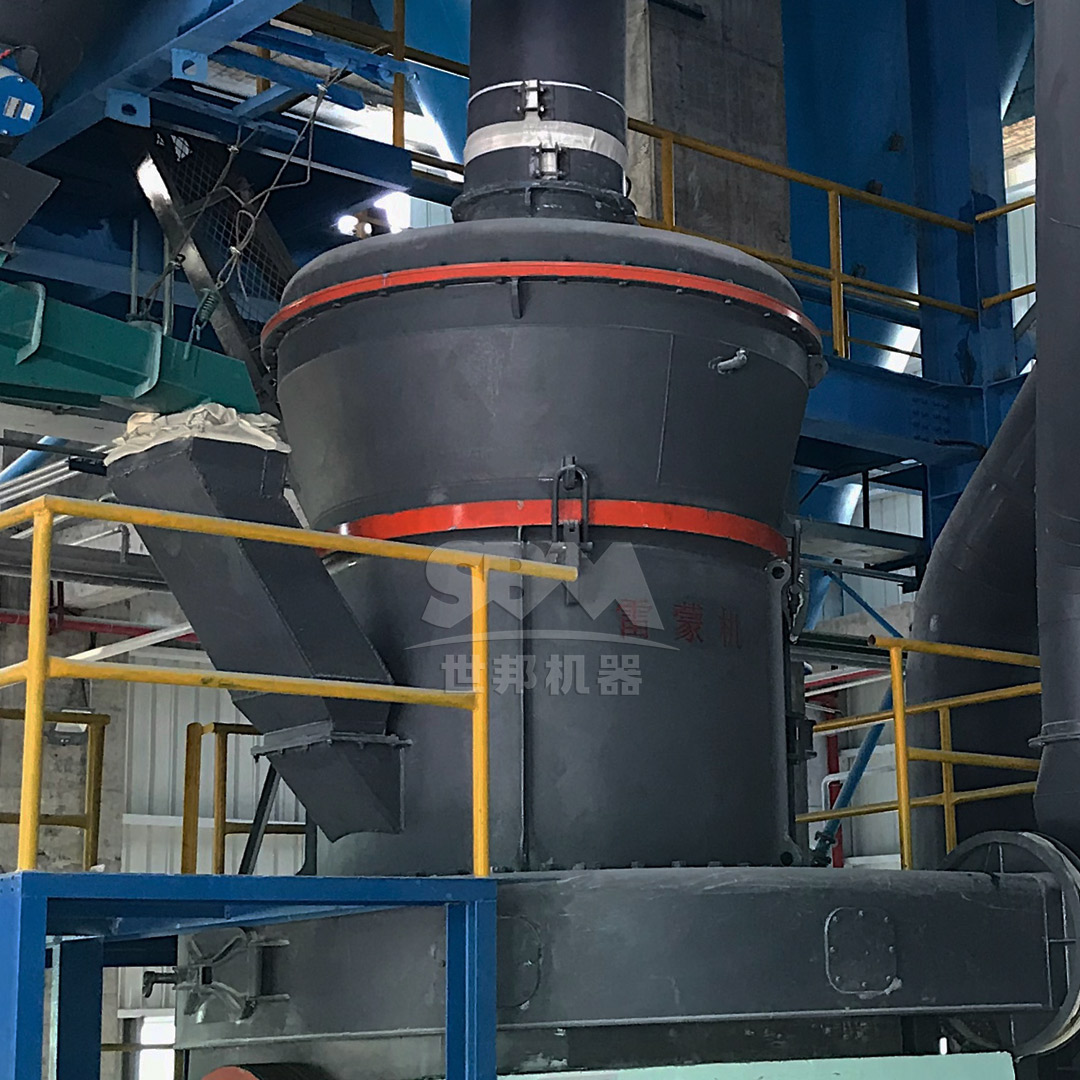
A prime example of source-centric dust control is the LM Series Vertical Roller Mill. This technology represents a paradigm shift from traditional, open-system ball mills. Its integrated design combines grinding, drying, classification, and conveying within a single, sealed housing. The grinding principle operates on a bed of material between rollers and a rotating table, which is inherently less turbulent and dust-generating than the tumbling action of a ball mill. The entire process occurs under negative pressure, ensuring that any fugitive dust is drawn into the process stream rather than escaping to the atmosphere. Key dust-control advantages include:

  • Fully Sealed Negative-Pressure Operation: Actively prevents dust leakage at the source, maintaining emissions below 20 mg/m³.
  • Integrated System Design: Minimizes open transfer points, the typical hotspots for dust escape.
  • High-Efficiency Internal Classifier: Prevents over-grinding of fines within the circuit, reducing recirculation of ultra-fine particles.
  • Low Noise Emission: Operates at ≤80 dB(A), contributing to a better overall plant environment.
Model Example Grinding Principle Key Dust Control Feature Typical Emission Level
LM190K Vertical Roller Mill Material bed compression under rollers Full negative-pressure sealing < 20 mg/m³
Traditional Ball Mill Impact & attrition in tumbling charge Reliant on external baghouse High potential at feed/discharge points

\"Diagram

3. Secondary Strategy: Containment and Capture at Transfer Points

Even with optimal mill design, dust can be generated at material handling stages: feeding, conveying, and packaging. Effective containment is critical.

  • Enclosed Conveying Systems: Use fully enclosed belt conveyors, screw conveyors, or pneumatic conveying systems instead of open transfers.
  • Proper Hood Design: Install well-designed local exhaust ventilation (LEV) hoods at all potential dust release points (e.g., crusher discharge, screen decks, conveyor transfer chutes). Hoods should be as close as possible to the source and sized to capture the dust-laden air.
  • Sealing and Maintenance: Implement regular inspection and maintenance of seals on equipment doors, inspection hatches, and shaft penetrations. Worn seals are a major cause of fugitive emissions.
4. Tertiary Strategy: High-Efficiency Filtration and Collection

The final line of defense is capturing dust from extracted air before it is exhausted. The choice of dust collector is paramount.

  • Pulse-Jet Baghouse Filters: The industry standard for high-efficiency collection. They use fabric filter bags that capture particles on their surface, with periodic bursts of compressed air to clean them. Modern designs feature:
    • High filter media quality (e.g., PTFE membrane-coated fabrics) for >99.9% efficiency on sub-micron particles.
    • Intelligent pulse control systems that optimize cleaning cycles based on differential pressure, saving energy and extending bag life.
  • Cartridge Collectors: Offer a compact footprint and high filtration area. Suitable for applications with space constraints.
  • Wet Scrubbers: Useful for applications with high moisture, high temperature, or combustible dust, though they create a wastewater stream that requires treatment.

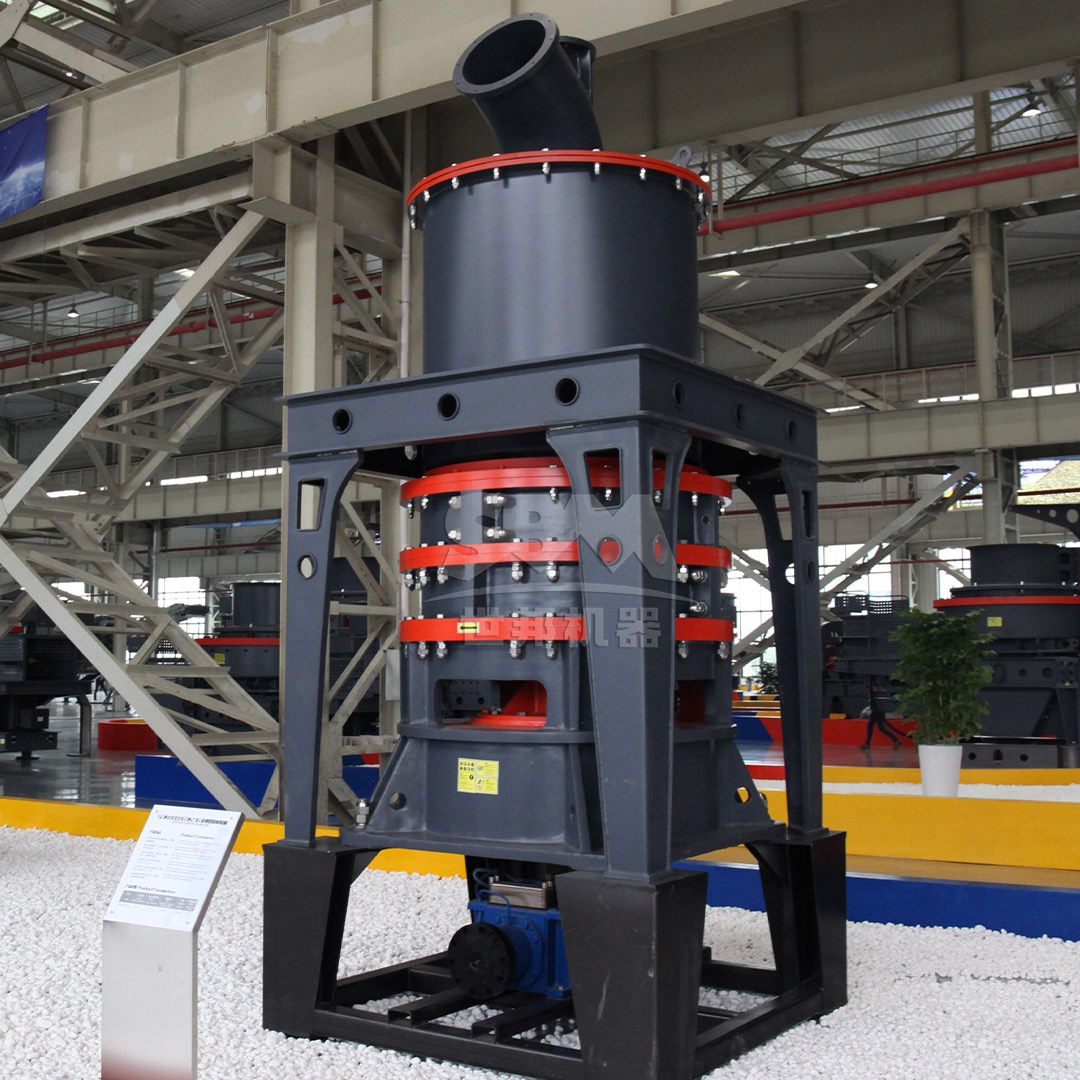
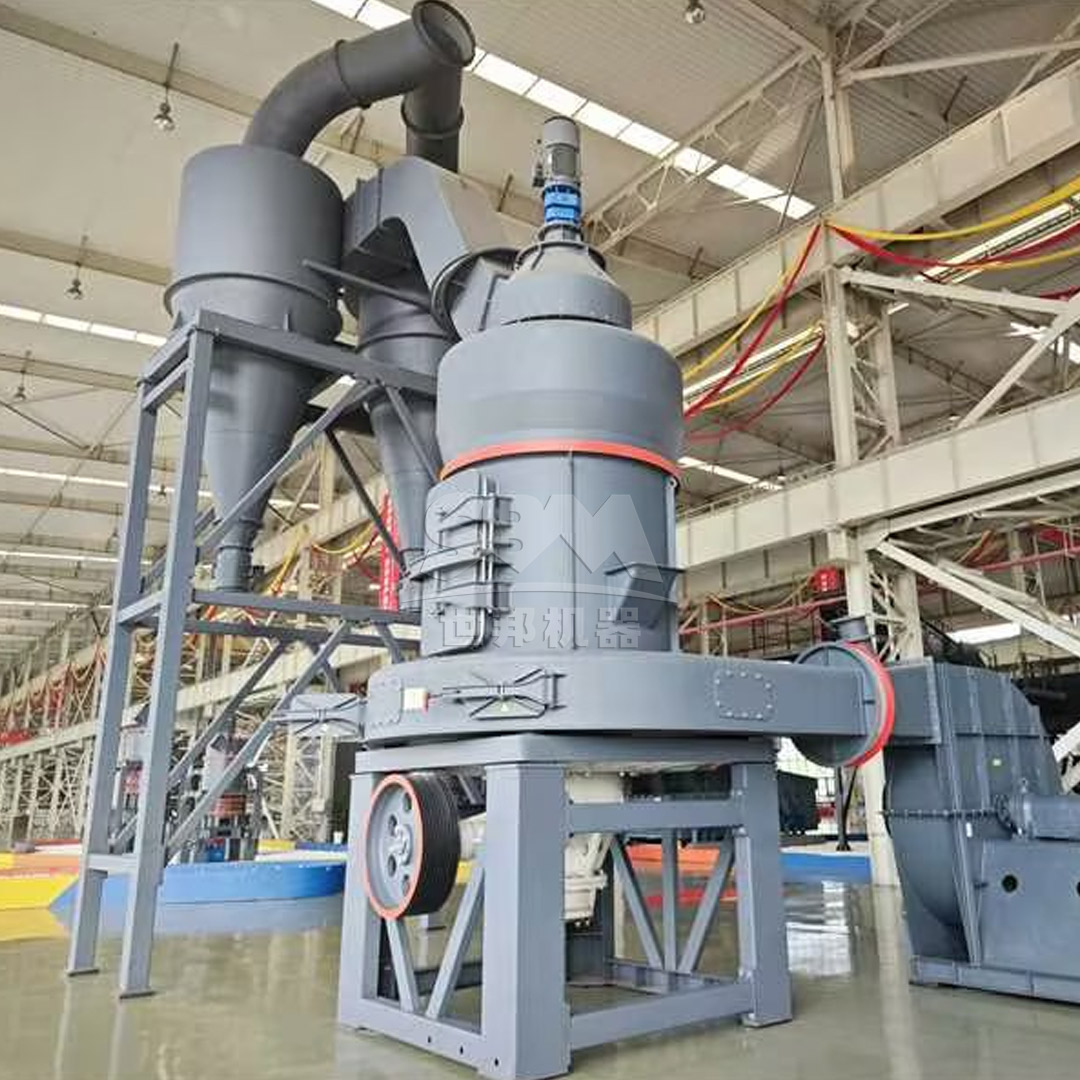
It is essential to integrate the dust collection system seamlessly with the grinding equipment. For instance, our SCM Ultrafine Mill is designed with this synergy in mind. While its core grinding mechanism is efficient, it is paired with a high-performance pulse jet dust collector that exceeds international emission standards. The mill’s design ensures a consistent and manageable airflow of dust-laden gas to the collector, optimizing its performance and ensuring final emissions are negligible.
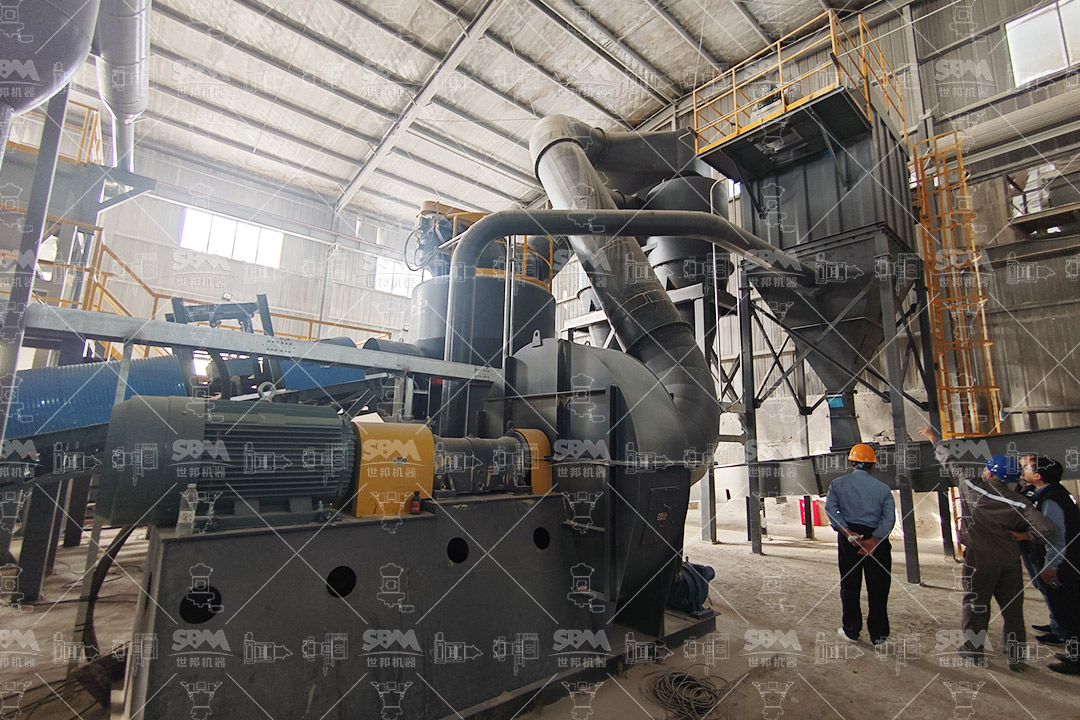
\"Photo

5. Operational and Maintenance Best Practices

Technology alone is insufficient without proper operation and maintenance (O&M).

  • Regular Inspection: Schedule daily visual checks and weekly instrument checks (pressure gauges, airflow meters) on dust collection systems.
  • Preventive Maintenance: Adhere strictly to filter bag/cartridge replacement schedules, fan bearing lubrication, and compressor maintenance for pulse systems.
  • Housekeeping: Implement a rigorous program to clean accumulated dust from equipment surfaces, floors, and structures to prevent secondary dust clouds.
  • Training: Ensure all operators understand the importance of dust control systems and can identify signs of malfunction (e.g., visible emissions, unusual noises).
6. Monitoring, Measurement, and Compliance

Continuous monitoring ensures systems are performing as designed and helps maintain regulatory compliance.

  • Continuous Emission Monitoring Systems (CEMS): For large facilities, real-time monitoring of stack particulate concentration provides data for compliance reporting and immediate alarm in case of exceedances.
  • Draft Gauge/Differential Pressure (dP) Monitor: A simple but critical tool for baghouses. A rising dP indicates filter blinding, while a low dP may suggest bag rupture.
  • Periodic Stack Testing: Conduct isokinetic stack sampling periodically to verify the performance of the entire dust control system against permit limits.

\"Control

Conclusion: A Holistic Approach for Sustainable Operations

Effective dust control in grinding operations is not achieved by a single piece of equipment but through a holistic strategy that prioritizes prevention at the source, reinforced by robust containment and high-efficiency collection. Investing in advanced grinding technology like the LM Series Vertical Roller Mill or the finely tuned SCM Ultrafine Mill with its integrated pulse除尘 system provides a foundational advantage in emission management. When this is combined with diligent operational practices, comprehensive maintenance, and continuous monitoring, plants can achieve not only regulatory compliance but also improved worker health, enhanced equipment longevity, reduced product loss, and a stronger social license to operate. In today’s industry, superior dust control is a direct indicator of operational excellence and environmental stewardship.