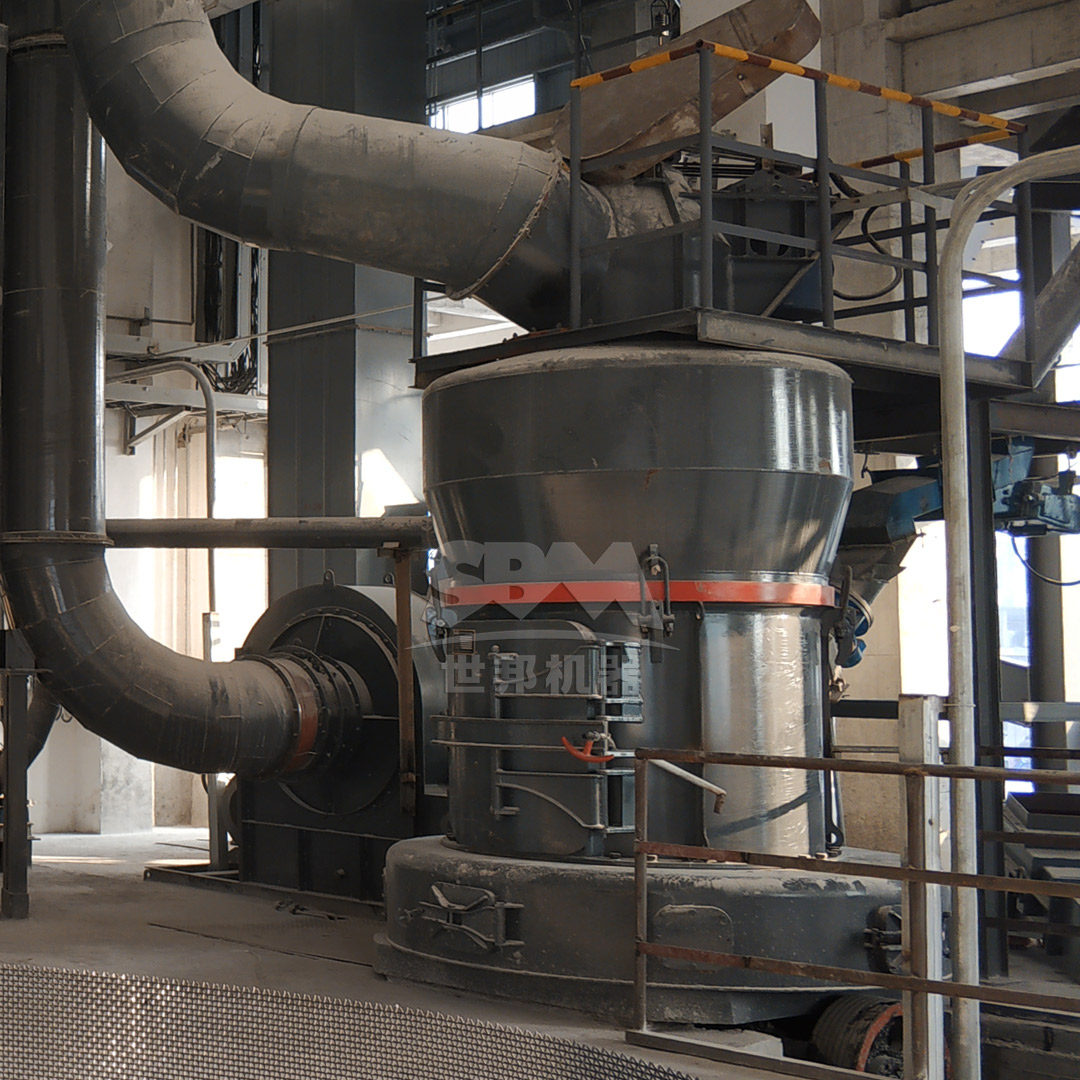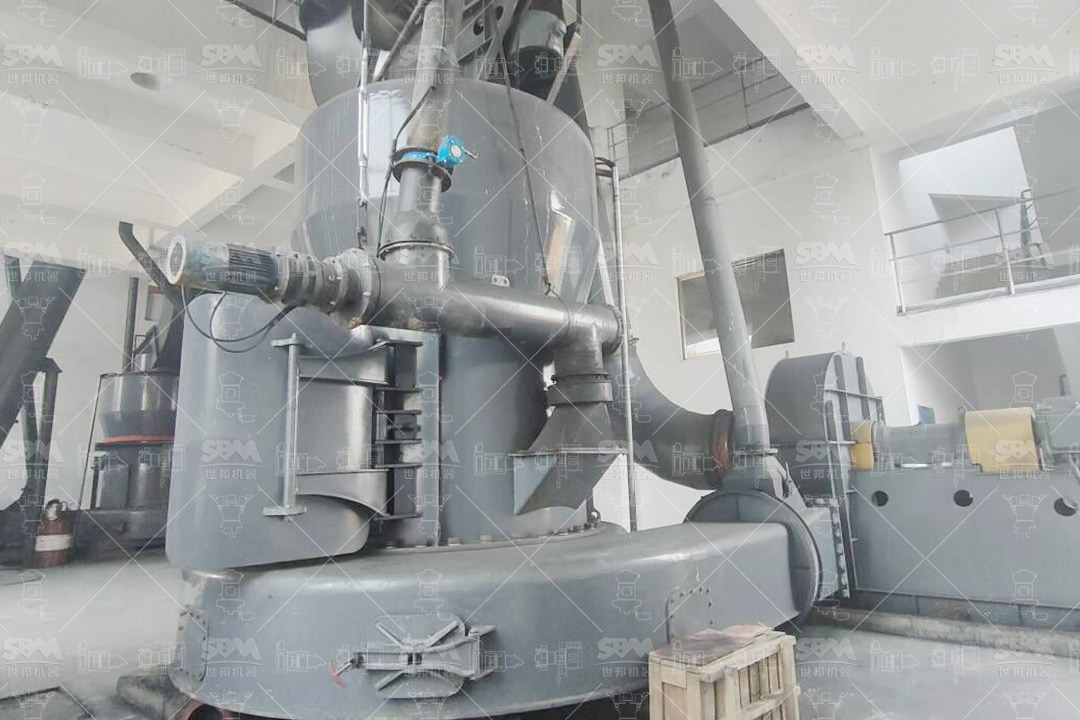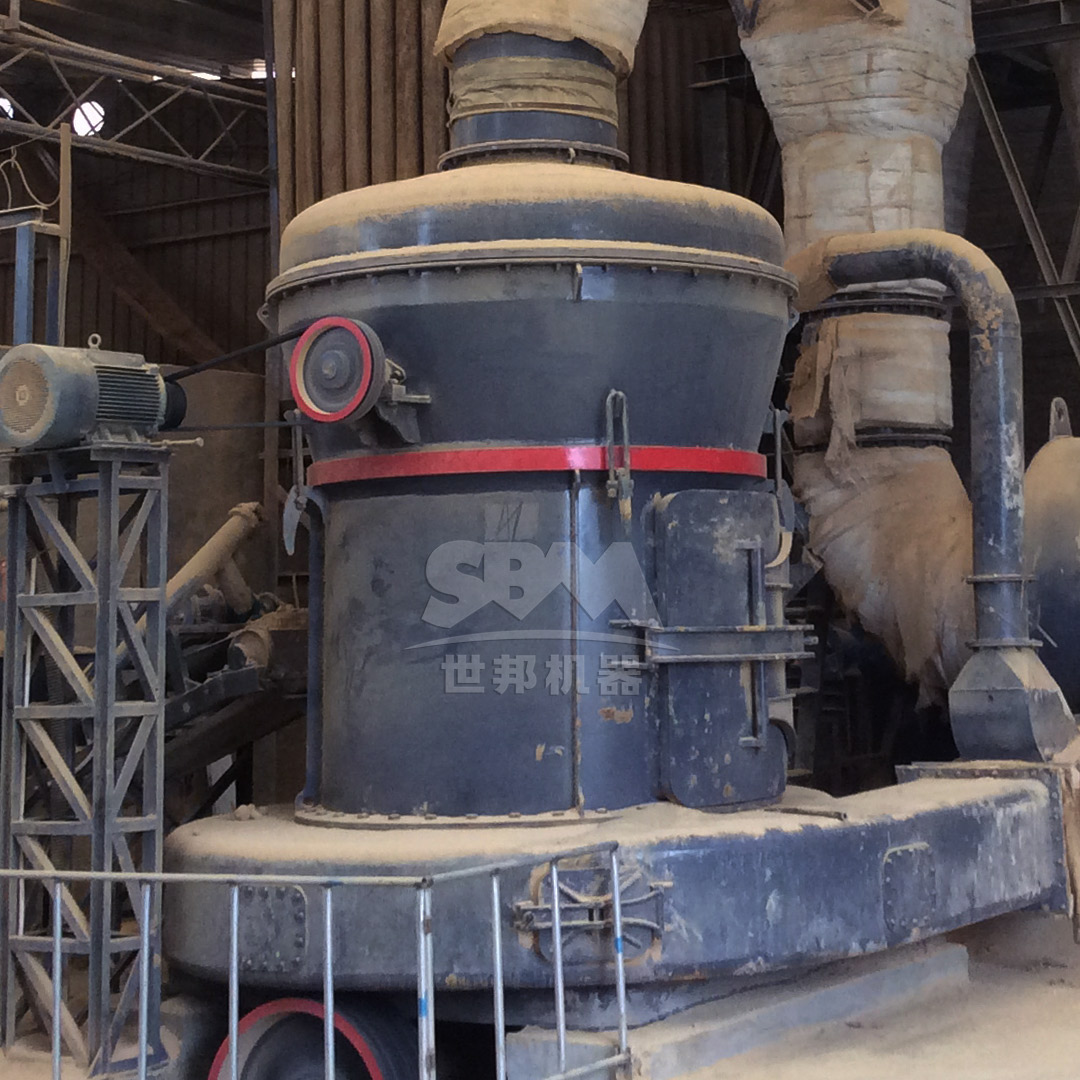
Raymond mill, a cornerstone of modern industrial powder processing, demands meticulous care to sustain its high-performance output, operational efficiency, and longevity. Neglecting maintenance can lead to significant drops in product quality, increased energy consumption, unplanned downtime, and costly component replacements. This article outlines a comprehensive, professional maintenance strategy designed to keep your Raymond mill operating at its peak.
The foundation of effective maintenance is a disciplined daily routine. Operators should conduct visual and auditory checks before, during, and after each shift.
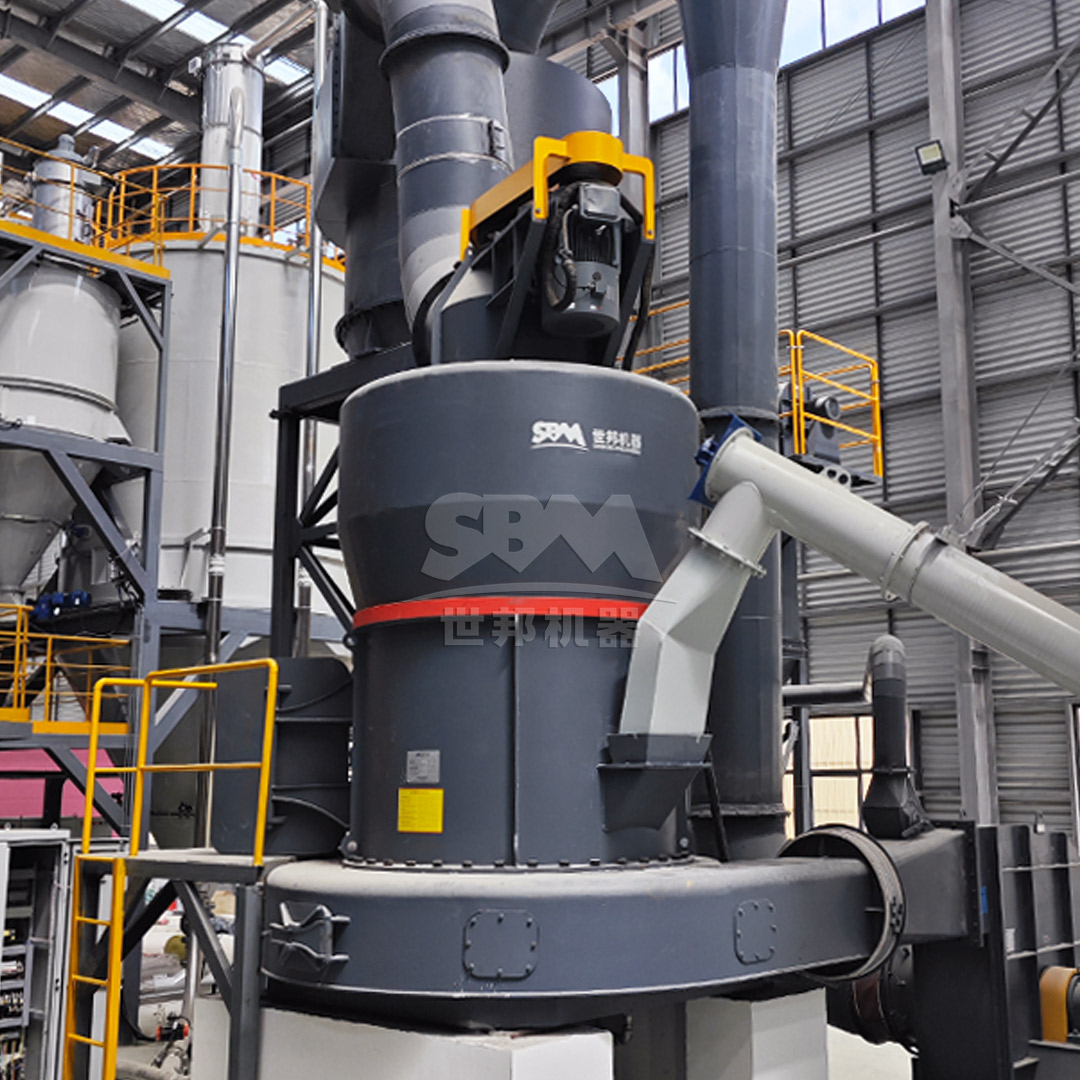
Beyond daily checks, scheduled preventative tasks are crucial for catching wear before it causes failure.
These are more extensive shutdowns aimed at comprehensive assessment and renewal of key systems.
| Maintenance Task | Frequency | Key Actions | Expected Outcome |
|---|---|---|---|
| Visual & Operational Check | Daily | Check for leaks, wear, record amperage/temp | Early fault detection, stable operation |
| Lubrication Service | Weekly/Monthly | Check oil levels/grease points, sample analysis | Reduced friction, extended bearing life |
| Wear Parts Measurement | Monthly | Measure roller/ring wear, inspect blades | Preventive replacement, consistent fineness |
| Grinding Assembly Service | Quarterly | Replace rollers/ring, check bearings | Restored grinding efficiency, prevent failure |
| Air System Cleaning | Semi-Annually | Clean ducts, inspect fan, service dust collector | Optimal airflow, environmental compliance |
| Full System Overhaul | Annually | Inspect gearbox, motors, calibrate controls | System reliability, long-term planning |
While a rigorous maintenance schedule is indispensable, its effectiveness is fundamentally tied to the quality and design of the mill itself. Investing in equipment engineered for durability, easy maintenance, and operational efficiency dramatically reduces lifecycle costs and downtime. For operations requiring high-capacity, coarse to medium-fine grinding (30-325 mesh), the MTW Series Trapezium Mill represents a significant advancement over traditional Raymond mill designs.
Its conical gear overall transmission achieves up to 98% transmission efficiency, is more compact, and requires less maintenance than traditional worm gear systems. The wear-resistant volute structure and optimized curved air duct minimize energy loss and protect critical surfaces, reducing maintenance frequency by an estimated 30%. Furthermore, its modular shovel blade design allows for partial replacement of worn segments, slashing maintenance time and cost compared to replacing entire shovel arms.

A systematic approach to troubleshooting can quickly restore mill performance.
For applications demanding ultra-fine powders (325-2500 mesh), maintenance and performance challenges shift towards precision classification and particle dispersion. In this realm, the SCM Ultrafine Mill is engineered to excel. Its maintenance-friendly design features an oil-free screw grinding chamber, eliminating the risk of bearing failure from powder ingress—a common headache in fine grinding. The special alloy grinding rollers and ring offer several times the service life of standard materials, drastically extending intervals between major overhauls.
Moreover, its vertical turbine classifier provides precise particle size cuts without coarse powder contamination. This intelligent system, coupled with automated feedback control, maintains consistent product fineness with minimal manual adjustment, reducing operational complexity and the potential for human error during process changes. The integrated high-efficiency pulse dust collector ensures environmental compliance with minimal maintenance burden.

Optimal Raymond mill performance is not a matter of chance but the direct result of a proactive, disciplined, and knowledge-driven maintenance culture. By implementing the daily, periodic, and overhaul routines outlined above, plant managers can ensure maximum availability, consistent product quality, and controlled operating costs. Furthermore, pairing this rigorous maintenance philosophy with advanced, robustly designed equipment like the MTW Series Trapezium Mill for general grinding or the SCM Ultrafine Mill for superfine applications provides a formidable foundation for productivity and profitability in today’s competitive industrial landscape. Remember, consistent care is the most effective strategy to prevent costly repairs and sustain your grinding operations at their peak for years to come.