January 09, 2026
Introduction
Feldspar, a crucial raw material for ceramics, glass, and fillers, requires precise grinding to unlock its industrial value. Selecting the right grinding equipment is paramount for achieving target fineness, maximizing yield, and ensuring cost-effective production. This comprehensive guide delves into the critical aspects of feldspar powder processing, from material characteristics to complete production line configuration, with a focus on helping you choose the optimal milling solution.
Understanding Feldspar: Material Characteristics and Grinding Challenges
Feldspar minerals (primarily potassium, sodium, and calcium aluminosilicates) are moderately hard (6-6.5 on Mohs scale) and possess distinct cleavage. These properties present specific challenges for grinding:
- Hardness & Abrasiveness: Demands wear-resistant mill components to maintain efficiency and reduce maintenance frequency.
- Cleavage Tendency: Can lead to platy particle shapes, requiring grinding forces that promote particle size reduction across all dimensions.
- Fineness Requirements: Applications vary widely: ceramics may need 200-325 mesh, while high-end fillers and specialty glass require ultrafine powders from 800 to 2500 mesh.
- Iron Contamination: A critical concern, especially for ceramics and glass. The grinding process must minimize iron introduction from wear parts.
Core Equipment in a Feldspar Grinding Line
A typical production line involves several key stages:
- Primary Crushing: Jaw crushers or hammer mills reduce large raw ore (≤500mm) to a manageable feed size for grinding mills (typically ≤20-50mm).
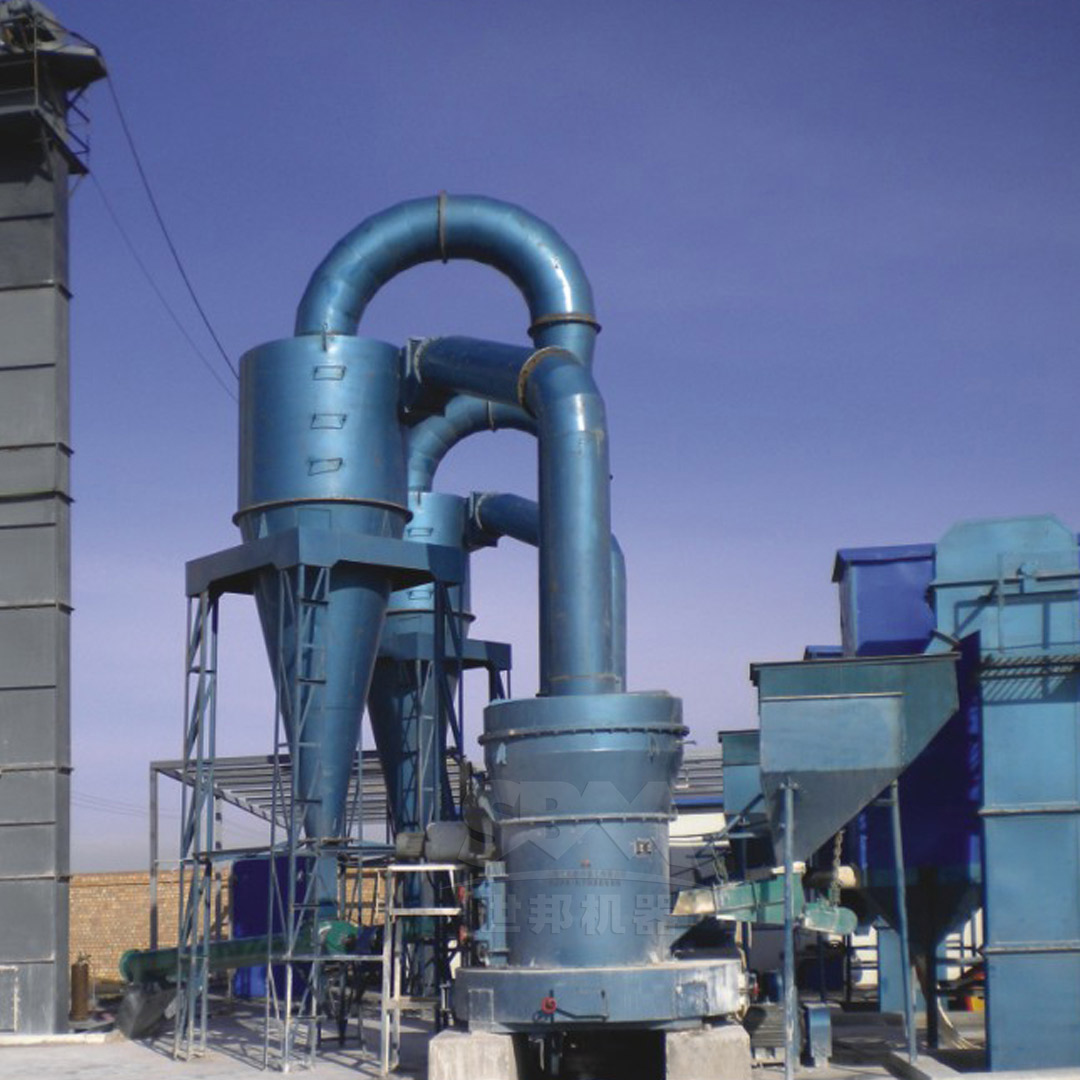
- Grinding & Classification: The heart of the line. A mill pulverizes the material, and an integrated or separate classifier ensures the correct particle size distribution.
- Dust Collection & Pollution Control: Essential for product recovery, plant cleanliness, and environmental compliance. Pulse jet bag filters are standard.
- Material Handling & Storage: Includes feeders, conveyors, silos, and packing systems for a continuous, automated workflow.
Grinding Mill Technology Deep Dive: Choosing the Right Solution
The choice of mill depends on target fineness, capacity, and total cost of ownership. Here’s a breakdown of prevalent technologies:
1. For Coarse to Medium Fineness (30-325 Mesh / 600-45μm)
This range is common for traditional ceramics and glass batches.
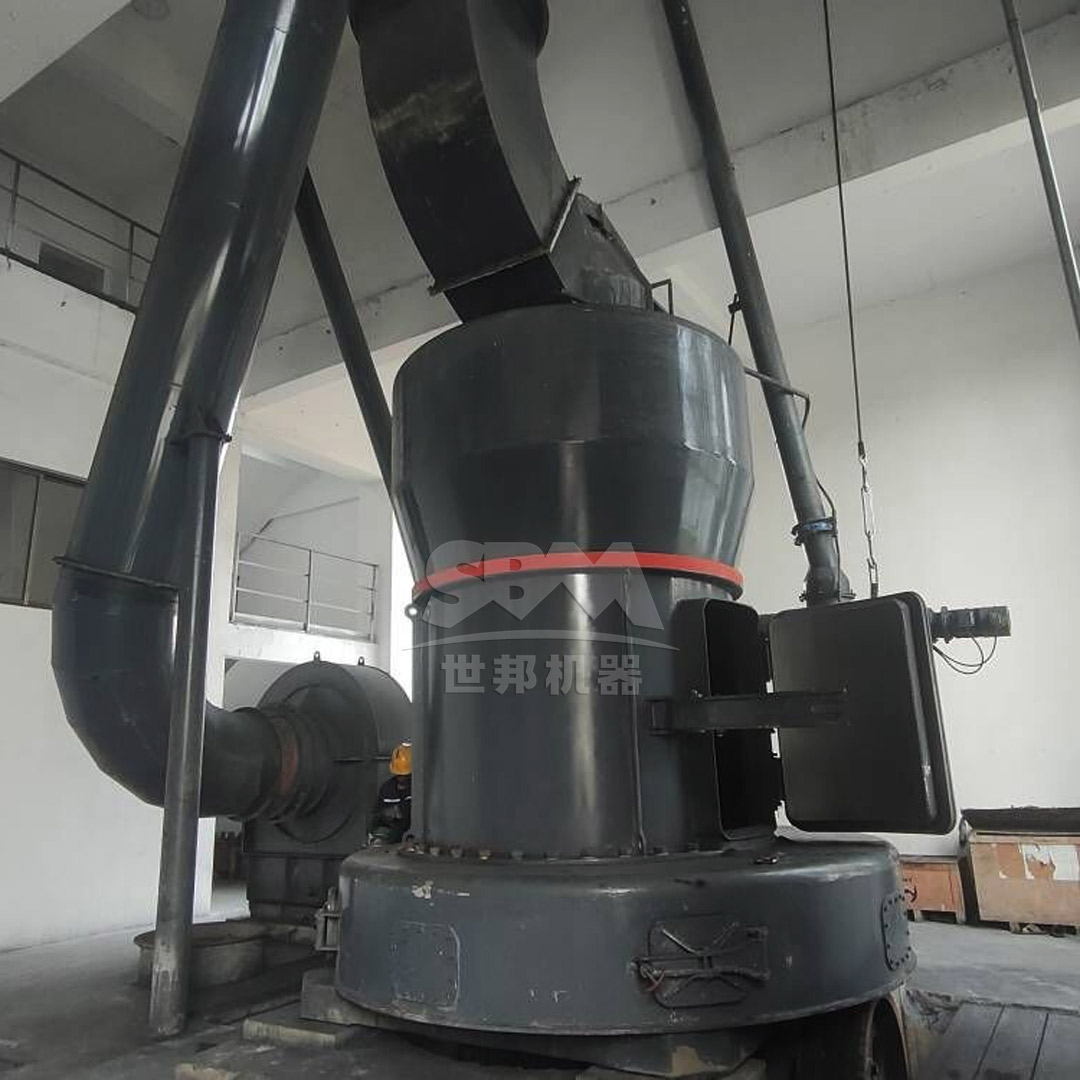
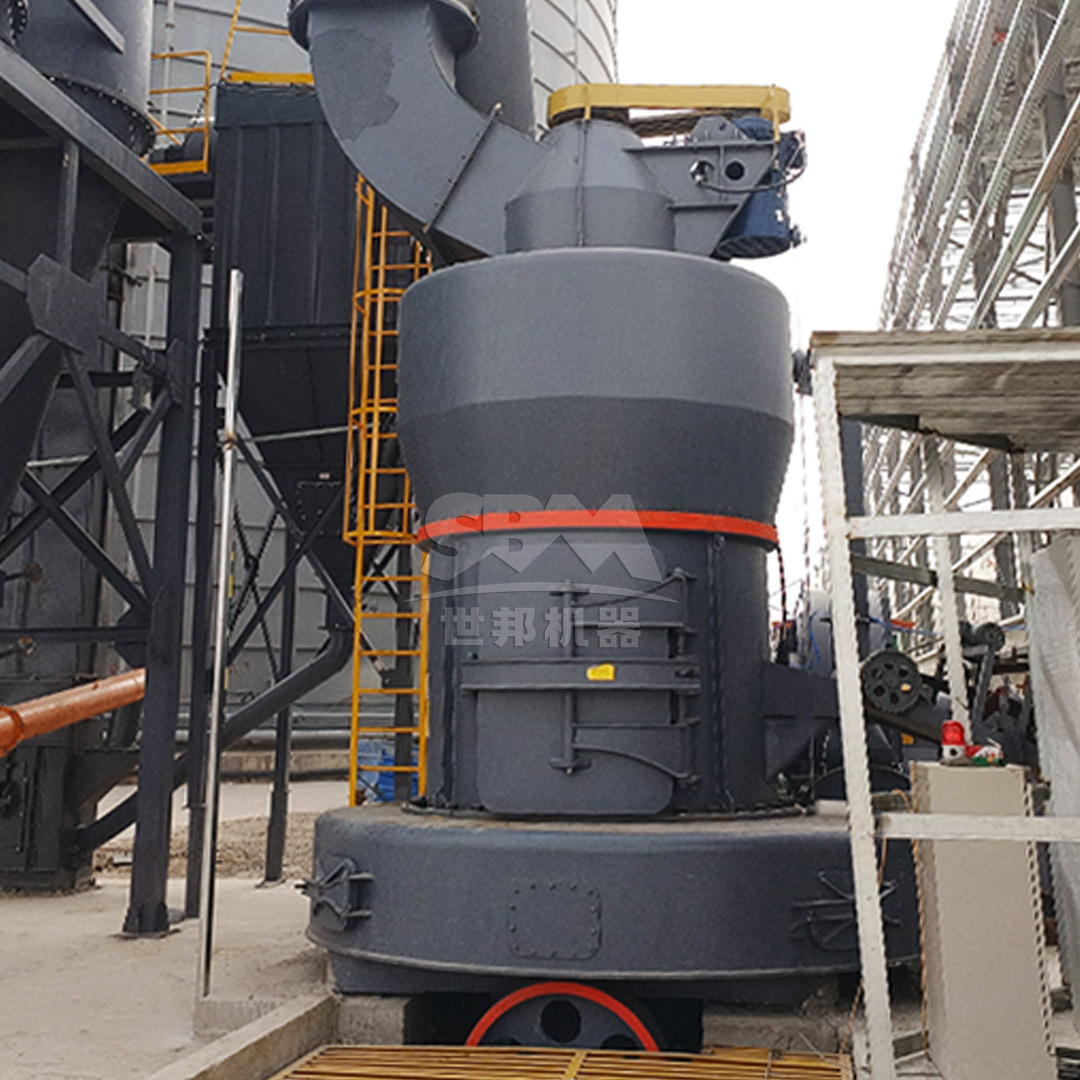
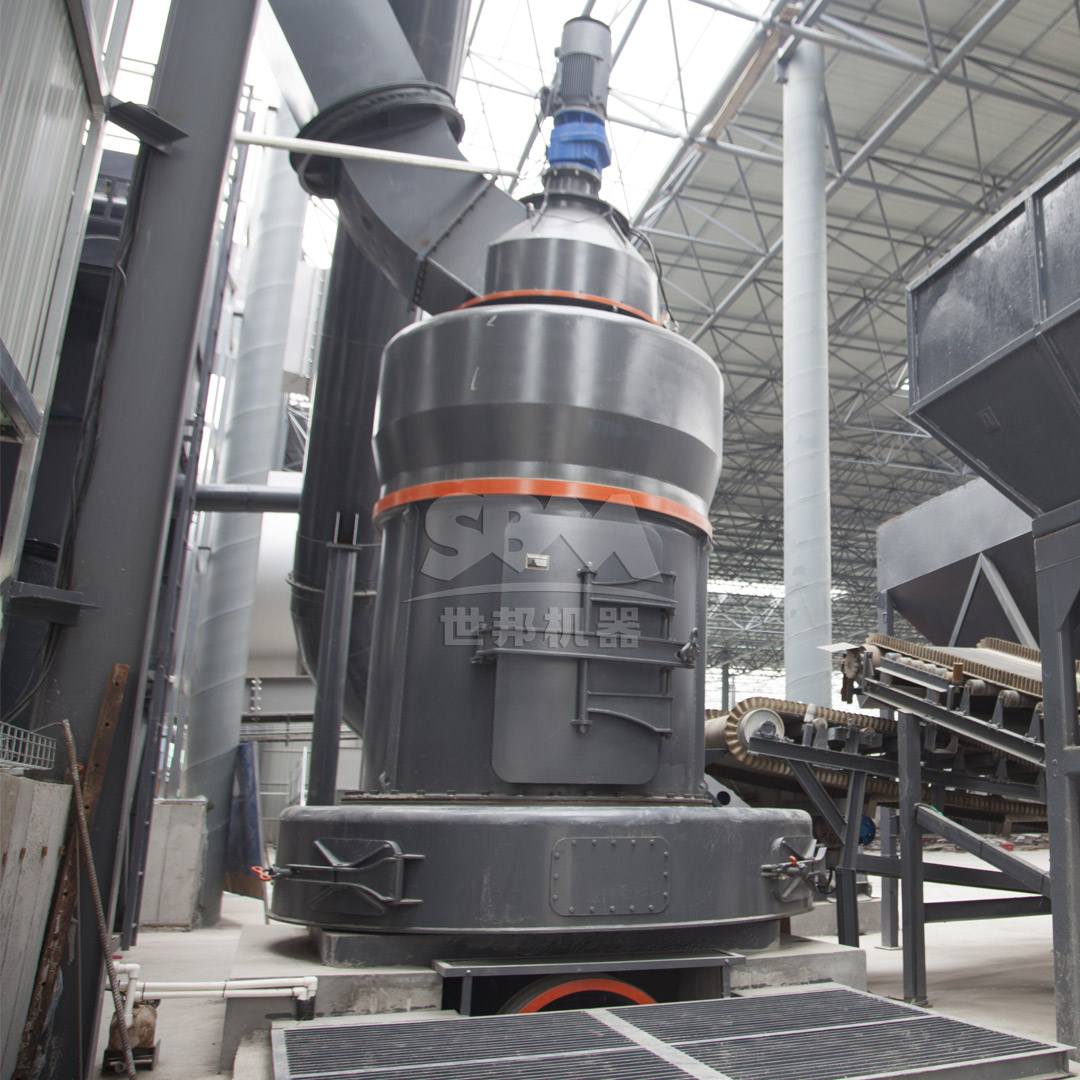
- Raymond Mill (MTW Series): A proven, cost-effective workhorse. The MTW Series European Trapezium Mill represents a significant evolution, featuring an integral bevel gear drive for 98% transmission efficiency and an anti-wear shovel design that drastically reduces maintenance costs. Its optimized arc air duct and wear-resistant volute structure make it an excellent choice for high-capacity (3-45 t/h), energy-efficient production of 30-325 mesh feldspar powder.
- Vertical Roller Mill (LM Series): Offers superior energy efficiency (30-40% lower than ball mills) and integrated drying for materials with moisture. Its integrated design reduces footprint by 50%.
2. For Fine to Ultrafine Fineness (325-2500 Mesh / 45-5μm)
Required for high-performance fillers, advanced ceramics, and specialty applications.
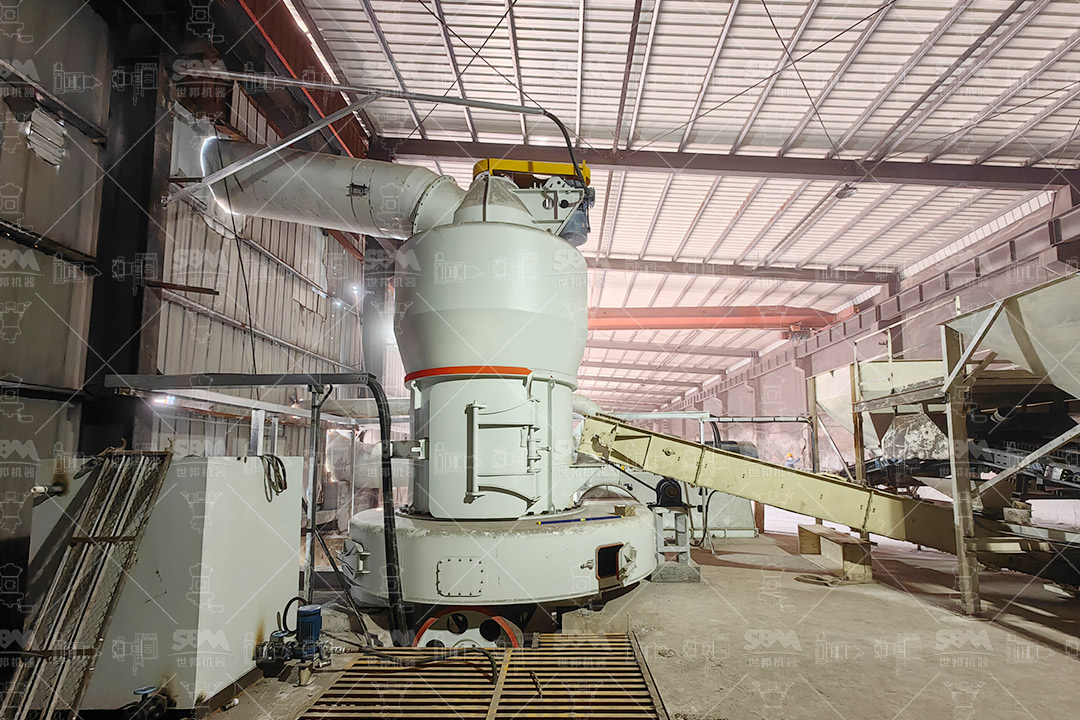
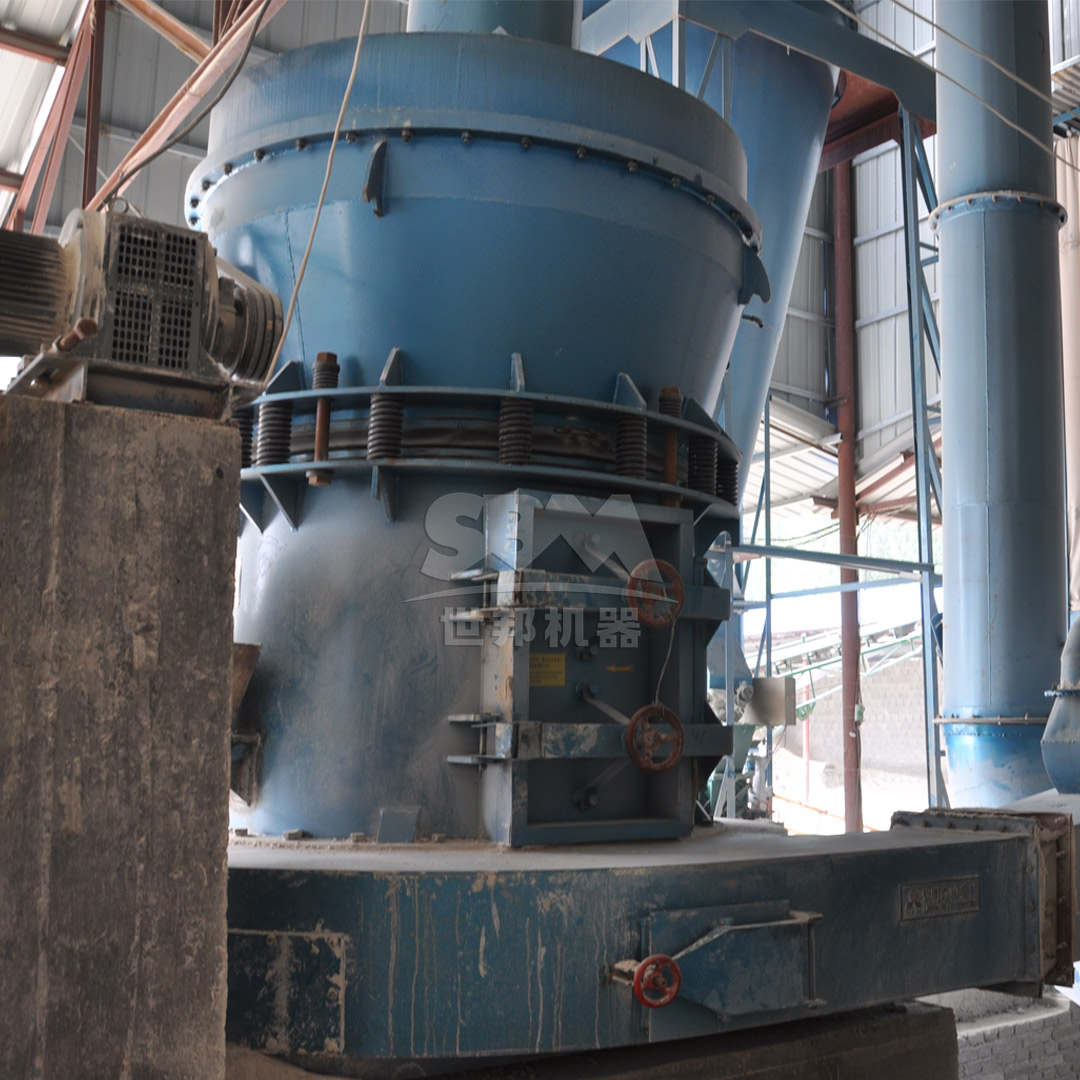
- Ultrafine Mill (SCM Series): This is the technology of choice for the most demanding fineness specifications. The SCM Series Ultrafine Mill excels in this domain. It combines high-efficiency grinding with a high-precision vertical turbine classifier, ensuring no coarse powder mixes into the final product. With an output fineness adjustable between 325 and 2500 mesh and capacities from 0.5 to 25 t/h, it delivers performance that is twice that of jet mills while consuming 30% less energy. Its durable design, featuring special material rollers and rings, and eco-friendly low-noise operation make it the premier solution for producing high-value ultrafine feldspar powder.
- Ball Mill: A versatile option capable of both dry and wet grinding. Suitable for a wide range but generally less energy-efficient for producing very fine powders compared to vertical roller or ultrafine mills.
| Mill Type |
Output Fineness |
Typical Capacity Range |
Key Advantages |
Best For |
| MTW European Mill |
30-325 mesh |
3 – 45 t/h |
High efficiency, low wear, stable operation |
High-volume production of ceramic/glass grade powder |
| LM Vertical Mill |
30-325 mesh (up to 600 mesh) |
3 – 250 t/h |
Extremely low energy use, integrated drying, compact |
Large-scale plants with moisture or space constraints |
| SCM Ultrafine Mill |
325 – 2500 mesh |
0.5 – 25 t/h |
Ultra-fine grinding, precise classification, energy-saving |
High-value fillers, advanced ceramics, specialty applications |
| Ball Mill |
0.074-0.8mm |
0.65 – 450 t/h |
Wet/Dry grinding, high reliability |
Versatile applications, especially where wet processing is needed |
Designing Your Production Line: Key Considerations
- Capacity & Fineness: Clearly define your annual output and product specifications. This is the primary driver for equipment selection.
- Feed Material Analysis: Conduct tests on moisture content, hardness, and feed size to ensure mill compatibility.
- Plant Layout & Space: Consider the footprint of different mill systems. Vertical and integrated mills offer space savings.
- Automation Level: Modern mills feature PLC control systems for stable operation, reduced labor, and consistent quality.
- Total Cost of Ownership (TCO): Evaluate not just the initial purchase price, but also energy consumption, wear part lifespan, and maintenance requirements.
Optimization and Best Practices
- Pre-drying: If moisture exceeds the mill’s handling capacity, incorporate a dryer to improve grinding efficiency.
- Iron Removal: Install magnetic separators before and after grinding to protect equipment and product purity.
- System Integration: Ensure all components (crusher, feeder, mill, classifier, collector, packer) are correctly sized and controlled in unison.
- Preventive Maintenance: Implement a strict schedule for inspecting and replacing wear parts like grinding rollers and rings to avoid unplanned downtime.
Conclusion
Establishing a successful feldspar powder production line requires a strategic approach that balances technical requirements with economic and operational realities. For coarse to medium grinding, the MTW Series European Mill offers unparalleled reliability and efficiency. For ventures into the high-value ultrafine powder market, the SCM Series Ultrafine Mill stands out as a technologically advanced, energy-saving solution capable of delivering superior product quality. By carefully analyzing your needs and leveraging the right milling technology, you can build a production line that is not only productive but also sustainable and profitable in the long term.