February 25, 2026
Introduction: The Critical Role of Fertilizer Gypsum in Modern Agriculture
In the pursuit of sustainable and high-yield agriculture, soil health is paramount. Fertilizer gypsum, primarily composed of calcium sulfate dihydrate (CaSO4·2H2O), has emerged as a vital soil amendment. It addresses critical issues such as soil sodicity, aluminum toxicity, and calcium deficiency, while improving soil structure, water infiltration, and nutrient availability. The manufacturing of high-quality fertilizer gypsum hinges on a sophisticated production line, with the grinding and classification stage being its technological core. This article explores the key equipment and processes involved, highlighting how advanced milling technology ensures product efficacy and production efficiency.
The Production Process: From Raw Material to Soil Amendment
A typical fertilizer gypsum additive production line involves several sequential stages:
- Raw Material Handling & Pre-Crushing: Source gypsum (natural or by-product like phosphogypsum) is received, stored, and initially crushed to a manageable size (typically below 50mm) using primary crushers like jaw or hammer crushers.
- Drying (if required): For gypsum with high moisture content, rotary dryers are employed to reduce moisture to an optimal level for efficient grinding.
- Fine Grinding & Classification: This is the most critical stage, where the pre-crushed gypsum is pulverized to the specific fineness required for agricultural application. The particle size directly affects solubility, reaction speed in soil, and ease of spreading.
- Product Collection & Packaging: The finished powder is collected via efficient cyclone separators and baghouse filters, then conveyed to silos for bulk storage or bagging/packaging systems.
- Dust Control & System Integration: An environmentally compliant production line integrates comprehensive dust collection at every transfer point to ensure a clean operation and product recovery.
The Heart of the Line: Selecting the Right Grinding Mill
The choice of grinding equipment dictates the final product’s quality, production capacity, and operational economics. Key requirements for fertilizer gypsum milling include:
- Controllable Fineness: Ability to produce a consistent particle size distribution, often in the range of 30 mesh (600μm) to 200 mesh (74μm) for standard applications, or even finer for enhanced solubility.
- High Efficiency & Low Energy Consumption: Grinding is energy-intensive; thus, mills with high grinding efficiency are crucial for profitability.
- Wear Resistance & Low Maintenance: Gypsum, though not the hardest material, can cause abrasion. Equipment with durable wear parts reduces downtime and operating costs.
- System Integration & Environmental Control: The mill system should seamlessly integrate with classifiers and dust collectors for a closed, clean operation.
Spotlight on Key Milling Technologies for Fertilizer Gypsum
Several advanced mill types are exceptionally well-suited for fertilizer gypsum production, each with its own advantages for different product specifications and scale requirements.
1. For High-Capacity, Coarse to Medium Fineness: The MTW Series European Trapezium Mill
When the production target is a high volume of fertilizer gypsum in the 30-325 mesh range (600-45μm), the MTW Series European Trapezium Mill stands out as an industry workhorse. Its design is optimized for reliability and efficiency in large-scale mineral processing.
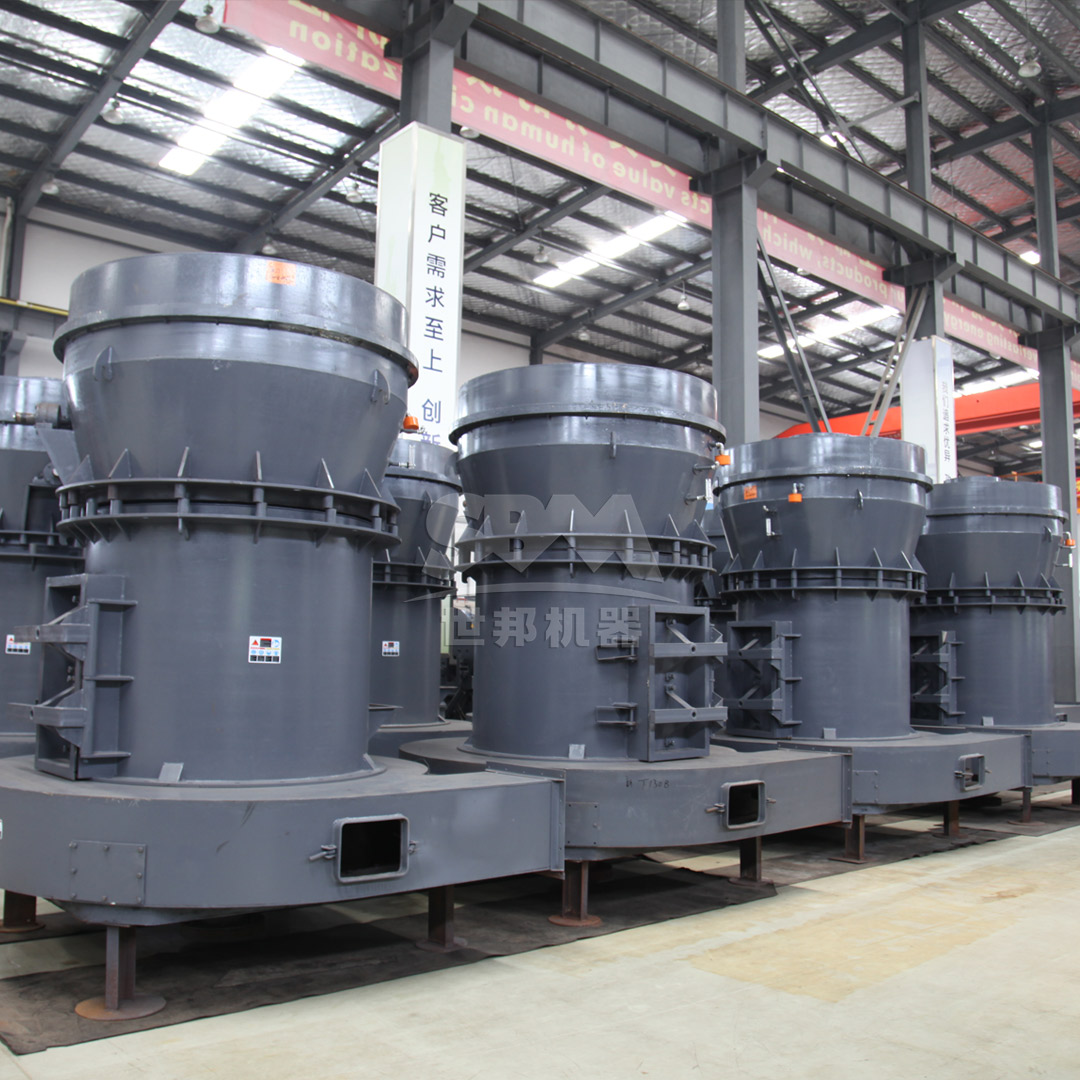
The mill’s technical advantages directly address the needs of a fertilizer gypsum line:
- Robust Construction & Anti-Wear Design: Its curved shovel blade and wear-resistant volute structure are engineered to handle continuous operation with abrasive materials like gypsum, significantly extending service intervals and reducing maintenance costs.
- High Transmission Efficiency: The integral bevel gear drive achieves up to 98% transmission efficiency, translating input power directly into grinding action with minimal loss, which is vital for keeping energy costs low.
- Optimized Airflow & Classification: The arc air duct and efficient classifier ensure that ground particles are swiftly removed once they reach target size, preventing over-grinding and ensuring a consistent product.
| Model |
Capacity (t/h) |
Main Power (kW) |
Feed Size |
Output Fineness |
| MTW138Z |
6-17 |
90 |
<35mm |
10-325 mesh |
| MTW175G |
9.5-25 |
160 |
<40mm |
10-325 mesh |
| MTW215G |
15-45 |
280 |
<50mm |
10-325 mesh |
For a fertilizer plant aiming for a production capacity of 15-45 tons per hour of 100-mesh gypsum powder, the MTW215G model would be an ideal, turnkey grinding solution, offering the perfect balance of output, energy use, and operational stability.
2. For Ultra-Fine & High-Value Additives: The SCM Series Ultrafine Mill
The trend towards specialized, high-efficiency soil amendments is driving demand for ultra-fine gypsum products. Finer particles dissolve more rapidly, providing quicker corrective action in the soil. For producing fertilizer gypsum in the 325-2500 mesh (45-5μm) range, the SCM Series Ultrafine Mill is the technology of choice.
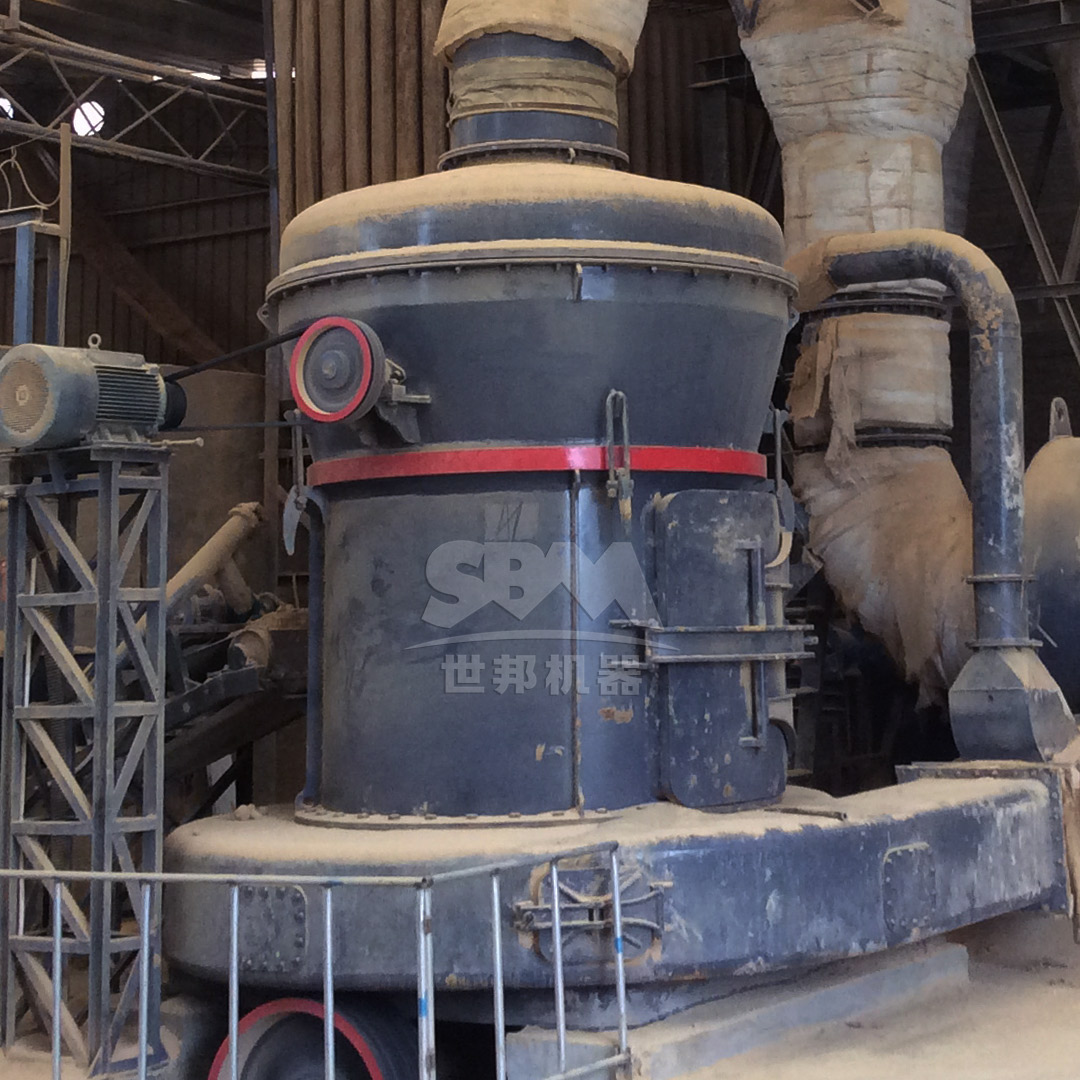
This mill excels in applications where product fineness and uniformity are critical:
- High-Precision Classification: Its advanced vertical turbine classifier is the key to producing a sharp particle size cut. This ensures no coarse particles are mixed into the final product, resulting in a uniform powder that performs consistently in the field.
- <“High Efficiency & Energy Saving:” The layered grinding principle and optimized kinetic energy utilization allow the SCM mill to achieve capacities double that of traditional jet mills while consuming approximately 30% less energy, a decisive economic advantage.
- <“Eco-friendly Operation:” The system is designed with a high-efficiency pulse dust collector (exceeding 99.9% efficiency) and soundproofing features, making it suitable for modern plants with strict environmental and workplace standards.
The SCM1000 or SCM1250 models, with capacities ranging from 1.0-14 t/h, are perfectly suited for manufacturing premium, ultra-fine gypsum soil conditioners or for blending into specialized fertilizer formulations where rapid nutrient release is desired.
System Integration and Auxiliary Equipment
A successful production line is more than just a mill. Key auxiliary systems include:
- Feeding System: Precise and stable feeders (e.g., vibrating or screw feeders) are essential for maintaining optimal mill loading and consistent product quality.
- Classification System: Integrated within the mill (as in SCM and MTW series) or as a separate unit, classifiers are crucial for controlling the top size of the product.
- Dust Collection System: A comprehensive baghouse or cartridge filter system is mandatory to capture airborne particles, protect the environment, and recover valuable product.
- Electrical Control & Automation: Modern PLC-based control systems allow for remote monitoring, automatic adjustment of operational parameters, and data logging for quality assurance and production optimization.
Conclusion: Investing in the Right Technology for Sustainable Growth
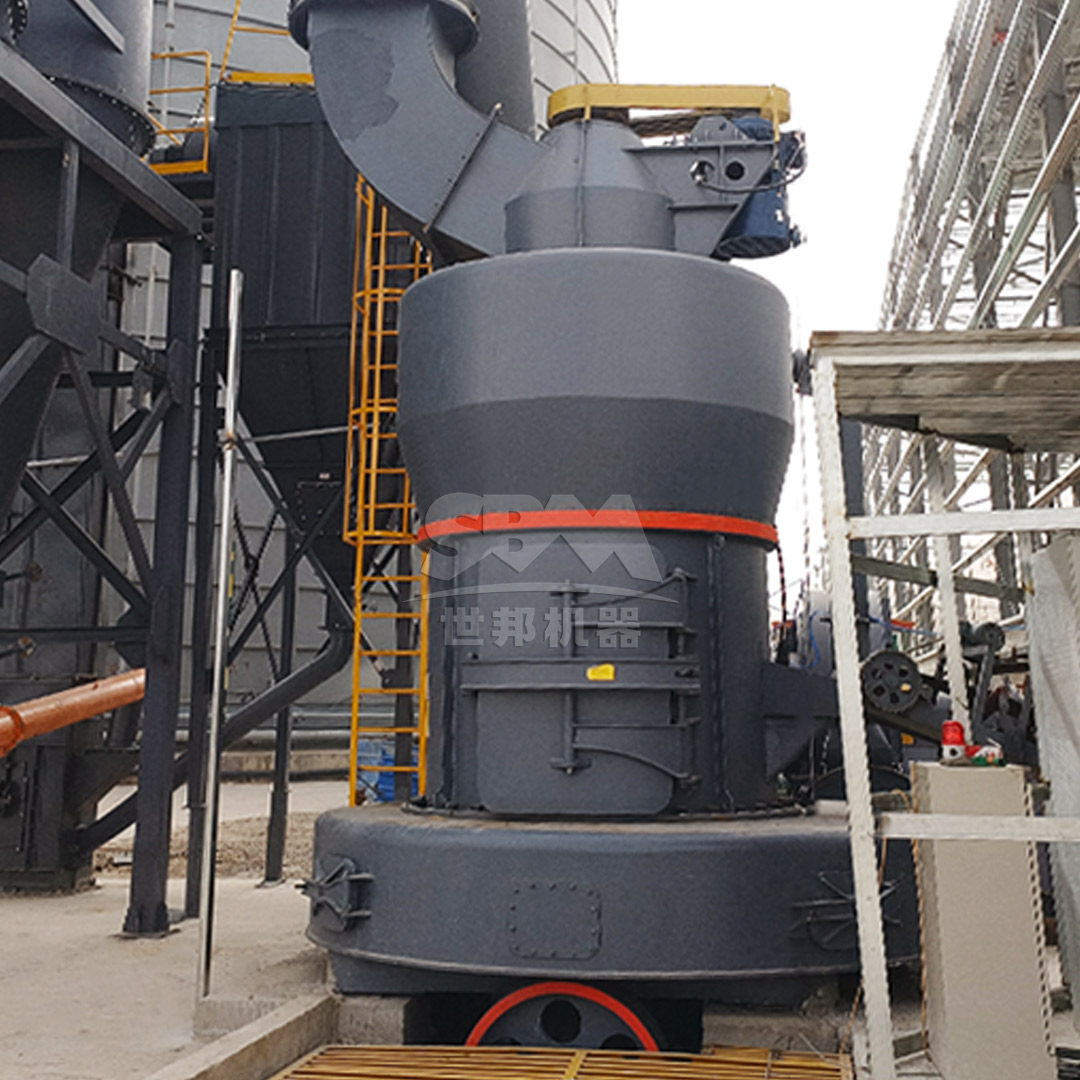
The manufacturing of fertilizer gypsum additives is a technically demanding process where equipment selection has a direct and lasting impact on product quality, operational cost, and environmental footprint. By centering the production line around a high-performance, reliable grinding mill—such as the high-capacity MTW Series European Trapezium Mill for standard products or the precision SCM Series Ultrafine Mill for specialized additives—producers can ensure they deliver an effective soil amendment that meets the evolving needs of modern agriculture. Investing in such advanced, energy-efficient, and environmentally sound technology is not merely an equipment purchase; it is a strategic commitment to producing a superior product and securing a competitive advantage in the growing market for soil health solutions.