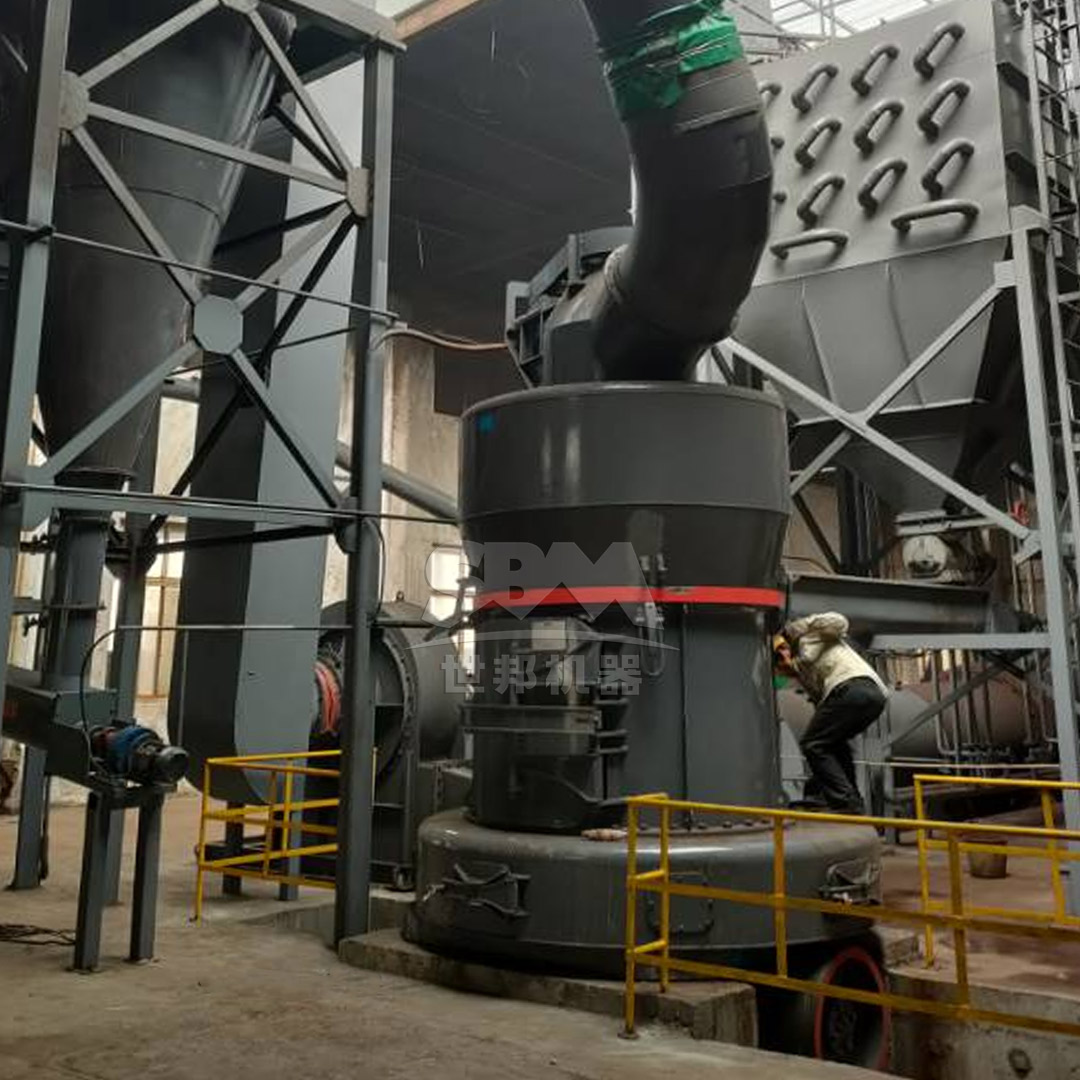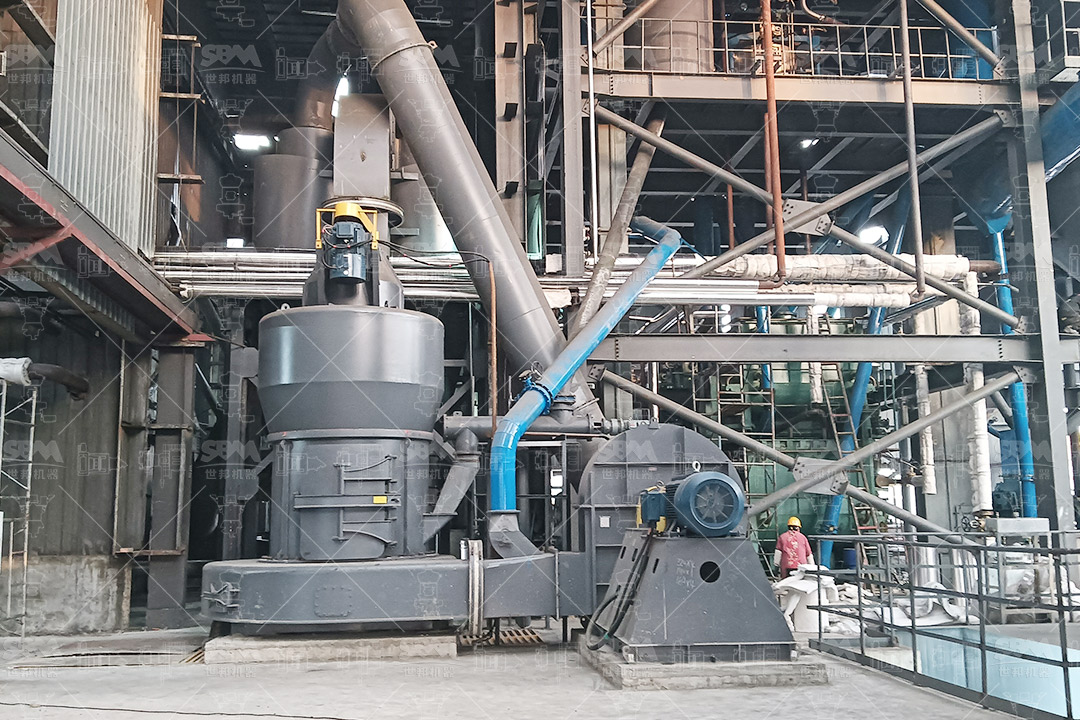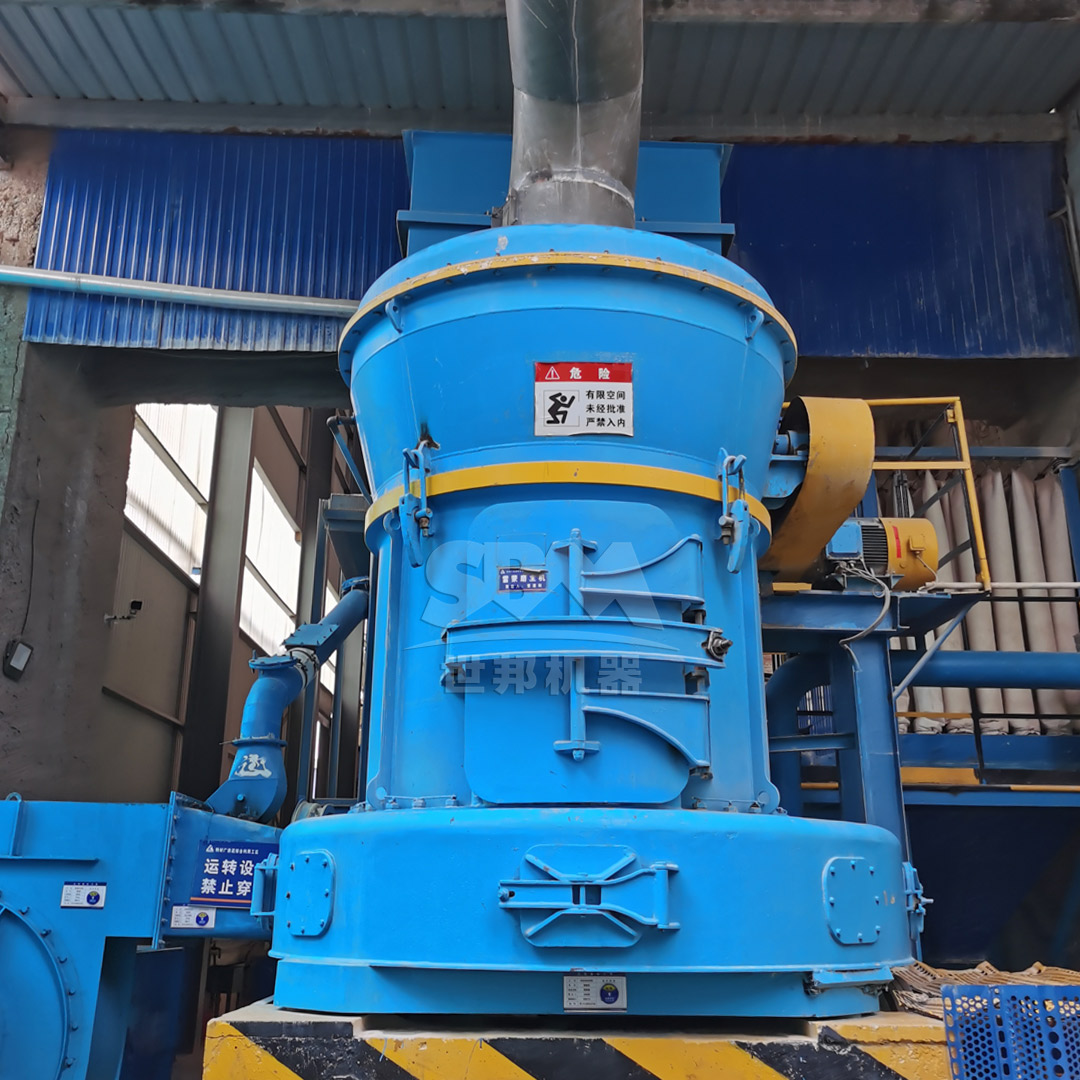
Flue Gas Desulfurization (FGD) is a cornerstone technology for reducing sulfur dioxide (SO₂) emissions from power plants and industrial facilities, a key contributor to acid rain and air pollution. Among various FGD methods, the wet limestone-gypsum process is the most widely adopted globally due to its high efficiency, reliability, and byproduct usability. At the heart of this process lies a critical preparatory step: the grinding of raw limestone into a fine, reactive slurry. The choice of grinding equipment directly impacts the desulfurization efficiency, operational cost, and overall plant economics. This article explores the primary grinding technologies—Raymond Mill, Vertical Roller Mill, and others—and their suitability for FGD limestone preparation.
In a typical wet limestone FGD system, a slurry of finely ground limestone (CaCO₃) is sprayed into an absorber tower. The SO₂ in the flue gas reacts with the limestone to form calcium sulfite, which is then oxidized to produce marketable gypsum (CaSO₄·2H₂O). The reactivity of the limestone is highly dependent on its particle size distribution (PSD). Generally, a fineness of 90% passing 325 mesh (44 μm) or finer is required to ensure rapid dissolution and complete reaction with SO₂. This stringent requirement places significant demands on the grinding mill, which must deliver consistent, high-volume production of ultra-fine powder with optimal energy consumption.
Several milling technologies are employed for limestone grinding, each with distinct operational principles and performance characteristics.
The traditional Raymond Mill, or its modern evolution like the MTW Series European Trapezium Mill, operates on a pendulum roller principle. Centrifugal force causes rollers to swing outward and press against a stationary grinding ring, crushing the material fed by a central shovel.
| Model | Capacity (t/h) | Output Fineness | Main Power (kW) |
|---|---|---|---|
| MTW175G | 9.5-25 | 10-325 mesh | 160 |
| MTW215G | 15-45 | 10-325 mesh | 280 |
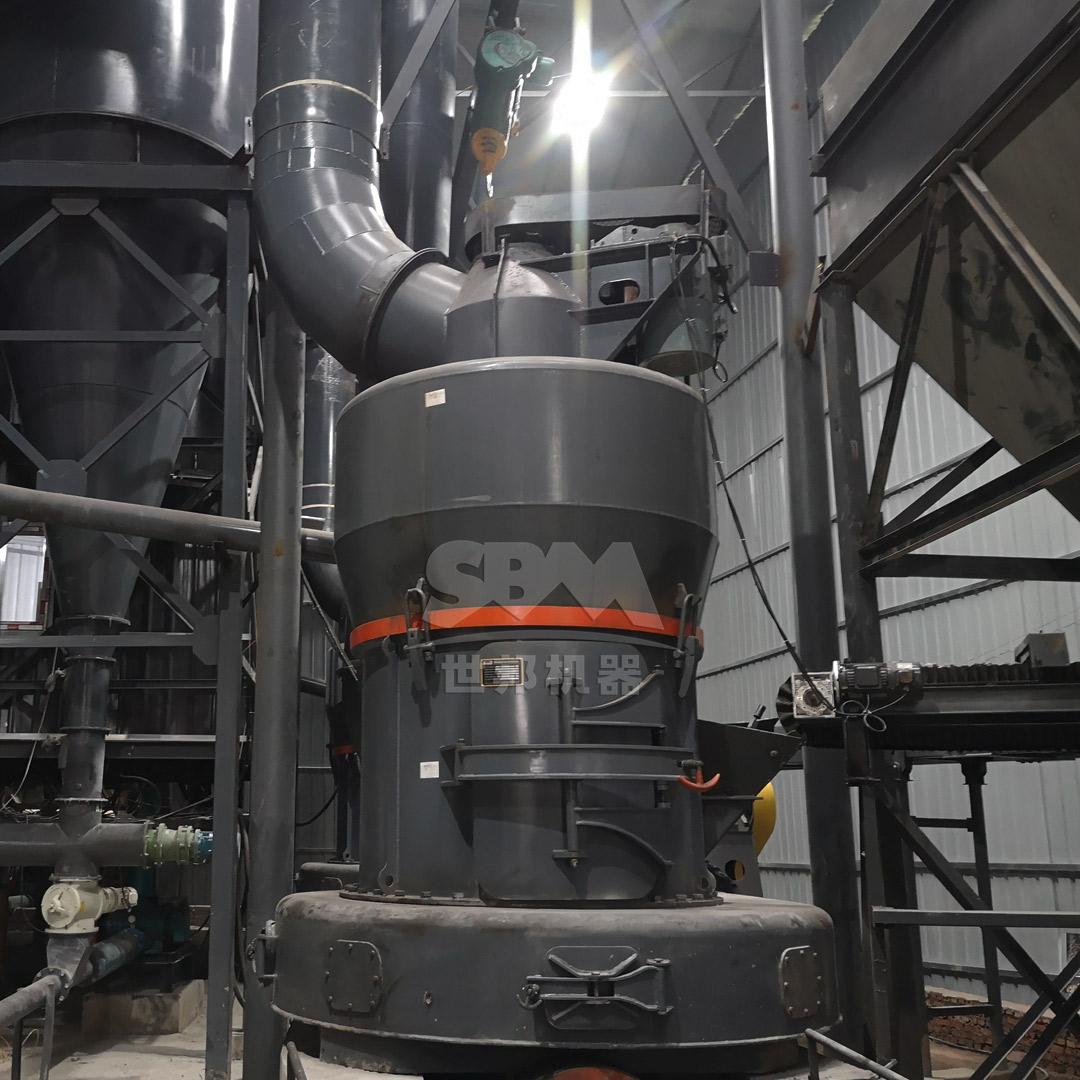
The Vertical Roller Mill, such as the LM Series, has become the industry standard for large-scale FGD limestone grinding. Material is fed onto a rotating table and crushed under hydraulic pressure applied by grinding rollers. A hot gas stream dries and transports the ground powder to an integrated classifier.
For FGD applications, our LM Series Vertical Roller Mill is a top-tier solution. Its integrated design reduces plant footprint by 50%, while its low operating cost—achieved through a non-contact grinding design that triples wear part life and reduces energy consumption by 30-40% compared to traditional systems—makes it highly economical. The mill’s intelligent control system ensures stable operation and produces the precise fineness (30-325 mesh, up to 600 mesh for special models) critical for effective SO₂ absorption.
| Model (LM Series) | Grinding Table Diameter | Capacity (t/h) | Main Power (kW) |
|---|---|---|---|
| LM190K | Φ1900mm | 23-68 | 500 |
| LM220K | Φ2200mm | 36-105 | 800 |
| LM280K | Φ2800mm | 50-170 | 1250 |
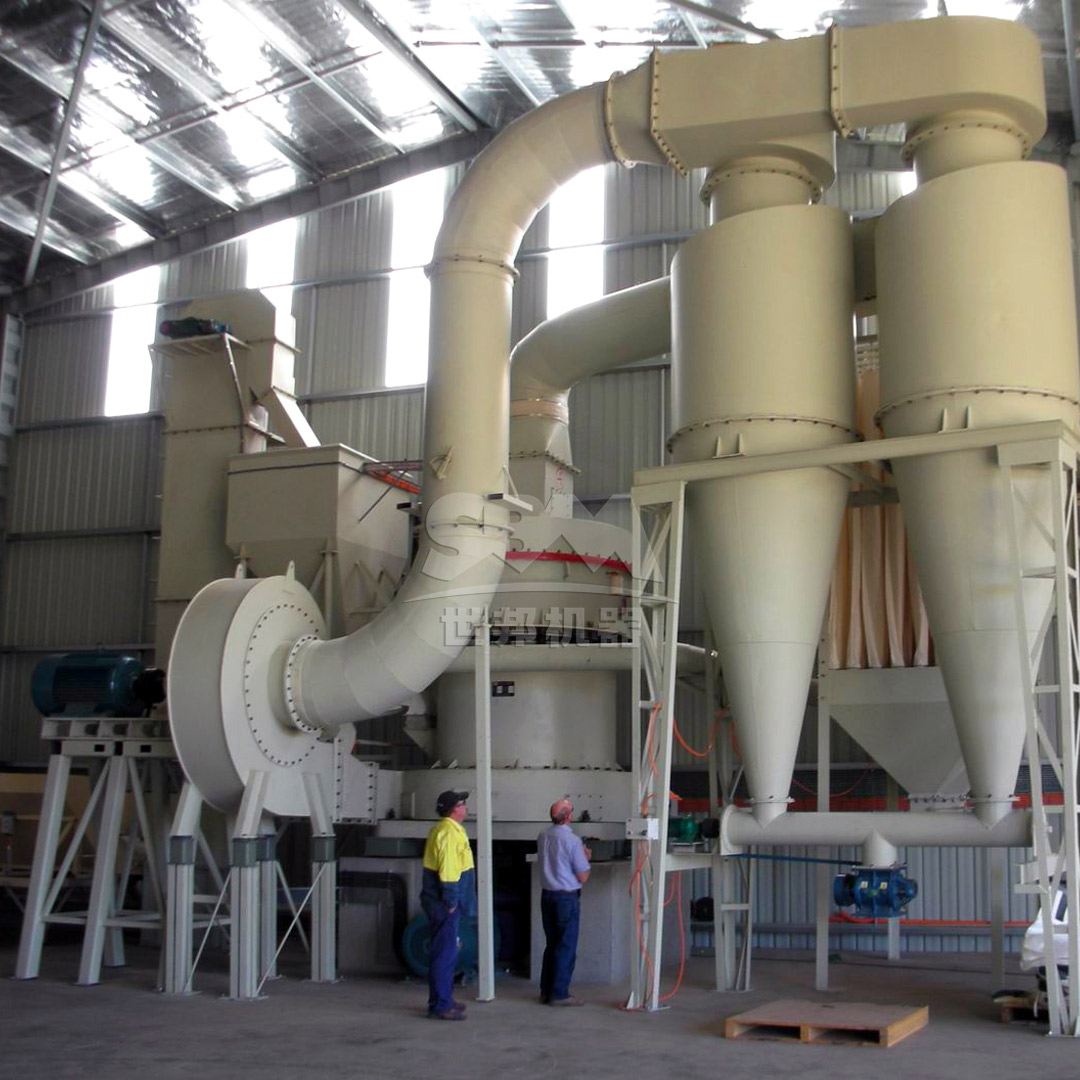
The traditional ball mill grinds material via impact and attrition as steel balls tumble inside a rotating cylinder.
For advanced FGD systems or applications requiring exceptionally high reactivity, ultrafine mills like the SCM Series are employed to produce powder in the 325-2500 mesh range.
When ultra-fine limestone powder is specified, our SCM Series Ultrafine Mill delivers unparalleled performance. With an output fineness adjustable between 325 and 2500 mesh (45-5μm), it ensures maximum limestone surface area for SO₂ capture. Its high-efficiency classification system guarantees no coarse powder mixing, resulting in a uniform slurry that optimizes the desulfurization chemical process. Despite its fine output, it maintains high efficiency, offering capacity 2x that of jet mills while consuming 30% less energy.
Choosing the right mill involves a holistic analysis of several factors:
The efficiency of a Flue Gas Desulfurization system is fundamentally linked to the performance of its limestone grinding circuit. While several technologies are available, the Vertical Roller Mill, particularly advanced series like the LM, stands out as the most efficient and economical solution for large-scale, modern FGD plants due to its integrated design, low energy consumption, and precise control. For applications demanding standard fineness with cost-effectiveness, the modernized Raymond Mill (MTW Series) remains a robust choice. Ultimately, the selection must be based on a detailed technical and economic analysis tailored to the specific project parameters, ensuring reliable, clean, and cost-effective compliance with environmental regulations for years to come.