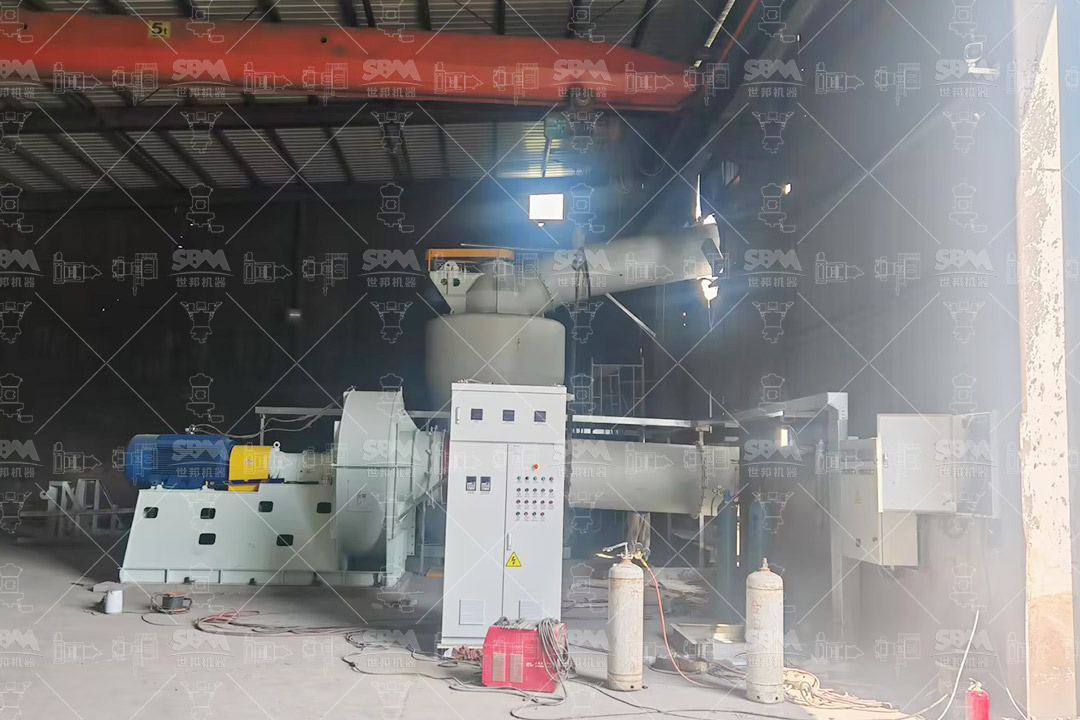
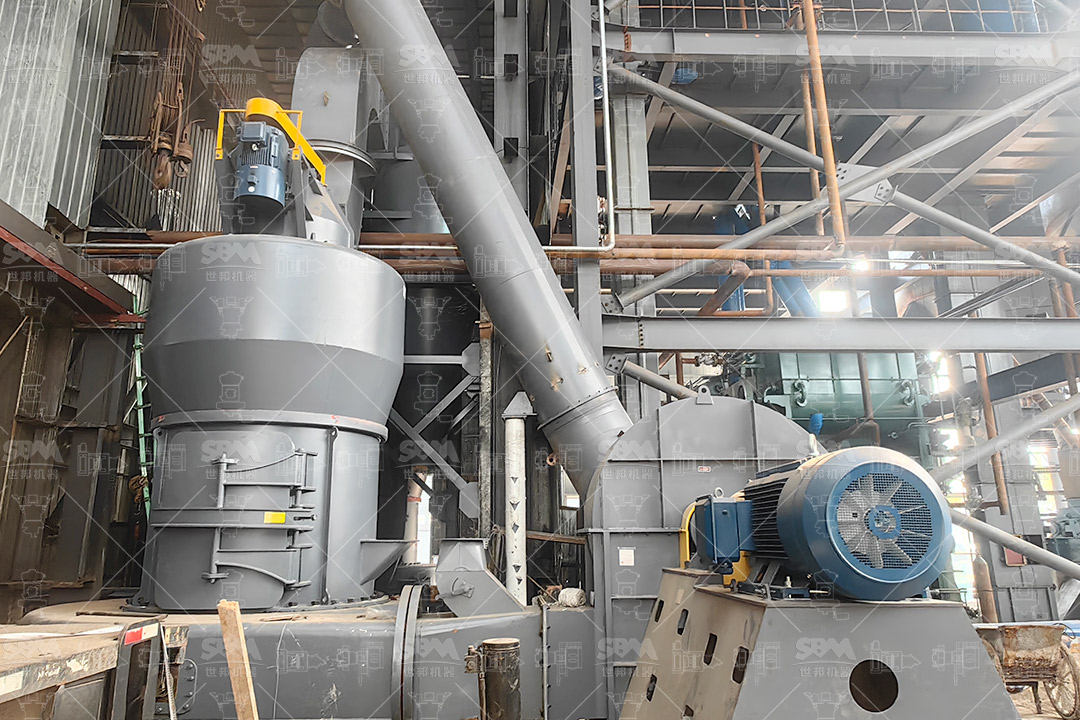
The production of food-grade gypsum (calcium sulfate dihydrate, CaSO4·2H2O) as a functional additive demands stringent control over purity, particle size, and microbiological safety. As a key ingredient in tofu coagulation, dough conditioners, and calcium fortification, its manufacturing process must adhere to rigorous food safety standards like FDA 21 CFR Part 184 and EU regulations. This guide outlines the core processes and critical equipment required for establishing a reliable, high-quality food-grade gypsum production line, focusing on efficiency, product consistency, and compliance.
The foundation of high-quality food-grade gypsum is pure, natural gypsum rock or synthetic gypsum from controlled sources. The raw material must have low levels of heavy metals (e.g., lead, arsenic, mercury) and other impurities. The pre-treatment stage typically involves:
| Impurity | Maximum Limit (Typical) | Test Method |
|---|---|---|
| Arsenic (As) | ≤ 3 mg/kg | ICP-MS |
| Lead (Pb) | ≤ 2 mg/kg | ICP-MS |
| Mercury (Hg) | ≤ 1 mg/kg | Cold Vapor AAS |
| Loss on Ignition | 5-21% (for dihydrate) | Gravimetric |
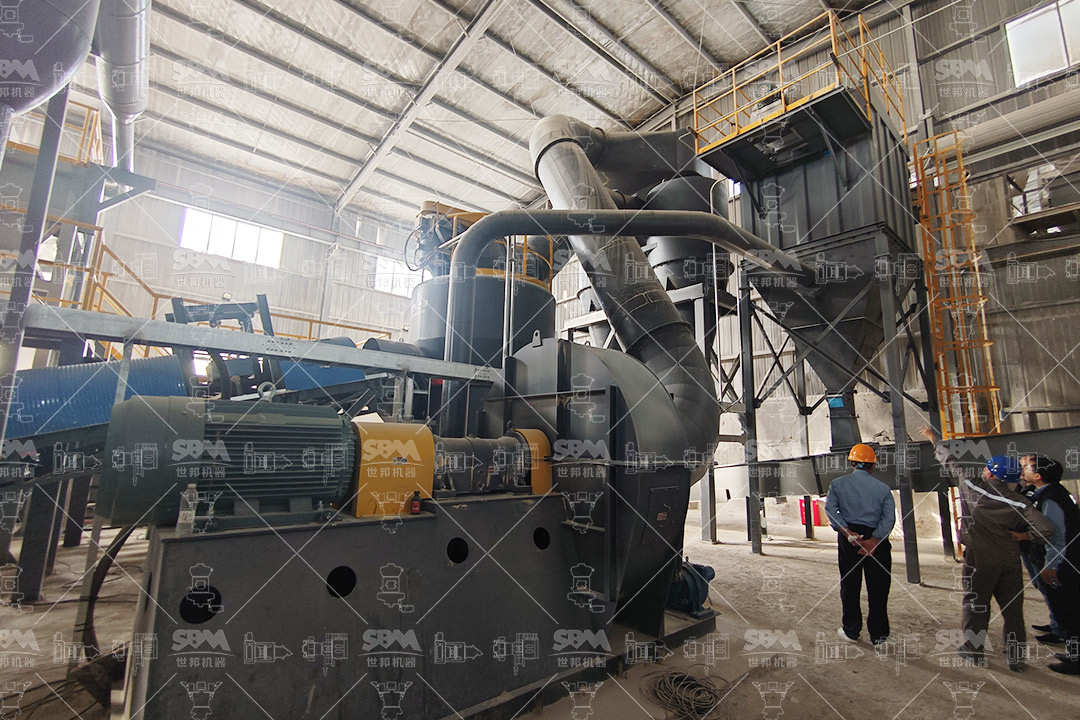
This is the most critical stage, determining the final product’s fineness, uniformity, and reactivity. The choice of milling technology directly impacts production efficiency, energy consumption, and product quality. For food-grade gypsum, the target fineness typically ranges from coarse (30-100 mesh for dough conditioners) to ultra-fine (325-2500 mesh for rapid-dissolving fortification).
Selecting the right mill involves balancing capacity, target particle size distribution (PSD), and operational costs. Two primary milling philosophies exist: one for high-capacity, coarse-to-medium fineness, and another for ultra-fine, high-value powder.
For high-volume production of food-grade gypsum in the 30-325 mesh range, the MTW Series European Trapezium Mill is an industry-preferred solution. Its design incorporates an anti-wear shovel and optimized arc air duct, which significantly reduce maintenance costs and energy loss during grinding. The integral bevel gear drive achieves up to 98% transmission efficiency, making it a robust and cost-effective workhorse for consistent, medium-fineness output up to 45 tons per hour.
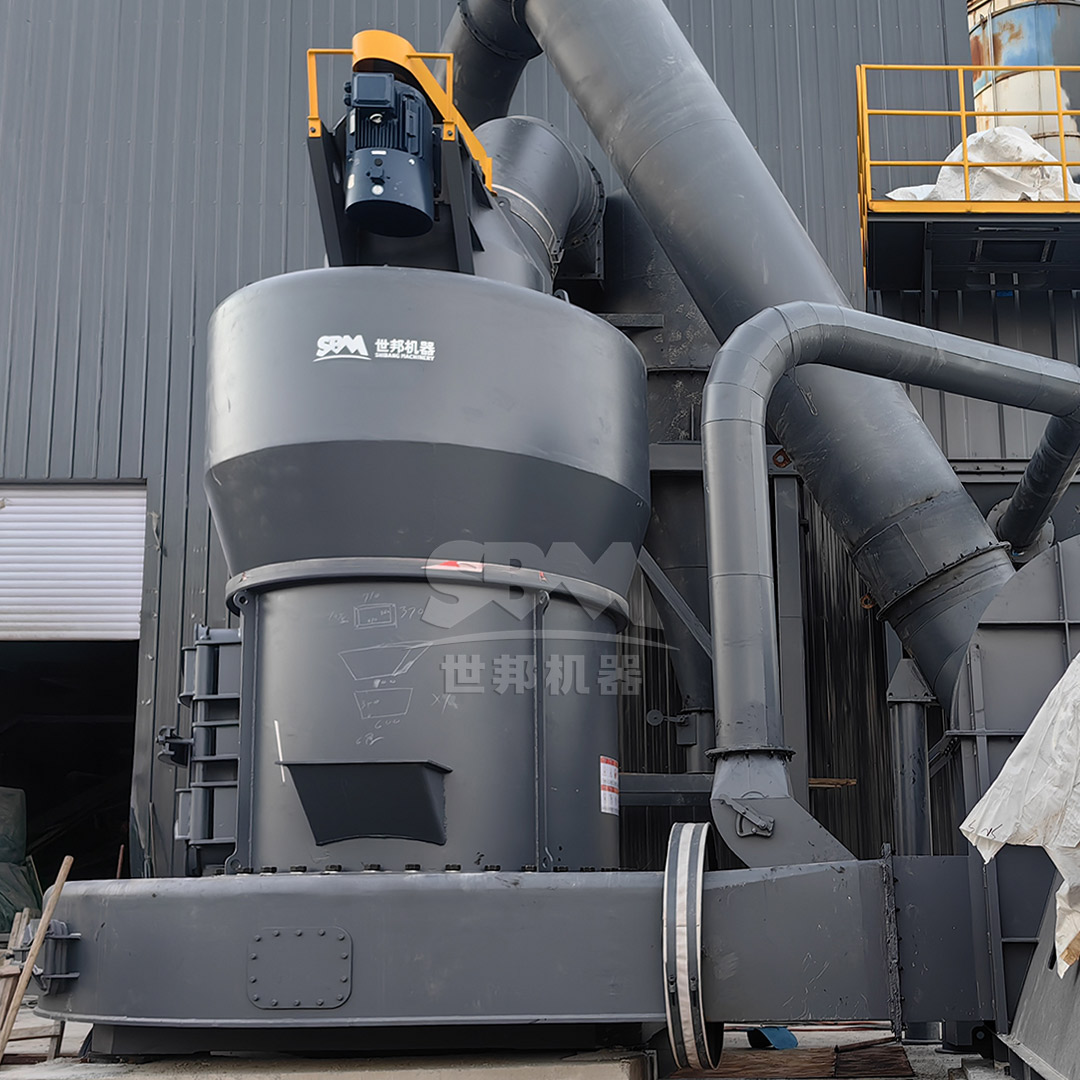
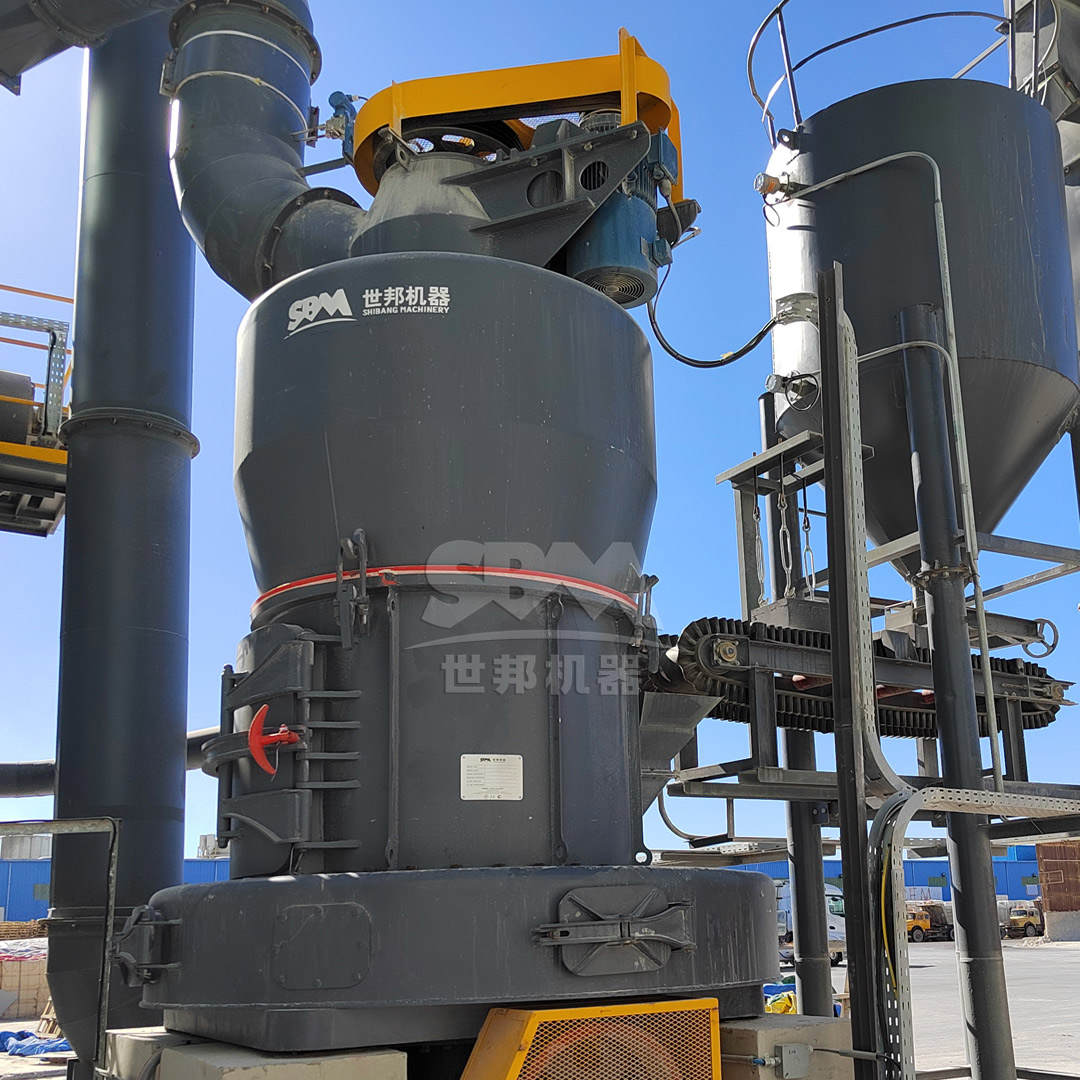
However, for premium applications requiring ultrafine gypsum powder (e.g., high-speed dissolution in beverages or as a fine texture modifier), a different level of technology is required. Here, the SCM Series Ultrafine Mill excels. Engineered to produce powder between 325 and 2500 mesh (5μm), it is the ideal choice for high-value additive production. Its vertical turbine classifier ensures precise particle size cutting with no coarse powder mixing, guaranteeing a uniform and high-purity product. Furthermore, its high-efficiency design offers capacity twice that of traditional jet mills while consuming 30% less energy, and its fully enclosed, pulse-dust-collected system meets the strictest hygienic and environmental standards for food production.
| Mill Type | Target Fineness | Key Advantage for Food Gypsum | Typical Capacity Range |
|---|---|---|---|
| MTW Series Mill | 30-325 mesh | High capacity, low operating cost, stable PSD | 3-45 t/h |
| SCM Series Ultrafine Mill | 325-2500 mesh | Exceptional fineness control, high purity, energy-efficient | 0.5-25 t/h |
| Ball Mill | 0.074-0.8mm | Wet grinding option, high reliability | 0.65-450 t/h |
Integrated or standalone air classifiers are used to separate particles post-milling. Dynamic classifiers, like those in the SCM and MTW mills, use adjustable rotor speeds to create precise cut points, ensuring oversize particles are returned for further grinding. This closed-loop system is vital for achieving the tight PSD specifications required for consistent performance in food applications.
The final powder is conveyed to packaging lines via enclosed, sanitary systems (often pneumatic). Packaging is done in food-grade bags or bulk containers in a controlled environment (low humidity, positive air pressure). A comprehensive QA lab must perform batch testing for:
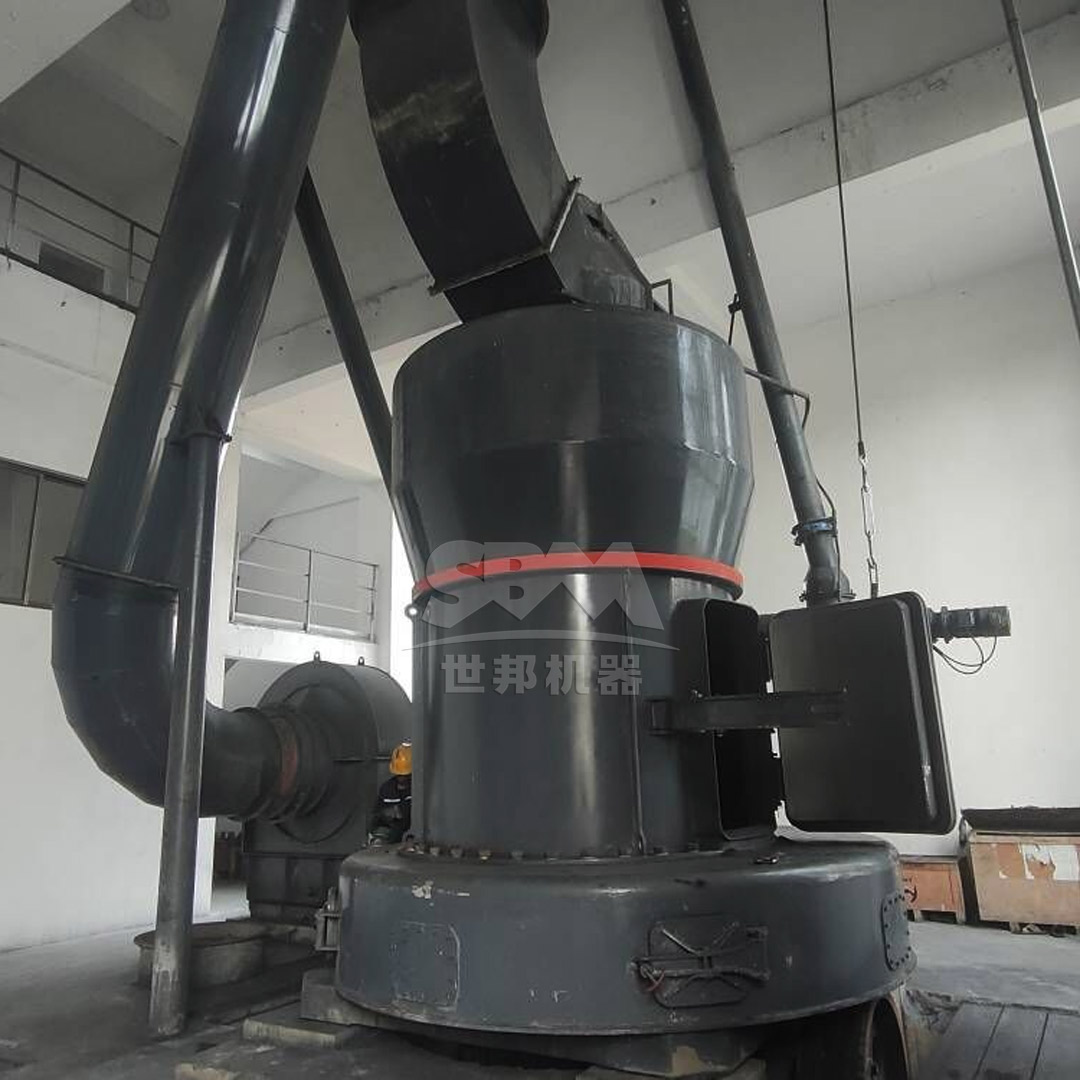
Building a successful food-grade gypsum additive production line requires a holistic approach, integrating stringent raw material control, precise size-reduction technology, effective classification, and rigorous hygiene protocols. The heart of this line—the milling system—must be selected based on the target product profile. For high-volume, standard fineness powder, the MTW Series European Trapezium Mill offers unmatched reliability and efficiency. For producing ultra-fine, high-purity gypsum that commands a premium in specialized food applications, the SCM Series Ultrafine Mill provides the necessary technological edge with its superior classification and energy-saving design. Investing in the right equipment from the start ensures not only compliance and product quality but also long-term operational sustainability and profitability.