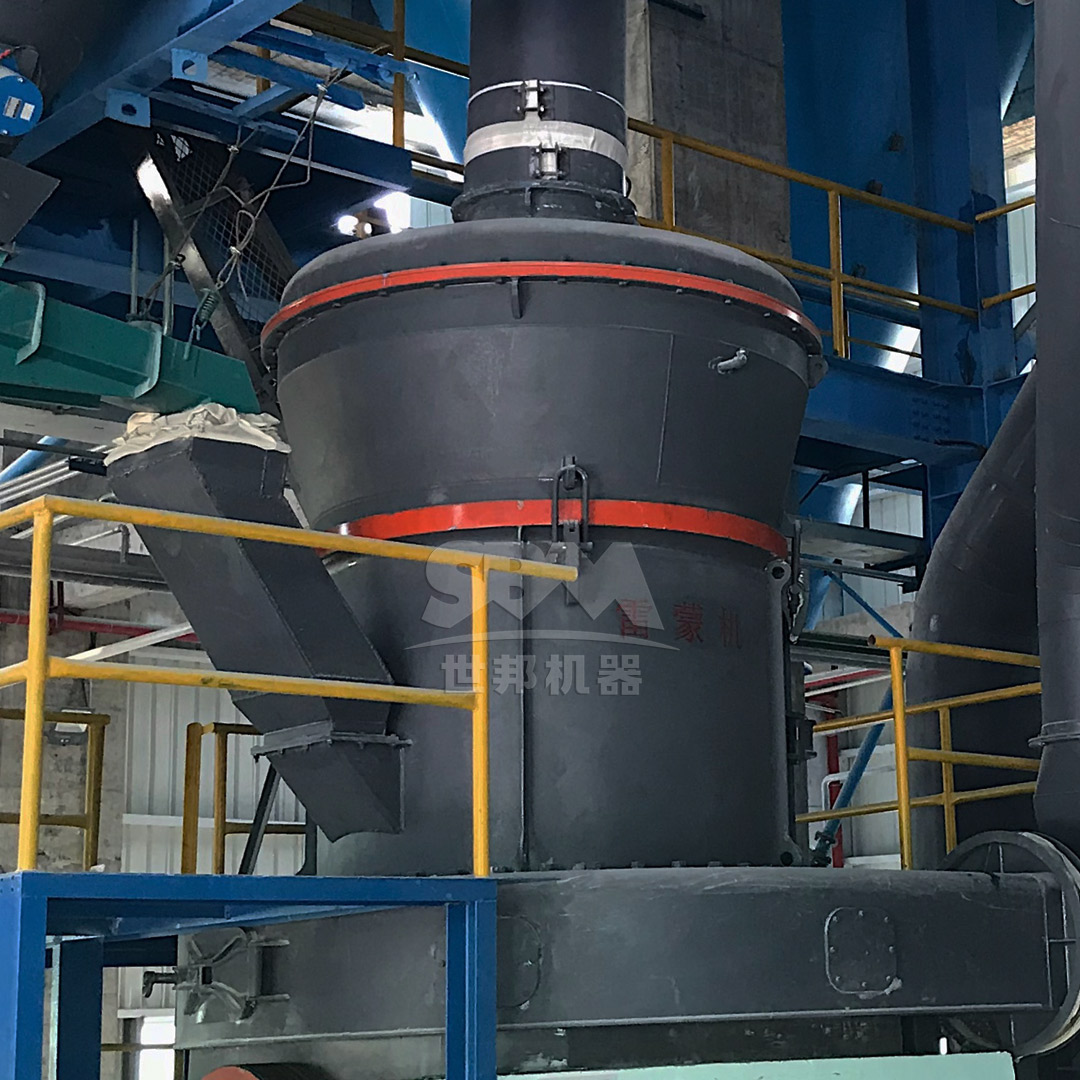
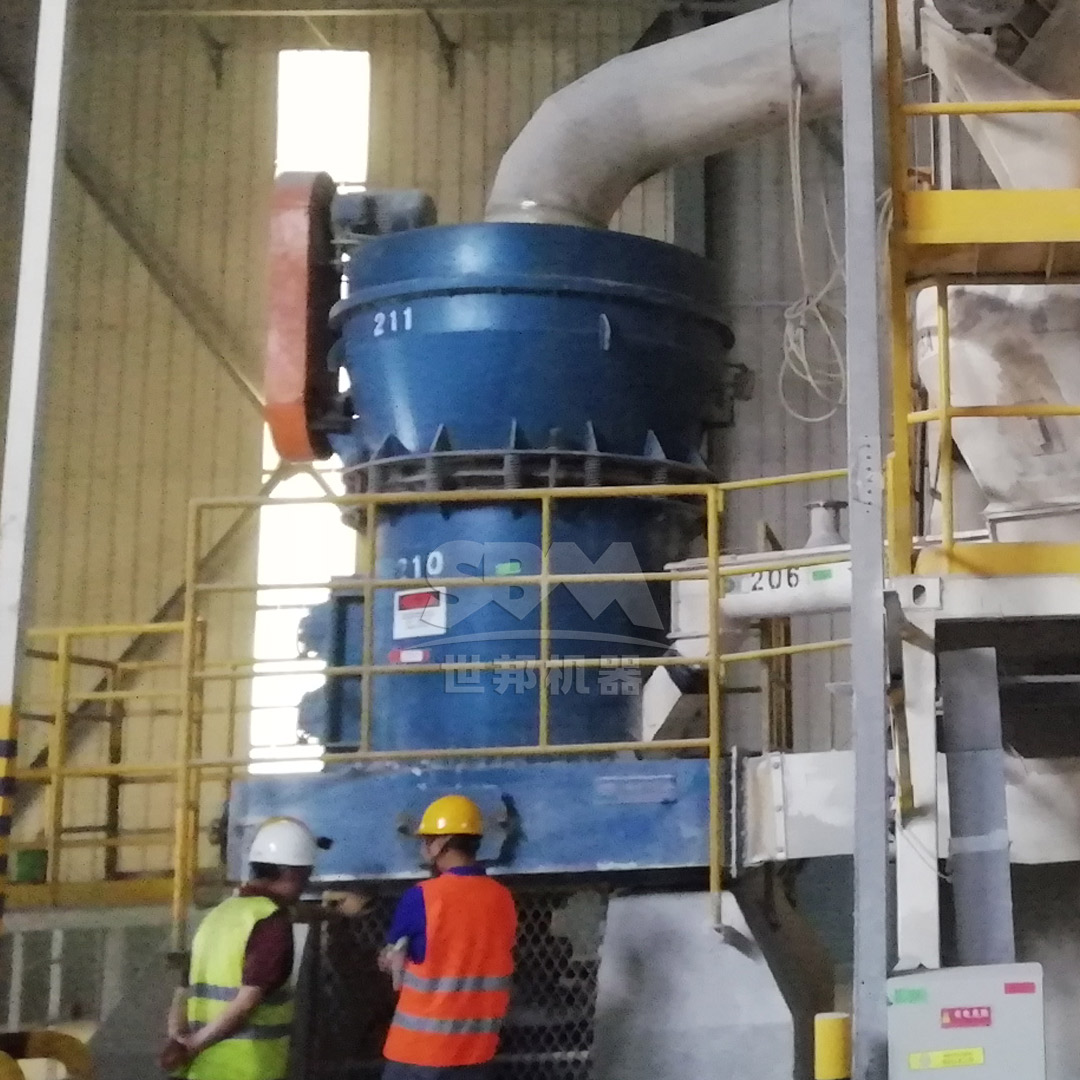
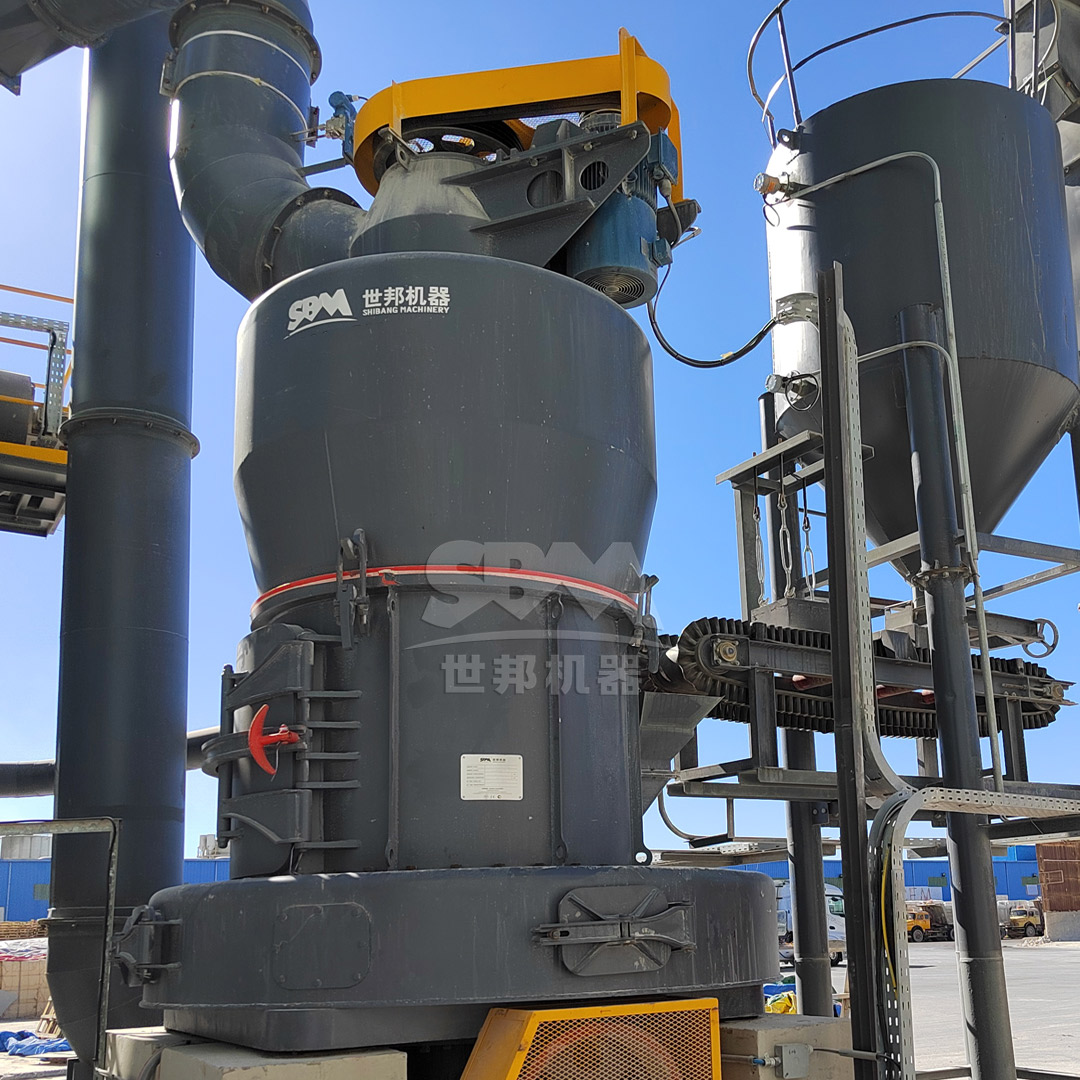
The global push for sustainability has placed glass recycling at the forefront of circular economy initiatives. Unlike many materials, glass can be recycled indefinitely without loss of quality. However, transforming post-consumer and industrial waste glass (cullet) into a valuable, reusable raw material requires precise and efficient processing. The cornerstone of this transformation is grinding. Grinding machines are not merely size reducers; they are sophisticated engineering systems designed to produce glass powder of specific fineness and purity for diverse applications, from new container glass and fiberglass insulation to abrasives and construction materials. Selecting the right grinding technology is paramount to achieving operational efficiency, product quality, and economic viability in a modern glass recycling facility.
Processing waste glass presents unique challenges that not all grinding equipment can handle effectively. Contaminants like ceramics, stones, and metals must be separated, but the abrasive nature of glass itself is a primary concern. It causes rapid wear on grinding components, leading to increased maintenance costs and potential contamination of the final product with worn metal particles. Furthermore, the desired end-use dictates the required particle size distribution (PSD). For example, coarse grit for sandblasting requires a different processing approach than the ultra-fine powder needed for pozzolanic cement replacement. Energy consumption, dust control, and noise levels are additional critical factors that define both the operational cost and environmental footprint of the recycling process.
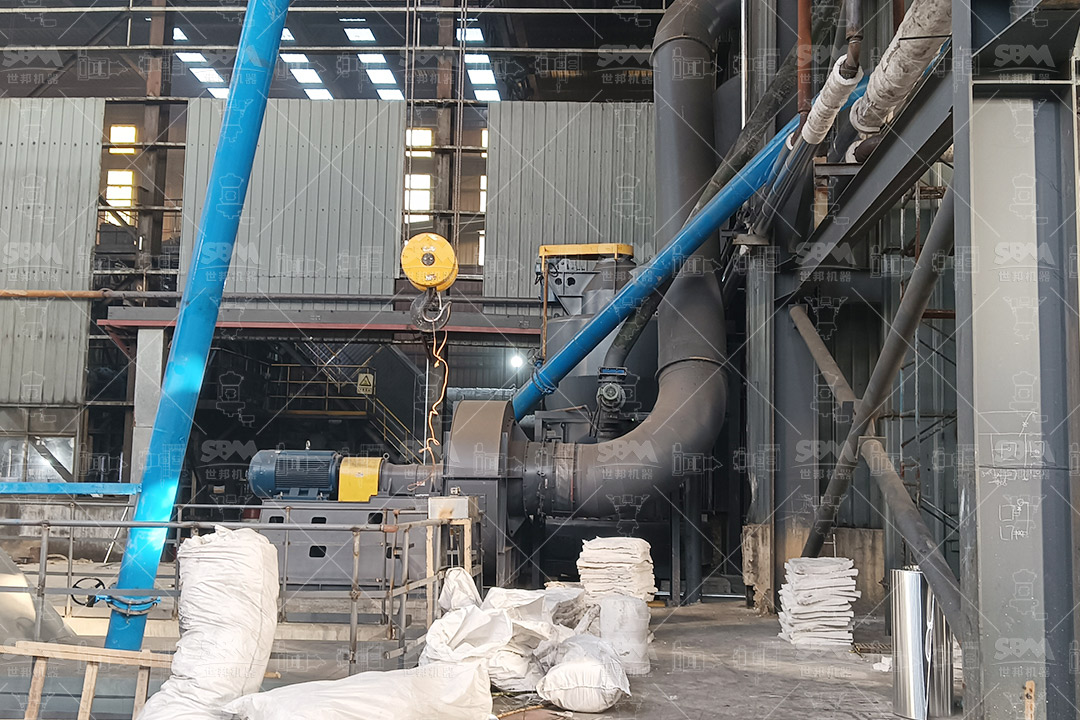
The market offers a range of grinding technologies, each with its strengths for different stages of glass size reduction.
Before fine grinding, large glass pieces are typically reduced through jaw crushers or hammer mills. Hammer mills, with their high-impact action, are particularly effective for breaking down mixed cullet into smaller, more uniform fragments (typically 0-3mm). Their robust design with wear-resistant liners, often made of high manganese steel, makes them suitable for handling the initial abrasive load.
This is the most critical stage for producing high-value glass powder. Several advanced mill types dominate this space:
For applications demanding the finest glass powders (e.g., specialty chemicals, high-performance composites, or advanced filtration media), specialized ultrafine grinding mills are essential. Jet mills can achieve this but often at high energy cost. A more efficient mechanical solution is the ultrafine vertical roller mill or ring roller mill designed for superfine outputs.
In this segment, our SCM Series Ultrafine Mill stands out as a premier choice for processing waste glass into high-value ultrafine powder. Engineered to tackle the challenges of fine grinding abrasives, the SCM mill operates on a layer-by-layer grinding principle. Its core advantages directly address the needs of glass recyclers:
| Model | Capacity (t/h) | Main Power (kW) | Output Fineness (mesh) |
|---|---|---|---|
| SCM800 | 0.5 – 4.5 | 75 | 325-2500 |
| SCM900 | 0.8 – 6.5 | 90 | 325-2500 |
| SCM1000 | 1.0 – 8.5 | 132 | 325-2500 |
| SCM1250 | 2.5 – 14 | 185 | 325-2500 |
| SCM1680 | 5.0 – 25 | 315 | 325-2500 |
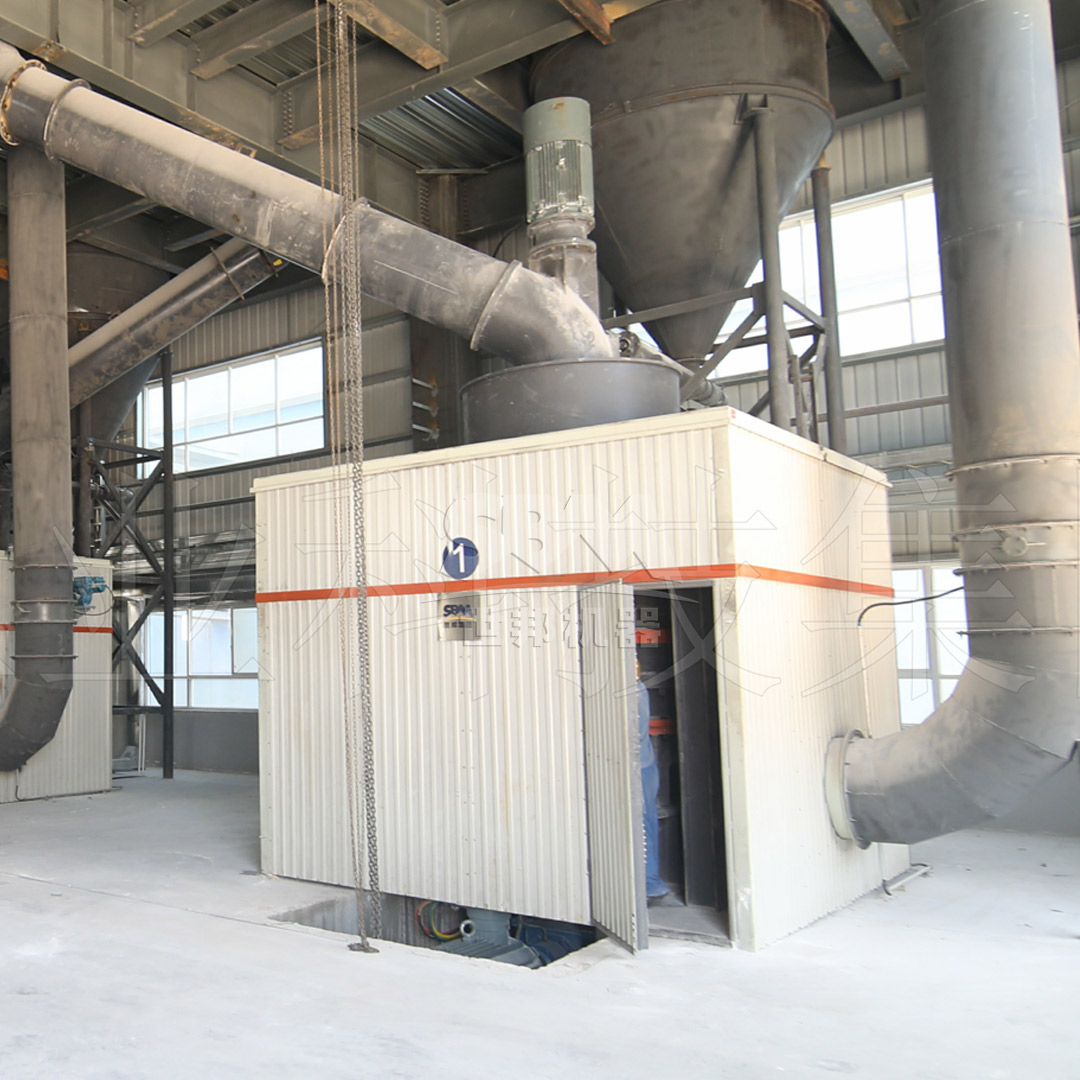
For recyclers focusing on large-volume production of ground glass for applications like construction aggregates, fluxing agents, or medium-fineness fillers, a robust and high-capacity system is key. Our MTW Series European Trapezium Mill is engineered precisely for this duty. It excels in processing glass cullet with an input size up to 50mm into a consistent 30-325 mesh powder at capacities ranging from 3 to 45 tons per hour.
The MTW mill incorporates several patented technologies that enhance its suitability for glass recycling:
Choosing between technologies like the SCM Ultrafine Mill and the MTW Trapezium Mill depends on your business goals:
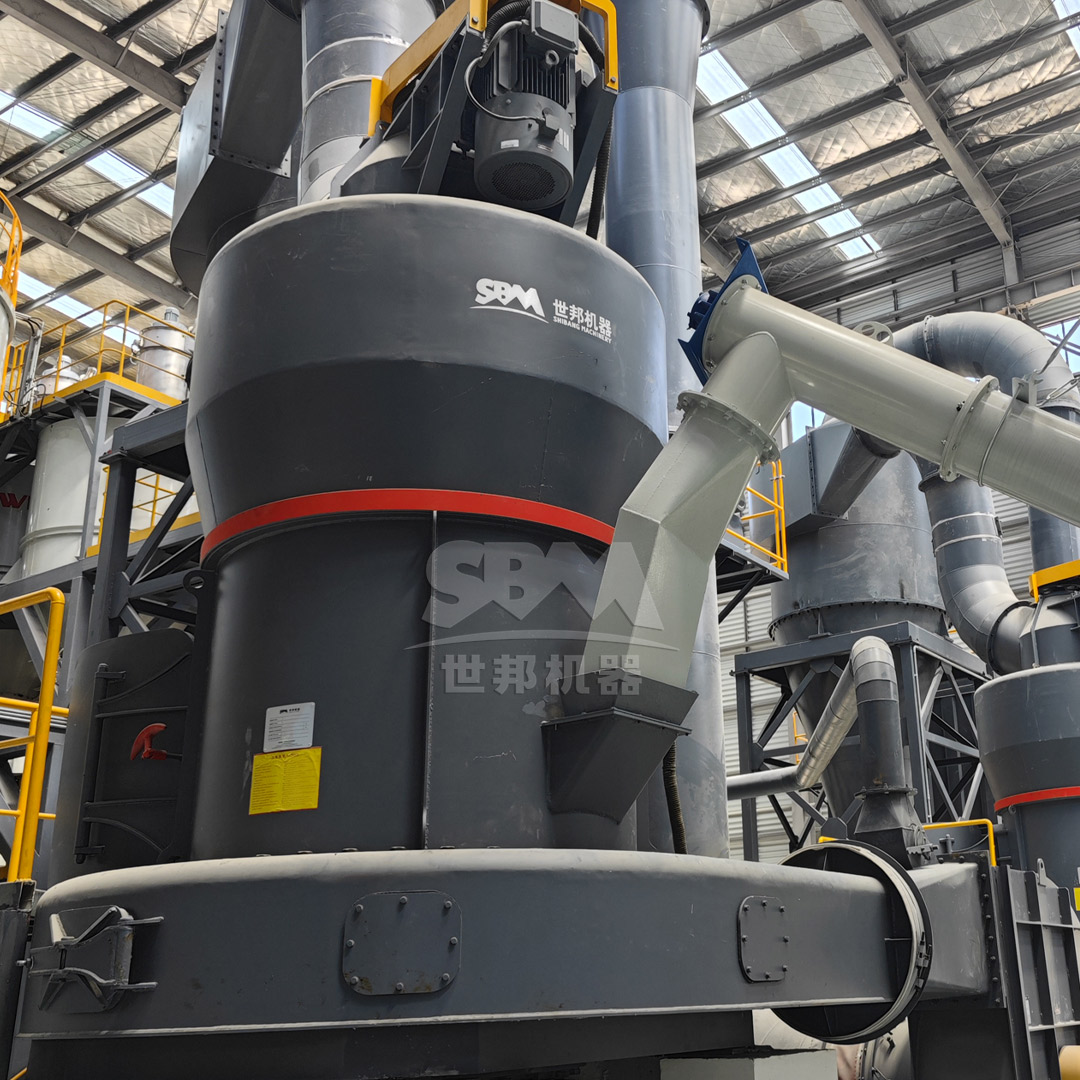
Investing in advanced grinding technology is not an expense but a strategic move to unlock the full value of waste glass. Modern mills like the SCM Series Ultrafine Mill and the MTW Series European Trapezium Mill transcend basic crushing. They are precision engineering platforms that ensure high yield, superior product quality, operational reliability, and environmental compliance. By selecting equipment tailored to your desired output specifications—whether aiming for the premium ultrafine market with the SCM or dominating high-volume industrial applications with the MTW—glass recyclers can build a more profitable, sustainable, and future-proof operation. The right grinding machine is the engine that drives the circular economy for glass, transforming a waste stream into a consistent, high-demand raw material.