The global push towards a circular economy has placed immense focus on the efficient recycling of post-consumer and industrial waste. Among these materials, glass stands out for its infinite recyclability without loss of quality. However, transforming collected cullet (crushed recycled glass) into a valuable, consistent powder for use in new glass manufacturing, construction materials (glassphalt, terrazzo), abrasives, or filtration media requires sophisticated grinding technology. The choice of grinding equipment directly impacts product quality, energy efficiency, production cost, and overall economic viability of the recycling operation. This article delves into the critical role of grinding machines in recycled glass powder production and explores the technological solutions that define modern, profitable recycling plants.
Recycled glass presents unique challenges that not all grinding systems can handle effectively. Contaminants (ceramics, metals, plastics), variations in hardness and composition (soda-lime, borosilicate), and the inherent abrasiveness of silica demand robust and adaptable equipment. The primary goals are to achieve:
The selection of grinding technology depends heavily on the desired final fineness and required capacity. The industry utilizes a spectrum of machines, each with its optimal application range.
This range is typical for construction applications, sand blasting media, and filler in composites. Equipment must handle larger feed sizes (up to 50mm) and deliver high throughput.
For operations seeking a superior balance of efficiency, precision, and lower wear in this fineness range, roller mill technology is often the optimal choice. These mills utilize a bed compression principle, where material is crushed between rotating rollers and a stationary grinding table or ring.
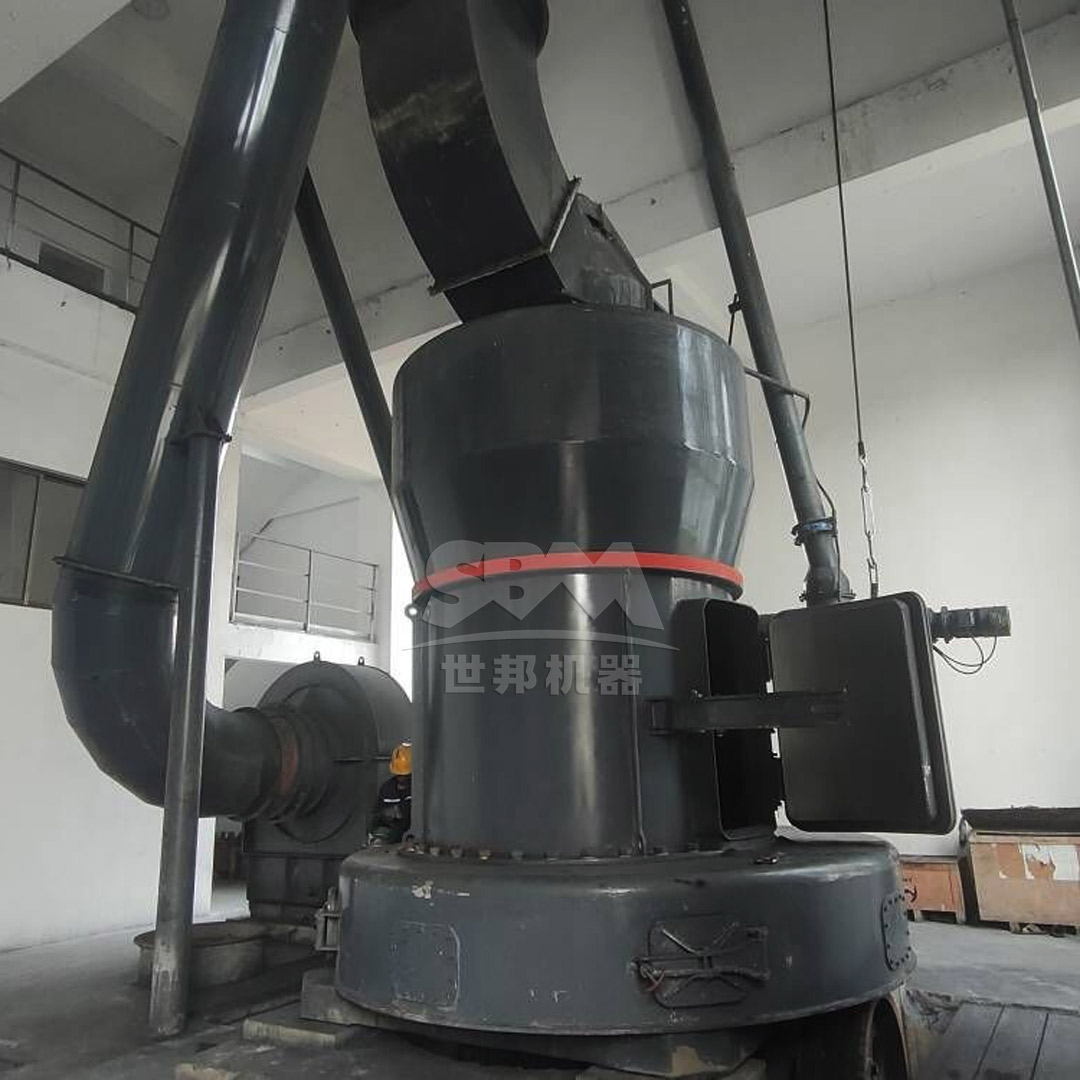
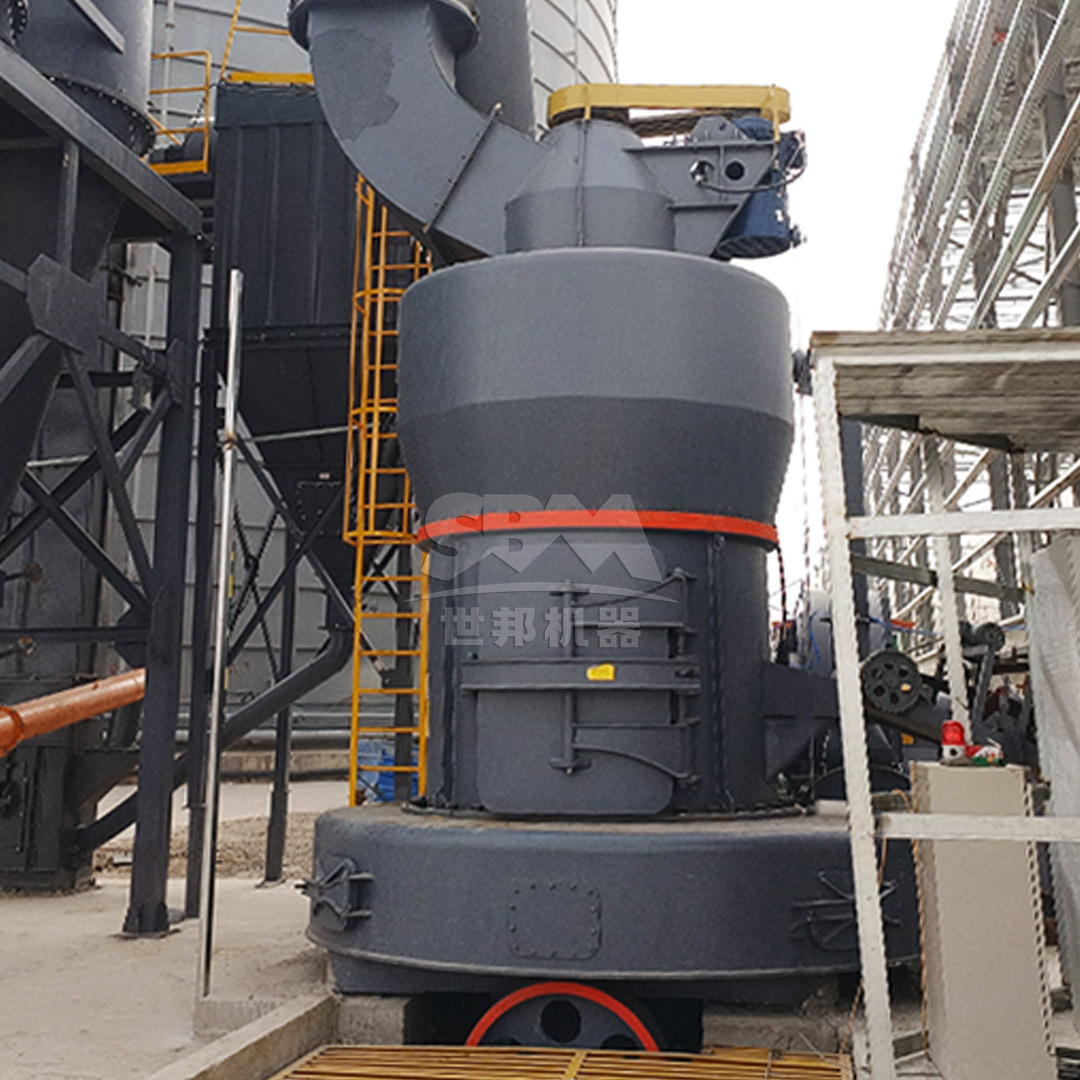
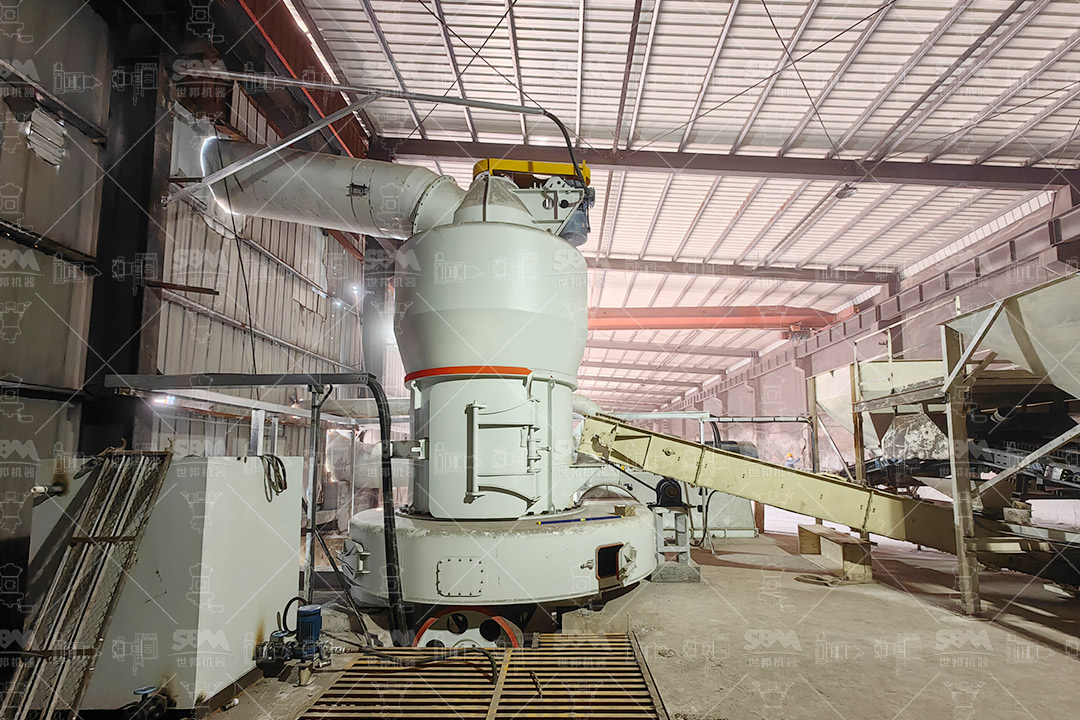
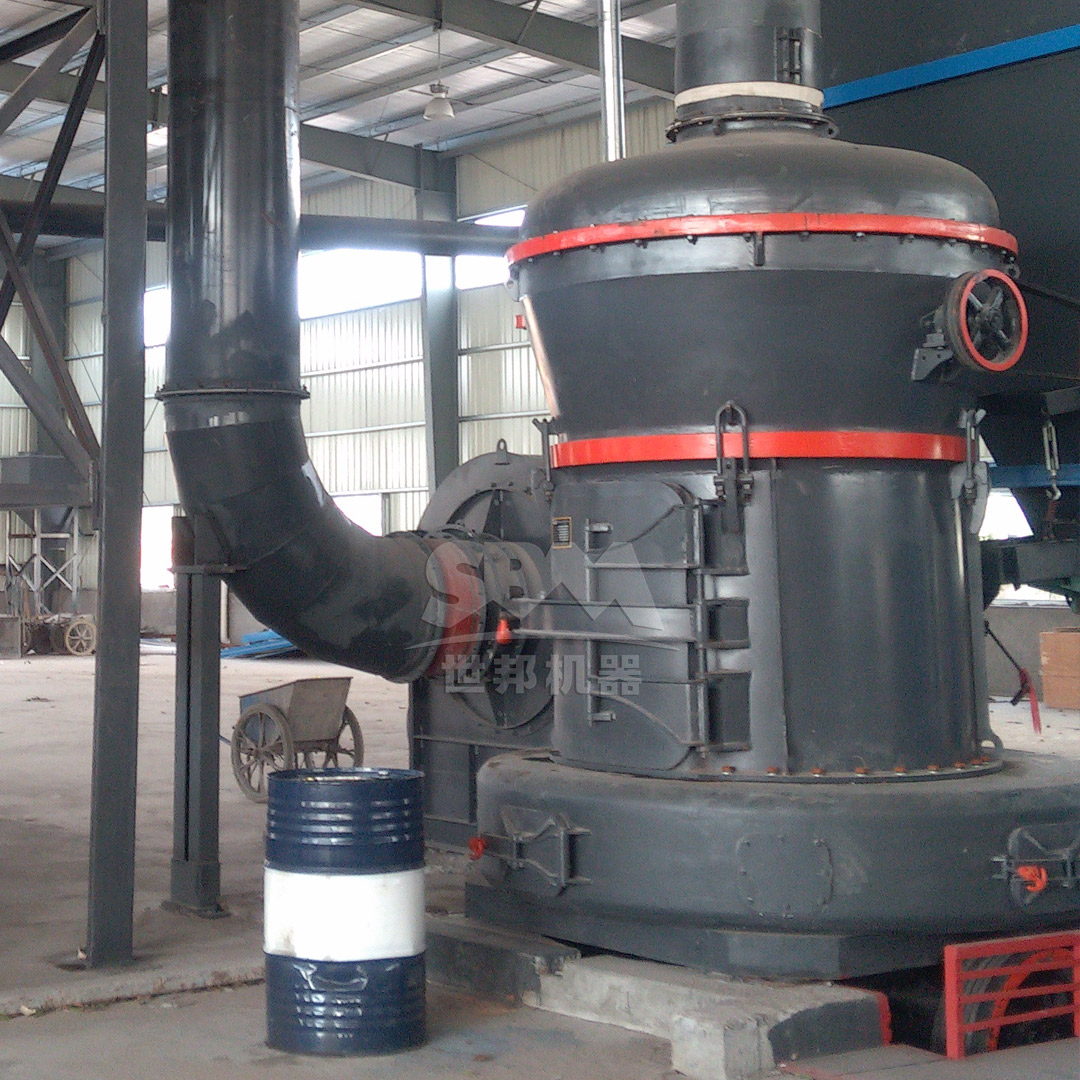
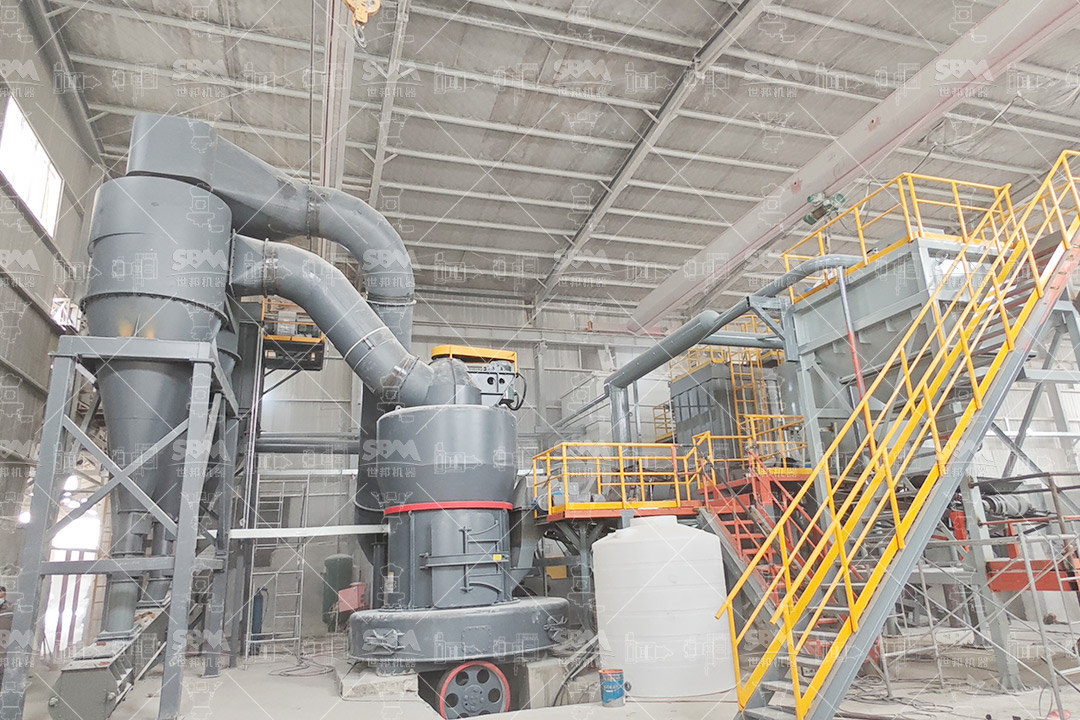
For high-capacity production of recycled glass powder in the 30-325 mesh range, the MTW Series European Trapezium Mill represents a significant technological advancement. Engineered for durability and efficiency when processing abrasive materials like glass, its design directly addresses the challenges of recycling operations.
| Model | Capacity (t/h) | Main Power (kW) | Max Feed Size | Fineness Range |
|---|---|---|---|---|
| MTW138Z | 6-17 | 90 | <35mm | 10-325 mesh |
| MTW175G | 9.5-25 | 160 | <40mm | 10-325 mesh |
| MTW215G | 15-45 | 280 | <50mm | 10-325 mesh |
Key advantages for glass recycling include its anti-wear shovel design and wear-resistant volute structure, which drastically reduce maintenance costs associated with glass abrasiveness. The integral bevel gear drive (98% transmission efficiency) and optimized arc air duct contribute directly to lower energy consumption per ton of output. The built-in classifier ensures precise particle size control, yielding a consistent product ideal for downstream industrial applications.
Producing ultrafine glass powder (GGBS substitute, high-performance filler) requires technology capable of generating intense mechanical forces without excessive heat or contamination. Jet mills are an option but often suffer from high energy costs.
When the application demands ultrafine glass powder (325-2500 mesh), the SCM Series Ultrafine Mill is the industry-preferred solution. It is specifically engineered to achieve high fineness with remarkable energy efficiency, a critical factor for the thin-margin recycling industry.
| Model | Capacity (t/h) | Main Power (kW) | Output Fineness |
|---|---|---|---|
| SCM1000 | 1.0-8.5 | 132 | 325-2500 mesh |
| SCM1250 | 2.5-14 | 185 | 325-2500 mesh |
| SCM1680 | 5.0-25 | 315 | 325-2500 mesh |
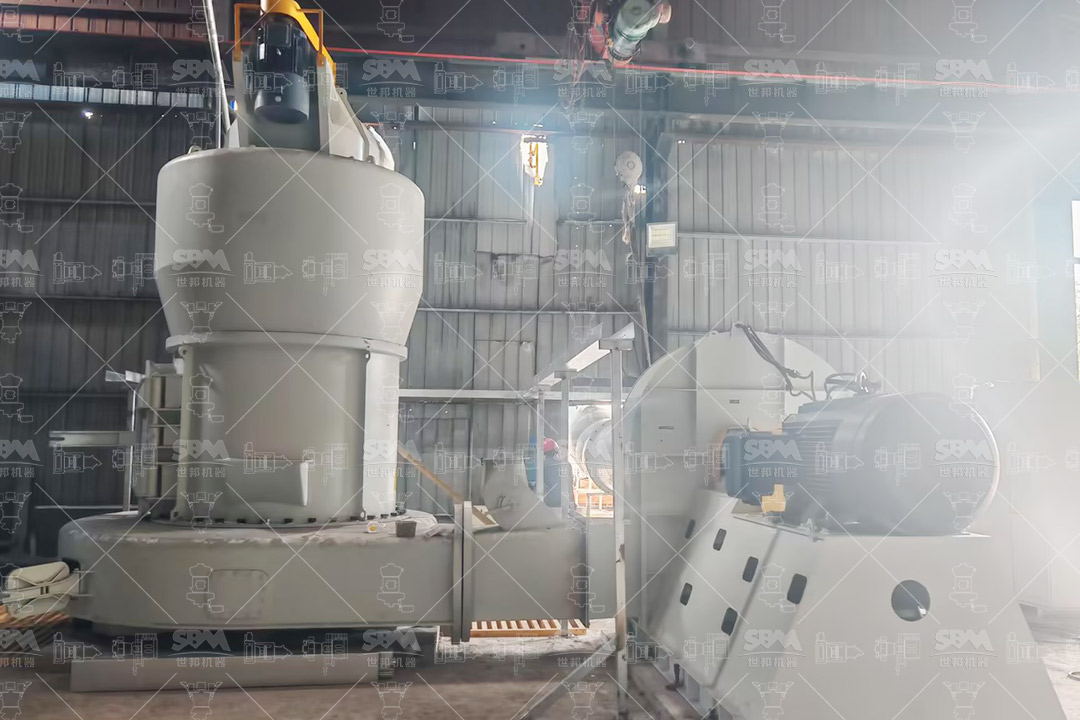
Its high-precision vertical turbine classifier guarantees a narrow particle size distribution with no coarse powder mixing, which is essential for high-value applications. The mill’s durable design, featuring special material rollers and rings and a shaftless screw grinding chamber, ensures stable, long-lasting operation with minimal contamination. Furthermore, its eco-friendly design with high-efficiency pulse dust collection and soundproofing makes it suitable for installation in diverse environmental settings. Compared to traditional jet mills, the SCM series can offer double the capacity with approximately 30% lower energy consumption, making ultrafine glass powder production economically sustainable.
A grinding mill does not operate in isolation. A complete glass powder production line includes:
The profitability and environmental benefit of a glass recycling operation hinge on selecting the correct grinding technology. Moving beyond basic crushing to precision grinding unlocks the full value of recycled glass, transforming waste into a sought-after industrial raw material. Technologies like the MTW Series European Trapezium Mill for high-volume, coarse-to-medium grinding and the SCM Series Ultrafine Mill for premium fine powder production represent the forefront of this field. They offer the durability, energy efficiency, and product consistency necessary to build a future-proof recycling business. By investing in advanced grinding solutions, operators not only improve their bottom line but also make a substantive contribution to closing the loop in the global materials economy.