The production of high-quality granite powder is a cornerstone of numerous industries, including construction, plastics, paints, and coatings. Achieving the desired particle size distribution, purity, and production efficiency requires a carefully planned process flow and the selection of appropriate, high-performance equipment. This article delves into the essential machinery involved in a modern granite powder production line and outlines a typical process flow, highlighting key technological considerations.
Granite powder, primarily composed of silica and alumina, is valued for its hardness, chemical inertness, and white color. Its applications range from functional fillers to aesthetic pigments. The primary challenge in its production lies in efficiently reducing the hard, abrasive raw granite rock to a fine, consistent powder while controlling costs related to energy consumption, wear part longevity, and environmental impact. The process must handle varying feed sizes and moisture content to deliver a stable product.
A complete line integrates several machines, each performing a specific function. The core grinding mill is the heart of the system, but supporting equipment is equally critical for efficiency and product quality.
The process begins with primary crushing. Large granite blocks (often up to 1 meter in size) from the quarry are reduced to a manageable size, typically below 200-300mm, using a robust jaw crusher. This stage prepares the material for further size reduction with minimal fines generation.
Secondary crushing further reduces the material to below 50mm. A cone crusher is often preferred for its ability to handle hard, abrasive granite efficiently. For final pre-grinding sizing to below 20-30mm, a fine crusher like an impact crusher or a Hammer Mill is highly effective. Our PC4012-90 Hammer Mill, for instance, is an excellent choice for this duty. With an input size of 0-40mm and an output adjustable to 0-3mm, it features a high manganese steel liner and optimized cavity design for stable operation, high crushing ratio, and low maintenance costs, providing an ideal feed for the subsequent grinding mill.
| Model | Feed Size (mm) | Output Size (mm) | Capacity (t/h) | Motor Power (kW) |
|---|---|---|---|---|
| PC4008-75 | 0-30 | 0-3 | 8-15 | 75 |
| PC4012-90 | 0-40 | 0-3 | 15-40 | 90 |
| PC4015-132 | 0-50 | 0-8 | 40-70 | 132 |
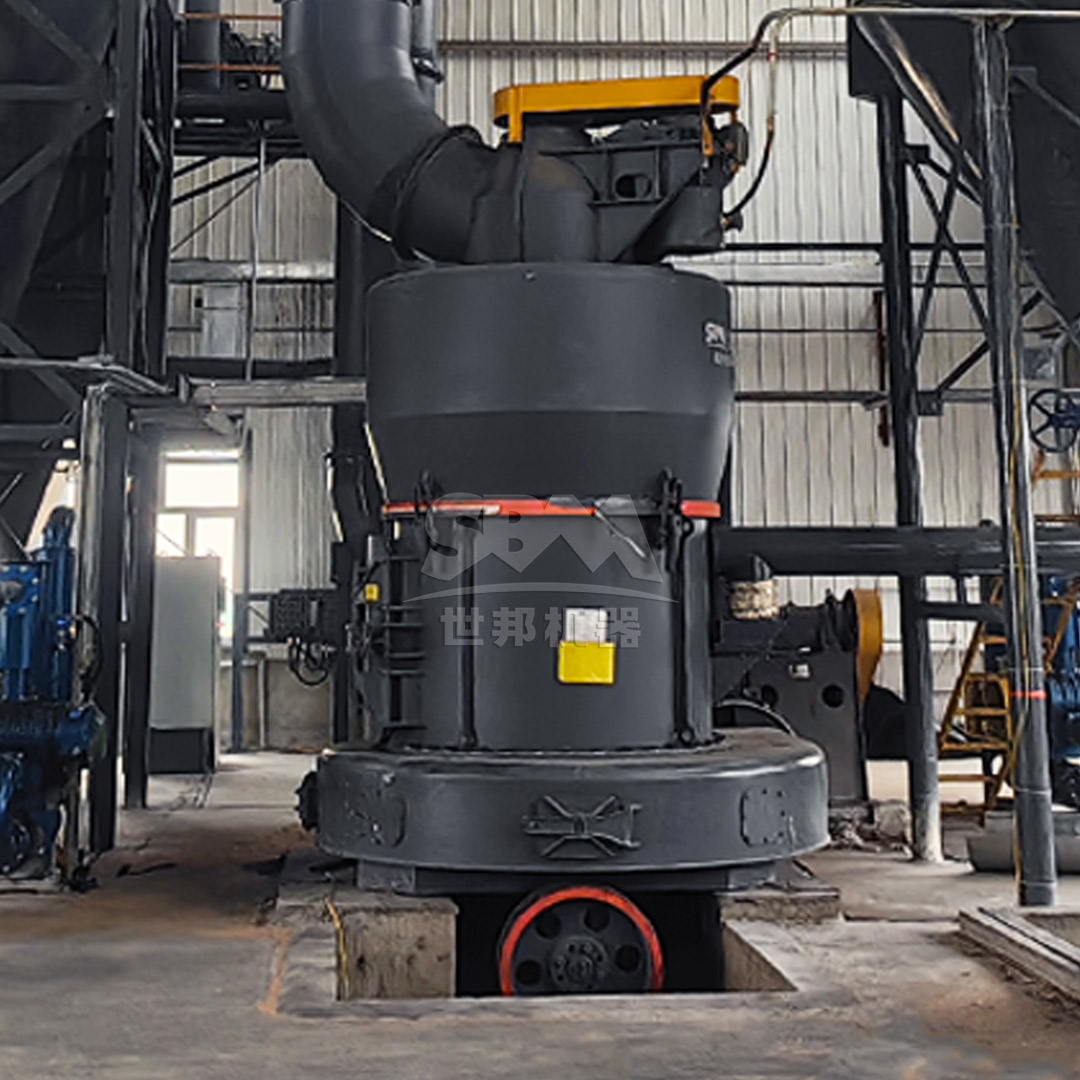
Crushed granite is stored in silos or stockpiles. A controlled feeding system, such as a vibrating feeder or belt feeder, ensures a steady and regulated supply of material to the grinding mill, which is crucial for stable operation and optimal grinding efficiency.
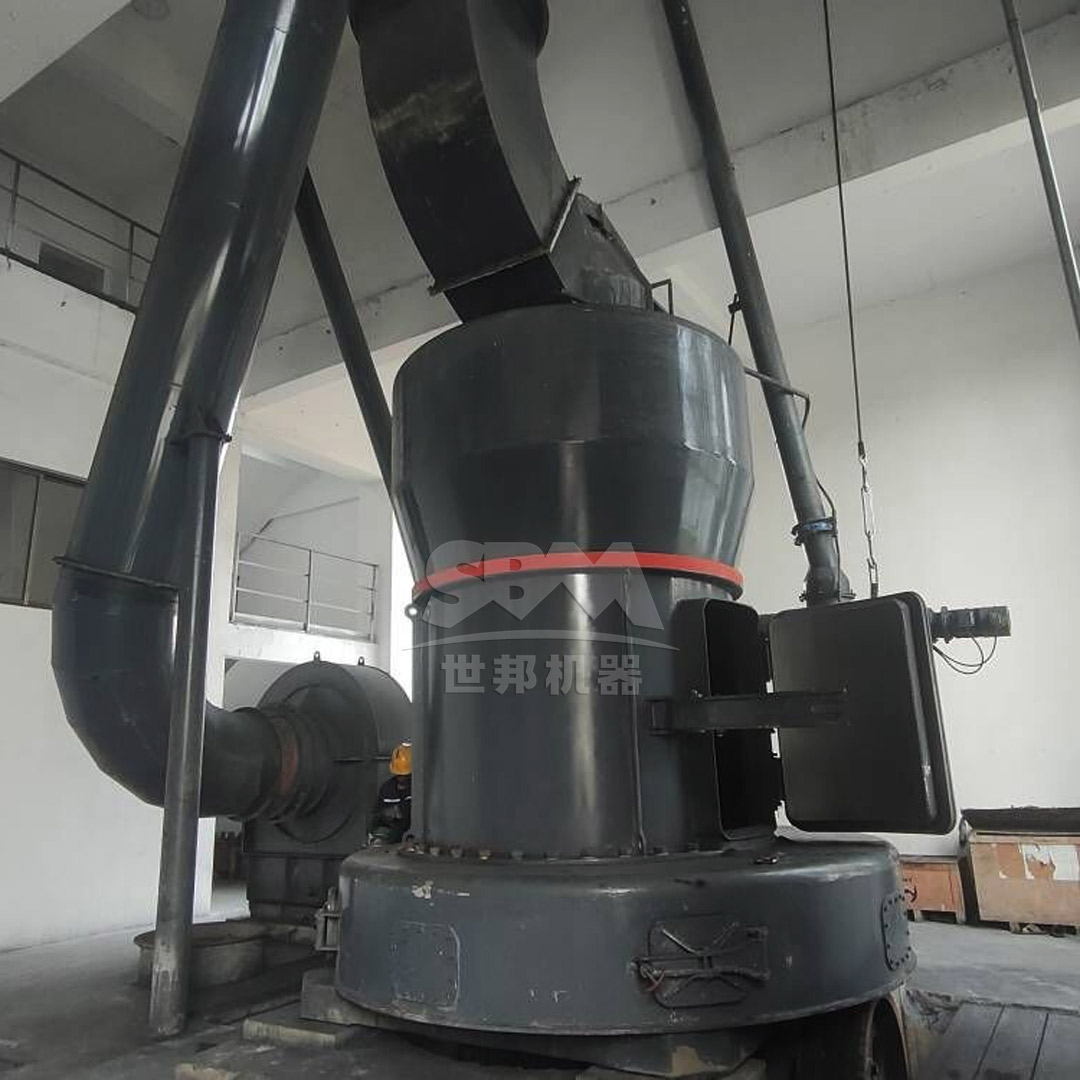
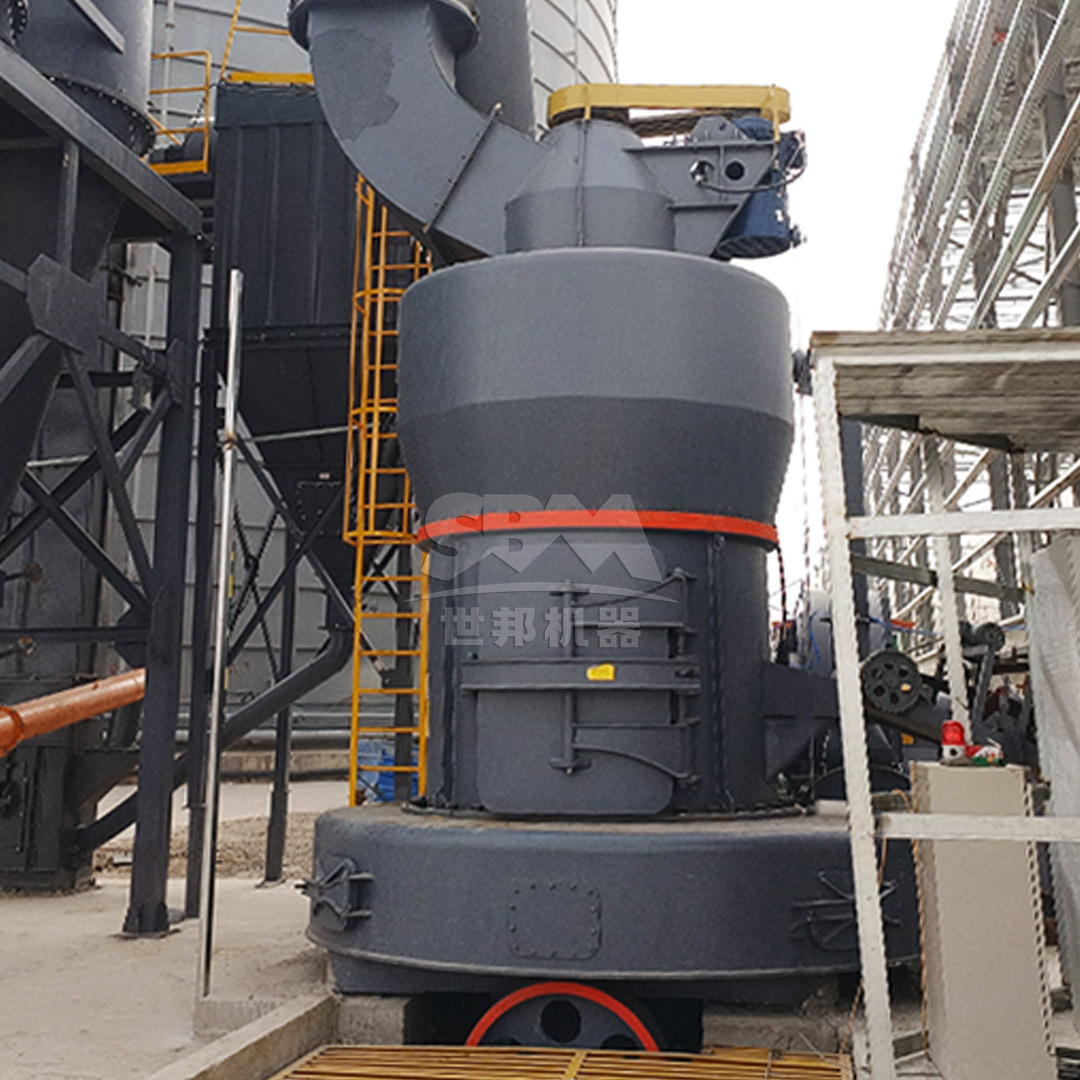
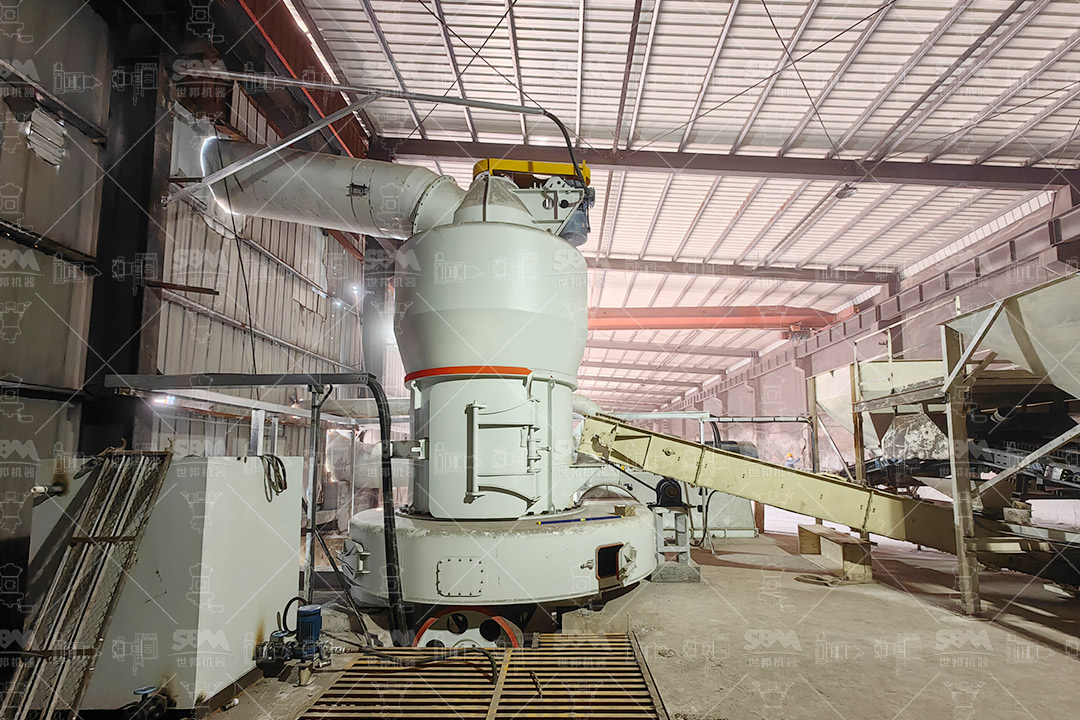
This is the most critical component where the actual size reduction to powder occurs. The choice of mill depends heavily on the target fineness, required capacity, and energy efficiency goals.
For producers targeting the high-end market requiring ultrafine granite powder (D97 ≤ 5μm), the SCM Ultrafine Mill represents the optimal solution. Its design addresses the specific challenges of fine grinding hard materials.
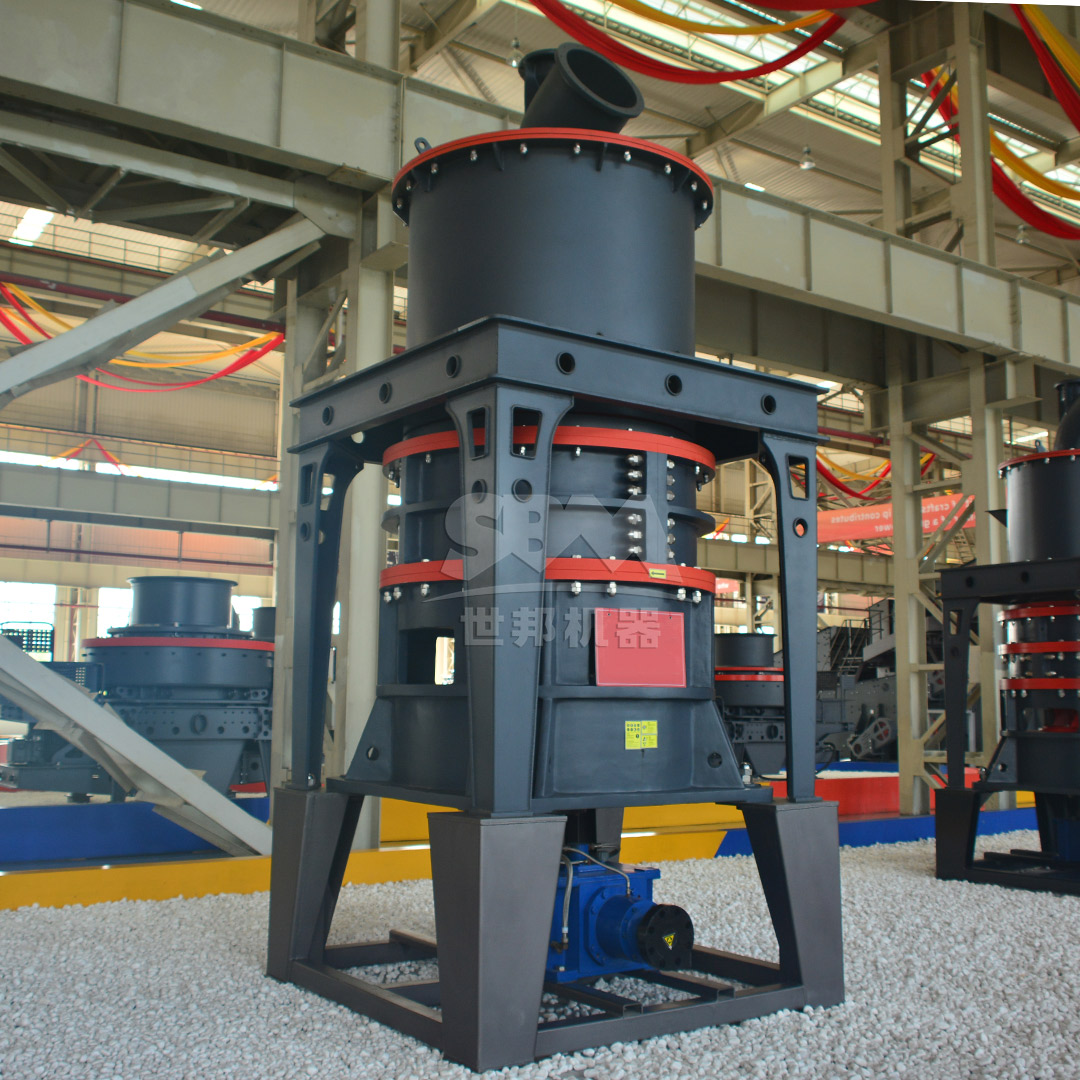
Technical Advantages:
Working Principle: The main motor drives a multi-layer grinding ring to rotate. Material is fed into the mill and dispersed by centrifugal force into the grinding path. It undergoes multi-layer compression grinding between the rollers and rings. The final fine powder is collected by a cyclone separator and a pulse dust collection system.
| Model | Capacity (t/h) | Main Motor Power (kW) | Feed Size (mm) | Fineness (mesh) |
|---|---|---|---|---|
| SCM800 | 0.5-4.5 | 75 | ≤20 | 325-2500 |
| SCM900 | 0.8-6.5 | 90 | ≤20 | 325-2500 |
| SCM1000 | 1.0-8.5 | 132 | ≤20 | 325-2500 |
| SCM1250 | 2.5-14 | 185 | ≤20 | 325-2500 |
| SCM1680 | 5.0-25 | 315 | ≤20 | 325-2500 |
After grinding, an air stream carries the powder. A cyclone separator performs primary separation, collecting the majority of the product. The remaining fine powder in the air is captured by a high-efficiency pulse-jet bag filter, ensuring near-total product recovery and clean exhaust air that meets environmental regulations.
Collected powder is conveyed via screw conveyors or air slides to storage silos. Automated packaging systems then bag the powder in 25kg or 1-ton big bags for shipment. Sophisticated lines may include automated palletizing.
A standard, efficient process flow is as follows:
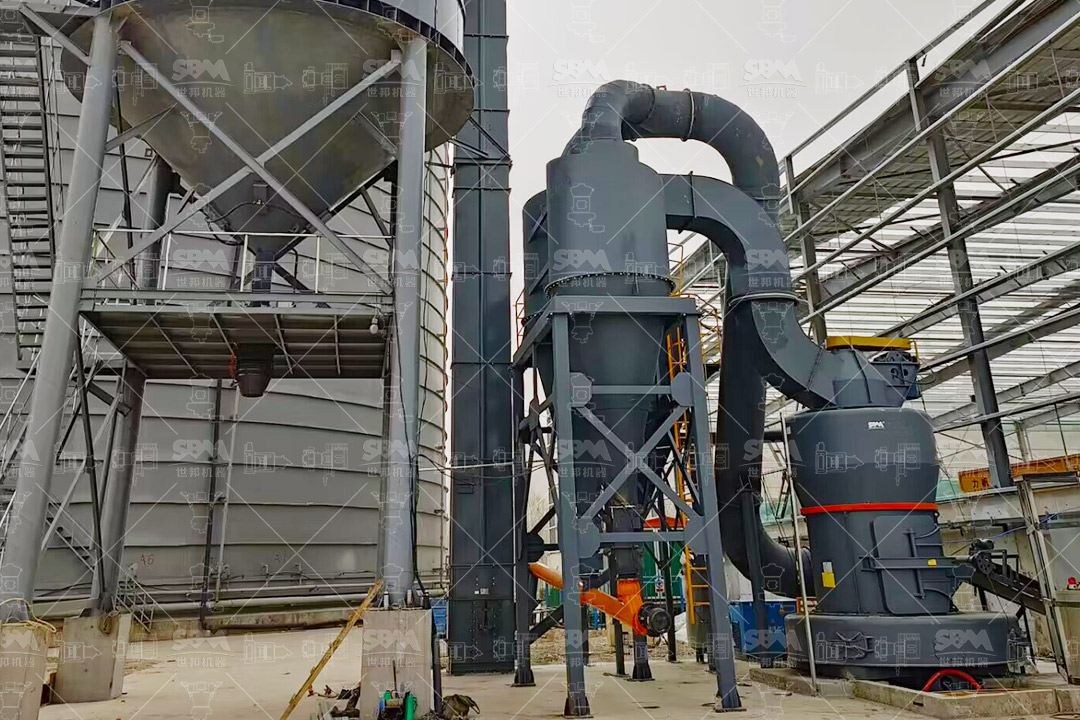
Establishing a successful granite powder production line requires a holistic approach that combines the right process technology with robust, efficient machinery. From primary crushing to ultrafine grinding, each equipment choice impacts the final product quality, operational cost, and environmental footprint. For operations demanding the highest fineness, investing in advanced technology like the SCM Ultrafine Mill is crucial for achieving market-leading product specifications and maintaining a competitive edge through superior efficiency and lower total cost of ownership. A well-designed line, incorporating reliable equipment such as our PC Series Hammer Mills for pre-grinding and the SCM or MTW Series for core grinding, forms the foundation for a profitable and sustainable granite powder business.