Granite, a hard, igneous rock prized for its durability and aesthetic appeal, is a cornerstone material in construction, monuments, and decorative applications. Transforming raw granite blocks into usable products—from coarse aggregates for concrete to ultra-fine powders for industrial fillers—requires a sophisticated sequence of crushing and grinding operations. This guide provides a comprehensive overview of the machinery involved in granite processing, detailing the journey from primary crushing to final micronization, and highlights key considerations for optimizing your production line.
A typical granite processing plant follows a multi-stage reduction process. Each stage employs specialized equipment designed to handle specific size reductions and material characteristics.
The first stage involves reducing large quarry-run blocks (often up to 1 meter or more in size) to a manageable size, typically below 200-250mm. Jaw Crushers are the workhorses of primary crushing. Their robust design, featuring a fixed and a moving jaw, applies compressive force to break the rock. For very large operations or when dealing with slightly softer rock variations, Gyratory Crushers may be used for their higher capacity.
Output from the primary crusher is further reduced to sizes suitable for feed into grinding mills, often aiming for 20-50mm. Cone Crushers are ideal for this stage. Operating on a similar compression principle as jaw crushers but with a gyrating mantle inside a concave bowl, they produce a more cubical product and are highly efficient for hard, abrasive materials like granite. Impact Crushers can also be used in secondary/tertiary roles, utilizing high-speed impact rather than compression, which is excellent for producing a well-shaped aggregate but may result in higher wear rates on granite.
| Processing Stage | Target Output Size | Primary Equipment Types |
|---|---|---|
| Primary Crushing | 200-250mm | Jaw Crusher, Gyratory Crusher |
| Secondary Crushing | 50-100mm | Cone Crusher, Impact Crusher |
| Tertiary Crushing | 20-50mm | Cone Crusher, Fine Impact Crusher |
| Coarse Grinding | 1-10mm (10-5 mesh) | Vertical Roller Mill, Ball Mill |
| Fine & Ultrafine Grinding | 45μm – 5μm (325-2500 mesh) | Ultrafine Mill, Vertical Roller Mill |
This is where granite is transformed into powder. The choice of grinding mill depends heavily on the required final product fineness and production capacity.
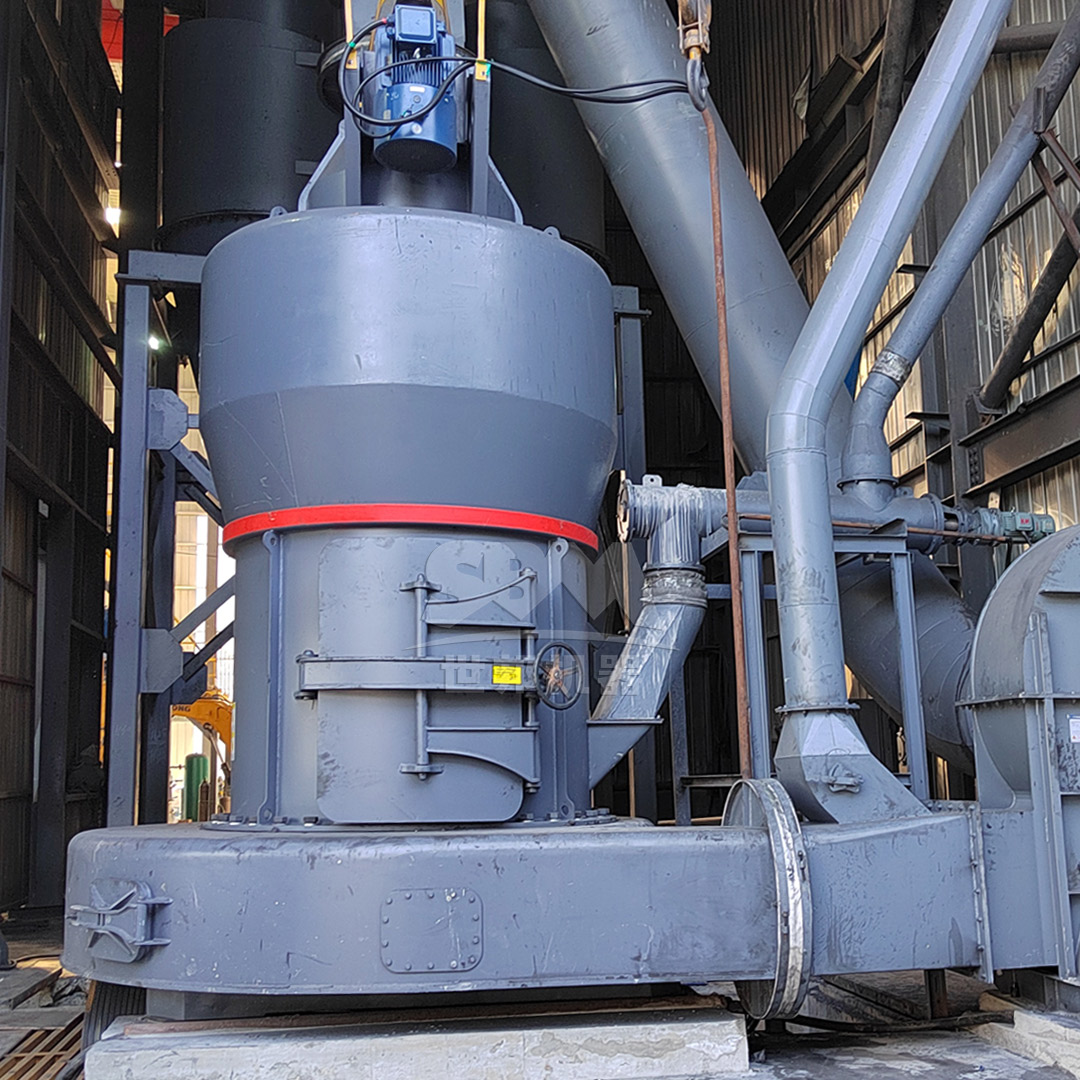
Producing ultrafine granite powders (finer than 45μm / 325 mesh) for high-value applications like polymer composites, advanced ceramics, or functional fillers demands specialized technology. The process shifts from pure mechanical crushing to a combination of attrition and precise air classification.
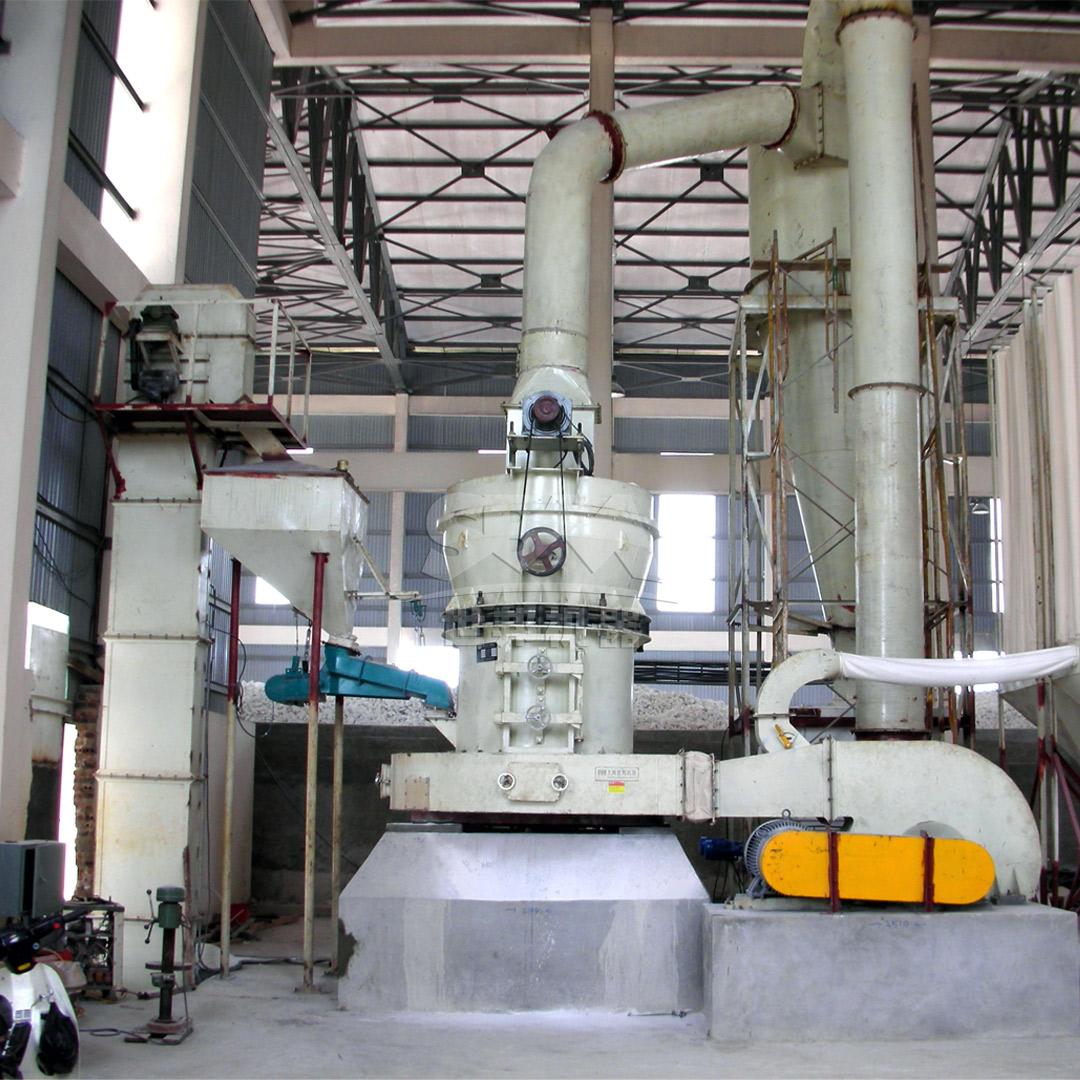
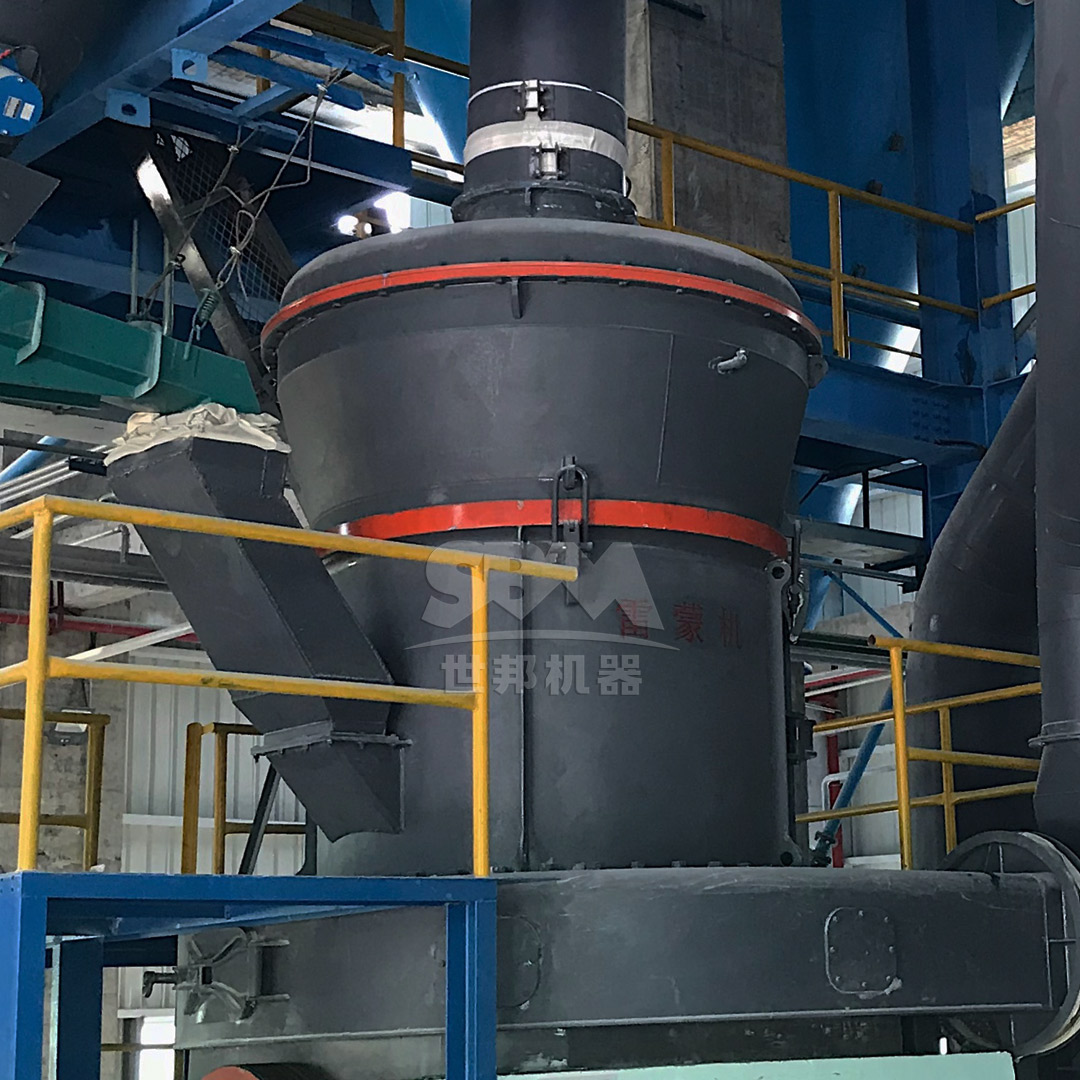
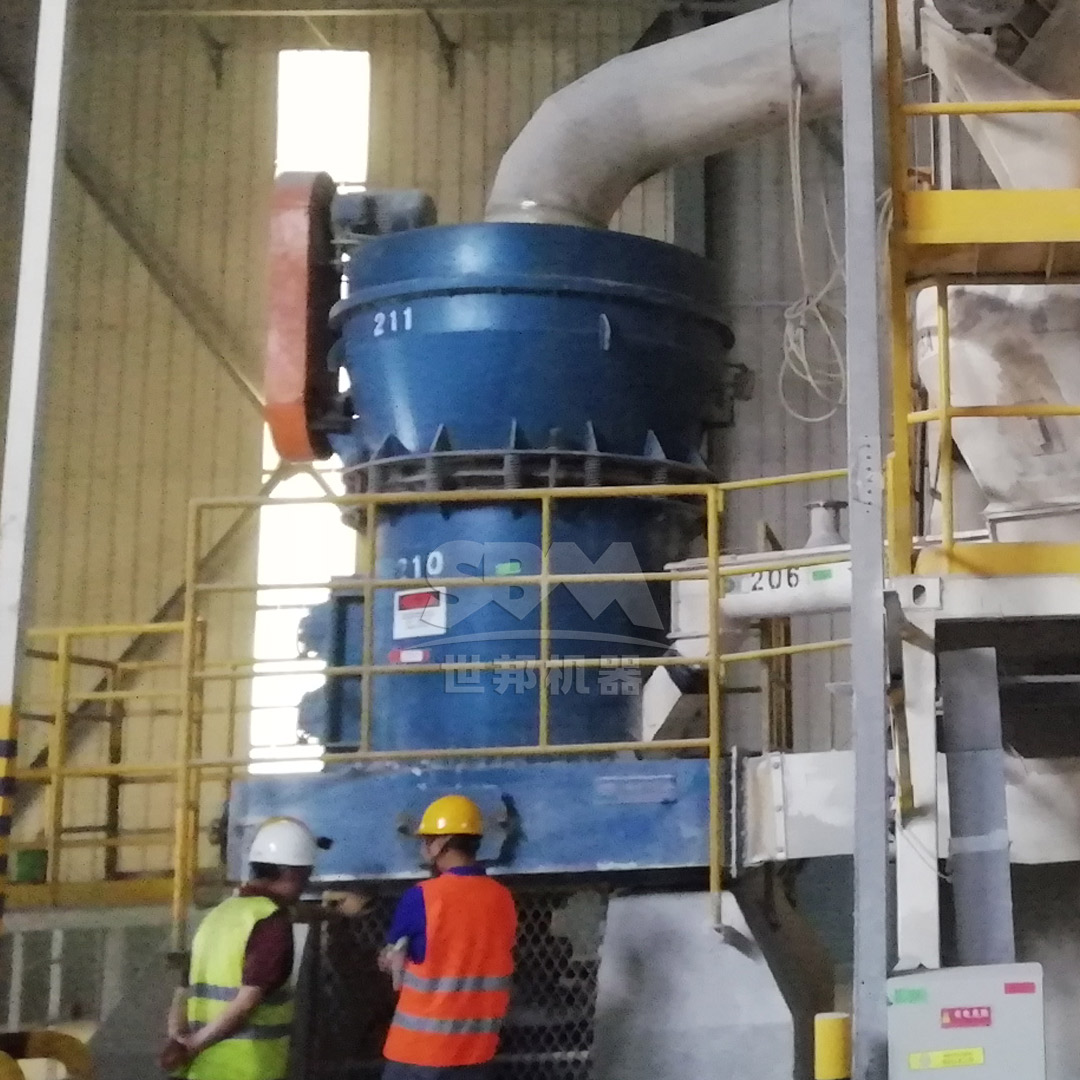
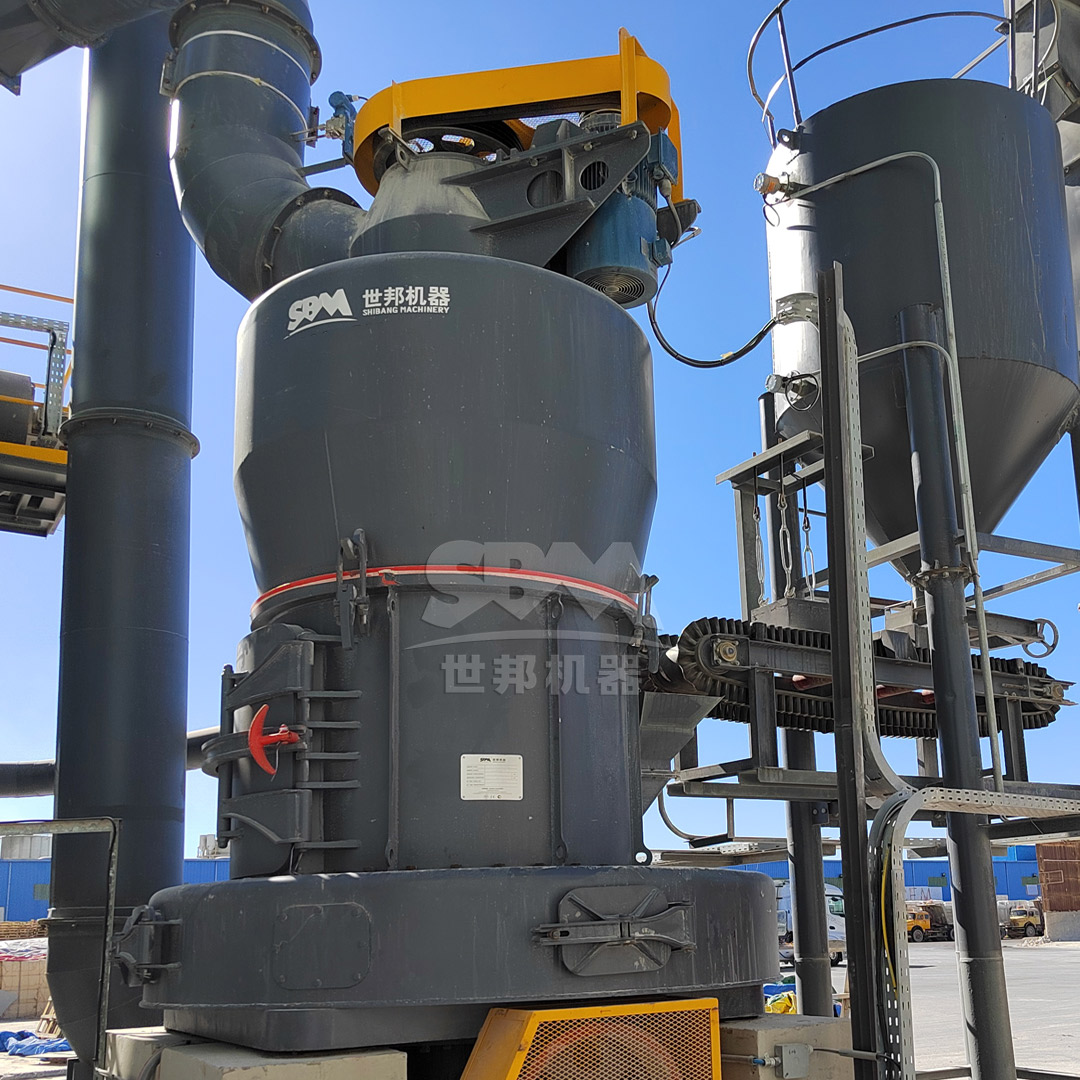
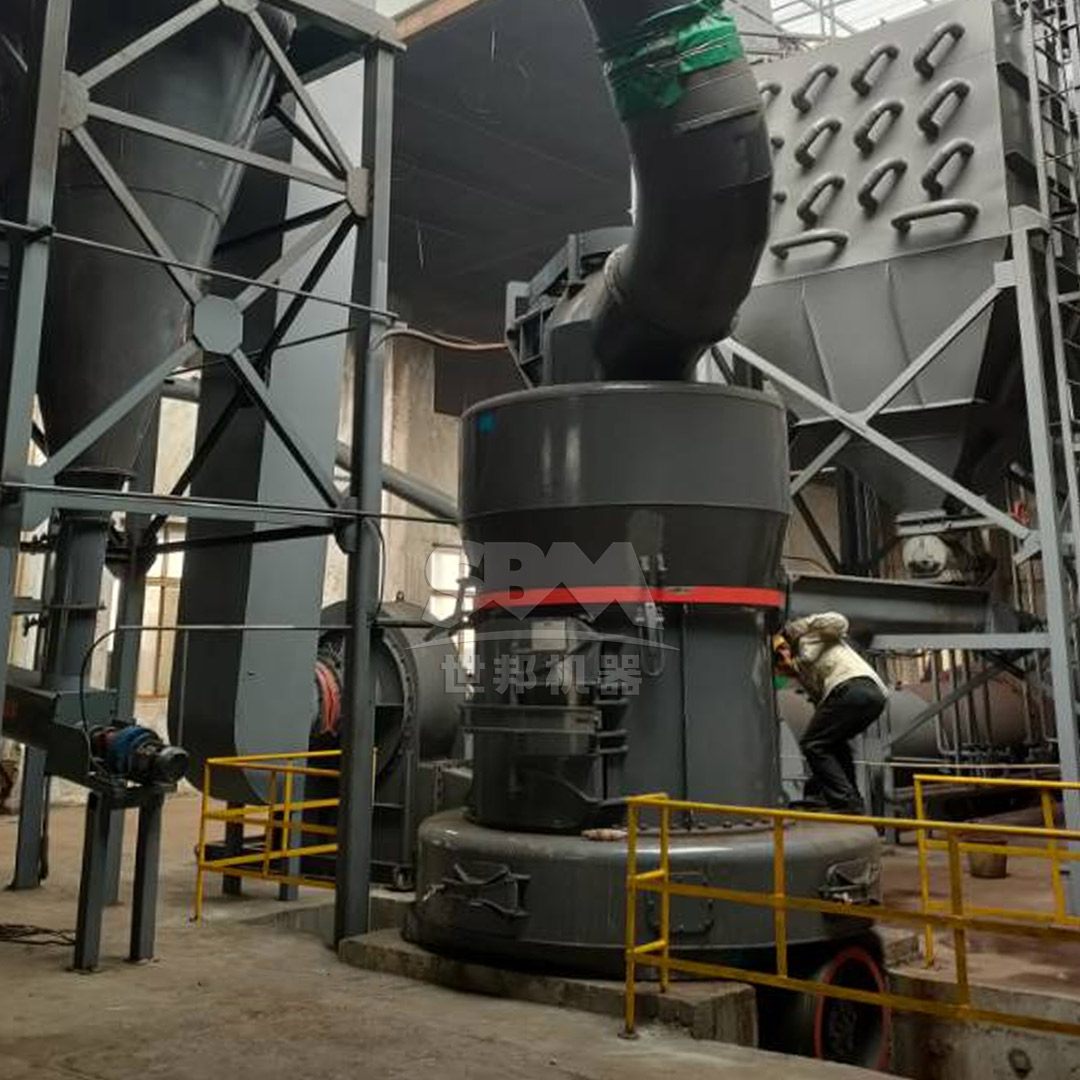
For this demanding application, the SCM Series Ultrafine Mill represents the pinnacle of efficiency. Engineered to produce powders between 325 and 2500 mesh (45-5μm), it operates on a layered grinding principle with a high-precision vertical turbine classifier. Its advantages are paramount for profitable ultrafine processing: it offers twice the capacity of jet mills while consuming 30% less energy, and its durable special-material rollers and rings ensure long service life even with abrasive granite. The fully sealed system with efficient pulse dust collection also guarantees environmentally compliant operation.
Choosing the right equipment is not just about particle size. Consider these factors:
Building an efficient and profitable granite processing line requires a strategic selection of equipment tailored to each stage of size reduction. From robust primary crushers to high-efficiency fine grinding mills like the MTW Series, and further to advanced ultrafine solutions like the SCM Series Ultrafine Mill, understanding the capabilities and advantages of each machine type is crucial. By prioritizing wear resistance, energy efficiency, precise classification, and environmental protection, operators can maximize yield, product quality, and overall return on investment from their granite resources. Investing in modern, technologically advanced machinery is the definitive path to achieving a competitive edge in the demanding stone processing industry.