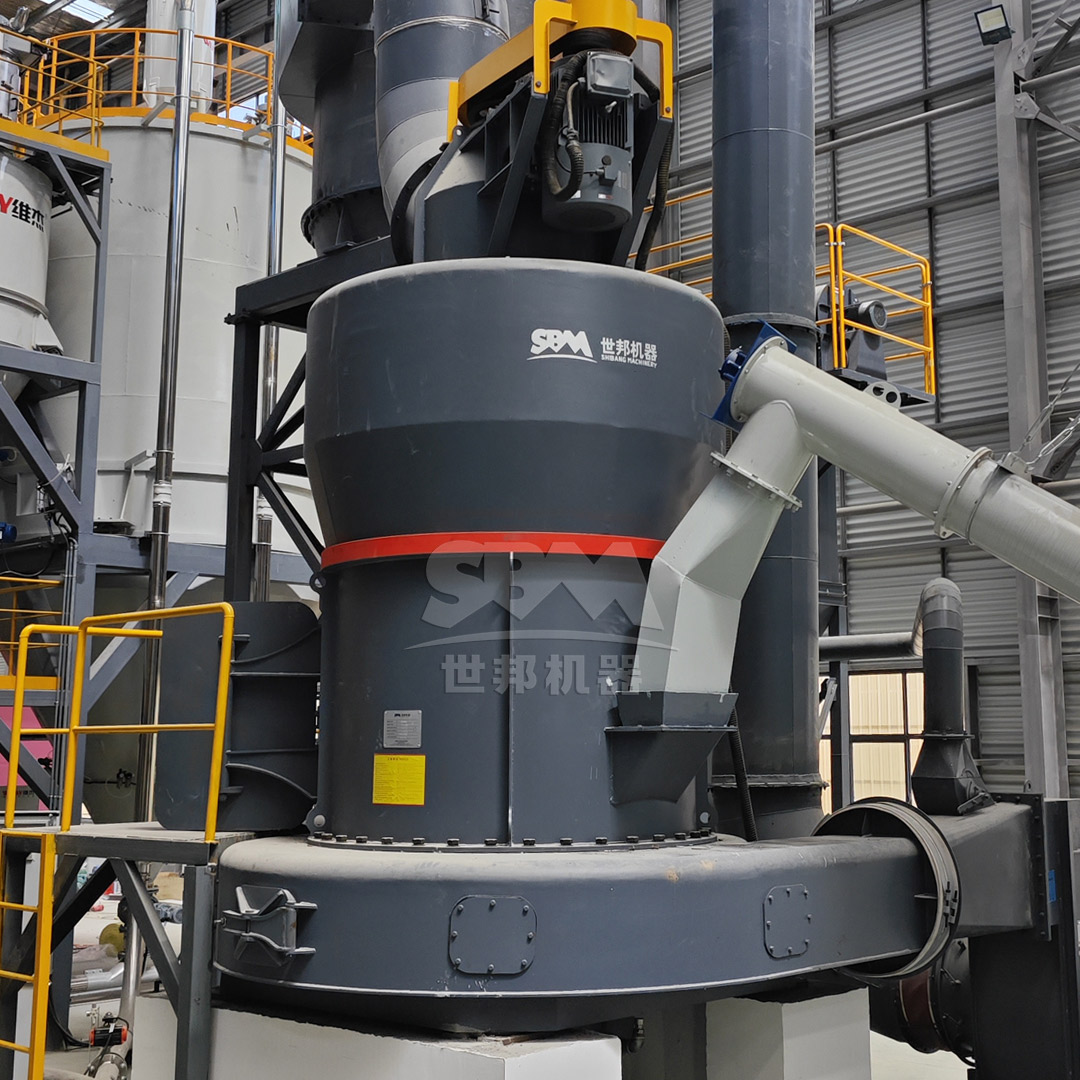
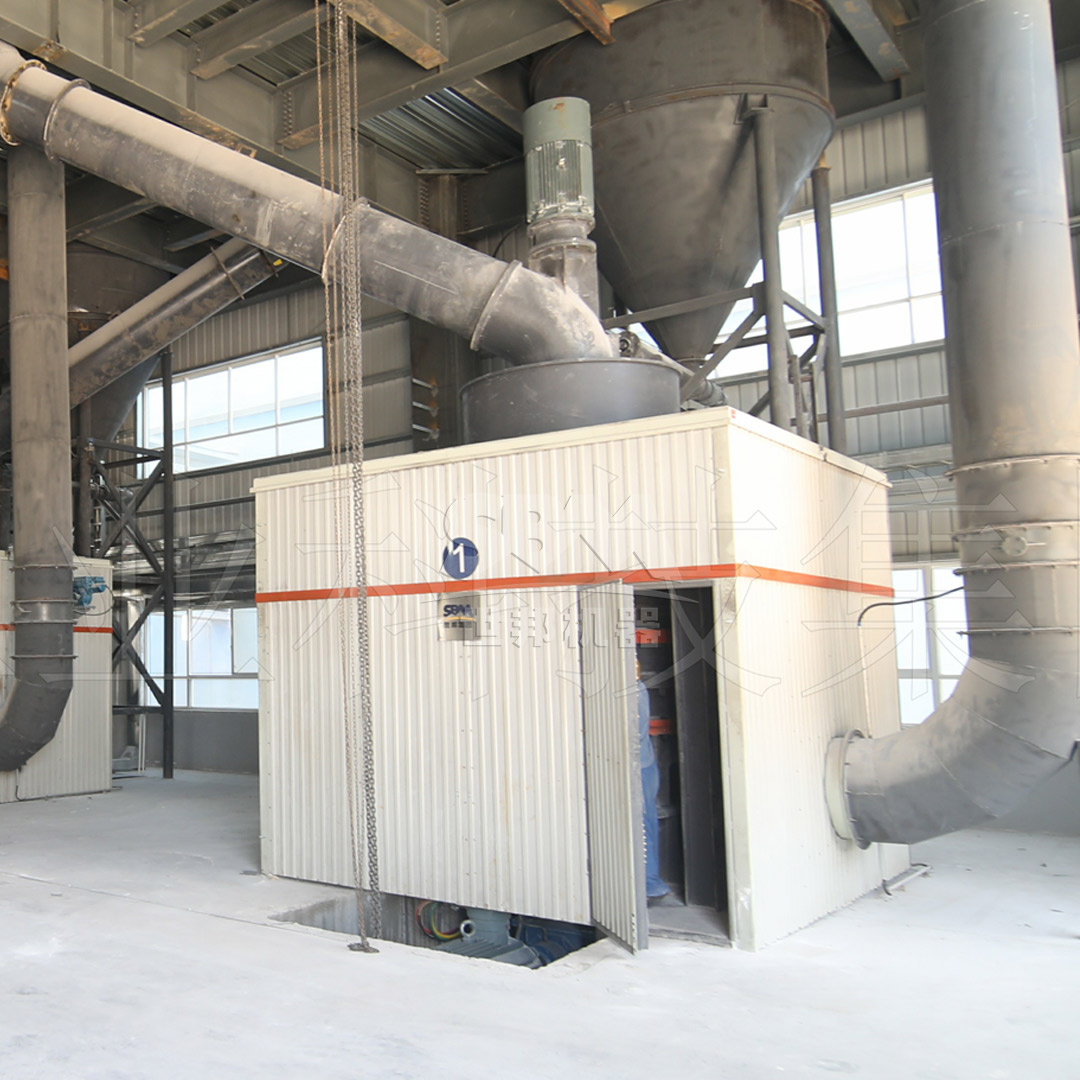
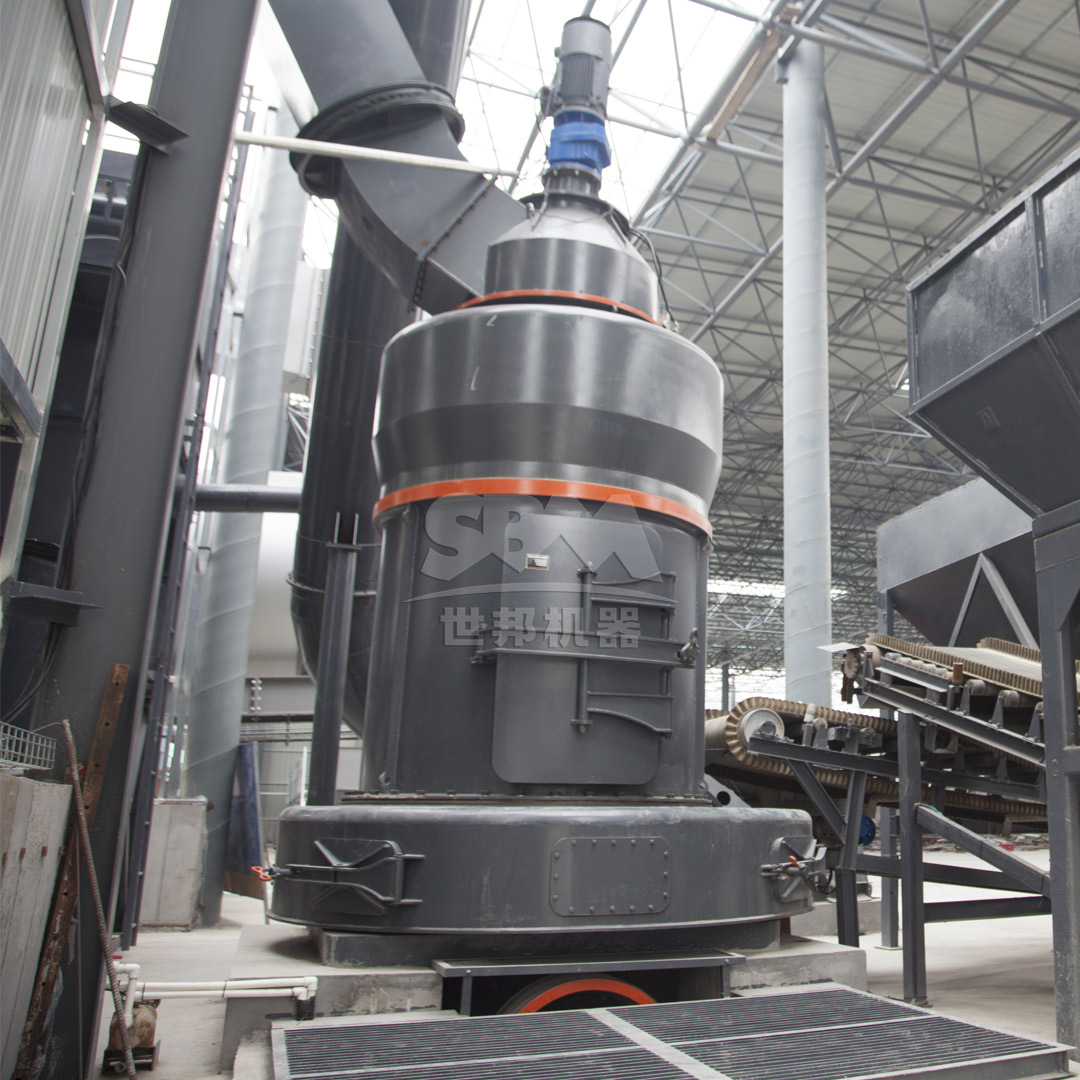
Gypsum, a versatile mineral widely used in construction, agriculture, and industrial applications, requires precise processing to achieve the desired fineness and quality for its end-use. The core of any gypsum processing plant is the grinding system, which transforms raw gypsum rock into fine powder. Selecting the right grinding equipment is paramount, as it directly impacts product quality, production efficiency, energy consumption, and overall operational costs. This guide provides a comprehensive overview of gypsum processing and explores the key equipment options, with a focus on identifying the optimal solution for different production requirements.
Before selecting equipment, several critical factors must be evaluated:
Different types of mills are suitable for various stages and fineness requirements in gypsum processing.
For initial size reduction of large gypsum rocks (up to 50mm), equipment like Jaw Crushers, Hammer Mills, and Impact Crushers are used. For integrated pre-grinding systems that offer exceptional efficiency, our LM-Y Series Vertical Pre-grinding Roller Mill stands out. It utilizes a bed grinding principle, which is significantly more energy-efficient than impact crushing, consuming 30-50% less power. Its hydraulic system allows for quick roller changes, minimizing maintenance downtime.
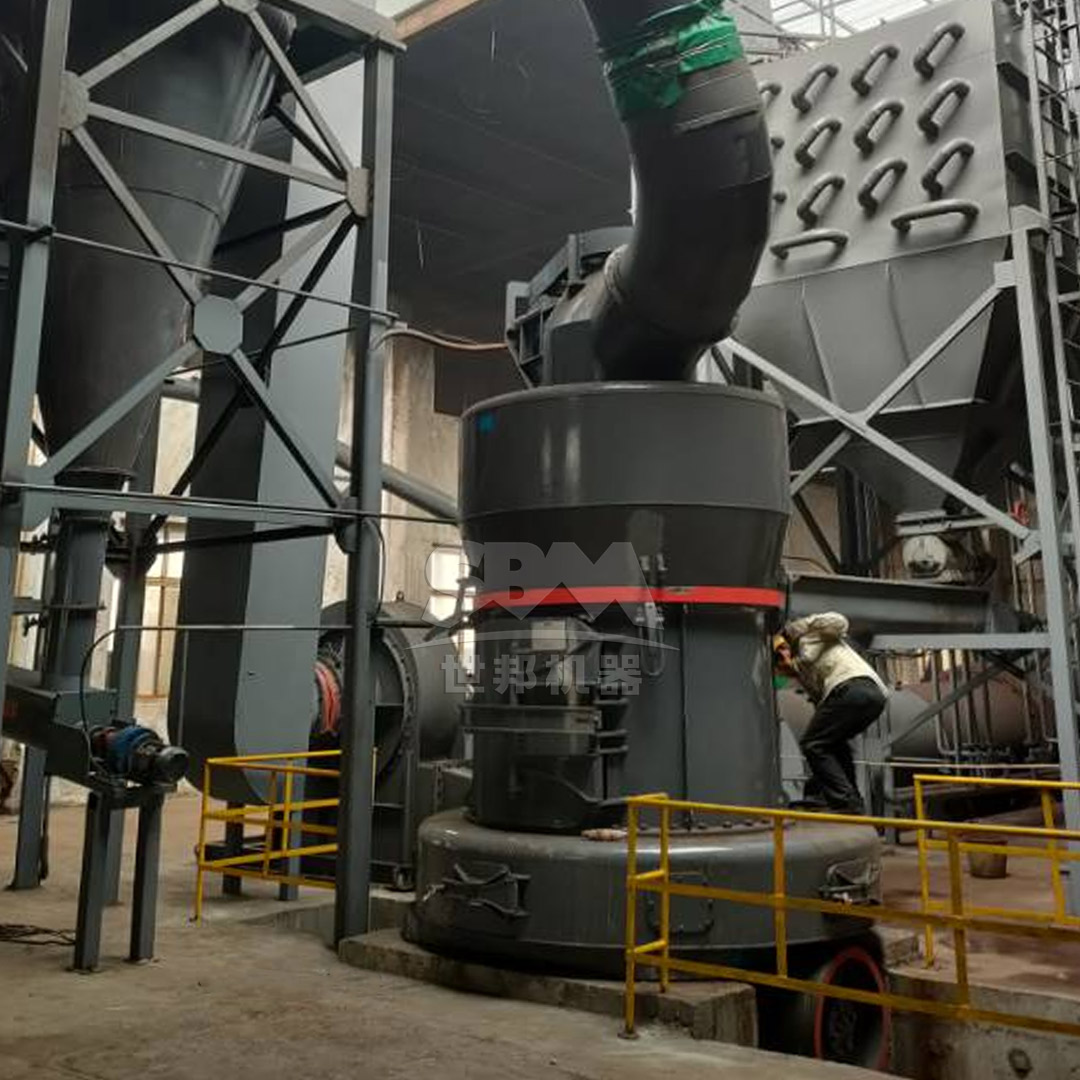
This is the core stage for producing plaster, stucco, or filler-grade gypsum powder. The choice of mill depends heavily on the target fineness.
Based on extensive industry application, two of our mill series offer optimal performance for most gypsum processing scenarios.
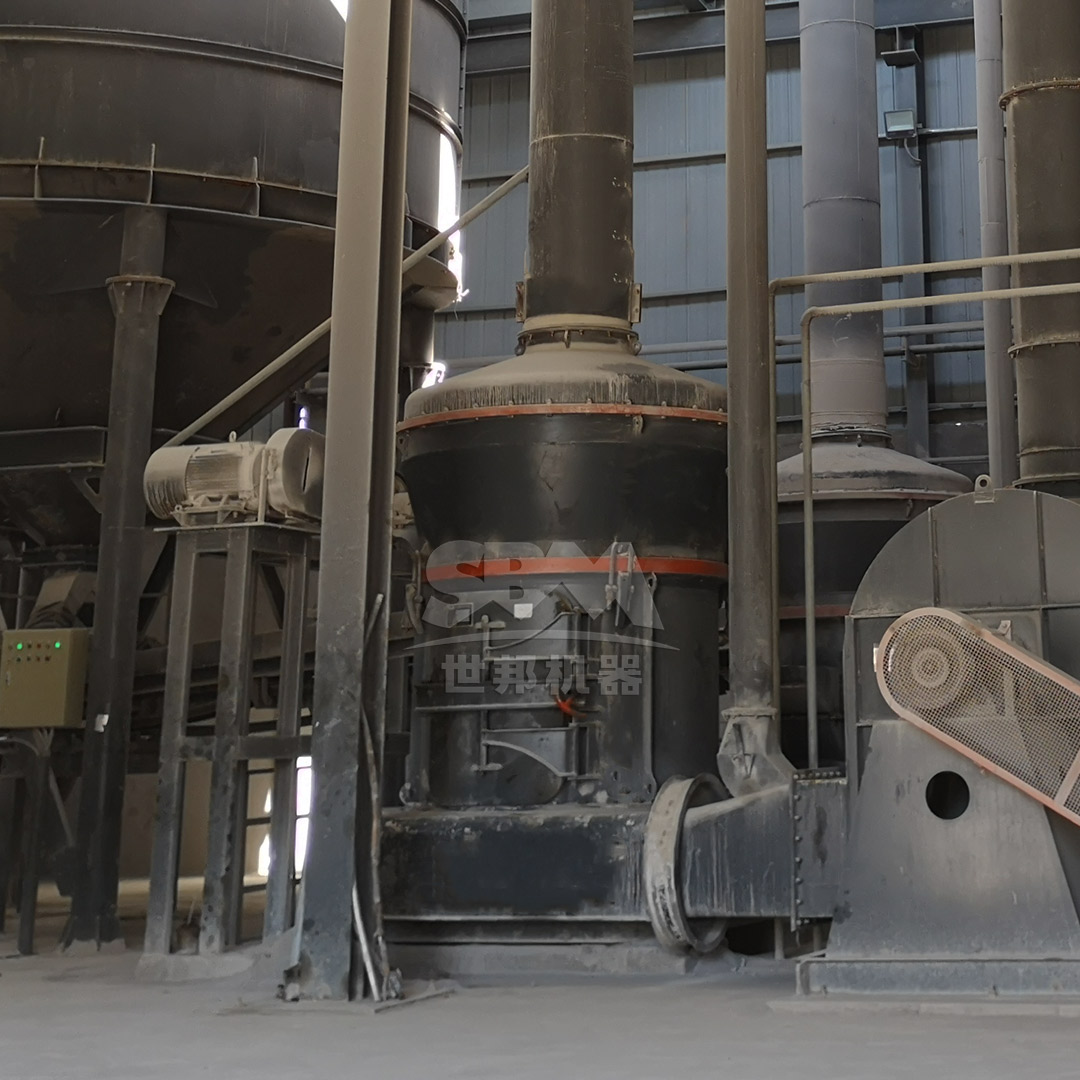
For high-capacity production of gypsum powder in the range of 30-325 mesh, the MTW Series European Trapezium Mill is an industry-leading workhorse. It is particularly well-suited for manufacturing building plaster and gypsum board powder.
Technical Advantages for Gypsum:
| Model | Capacity (t/h) | Main Power (kW) | Feed Size (mm) | Fineness (mesh) |
|---|---|---|---|---|
| MTW138Z | 6-17 | 90 | <35 | 10-325 |
| MTW175G | 9.5-25 | 160 | <40 | 10-325 |
| MTW215G | 15-45 | 280 | <50 | 10-325 |
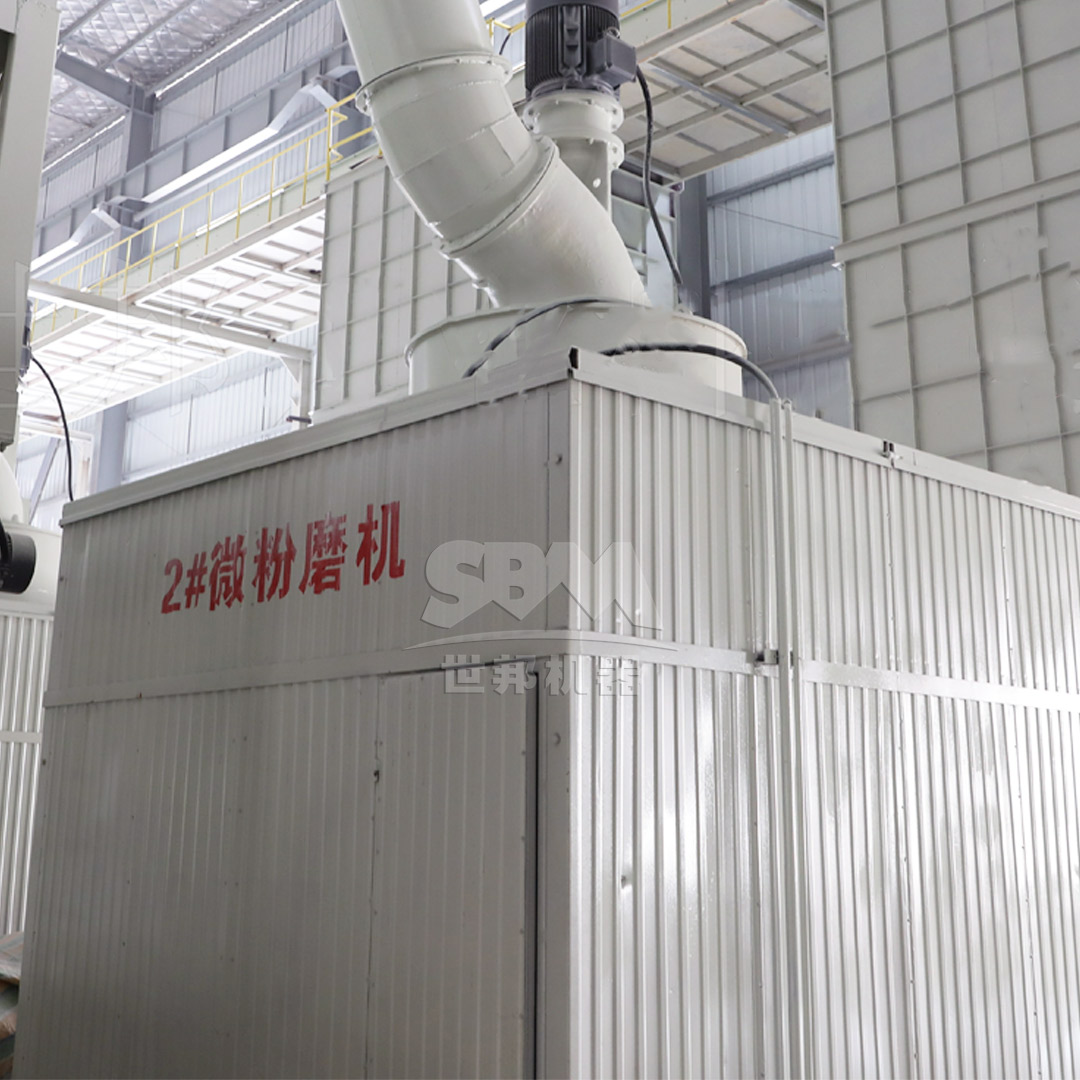
When the application demands extremely fine gypsum powder, such as for high-strength moulds, medical casts, or as a high-performance filler, the SCM Series Ultrafine Mill is the definitive solution. It can produce powder from 325 to 2500 mesh (45-5μm), far surpassing the capabilities of traditional mills.
Why it’s Ideal for Ultrafine Gypsum:
| Model | Capacity (t/h) | Main Power (kW) | Output Fineness |
|---|---|---|---|
| SCM1000 | 1.0-8.5 | 132 | 325-2500 mesh |
| SCM1250 | 2.5-14 | 185 | 325-2500 mesh |
| SCM1680 | 5.0-25 | 315 | 325-2500 mesh |
A full gypsum processing line involves more than just a mill. Key auxiliary systems include:
The selection of gypsum grinding equipment is not a one-size-fits-all decision. For high-volume production of standard construction-grade gypsum (up to 325 mesh), the MTW Series European Trapezium Mill offers an unbeatable combination of reliability, efficiency, and cost-effectiveness. For producers targeting the high-value, ultrafine gypsum market (325-2500 mesh), the SCM Series Ultrafine Mill provides the necessary technological edge with superior product quality and remarkable energy savings.
Investing in the right technology from the start ensures optimal plant performance, lower operating costs, and a product that consistently meets market specifications. We recommend a thorough analysis of your specific raw material and product goals, supported by expert consultation, to design the most efficient and profitable gypsum processing plant.