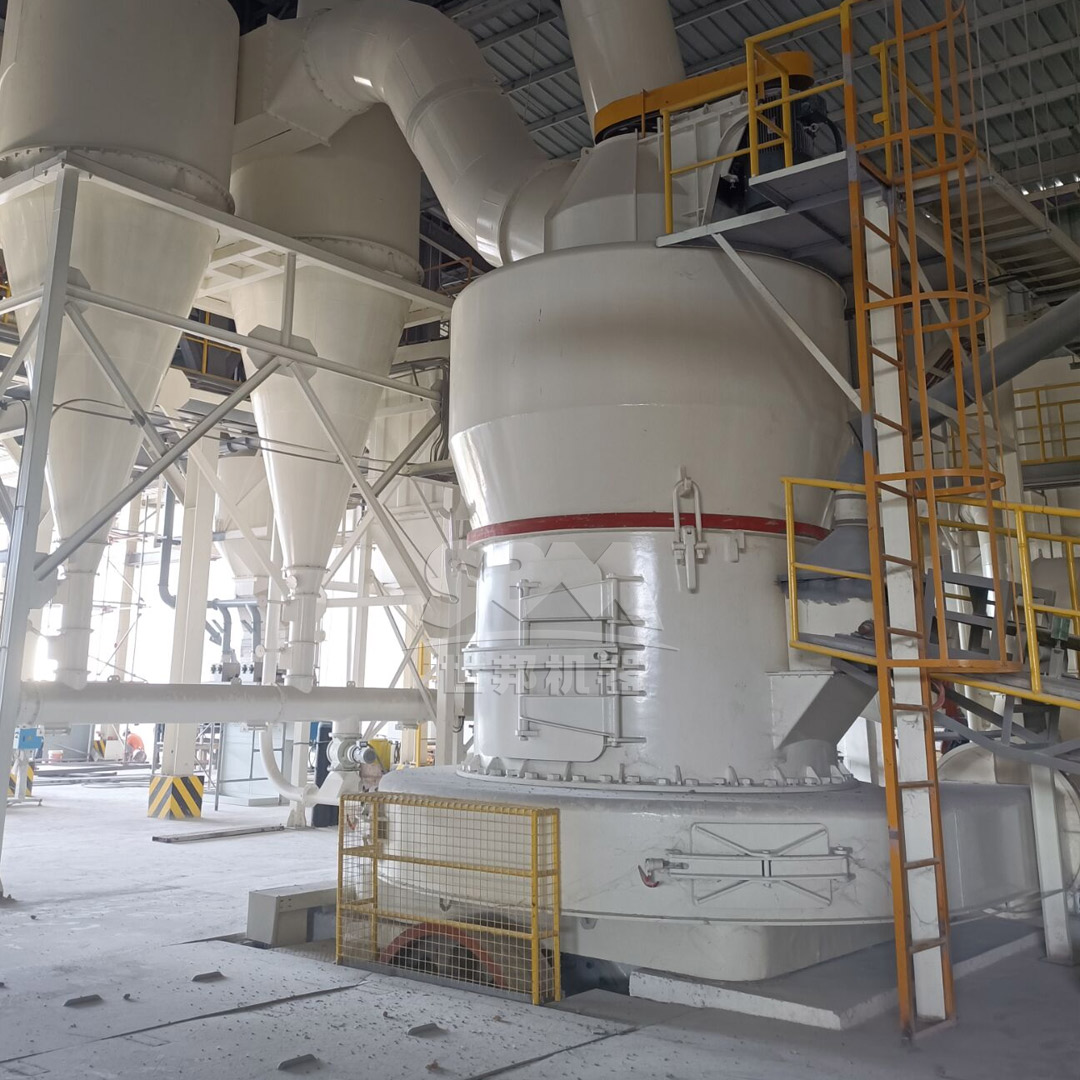
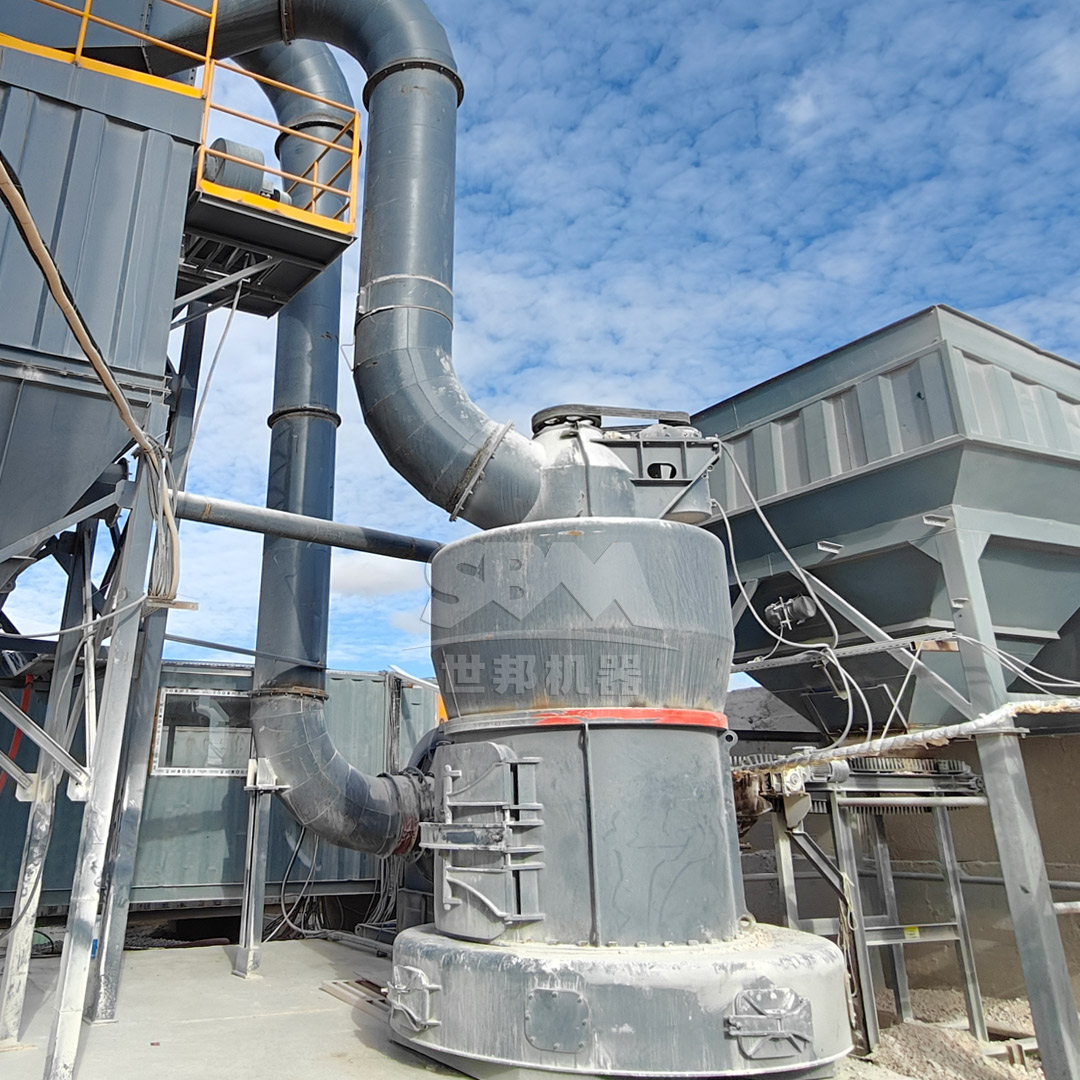
The production of high-quality gypsum board is fundamentally dependent on the consistent supply of finely ground, chemically stable gypsum powder. A modern gypsum powder manufacturing plant is a sophisticated integration of material handling, size reduction, thermal processing, and classification technologies. This article outlines the core processes of a complete production line for gypsum board raw material, from raw gypsum rock to the finished stucco powder ready for board forming, and highlights key equipment selections that drive efficiency and product quality.
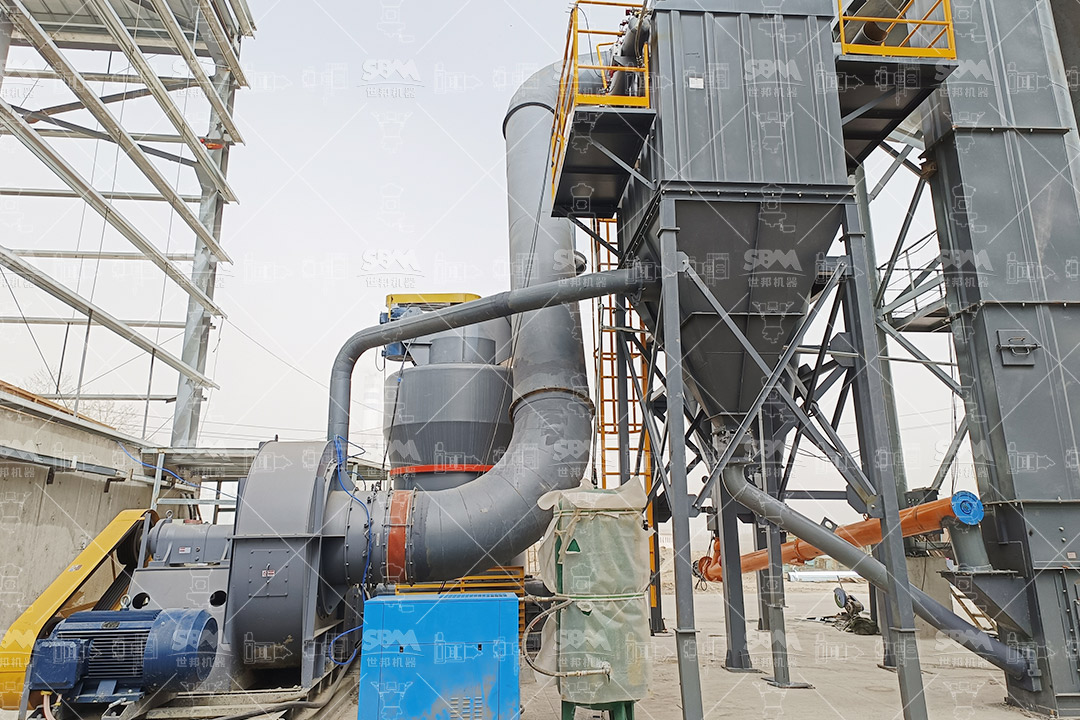
The process begins with the extraction and delivery of natural gypsum (CaSO₄·2H₂O) or synthetic gypsum (e.g., FGD gypsum). Upon arrival at the plant, the gypsum rock undergoes primary crushing. A robust jaw crusher or hammer mill is typically employed to reduce large rocks (up to 800-1000mm) to a manageable size of ≤50mm. This stage is critical for ensuring uniform feed to subsequent grinding and calcining processes, minimizing bottlenecks and wear on downstream equipment.
If the raw gypsum contains significant surface moisture, a rotary dryer may be incorporated. The pre-crushed material is then further reduced in size. For traditional systems, a secondary crusher or a coarse grinder prepares the material for the calciner. However, modern integrated systems often combine drying and grinding in a single unit for higher efficiency.
For this stage, a Hammer Mill is an excellent choice due to its high reduction ratio, simple structure, and ability to handle moderately moist materials. It efficiently produces a 0-3mm product, creating an ideal feedstock for the calcination process.
Calcination is the thermal process that drives off part or all of the water of crystallization from gypsum. The crushed gypsum is heated to temperatures between 150°C and 180°C in a controlled environment, transforming calcium sulfate dihydrate (CaSO₄·2H₂O) into calcium sulfate hemihydrate (CaSO₄·½H₂O), commonly known as stucco or plaster of Paris. The two main types of calciners are:
The choice between kettle and flash calcination often dictates the required fineness of the feed material.
The calcined stucco often requires further grinding to achieve the specific surface area and particle size distribution crucial for gypsum board formation. This fine grinding determines the final setting time, strength, and smoothness of the board core. This is the most critical milling stage in the production line.
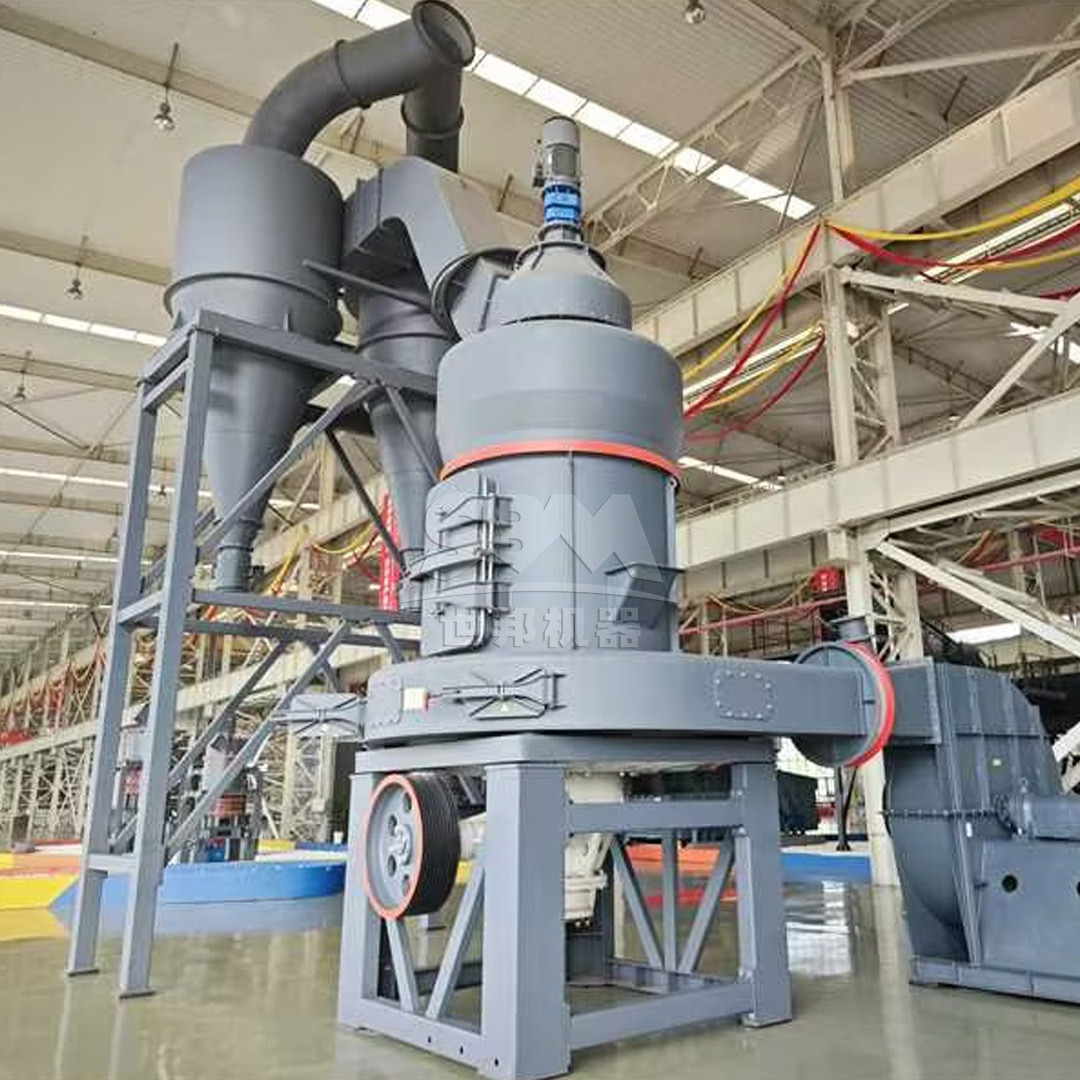
For the fine grinding of calcined gypsum to meet board-grade specifications, the MTW Series European Trapezium Mill stands out as a premier solution. Engineered for high capacity and precise particle size control, it is perfectly suited for producing the 30-325 mesh (600-45μm) fineness range typically required for stucco.
| Model | Capacity (ton/h) | Main Power (kW) | Output Fineness |
|---|---|---|---|
| MTW138Z | 6-17 | 90 | 10-325 mesh |
| MTW175G | 9.5-25 | 160 | 10-325 mesh |
| MTW215G | 15-45 | 280 | 10-325 mesh |
Its technical advantages directly address gypsum processing needs:
The finely ground stucco is then transferred to blending silos. Here, additives such as accelerators (to control set time), retarders, foam (for density control), and starch (for core-bond strength) are thoroughly mixed with the gypsum powder to create the final board-grade formulation. The homogenized product is stored in large silos before being pneumatically conveyed to the board production line’s mixer head, where it is combined with water and paper to form the board.
A state-of-the-art dust collection system is integral to every stage of the production line. From crusher discharge points to mill vents and transfer points, baghouse filters or cartridge collectors capture airborne particles. This not only ensures compliance with environmental regulations but also allows for the recovery of valuable product, improving overall yield and plant cleanliness.
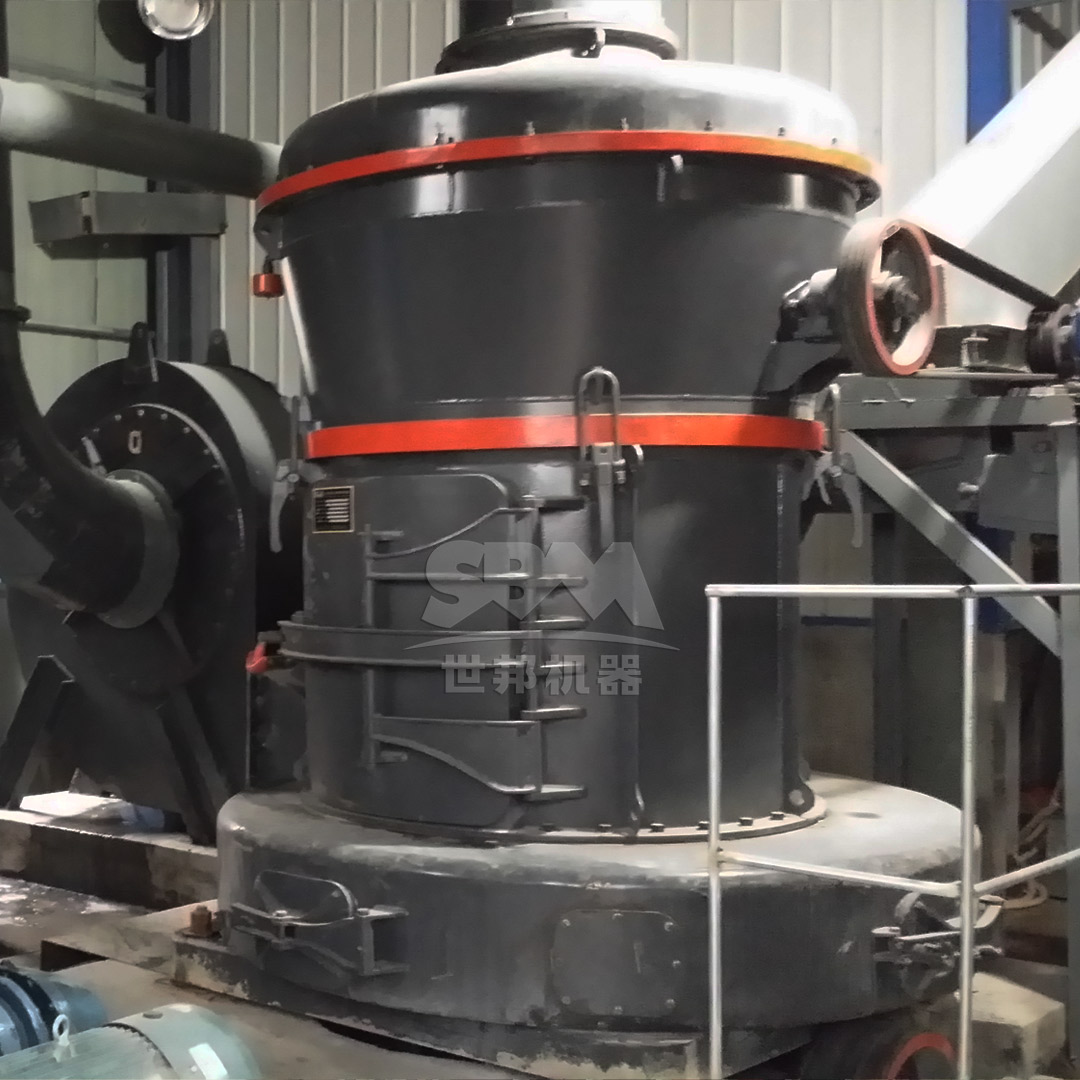
Designing a complete and efficient gypsum powder production line requires careful selection of equipment that offers reliability, energy efficiency, and precise process control. The integration of robust primary crushers, efficient calciners (kettle or flash), and high-performance fine grinding mills like the MTW Series European Trapezium Mill forms the backbone of a competitive plant. For producers looking to achieve ultra-fine fillers or specialty products from gypsum, the SCM Series Ultrafine Mill (45-5μm) provides an excellent solution for producing powders in the 325-2500 mesh range with high efficiency and low energy consumption. By focusing on these core technologies and ensuring seamless material flow and environmental control, manufacturers can establish a facility capable of producing consistent, high-quality gypsum powder to meet the rigorous demands of the global gypsum board industry.