Gypsum powder, a versatile material with applications spanning construction, agriculture, medical, and food industries, requires a sophisticated and efficient production process. Establishing a complete gypsum powder production line involves integrating various stages of material handling, crushing, grinding, drying, and packaging. This comprehensive guide details the key components, process flow, and machinery selection for a modern, high-output gypsum powder plant, with a focus on achieving optimal fineness, energy efficiency, and environmental compliance.
The transformation of raw gypsum rock into fine powder follows a systematic sequence. The core process typically includes: primary crushing of large rocks, secondary crushing or pre-grinding to a smaller size, drying to remove moisture, fine grinding to the target fineness, calcination (for plaster of Paris or stucco), and finally, storage, packaging, and dust collection. The heart of the process lies in the grinding stage, where the choice of grinding mill directly impacts product quality, energy consumption, and overall profitability.
A complete plant is more than just a grinder. It is a synchronized system.
Large gypsum rocks extracted from the quarry are fed into a primary jaw crusher to reduce their size to manageable pieces, typically below 200-300mm. A vibrating feeder ensures a steady and controlled flow of material to the crusher.
The crushed material is further reduced to a size suitable for the main grinding mill, often aiming for ≤50mm. Hammer crushers or impact crushers are commonly used here for their high reduction ratio and ability to handle moderately abrasive materials.
Natural gypsum contains crystalline water. For certain applications or to improve grinding efficiency, a dryer (like a rotary dryer) is employed to reduce moisture content. The ground powder can also be dried simultaneously with grinding in mills that integrate hot air systems.
This is the most critical stage. The pre-crushed and dried gypsum is fed into a grinding mill to achieve the desired fineness, ranging from coarse (for plasterboard) to superfine (for specialized industrial uses). The selection of the grinding mill is paramount.
To produce beta-hemihydrate (plaster of Paris), the ground gypsum is calcined in a kettle or flash calciner at controlled temperatures to drive off part of the crystalline water.
Finished powder is stored in silos. Automated packing machines fill bags. Crucially, a high-efficiency pulse-jet baghouse dust collector is essential at multiple points (especially after grinding and packing) to meet environmental standards and recover product.
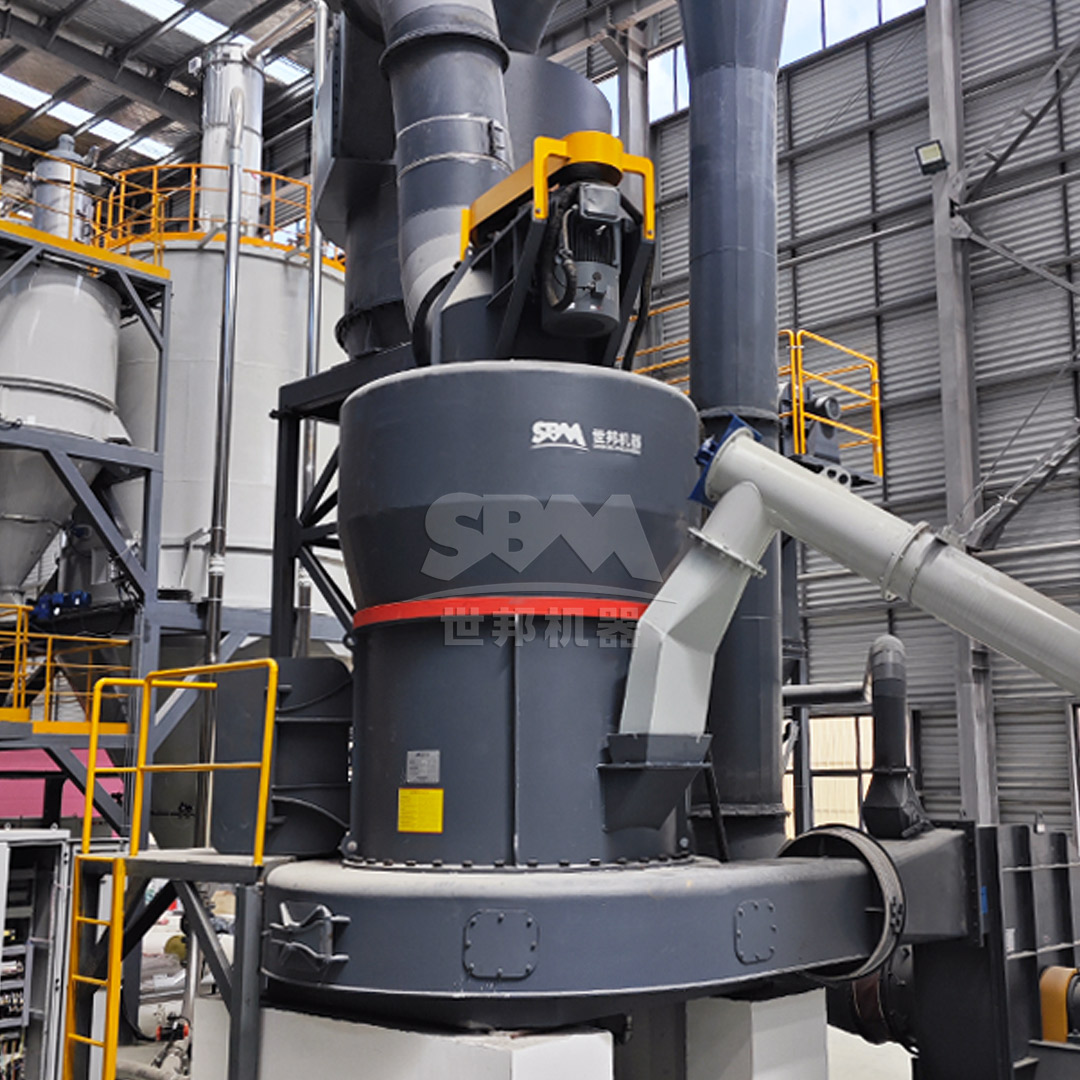
The performance of the grinding mill defines the plant’s capabilities. Different mills serve different fineness and capacity requirements.
For standard construction-grade gypsum powder, robust and high-capacity mills are ideal.
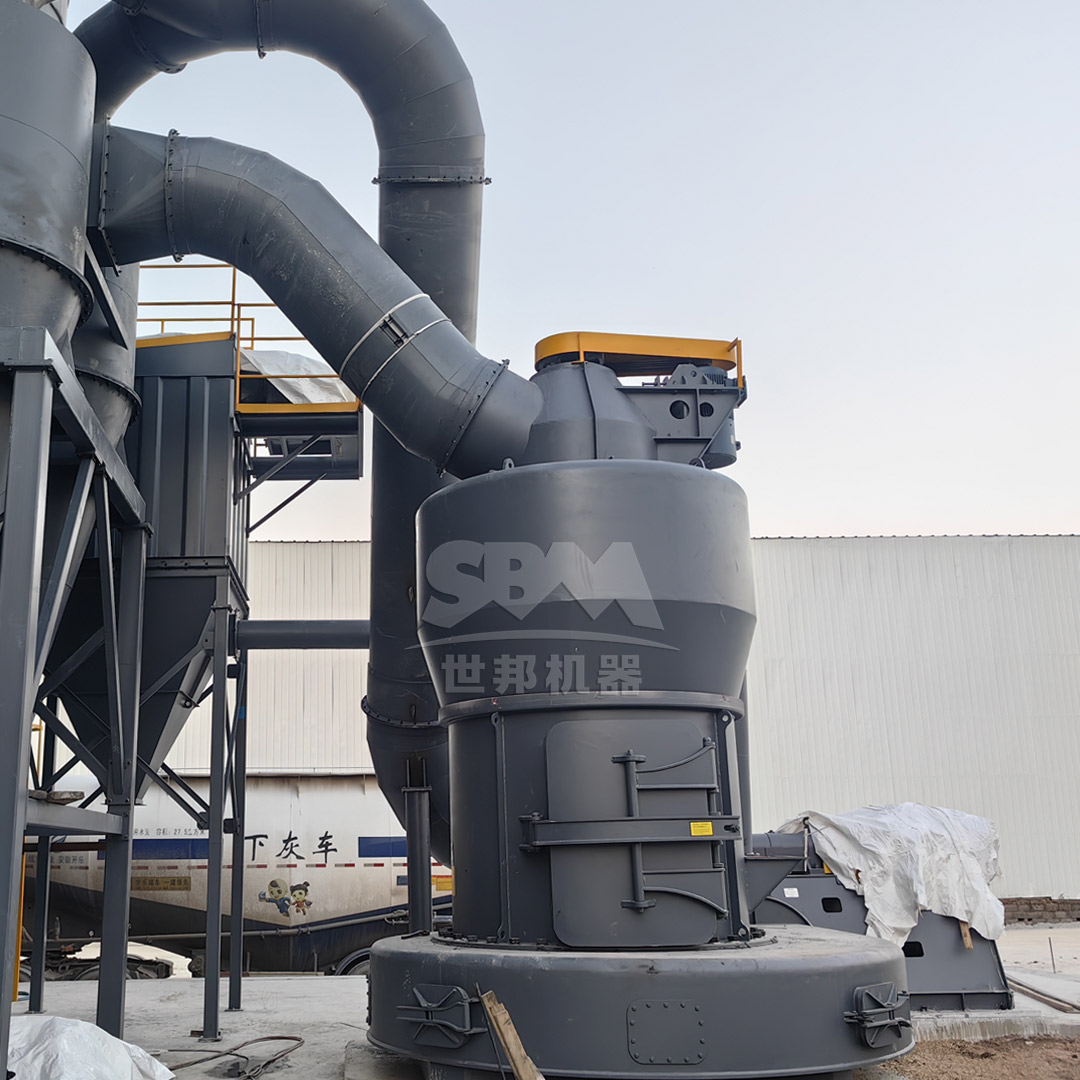
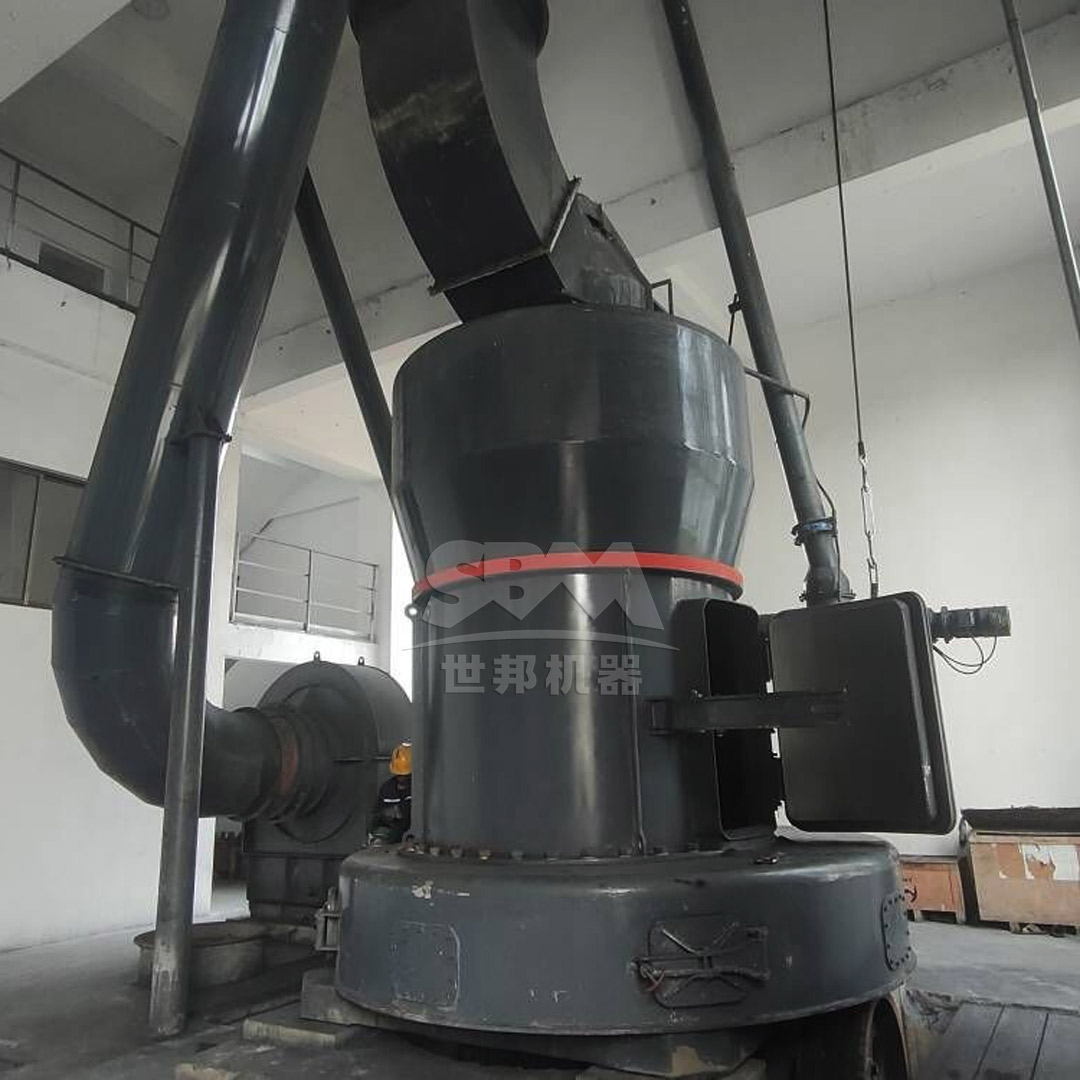
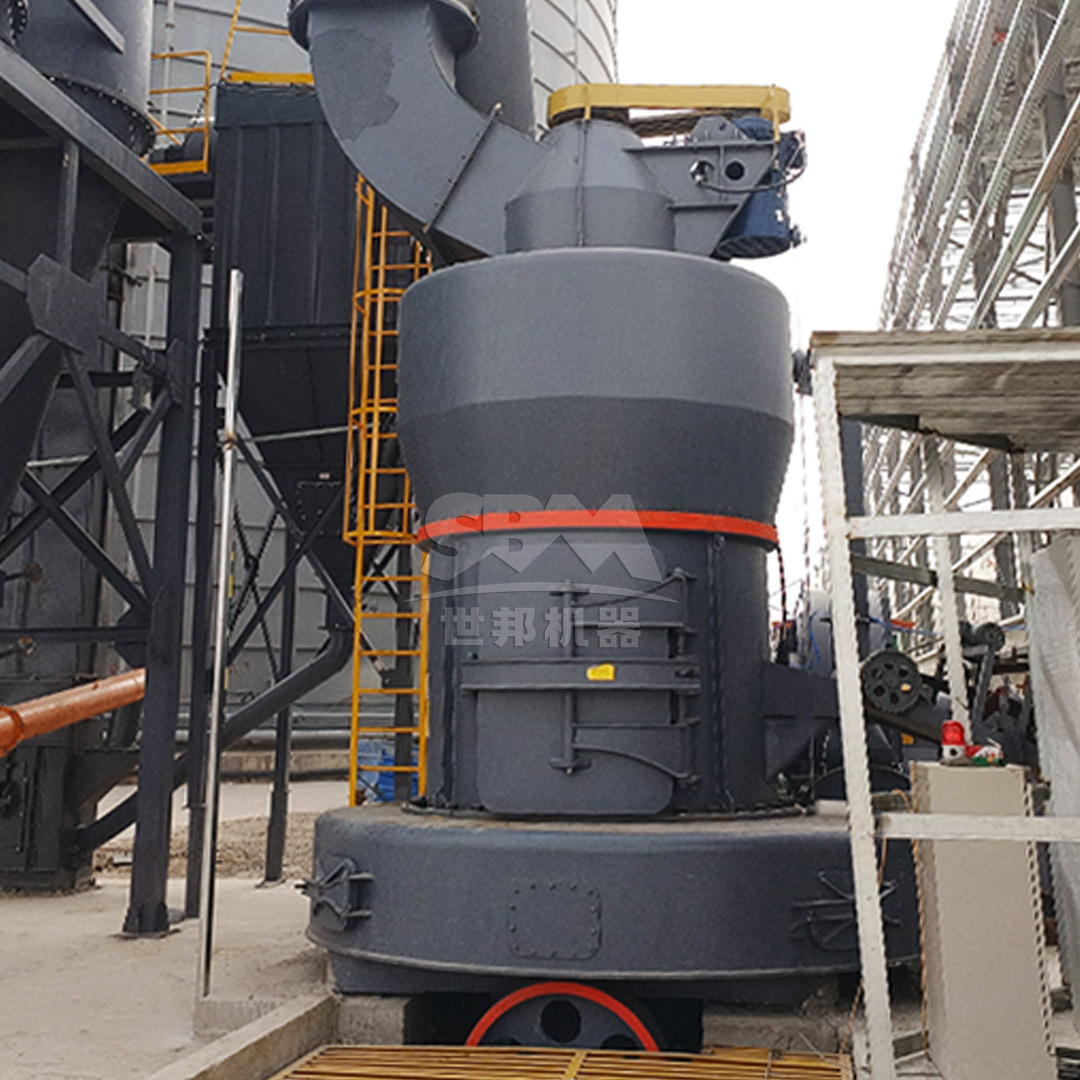
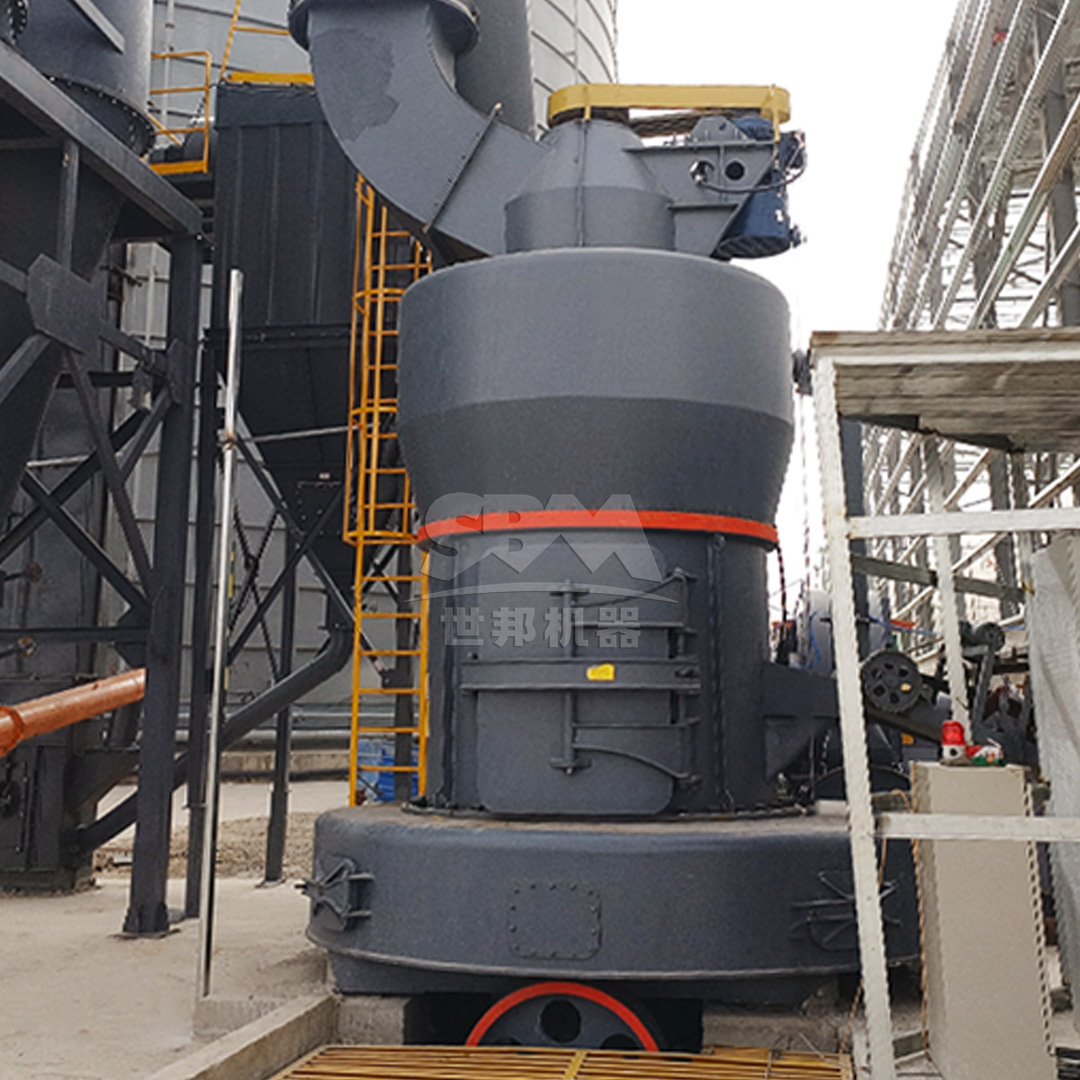
Recommended Solution: MTW Series Trapezium Mill
Our MTW Series Trapezium Mill is an excellent choice for high-capacity production of gypsum powder in the 30-325 mesh range. Its European-style design incorporates several advancements perfect for gypsum processing. The curved air duct reduces flow resistance and increases efficiency. The bevel gear overall transmission ensures stable operation with 98% transmission efficiency. The wear-resistant volute structure and modular shovel design significantly reduce maintenance downtime and costs. With capacities ranging from 3 to 45 tons per hour and the ability to handle feed sizes up to 50mm, the MTW mill offers a reliable and efficient solution for large-scale gypsum powder plants aiming for consistent quality and low operational cost.
| Model | Capacity (t/h) | Main Motor Power (kW) | Feed Size (mm) | Fineness (mesh) |
|---|---|---|---|---|
| MTW138Z | 6-17 | 90 | <35 | 10-325 |
| MTW175G | 9.5-25 | 160 | <40 | 10-325 |
| MTW215G | 15-45 | 280 | <50 | 10-325 |
For high-value applications requiring exceptional whiteness and fine particle size, such as in cosmetics, dentistry, or high-strength molds, an ultrafine grinding system is necessary.
Recommended Solution: SCM Ultrafine Mill
Our flagship SCM Ultrafine Mill is specifically engineered for producing superfine gypsum powder. It excels in generating powder in the range of 325 to 2500 mesh (D97 ≤ 5μm). Its core advantage lies in the high-precision vertical turbine classifier, which ensures sharp particle size cuts and a uniform product without coarse grain contamination. The grinding mechanism features specially hardened rollers and rings for extended service life. Notably, it is highly energy-efficient, offering approximately 30% lower energy consumption compared to traditional jet mills while doubling the output. With integrated pulse dust collection exceeding international standards and noise levels below 75dB, the SCM series represents the pinnacle of eco-friendly, high-yield ultrafine grinding technology for premium gypsum products.
| Model | Capacity (t/h) | Main Motor Power (kW) | Feed Size (mm) | Fineness (mesh) |
|---|---|---|---|---|
| SCM1000 | 1.0-8.5 | 132 | ≤20 | 325-2500 |
| SCM1250 | 2.5-14 | 185 | ≤20 | 325-2500 |
| SCM1680 | 5.0-25 | 315 | ≤20 | 325-2500 |
Vertical roller mills (VRMs), like our LM series, offer a highly integrated solution, combining grinding, drying, and classifying in a single unit. They are exceptionally energy-efficient and are ideal for large-scale production where simultaneous drying of gypsum is required.
Supporting equipment is vital for a smooth operation:
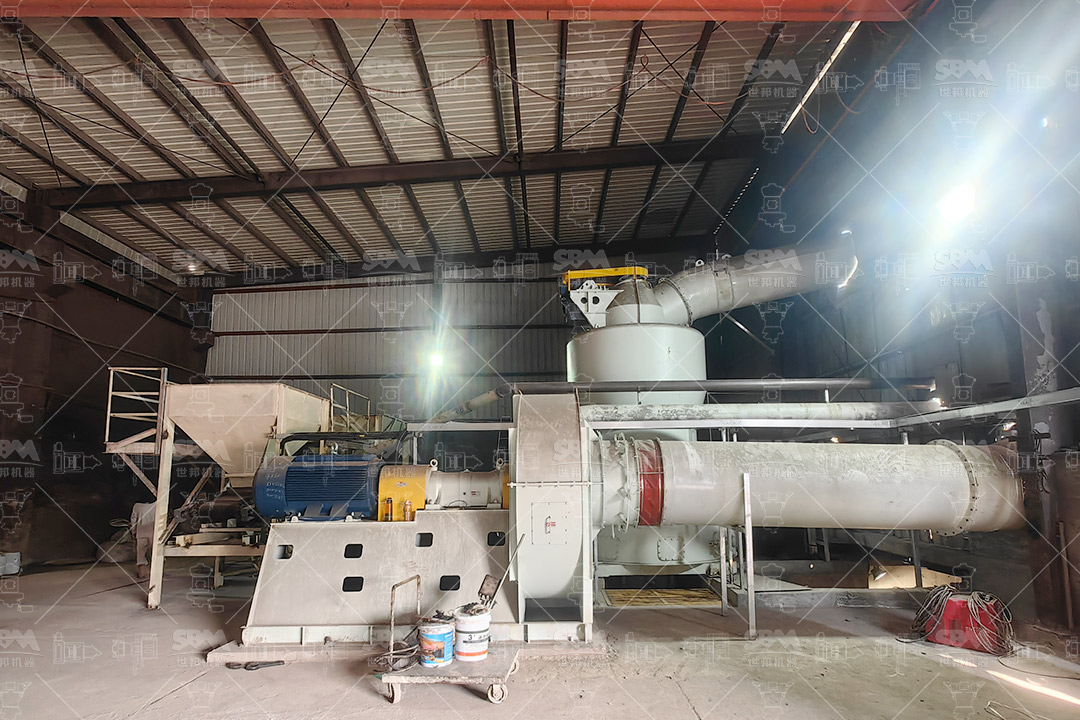
A well-designed layout minimizes material transfer distances, reduces energy loss, and ensures safe operation. Key considerations include: space for raw material storage, logical equipment sequencing, adequate maintenance access, and compliance with local safety and environmental regulations. The major investment lies in the grinding mill, dryer, and dust collection system. Operational costs are dominated by power consumption and wear part replacement, making the choice of an efficient and durable mill critical for long-term profitability.
Building a successful gypsum powder production line requires careful planning and selection of appropriate technology. From primary crushing to ultrafine grinding and dust control, each component must be matched to the desired product specifications and production scale. Investing in advanced, energy-efficient grinding technology like the MTW Series Trapezium Mill for standard grades or the SCM Ultrafine Mill for high-value superfine products provides a solid foundation for a competitive, sustainable, and profitable operation. Partnering with an experienced supplier who can provide complete plant design and reliable machinery is the key to turning raw gypsum into a high-quality powder product ready for the global market.