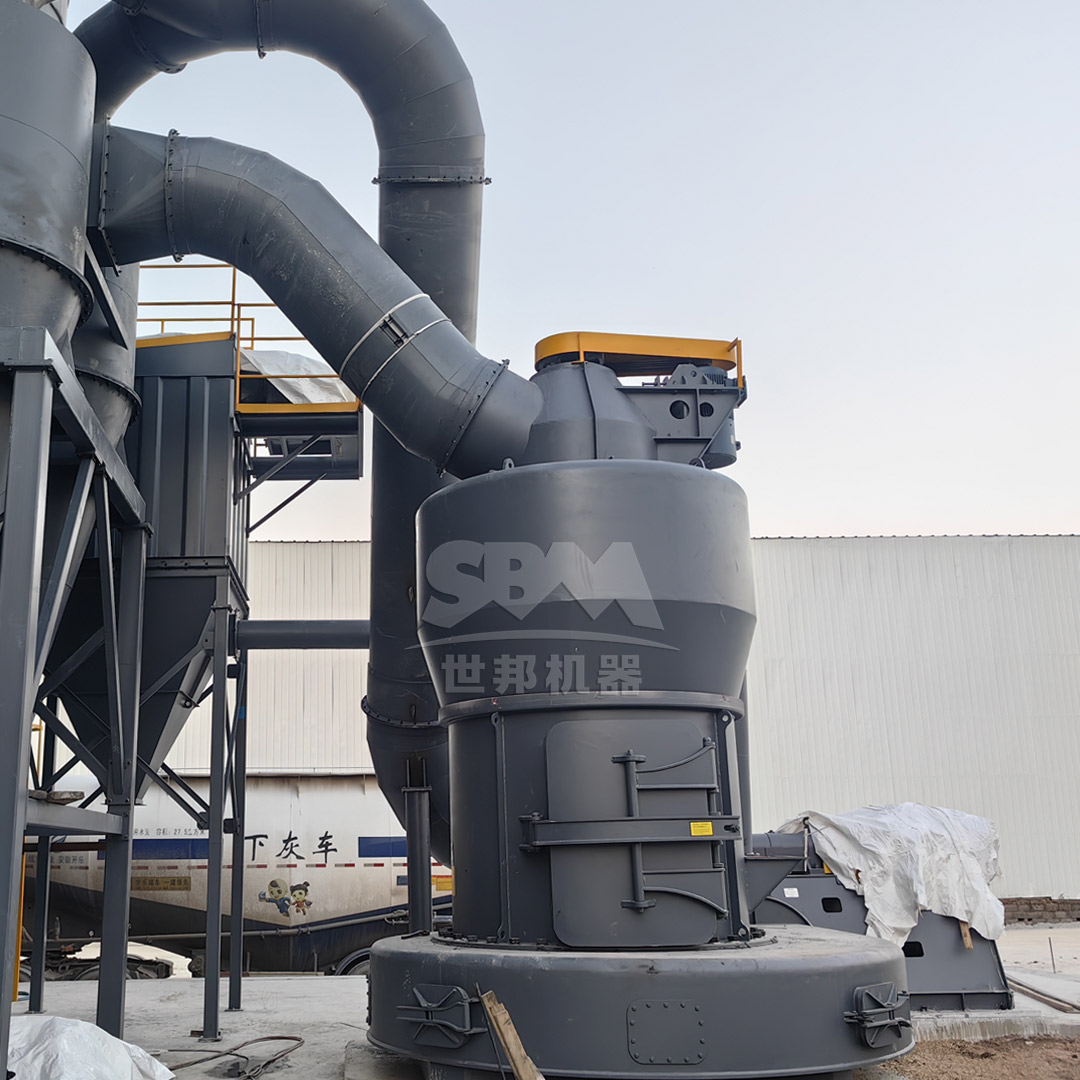
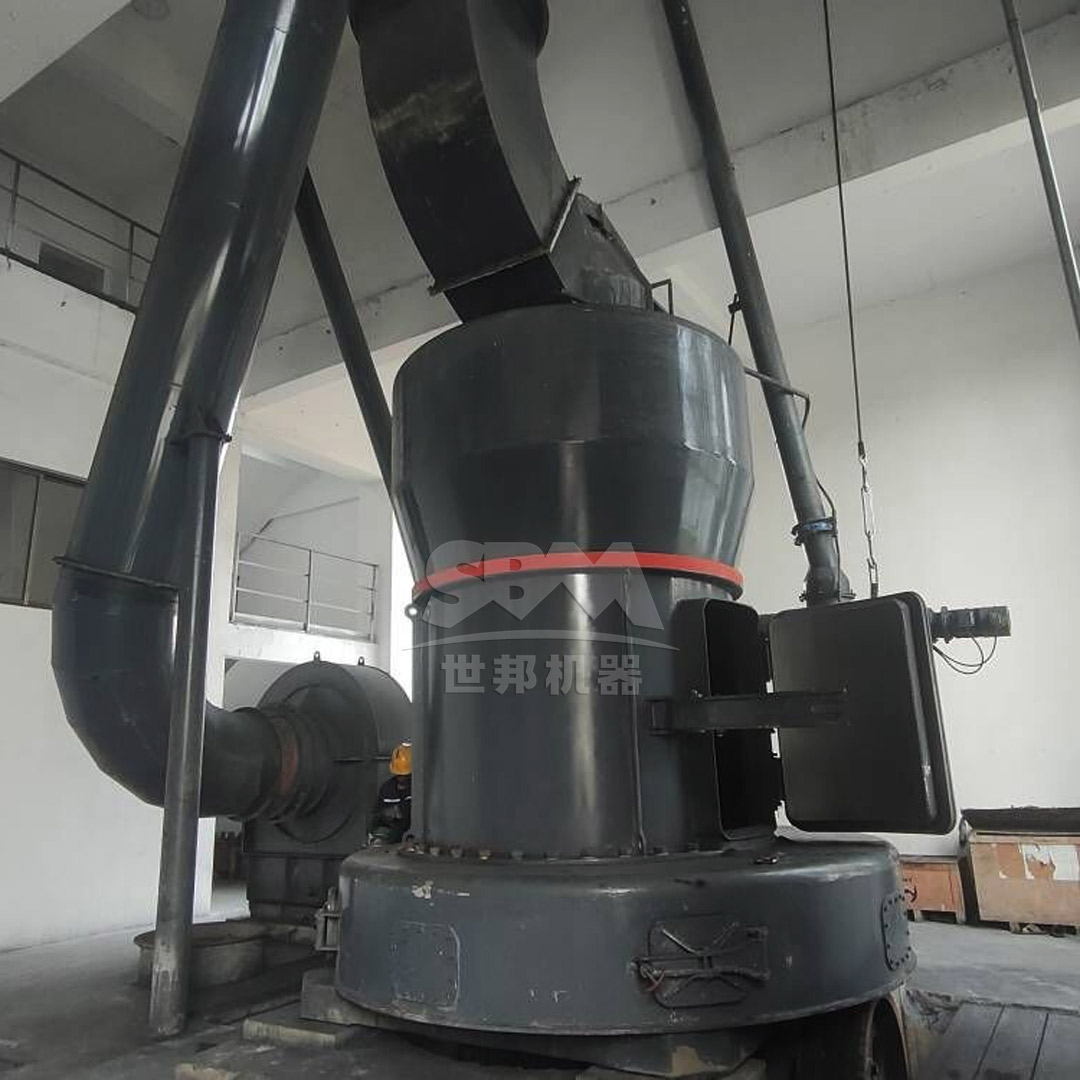
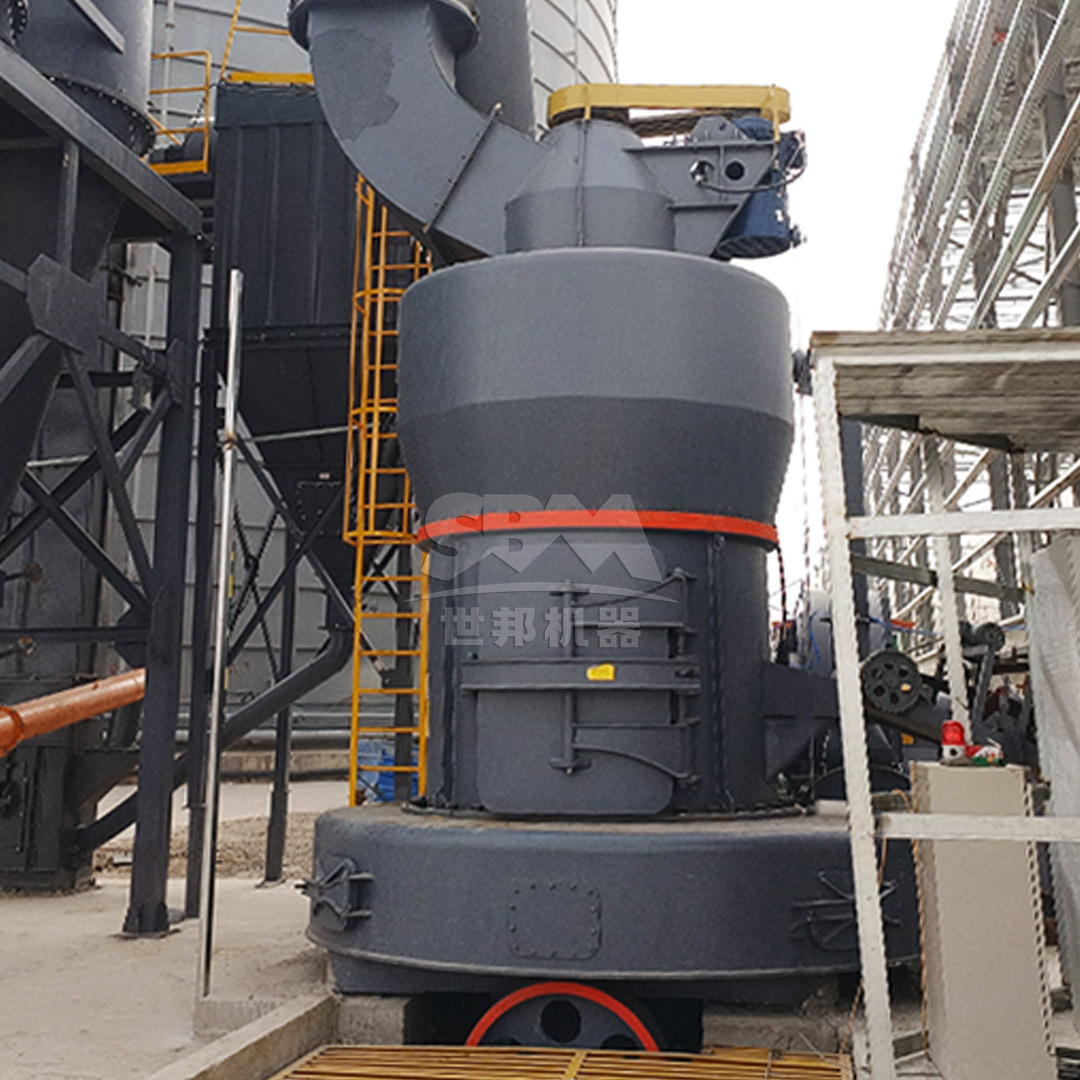
Heavy calcium carbonate (GCC), derived from natural calcite, limestone, or marble, is a cornerstone industrial mineral. Its applications span plastics, paints, rubber, paper, adhesives, and sealants, where it acts as a functional filler and extender. The value and performance of GCC in these applications are intrinsically linked to its particle size distribution, morphology, and surface chemistry. Consequently, the selection of an appropriate grinding mill is not merely an operational decision but a strategic one that dictates product quality, production efficiency, and overall economic viability. This article delves into the technological landscape of GCC grinding, outlining key considerations and highlighting advanced milling solutions, with a particular focus on our company’s flagship equipment designed to meet the most demanding production requirements.
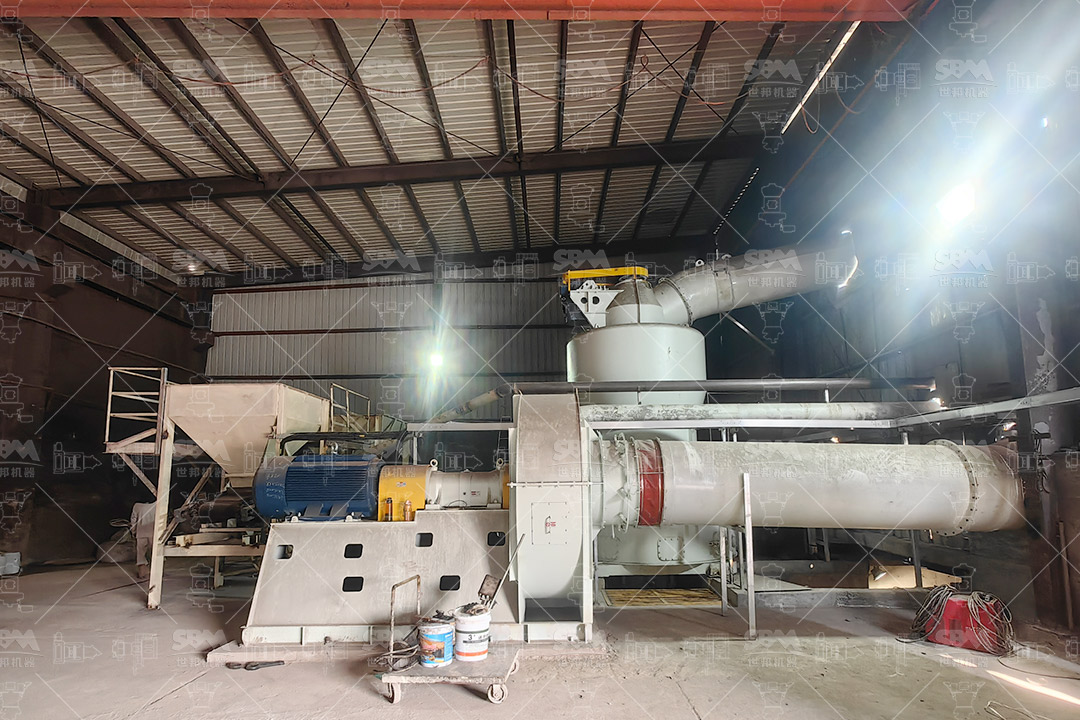
Selecting the optimal grinding system for heavy calcium carbonate requires a thorough analysis of several interdependent factors:
The required fineness is the primary driver. GCC products range from coarse fillers (e.g., 200 mesh or 74 μm) to ultra-fine and nano-grade powders (e.g., 2500 mesh or 5 μm). Different grinding principles (impact, compression, attrition) and classification technologies are effective in different size ranges. A narrow particle size distribution (PSD) is often critical for achieving consistent opacity, viscosity, and mechanical properties in the final compound.
The mill must meet the required hourly or annual throughput. Scalability from pilot-scale to full industrial production is a key advantage, allowing for capacity expansion without significant process re-engineering.
Grinding is an energy-intensive operation. Modern mills are designed to maximize the energy transferred to particle size reduction while minimizing losses to heat, noise, and vibration. Efficient classification systems that prevent over-grinding are essential for lowering specific energy consumption (kWh/ton).
The abrasiveness of calcium carbonate can cause significant wear on grinding elements and liners. Mills must employ wear-resistant materials (e.g., high-chrome alloys, ceramic) to maintain product purity (avoiding iron contamination) and reduce maintenance frequency and cost.
A modern grinding plant is more than just a mill. It includes feeding, grinding, classification, collection (cyclones, bag filters), and packaging. An integrated, automated control system ensures stable operation, consistent product quality, and allows for remote monitoring and adjustment.
Dust control is paramount. A fully enclosed, negative-pressure system coupled with high-efficiency pulse-jet baghouse filters is standard to ensure workplace safety and meet stringent emission standards (typically <20 mg/m³). Noise reduction measures are also increasingly important.
Various mill types are employed in GCC processing, each with its own advantages and optimal operating range.
Ball mills, operating on the principle of impact and attrition using steel balls, are versatile but generally less energy-efficient for producing fine powders below 400 mesh. They can produce a wide PSD. Raymond mills (or pendulum roller mills) have been a workhorse for medium-fine grinding (80-400 mesh). They utilize spring-loaded rollers that swing outward to crush material against a stationary ring. While robust, their efficiency drops significantly when targeting ultra-fine products.
VRMs represent a significant leap in efficiency for medium to large-scale production (3-250 t/h). Material is fed onto a rotating grinding table and crushed under hydraulically loaded rollers. The ground material is transported by an air stream to an integrated dynamic classifier. VRMs offer excellent energy efficiency (30-50% less than ball mills), low wear rates due to the bed grinding principle, and direct drying capability if equipped with a hot gas generator. They are ideal for producing GCC in the 325-600 mesh range.
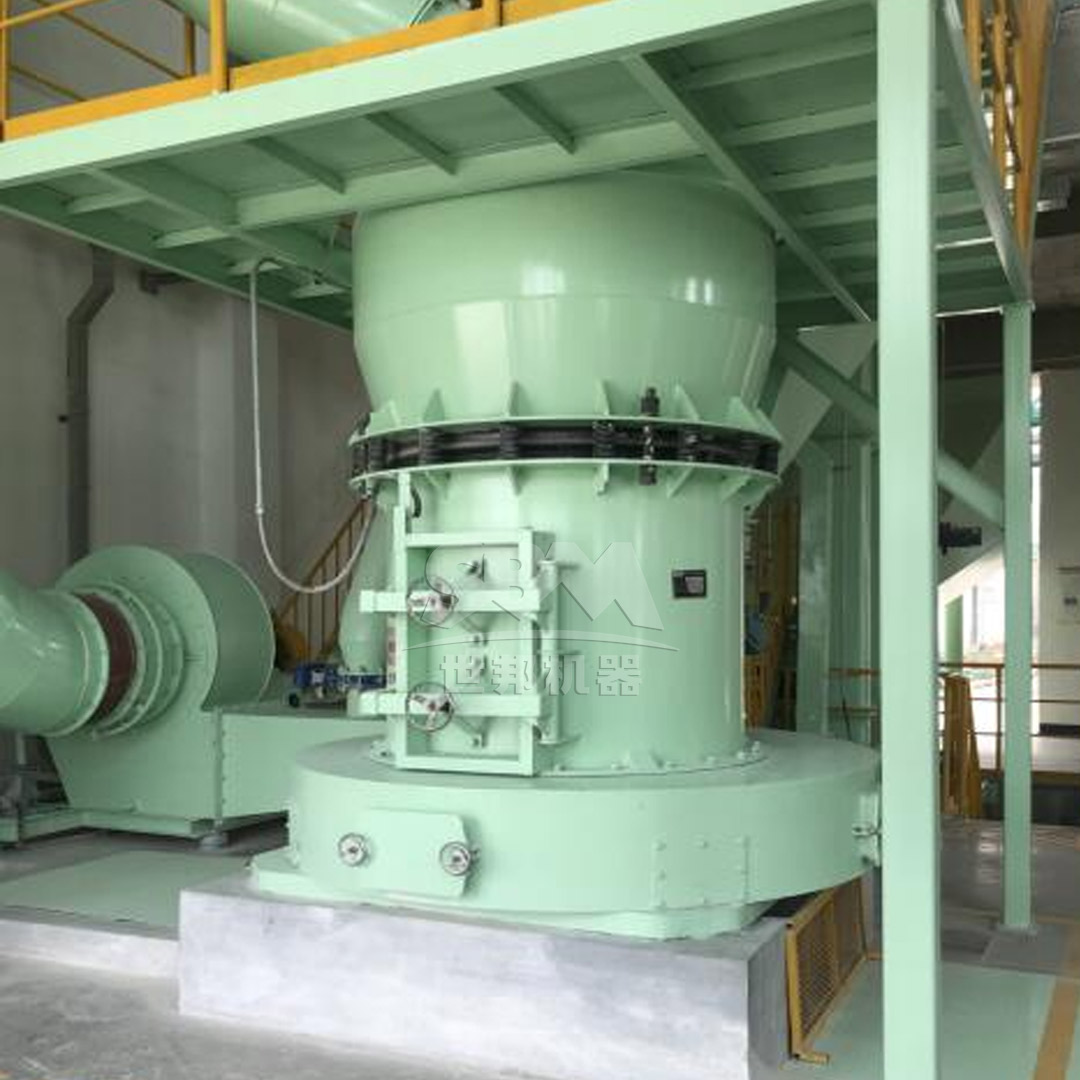
For producing GCC with a top cut (D97) below 10 μm (approx. 1250 mesh), specialized ultra-fine grinding technologies are required. These include stirred media mills, jet mills, and advanced ring-roller mills with high-precision turbo classifiers. The challenge here is to achieve the desired fineness without excessive energy input or heat generation, which can affect the surface properties of the carbonate.
Based on decades of engineering experience and a deep understanding of mineral processing, our company offers a comprehensive portfolio of grinding equipment. For heavy calcium carbonate production, two series stand out for their performance, reliability, and technological sophistication.
When the application demands the finest possible GCC powders, our SCM Ultrafine Mill is the technology of choice. This mill is engineered to overcome the limitations of traditional fine grinding equipment.
Technical Advantages:
Working Principle: The main motor drives the multi-layer grinding ring to rotate. Material is fed into the center and dispersed by centrifugal force into the grinding track. It is progressively crushed and ground between the rollers and rings. Fine powder is carried by the air stream to the cyclone collector and final bag filter for collection.
| Model | Handling Capacity (t/h) | Main Motor Power (kW) | Feed Size (mm) | Final Fineness (mesh) |
|---|---|---|---|---|
| SCM800 | 0.5 – 4.5 | 75 | ≤20 | 325-2500 |
| SCM900 | 0.8 – 6.5 | 90 | ≤20 | 325-2500 |
| SCM1000 | 1.0 – 8.5 | 132 | ≤20 | 325-2500 |
| SCM1250 | 2.5 – 14 | 185 | ≤20 | 325-2500 |
| SCM1680 | 5.0 – 25 | 315 | ≤20 | 325-2500 |
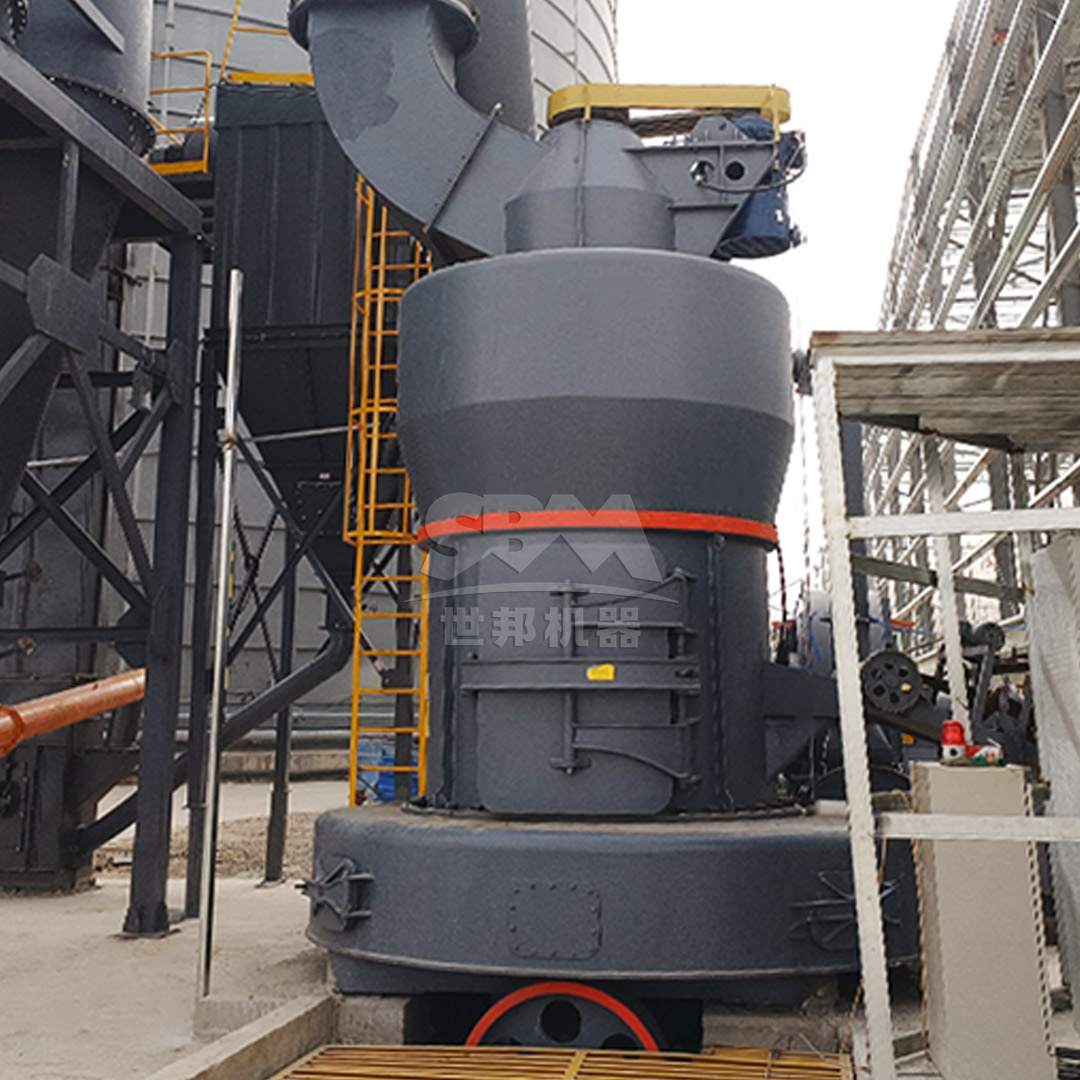
For high-volume production of fine to medium-fine GCC (30-325 mesh), our MTW Series European Trapezium Mill offers an unbeatable combination of capacity, efficiency, and low operating cost. It is the successor to traditional Raymond mills, incorporating numerous European technological advancements.
Technical Advantages:
Working Principle: The main motor drives the grinding rollers, which revolve around the central shaft while rotating on their own axes. Shovels lift and feed the material into the space between the grinding rollers and the ring. The material is ground by compression. A high-efficiency classifier ensures precise control over the final product size.
The MTW series is available in multiple configurations (e.g., MTW138Z, MTW175G, MTW215G) with capacities ranging from 3 to 45 tons per hour, making it suitable for both standalone operations and integrated production lines.
The transformation of raw calcium carbonate into a high-value functional powder is a precise science enabled by advanced engineering. The choice of grinding mill directly impacts critical parameters such as particle size, brightness, absorption, and dispersion characteristics. Moving beyond traditional technologies to modern, integrated systems like Vertical Roller Mills, European Trapezium Mills, and specialized Ultrafine Mills is essential for producers aiming to enhance product quality, boost capacity, and reduce operational costs.
Our company’s SCM Ultrafine Mill and MTW Series European Trapezium Mill exemplify this technological evolution. They are designed from the ground up to address the specific challenges of GCC grinding, offering superior efficiency, unparalleled classification accuracy, exceptional durability, and full environmental compliance. By partnering with us and leveraging our expertise, producers can optimize their grinding circuits to meet the exacting standards of today’s markets and secure a competitive edge in the dynamic world of industrial minerals.