The production of high-grade nickel matte is a complex metallurgical process that requires precise control over material handling, smelting, and subsequent treatment to achieve the desired purity and physical properties. The process typically involves converting nickel sulfide concentrates into a molten matte, which is then further refined. A critical, yet often underappreciated, stage in this value chain is the preparation of raw materials and the processing of intermediate products through fine grinding and classification. The efficiency, reliability, and precision of the milling equipment used in these stages directly impact product quality, energy consumption, and overall operational costs. This article explores the key machinery involved in the nickel matte production flow, with a particular focus on the vital role of advanced grinding technology.
The journey from nickel sulfide concentrate to high-grade matte follows a well-defined path. The concentrate, often with a particle size too coarse for efficient smelting, first undergoes drying and pre-treatment. It is then fed into a flash smelting furnace or an electric furnace, where under controlled conditions, it is melted and separated into a nickel-iron-copper sulfide matte layer and a slag layer. The matte is tapped and granulated or cast into molds. For many applications, particularly in hydrometallurgical refining routes like the Sherritt-Gordon process or pressure acid leaching, this granulated matte must be finely ground to a specific particle size distribution to maximize the surface area for chemical reaction. This is where specialized milling equipment becomes indispensable.

Selecting the right grinding equipment is paramount. The abrasive nature of nickel sulfides and the hard, dense granules of nickel matte demand robust, energy-efficient, and precise milling solutions. Traditional ball mills have been widely used, but modern operations increasingly favor vertical roller mills and advanced ultrafine grinding systems for their superior efficiency and control.
| Equipment Type | Typical Feed Size | Target Product Size (Nickel Matte) | Key Advantages | Considerations |
|---|---|---|---|---|
| Ball Mill | ≤25 mm | 0.074-0.8 mm (200-20 mesh) | Proven technology, high capacity, wet/dry operation. | Higher energy consumption, lower efficiency for ultra-fine grinding, higher media wear. |
| Vertical Roller Mill (VRM) | ≤50 mm | 30-325 mesh (600-45 μm) | High energy efficiency, integrated drying/grinding, lower footprint, excellent particle size control. | Higher initial investment, requires consistent feed quality. |
| Ultrafine Grinding Mill | ≤20 mm | 325-2500 mesh (45-5 μm) | Unmatched fineness for leaching, high classification accuracy, energy-efficient vs. jet mills. | Specialized for very fine products, may require pre-crushing. |
For modern hydrometallurgical nickel refineries, achieving an ultra-fine grind of the matte is non-negotiable. A finer particle size dramatically increases the surface area exposed to leaching agents, accelerating reaction rates, improving nickel recovery, and reducing reagent consumption. This demands a mill that goes beyond conventional coarse grinding.
In this context, our SCM Ultrafine Mill series stands out as an ideal solution for processing granulated nickel matte to the exacting specifications required for pressure oxidation or atmospheric leaching circuits. Engineered for minerals processing, the SCM mill can reliably produce powders in the range of 325 to 2500 mesh (D97 ≤ 5μm). Its high-efficiency vertical turbine classifier ensures a sharp particle size cut, eliminating coarse particles that could slow down the leaching process. Furthermore, its energy-saving design consumes 30% less power compared to traditional jet mills while offering double the capacity, making it a cost-effective choice for high-tonnage operations. The robust construction with special material rollers and grinding rings ensures longevity when processing abrasive materials like nickel matte.
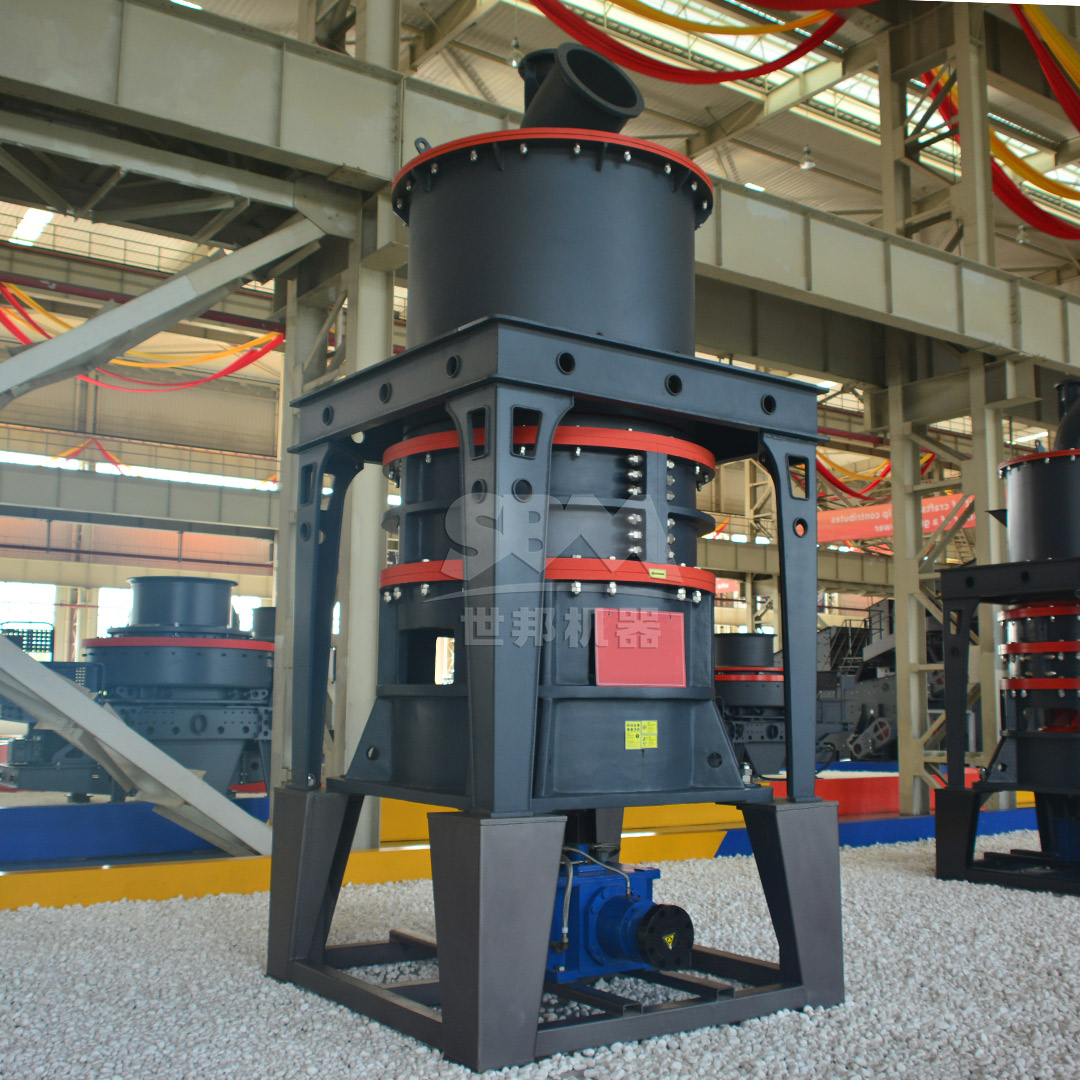
A modern nickel matte grinding circuit is an integrated system. The process typically starts with granulated matte being fed via a conveyor to a primary size reducer, like a hammer crusher, to break down larger lumps. The pre-crushed material is then elevated and fed into the core grinding unit.
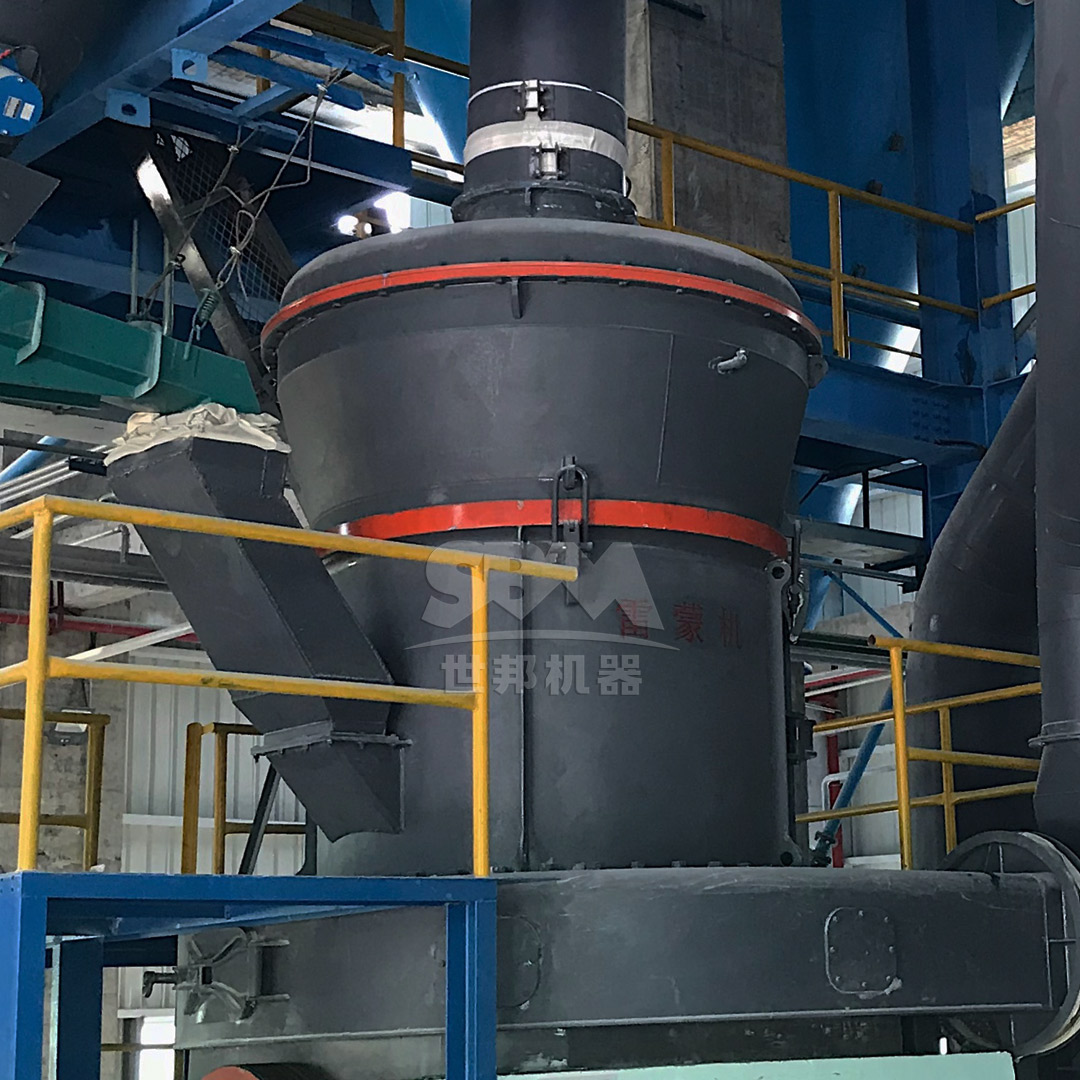
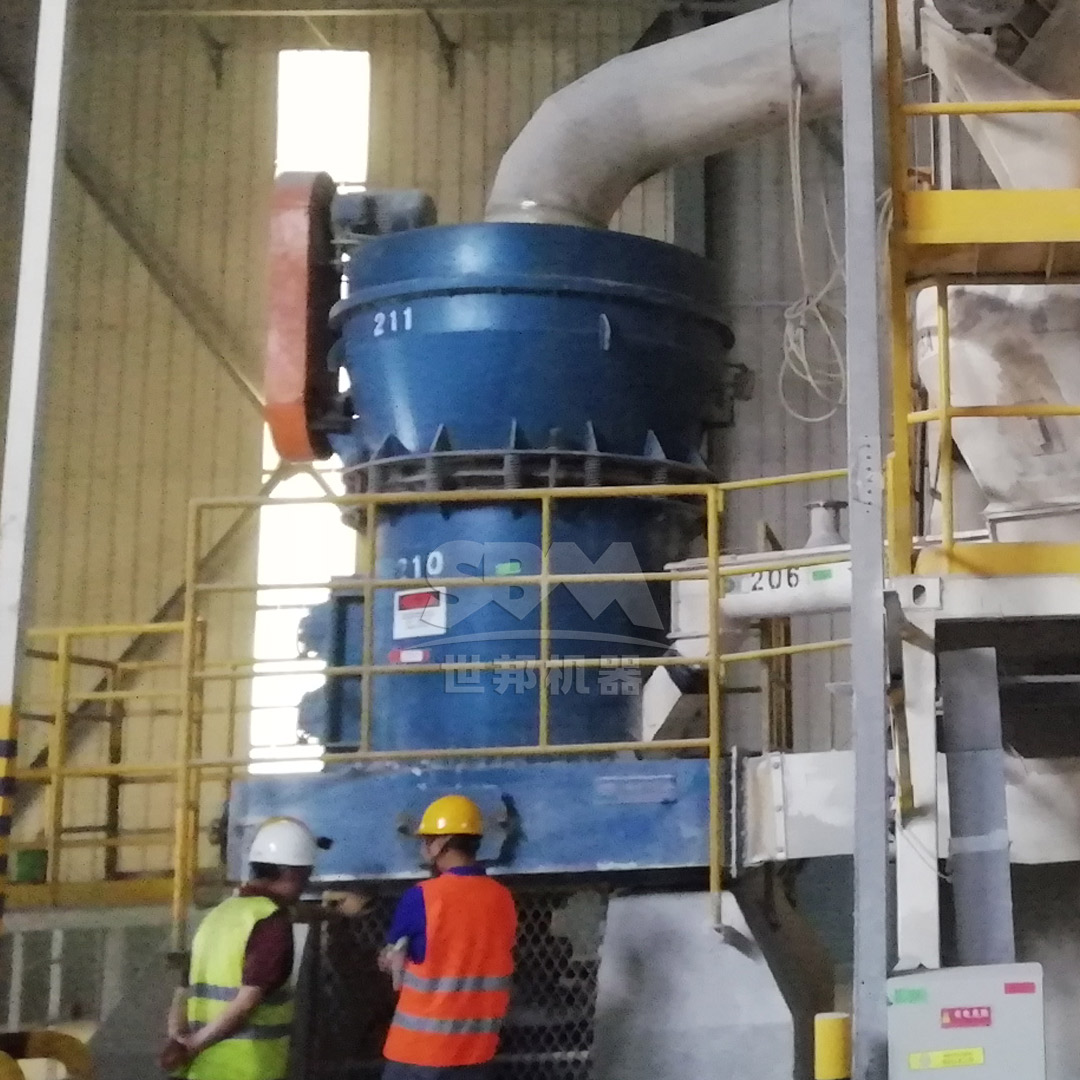
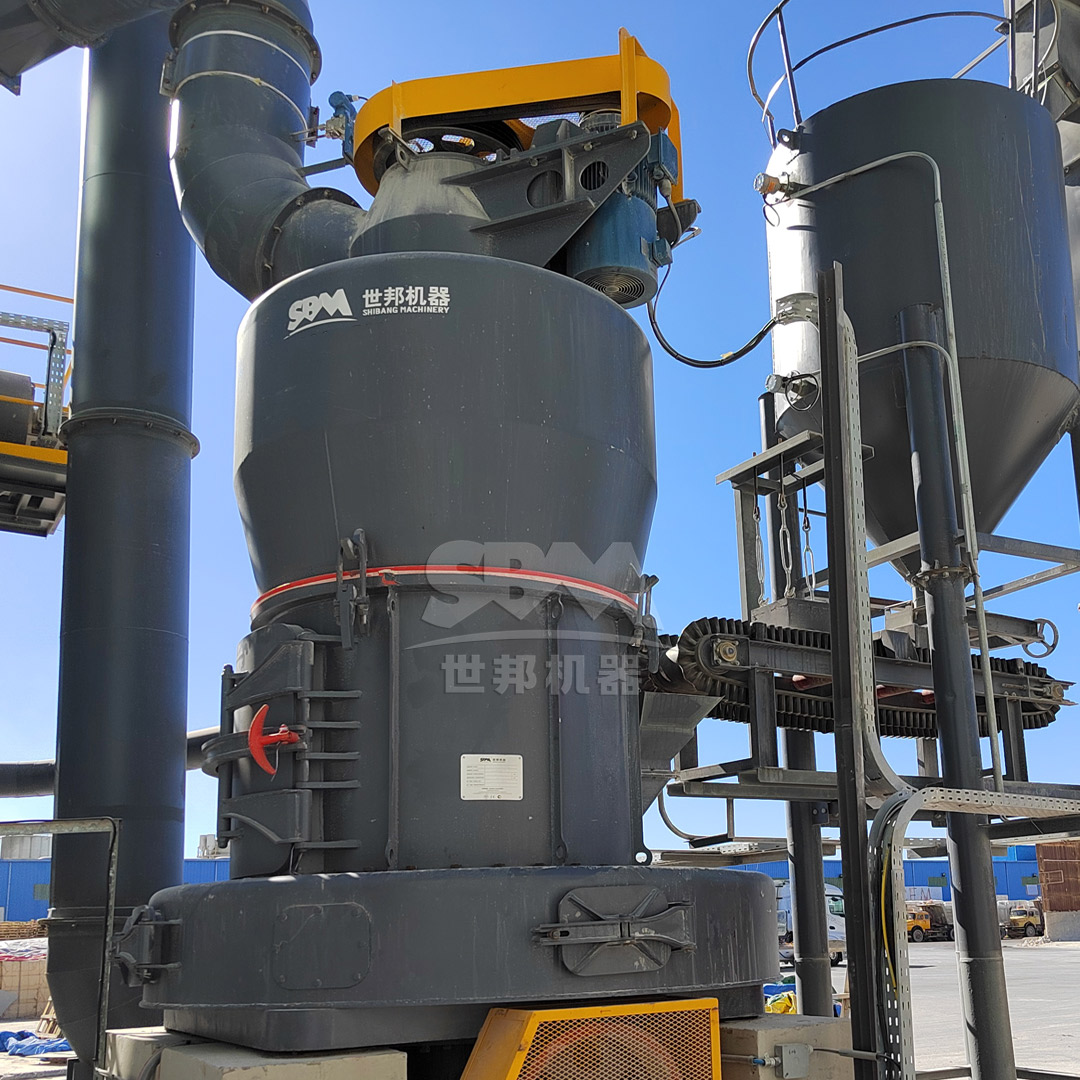
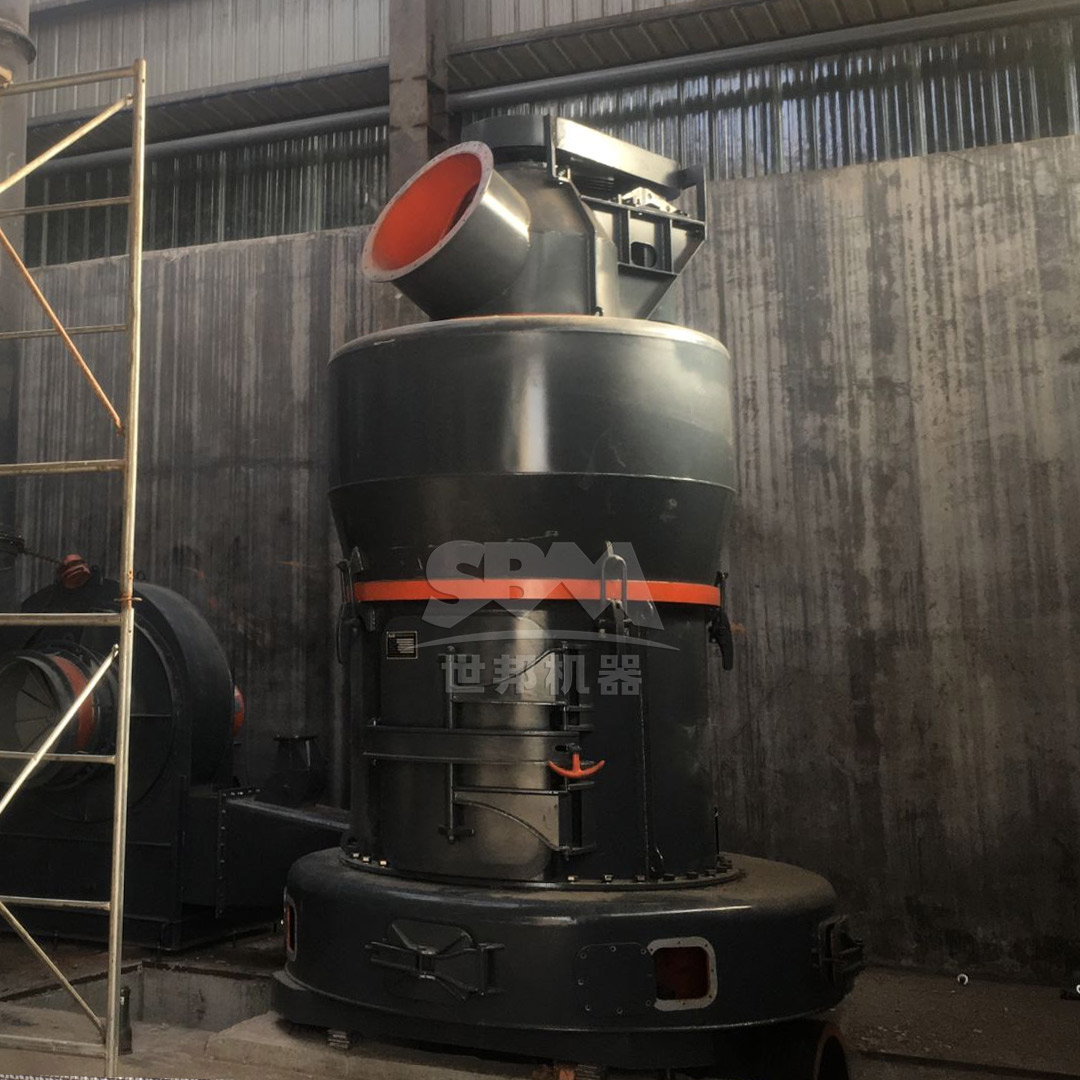
For operations targeting a final product in the medium-fine range (e.g., for certain smelting or sintering processes), a robust and high-capacity mill is essential. Our MTW Series Trapezium Mill is perfectly suited for this duty. With a maximum feed size of 50mm and a capacity range of 3 to 45 tons per hour, it can handle significant throughput. Its curved air duct and wear-resistant volute structure minimize pressure loss and maintenance costs. The integral transmission with bevel gears achieves a remarkable 98% transmission efficiency, ensuring stable, low-vibration operation crucial for continuous process lines. The MTW mill can produce a consistent product between 30 and 325 mesh, offering great flexibility.
Following the grinding mill, the air-flow carrying the fine powder enters a high-efficiency cyclone collector to separate the bulk of the product. The exhaust air, containing ultra-fine particles, is then cleaned by a pulse jet baghouse filter to meet stringent environmental standards (<20 mg/m³) before being released. The collected ultra-fine nickel matte powder is conveyed to storage or directly to the leaching plant. This closed-circuit, negative-pressure system ensures a dust-free and efficient operation.
The pursuit of high-grade nickel matte production efficiency and product quality is inextricably linked to the performance of the grinding equipment. Moving beyond conventional methods to adopt advanced, energy-efficient vertical roller mills and precision ultrafine grinding systems represents a significant technological leap. Equipment like the SCM Ultrafine Mill and the MTW Series Trapezium Mill provide the reliability, precision, and operational economy required to meet the demanding specifications of modern nickel hydrometallurgy and smelting. By integrating such key machinery into a well-designed process flow, producers can optimize recovery rates, reduce energy and consumable costs, and ensure environmentally compliant operations, securing a competitive edge in the global nickel market.