In today’s competitive industrial landscape, the grinding process is far more than a simple size-reduction step. It is a critical nexus where raw material transformation intersects with downstream logistics, inventory management, and final product quality. Optimizing this core process has profound, cascading effects that resonate throughout the entire supply chain, enhancing efficiency, resilience, and profitability. This article explores the multifaceted impact of advanced grinding technology on supply chain dynamics, highlighting how strategic equipment selection can be a game-changer.
Traditionally, grinding operations have been viewed through a narrow lens of throughput and energy consumption. However, a modern perspective recognizes them as a pivotal control point. Inefficiencies here—such as inconsistent product fineness, high downtime for maintenance, excessive energy use, or poor yield—create ripples of disruption. They can lead to production bottlenecks, increased work-in-progress inventory, quality rejections downstream, and unreliable delivery schedules. Conversely, optimizing this process transforms it from a potential bottleneck into a powerful leverage point for streamlining the entire material flow from quarry to customer.
| Supply Chain Stage | Impact of Unoptimized Grinding | Benefits of Optimized Grinding |
|---|---|---|
| Raw Material Inbound & Storage | Requires stricter size control, higher pre-crushing costs, larger storage buffers. | Accepts wider feed size range, reduces pre-processing, minimizes raw material buffer stock. |
| Production & Processing | Low throughput, high energy cost, frequent stoppages, inconsistent product quality. | High, predictable throughput, lower unit energy cost, stable operation, consistent product specs. |
| Quality Control & Inventory | High rate of off-spec product, large safety stocks needed, rework loops. | First-pass yield maximized, reduced finished goods inventory, just-in-time production enabled. |
| Outbound Logistics & Customer | Unreliable shipment volumes, customer complaints on quality, higher total cost. | Predictable output schedules, enhanced product performance, lower total cost of ownership for customer. |
Energy can constitute up to 50-70% of the total cost of size reduction. An inefficient mill directly inflates operational expenditure (OPEX), making the entire product line less competitive. Modern grinding technologies, such as vertical roller mills and advanced pendulum mills, have achieved revolutionary gains in specific energy consumption (kWh/ton). For instance, moving from traditional ball mills to vertical roller mills can reduce energy use by 30-40%. This saving directly lowers the variable cost per ton, providing greater flexibility in pricing, improving profit margins, and reducing the carbon footprint of the supply chain—a growing concern for stakeholders and regulators.
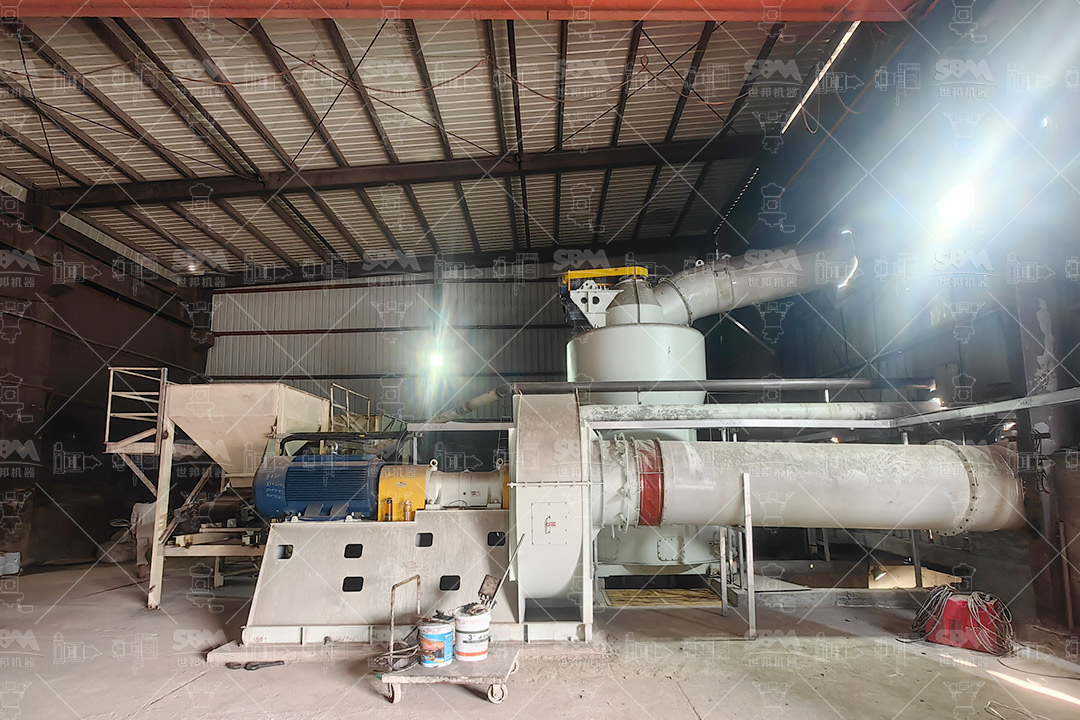
Supply chains thrive on predictability. A grinding process that delivers a consistent particle size distribution (PSD) with high precision eliminates quality variability. This allows for a dramatic reduction in safety stocks of finished powders, as the risk of off-spec batches is minimized. High-precision internal classifiers, like those found in advanced mills, ensure that the product meets the target D97 or mesh size on the first pass, maximizing yield and minimizing recirculation loads. This “right-first-time” production is a cornerstone of lean manufacturing, reducing work-in-progress, cutting inventory carrying costs, and enabling smoother downstream blending or packaging operations.
Unplanned downtime is the arch-nemesis of supply chain efficiency. It halts production, delays orders, and forces expedited shipping, wreaking havoc on schedules and costs. Grinding optimization heavily involves selecting equipment designed for reliability. Features like durable wear parts (e.g., special alloy grinding rollers and rings), centralized automatic lubrication systems, and robust mechanical designs drastically extend maintenance intervals and mean time between failures (MTBF). High availability (often exceeding 95%) ensures a continuous, reliable flow of material, which is essential for meeting tight delivery windows and maintaining trust with downstream partners.
Markets demand versatility. A supply chain that can quickly switch between producing different product grades (e.g., from coarse filler to ultra-fine specialty powder) gains a significant competitive edge. Modern grinding systems offer wide adjustable ranges for output fineness without sacrificing efficiency. This agility allows producers to respond rapidly to changing customer orders or market trends without requiring complete line changes or significant downtime, making the supply chain more responsive and resilient.
The physical layout of a plant is part of its internal supply chain. Large, sprawling milling circuits consume valuable floor space and create complex, lengthy material transfer paths. Optimized grinding systems often feature compact, vertical designs that integrate multiple functions (crushing, grinding, drying, classifying, collecting) into a single footprint. This not only reduces capital expenditure (CAPEX) on buildings and infrastructure but also simplifies material handling, shortens internal transport distances, and reduces points of potential dust emission or spillage, leading to a cleaner, more efficient production flow.
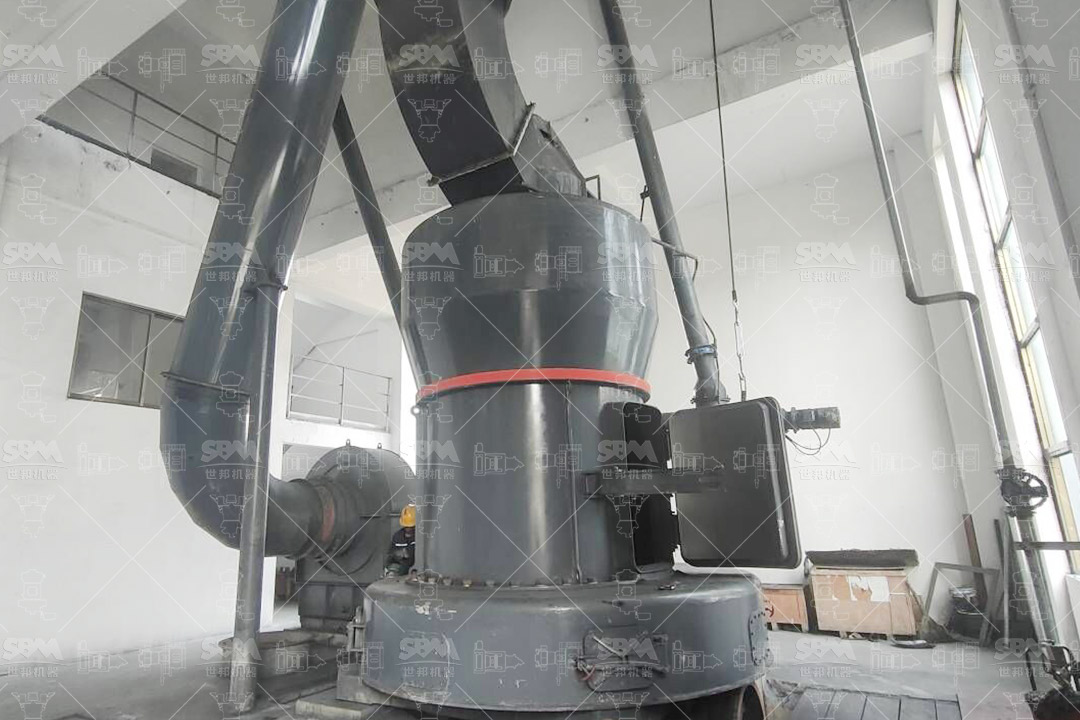
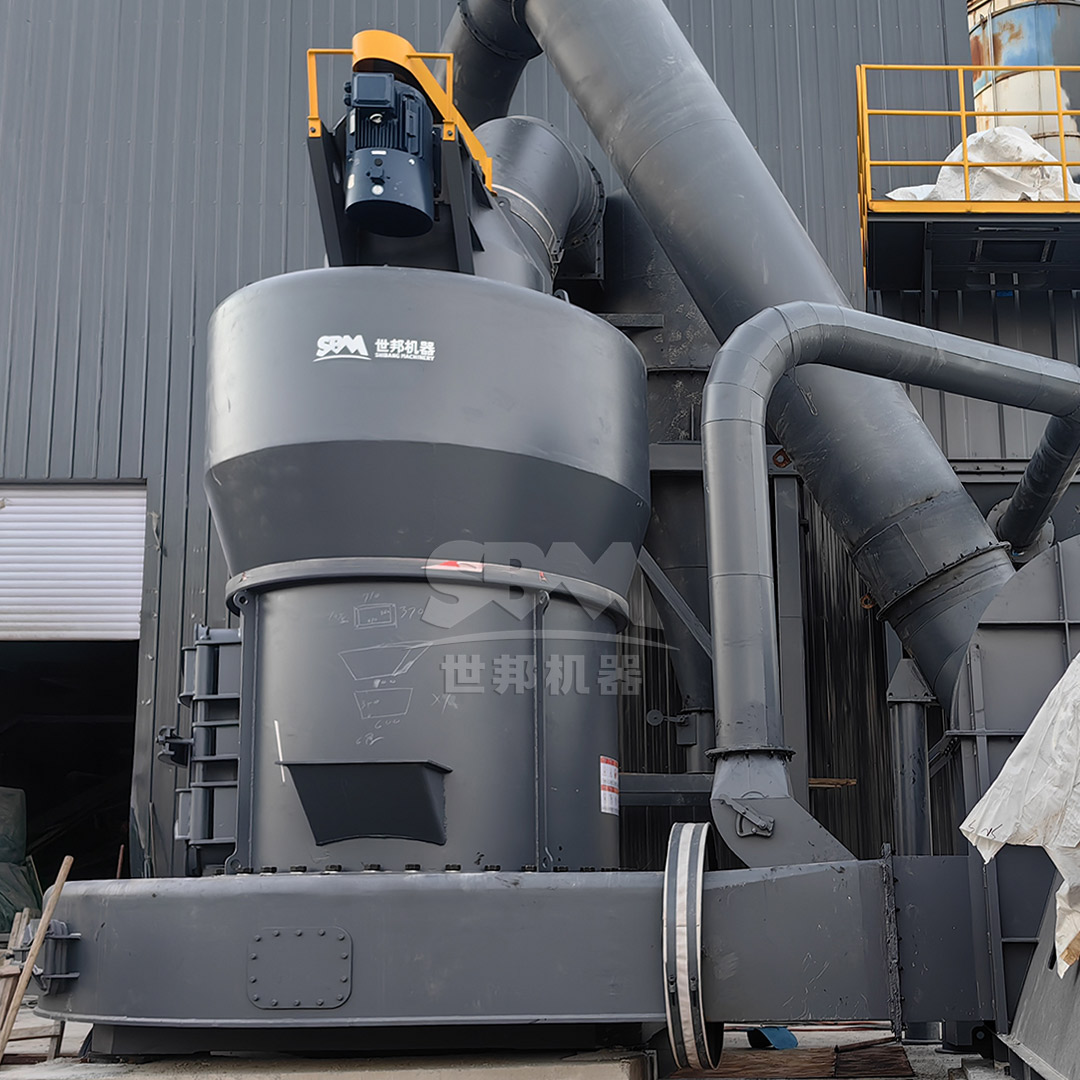
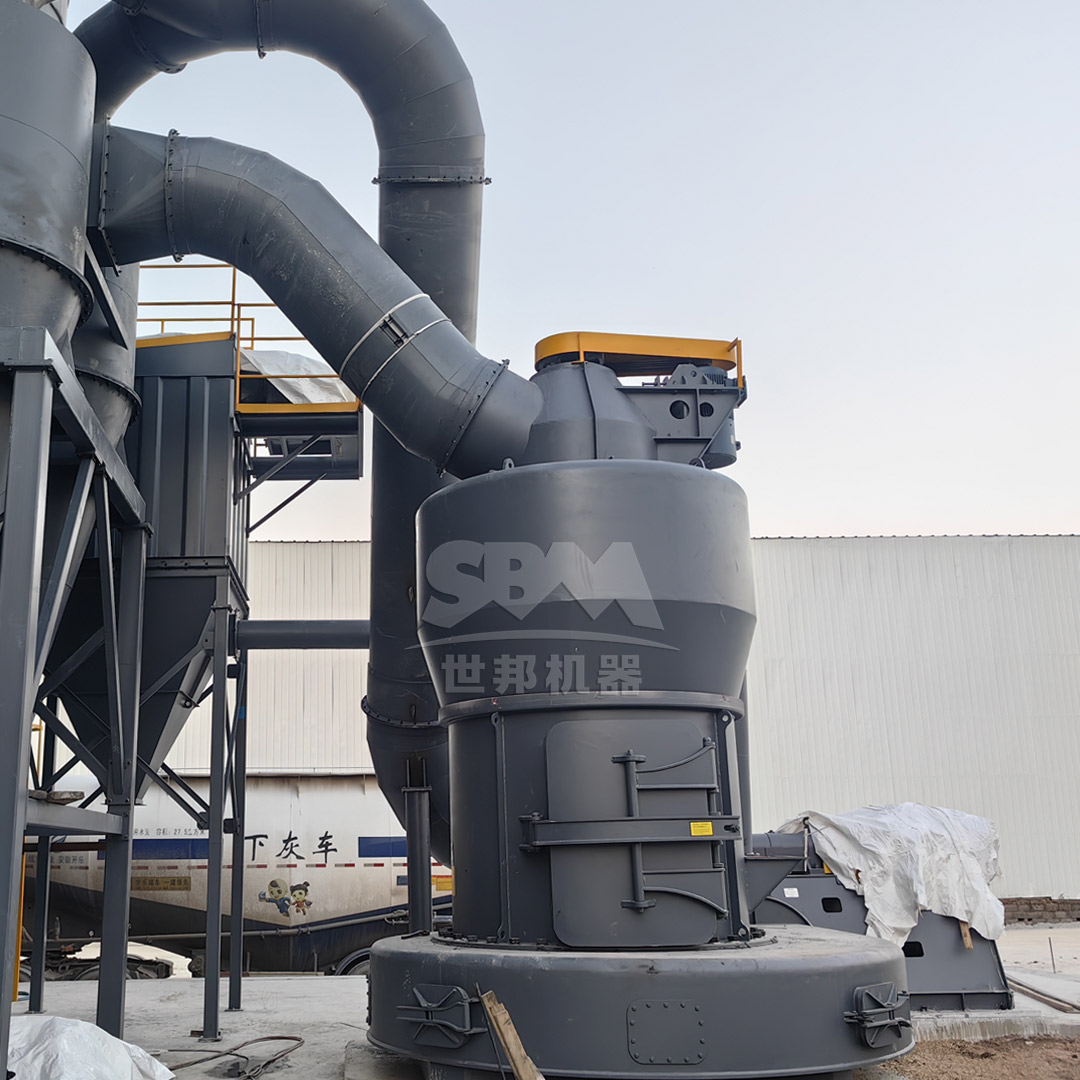
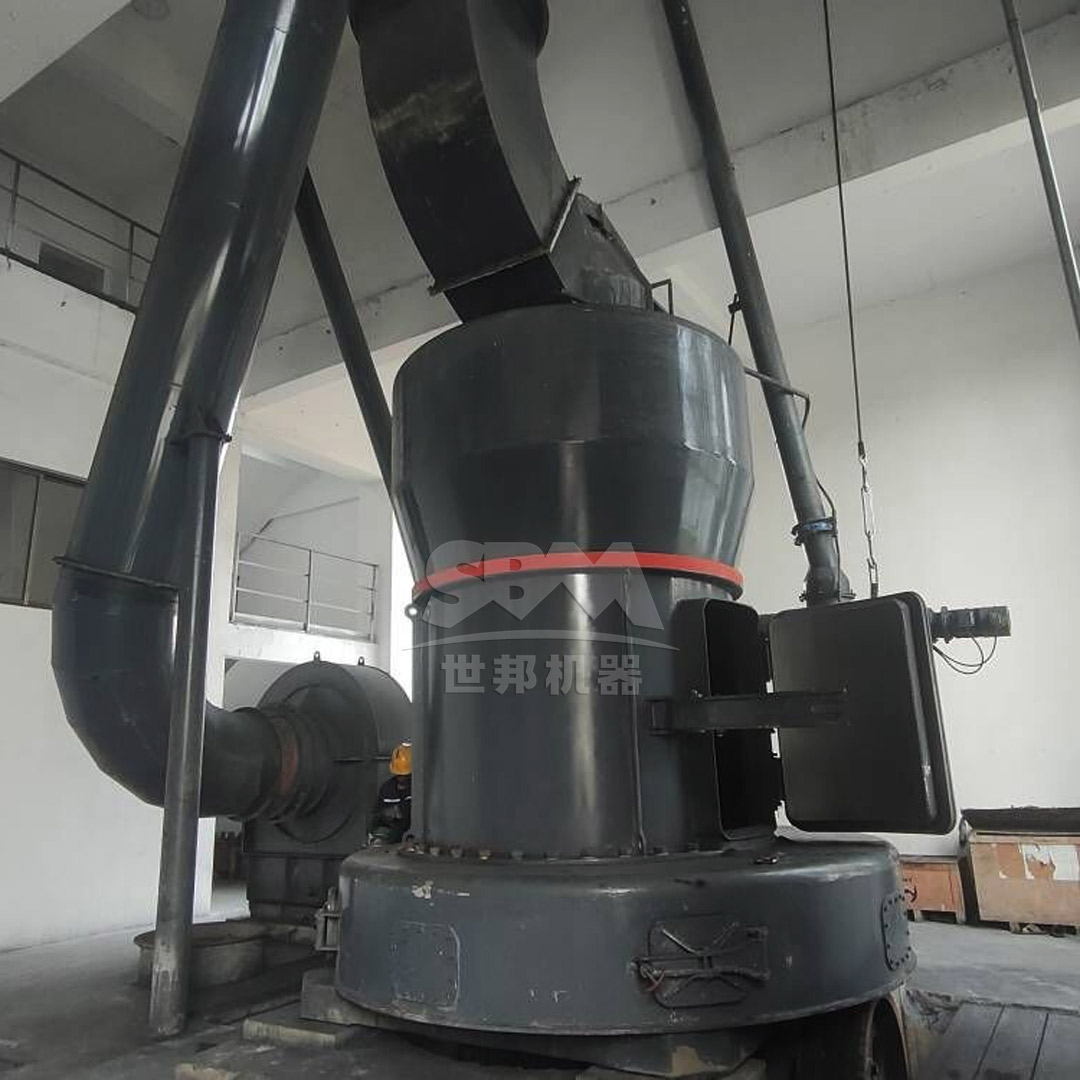
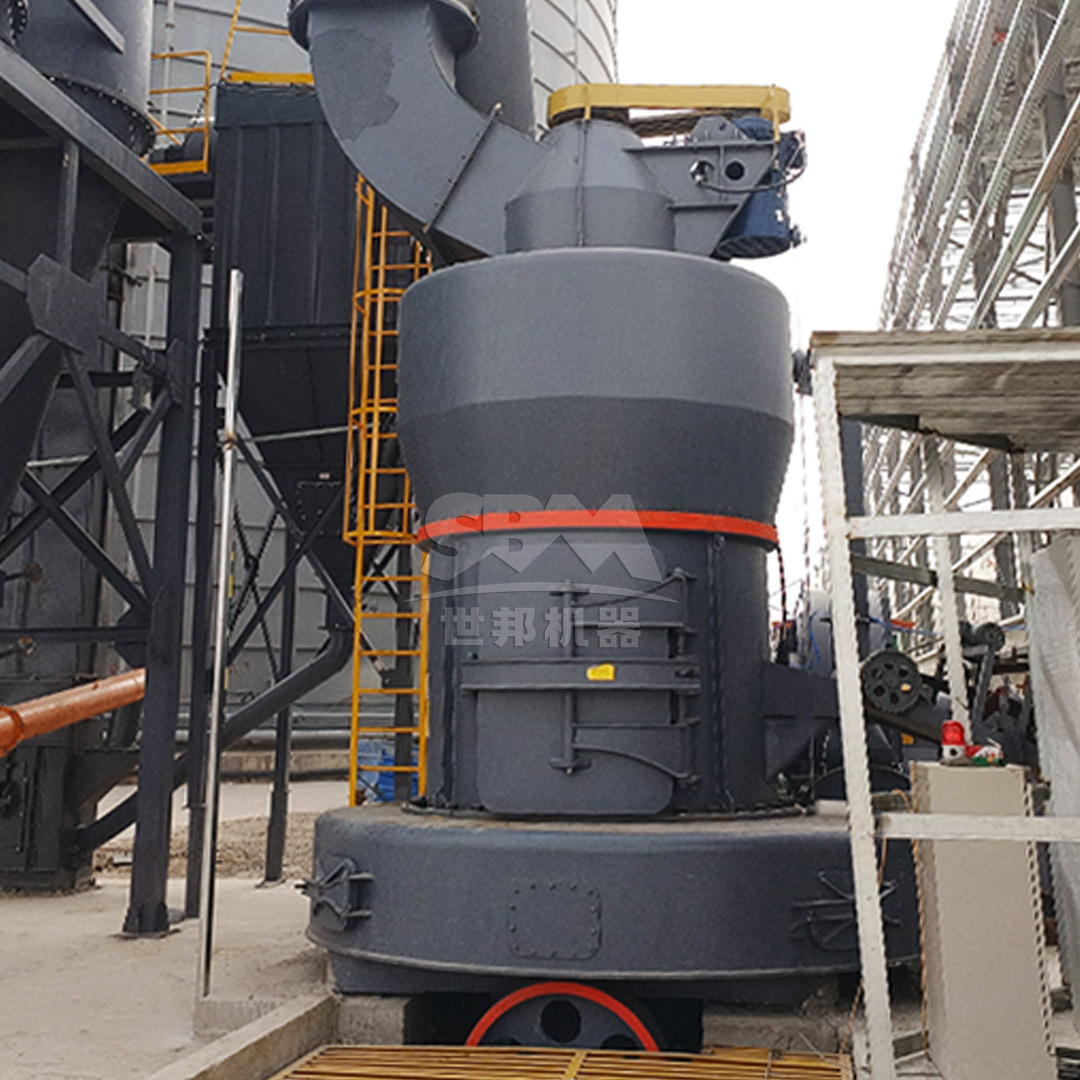
To realize these supply chain benefits, investing in the right technology is paramount. Our SCM Series Ultrafine Mill (45-5μm) exemplifies how advanced engineering can serve as a catalyst for holistic supply chain improvement.
This mill is engineered for the high-value ultra-fine grinding market (325-2500 mesh). Its high-efficiency grinding chamber and vertical turbine classifier ensure precise particle cut points and uniform product quality, directly supporting lean inventory goals. Remarkably, it offers twice the capacity of jet mills while reducing energy consumption by 30%, delivering a major OPEX advantage. Its durable design with special material rollers and rings extends service life and enhances reliability, maximizing uptime. Furthermore, its integrated pulse dust collector exceeds international standards and operates at noise levels below 75dB, addressing environmental and social governance (ESG) factors that are increasingly important in sustainable supply chains.
For operations requiring high-volume processing of materials to medium fineness, our LM Series Vertical Roller Mill (600-45μm) presents another strategic solution. Its integrated design combines crushing, grinding, drying, and classification, reducing plant footprint by up to 50% and slashing foundation costs by 40%. Its non-contact grinding principle and intelligent expert control system lower energy use by 30-40% compared to ball mill systems and enable stable, automated operation. This translates to lower total cost, consistent high-volume output, and a simplified, robust material flow—key attributes for a resilient supply chain.
| Supply Chain Metric | SCM Ultrafine Mill Impact | LM Vertical Roller Mill Impact |
|---|---|---|
| Cost per Ton (OPEX) | ↓ 30%+ Energy, ↑ Yield | ↓ 30-40% Energy, Low Wear Cost |
| Production Reliability | High uptime, stable PSD | >95% availability, automated control |
| Inventory Requirements | Reduced safety stock (consistent quality) | Enables JIT production (high, stable volume) |
| Flexibility & Responsiveness | Wide fineness range (325-2500 mesh) | Handles various materials, adjustable output |
| Spatial & Capital Efficiency | Compact system | ↓ 50% Footprint, ↓ 40% Civil Cost |
Optimizing the grinding process is no longer just a technical exercise for plant engineers; it is a strategic imperative for supply chain managers and business leaders. By transitioning from outdated, energy-intensive, and unreliable milling technology to advanced, intelligent, and efficient systems like the SCM Ultrafine Mill or LM Vertical Roller Mill, companies can transform their grinding operation from a mere cost center into a powerful driver of supply chain value. The benefits cascade outward: lower operational costs, predictable and high-quality output, reduced inventory burdens, enhanced sustainability, and ultimately, a more agile, competitive, and resilient supply chain capable of thriving in dynamic markets. The investment in grinding optimization is, fundamentally, an investment in supply chain excellence.