Grinding operations have traditionally been associated with significant environmental challenges, including high energy consumption, dust emissions, noise pollution, and substantial carbon footprints. As global industries face increasing pressure to adopt sustainable practices, modern milling technology has emerged as a critical solution for reducing environmental impact while maintaining operational efficiency. This article explores how advanced grinding equipment addresses these challenges through innovative engineering and smart design principles.
The most significant environmental benefit of modern milling technology lies in its dramatically improved energy efficiency. Traditional grinding methods, particularly older ball mill systems, often consume excessive power with limited output efficiency. Contemporary milling equipment addresses this through multiple technological advancements.
Modern mills incorporate optimized grinding mechanics that maximize the energy transferred to material size reduction while minimizing losses to heat and vibration. Advanced drive systems with high-efficiency motors and precision transmission components further reduce power consumption. Additionally, intelligent control systems continuously monitor and adjust operational parameters to maintain optimal efficiency under varying conditions.
| Technology Feature | Energy Saving | Environmental Benefit |
|---|---|---|
| High-Efficiency Motors | 15-20% | Reduced CO2 Emissions |
| Optimized Grinding Mechanics | 25-35% | Lower Power Plant Load |
| Intelligent Control Systems | 10-15% | Precise Energy Management |
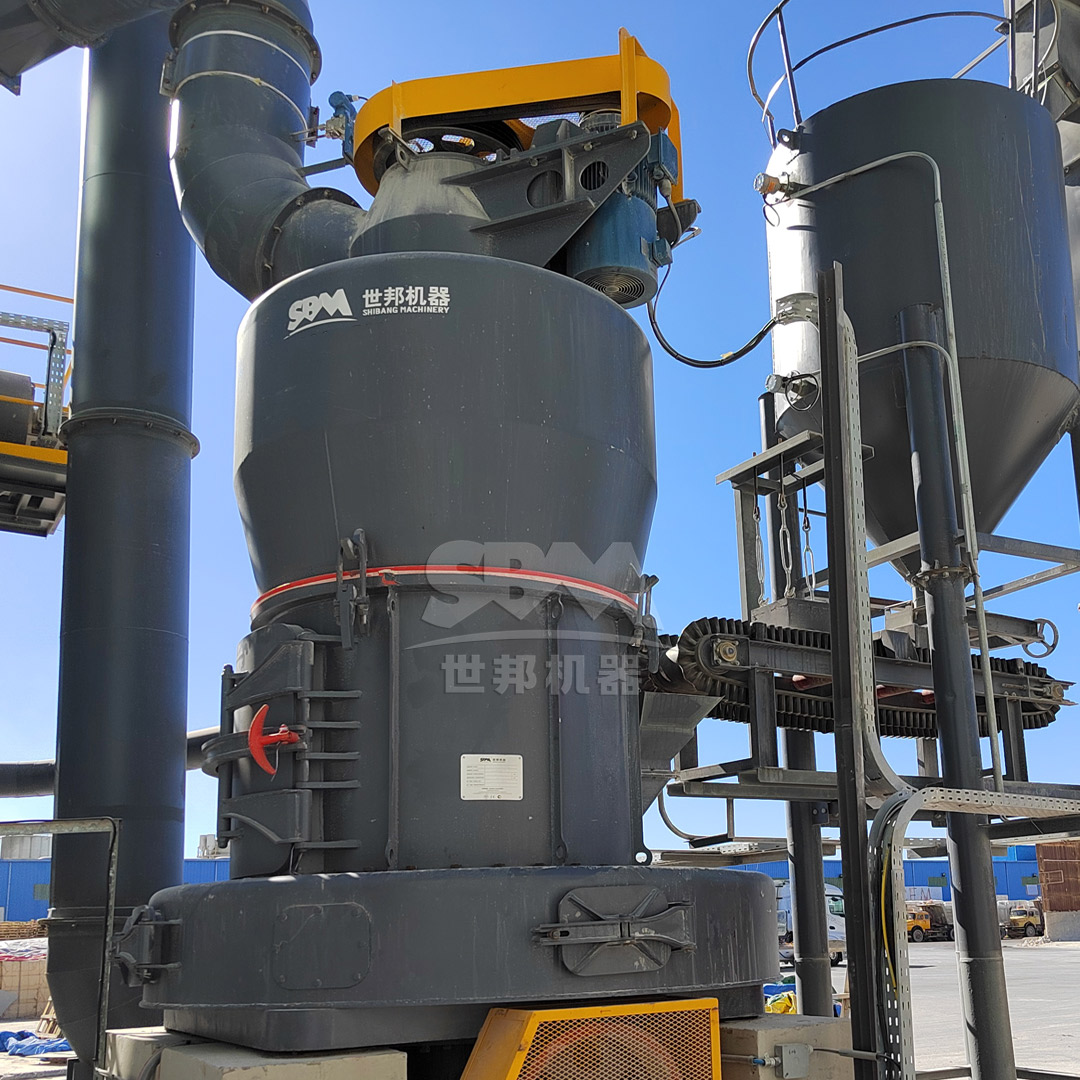
Our SCM Ultrafine Mill represents a breakthrough in energy-efficient grinding technology. With its innovative design featuring a vertical turbine classification system and optimized grinding chamber geometry, this equipment achieves remarkable energy savings of up to 30% compared to conventional jet mills while delivering double the production capacity. The intelligent control system automatically adjusts operational parameters based on real-time feedback of product particle size, ensuring that energy is never wasted on over-grinding or inefficient operation.
The SCM series demonstrates how precise engineering can transform environmental performance. By reducing specific energy consumption to 30% below industry standards, each unit significantly lowers the carbon footprint of grinding operations while maintaining superior product quality with output fineness ranging from 325 to 2500 mesh (D97≤5μm).
Dust emissions have long been a primary environmental concern in grinding operations, contributing to air pollution and workplace health hazards. Modern milling equipment addresses this challenge through integrated dust collection systems that capture particulate matter at the source.
Advanced pulse-jet dust collectors with filtration efficiency exceeding 99.9% have become standard in contemporary grinding systems. These systems employ smart pressure differential monitoring to optimize cleaning cycles, ensuring consistent performance while minimizing compressed air consumption. The completely enclosed negative-pressure operation prevents dust leakage throughout the grinding process.
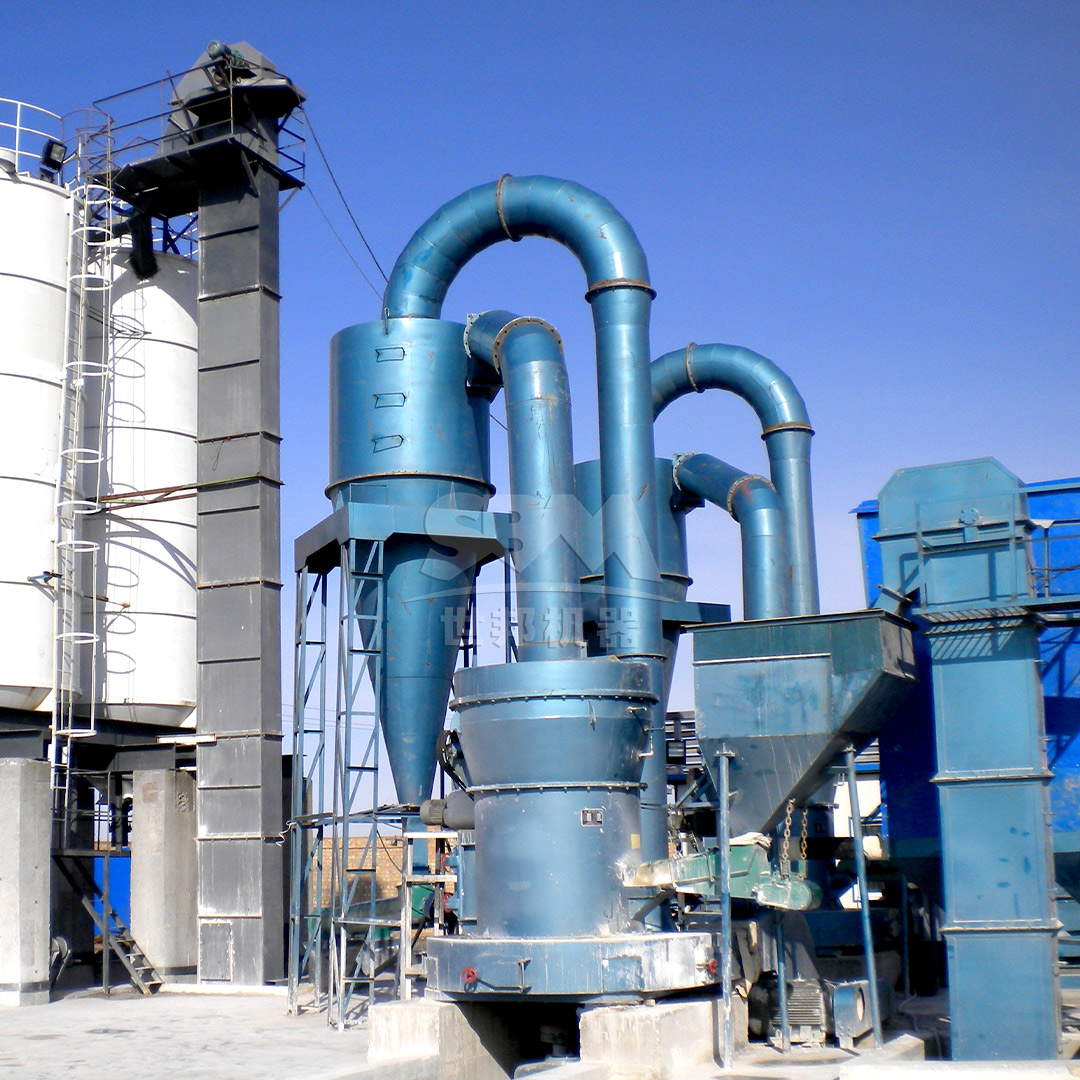
The MTW Series Trapezium Mill incorporates several environmental protection innovations that set new industry standards. Its curved air channel design minimizes airflow resistance, reducing the energy required for material transport by approximately 15% compared to conventional designs. The integrated pulse dust collector exceeds international emission standards, capturing fine particles that would otherwise contribute to atmospheric pollution.
Furthermore, the MTW series employs a wear-resistant volute structure that maintains optimal performance throughout the equipment lifespan, preventing the gradual efficiency degradation that often plagues older milling systems. With processing capacities ranging from 3 to 45 tons per hour and output fineness adjustable between 30-325 mesh, this equipment demonstrates that high productivity and environmental responsibility can coexist.
Industrial noise represents a significant environmental pollutant affecting both workers and surrounding communities. Modern grinding equipment addresses this through comprehensive noise reduction strategies including acoustic enclosures, vibration damping systems, and optimized mechanical designs that minimize impact and friction noise.
Advanced milling systems now operate at noise levels below 75 dB, representing a substantial improvement over traditional equipment that often exceeded 90 dB. This reduction is achieved through multiple approaches: sound-absorbing materials in critical areas, precision-balanced rotating components to minimize vibration, and isolation mounts that prevent structure-borne noise transmission.
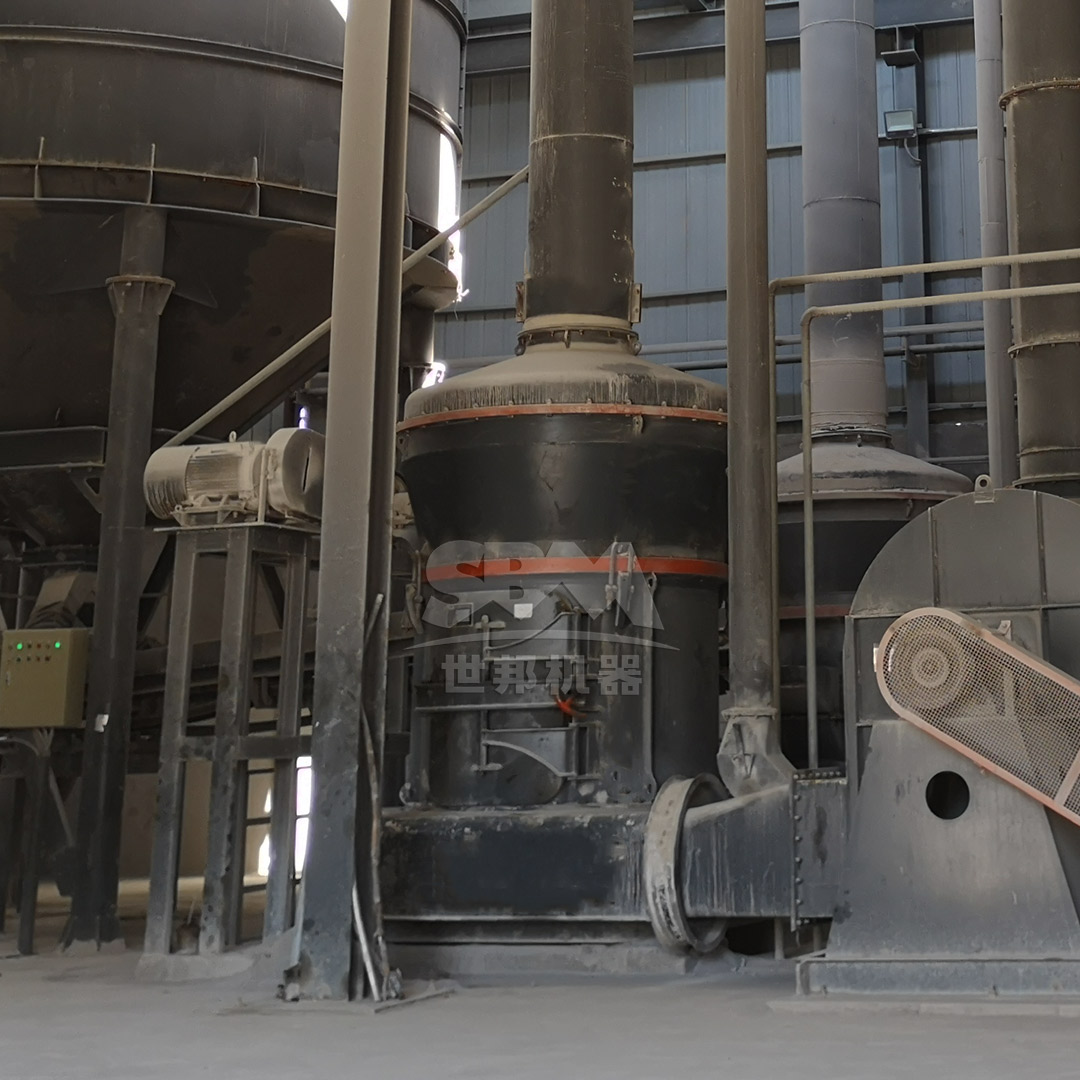
While grinding operations typically don’t consume large volumes of water directly, the associated cooling systems and ancillary processes often have significant water footprints. Modern milling technology addresses this through dry processing methods and advanced heat management systems that eliminate or minimize water requirements.
Air-cooling systems with optimized heat exchange surfaces have replaced water-cooling in many applications, particularly in our LM Series Vertical Roller Mills. These systems maintain optimal operating temperatures without water consumption, while intelligent thermal management ensures that waste heat is minimized through improved grinding efficiency.
Modern milling technology significantly improves material utilization through precise particle size control and reduced contamination. Advanced classification systems ensure that product specifications are met without over-processing, which conserves raw materials and reduces waste generation.
The extended service life of wear components in contemporary grinding equipment represents another important environmental benefit. Our SCM Ultrafine Mill, for example, features specially formulated materials for grinding rollers and rings that provide several times the service life of conventional components, reducing the frequency of replacement and associated waste.
| Environmental Aspect | Traditional Technology | Modern Milling Technology | Improvement |
|---|---|---|---|
| Energy Consumption (kWh/t) | 45-60 | 30-40 | 30-40% |
| Dust Emissions (mg/m³) | 50-100 | <20 | 60-80% |
| Noise Level (dB) | 85-95 | 75-80 | 10-15% |
| Component Lifespan (months) | 6-12 | 18-36 | 200-300% |
The integration of smart control systems represents perhaps the most significant advancement in environmental performance for grinding operations. Modern milling equipment employs sophisticated automation that continuously optimizes process parameters for minimal environmental impact.
Our advanced mills feature expert automatic control systems that support both remote and local operation modes, enabling precise management of energy consumption, emission control, and operational efficiency. Real-time monitoring of critical parameters allows for immediate adjustment to changing conditions, preventing inefficient operation that would increase environmental impact.
These systems also facilitate predictive maintenance, identifying potential issues before they lead to inefficient operation or unplanned downtime. By maintaining optimal performance throughout the equipment lifecycle, smart technology ensures that environmental benefits are sustained over the long term.
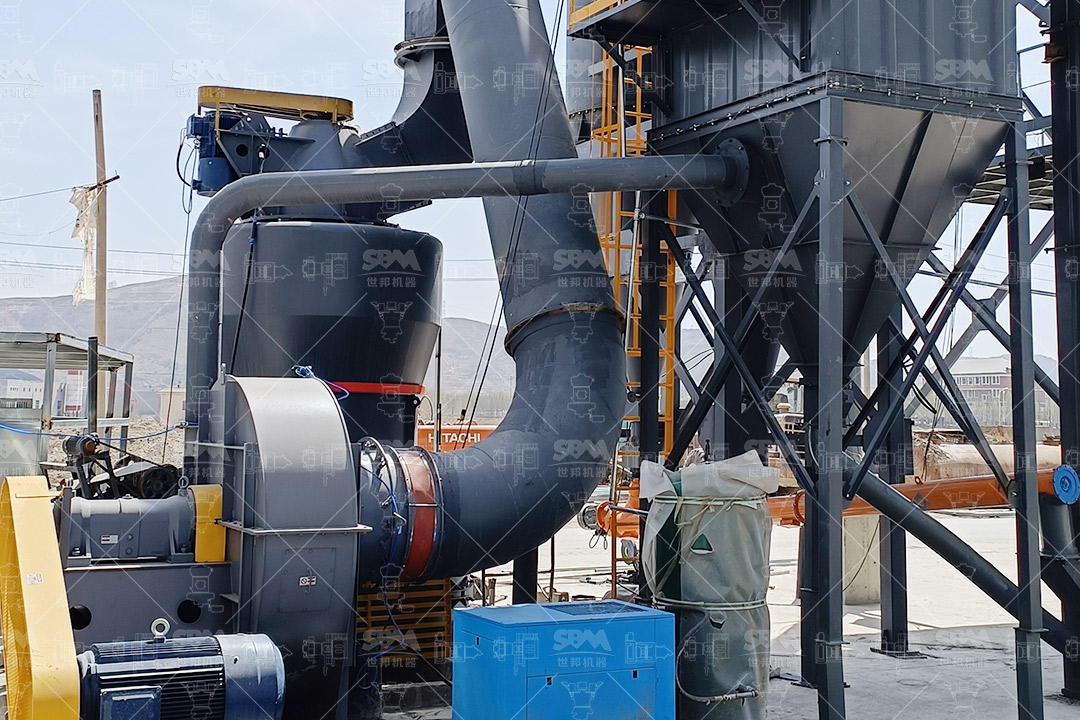
Modern milling equipment is increasingly designed with full lifecycle environmental impact in consideration. This approach evaluates not only operational efficiency but also manufacturing processes, transportation, installation, and end-of-life recycling.
Our engineering philosophy emphasizes modular design that facilitates component replacement and upgrades, extending equipment service life and reducing waste. The use of standardized components and easily separable materials simplifies recycling at end-of-life, while compact designs minimize material requirements and transportation impacts.
The environmental advantages of modern milling technology are clearly demonstrated in our SCM Ultrafine Mill series. With models ranging from the SCM800 (0.5-4.5 ton/h capacity) to the SCM1680 (5.0-25 ton/h capacity), these machines provide scalable solutions for various production requirements while maintaining exceptional environmental performance.
The SCM series’ integrated pulse dust collection system achieves filtration efficiency that exceeds international standards, while the soundproof chamber design maintains operational noise below 75 dB. The equipment’s robust construction and specialized wear materials ensure long service life, reducing the frequency of component replacement and associated resource consumption.
The evolution of milling technology has transformed grinding from an environmentally challenging process to one that can align with sustainable development goals. Through energy-efficient designs, comprehensive emission control, noise reduction, and smart technology integration, modern grinding equipment significantly reduces environmental impact while maintaining or improving operational performance.
As regulatory pressures increase and corporate sustainability initiatives expand, the adoption of advanced milling technology represents a strategic investment in both environmental responsibility and operational excellence. The continued innovation in this field promises even greater environmental benefits in the future, moving the industry toward truly sustainable material processing.
Companies seeking to improve their environmental performance should consider modern milling solutions like our SCM Ultrafine Mill and MTW Series Trapezium Mill, which demonstrate that industrial efficiency and environmental stewardship can be successfully integrated.