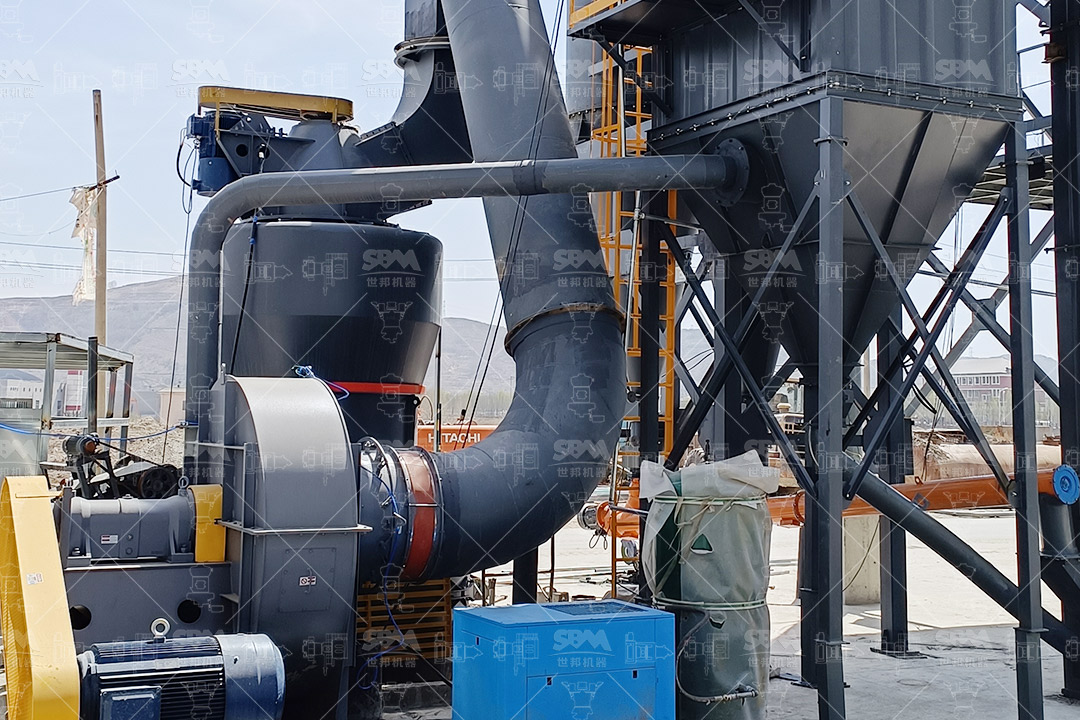
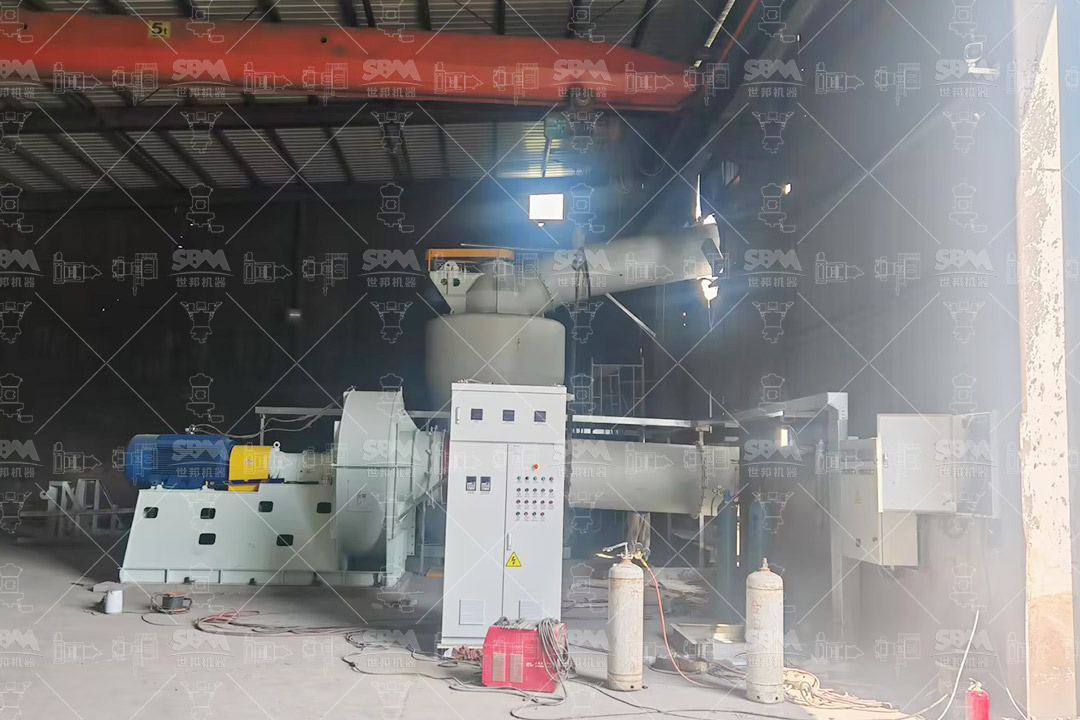
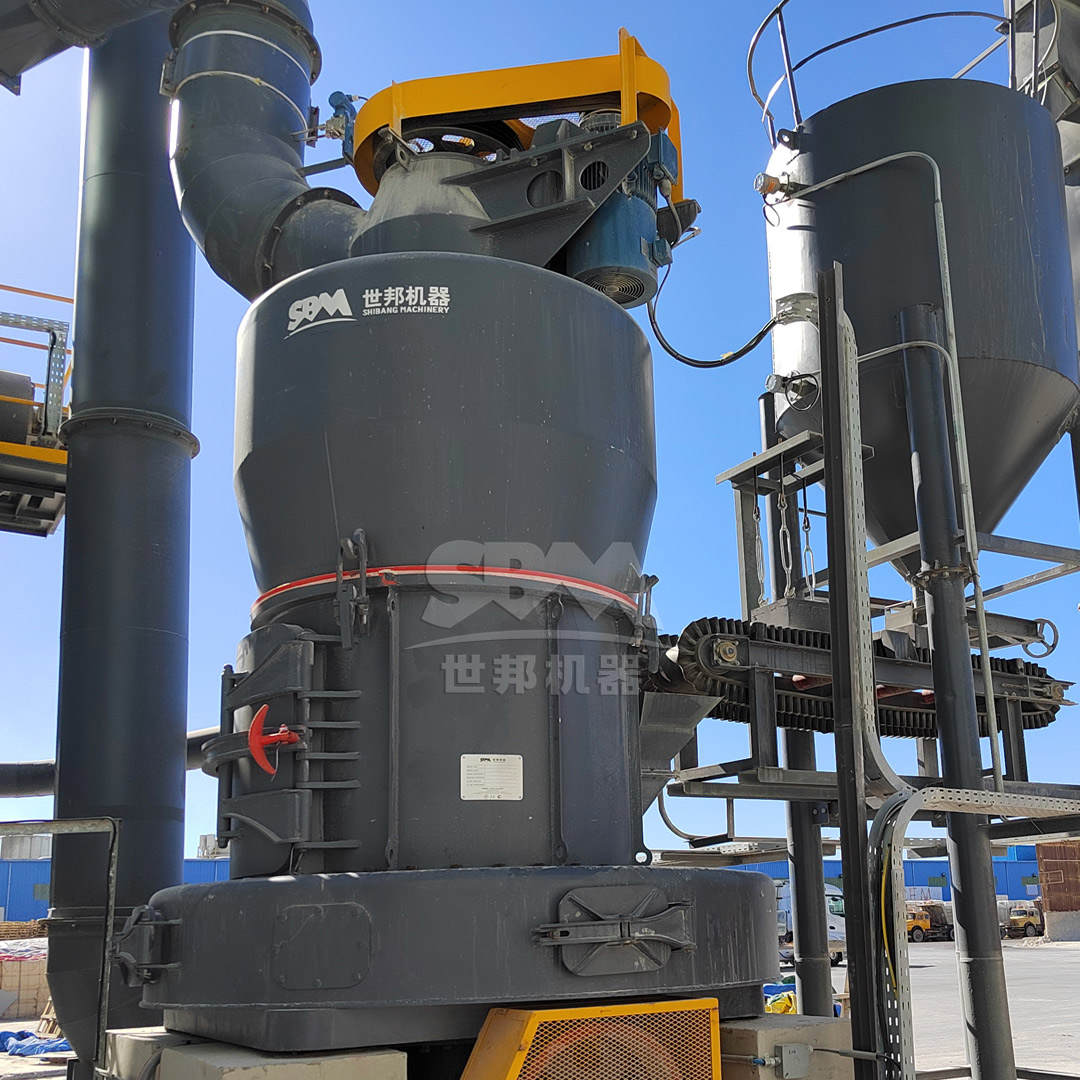
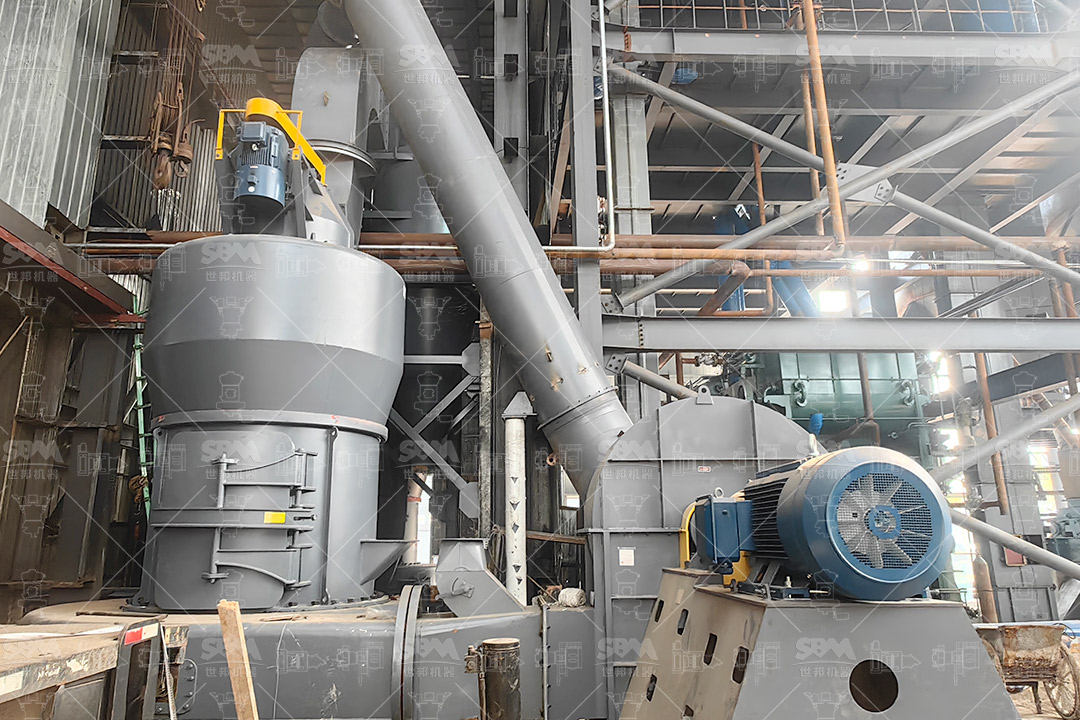
Producing high-quality marble powder, particularly at a fineness of 300 mesh (approximately 48 microns), requires precise and efficient grinding technology. The choice of equipment directly impacts product quality, production cost, operational stability, and environmental compliance. This article provides a comprehensive guide to selecting the optimal grinding mill for 300-mesh marble powder production, analyzing key factors and comparing different mill types. We will also highlight advanced solutions from our product portfolio that are engineered to excel in this specific application.
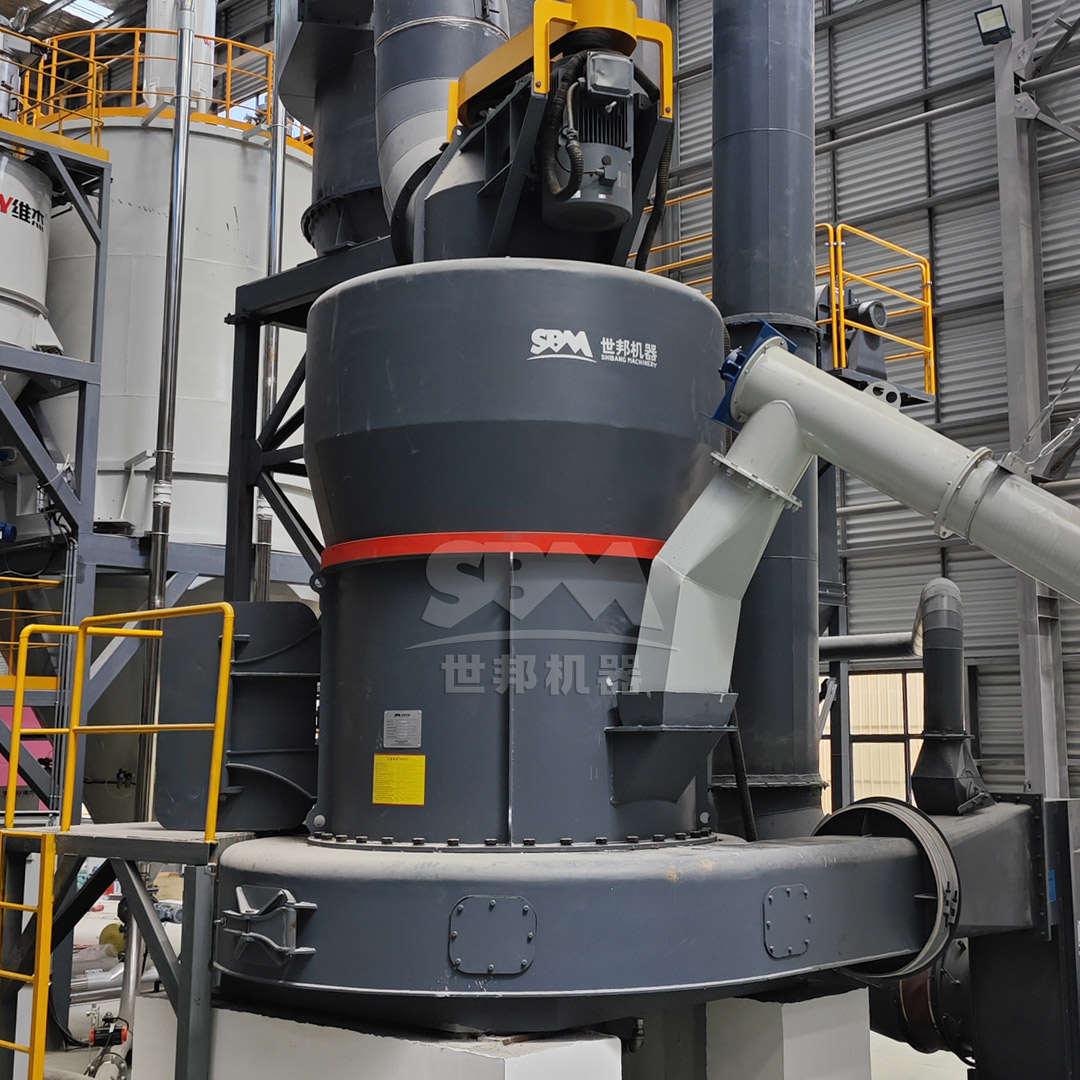
Selecting the right mill goes beyond just achieving the target fineness. A holistic evaluation is necessary for long-term profitability.
For 300 mesh powder, consistent particle size is crucial. Equipment with a high-precision classification system is essential to prevent oversized particles and ensure a uniform product. The mill must reliably and consistently produce powder within the 300-325 mesh range.
Capacity needs, from pilot-scale (0.5-5 TPH) to large industrial production (25+ TPH), dictate the size and model of the mill. It’s vital to choose a mill that can meet your peak demand without excessive energy consumption at lower outputs.
Grinding is an energy-intensive process. Mills with advanced grinding principles (e.g., bed grinding, centrifugal roller mills) often offer significantly lower power consumption per ton compared to traditional ball mills, drastically reducing operating expenses.
Marble, though not the hardest mineral, causes abrasion. Mills designed with special alloy grinding rollers, rings, and liners, coupled with easy-maintenance features, minimize downtime and spare part costs.
A compact, integrated system that includes grinding, classification, and collection reduces installation complexity, saves floor space, and lowers civil engineering costs.
Modern mills must operate with fully sealed, negative-pressure systems to achieve near-zero dust emissions. Soundproof designs are also critical to meet workplace and community noise regulations.
| Mill Type | Typical Fineness Range | Suitability for 300 Mesh Marble | Key Advantages | Potential Limitations |
|---|---|---|---|---|
| Raymond Mill (MTW Series) | 30-325 mesh | Excellent. 300 mesh is within its core range. | Mature technology, cost-effective, stable operation, easy maintenance. | Upper limit for superfine powder; may require optimized operation for consistent 300 mesh. |
| Ultrafine Mill (SCM Series) | 325-2500 mesh | Ideal. 300 mesh is at the lower end of its range, easily achievable. | High precision, excellent for uniform fine powder, energy-efficient, integrated classifier. | Higher initial investment than traditional Raymond mills. |
| Vertical Roller Mill (LM Series) | 30-325 mesh (up to 600 mesh) | Very Good. Highly efficient for medium to fine grinding. | Extremely energy-efficient, large capacity, integrated drying for moist feed. | Larger footprint for full system, more complex maintenance. |
| Ball Mill | 0.074-0.8mm (~20-200 mesh) | Less Suitable. Can reach 300 mesh but inefficiently. | Simple, versatile, can handle wet grinding. | Very high energy consumption for fine grinding, poor particle size distribution, high wear. |
Based on the technical requirements for efficient, consistent, and economical production of 300-mesh marble powder, we highly recommend the following two product series from our portfolio.
For most marble powder producers targeting 300 mesh, the MTW Series European Trapezium Mill represents the optimal balance of performance, reliability, and cost. It is specifically engineered to excel in the 30-325 mesh range.
Why it’s ideal for 300-mesh marble:
For a medium to large-scale operation requiring 10-25 tons per hour of 300-mesh powder, the MTW175G model would be an excellent choice, offering a capacity of 9.5-25 t/h with robust power and efficient classification.
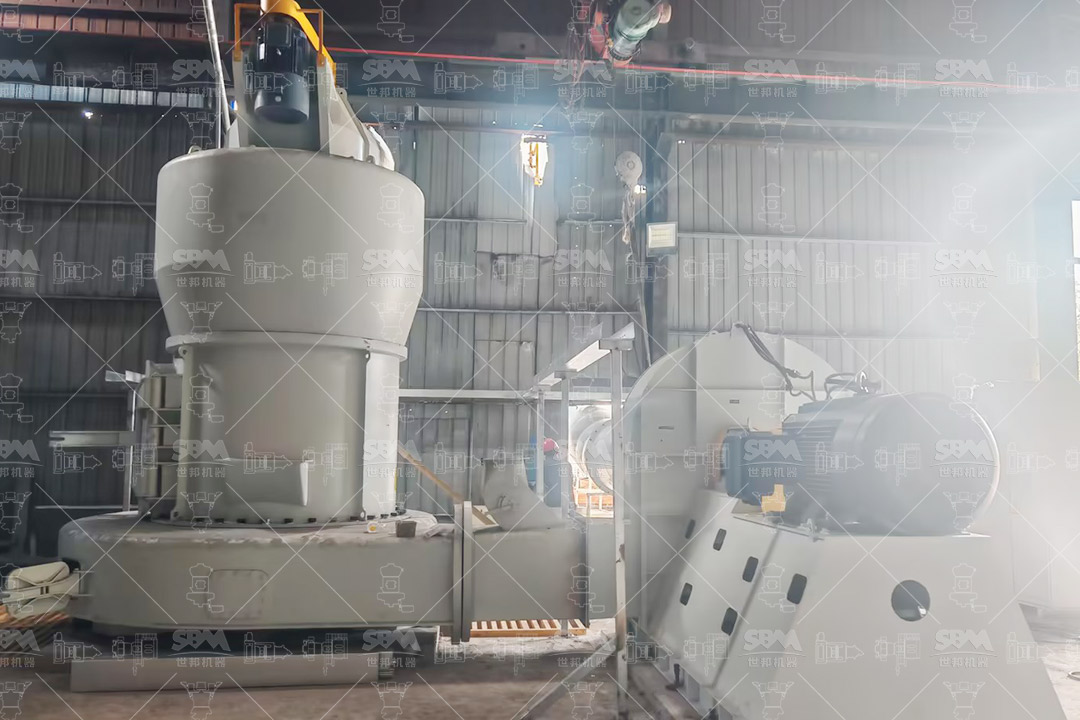
If your priority is achieving exceptionally uniform particle distribution at 300 mesh, or if you foresee a need to produce even finer marble powders (e.g., 800 or 1250 mesh) in the future, the SCM Series Ultrafine Mill is the superior choice.
Why it stands out:
For a production line focused on high-value, consistent fine powder, the SCM1000 or SCM1250 model offers the perfect combination of capacity (1.0-14 t/h) and precision for 300-mesh marble production.
Selecting the right 300 mesh marble grinding mill is a strategic decision that hinges on carefully weighing fineness requirements, capacity, energy costs, and long-term operational stability. While traditional mills like ball mills are ill-suited for this task, modern roller mills offer a far more efficient solution.
For most applications, the MTW Series European Trapezium Mill provides the best value, reliably delivering high-volume, in-spec 300-mesh powder with low operating costs. For producers demanding ultimate particle uniformity and flexibility for future ultra-fine grinding, the SCM Series Ultrafine Mill is the definitive technology of choice. We recommend consulting with our technical engineers to analyze your specific raw material characteristics and production goals to select the perfect model from our range for your marble powder plant.