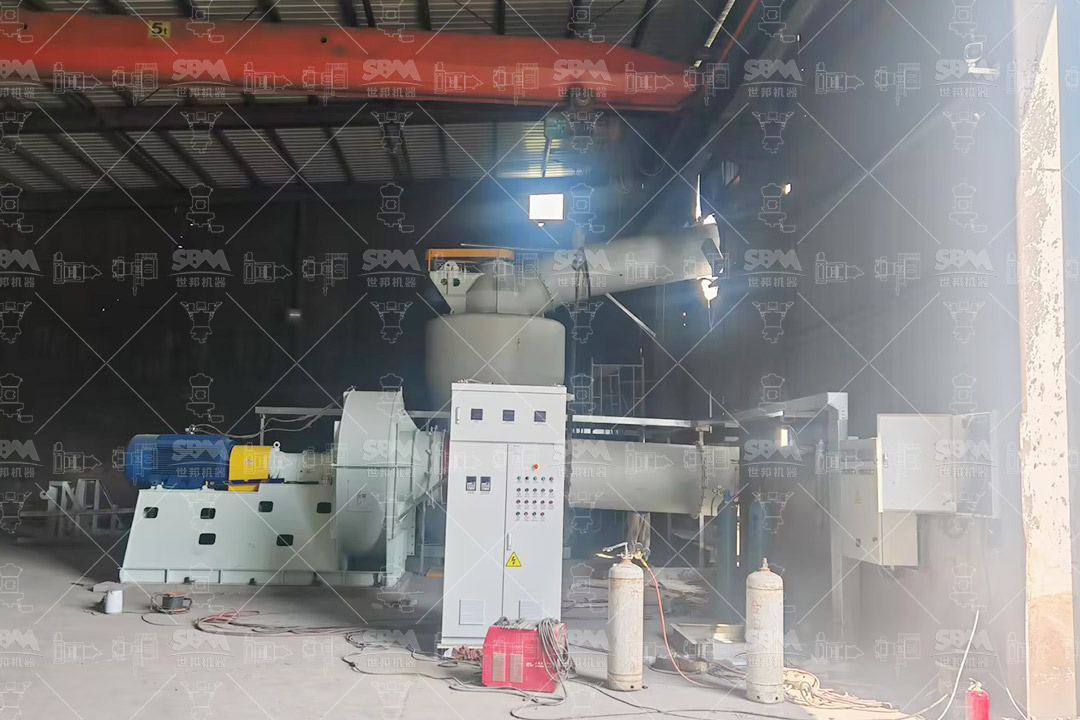
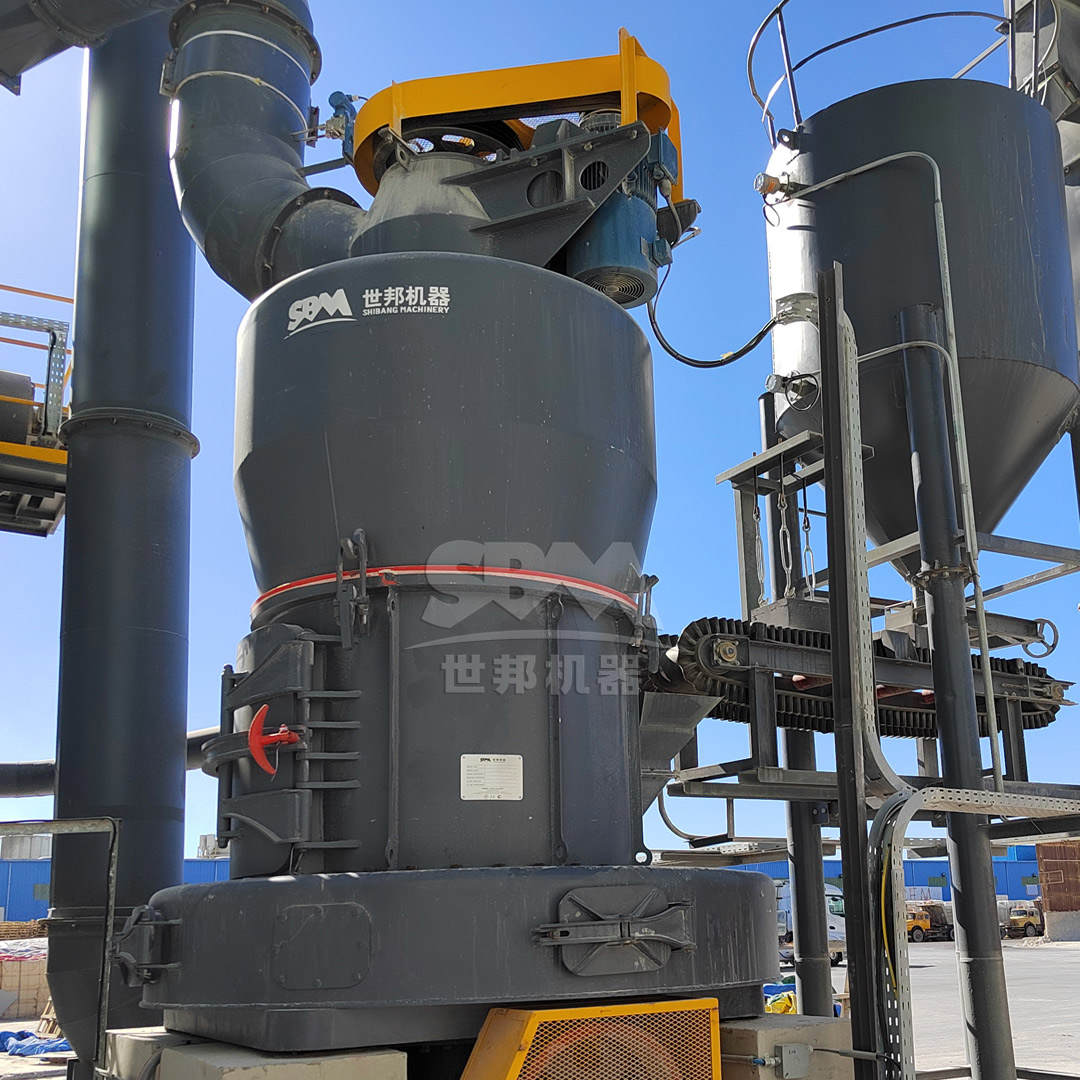
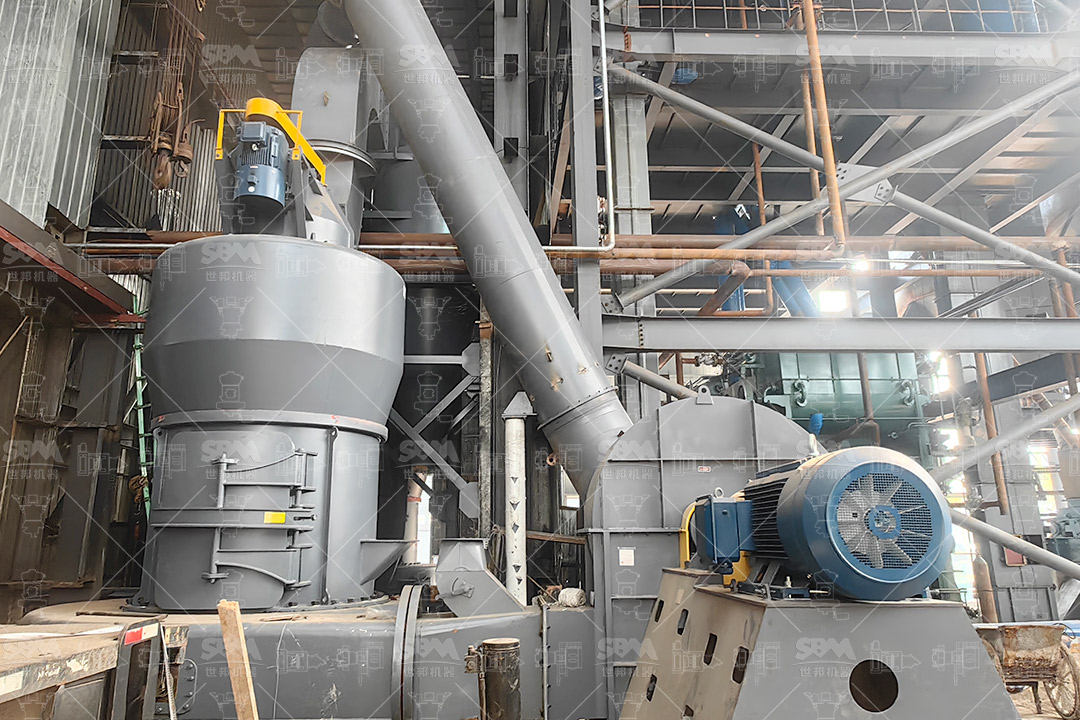
Producing high-quality gypsum powder, particularly at a fineness of 380 mesh (approximately 40 microns), requires precise and efficient grinding technology. The choice of grinding mill directly impacts product quality, production efficiency, energy consumption, and overall operational costs. This guide provides a comprehensive analysis of the key factors to consider when selecting equipment for 380-mesh gypsum powder production and highlights optimal solutions from our advanced product portfolio.
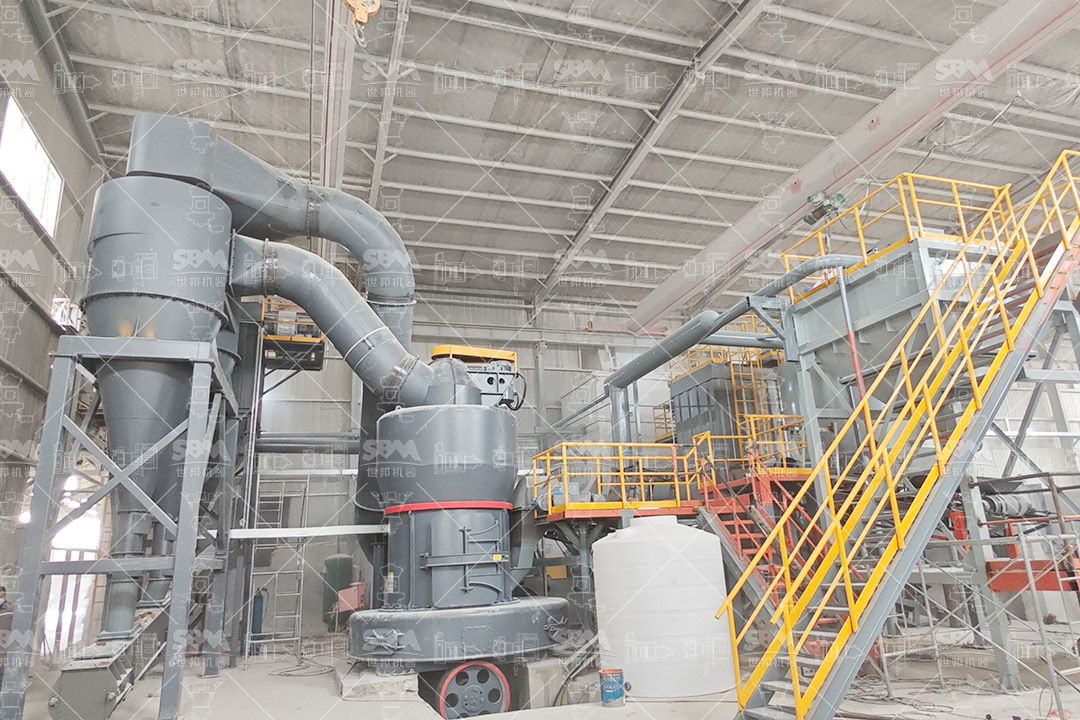
380 mesh is a relatively fine powder specification. The equipment must not only achieve this nominal fineness but also ensure a narrow and consistent particle size distribution. A wide distribution can negatively affect the performance of the final gypsum product in applications like plaster, joint compound, or board manufacturing. The classifier system within the mill is critical for achieving this precision.
Capacity needs, measured in tons per hour (t/h), dictate the size and model of the mill. It’s essential to match the equipment’s optimal operating range with your project’s short-term and long-term output goals to avoid under- or over-investment.
The initial size, moisture content, and hardness of the gypsum feedstock are crucial. Mills have different maximum feed sizes. Pre-crushing may be necessary. Furthermore, some mills are better suited for handling materials with certain moisture levels without requiring extensive pre-drying.
Grinding is an energy-intensive process. Selecting a mill with high grinding efficiency and low specific energy consumption (kWh/ton) is paramount for long-term profitability. This includes evaluating the power requirements of the main motor, classifier, and auxiliary systems like fans.
The physical space required for the mill and its ancillary equipment (crusher, feeder, collector, etc.) must be considered. Integrated systems that combine multiple functions can significantly reduce footprint and installation time.
Modern grinding plants must operate with minimal dust emission and noise pollution. A closed-circuit, negative-pressure system with an efficient pulse-jet bag filter is now a standard requirement.
The design and material of grinding components (rollers, rings, liners) determine maintenance frequency and cost. Equipment with longer-lasting wear parts and features that facilitate easy maintenance will have lower lifetime costs and higher availability.
Several grinding technologies can reach 380 mesh. Here’s a comparative overview:
| Mill Type | Typical Fineness Range | Suitability for 380 Mesh Gypsum | Key Advantages | Potential Limitations |
|---|---|---|---|---|
| Ball Mill | 0.074-0.8mm (200-20 mesh) | Marginal. Can achieve 380 mesh but with low efficiency, high energy use, and poor particle distribution. | Simple, robust, wide application. | High energy consumption, noisy, large footprint, overgrinding common. |
| Raymond Mill (MTM/MTW) | 45-325 mesh | Excellent. 380 mesh is within the core range of advanced models. | Stable, reliable, good energy efficiency for its range, mature technology. | May approach the upper limit of its fine-grinding capability. |
| Vertical Roller Mill (LM) | 30-325 mesh (up to 600 mesh) | Excellent. Highly efficient and ideal for medium to large capacity projects. | Outstanding energy efficiency, integrated drying/grinding, low noise, small footprint. | Higher initial investment, more complex operation. |
| Ultrafine Mill (SCM/LUM) | 325-2500 mesh | Ideal. 380 mesh is well within the lower part of its operating range. | Superior precision, excellent for very fine and uniform powders, high classification efficiency. | Higher investment for dedicated fine grinding; may be over-specified if only 380 mesh is needed. |
Based on the technical requirements for producing 380-mesh gypsum powder, we recommend the following equipment for their proven performance, efficiency, and reliability.
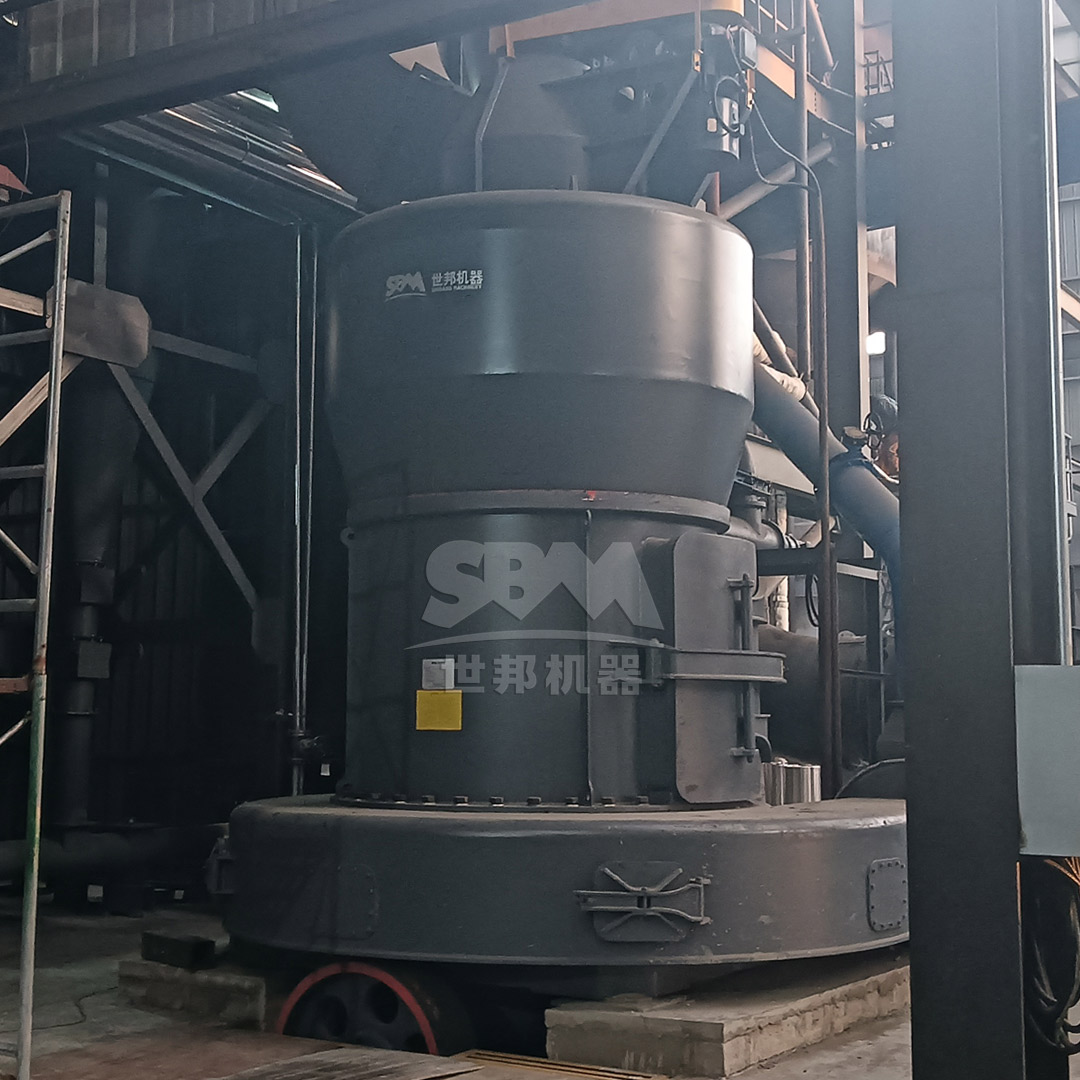
For most projects targeting 380-mesh gypsum with capacities ranging from medium to high, the MTW Series European Trapezium Mill is an outstanding and cost-effective choice. Its design specifically optimizes performance within the 30-325 mesh range.
Why it’s ideal for 380-mesh gypsum:
Model Selection Guidance: For a 380-mesh gypsum project, models like the MTW138Z (6-17 t/h) or MTW175G (9.5-25 t/h) would be typical choices, depending on your required capacity. Their design ensures stable output at the target fineness.
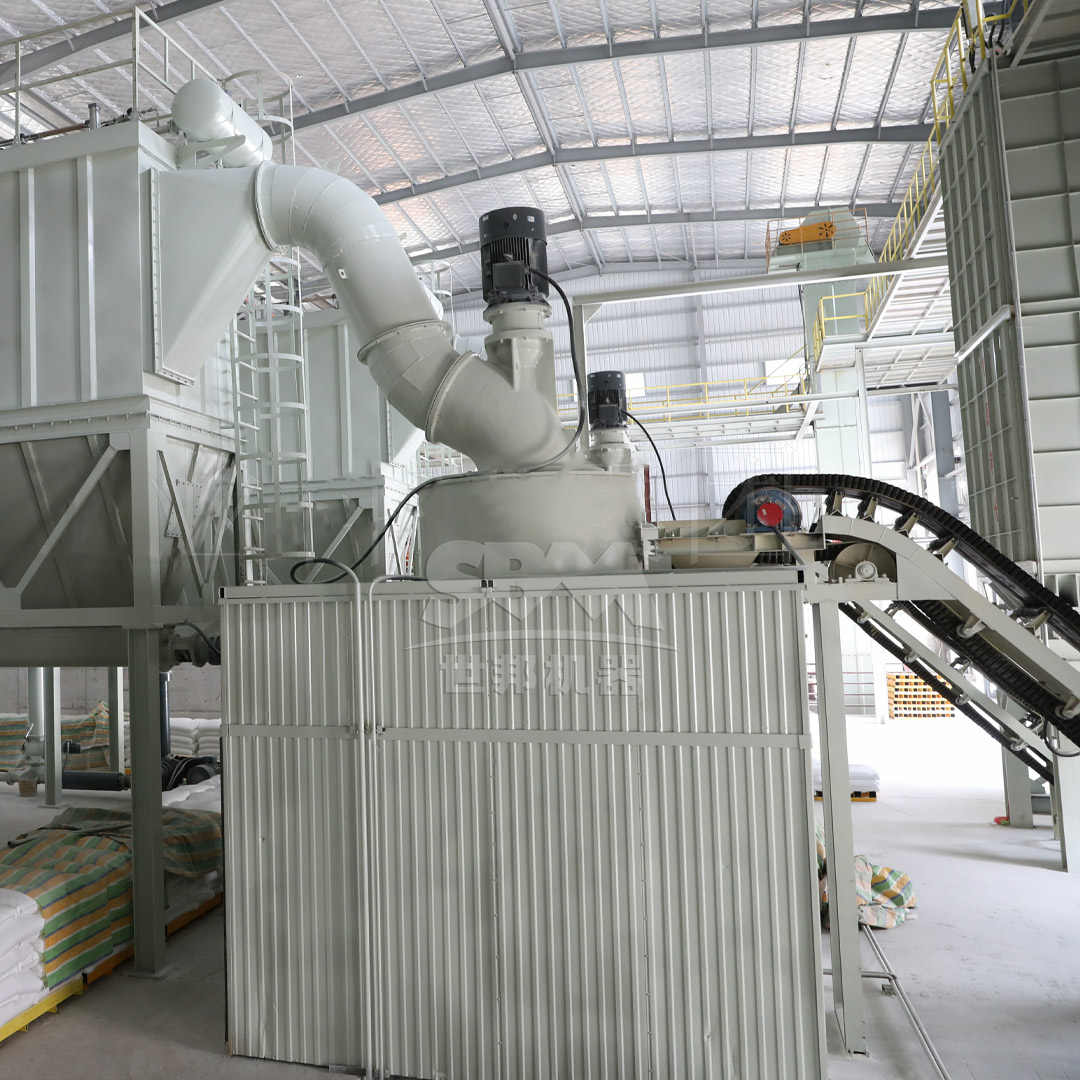
For operations demanding the highest level of product uniformity, exceptional whiteness, or where future production of even finer gypsum powders (e.g., 800-1250 mesh for high-end applications) is a possibility, the SCM Series Ultrafine Mill is the superior technological solution.
Why it excels for premium 380-mesh gypsum:
Model Selection Guidance: The SCM1000 (1.0-8.5 t/h) or SCM1250 (2.5-14 t/h) models are perfectly suited for dedicated 380-mesh gypsum production lines, offering a future-proof platform for ultra-fine grinding.
Selecting the right grinding mill for 380-mesh gypsum powder is a strategic decision that balances technical requirements with economic factors. While traditional mills like ball mills are less suitable, modern roller mills provide the optimal blend of precision, efficiency, and reliability.
For most applications, our MTW Series European Trapezium Mill represents the industry benchmark, offering proven performance and excellent value. For producers aiming at the premium market segment or requiring ultimate flexibility for future product development, our SCM Series Ultrafine Mill provides unmatched technical advantages.
We recommend consulting with our engineering team to analyze your specific gypsum feedstock, capacity goals, and site conditions. This will ensure the selection of the perfect model and configuration from our range to maximize your project’s productivity and return on investment.