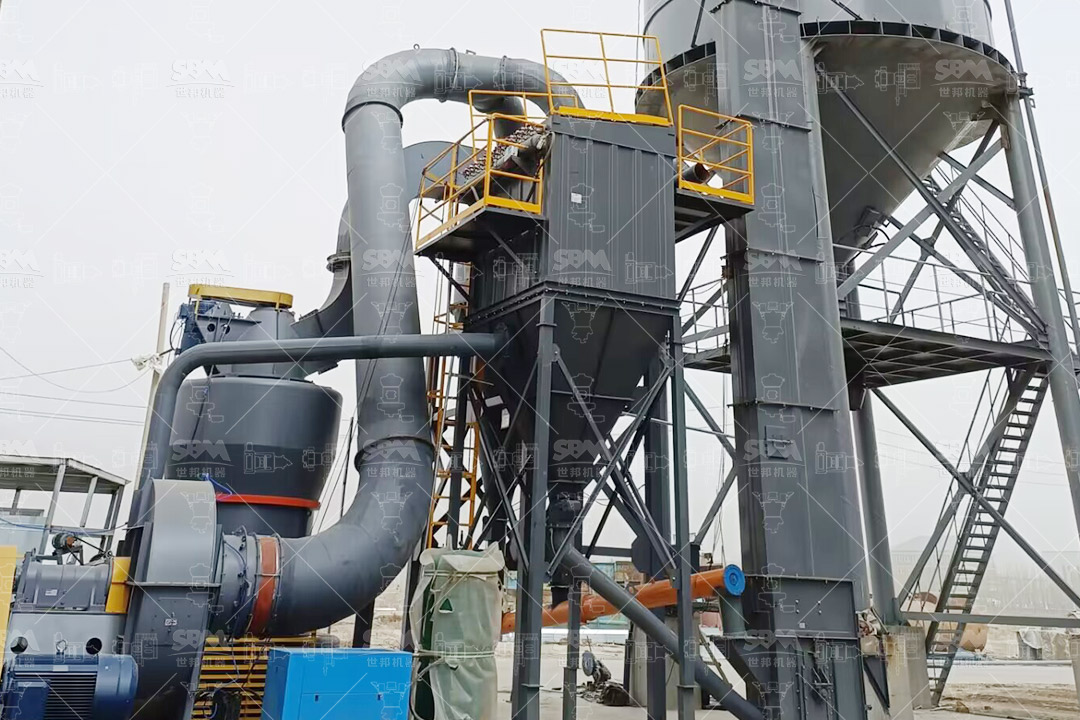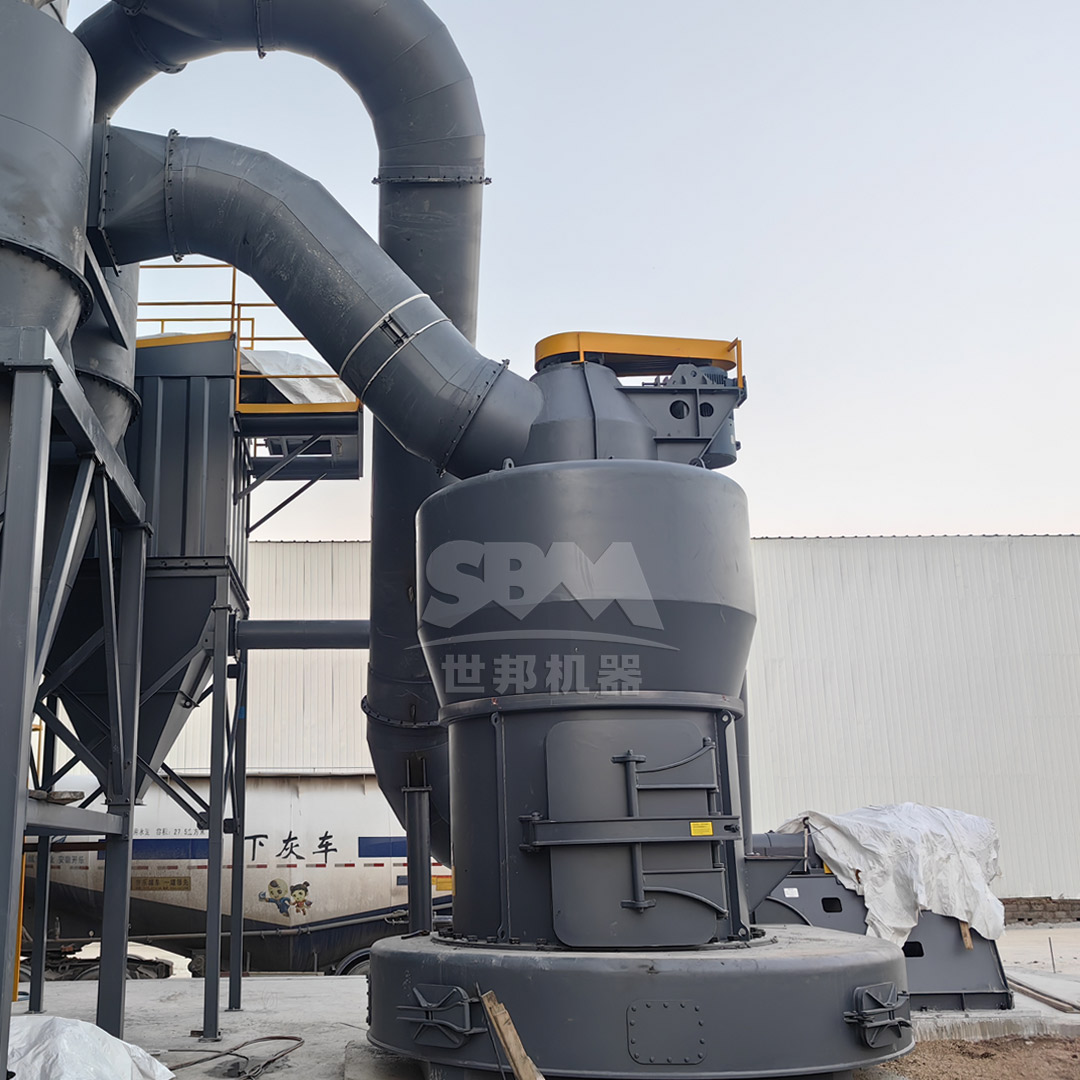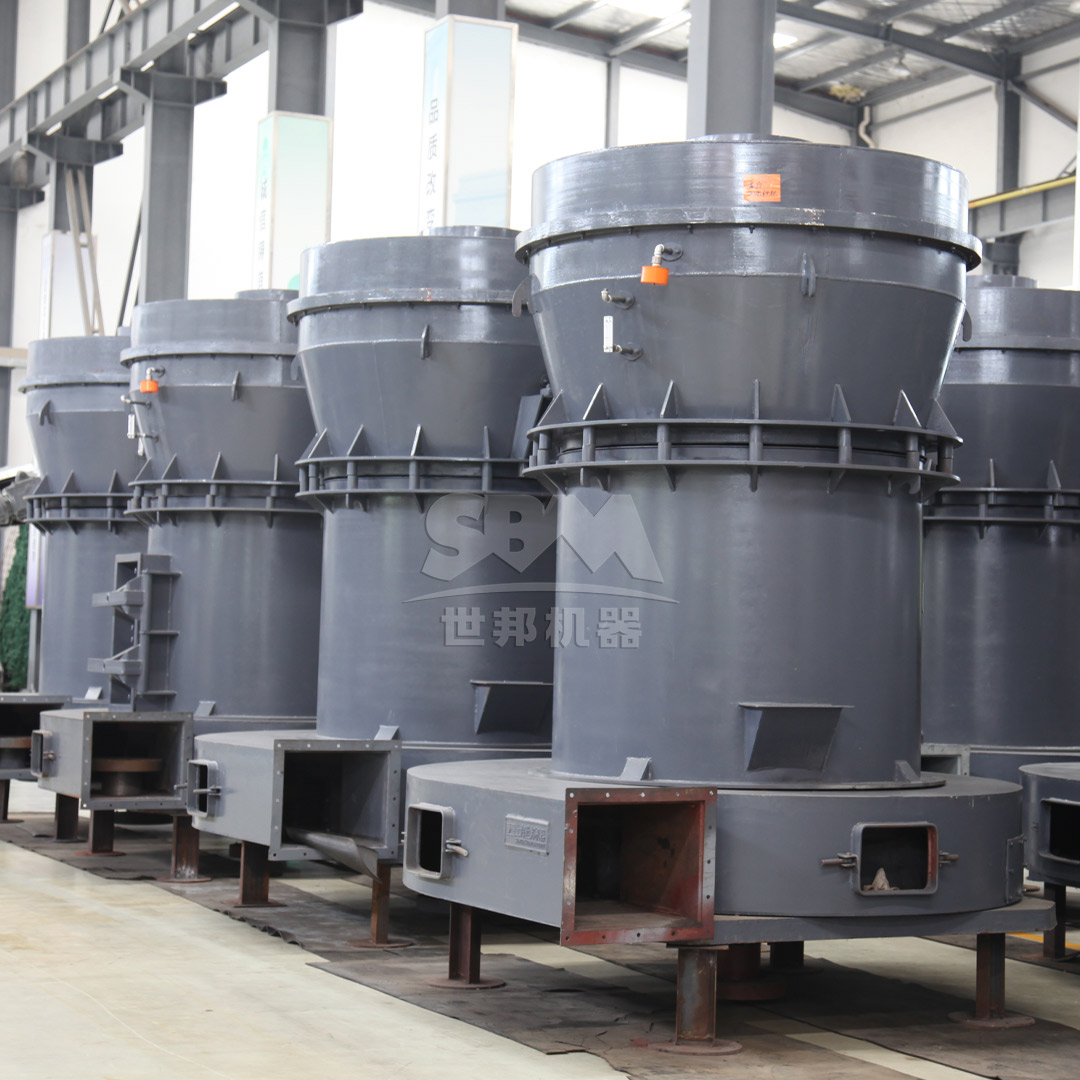
Quartz stone is a fundamental raw material in the ceramics industry, prized for its hardness, chemical inertness, and thermal stability. However, processing quartz into the fine powders required for ceramic bodies, glazes, and advanced ceramics presents unique challenges. The material’s high abrasiveness and the need for precise particle size distribution demand careful equipment selection. This buyer’s guide provides a structured approach to choosing quartz stone processing equipment for ceramic applications, covering key considerations, equipment types, and practical recommendations.
Before evaluating equipment, define the characteristics of your quartz stone and the desired final product. Key parameters include:
Documenting these requirements will guide your equipment shortlist and prevent costly mismatches.
Primary crushing reduces large quartz lumps to a manageable feed size for grinding. Jaw crushers or hammer mills are commonly used. For ceramic-grade quartz, a hammer mill with high manganese steel liners can produce a feed of 0–3 mm with minimal contamination. However, be mindful of iron introduction from hammer wear; magnetic separation downstream may be necessary.
Grinding is the heart of quartz processing. Several mill types are suitable, each with distinct advantages:
When selecting a mill, consider specific energy consumption (kWh/t), wear part life, maintenance requirements, and the ability to adjust fineness during operation.
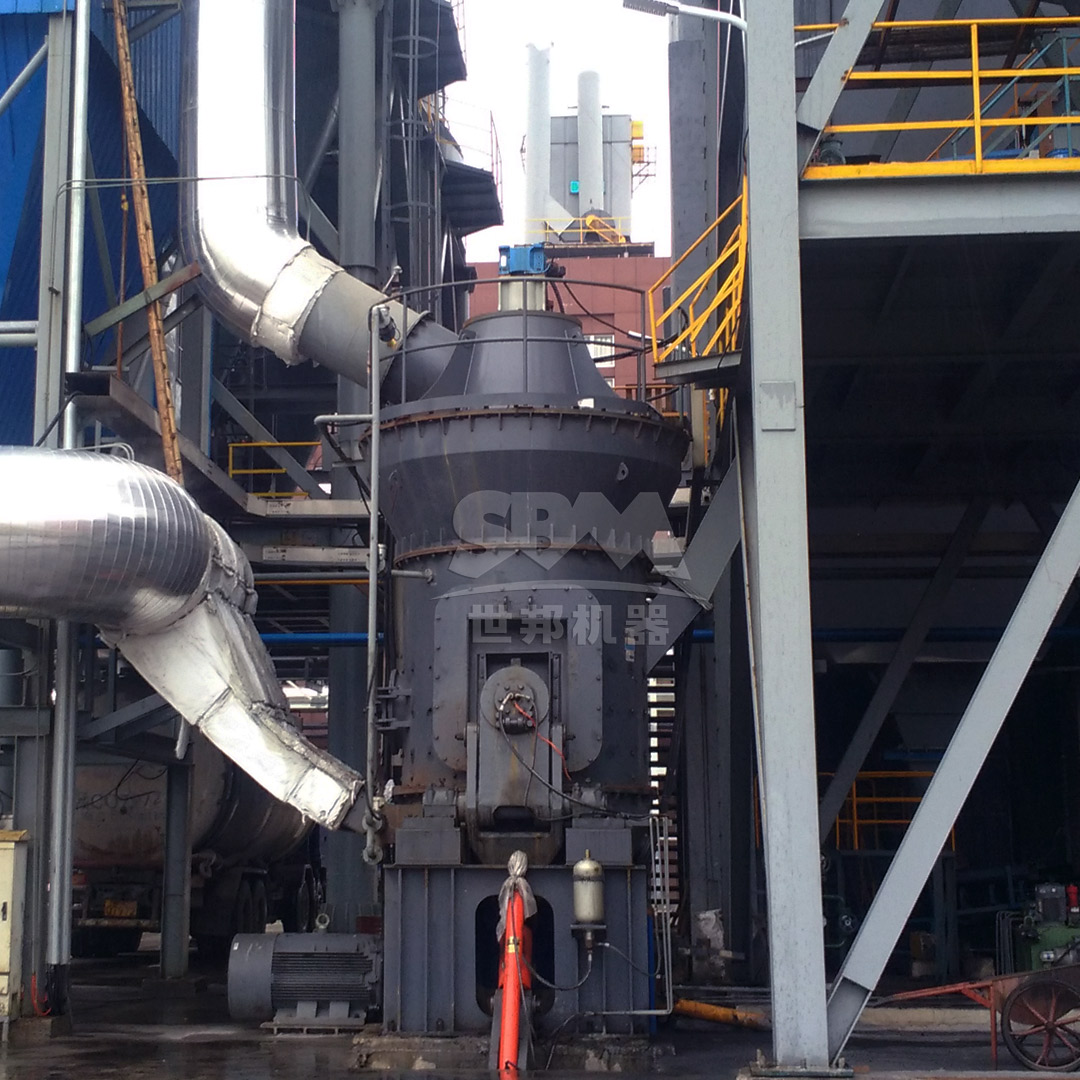
Dynamic classifiers are integral to modern grinding systems. They provide precise particle size control, often with multi-stage adjustment. For ceramic applications, a classifier that can cut at 10 μm or finer without coarse particle bypass is critical. Look for systems with high classification efficiency and low wear.
Quartz processing generates fine dust that poses health and environmental risks. Pulse-jet dust collectors with high filtration efficiency (>99.9%) are standard. Ensure the system is designed for negative pressure operation to prevent dust leakage. Noise reduction features, such as soundproof enclosures, are also important for compliance and operator comfort.
The ability to consistently achieve the target fineness and narrow PSD is paramount. Mills with integrated high-precision classifiers, such as the SCM Series Ultrafine Mill, offer automatic fineness feedback and precise cutting. The SCM series achieves 325–2500 mesh with a vertical turbine classifier that prevents coarse powder mixing, ensuring uniform finished products—ideal for high-quality ceramics.
Match capacity to your production needs. Overestimating capacity leads to unnecessary capital and energy costs, while underestimating restricts growth. Modular designs, like the LM vertical mill series, allow for easy capacity expansion. For medium-scale operations (3–45 t/h), the MTW European Trapezium Mill provides a flexible solution with models ranging from 3 to 45 t/h.
Quartz’s abrasiveness demands robust wear parts. Look for mills with special material rollers and rings (e.g., high-chrome alloys) and designs that minimize wear. The SCM series features special material rollers and rings that extend service life several times over, and a shaftless screw grinding chamber for stable operation. The MTW series offers combined shovel blades and curved design to extend grinding roller life. Maintenance accessibility is also key: quick-change systems for rollers and liners reduce downtime.
Grinding is energy-intensive. Choose equipment with demonstrated low energy consumption. For example, the SCM series has a capacity twice that of jet mills with 30% lower energy consumption. The LM vertical mill consumes 30–40% less energy than ball mill systems. These savings compound over the equipment’s life.
Iron contamination can ruin ceramic products. Mills with non-contact grinding (e.g., LM vertical mill) reduce metal-to-metal wear. Additionally, incorporate magnetic separators in the feed and product streams. Dust collection systems should be designed to avoid cross-contamination.
Modern mills offer intelligent control systems with PLC automation, remote monitoring, and automatic adjustment. The SCM series includes intelligent control with automatic finished product granularity feedback. The LM series features expert-level auto-control supporting remote/local switching. These features ensure stable operation, reduce manual intervention, and maintain product consistency.
Based on the criteria above, we recommend two products particularly suited for quartz stone processing in the ceramics industry:
For ceramic applications requiring ultrafine quartz powder (e.g., advanced ceramics, high-performance glazes), the SCM Series Ultrafine Mill is an excellent choice. It processes feed sizes up to 20 mm and delivers fineness from 325 to 2500 mesh with capacities from 0.5 to 25 t/h depending on the model. Its vertical turbine classifier ensures precise particle size cutting with no coarse powder mixing, resulting in uniform products. The mill is designed for durability with special material rollers and rings, and its intelligent control system provides automatic fineness feedback. With energy consumption 30% lower than jet mills and a pulse dust collection system exceeding international standards, the SCM series combines efficiency, precision, and environmental compliance.
For medium-fine grinding (30–325 mesh) at capacities up to 45 t/h, the MTW Series European Trapezium Mill offers a robust and cost-effective solution. Its anti-wear shovel design and curved grinding rollers extend service life, while the optimized arc air duct reduces energy loss. The integral bevel gear drive achieves 98% transmission efficiency, and the wear-resistant volute structure improves air selection efficiency. With models from 3 to 45 t/h, the MTW series is scalable and suitable for continuous ceramic production. The mill’s pulse dust removal technology and internal suction oil lubrication system ensure reliable, eco-friendly operation.
Both products are backed by our patented technologies and global service network, ensuring peace of mind for your investment.
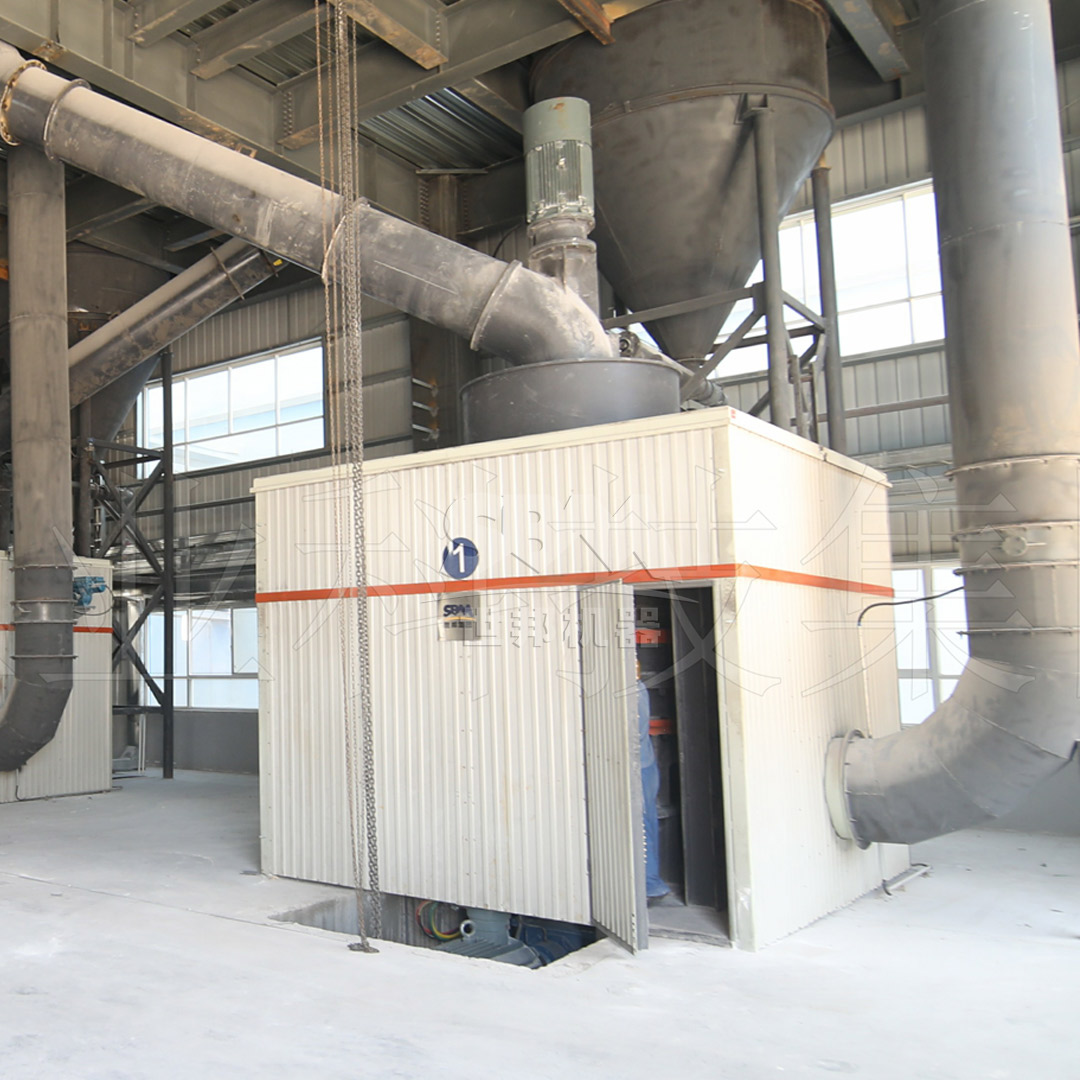
Proper installation and operation maximize equipment performance and longevity. Key points:
When comparing equipment, consider total cost of ownership (TCO):
Energy-efficient mills with long wear part life may have higher upfront costs but yield significant savings over time. For example, the SCM series’ 30% energy savings compared to jet mills can quickly offset its price premium in high-volume operations.
Choosing quartz stone processing equipment for ceramic materials requires a systematic evaluation of material properties, product requirements, equipment capabilities, and total cost. Prioritize fineness control, wear resistance, energy efficiency, and contamination prevention. The SCM Series Ultrafine Mill and MTW Series European Trapezium Mill from our portfolio represent excellent options for ultrafine and medium-fine grinding, respectively, backed by proven technology and comprehensive support. By following this buyer’s guide, you can make an informed decision that enhances product quality, operational efficiency, and profitability.
For further assistance, consult our technical team to customize a solution for your specific quartz processing needs.