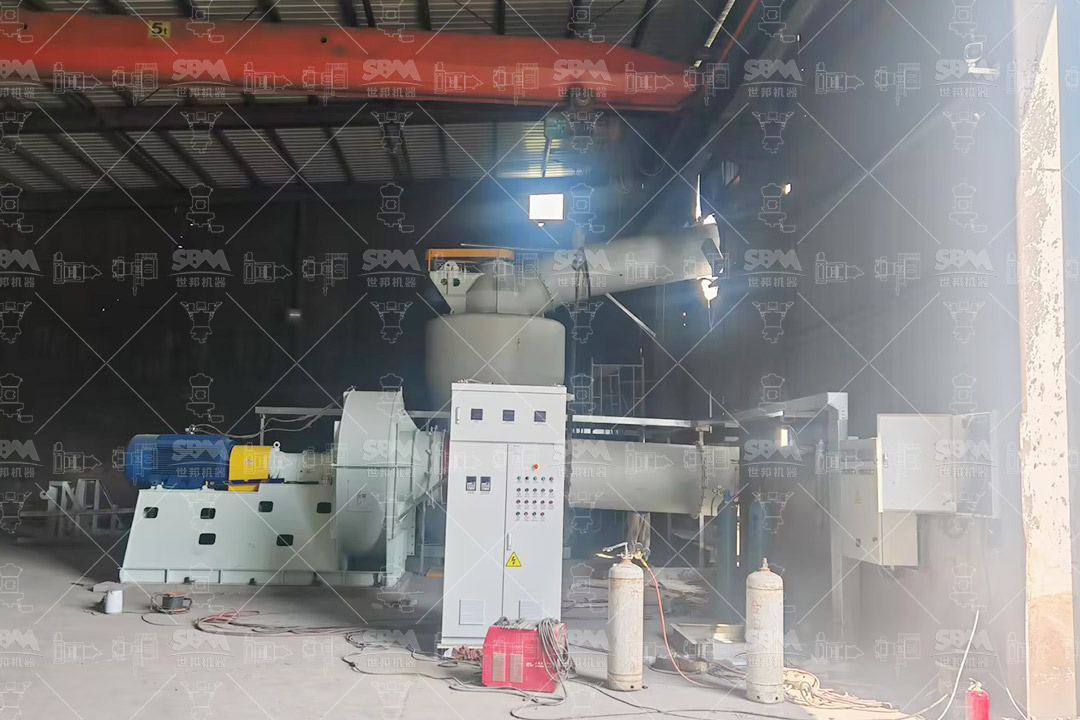
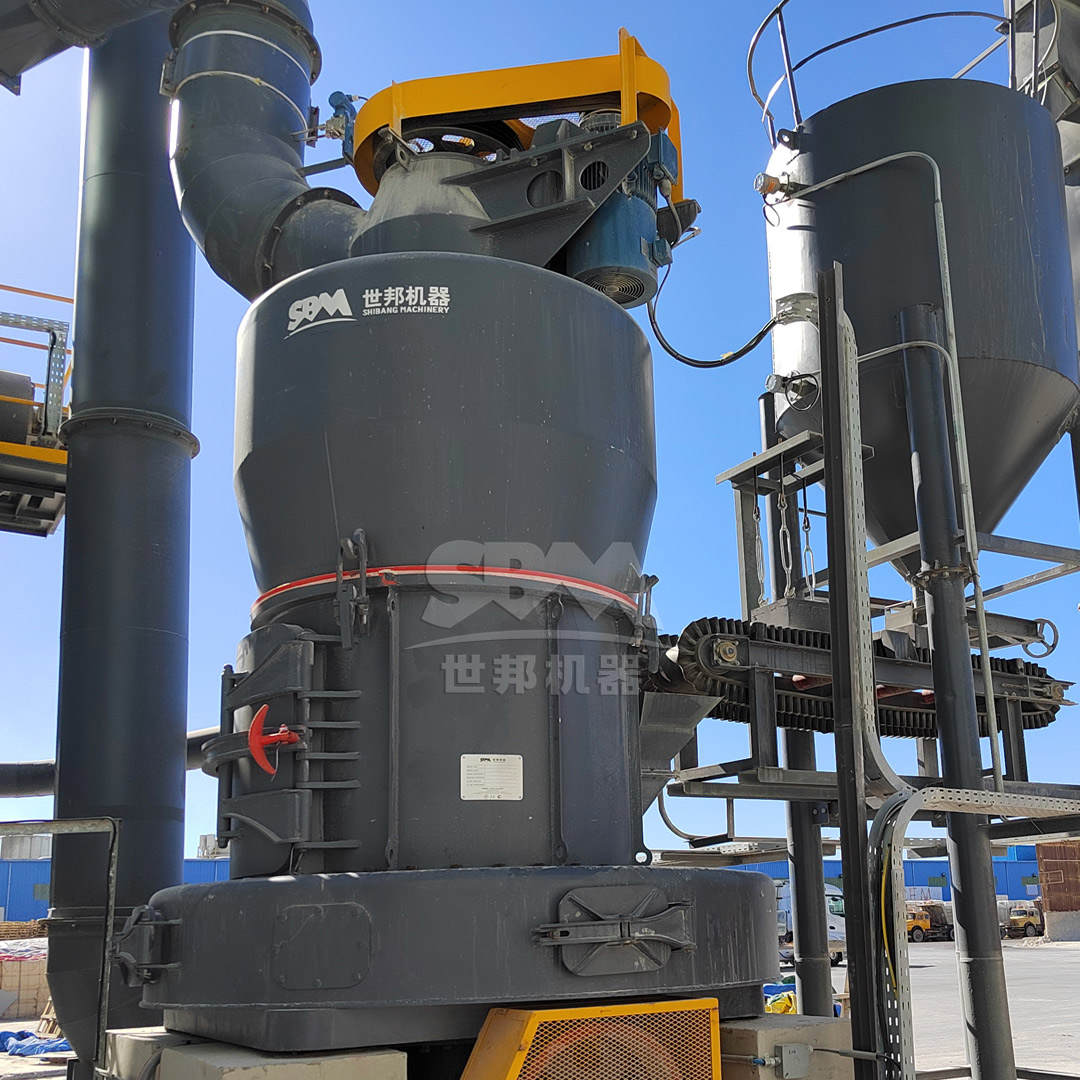
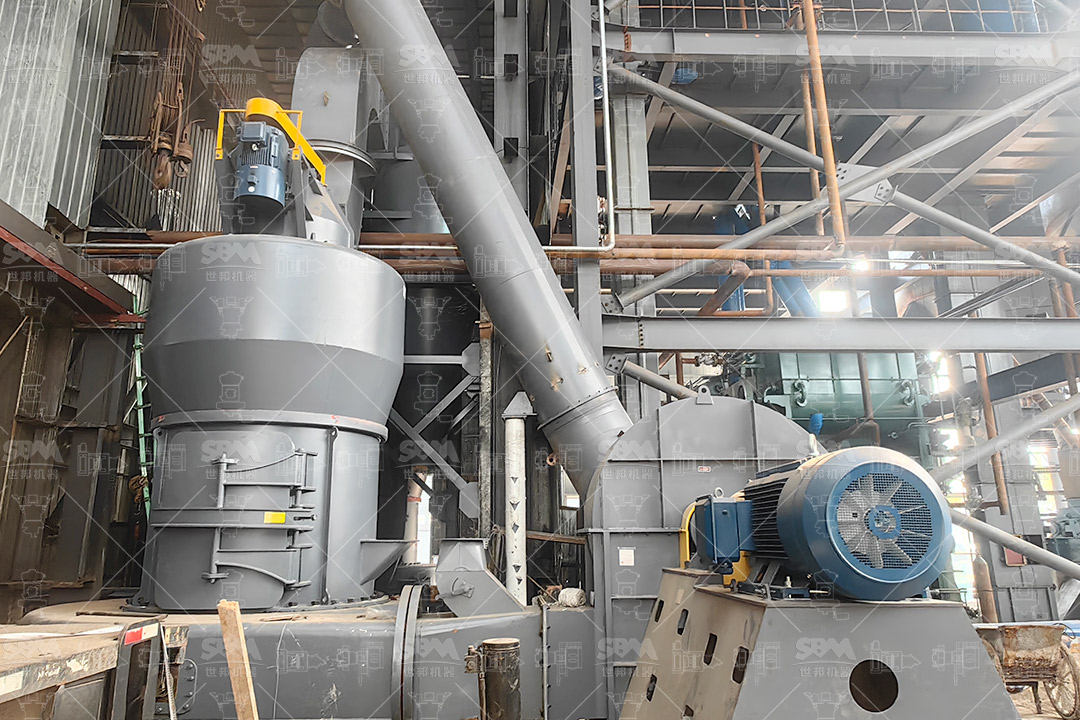
The decorative wall tile industry is a dynamic sector where aesthetics, durability, and cost-efficiency converge. A key, yet often underappreciated, factor in achieving these goals is the quality and processing of gypsum-based additives. These additives, which can include fillers, binders, and performance enhancers, directly influence the tile’s surface finish, dimensional stability, firing behavior, and final mechanical properties. The selection of production equipment for processing these additives is not merely a procurement decision; it is a strategic choice that impacts product quality, production throughput, energy consumption, and overall operational profitability. This guide provides a comprehensive framework for selecting the optimal grinding and milling equipment tailored to the specific needs of decorative wall tile gypsum additive production.
Before evaluating any machinery, you must clearly define your production parameters. These specifications will serve as the primary filter for equipment selection.
| Parameter | Key Questions | Impact on Equipment Choice |
|---|---|---|
| Target Fineness (Mesh/Microns) | What is the required particle size distribution (PSD)? Is it a coarse filler (100-325 mesh) or an ultra-fine performance additive (800-2500 mesh)? | Determines the mill classification system. Ultrafine grinding requires advanced classifiers (e.g., vertical turbine), while coarser grades can use simpler systems. |
| Required Capacity (Tons/Hour) | What is the daily/weekly production volume? Is the operation batch or continuous? | Dictates the size and power of the mill. Under-sizing causes bottlenecks; over-sizing leads to high capital and energy waste. |
| Raw Material Characteristics | What is the feed size (<20mm, <50mm)? What is the hardness and moisture content of the gypsum? | Influences the need for pre-crushing, the grinding mechanism (compression vs. impact), and the mill’s wear resistance design. |
| Final Product Specifications | Is particle shape important? How strict is the tolerance for oversize or coarse particles? | Points towards mills that offer precise classification and consistent PSD. Ultrafine mills with high-precision classifiers are essential for uniform additives. |
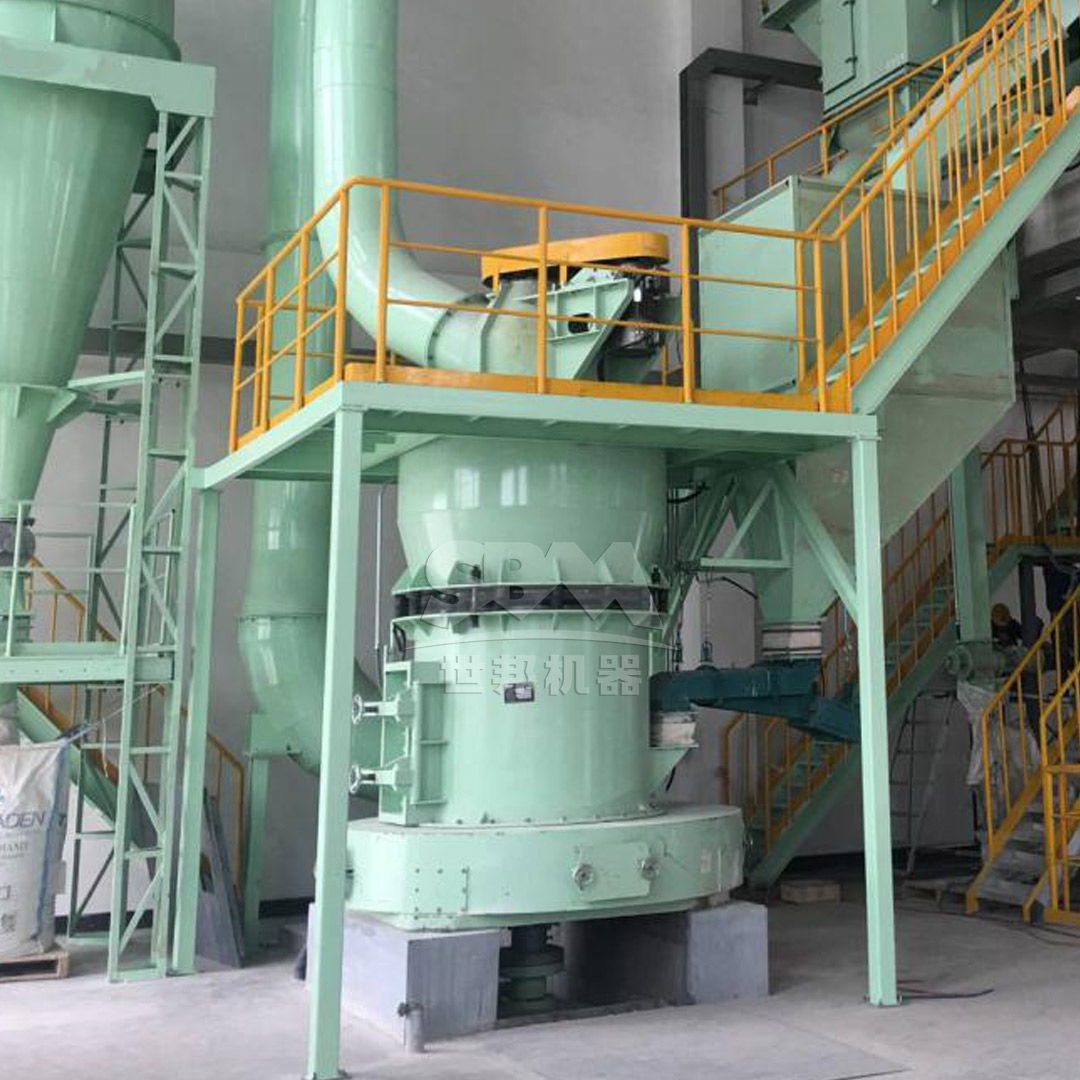
The processing line often involves multiple stages. Understanding the role of each equipment type is crucial.
Producing ultrafine gypsum powder for premium tile additives presents unique challenges: high energy consumption, heat generation, particle agglomeration, and the need for sharp particle size cuts. Traditional ball mills are inefficient at this range. The industry standard has shifted towards advanced vertical roller mills and ring roller mills designed specifically for ultrafine applications.
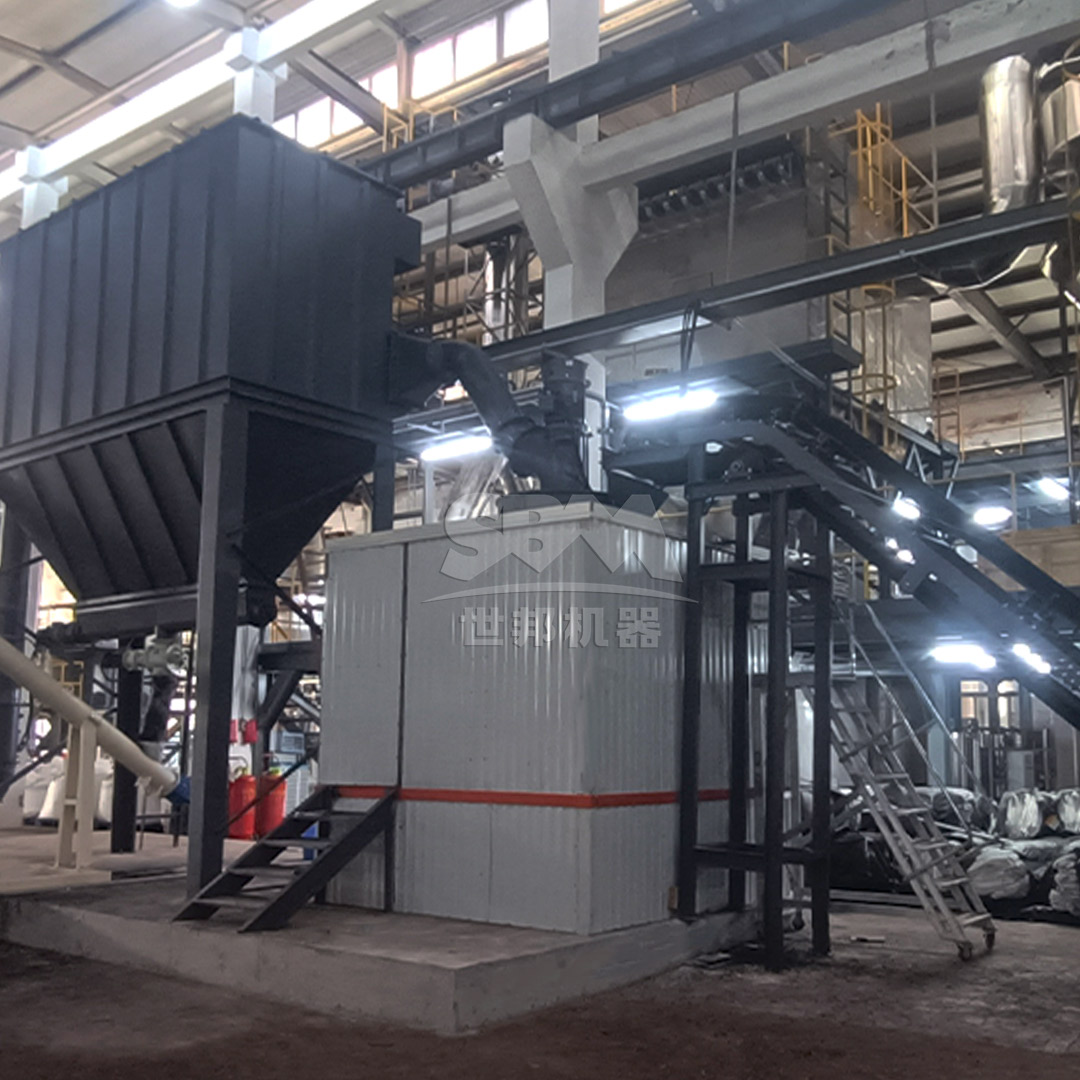
For manufacturers seeking to produce top-tier, ultra-fine gypsum additives that impart superior whiteness, smoothness, and chemical reactivity to decorative tiles, we highly recommend our SCM Series Ultrafine Mill. Engineered for precision, it addresses the core challenges of ultrafine processing.
For example, the SCM1000 model, with a capacity of 1.0-8.5t/h and the ability to produce powder from 325 to 2500 mesh, is an excellent fit for medium to large-scale tile additive production lines requiring high-quality ultrafine powder.
The mill’s purchase price is just one component. A holistic evaluation must include:
Create a side-by-side comparison of shortlisted models. For high-volume production where the feed size can be larger and the target fineness is in the medium-fine range (e.g., 30-325 mesh for standard fillers), our MTW Series European Trapezium Mill presents a robust solution.
| Feature | SCM Series Ultrafine Mill (e.g., SCM1000) | MTW Series Trapezium Mill (e.g., MTW138Z) |
|---|---|---|
| Best For | Ultra-fine functional additives (325-2500 mesh) | Medium-fine fillers & standard additives (30-325 mesh) |
| Typical Capacity | 1.0 – 8.5 t/h | 6 – 17 t/h |
| Key Advantage | Exceptional fineness control & product uniformity | High throughput & operational robustness |
| Selection Driver | Premium tile quality, surface finish requirements | High-volume production, cost-per-ton efficiency |
Choosing the best production equipment for decorative wall tile gypsum additives is a multi-dimensional decision that balances technical specifications, operational economics, and strategic product goals. By rigorously defining your requirements, understanding the capabilities of different mill technologies—from high-capacity trapezium mills to precision ultrafine mills—and evaluating the total cost of ownership, you can make an informed investment. This investment will not only ensure a reliable supply of high-quality additives but also become a cornerstone for producing superior decorative tiles that stand out in a competitive market. Partnering with a supplier that offers a range of proven technologies, from the high-precision SCM Series to the robust MTW Series, provides the flexibility to scale and adapt your additive production as your tile business evolves.