Selecting the appropriate grinding mill for producing 100 mesh (approximately 150 microns) gypsum powder is a critical decision that directly impacts production efficiency, product quality, and operational costs. Gypsum, a soft sulfate mineral, requires a mill that can handle its specific characteristics—moderate hardness, a tendency to agglomerate, and the need for precise particle size control. This guide will walk you through the key factors to consider and introduce you to some of the most effective milling solutions on the market.
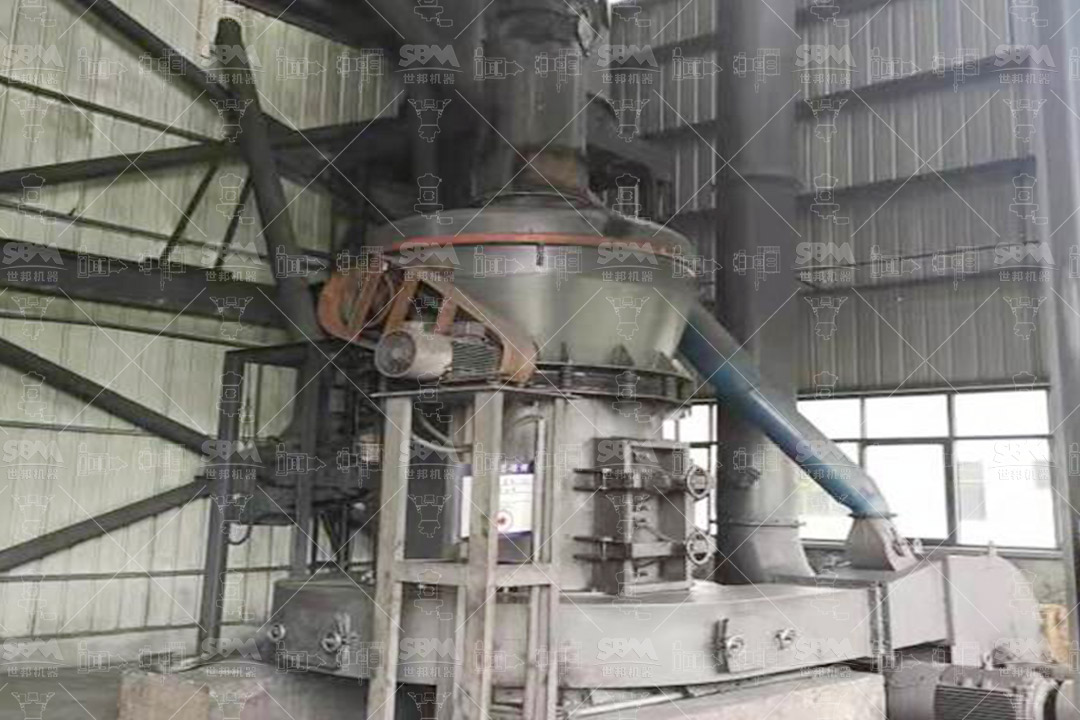
For 100 mesh gypsum, the target fineness is around 150 microns. However, a consistent particle size distribution (PSD) is equally important. A mill with a high-precision classification system is essential to prevent the presence of overly coarse or fine particles, which can affect the setting time and strength of the final gypsum product.
Your required hourly or annual output dictates the size and model of the mill. It’s crucial to choose equipment that can meet your peak demand without constant overloading, which leads to premature wear.
Grinding is an energy-intensive process. Mills with higher grinding efficiency and lower specific energy consumption (kWh/ton) significantly reduce long-term operating expenses. Consider the total cost of ownership, including power, maintenance, and wear parts.
The available space in your plant may limit your choices. Integrated mill systems that combine crushing, grinding, drying, and classifying in a single unit can save valuable floor space.
Gypsum feed often contains moisture. Some mills integrate hot air systems for simultaneous grinding and drying, simplifying the process flow. Ensure the mill you select can handle the moisture content of your raw material.
Modern mills must comply with strict dust emission and noise level standards. A fully sealed negative pressure system with an efficient pulse dust collector is non-negotiable for an environmentally friendly operation.
Several mill types can achieve the 100 mesh fineness. Here’s a comparative analysis:
| Mill Type | Typical Fineness Range | Suitability for 100 Mesh Gypsum | Key Considerations |
|---|---|---|---|
| Raymond Mill (MTW Series) | 30-325 mesh | Excellent | Ideal for medium-capacity, cost-effective production. Proven technology. |
| Vertical Roller Mill (LM Series) | 30-325 mesh (up to 600) | Excellent | High efficiency, low energy use, integrated drying. Best for medium to large capacity. |
| Ultrafine Mill (SCM Series) | 325-2500 mesh | Over-specified | Designed for much finer powders. Higher investment and energy use for 100 mesh. |
| Ball Mill | 0.074-0.8mm (~20-200 mesh) | Good | Versatile but less energy-efficient. Higher noise and wear rates. |
| Hammer Mill | 0-3mm (> 60 mesh) | Limited | Good for primary crushing but lacks precision for consistent 100 mesh product. |
Based on the technical requirements for efficient and reliable 100 mesh gypsum production, two of our flagship series stand out as optimal choices.
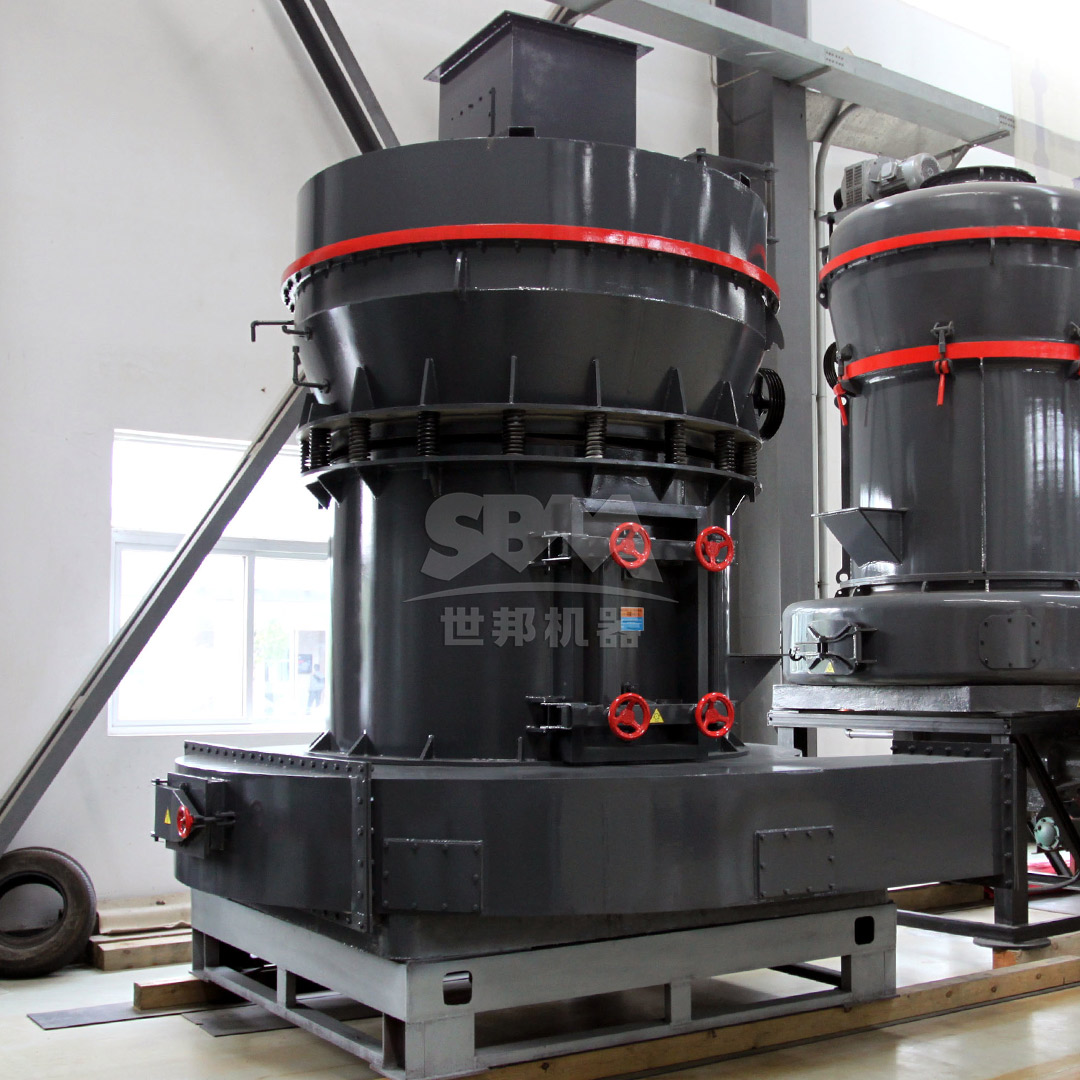
For most gypsum powder producers targeting 100 mesh, the MTW Series European Trapezium Mill represents the ideal balance of performance, reliability, and cost. Its design is specifically optimized for the fineness range of 30-325 mesh, placing 100 mesh production squarely in its sweet spot.
Why it’s perfect for 100 mesh gypsum:
| Recommended Model | Capacity (for gypsum) | Main Motor Power | Output Fineness |
|---|---|---|---|
| MTW138Z | 6 – 17 t/h | 90 kW | 10 – 325 mesh |
| MTW175G | 9.5 – 25 t/h | 160 kW | 10 – 325 mesh |
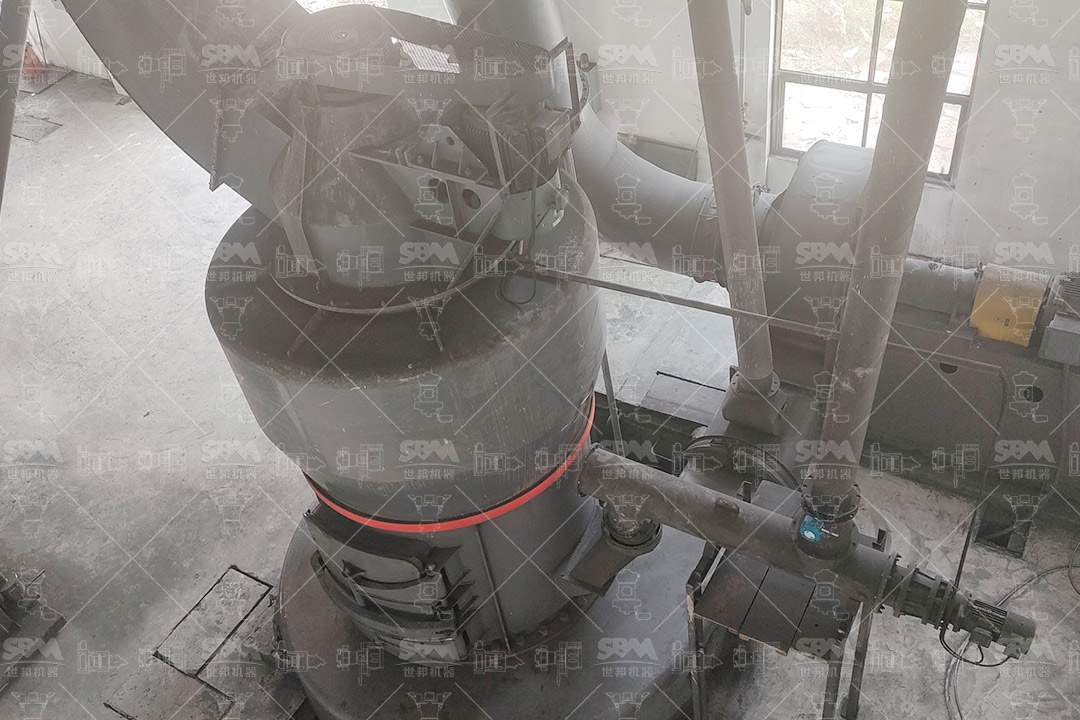
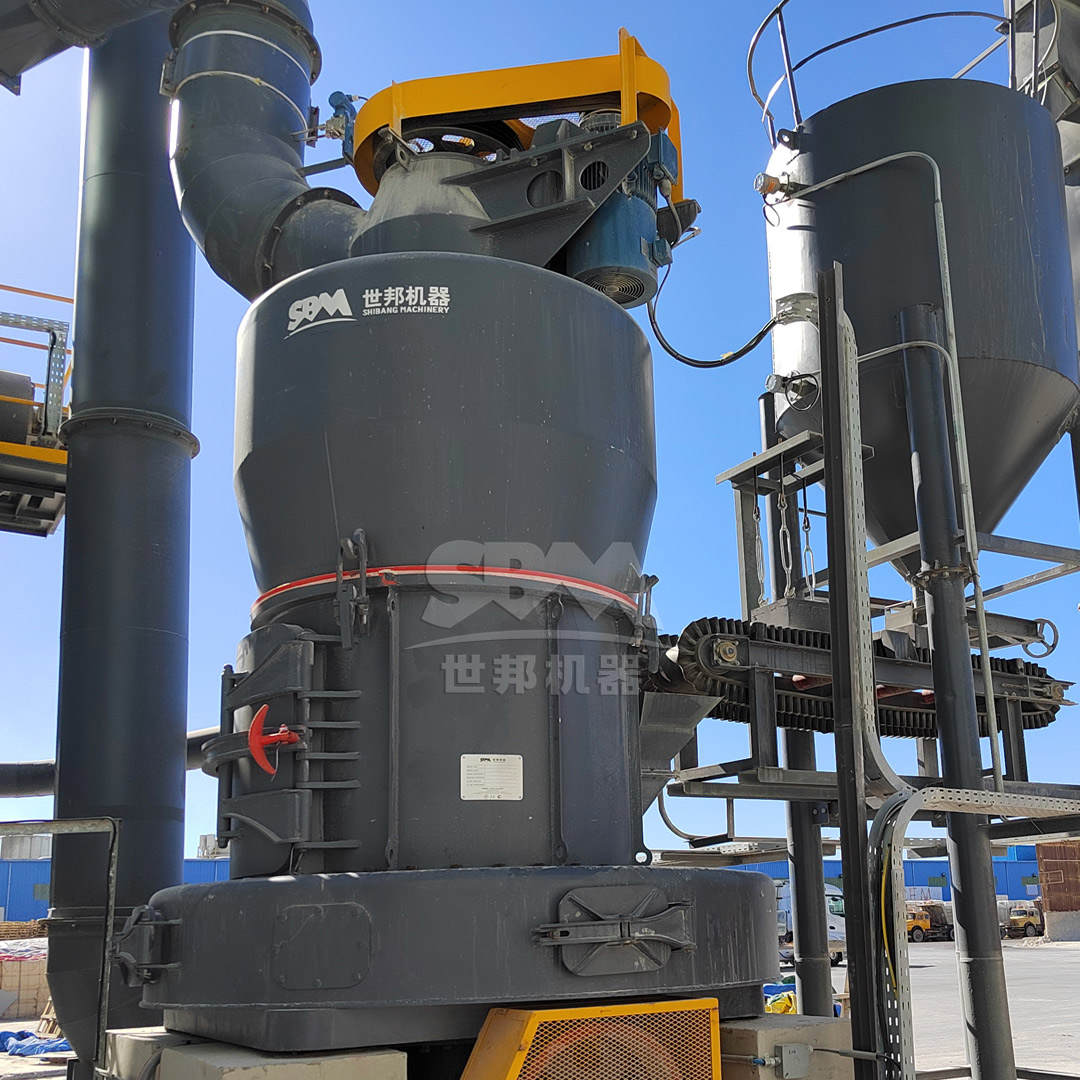
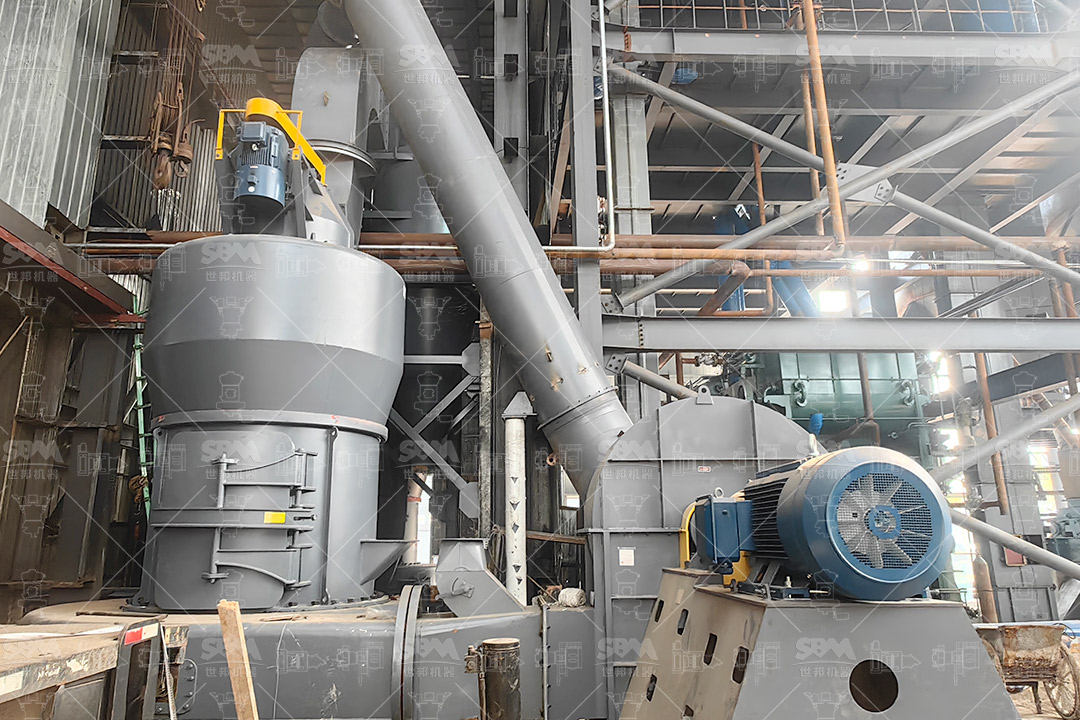
For large-scale gypsum powder production plants where capacity, energy savings, and space efficiency are paramount, the LM Series Vertical Roller Mill is the superior choice. It integrates grinding, drying, classifying, and conveying into one compact unit.
Why it’s excellent for large-scale 100 mesh production:
Choosing the right mill for 100 mesh gypsum powder hinges on carefully evaluating your specific capacity needs, budget, and plant constraints.
Investing in the correct grinding technology from the start ensures not only the quality of your gypsum powder but also the long-term profitability and sustainability of your operation. We recommend consulting with our technical engineers to analyze your raw material and production goals for a tailored equipment selection.