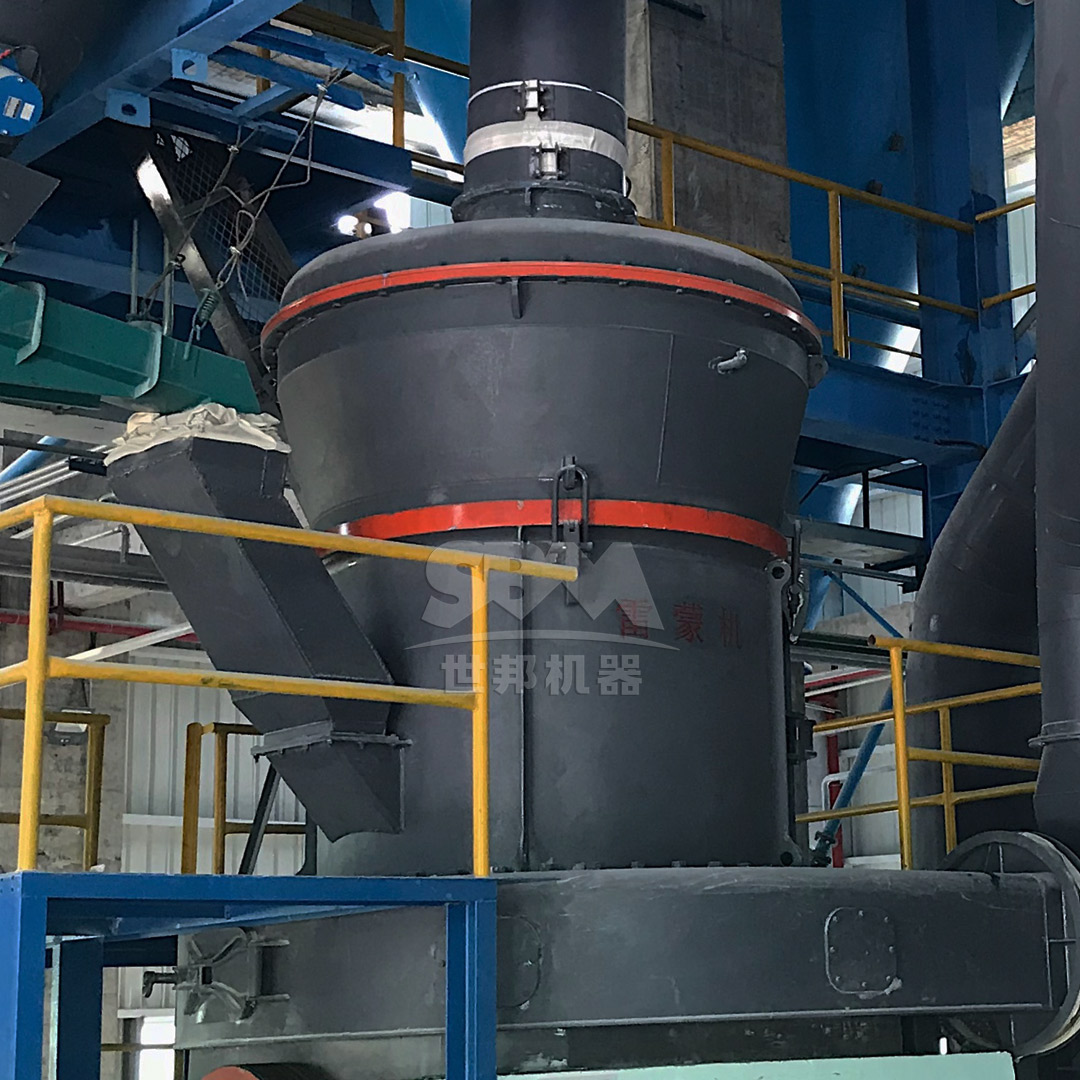
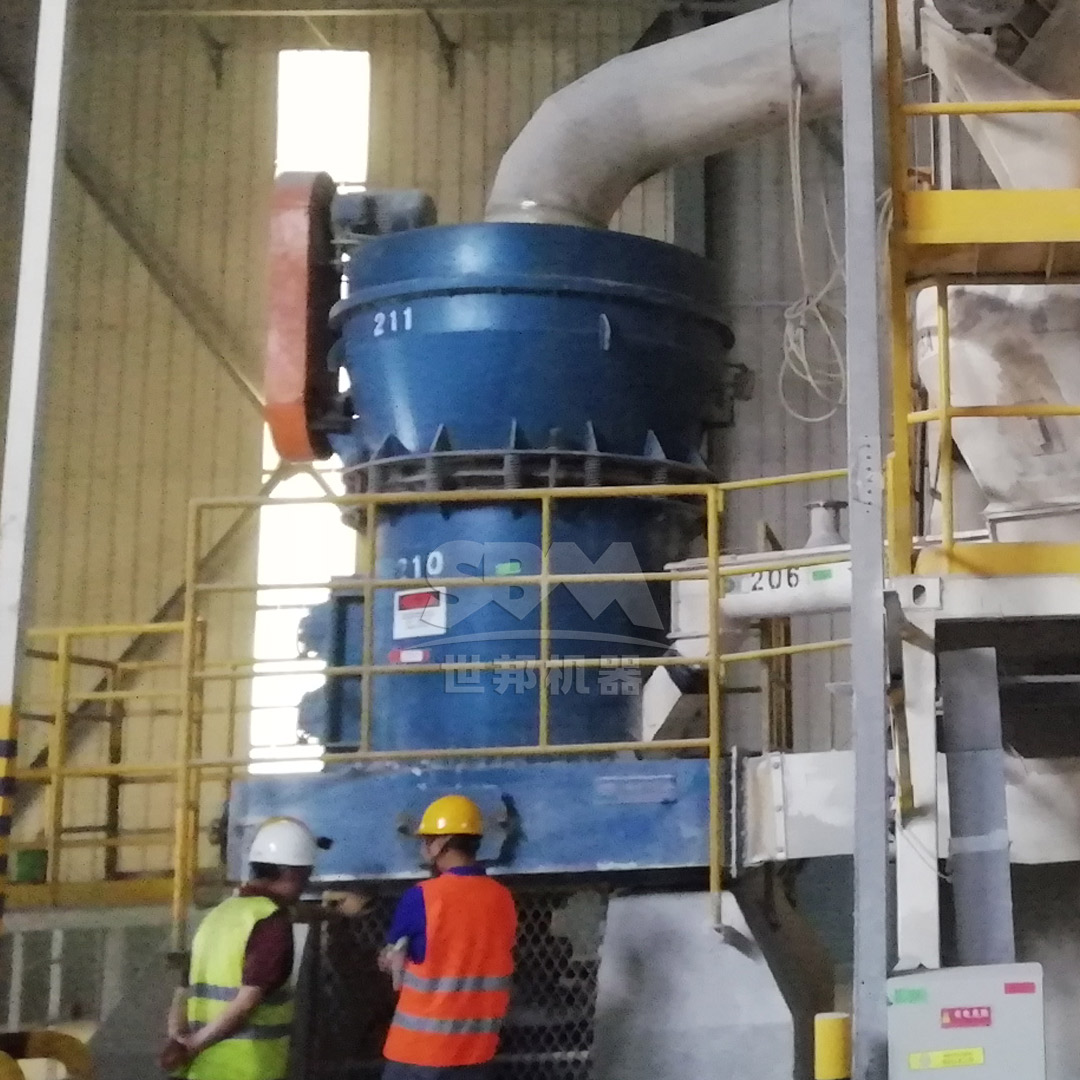
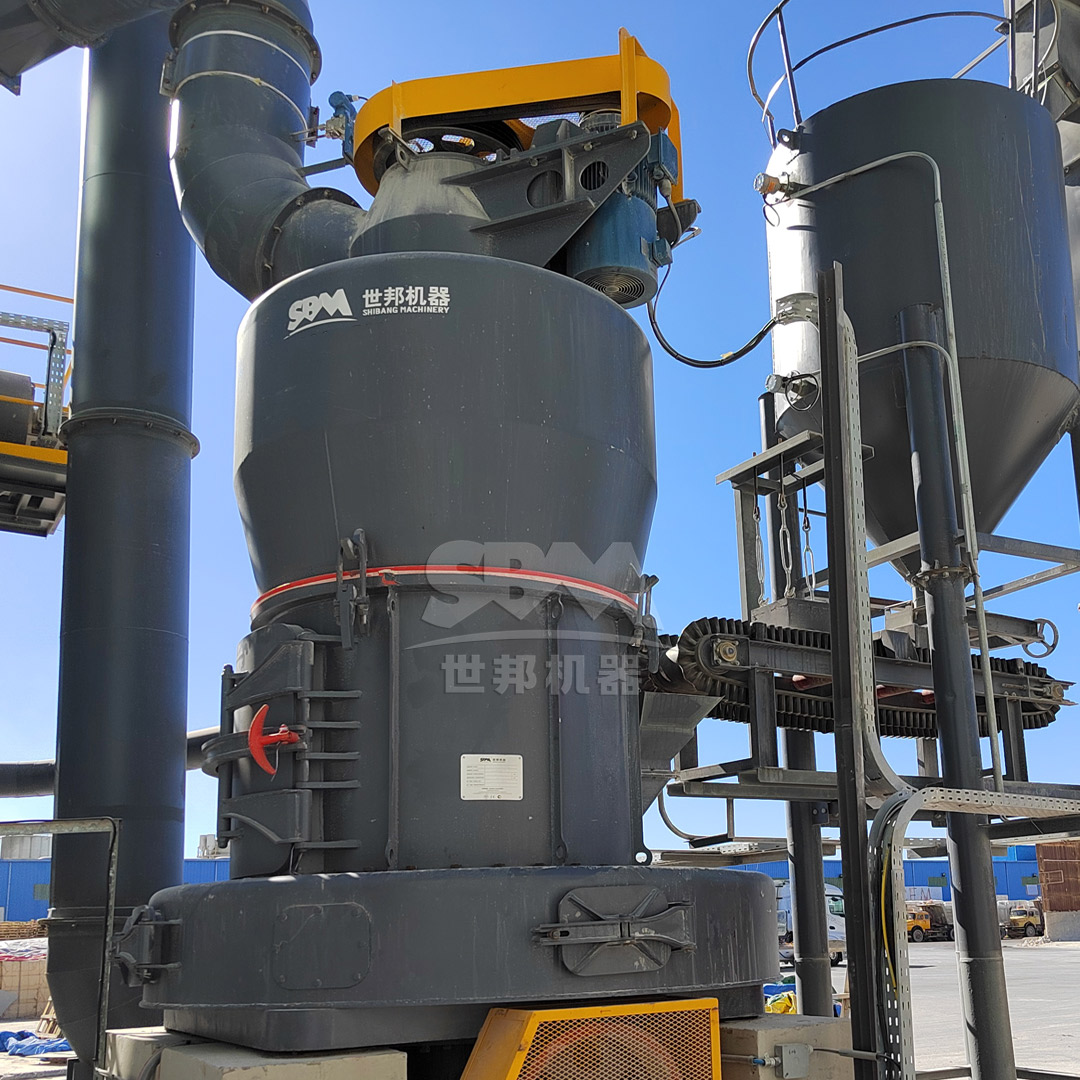
The alumina industry is a cornerstone of modern manufacturing, supplying the essential raw material for aluminum production, ceramics, abrasives, and advanced technical applications. The efficiency, product quality, and profitability of an alumina plant are intrinsically linked to the performance of its core processing equipment. Selecting the right machinery is not merely a procurement decision; it’s a strategic investment in the plant’s long-term operational success. This comprehensive guide will navigate you through the critical factors to consider when choosing alumina processing equipment, with a focus on grinding and milling technologies, and highlight how our advanced solutions can optimize your production line.
Choosing the ideal equipment requires a holistic analysis of your specific operational parameters and business goals. The following factors are paramount:
Your required throughput (tons per hour) must align with the equipment’s capacity range. Consider not only current needs but also future expansion plans. Modular or scalable mill designs offer greater long-term flexibility.
Grinding is often the most energy-intensive stage in mineral processing. Selecting energy-efficient technology can reduce power consumption by 30-50%, dramatically impacting the operational cost per ton. Evaluate the total cost of ownership, including power draw, wear part consumption, and maintenance labor.
Space constraints are a reality. Modern, integrated mill systems that combine crushing, grinding, drying, and classification in a single, compact footprint can save significant plant space and reduce civil engineering costs.
Dust control and noise levels are strictly regulated. Equipment should feature fully sealed negative-pressure operation and efficient pulse-jet dust collectors. Furthermore, intelligent control systems that allow for remote monitoring and automated operation enhance safety, consistency, and reduce manpower requirements.
Different milling principles offer distinct advantages for various stages of alumina processing.
| Technology | Typical Output Range | Best Suited For | Key Advantages | Considerations |
|---|---|---|---|---|
| Ball Mill / Rod Mill | 0.074 – 0.8mm | Primary/Secondary grinding, wet or dry processing. | Proven technology, high capacity, reliable. | High energy consumption, limited fineness control, significant wear. |
| Vertical Roller Mill (VRM) | 30-600 mesh (45μm-5μm) | Mainstream grinding of calcined alumina to medium fineness with integrated drying. | Excellent energy efficiency, integrated drying, compact footprint, low noise. | Higher initial investment, requires consistent feed quality. |
| European Trapezium Mill | 30-325 mesh (600-45μm) | Efficient grinding to fine powders for ceramics and refractories. | High transmission efficiency, durable wear parts, stable operation. | Generally for dry grinding, may require pre-crushing. |
| Ultrafine Grinding Mill | 325-2500 mesh (45-5μm) | Producing high-value ultrafine and high-purity alumina. | Exceptional fineness control, high classification precision, eco-friendly. | For final precision grinding stage, lower single-unit capacity vs. VRM. |
Based on the diverse needs of the alumina industry, we offer targeted solutions that excel in performance, reliability, and efficiency.
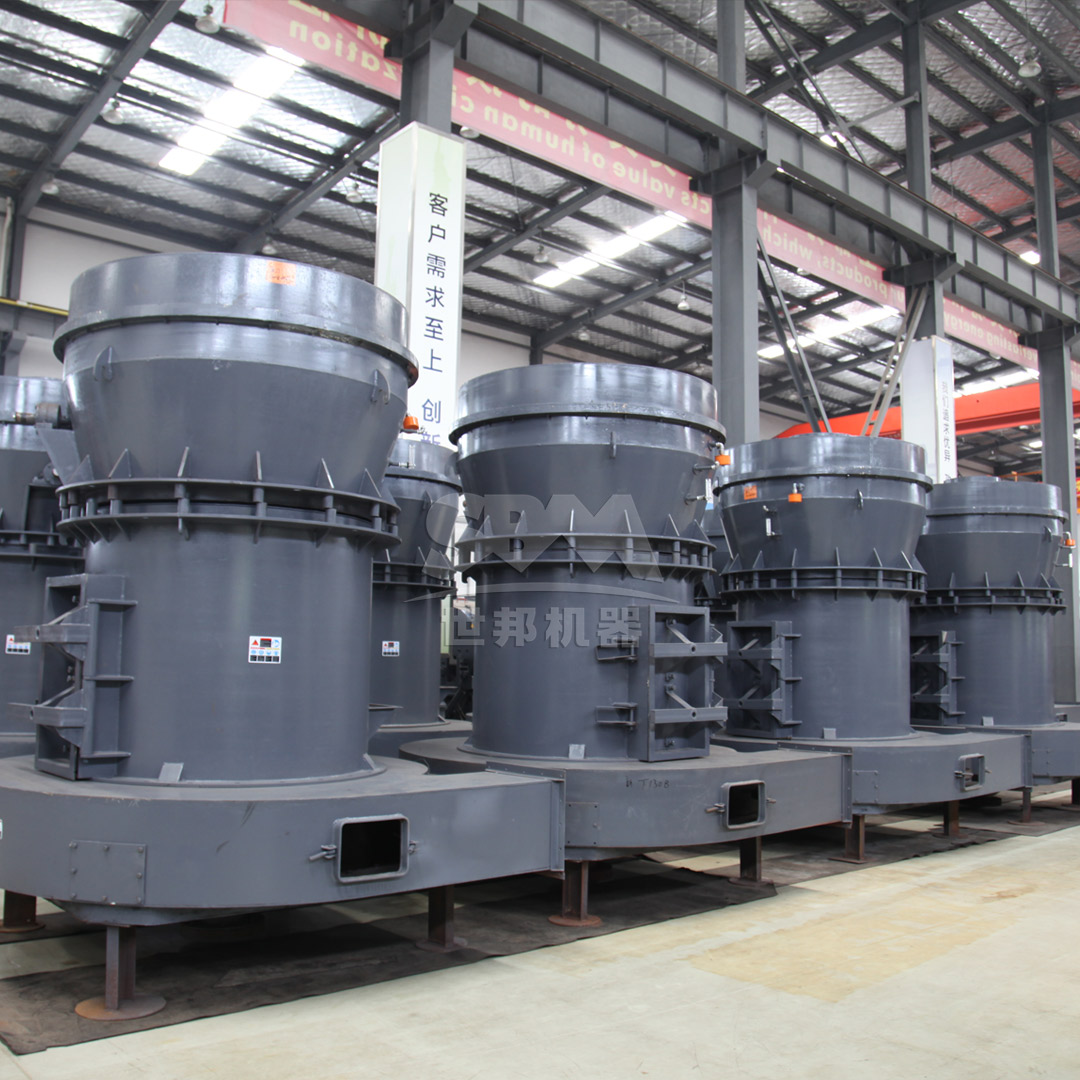
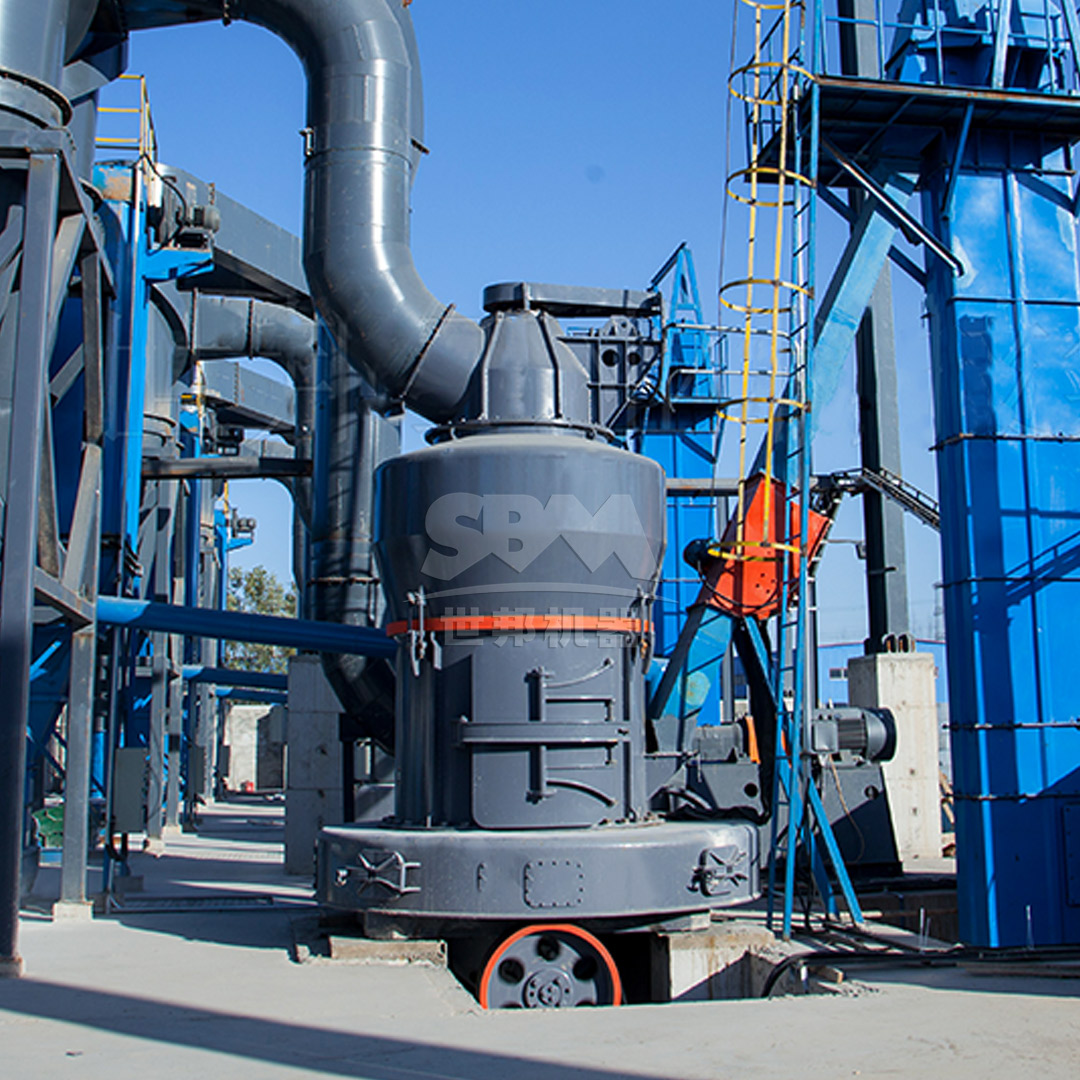
When your plant requires reliable, high-volume production of fine alumina powders in the 30-325 mesh range, the MTW Series European Trapezium Mill stands out. Engineered for durability and efficiency, it addresses the abrasive nature of alumina head-on.
Its anti-wear shovel design and curved grinding rollers are specifically built to extend service life in abrasive applications, directly reducing your maintenance costs. The integral bevel gear drive achieves a remarkable 98% transmission efficiency, ensuring the motor’s power is used for grinding, not lost in mechanical losses. This translates to significant energy savings compared to traditional mills.
Furthermore, the optimized arc air duct and wear-resistant volute structure ensure smooth airflow and high classification efficiency, yielding a consistent product. For plants looking to upgrade their fine grinding circuit with a robust and efficient workhorse, the MTW series, particularly the high-capacity MTW215G model (15-45 t/h), is an exemplary choice.
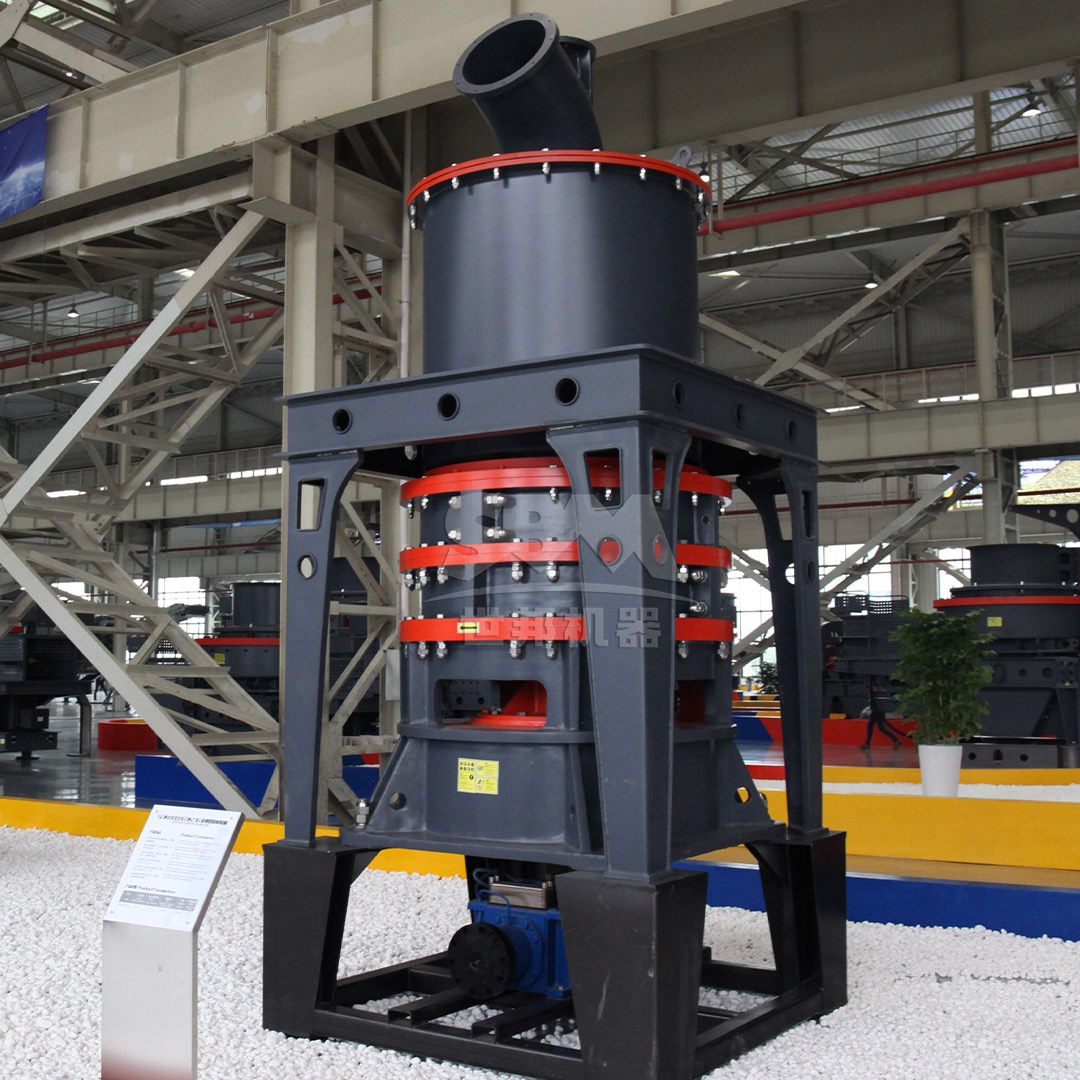
For producers targeting the high-value markets of advanced ceramics, electronics, or polishing compounds, achieving and controlling ultrafine fineness (325-2500 mesh) is critical. The SCM Series Ultrafine Mill is our flagship technology for this demanding application.
Its core strength lies in the high-precision vertical turbine classifier, which ensures sharp particle size cuts and eliminates coarse powder contamination. This guarantees a uniform, high-quality product batch after batch. Despite its precision, it doesn’t sacrifice efficiency; the SCM mill offers twice the capacity of a jet mill while consuming 30% less energy.
Constructed with special material rollers and rings and featuring a shaftless screw grinding chamber, it is built for stable, long-term operation with minimal wear. The fully sealed system coupled with a high-efficiency pulse dust collector ensures a clean working environment and emissions that exceed international standards. For your ultrafine alumina production, the SCM1680 model (5-25 t/h) provides the perfect blend of precision, capacity, and operational economy.
The journey to selecting the right alumina processing equipment is a detailed technical and economic evaluation. By thoroughly understanding your material properties, target product specifications, capacity needs, and operational constraints, you can identify the technology that delivers optimal performance. Moving from traditional, high-consumption ball mills to modern, integrated systems like Vertical Roller Mills, European Trapezium Mills, or Ultrafine Grinding Mills represents a strategic leap towards lower operating costs, higher product quality, and enhanced environmental stewardship.
Our MTW Series and SCM Series mills are engineered to meet the specific challenges of the alumina industry. We encourage you to contact our technical team for a detailed consultation. By analyzing your specific samples and production goals, we can help you configure the ideal equipment solution to maximize the productivity and profitability of your plant for years to come.