Selecting the optimal grinding mill for bauxite processing is a critical decision that directly impacts plant efficiency, product quality, and overall operational profitability. Bauxite, as the primary ore of aluminum, presents unique grinding challenges due to variations in hardness, moisture content, and the required fineness for the Bayer process. The ideal mill must deliver the target particle size distribution reliably, handle the abrasive nature of the material, and do so with minimal energy consumption and maintenance downtime. This guide provides a comprehensive framework for evaluating and selecting the most suitable bauxite grinding mill, ensuring your investment aligns perfectly with your plant’s specific requirements.
The selection process must be rooted in a thorough analysis of both the material characteristics and the plant’s operational goals. Overlooking any single factor can lead to suboptimal performance and increased costs.
Your plant’s throughput (tons per hour) must be matched by the mill’s capacity. It’s advisable to select a mill that can operate efficiently at 70-85% of its maximum rated capacity, allowing headroom for peak production and future expansion.
Grinding is notoriously energy-intensive. Comparing the specific energy consumption (kWh/ton) of different mill technologies for your target fineness is essential for long-term operational cost control.
Consider the total cost of ownership, including the wear rate of grinding elements (rollers, rings, balls, liners), frequency of maintenance, ease of part replacement, and required manpower.
The mill’s footprint, height, and foundation requirements must fit within your plant layout. Integrated systems that combine grinding, drying, and classifying can save significant space.
Dust control and noise levels are paramount. Modern mills should feature integrated, high-efficiency dust collection systems and soundproofing to meet stringent environmental standards.
| Selection Factor | Key Questions to Ask | Impact on Choice |
|---|---|---|
| Product Fineness | What is the target P80 (80% passing size)? Is a narrow particle size distribution required? | Determines mill type (e.g., ball mill for coarse, vertical mill for medium, ultrafine mill for fine). |
| Capacity | What is the required steady-state throughput? Are there plans for future expansion? | Dictates the model size and power rating. May favor modular or scalable designs. |
| Operating Cost | What is the local cost of power? What is the expected wear part lifetime? | Favors high-efficiency, low-wear technologies like vertical roller mills for medium-fine grinding. |
| Moisture | Can the feed material be pre-dried? Is the mill required to handle moist feed? | May necessitate a mill with hot air integration (e.g., LM Vertical Mill) or rule out certain technologies. |
Each grinding technology offers distinct advantages and is suited to specific ranges of fineness and capacity.
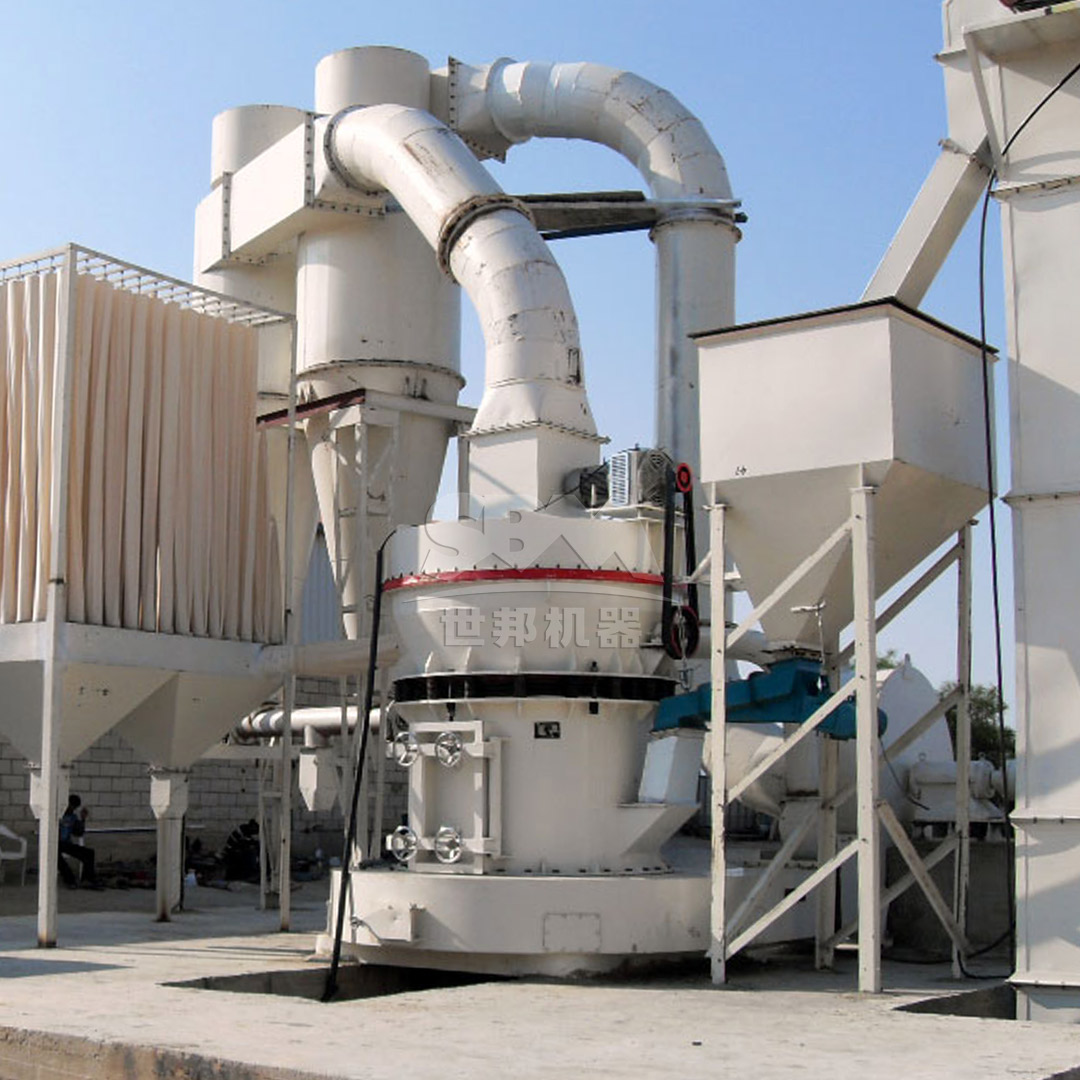
The traditional workhorse for mineral processing. Ball mills are robust and capable of producing a wide range of fineness, typically from 0.074mm to 0.8mm (200-20 mesh). They are well-suited for wet or dry grinding and are often used in closed circuit with classifiers. However, they have relatively high energy consumption and a large footprint.
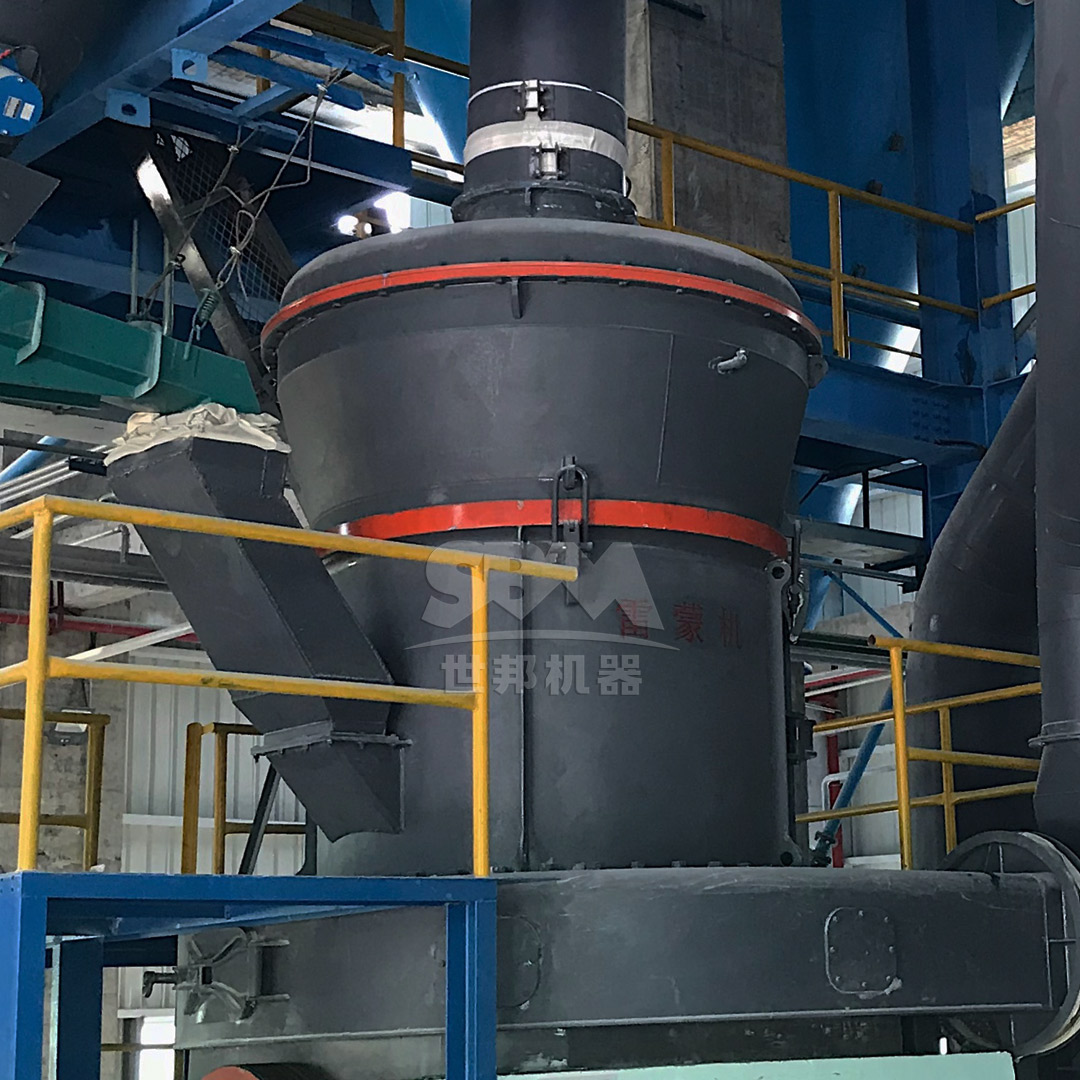
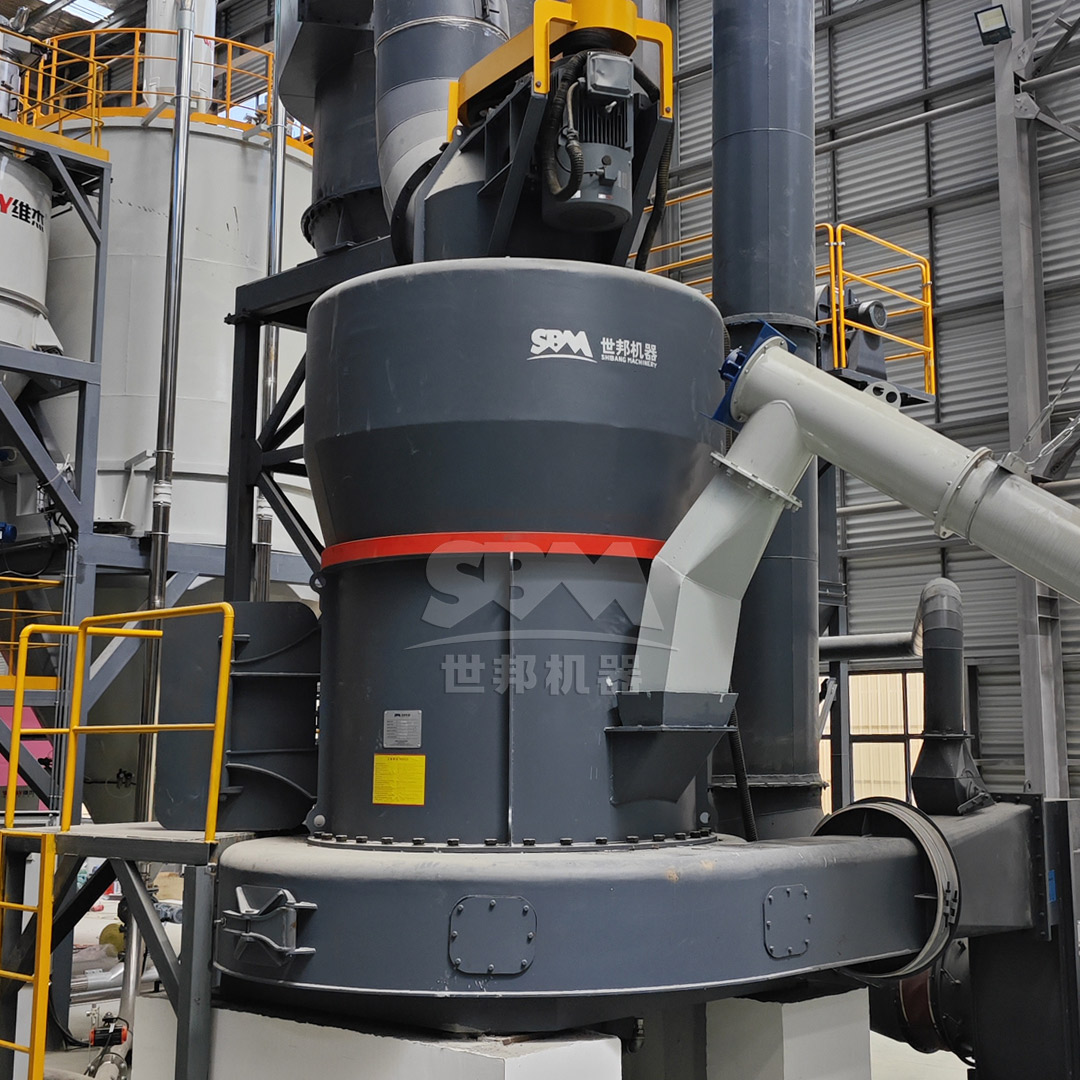
VRMs have become the industry standard for medium to fine grinding of bauxite (30-325 mesh). They combine grinding, drying (with hot gas), and classification in a single unit, offering significant space savings. Their grinding principle (bed compression) is more energy-efficient than the impact/attrition of ball mills, leading to 30-50% lower specific energy consumption. They also operate with lower noise and better dust control.
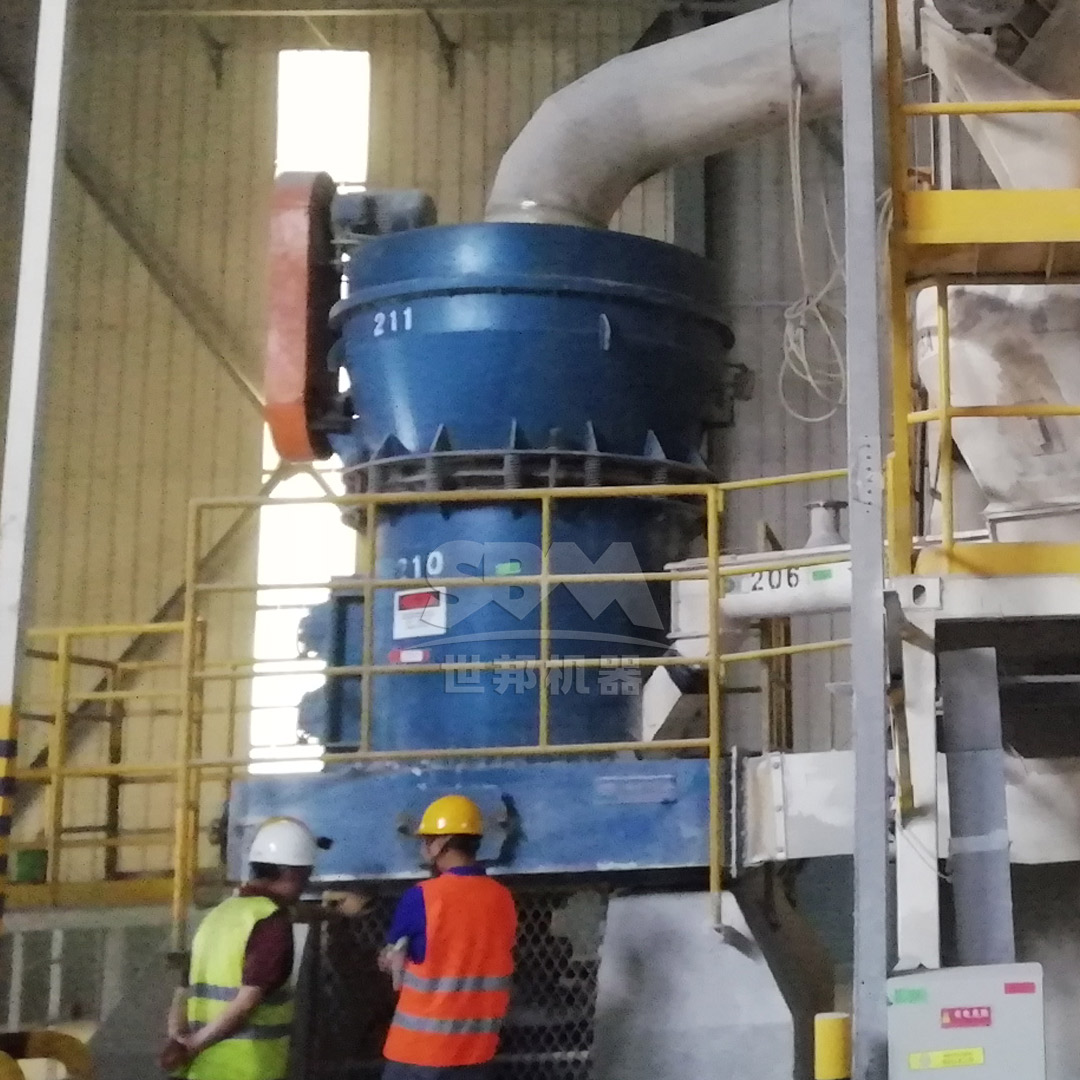
These medium-speed trapezium mills are excellent for producing powders in the 45-325 mesh range. They are known for their reliable performance, relatively low capital cost, and ease of maintenance. The MTW Series European Trapezium Mill is an advanced iteration featuring an integral bevel gear drive for higher transmission efficiency (up to 98%), an optimized arc air duct for reduced energy loss, and wear-resistant components like combined shovel blades. For a bauxite plant needing a reliable, efficient solution for producing 100-325 mesh product, the MTW series, with models like the MTW175G (9.5-25 t/h capacity), offers a compelling balance of performance and cost.
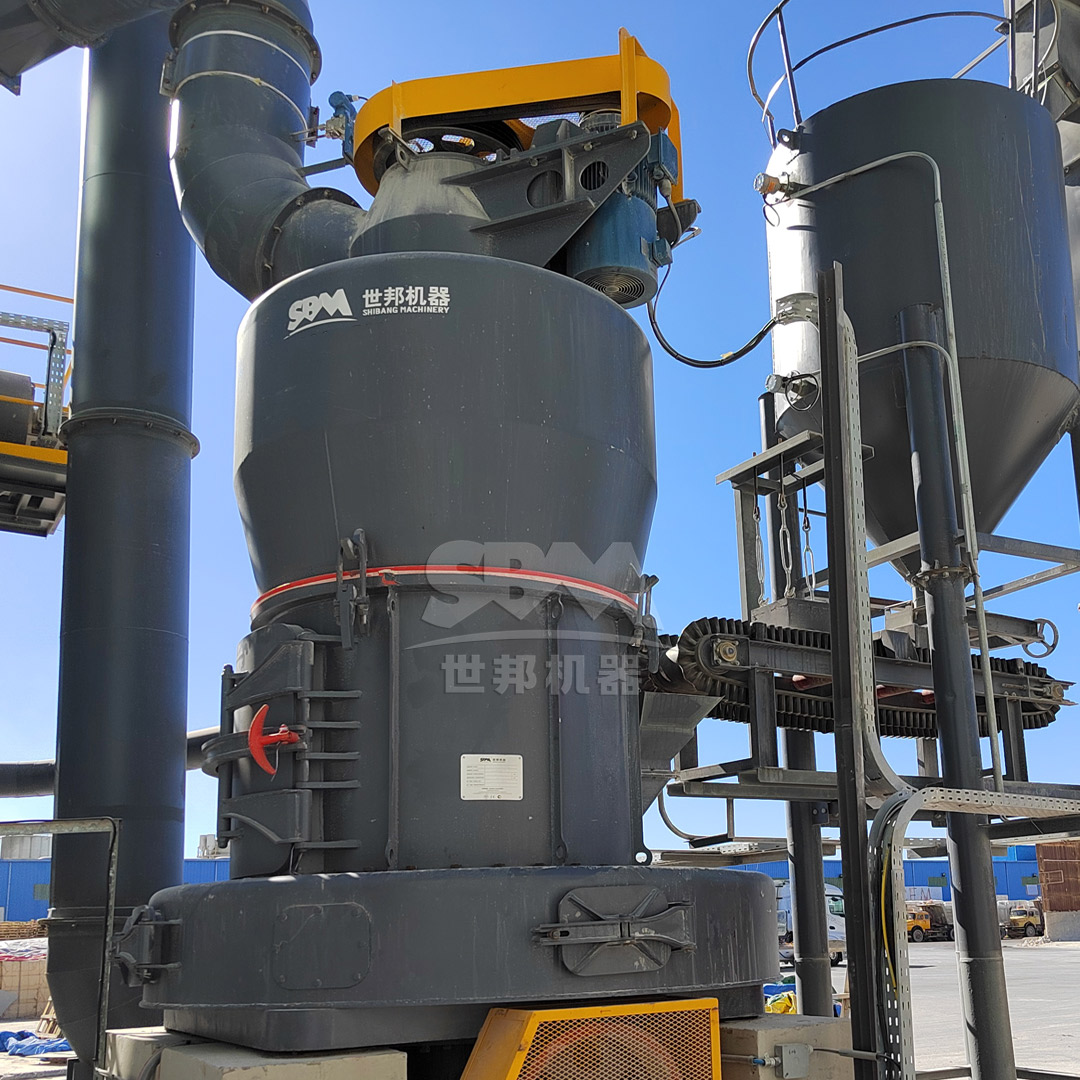
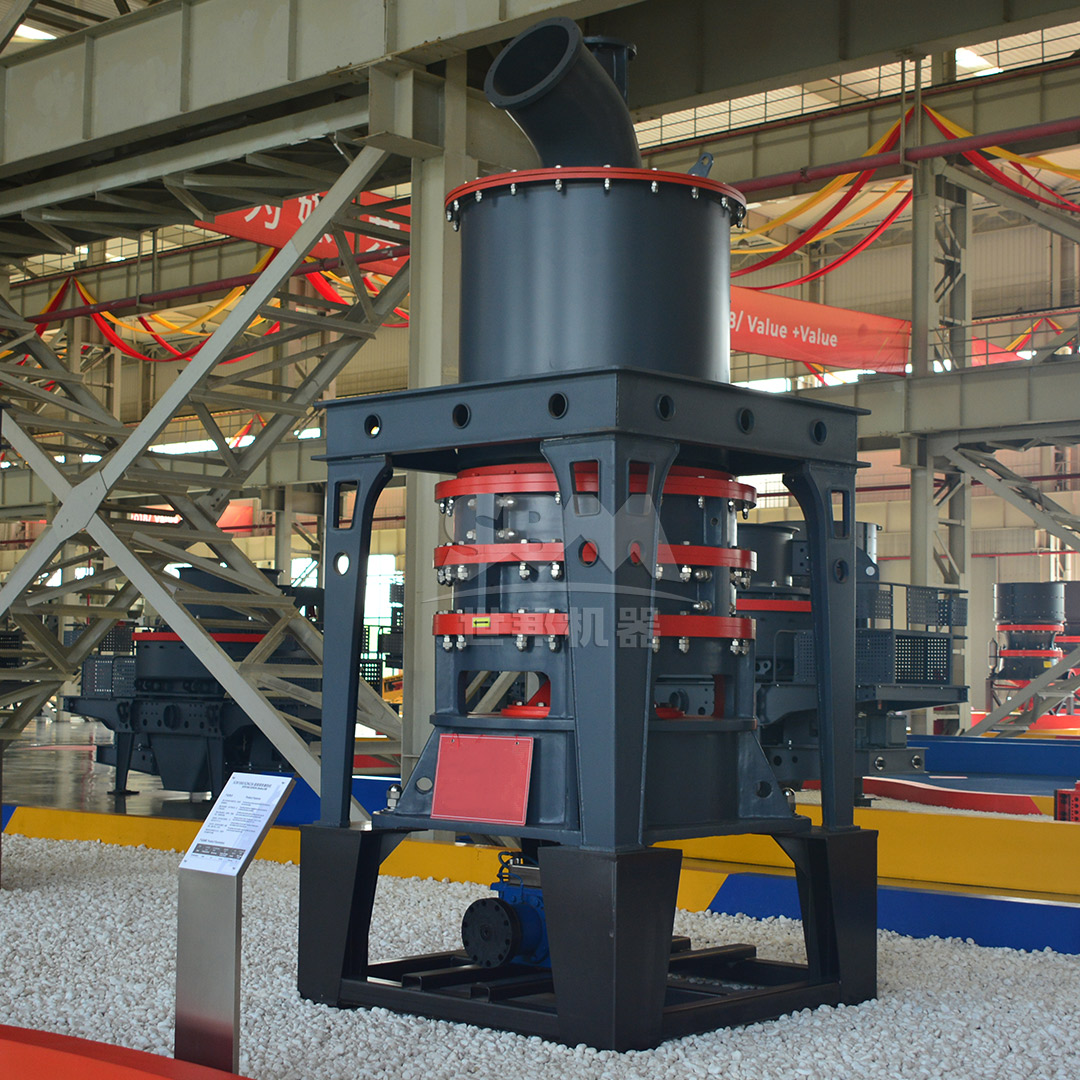
For applications requiring extremely fine bauxite powder (325-2500 mesh), perhaps for advanced materials or to maximize alumina extraction in certain processes, ultrafine mills are essential. The SCM Series Ultrafine Mill is a leading technology in this domain. It utilizes a three-layer grinding ring and roller system to achieve high-efficiency layer-by-layer grinding. Its high-precision vertical turbine classifier ensures a uniform product with no coarse powder mixing. With capacities ranging from 0.5 to 25 t/h and energy consumption reported to be 30% lower than jet mills, the SCM series, such as the SCM1250 model (2.5-14 t/h), provides an energy-conscious solution for high-value, superfine bauxite production.
Use the following step-by-step framework to narrow down your choices:
There is no universal \”best\” mill for bauxite; the optimal choice is the one that aligns precisely with your specific material properties, production targets, and economic constraints. For the majority of alumina refineries targeting the 100-325 mesh range, modern Vertical Roller Mills (LM Series) and advanced European Trapezium Mills (MTW Series) represent the pinnacle of efficiency and reliability. For operations pushing into the ultrafine frontier, the SCM Series Ultrafine Mill stands out as a specialized, high-performance solution. By methodically applying the factors and framework outlined in this guide, you can make a confident, data-driven investment that will form the reliable, productive heart of your bauxite processing plant for years to come.