Calcined Petroleum Coke (CPC) is a critical raw material for industries ranging from aluminum smelting (anode grade) to steelmaking and carbon products. Its processing, primarily involving size reduction and grinding to specific fineness, directly impacts product quality, production efficiency, and operational costs. Selecting the optimal processing equipment is therefore a strategic decision. This guide outlines the key factors to consider and provides insights into matching equipment capabilities with your specific CPC processing requirements.
The choice of equipment is not one-size-fits-all. It must be based on a thorough analysis of your production goals and material characteristics.
Define your required throughput (tons per hour). Equipment must be sized to meet peak demand efficiently without being grossly over-sized, which wastes energy and capital.
Grinding is energy-intensive. Specific energy consumption (kWh/ton) is a key metric. Modern, efficient mills can offer savings of 30-50% compared to older technologies like ball mills.
Consider the complete system: feeding, grinding, classifying, dust collection, and product conveying. Integrated systems with a small footprint reduce civil engineering costs.
Dust control is paramount. A closed-system, negative-pressure design with an efficient pulse-jet bag filter is essential to meet emission standards and ensure a clean working environment.
| Selection Factor | Key Questions | Impact on Choice |
|---|---|---|
| Fineness | What is the target mesh size? Is the distribution narrow or broad? | Dictates the need for advanced classifiers; rules out coarse-only mills. |
| Capacity | What is the required throughput (TPH)? Is operation batch or continuous? | Determines the physical size and power of the mill. |
| Operating Cost | What is the budget for power and maintenance? | Favors high-efficiency, low-wear designs over cheaper, less efficient options. |
| Space & Automation | Is space limited? Is automated control desired? | Favors vertical, integrated mills with PLC control systems. |
Different grinding principles yield different results. Here’s a comparison of technologies applicable to CPC processing.
Best for: Coarse to medium-fine grinding (30-325 mesh).
Typical CPC Use: Initial size reduction for anode-grade CPC or production of coarse filler.
Pros: Mature technology, reliable, lower initial cost for coarse grinding.
Cons: Limited fineness range, lower energy efficiency for fine grinding, higher wear for abrasive materials.
Best for: Medium to fine grinding (0.074-0.8mm / ~200-20 mesh), especially for wet grinding.
Typical CPC Use: Less common for dry CPC processing due to high energy consumption; sometimes used in specialized applications.
Pros: Versatile, can handle a wide range of materials, simple operation.
Cons: High energy consumption, significant heat generation, noisy, large footprint, product contamination from media wear.
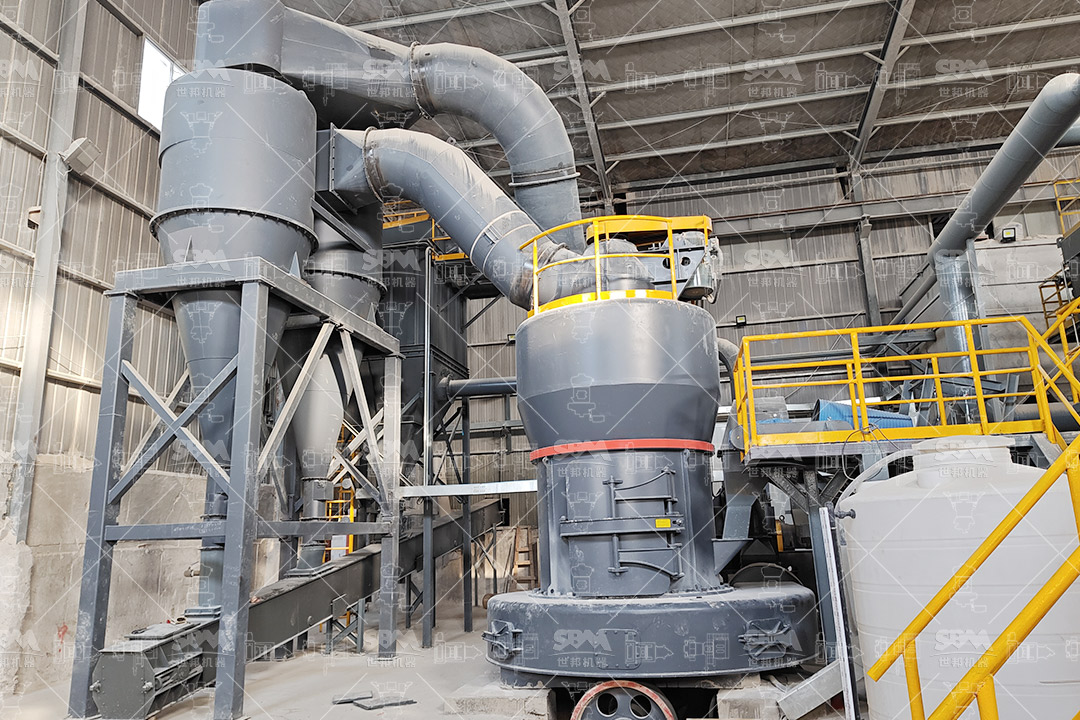
Best for: Medium to fine grinding (30-325 mesh) at medium to large capacities.
Typical CPC Use: High-volume production of anode-grade CPC. Can integrate drying if needed.
Pros: Excellent energy efficiency (30-40% less than ball mills), integrated drying/grinding/classification, low noise, compact footprint.
Cons: Higher initial investment, more complex maintenance for grinding elements.
Best for: Producing superfine (325-2500 mesh) and nano-grade powders.
Typical CPC Use: High-value conductive additives, specialty carbon products.
Pros: Capable of extreme fineness with narrow PSD, often highly automated.
Cons: Higher specific energy cost for ultrafine grinding, lower single-machine throughput compared to VRMs for coarser grades.
Based on the factors above, here are targeted equipment recommendations.
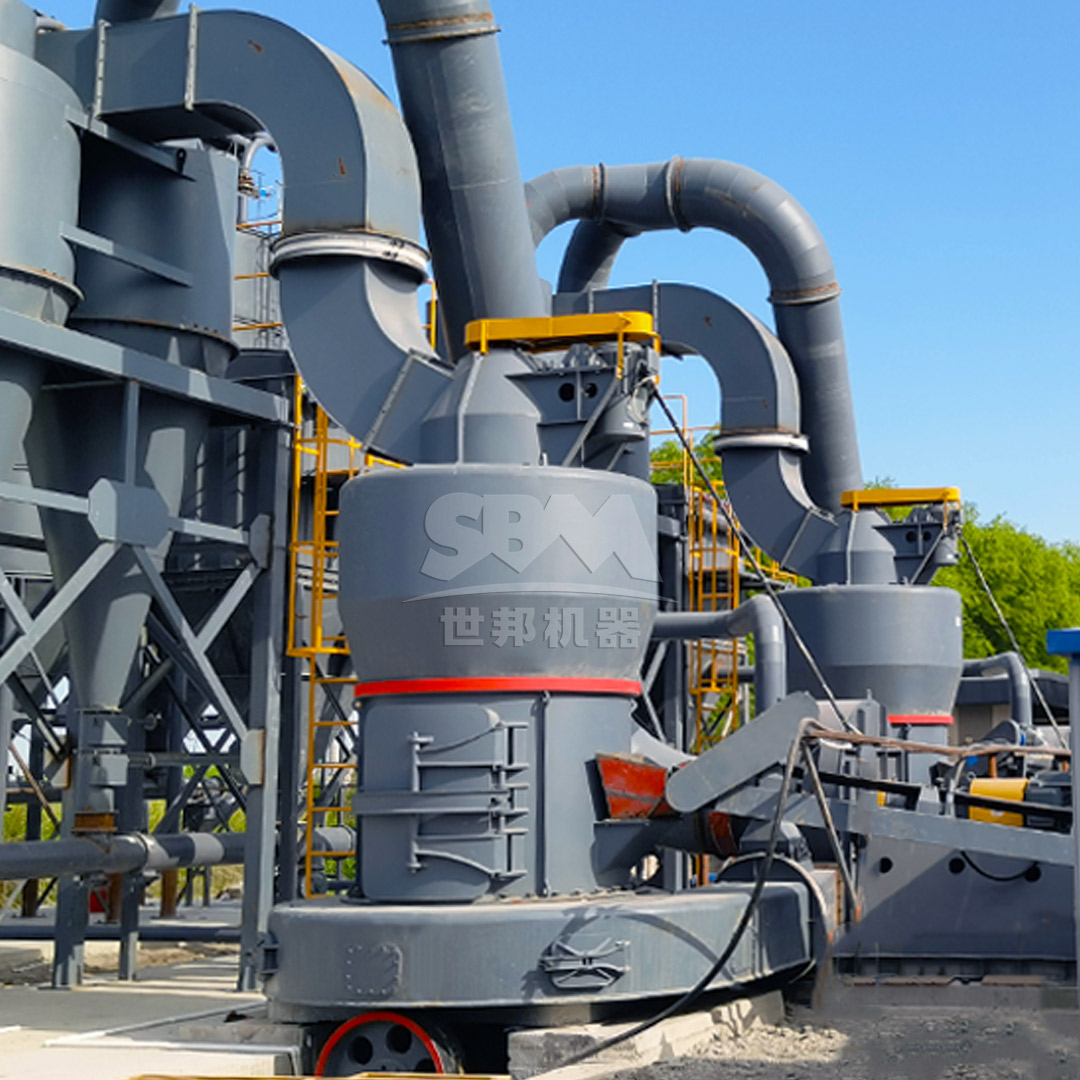
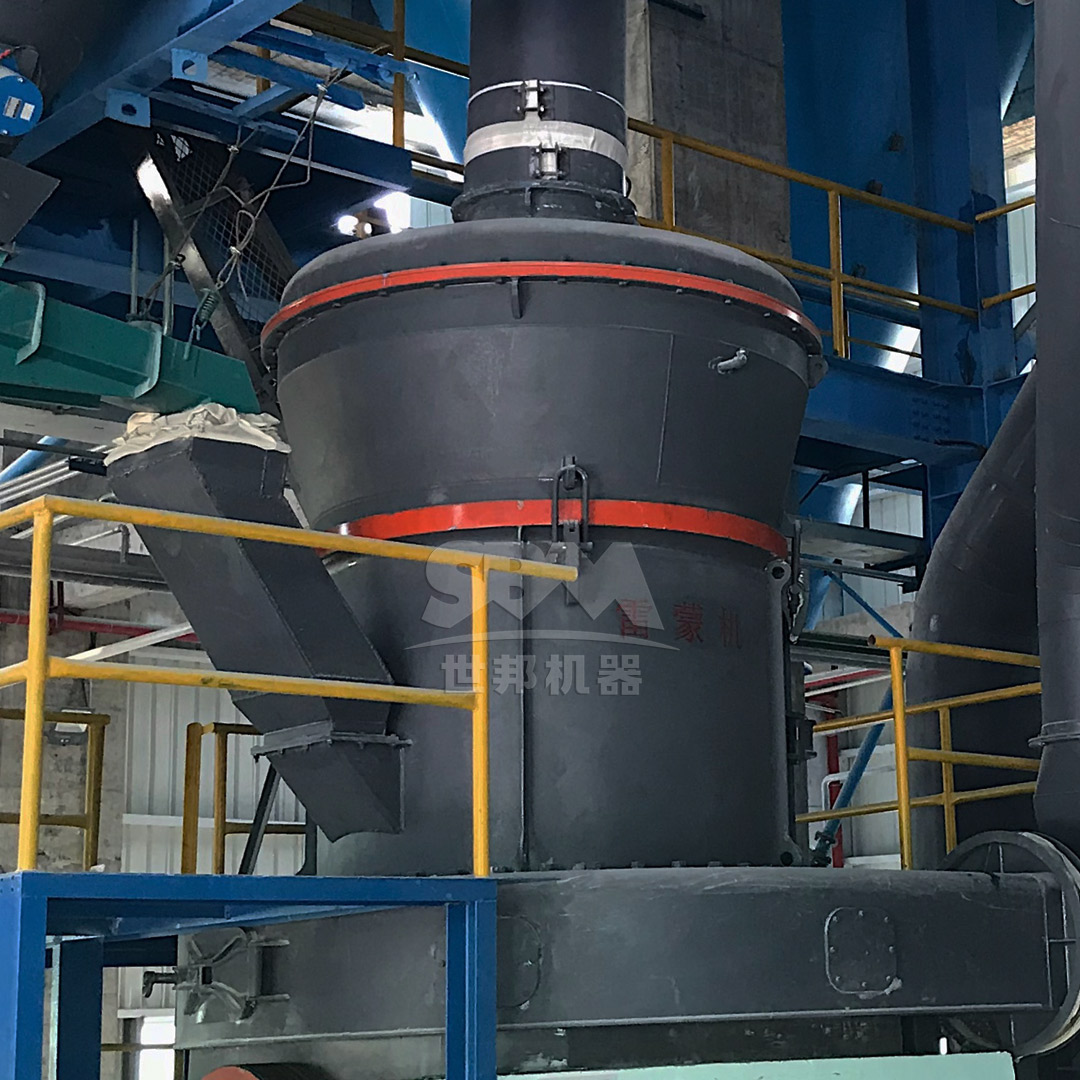
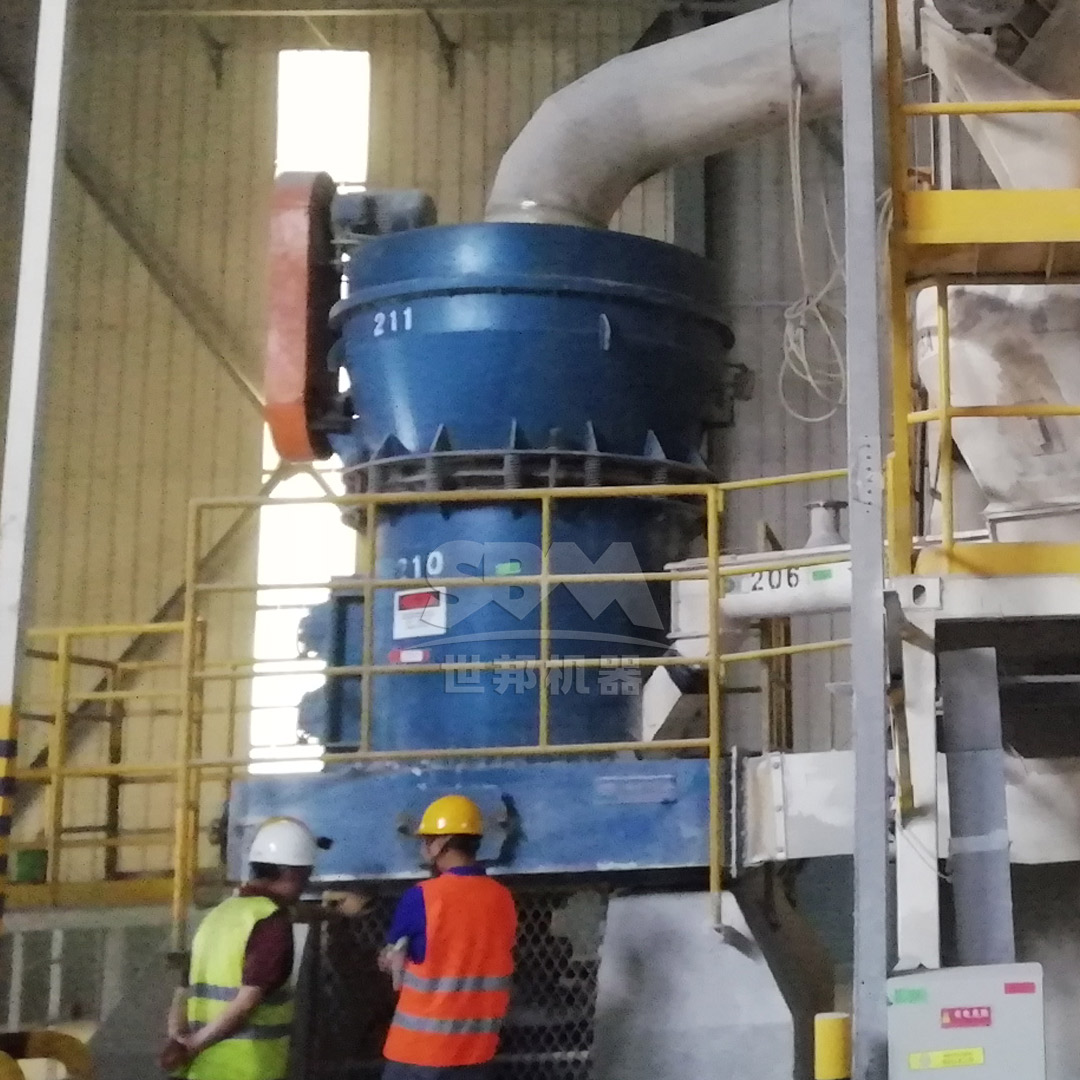
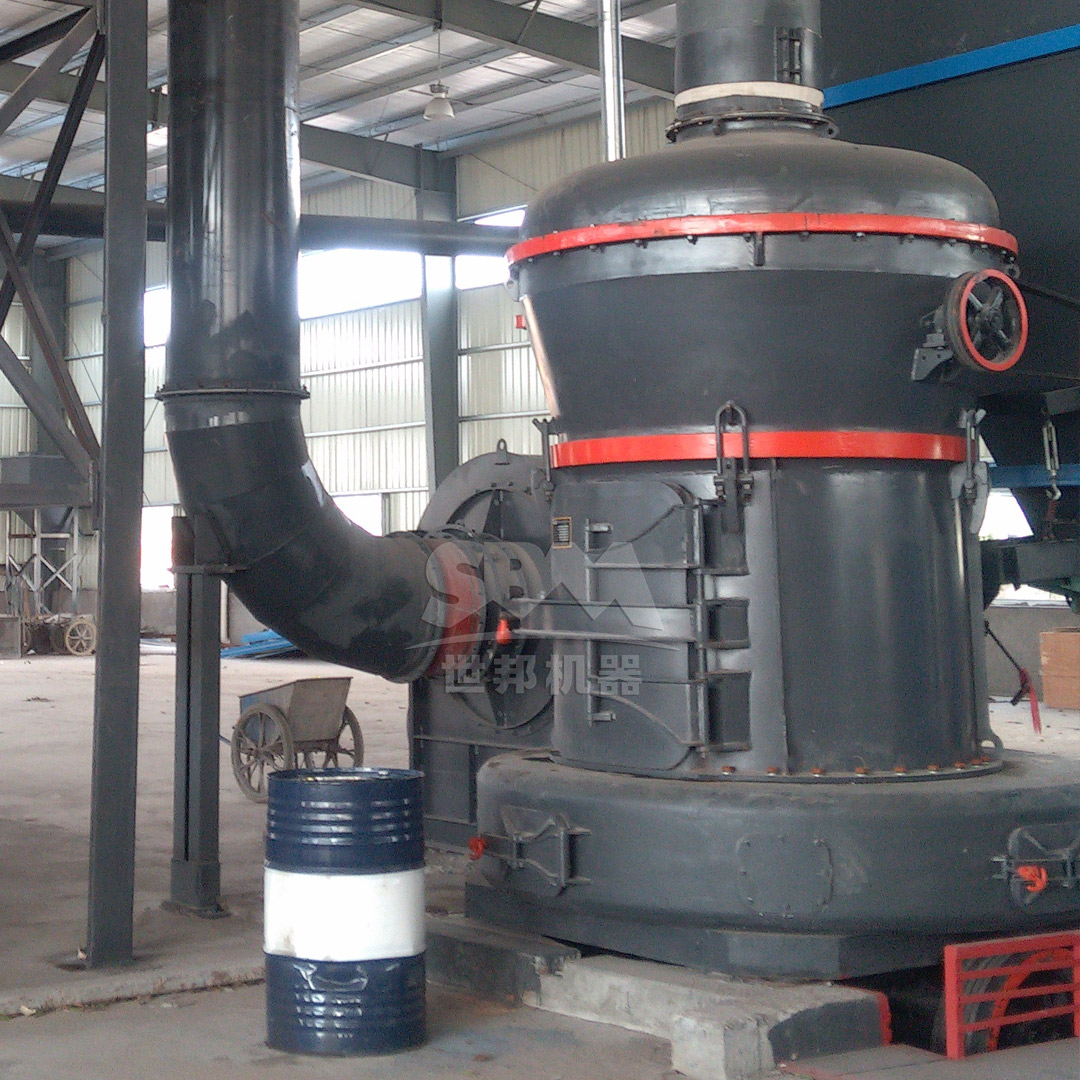
For aluminum smelters or large CPC processors, efficiency, reliability, and consistent quality are key. A Vertical Roller Mill (VRM) is often the optimal choice.
Why a VRM? Its bed-grinding principle is highly energy-efficient, and its integrated classifier ensures stable product fineness. The fully enclosed system minimizes dust emissions. For this application, we highly recommend our LM Series Vertical Roller Mill. Its integrated design reduces floor space by 50% and infrastructure costs by 40%. The non-contact design between rollers and table triples the life of wear parts, while its energy consumption is 30-40% lower than traditional ball mill systems. With an intelligent control system and negative pressure operation ensuring dust emissions meet the strictest standards, the LM series is built for large-scale, cost-effective, and clean production of anode-grade CPC.
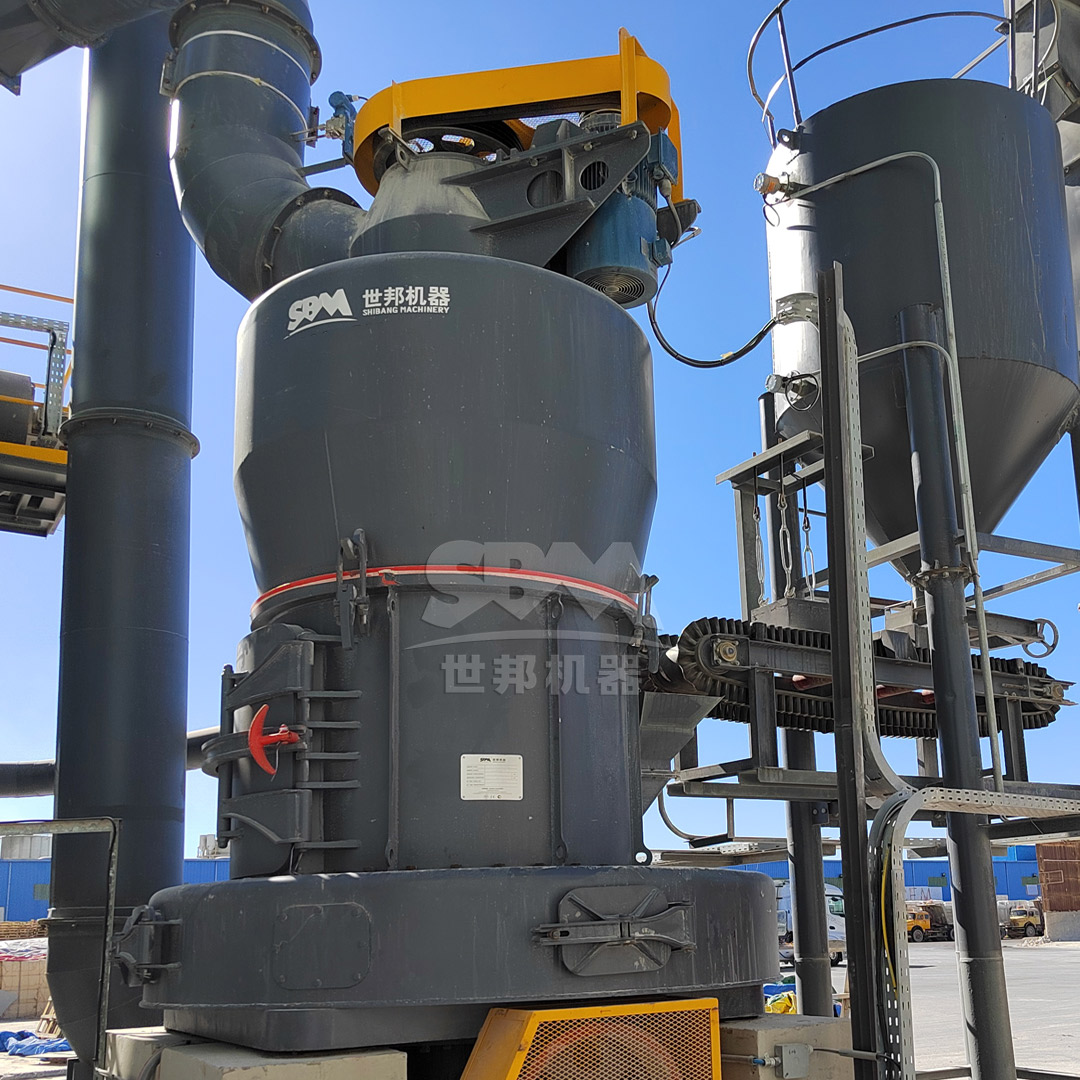
For lithium-ion battery anodes, coatings, or advanced composites, ultra-fine size and precise particle distribution are non-negotiable. An Ultrafine Grinding Mill with a high-precision classifier is essential.
Why an Ultrafine Mill? These mills combine intense grinding force with advanced classification technology to achieve and maintain target fineness without coarse particle contamination. For this demanding application, our SCM Series Ultrafine Mill is the ideal solution. It produces powder in the range of 325-2500 mesh (45-5μm) with exceptional uniformity, thanks to its vertical turbine classifier that ensures no coarse powder mixing. It offers high efficiency, with capacity twice that of jet mills and 30% lower energy consumption. The durable design features special material rollers and rings, and its eco-friendly pulse dust collection system exceeds international standards.
| Application & Target Fineness | Recommended Equipment | Primary Reasons | Our Suggested Model |
|---|---|---|---|
| Anode-Grade CPC (200-325 mesh), High Capacity | Vertical Roller Mill (VRM) | Energy efficiency, integrated system, stable quality, low OPEX | LM Series (e.g., LM190K) |
| Ultra-Fine Conductive CPC (500-2500 mesh) | Ultrafine Grinding Mill | Precise top-size control, narrow PSD, ability to reach superfine range | SCM Series (e.g., SCM1250) |
| Coarse Filler/Pre-Grinding (30-100 mesh) | European Trapezium Mill / Pendulum Mill | Cost-effectiveness, robustness, high capacity for coarse grinding | MTW Series / MRN Pendulum Mill |
Selecting the right Calcined Petroleum Coke processing equipment is a critical investment that hinges on a clear understanding of your product goals, material properties, and economic parameters. While traditional technologies like Raymond mills have their place, modern solutions like Vertical Roller Mills and Ultrafine Grinding Mills offer superior energy efficiency, product control, and environmental performance for most advanced CPC applications.
By carefully evaluating the factors outlined in this guide—from fineness and capacity to operating costs and footprint—you can make an informed decision that optimizes your production line for quality, profitability, and sustainability. Partnering with an equipment supplier that offers robust, technologically advanced, and well-supported solutions, such as our LM and SCM series mills, will provide a reliable foundation for your CPC processing operations for years to come.