The global demand for charcoal, driven by its applications in metallurgy, agriculture, water purification, and as a clean-burning fuel, continues to grow. Establishing an efficient and profitable charcoal production line hinges on one critical decision: selecting the right processing equipment. The choice directly impacts product quality, throughput, energy consumption, and overall operational costs. This guide provides a comprehensive framework for evaluating and selecting the optimal charcoal grinding and milling machinery to match your specific production goals.
Before diving into specific machine types, it is essential to define your production parameters. These factors will guide your selection process.
Charcoal applications require specific particle sizes. Coarse charcoal (10-30 mesh) is used for BBQ and filtration, medium fines (80-200 mesh) for soil amendment and chemical production, while ultra-fine powder (325-2500 mesh) is critical for high-value applications like electrode materials, cosmetics, and specialized industrial additives. Your target market dictates the necessary grinding fineness.
Capacity defines the scale of your operation. Are you running a small, batch-oriented workshop or a large-scale, continuous industrial plant? Your required hourly or daily output will eliminate equipment that is either underpowered or excessively large for your needs.
Consider the initial size, hardness, and moisture content of your charcoal feedstock. Equipment has maximum feed size limits and performs differently with hard versus soft charcoal or materials with varying moisture levels.
Grinding can be energy-intensive. Evaluating the power consumption (kW per ton of output) of different systems is crucial for long-term profitability. Also, consider the wear rate of grinding components and associated maintenance costs.
Modern facilities must control dust emissions and noise. Closed-system, negative-pressure mills with integrated dust collectors are preferable. Additionally, the physical footprint of the equipment and its supporting systems (like classifiers and collectors) must fit your available space.
Different grinding principles yield different results. Here’s a breakdown of common mill types used in charcoal processing.
| Equipment Type | Typical Output Range | Key Advantages | Ideal Application |
|---|---|---|---|
| Hammer Mill | 0 – 3 mm | High capacity, simple operation, good for initial size reduction. | Producing coarse charcoal for BBQ or as feed for finer mills. |
| Ball Mill | 0.074 – 0.8 mm (200-20 mesh) | Proven technology, wide application, suitable for wet or dry grinding. | Medium-fine grinding for general industrial charcoal powder. |
| Raymond Mill (MTW/MTM) | 45 – 325 mesh | Stable operation, lower investment cost, efficient for medium-fine powder. | Producing 80-200 mesh charcoal for agriculture or common industrial use. |
| Vertical Roller Mill (LM Series) | 30 – 325 mesh (up to 600 mesh) | High energy efficiency, integrated system, large capacity, low noise. | Large-scale production of fine charcoal powder for steel or chemical industries. |
| Ultrafine Mill (SCM Series) | 325 – 2500 mesh | Exceptional fineness, precise classification, high efficiency for superfine powders. | Manufacturing high-value ultrafine charcoal for advanced materials, batteries, or cosmetics. |
For applications demanding extreme fineness and tight particle size distribution, such as conductive additives, high-grade rubber fillers, or specialty chemicals, a specialized ultrafine grinding system is non-negotiable. Jet mills are an option but often suffer from high energy consumption and lower yields.
Recommended Solution: SCM Series Ultrafine Mill
Our SCM Series Ultrafine Mill is engineered specifically for this demanding market. It excels in producing charcoal powder in the range of 325 to 2500 mesh (45-5μm) with unparalleled consistency.
With models like the SCM1000 (1.0-8.5 t/h) or the high-capacity SCM1680 (5.0-25 t/h), this mill can be scaled to meet both growing and large-scale production needs for ultrafine charcoal.

For operations supplying the metallurgical, water filtration, or bulk chemical industries, the priority is often high throughput of consistently fine powder (e.g., 100-325 mesh) with maximum energy savings and operational reliability.
Recommended Solution: LM Series Vertical Roller Mill
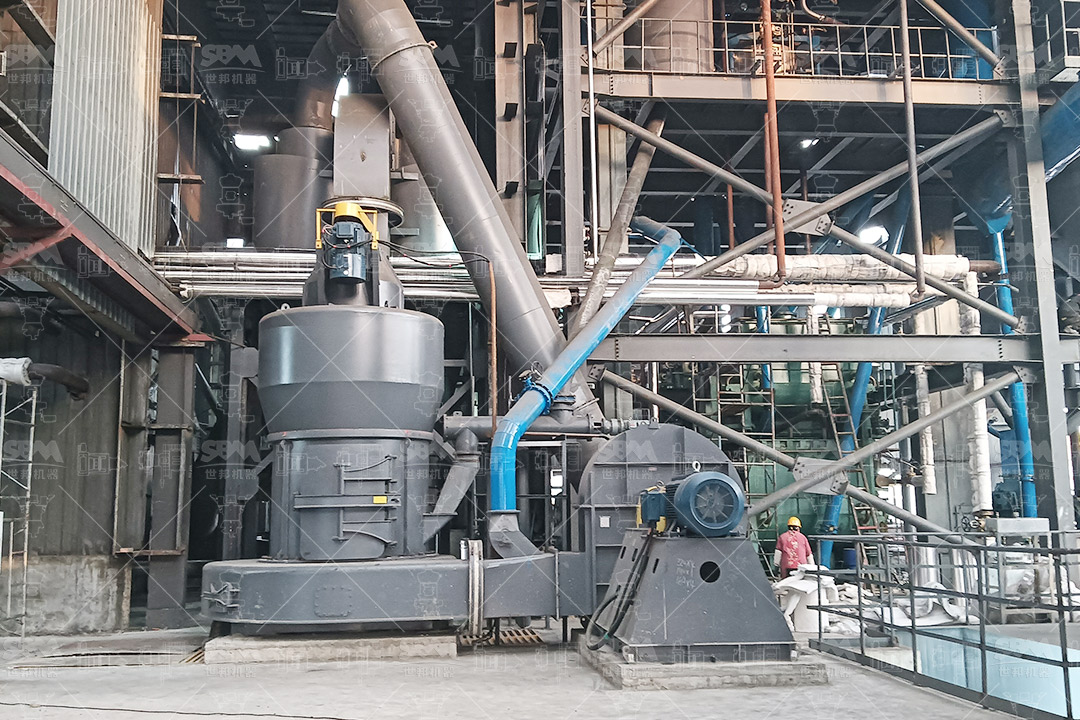
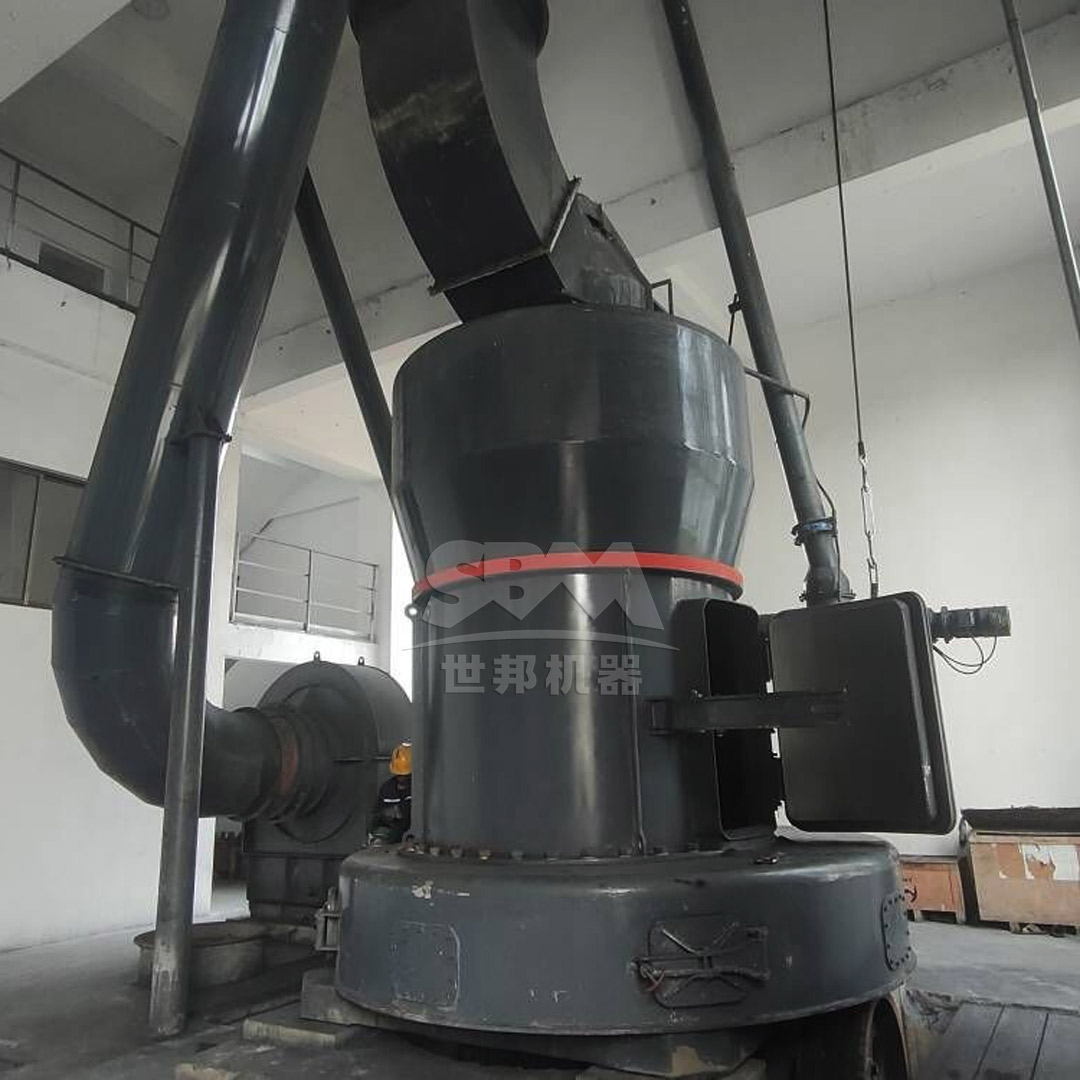
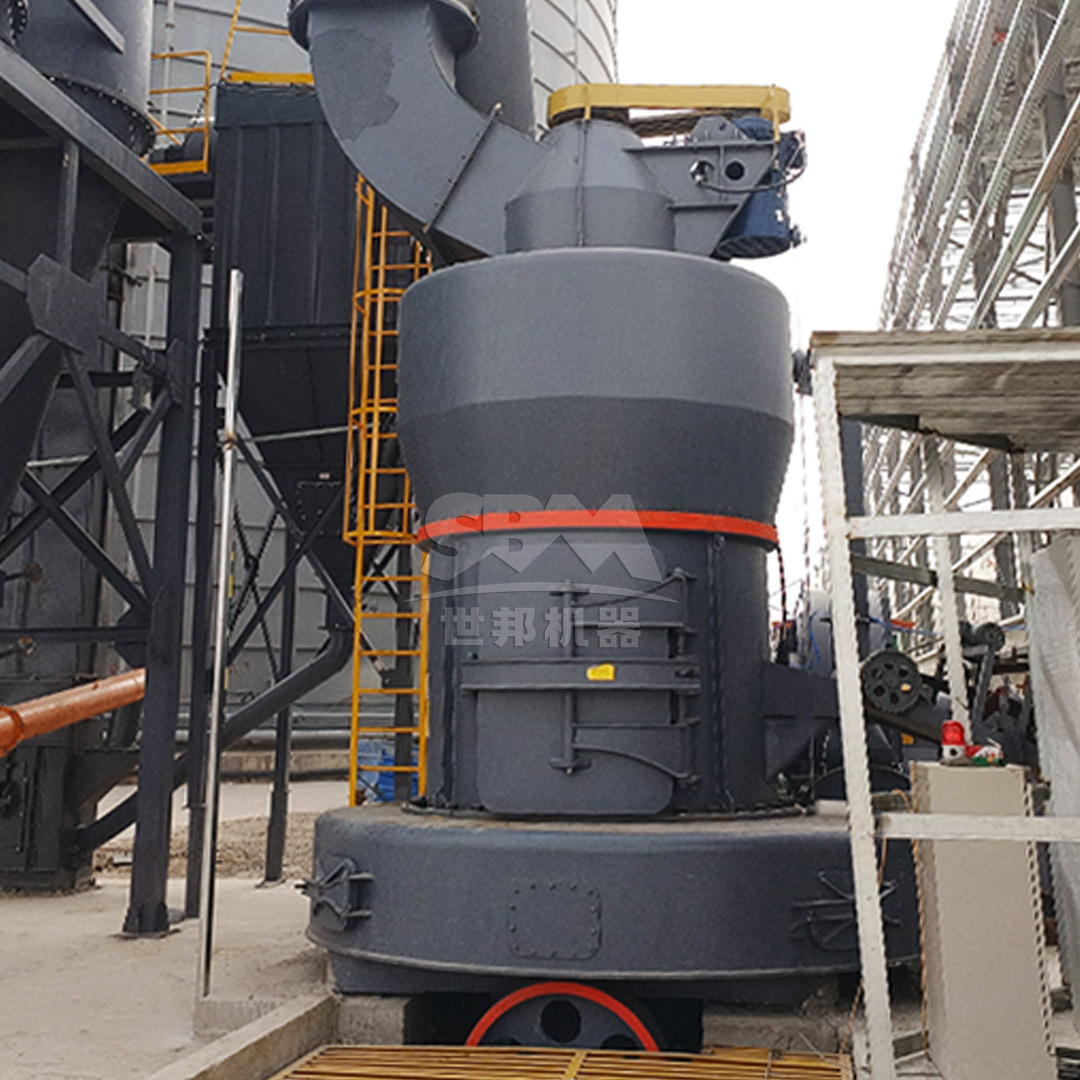
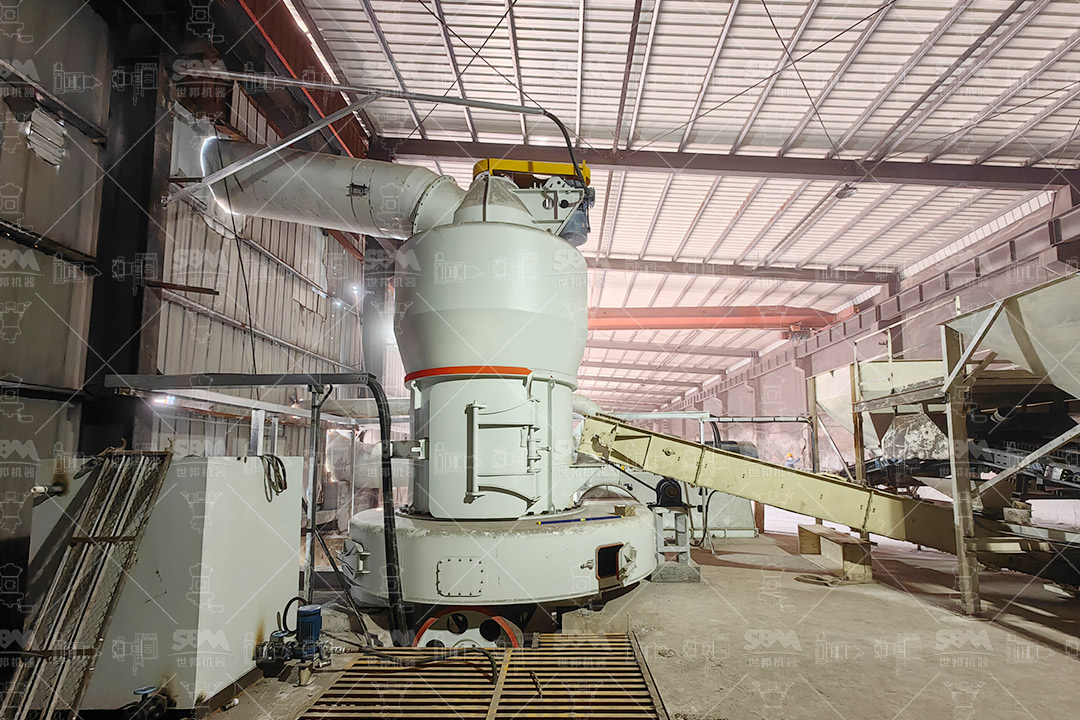
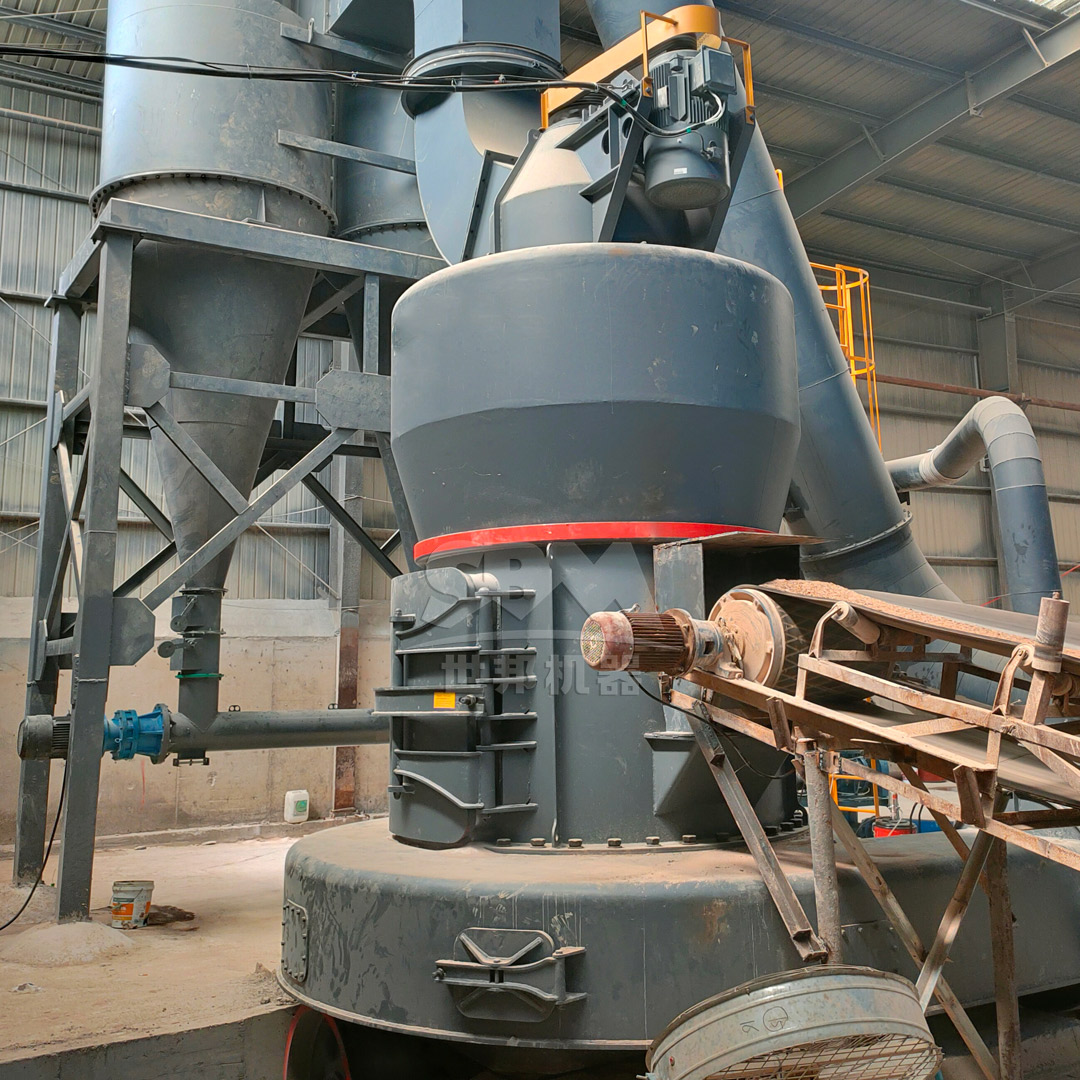
Our LM Series Vertical Roller Mill is the industry benchmark for large-scale, efficient fine grinding. It is perfectly suited for producing charcoal powder from 30 to 325 mesh, with capacities ranging from 3 to over 250 tons per hour.
Whether you need a mid-range model like the LM190K (23-68 t/h) or a massive system like the LM280K (50-170 t/h), the LM series provides a robust and economical solution for high-volume fine charcoal production.
If your operation requires flexibility to produce a range of products from coarse to medium-fine powder, or if your initial investment budget is a primary concern, a trapezium mill offers an excellent balance.
Recommended Solution: MTW Series European Trapezium Mill
The MTW Series Mill is a reliable workhorse for producing charcoal powder from 30 to 325 mesh. It builds upon classic Raymond mill technology with modern enhancements for better efficiency and durability.
Selecting charcoal processing equipment is not merely a procurement decision; it is a strategic investment in the foundation of your business. By meticulously defining your product specifications, capacity requirements, and operational constraints, you can narrow down the field to the most suitable technology.
For operations targeting the lucrative ultrafine powder market, the SCM Series Ultrafine Mill stands out as a technologically advanced, efficient, and reliable choice. For large-scale production of fine charcoal where throughput and energy savings are paramount, the LM Series Vertical Roller Mill offers an unbeatable combination of scale, efficiency, and intelligence.
We recommend engaging with our technical team for a detailed consultation. By analyzing your specific charcoal feedstock and production goals, we can help you configure the optimal equipment solution, ensuring your production line is efficient, profitable, and built for long-term success.