January 31, 2026
Introduction
The efficient processing of petroleum coke (petcoke) and metallurgical coke is a critical operation in numerous industries, including aluminum smelting, steel production, and power generation. The selection of appropriate grinding and milling equipment directly impacts product quality, production costs, operational efficiency, and environmental compliance. With a wide array of technologies available, from traditional ball mills to advanced vertical roller mills, making the right choice requires a thorough understanding of your plant’s specific requirements and the capabilities of modern equipment. This guide provides a comprehensive framework for evaluating and selecting the optimal coke processing system for your operation.
Key Factors in Equipment Selection
Choosing the right equipment is not a one-size-fits-all decision. It involves a careful analysis of multiple, often interrelated, factors.
1. Feed Material Characteristics
- Feed Size: The maximum incoming particle size dictates the primary crushing stage requirements and influences the choice of the main grinder’s inlet design.
- Hardness & Abrasiveness: Coke’s hardness (often measured by the Bond Work Index) and abrasive qualities are paramount. They determine the necessary grinding force, wear rates on components like rollers and liners, and ultimately, maintenance intervals and operating costs.
- Moisture Content: High moisture can lead to clogging in certain mill types. Some systems, like vertical roller mills with hot air circuits, are better suited for handling materials with moderate moisture by integrating drying functionality.
2. Final Product Specifications
- Required Fineness (Particle Size Distribution): This is the most critical output parameter. Whether you need coarse coke breeze for anode paste (e.g., -200 mesh / 74µm) or ultra-fine calcined coke for specialty carbons (e.g., -325 mesh / 45µm or finer), the equipment must reliably and efficiently achieve the target grind.
- Production Capacity (TPH): The required hourly or annual throughput defines the necessary machine size and power. It’s crucial to consider both current needs and future expansion plans.
- Product Shape & Consistency: Some applications may benefit from specific particle shapes produced by different grinding mechanisms (e.g., impact vs. compression). Consistent particle size distribution is vital for downstream processes.
3. Operational & Economic Considerations
- Energy Efficiency: Grinding is an energy-intensive process. Equipment with higher grinding efficiency and lower specific power consumption (kWh/ton) can lead to massive operational cost savings over the lifecycle of the plant.
- Total Cost of Ownership (TCO): Look beyond the initial purchase price. Evaluate maintenance costs, wear part life and replacement costs, required manpower, and potential downtime.
- Space & Layout Constraints: The physical footprint of the equipment, including auxiliary systems like classifiers, fans, and dust collectors, must fit within your plant’s available space.
4. Environmental & Safety Standards
- Dust Control & Emissions: Coke dust is a significant concern. The processing system must be fully enclosed with an efficient, integrated dust collection system (e.g., pulse jet bag filters) to meet stringent workplace safety and environmental emission standards.
- Noise Levels: Equipment should be designed with noise reduction features to protect workers and comply with local regulations.
Overview of Coke Processing Equipment Technologies
Different grinding principles offer distinct advantages for coke processing.
| Technology |
Typical Output Range |
Key Advantages |
Considerations for Coke |
| Ball Mill / Rod Mill |
0.074 – 0.8mm (200-20 mesh) |
Proven technology, reliable, wide application range, suitable for both wet and dry grinding. |
High energy consumption, significant wear, noisy, requires pre-crushing. Often used for final grinding in traditional setups. |
| Raymond Mill (Pendulum Mill) |
0.045 – 0.17mm (325-80 mesh) |
Mature technology, lower capital cost for medium-fine grinding, simple operation. |
Limited to medium fineness, lower efficiency compared to newer vertical mills, higher wear for abrasive materials. |
| Vertical Roller Mill (VRM) |
0.030 – 0.15mm (500-100 mesh) |
Highly energy-efficient, integrated drying/grinding/classification, compact footprint, lower noise. |
Higher initial investment, requires skilled maintenance. Excellent for large-scale production of fine coke. |
| Ultrafine Grinding Mill |
0.005 – 0.045mm (2500-325 mesh) |
Capable of producing superfine powders, high classification precision, uniform product. |
For specialized ultra-fine applications, lower capacity range, higher specific energy for very fine grinding. |
Recommended Solutions for Coke Processing
Based on the common requirements for high capacity, energy efficiency, and the ability to produce fine to medium-fine coke powder, two technologies stand out: the advanced Vertical Roller Mill for primary grinding and the Ultrafine Mill for specialized high-fineness applications.
Primary Grinding Solution: LM Series Vertical Roller Mill
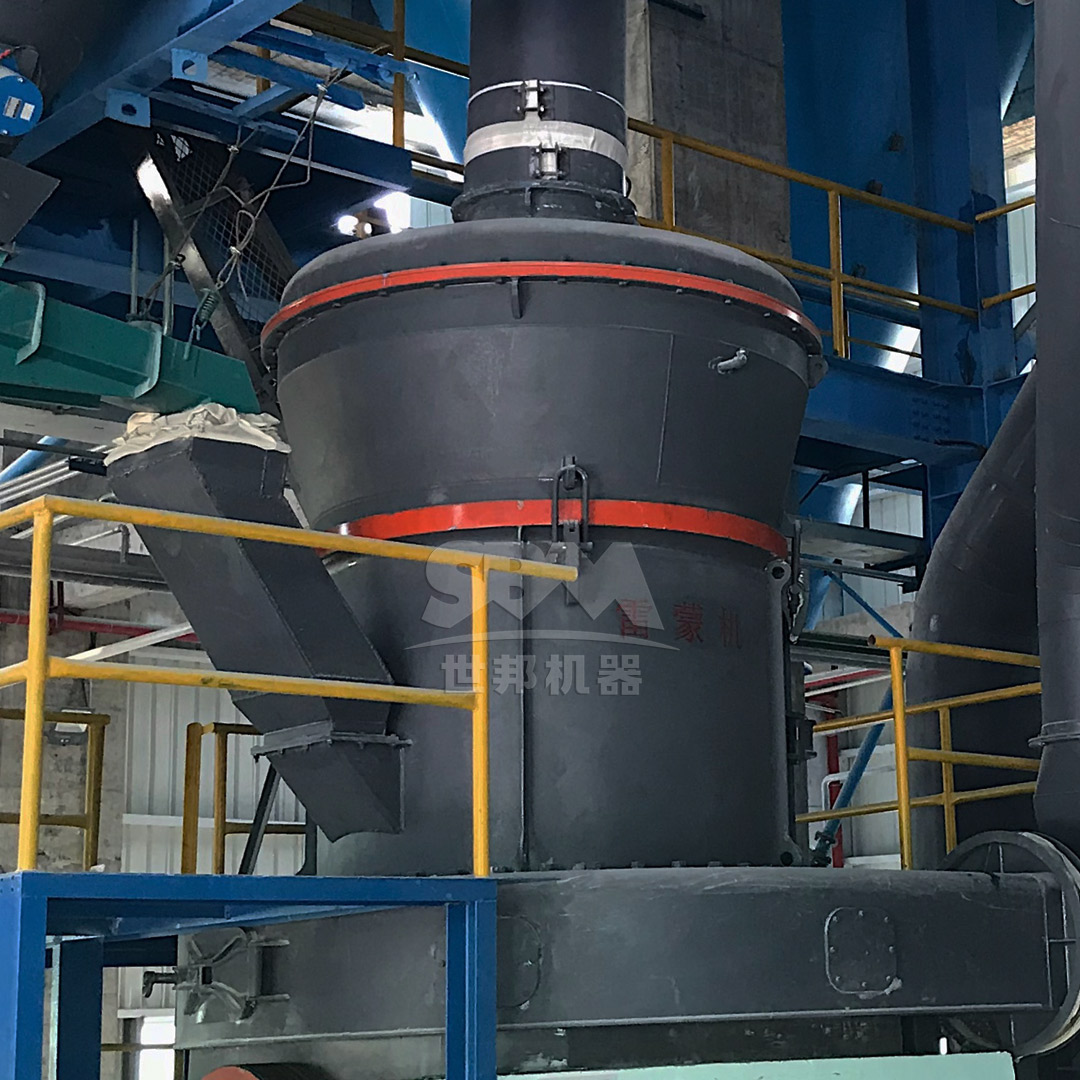
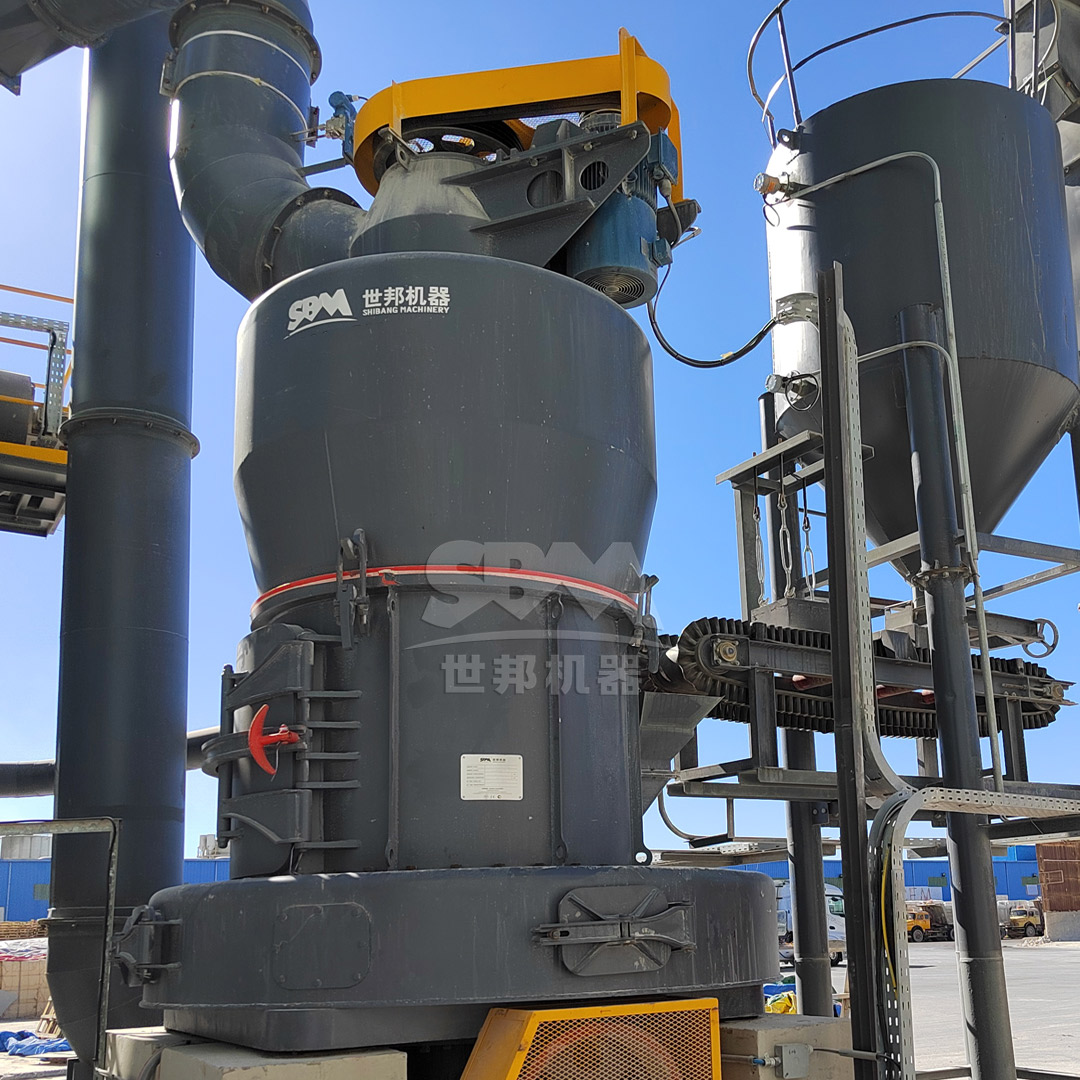
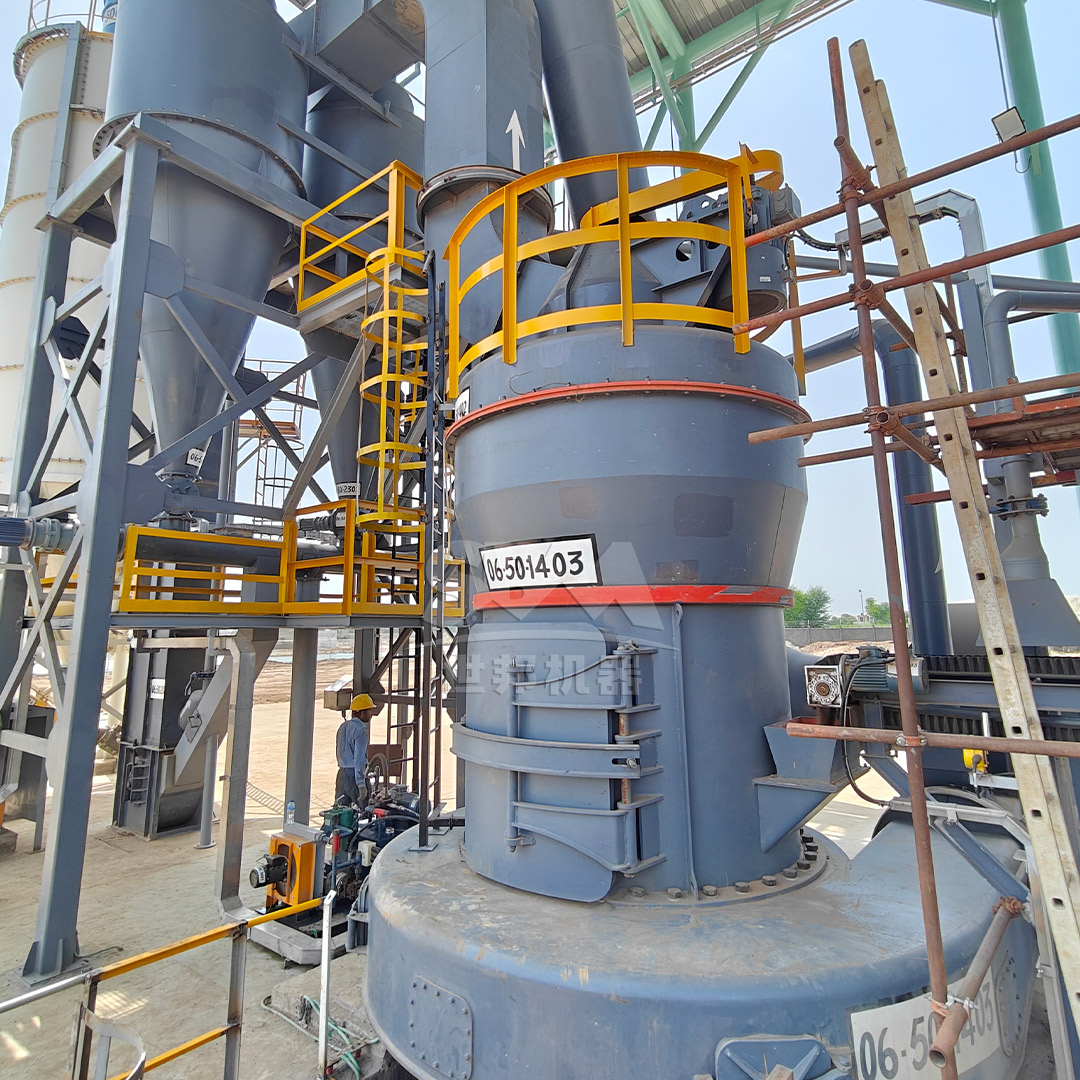
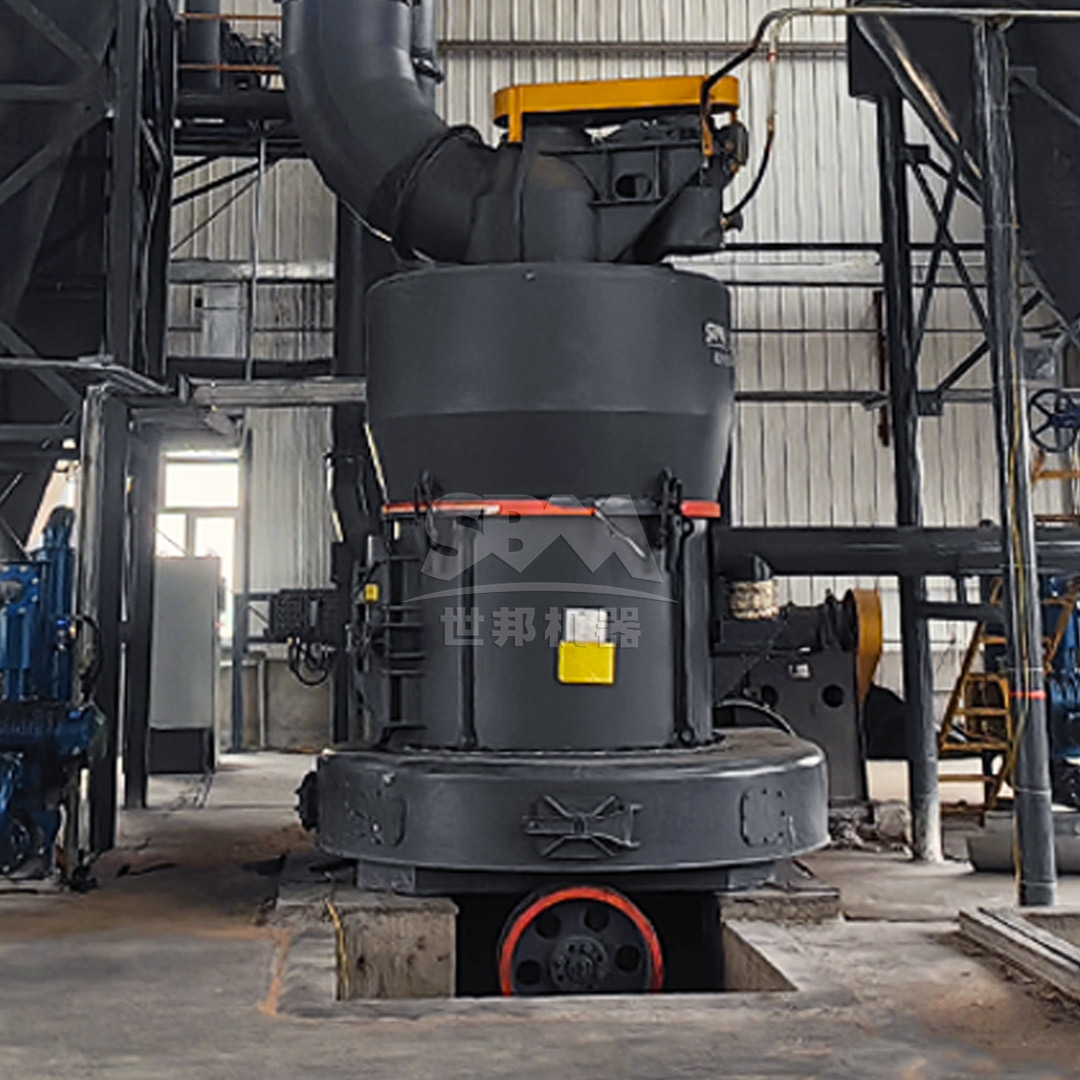
For most modern coke processing plants aiming for high efficiency and large throughput, the LM Series Vertical Roller Mill represents the state-of-the-art. Its working principle involves material being fed onto a rotating grinding table and crushed under rollers. The ground material is then pneumatically conveyed to an integrated classifier, where fines are separated, and coarse material falls back for regrinding.
Why it’s ideal for coke:
- Superior Energy Efficiency: Consumes 30-40% less energy than traditional ball mill systems, offering dramatic operational cost savings.
- Integrated Process: Combines crushing, grinding, drying (with hot air), and classification in a single unit, simplifying the plant layout and reducing auxiliary equipment needs.
- Large Capacity & Scalability: With models offering capacities from 3 to over 250 tons per hour, it can meet the demands of any large-scale plant.
- Excellent Environmental Control: Fully sealed negative pressure operation ensures minimal dust leakage, and its low-noise design improves the working environment.
- Low Operating Costs: Features like a non-contact design between rollers and table and wear-resistant materials extend component life, reducing maintenance frequency and cost.
For a plant processing metallurgical coke to a fineness of 100-200 mesh for blast furnace injection, an LM190K model (capacity 23-68 t/h, main power 500kW) would be a robust and efficient choice, capable of handling feed sizes up to 45mm.
For Ultra-Fine or Specialized Applications: SCM Series Ultrafine Mill
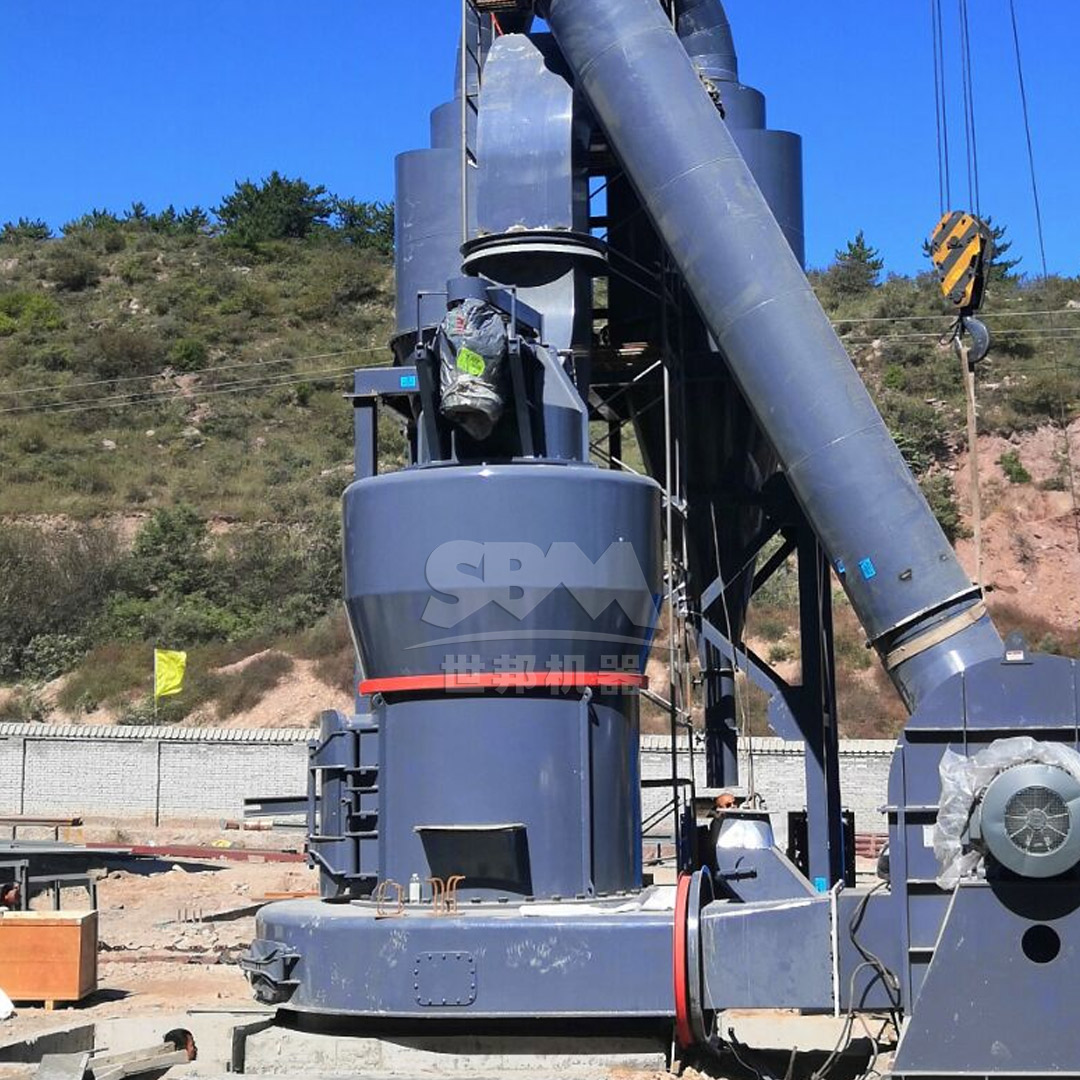
When the end product requires exceptional fineness and uniformity—such as high-purity calcined coke for lithium-ion battery anodes or advanced carbon materials—the SCM Series Ultrafine Mill is the specialized tool for the job. This mill utilizes a layered grinding principle with a high-precision vertical turbine classifier.
Key benefits for fine coke processing:
- High-Precision Classification: Achieves precise particle size cuts from 325 to 2500 mesh (45-5µm), ensuring no coarse powder contamination and a highly uniform product.
- High Efficiency: Offers twice the capacity of traditional jet mills while consuming approximately 30% less energy.
- Durable Construction: Built with special material rollers and rings that significantly extend service life, which is crucial when processing abrasive coke.
- Intelligent Control: Features automatic finished product granularity feedback for stable, consistent output quality.
For a specialty carbon plant needing to produce 800-mesh coke powder, the SCM1000 model (capacity 1.0-8.5 t/h, fineness 325-2500 mesh) provides the perfect balance of precision, reliability, and capacity.
The Selection Process: A Step-by-Step Guide
- Define Your Specifications: Clearly document required capacity, input size, target fineness, moisture content, and any special product characteristics.
- Shortlist Technologies: Based on your specs, identify 2-3 suitable technology types (e.g., VRM vs. modern pendulum mill).
- Request Detailed Proposals: Engage with reputable suppliers. Provide them with your coke sample for grindability testing. Request detailed offers including flow diagrams, layout plans, and complete technical specifications.
- Evaluate Total Cost of Ownership (TCO): Create a comparative analysis covering capital expenditure (CAPEX), estimated power consumption, wear part costs and life, maintenance labor, and expected availability.
- Check References & Visit Installations: Ask suppliers for references from plants with similar applications. If possible, visit an existing installation to see the equipment in operation.
- Consider After-Sales Support: Evaluate the supplier’s technical support network, spare parts availability, and training offerings.
Conclusion
Selecting the right coke processing equipment is a strategic decision with long-term implications for your plant’s profitability and competitiveness. By moving beyond traditional solutions and focusing on energy-efficient, integrated systems like the LM Series Vertical Roller Mill for high-tonnage grinding or the SCM Series Ultrafine Mill for precision fine grinding, operators can achieve significant gains in efficiency, product quality, and environmental performance. A disciplined selection process that prioritizes lifecycle cost analysis and partner reliability will ensure your investment delivers optimal returns for years to come.