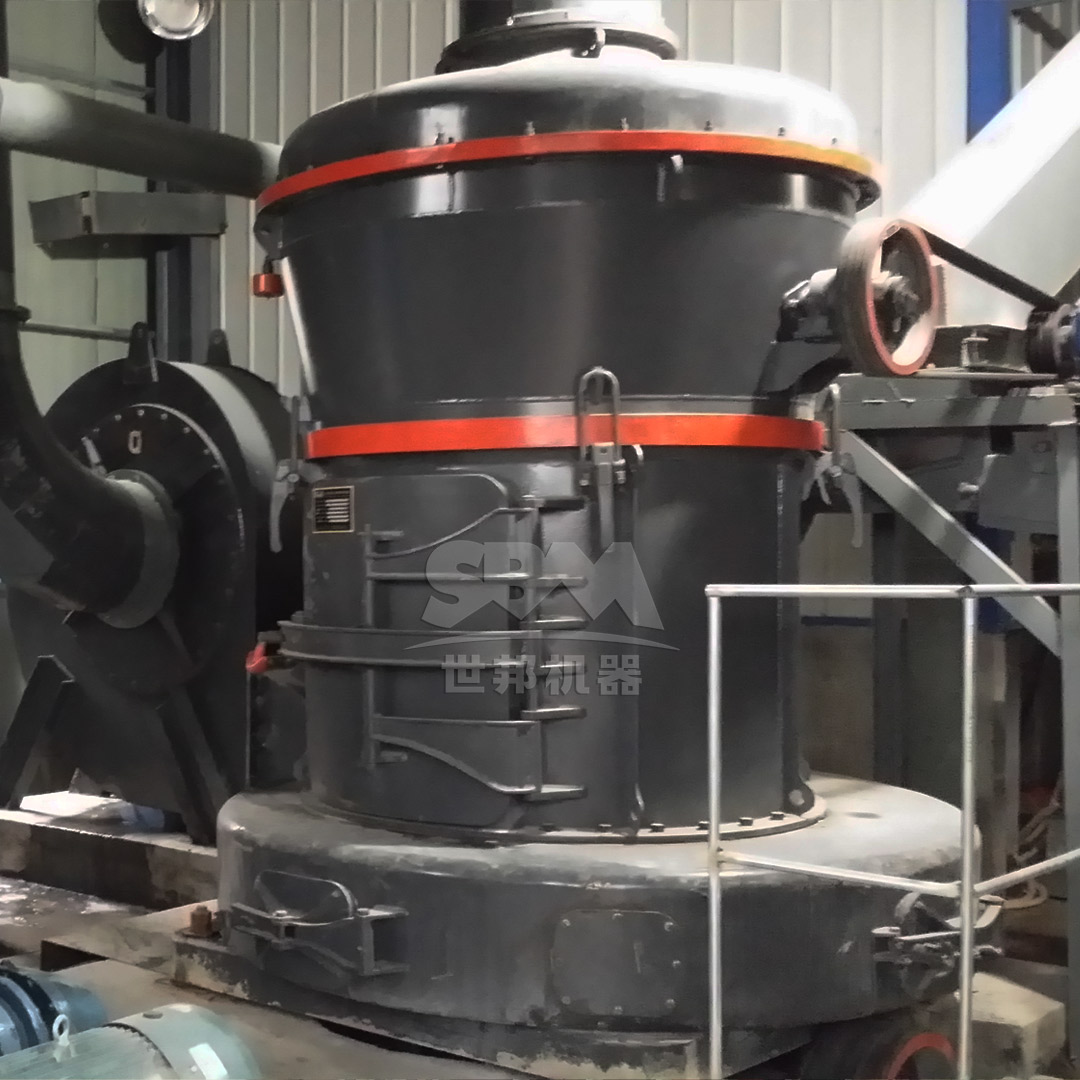
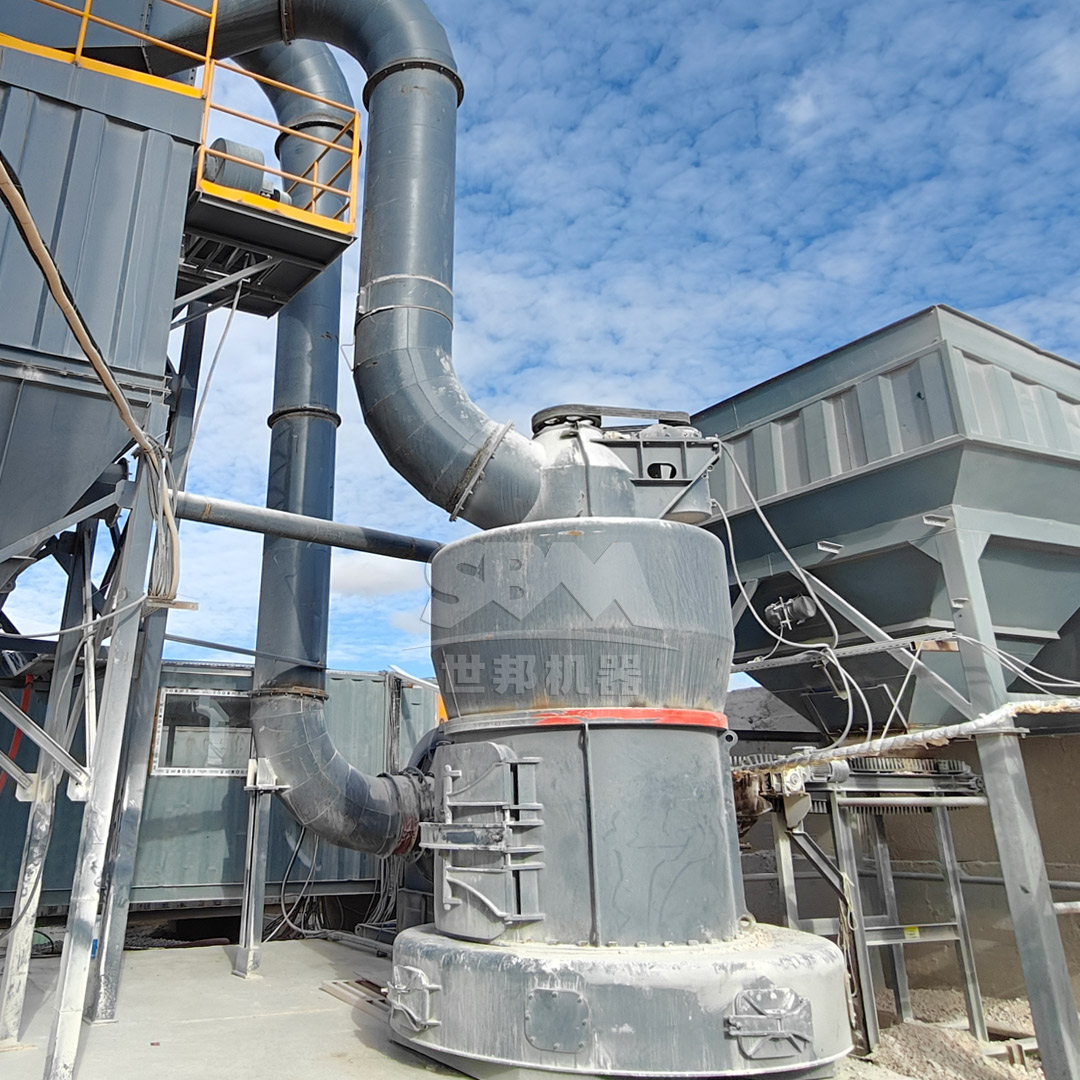
The production of high-quality plastic products often relies on the incorporation of functional additives to enhance properties such as flame retardancy, dimensional stability, and mechanical strength. Gypsum-based additives, particularly in finely ground forms like calcium sulfate (CaSO4), play a crucial role in this sector. Selecting the optimal grinding mill for processing these additives is not a one-size-fits-all decision; it is a critical engineering choice that directly impacts product quality, production efficiency, and operational costs. This article provides a comprehensive guide to navigating the key factors in mill selection for plastic-grade gypsum additive production.
Before evaluating equipment, it is essential to define the raw material characteristics and the specifications of the final additive powder.
| Application in Plastics | Recommended Fineness Range | Key Property Enhanced |
|---|---|---|
| Filler for PVC Profiles | 325 – 800 mesh | Stiffness, Dimensional Stability |
| Flame Retardant Synergist | 800 – 1250 mesh | Dispersion, Flame Retardant Efficiency |
| High-Performance Composite Filler | 1250 – 2500 mesh (Ultrafine) | Surface Finish, Mechanical Strength |
Different mill types operate on distinct principles, making them suitable for specific stages and fineness targets.
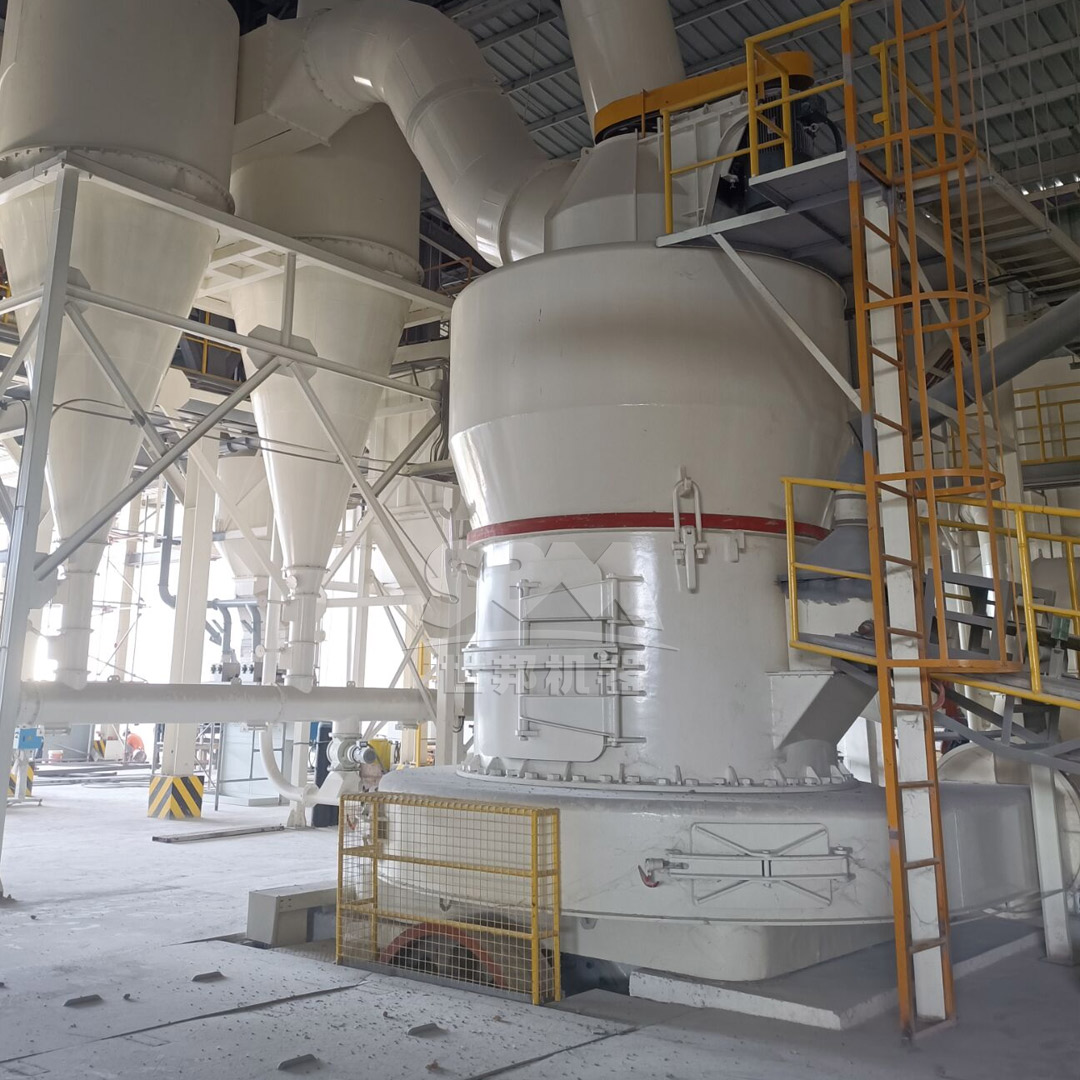
This is the core stage for producing plastic-grade powder.
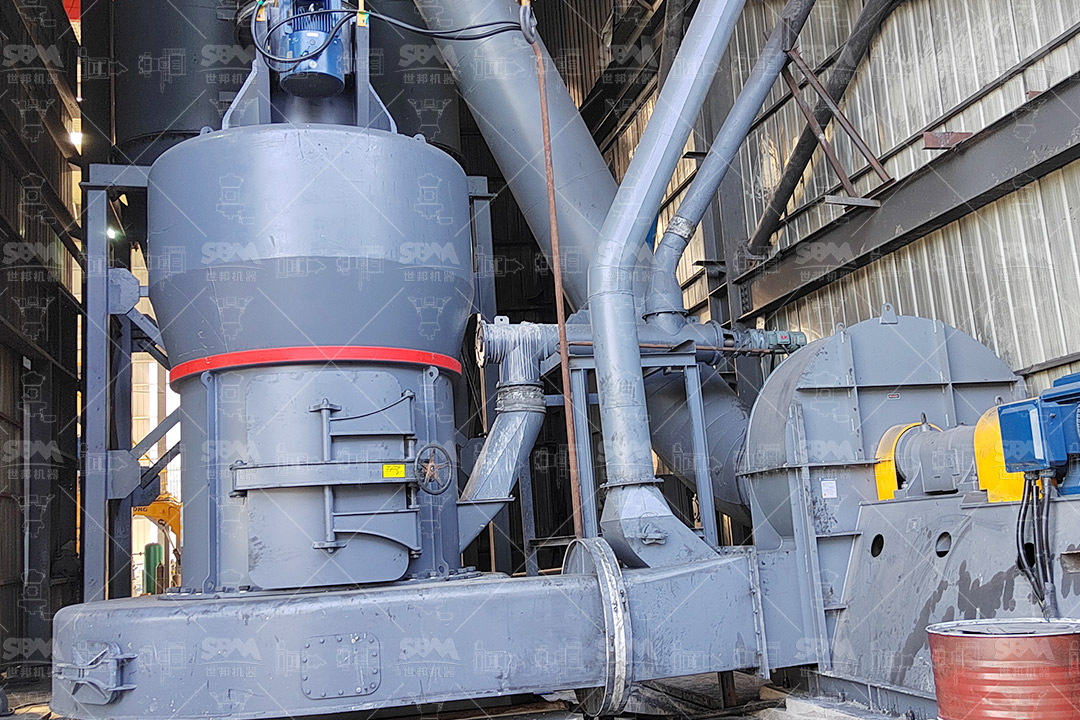
Evaluate mills against these decisive factors:
The mill must reliably and consistently hit your target PSD. Ultrafine mills with high-precision classifiers are non-negotiable for sub-10μm products.
Match the mill’s capacity to your plant’s requirements, considering both current needs and future scalability.
Grinding is energy-intensive. Mills like Vertical Roller Mills and modern Ultrafine Mills offer superior specific energy consumption (kWh/ton), a major factor in operational cost.
Consider if you need a standalone mill or a complete system (with feeder, classifier, dust collector, etc.). Integrated Vertical Mills save significant space.
Gypsum’s abrasiveness demands durable grinding elements. Look for mills with special alloy rollers/rings and designs that facilitate easy maintenance.
Fully sealed systems with efficient pulse jet bag dust collectors are essential to meet workplace and emission standards.
For manufacturers targeting the premium segment of plastic additives, where ultrafine, high-purity gypsum powder is a critical differentiator, the SCM Series Ultrafine Mill stands out as the superior technical choice.
This mill is engineered to excel precisely in the fineness range demanded by advanced polymer composites. Its vertical turbine classifier achieves precise particle size cutting, ensuring no coarse powder mixes into the final product—a key requirement for flawless plastic surface finish. The mill’s high efficiency is demonstrated by a capacity that can be twice that of jet mills while consuming 30% less energy. Furthermore, its durable design, featuring special material rollers and rings, ensures long service life and stable operation when processing consistent batches of gypsum. The intelligent control system with automatic granularity feedback guarantees consistent product quality, batch after batch.
| Model | Capacity (t/h) | Main Power (kW) | Output Fineness | Suitability |
|---|---|---|---|---|
| SCM800 | 0.5 – 4.5 | 75 | 325-2500 mesh | Pilot plant / Small-scale production |
| SCM1000 | 1.0 – 8.5 | 132 | 325-2500 mesh | Medium-scale dedicated line |
| SCM1250 | 2.5 – 14 | 185 | 325-2500 mesh | Ideal for mainstream high-volume production |
| SCM1680 | 5.0 – 25 | 315 | 325-2500 mesh | Large-scale, centralized additive production |
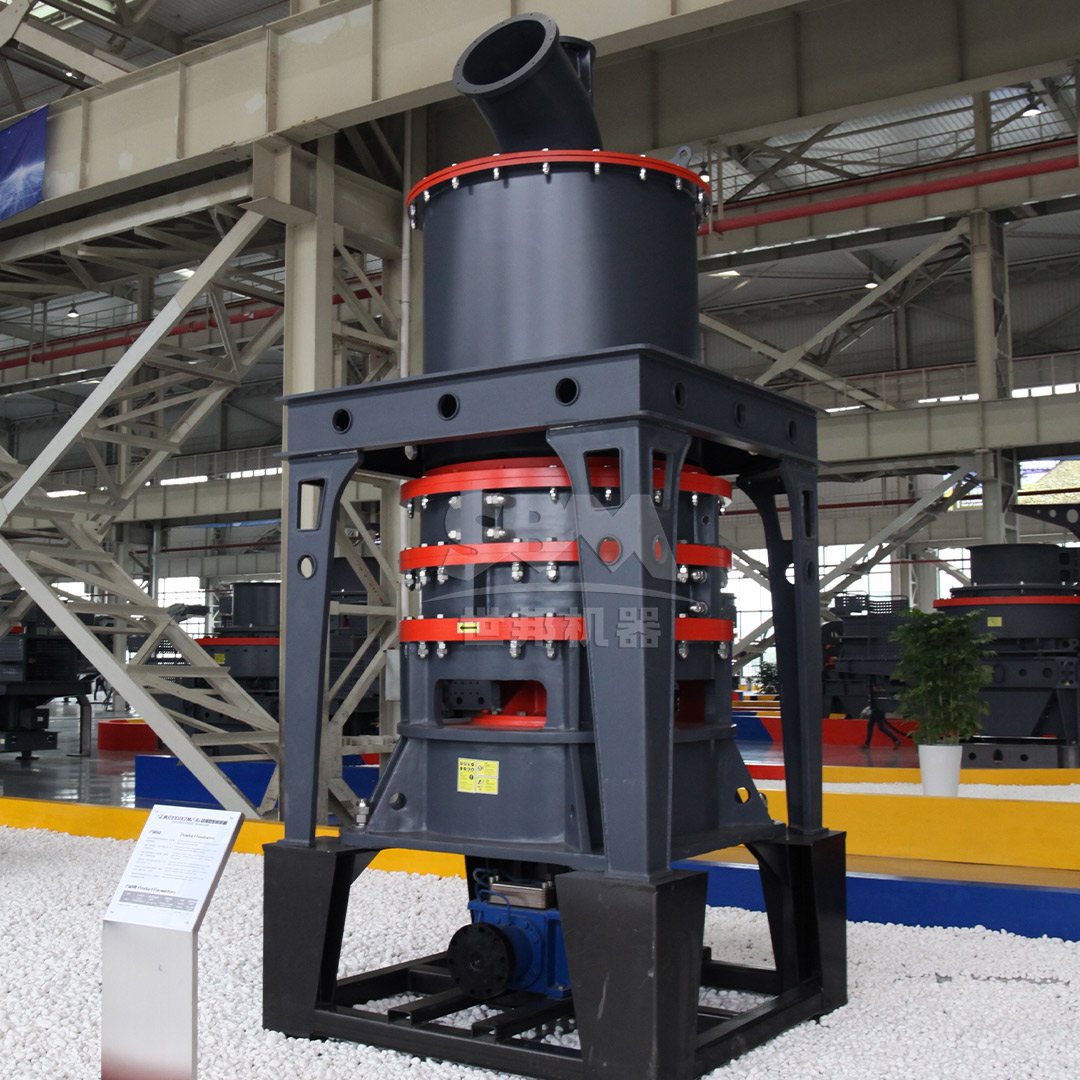
Selecting the right grinding mill for plastic product gypsum additive production is a strategic decision that balances technical requirements with economic and operational realities. For fine filler production, the MTW Series or LM Vertical Roller Mills offer excellent efficiency. However, for producing the ultrafine, high-value additives that enable next-generation plastic composites, investing in a dedicated ultrafine grinding solution like the SCM Series is the definitive path to achieving superior product quality, process reliability, and long-term competitive advantage. A thorough analysis of your specific material, desired product specifications, and production goals is essential before making this pivotal investment.