The production of high-performance paint additives, particularly those based on gypsum (calcium sulfate), demands precise control over particle size, distribution, and purity. The choice of grinding mill is a critical decision that directly impacts product quality, production efficiency, and operational costs. Gypsum, when finely ground, acts as a functional filler, extender, and rheology modifier in paints, influencing opacity, durability, brushability, and settling resistance. Selecting the wrong equipment can lead to inconsistent fineness, high energy consumption, excessive wear, or contamination. This guide provides a systematic approach to choosing the optimal gypsum grinding mill for your paint additive production line.
Before evaluating specific mill types, it is essential to define your process requirements clearly. The following factors are paramount:
This is the most critical parameter. For paint additives, the target fineness typically ranges from coarse fillers (45-150μm / 100-325 mesh) to ultrafine functional additives (5-45μm / 325-2500 mesh). Ultrafine gypsum improves gloss, texture, and barrier properties.
Match the mill’s throughput with your plant’s overall production goals. Consider both current needs and future scalability. Under-sizing leads to bottlenecks, while over-sizing increases capital and operating costs unnecessarily.
Grinding is an energy-intensive process. Mills with higher grinding efficiency and advanced classification systems can significantly reduce power consumption per ton of product, a major factor in long-term operational economics.
Consider the complete system: feeding, grinding, classification, collection, and dust control. Integrated systems with a small footprint save valuable factory space and simplify installation.
The mill’s design and material of wear parts (rollers, rings, liners) must minimize iron contamination, which can affect the whiteness and chemical stability of the gypsum additive. Long-lasting parts reduce maintenance frequency and contamination risk.
A fully sealed, negative-pressure grinding system with an efficient pulse dust collector is mandatory to meet workplace safety and environmental emission standards.
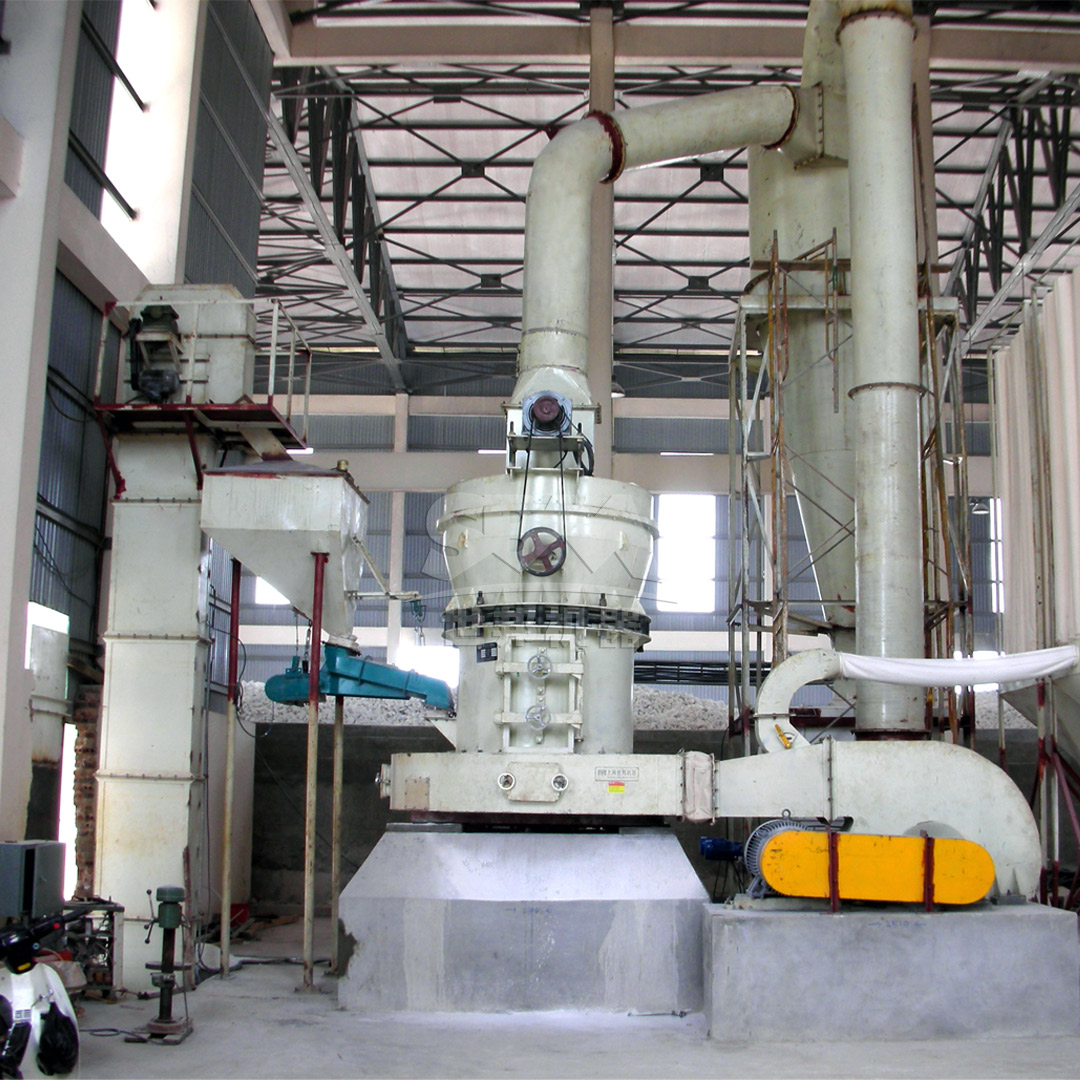
Different mill technologies are suited to different fineness and capacity ranges. Below is a comparative analysis.
| Mill Type | Typical Output Range | Key Advantages for Gypsum | Potential Limitations | Best Suited For |
|---|---|---|---|---|
| Ball Mill | 0.074-0.8mm (200-20 mesh) | Proven technology, wide application, can handle moist feed. | High energy consumption, noisy, large footprint, overgrinding risk, broad PSD. | High-capacity, coarse to medium-fine grinding where precise top-cut is not critical. |
| Raymond Mill (MTW/MTM) | 45-325 mesh (600-45μm) | Reliable, cost-effective for fine grinding, stable operation. | Limited to fine grinding (not ultrafine), mechanical classification may limit top-cut sharpness. | Producing standard fine-grade gypsum fillers for interior paints and primers. |
| Vertical Roller Mill (LM Series) | 30-325 mesh (up to 600 mesh) | High energy efficiency, integrated drying/grinding, large capacity, low noise. | Higher initial investment, more complex operation and maintenance. | Large-scale production of fine gypsum, especially if integrated drying from gypsum rock is needed. |
| Ultrafine Mill (SCM/LUM) | 325-2500 mesh (45-5μm) | Exceptional for ultrafine powders, high-precision classification, compact, energy-efficient vs. jet mills. | Requires dry feed, sensitive to feed size and hardness variations. | Premium paint additives demanding ultrafine, narrow-distribution gypsum powder. |
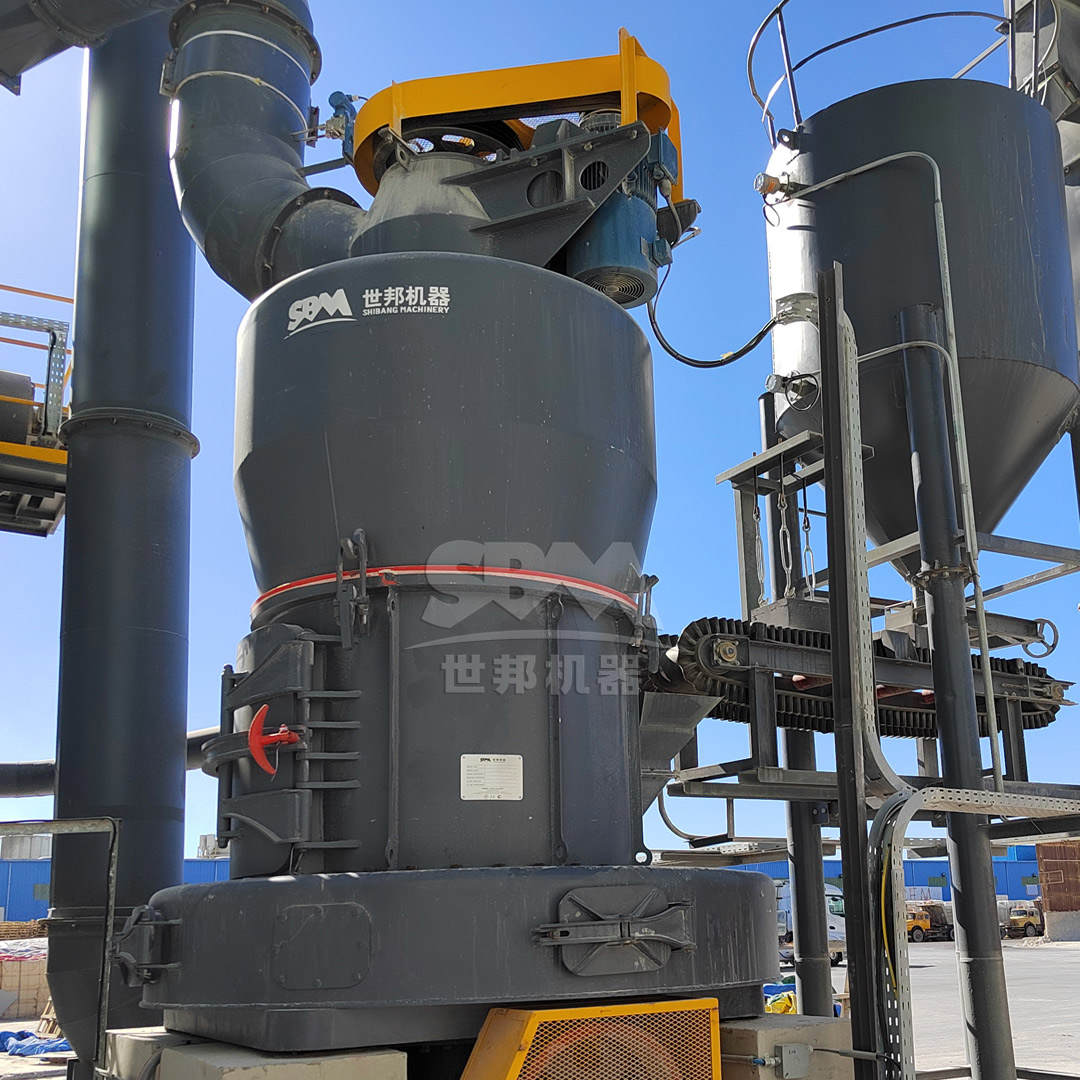
For manufacturers targeting the high-performance paint market, where ultrafine, high-purity gypsum is a key differentiator, the SCM Series Ultrafine Mill stands out as the superior choice.
This mill is engineered specifically for producing powders in the 325 to 2500 mesh (45-5μm) range, which is ideal for advanced paint formulations. Its core strength lies in a high-precision vertical turbine classifier that ensures a sharp particle size cut. This means no coarse particles contaminate the final product, resulting in a uniform gypsum additive that delivers consistent opacity, gloss, and rheological behavior in the paint.
Furthermore, the SCM Mill addresses critical operational concerns:
Durability: Special material rollers and rings significantly extend service life, reducing maintenance downtime and the risk of metallic contamination.
Efficiency: It operates with approximately 30% lower energy consumption compared to traditional jet mills while offering double the capacity, making it both economical and productive.
Clean Operation: The integrated pulse dust collection system ensures dust emission levels exceed international standards, protecting both the product and the production environment.
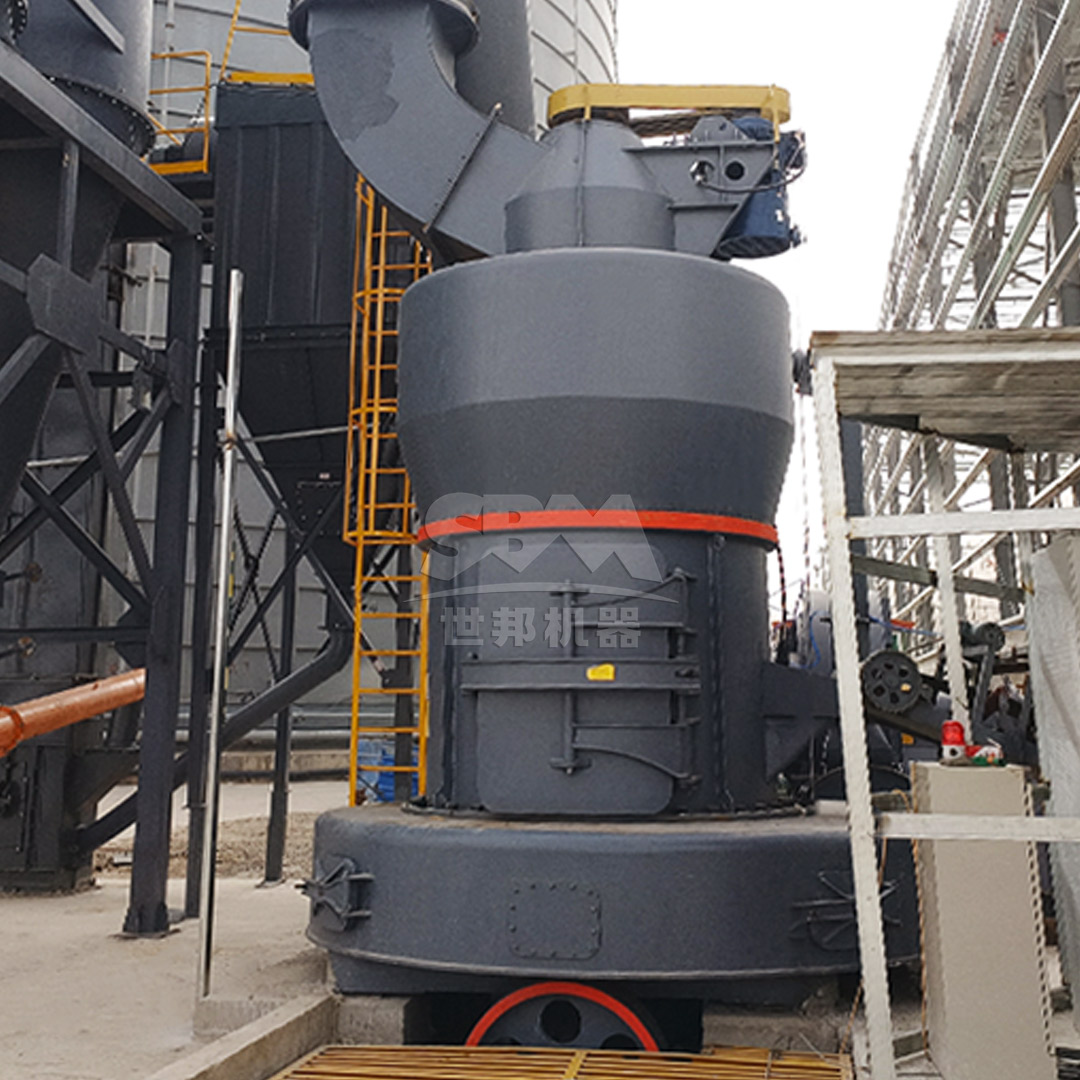
For paint additive producers requiring capacities from 0.5 to 25 tons per hour of ultrafine gypsum, the SCM Series provides a scalable, reliable, and high-quality solution. Models like the SCM1000 (1.0-8.5t/h) or the SCM1680 (5.0-25t/h) can be selected based on specific production volume requirements.
If your primary focus is on large-volume production of fine-grade (30-325 mesh) gypsum fillers for standard paint applications, the MTW Series European Trapezium Mill is an excellent alternative. It offers robust construction, high capacity (up to 45 t/h), and improved wear resistance features like its anti-wear shovel design and wear-resistant volute structure. Its integral bevel gear drive provides high transmission efficiency (up to 98%) and reliable operation for continuous, high-tonnage production lines.
Selecting the right gypsum grinding mill is a strategic investment in the quality and competitiveness of your paint additives. The process begins with a clear definition of the required fineness and capacity. For standard fine fillers, robust mills like the MTW Series are suitable. However, for producers aiming at the premium segment with ultrafine, high-performance gypsum additives, technology like the SCM Series Ultrafine Mill is indispensable. Its combination of precise classification, energy efficiency, durability, and environmental compliance makes it the optimal tool for transforming gypsum into a high-value paint additive that meets the exacting standards of modern coating formulations.