The production of powdered bituminous coal, a critical fuel for power generation, cement kilns, and various industrial processes, hinges on the efficiency and reliability of the grinding system. Selecting the appropriate production equipment is not merely a procurement decision; it is a strategic investment that directly impacts operational costs, product quality, environmental compliance, and long-term profitability. This guide provides a comprehensive framework for evaluating and choosing the optimal powdered coal production equipment, with a focus on key technical parameters, operational considerations, and advanced technological solutions.
The selection process must begin with a clear definition of your specific needs. These parameters will form the foundation for all subsequent equipment evaluations.
Understanding the working principles of different mill types is crucial for matching technology to application.
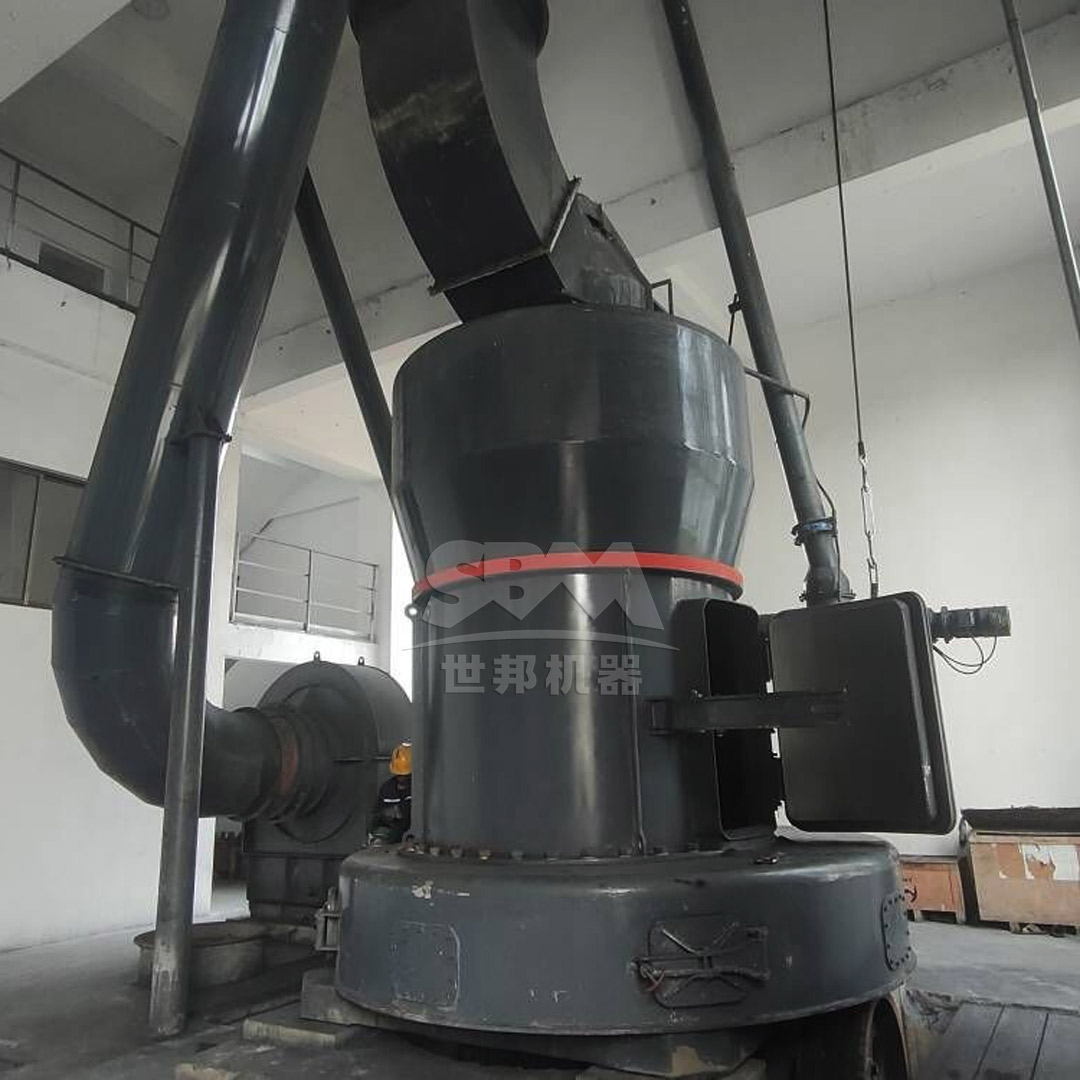
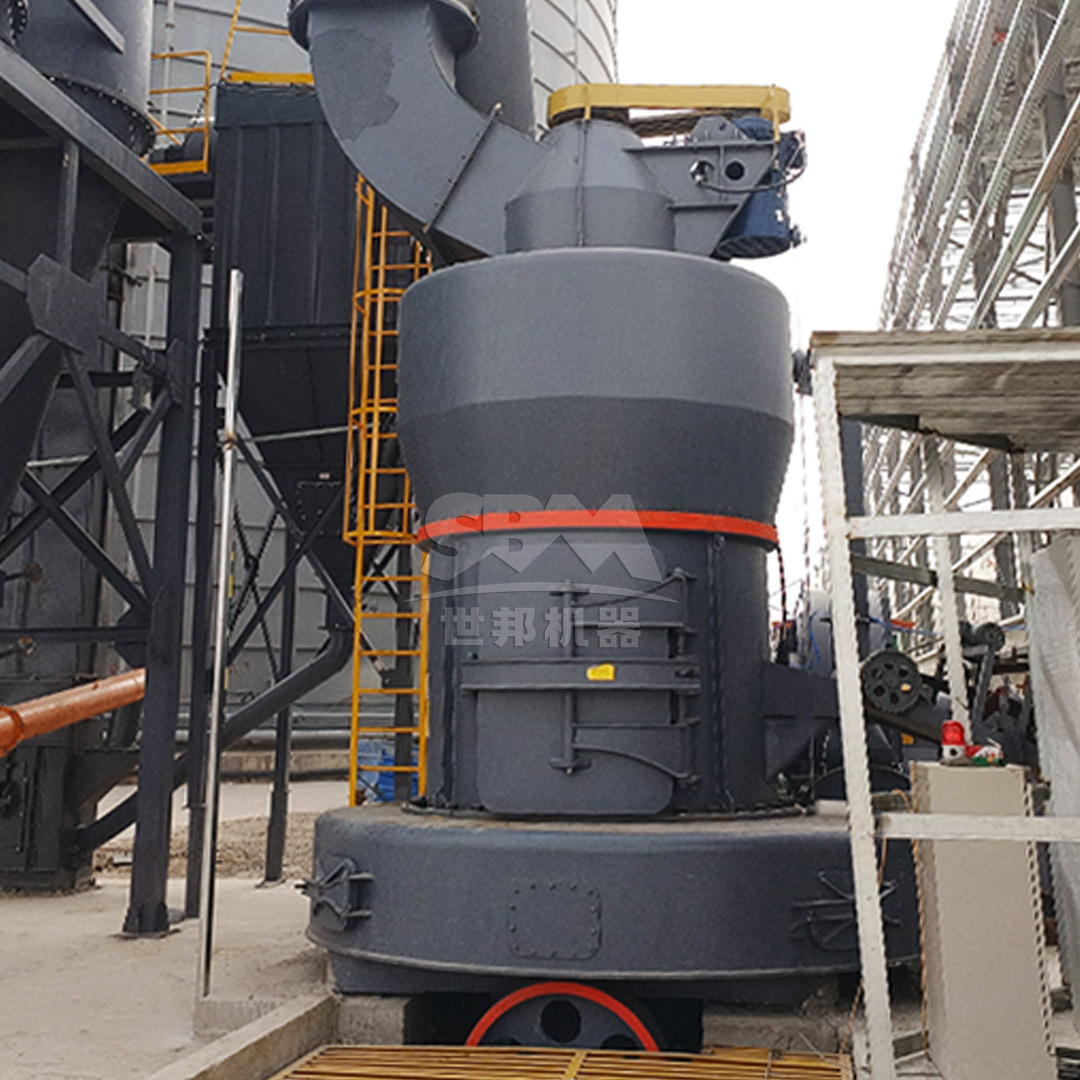
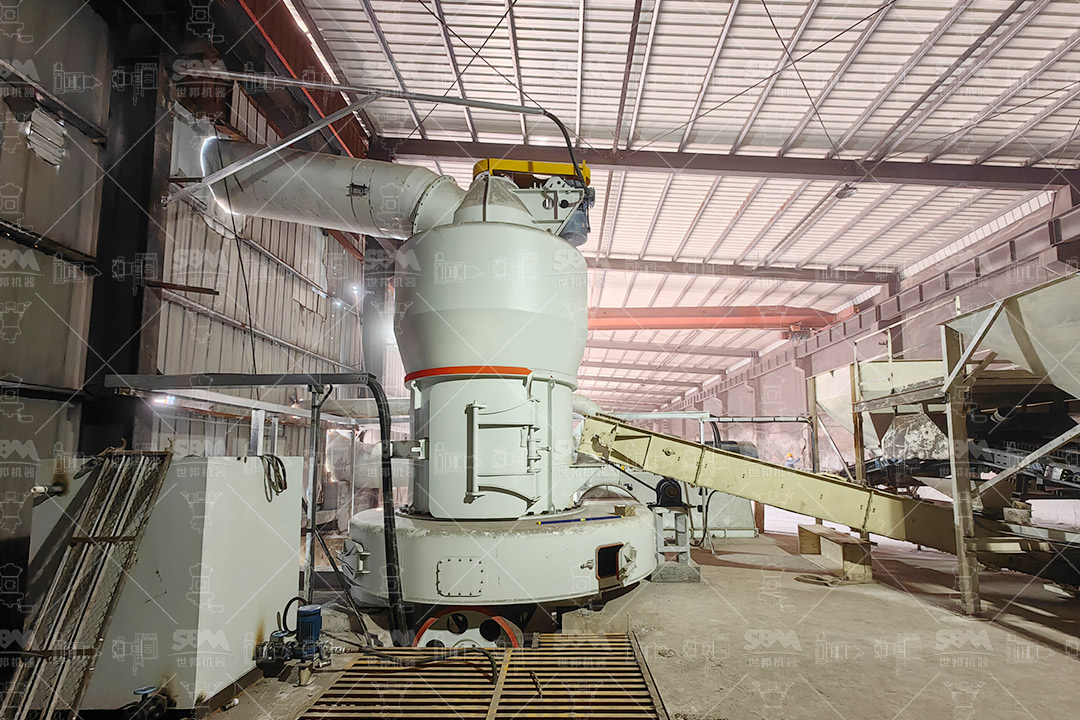
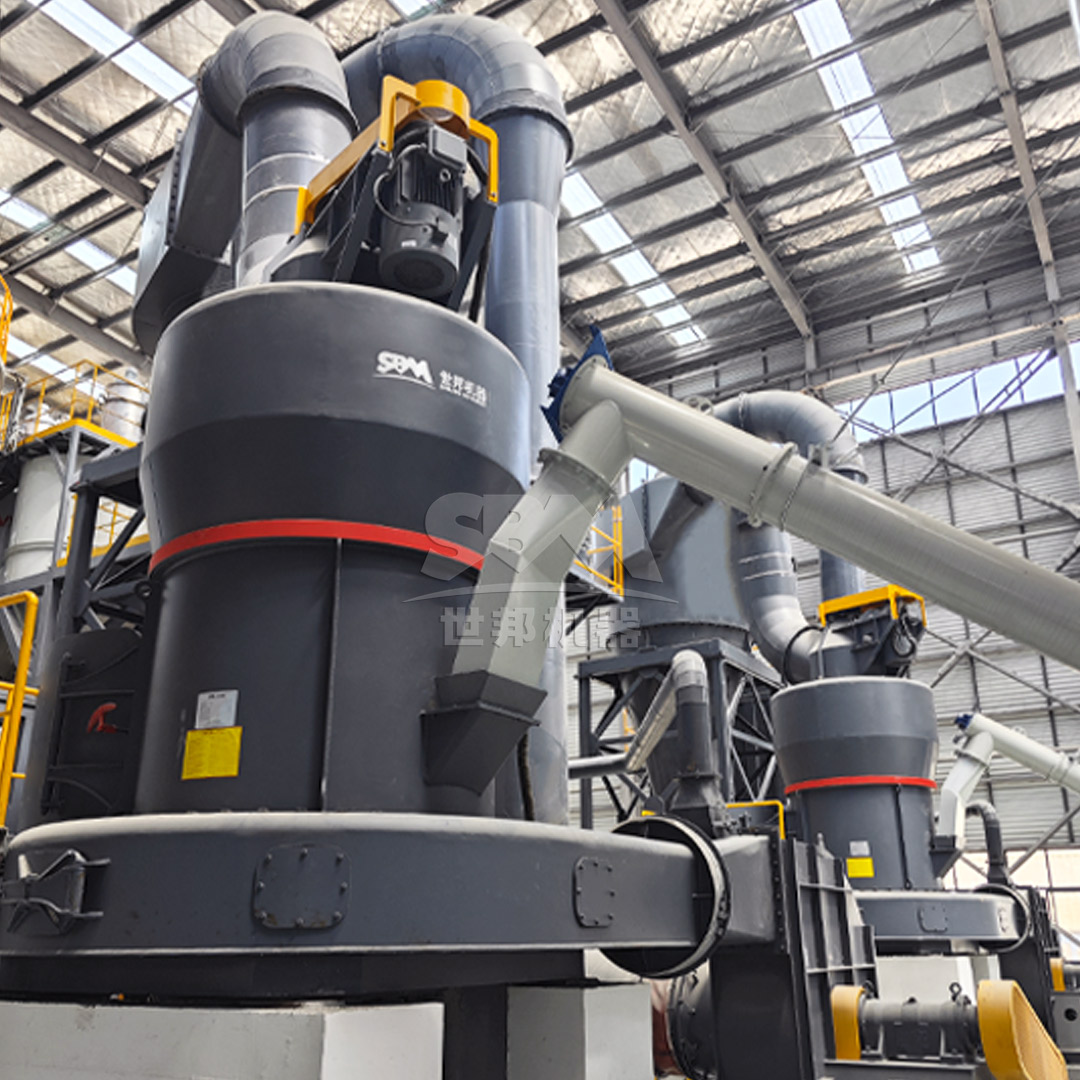
VRMs have become the industry standard for large-scale coal pulverization due to their integrated design and efficiency. Material is fed onto a rotating table and ground under pressure by hydraulically loaded rollers. Hot air dries the coal and transports the ground powder to a top-mounted classifier. Coarse particles are rejected back to the table for further grinding.
Advantages: High grinding efficiency, integrated drying/grinding/classification, lower specific energy consumption (30-50% less than ball mills), compact footprint, and lower noise.
Considerations: Higher initial investment, more complex maintenance for grinding elements.
A traditional technology where a rotating cylinder partially filled with steel balls uses impact and attrition to grind the coal. Often operated in a closed circuit with an external air classifier.
Advantages: Robustness, reliability, ability to handle abrasive materials, relatively simple operation.
Considerations: High energy consumption, large footprint, significant wear on liners and balls, higher noise levels.
Similar in principle to VRMs but often with a shallow bowl and spring-loaded rollers. Well-established in the power generation industry for direct-firing boilers.
Advantages: Proven reliability, good fineness control, effective drying capability.
Considerations: May have lower capacity per unit compared to modern large VRMs.
Typically used for primary or secondary crushing to reduce raw coal to a size suitable for fine grinding mills. Not typically used for producing very fine pulverized coal alone.
Beyond the basic type, delve into these critical aspects of the equipment.
| Selection Criterion | Key Questions to Ask | Impact on Operation |
|---|---|---|
| Grinding Efficiency & Energy Use | What is the specific power consumption (kWh/ton) at my target fineness? Does the system have energy-saving features like high-efficiency classifiers or gear drives? | Directly determines the largest portion of your operating cost (energy). A 10% efficiency gain leads to massive long-term savings. |
| Wear Part Durability & Maintenance | What is the expected life of grinding rollers/tables/balls? Are they made of special alloys? Is maintenance easy and quick (e.g., hydraulic roller withdrawal)? | Affects maintenance downtime, spare parts inventory cost, and overall plant availability. Longer life and easier maintenance reduce TCO (Total Cost of Ownership). |
| Classification Precision | What type of classifier is used (static, dynamic, high-efficiency)? How precisely can it cut particle size? Can it be adjusted during operation? | Determines product uniformity and prevents energy waste from over-grinding. Precise classification is key to optimal combustion. |
| System Integration & Automation | Is the mill a compact, integrated system? Does it feature PLC-based automatic control for constant fineness, load, and temperature? | Reduces installation cost and space. Automation ensures consistent product quality, maximizes output, and minimizes human error. |
| Environmental Performance | What is the dust emission level? Is the pulse dust collector integrated and highly efficient? What are the noise levels (dB)? | Essential for meeting environmental permits and ensuring a safe, sustainable operation. Avoids potential fines and shutdowns. |
| Drying Capacity | Can the system handle the moisture content in my coal with integrated hot air? What is the maximum inlet gas temperature? | Eliminates the need for a separate dryer, simplifying the process flow and reducing capital cost. |
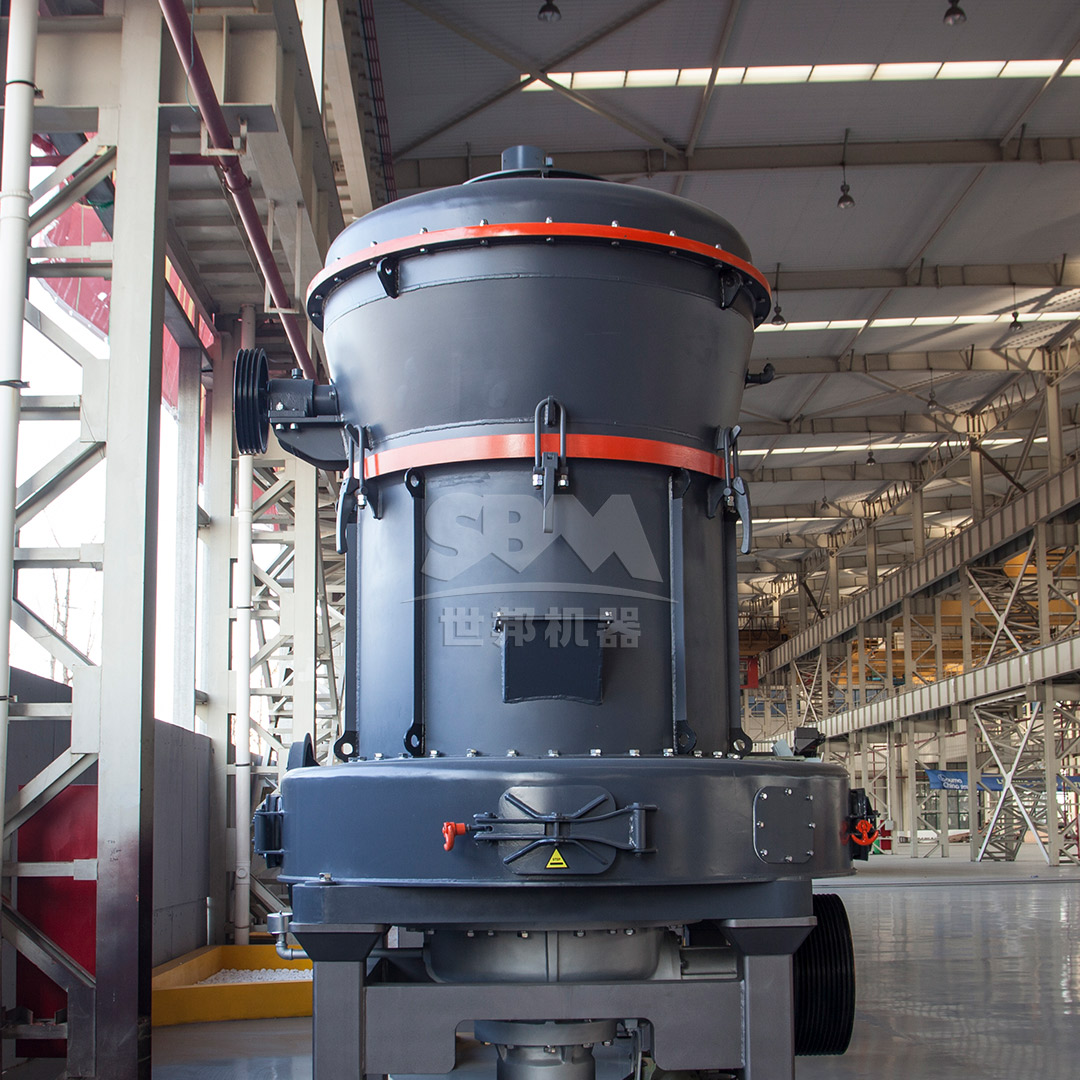
Modern grinding plants require equipment that excels in efficiency, intelligence, and environmental stewardship. For operations seeking a balance of high capacity, excellent fineness control, and robust design for bituminous coal, the MTW Series European Trapezium Mill presents an outstanding solution.
This mill series is engineered for heavy-duty performance. Its anti-wear shovel design and wear-resistant volute structure significantly reduce maintenance costs associated with abrasive coal. The integral bevel gear drive achieves up to 98% transmission efficiency, translating directly to lower energy consumption. For final product control, its optimized internal airflow and classification system ensure precise particle size distribution from 30 to 325 mesh, making it ideal for producing powdered coal for industrial boilers and kilns. With models like the MTW215G offering capacities up to 45 TPH, it is a powerful and reliable workhorse for medium to large-scale production.
For applications demanding ultra-fine powdered coal or where higher value-added carbon products are targeted, achieving fineness in the micron and sub-micron range becomes paramount. In this domain, the SCM Series Ultrafine Mill is a technological leader. Capable of producing powder from 325 to an remarkable 2500 mesh (5μm), it utilizes a vertical turbine classifier that guarantees precise particle size cutting with no coarse powder mixing. Its high-efficiency & energy-saving design boasts capacity twice that of jet mills with 30% lower energy consumption. The durable design featuring special material rollers and a shaftless screw grinding chamber ensures stable, long-term operation even when processing hard bituminous coal to extreme fineness. This mill is the go-to choice for specialized, high-value powdered coal applications.
Choosing the right powdered bituminous coal production equipment is a multifaceted engineering challenge. There is no universal \”best\” mill, only the best mill for your specific set of conditions. By systematically analyzing your raw material, product goals, and operational constraints, and by thoroughly evaluating modern equipment against key criteria of efficiency, durability, and environmental performance, you can make an informed investment. Prioritizing solutions that offer low specific energy consumption, intelligent control, and minimal maintenance—such as the advanced MTW and SCM series mills—will pave the way for a productive, cost-effective, and sustainable powdered coal operation for years to come.