Magnesite (MgCO₃) is a crucial raw material in the production of high-performance refractory materials. When processed into fine powders, magnesite additives enhance the thermal stability, slag resistance, and mechanical strength of refractory bricks and castables. The quality of these additives is directly determined by the grinding equipment used. Selecting the right mill is not just a technical decision; it is a strategic investment that impacts production efficiency, product consistency, and operational costs. This article provides a comprehensive guide on how to choose the optimal production equipment for magnesite additives, covering key factors such as fineness requirements, capacity needs, energy efficiency, and material characteristics.
Before selecting equipment, it is essential to understand the physical and chemical properties of your feed material. Magnesite typically has a Mohs hardness of 3.5 to 4.5, making it moderately soft but abrasive due to its crystalline structure. Key parameters to evaluate include:
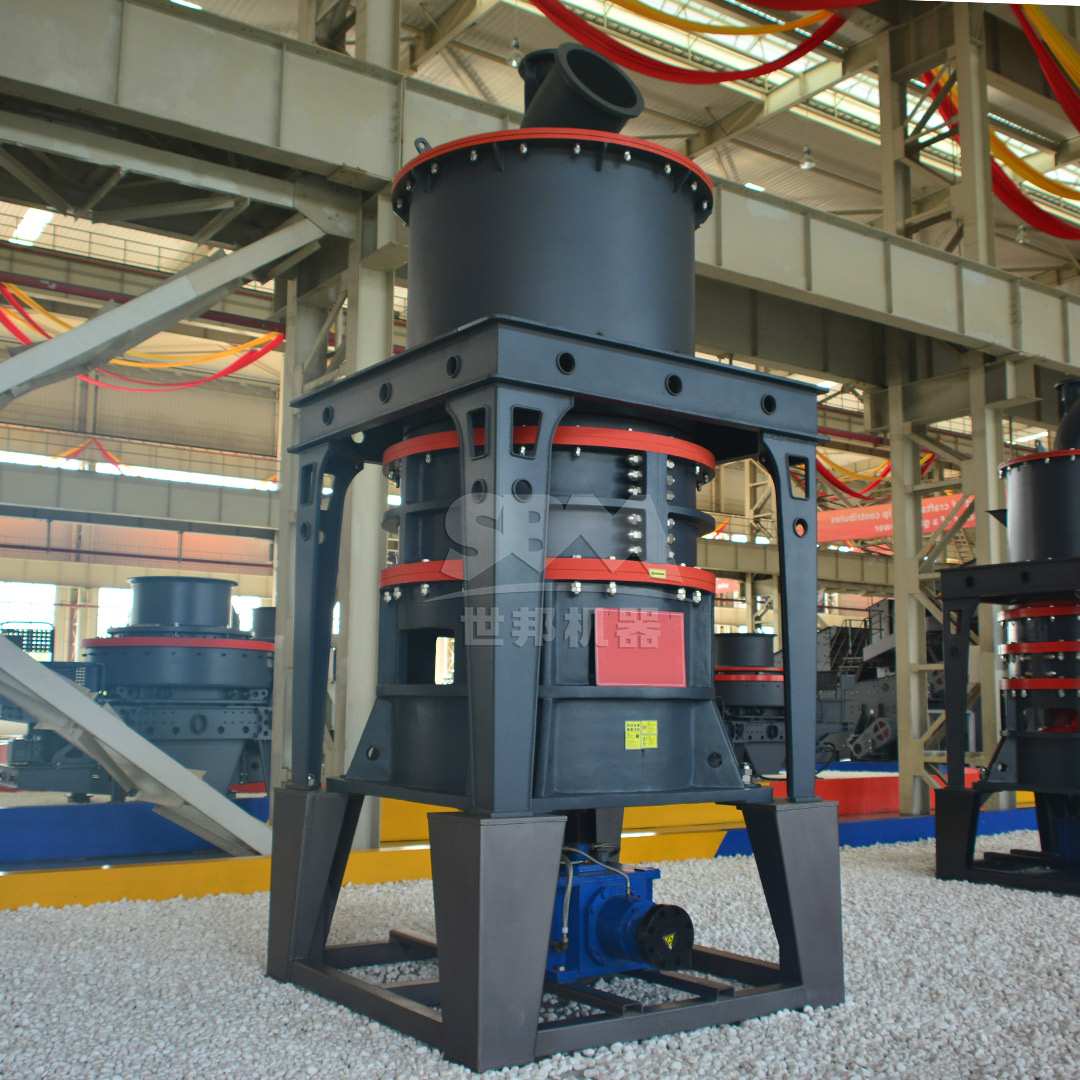
Equipment with wear-resistant liners and durable grinding parts is essential for long-term reliability. For example, the SCM Series Ultrafine Mill features special material rollers and rings that extend service life several times over, making it ideal for abrasive materials like magnesite.
Refractory applications demand precise particle size control. Magnesite additives are often required in two primary fineness ranges:
The choice of equipment depends on your target fineness:
Production volume is a decisive factor in mill selection. The investment in large-scale equipment is justified for continuous industrial operations, while smaller modular units are suitable for pilot plants or specialized runs. Consider the following scenarios:
| Required Capacity (t/h) | Recommended Equipment | Typical Applications |
|---|---|---|
| 0.5 – 8.5 | SCM Series Ultrafine Mill (SCM800 – SCM1000) | Ultrafine magnesite powder for high-performance refractories |
| 3 – 25 | MTW Series Trapezium Mill (MTW110 – MTW175G) | Medium-fine magnesite for castables and mortars |
| 10 – 250 | LM Series Vertical Roller Mill (LM130K – LM280K) | Large-scale production for industrial refractory blends |
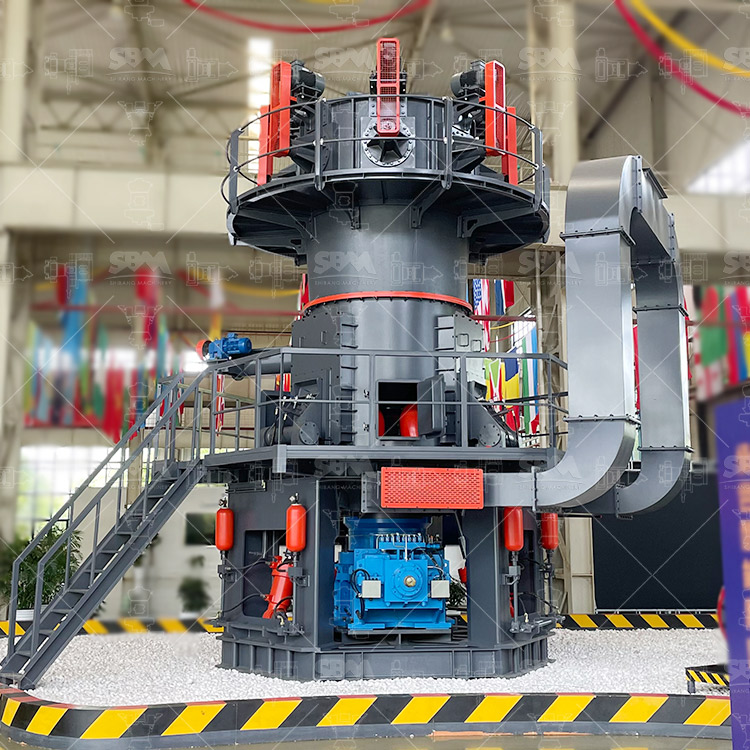
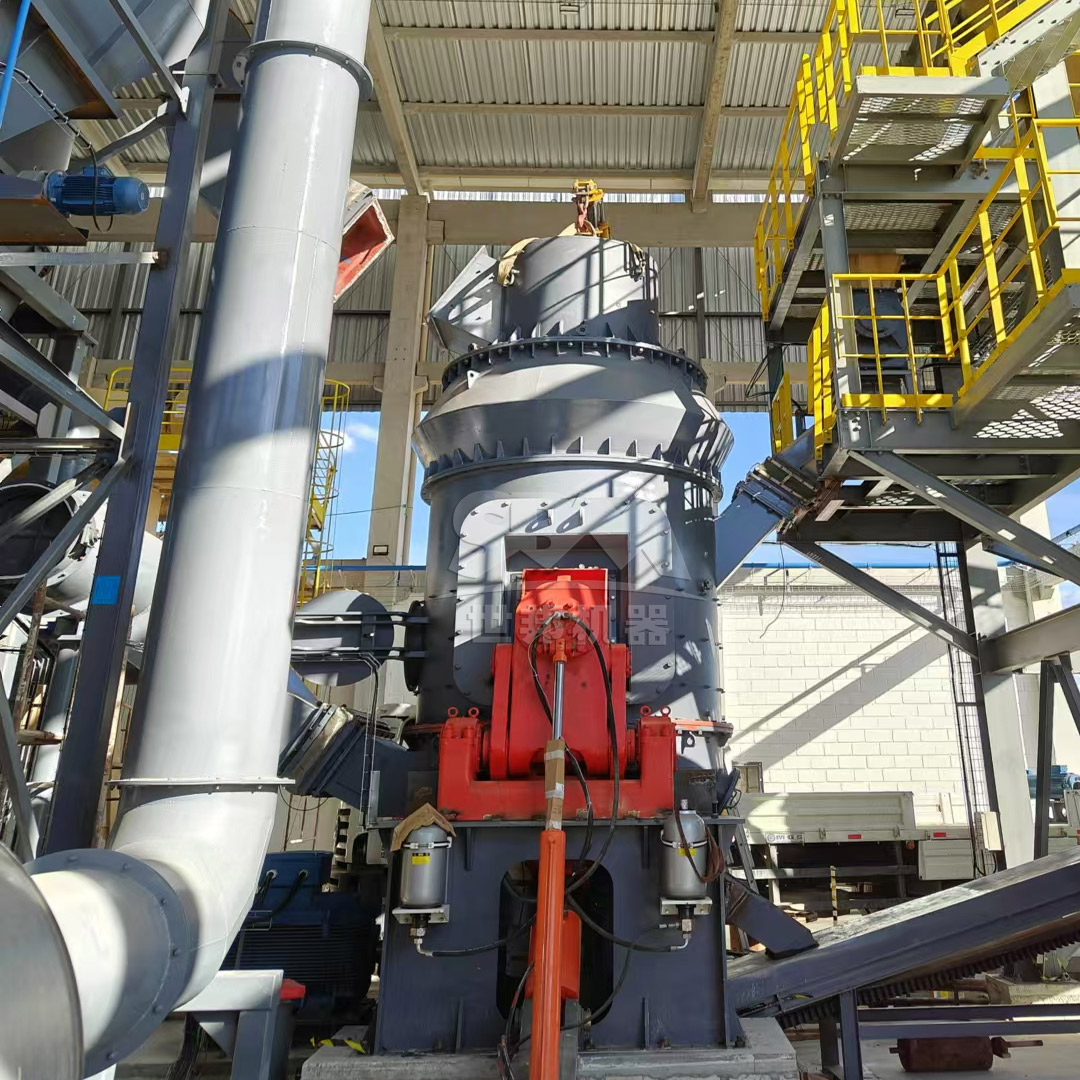
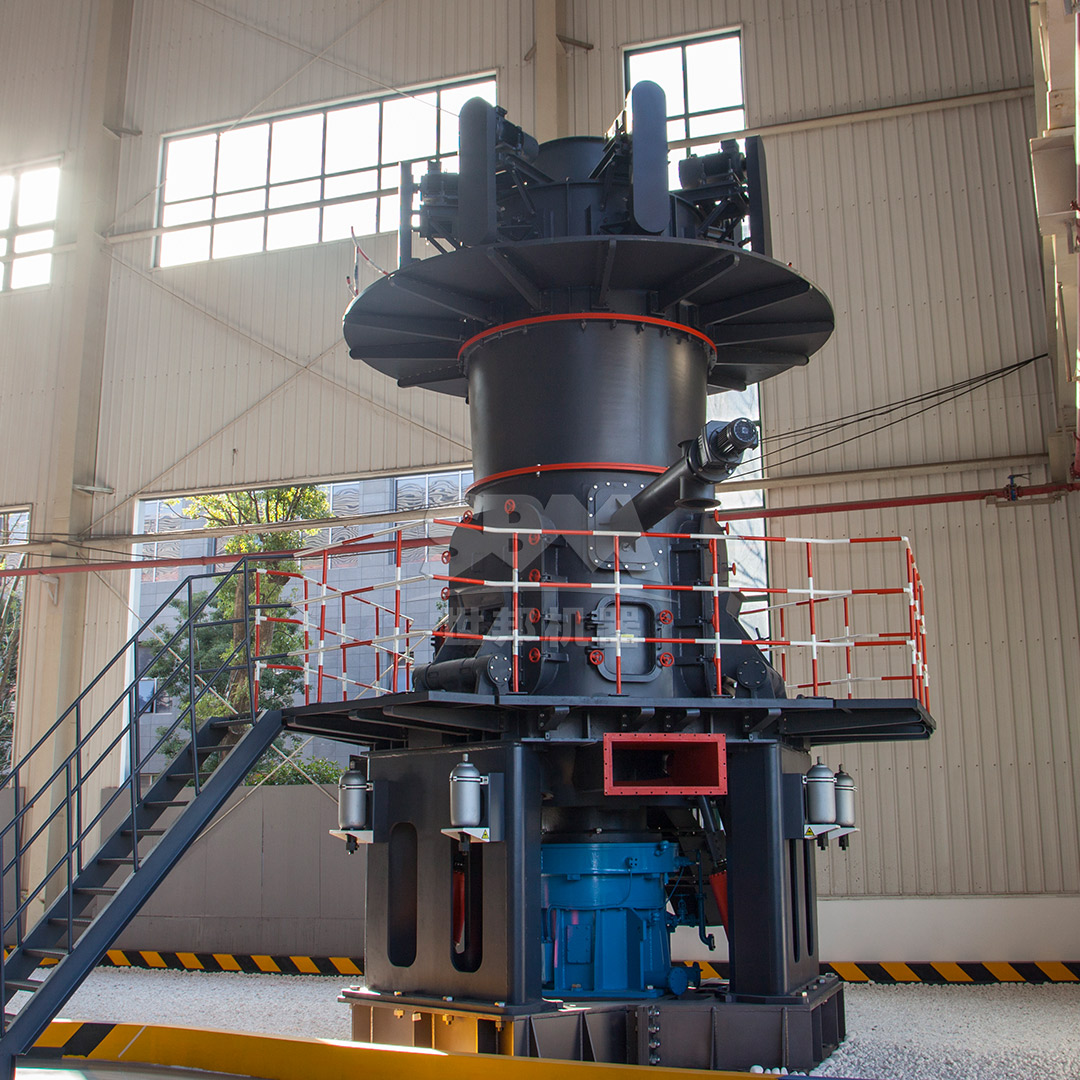
The LM Series Vertical Roller Mill stands out for its integrated design, combining crushing, grinding, and classification in a single system. Its capacity ranges from 3 to 250 t/h, making it the most versatile choice for high-volume magnesite processing.
Energy consumption is a major cost driver in grinding operations. Modern mills employ various technologies to minimize power usage:
For example, the SCM Series Ultrafine Mill delivers capacity 2x that of jet mills while consuming 30% less energy. This makes it a cost-effective solution for ultrafine magnesite powder production.
Due to the abrasive nature of magnesite, equipment durability is critical. Look for the following features:
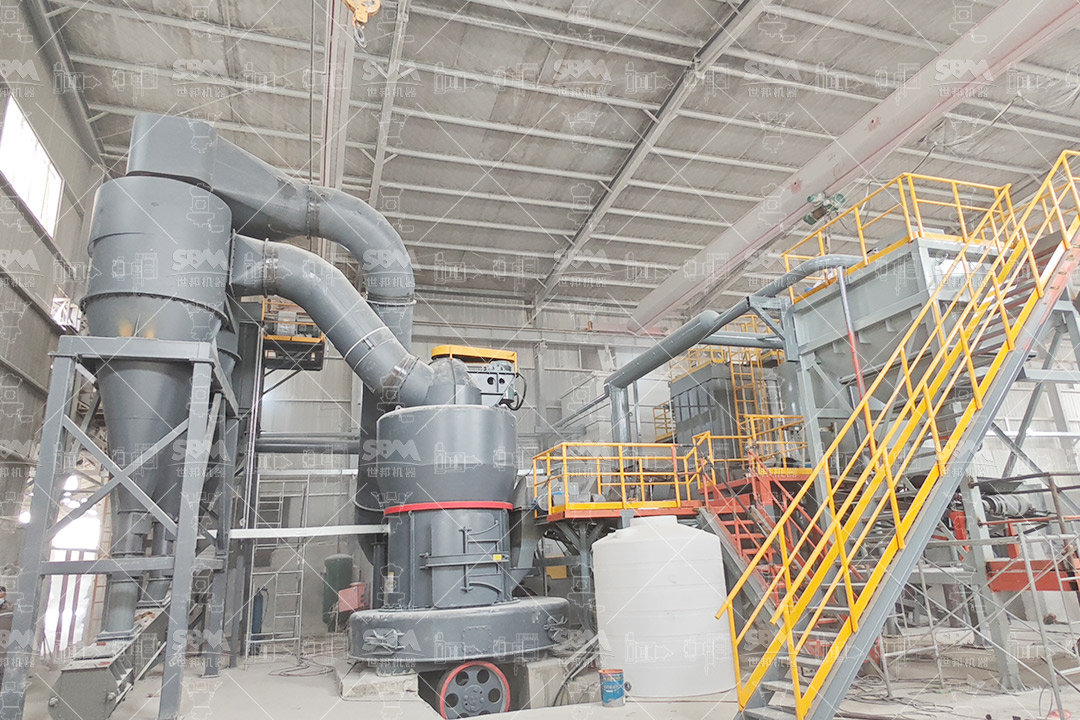
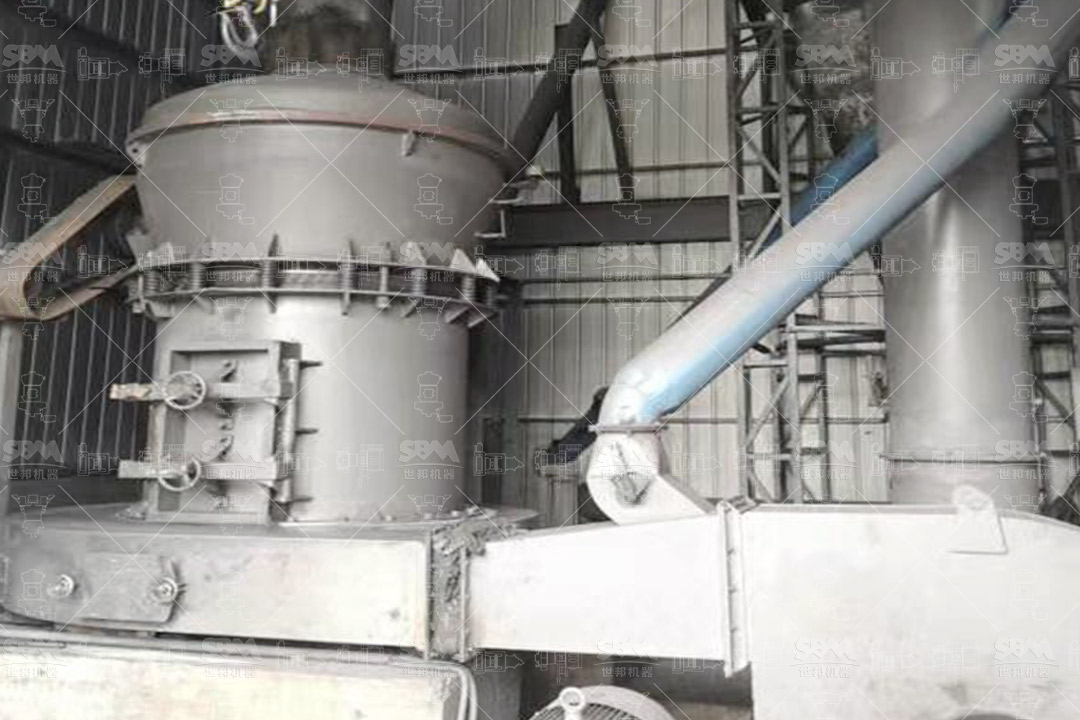
The MTW Series European Trapezium Mill is designed with an anti-wear shovel and optimized arc air duct, which reduce maintenance costs by up to 30%. Its integral bevel gear drive also ensures transmission efficiency of up to 98%, minimizing energy loss.
Modern refractory plants must meet stringent environmental regulations. Key considerations include:
The LM Series Vertical Roller Mill operates under fully sealed negative pressure, with noise levels as low as 75-85 dB. Its intelligent control system also supports remote monitoring, reducing manual intervention and enhancing safety.
To help you decide, here is a side-by-side comparison of the most suitable mills for magnesite additives:
| Feature | SCM Ultrafine Mill | MTW Trapezium Mill | LM Vertical Roller Mill |
|---|---|---|---|
| Fineness Range | 325-2500 mesh | 30-325 mesh | 30-325 mesh (up to 600) |
| Feed Size | ≤20 mm | ≤50 mm | ≤50 mm |
| Capacity | 0.5-25 t/h | 3-45 t/h | 3-250 t/h |
| Energy Saving | 30% vs. jet mill | High efficiency, low loss | 30-40% vs. ball mill |
| Wear Resistance | Special material rollers | Anti-wear shovel | Non-contact design |
| Best Application | Ultrafine powder for premium refractories | Medium-fine powder for general use | Large-scale, multi-product |
Choosing the right production equipment for magnesite additives requires balancing fineness, capacity, energy efficiency, and maintenance costs. For most refractory manufacturers, a two-step approach works best:
At Your Company Name, we offer a full range of mills designed for magnesite and other abrasive minerals. The SCM Series Ultrafine Mill is particularly recommended for manufacturers targeting the high-end refractory market, due to its superior fineness control and energy efficiency. For large-scale operations with diverse product lines, the LM Series Vertical Roller Mill provides unmatched flexibility and low operating costs. Contact our technical team to discuss a customized solution for your plant.
The selection of grinding equipment for magnesite additives is a multi-faceted decision. By understanding your material properties, required fineness, production volume, and budget, you can choose a mill that optimizes both performance and profitability. Whether you need the ultra-fine precision of the SCM series or the high-capacity integration of the LM series, investing in advanced milling technology is the key to producing superior refractory materials. Let us help you turn raw magnesite into a competitive advantage.