January 10, 2026
Introduction
Selecting the optimal pulverized coal production equipment is a critical decision that directly impacts the efficiency, operational cost, environmental compliance, and long-term profitability of your power generation or industrial processing plant. The choice is far from one-size-fits-all; it requires a meticulous evaluation of your raw coal characteristics, desired product specifications, plant capacity, and sustainability goals. This comprehensive guide will walk you through the key factors to consider and introduce advanced technological solutions to help you make an informed investment.
Key Factors in Equipment Selection
1. Raw Coal Properties
The journey begins with a thorough analysis of your feedstock. Key properties include:
- Hardness & Abrasiveness (HGI – Hardgrove Grindability Index): Softer coals (higher HGI) are easier to grind and may allow for higher throughput or less powerful equipment. Hard, abrasive coals demand robust, wear-resistant mill designs.
- Moisture Content: High surface moisture can lead to clogging in certain mill types. Equipment with integrated drying capabilities, using hot gases, is essential for wet coals.
- Volatile Matter & Inherent Moisture: Influences combustion behavior and may affect grinding system safety (explosivity).
- Feed Size: The maximum size of coal entering the mill dictates the need for pre-crushing stages.
2. Product Requirements
The end-use application defines the target specifications:
- Fineness (Particle Size Distribution): Modern pulverized coal-fired (PC) boilers typically require 70-80% of particles to pass through a 200-mesh (75μm) screen, with a top size of about 300μm. Ultra-fine applications for specialized processes demand even finer grinding.
- Capacity (Throughput): This must align with your plant’s hourly and annual coal consumption rates, considering both base load and peak demand.
- Product Consistency: Uniform particle size ensures stable and efficient combustion, minimizing unburned carbon and NOx emissions.
3. Operational & Economic Considerations
- Energy Efficiency: Grinding is energy-intensive. Selecting a mill with lower specific power consumption (kWh/ton) is paramount for reducing operating costs.
- Wear Part Life & Maintenance: Evaluate the lifespan of grinding elements (rollers, tires, liners) and the ease of maintenance. Longer intervals between overhauls reduce downtime and maintenance costs.
- System Footprint: Space constraints may favor vertically integrated, compact mill systems over traditional horizontal layouts.
- Noise and Dust Emissions: Compliance with environmental regulations requires equipment with effective sealing, pulse-jet dust collectors, and noise suppression features.
Technology Deep Dive: Major Mill Types
Understanding the core technologies available is crucial. Below is a comparison of the dominant mill types used in pulverized coal production.
| Mill Type |
Typical Output Fineness |
Key Advantages |
Key Considerations |
Best For |
| Ball/Tube Mill |
0.074-0.8mm |
Proven technology, reliable, handles abrasive materials well. |
High energy consumption, large footprint, noisy. |
Older plant retrofits, very hard coals. |
| Vertical Roller Mill (VRM) |
30-325 mesh (up to 600 mesh) |
High energy efficiency, integrated drying/grinding, compact footprint, lower noise. |
Higher initial investment, sensitive to tramp metal. |
Modern large-scale plants, coals requiring drying. |
| Medium-Speed Mills (e.g., MPS, MBF) |
30-325 mesh |
Good turndown ratio, handles high moisture, robust design. |
Moderate efficiency, complex maintenance. |
Plants with variable coal quality and moisture. |
| Hammer Mill |
0-3mm |
Simple design, high capacity, low cost. |
Limited fineness control, high wear on hammers/screens. |
Primary/secondary crushing, preparing feed for finer mills. |
Recommended Solutions for Modern Plants
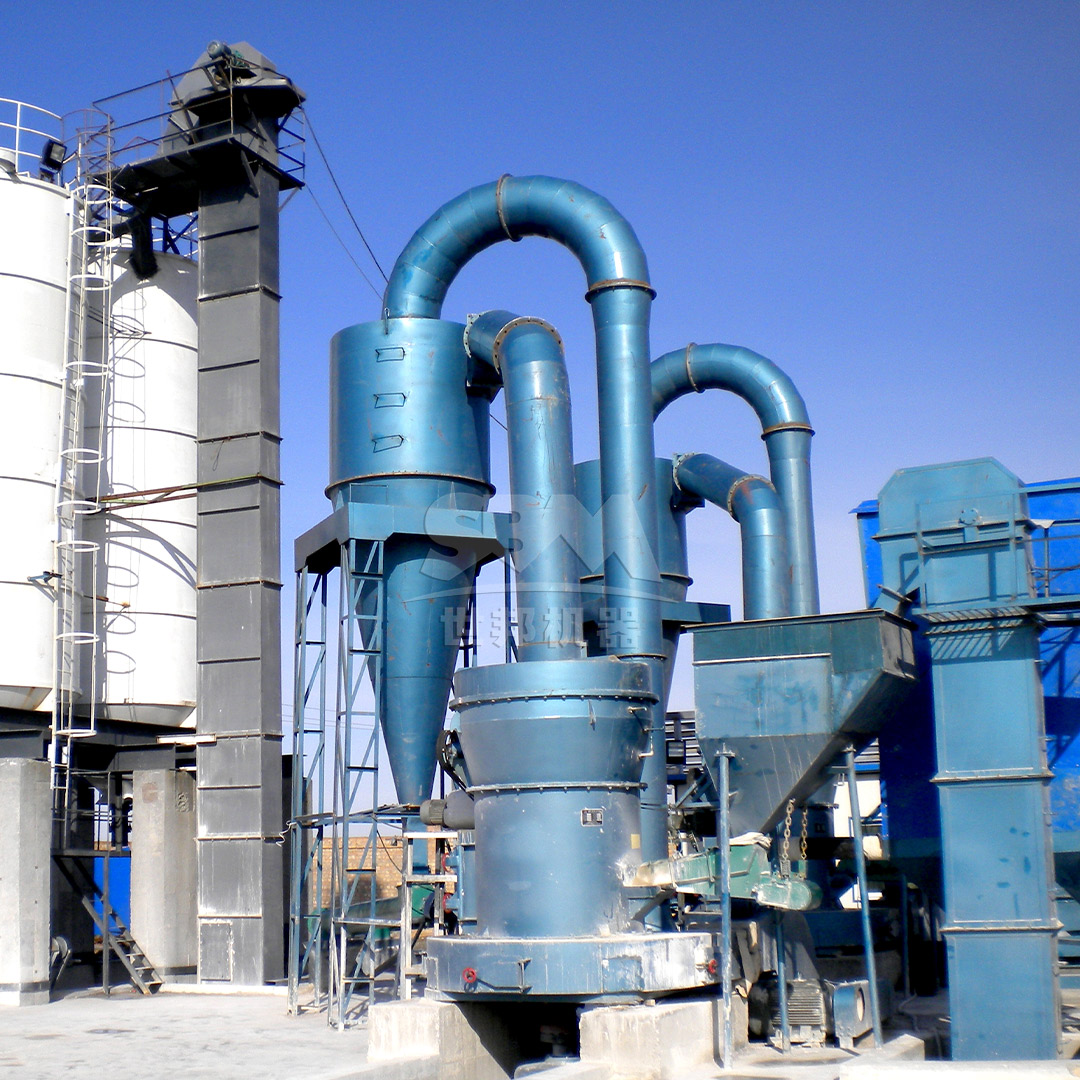
Based on the prevailing demand for high efficiency, low operational cost, and environmental stewardship, two advanced mill technologies stand out. Our company’s engineering expertise has led to the development of industry-leading solutions in these categories.
1. For High-Capacity, Efficient Pulverization: LM Series Vertical Roller Mill
When your priority is maximizing throughput while minimizing energy consumption per ton of product, the LM Series Vertical Roller Mill represents the state-of-the-art. Its integrated design combines drying, grinding, classification, and conveying into a single, compact unit, reducing plant footprint by up to 50% compared to traditional ball mill systems.
Why it excels for pulverized coal:
- Superior Energy Efficiency: Utilizing a bed grinding principle with direct grinding on the table, it consumes 30-40% less energy than ball mills, offering dramatic operational savings.
- Excellent Drying Capability: Hot gases (<300°C) can be introduced directly into the mill, effectively handling coals with high moisture content.
- Precise Particle Control: Equipped with a high-efficiency dynamic classifier, it ensures a consistent and optimal particle size distribution for combustion.
- Low Wear & High Availability: The non-contact design between rollers and table, coupled with wear-resistant materials, extends maintenance intervals. Our patented quick-change system for grinding rollers further minimizes downtime.
For a large-scale power plant requiring a capacity of 50-170 tons per hour, the LM280K model (with a 2800mm grinding table and 1250kW main power) is an exemplary choice, delivering reliable, high-volume production of quality pulverized coal.
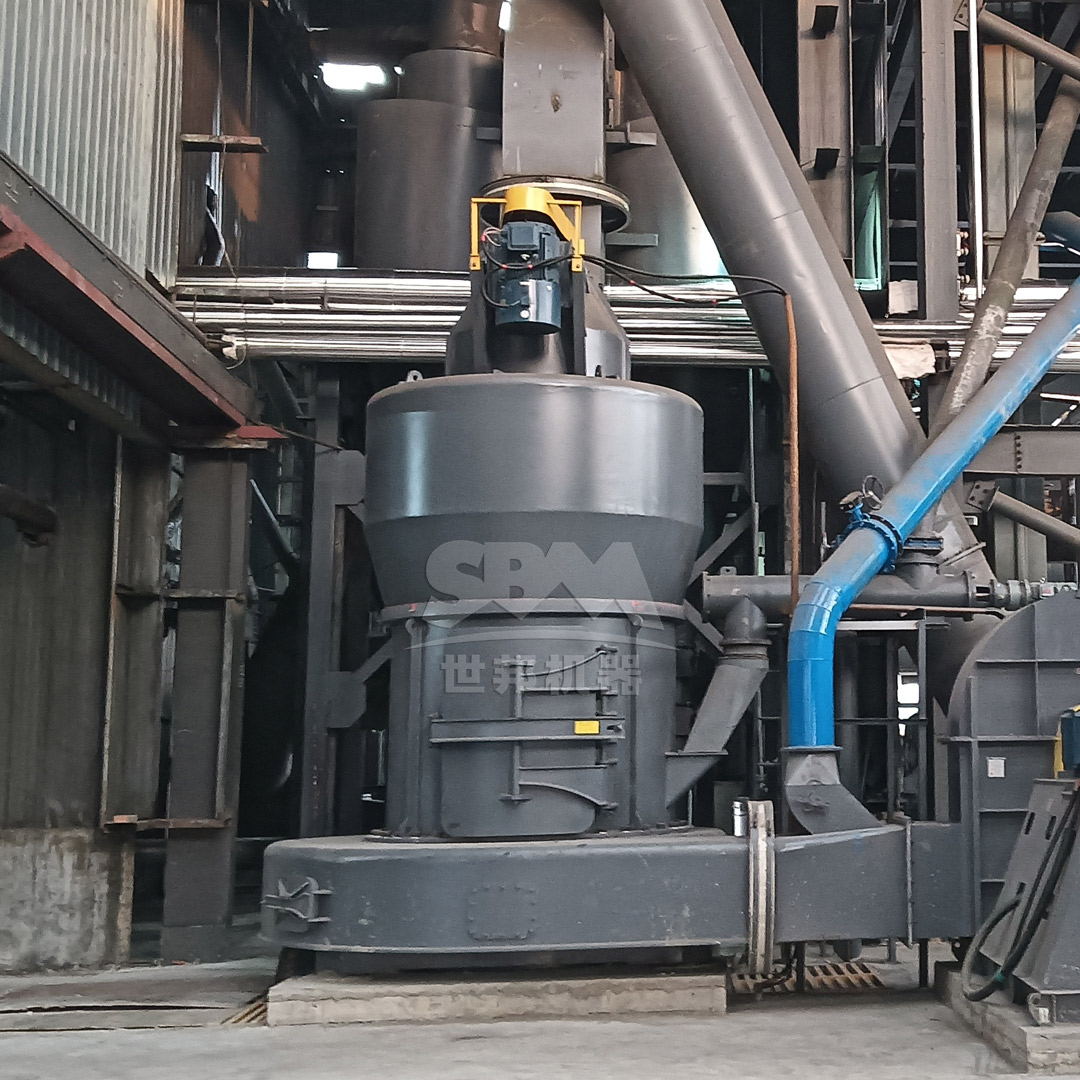
2. For Fine & Ultra-Fine Grinding Applications: SCM Series Ultrafine Mill
For specialized industrial processes that demand pulverized coal with exceptional fineness—such as in advanced carbon injection for metallurgy or the production of carbon additives—the SCM Series Ultrafine Mill is the definitive solution. It achieves fineness levels from 325 to an remarkable 2500 mesh (5μm).
Key advantages for premium product requirements:
- Unmatched Fineness & Uniformity: Its vertical turbine classifier provides extremely sharp particle size cuts, eliminating coarse powder contamination and ensuring a highly uniform end product.
- High Efficiency in Fine Grinding: It offers twice the capacity of traditional jet mills while consuming approximately 30% less energy, making fine grinding economically viable.
- Durable, Stable Operation: Constructed with special material rollers and rings and featuring a shaftless screw grinding chamber design, it guarantees long service life and operational stability.
- Eco-friendly Operation: The system integrates a high-efficiency pulse dust collector and soundproof room design, ensuring emissions and noise levels meet the strictest international standards.
A model like the SCM1250, with a capacity range of 2.5-14 tons per hour and a main power of 185kW, is perfectly suited for plants needing a dedicated line for producing superfine pulverized coal for high-value applications.
The Selection Process: A Step-by-Step Summary
- Characterize Your Coal: Conduct full geochemical and physical analysis (HGI, moisture, ash, feed size).
- Define Product Specs: Lock in required fineness, moisture post-grinding, and system capacity.
- Evaluate Technology Fit: Match coal properties and product needs to mill technology (e.g., VRM for efficient high-capacity drying/grinding).
- Model-Specific Analysis: Based on throughput, select specific mill models and request detailed performance guarantees from manufacturers.
- Total Cost of Ownership (TCO) Assessment: Calculate not just the capital cost, but the projected operational costs (power, wear parts, maintenance) over the equipment’s lifespan.
- Partner with an Expert Supplier: Choose a manufacturer with proven experience, robust after-sales support, and the ability to provide a complete system solution, from feed to product collection.
Conclusion
Investing in the right pulverized coal production equipment is a strategic decision with decades-long implications. By moving beyond traditional, energy-intensive technologies and embracing advanced solutions like the LM Series Vertical Roller Mill for mainstream power generation or the SCM Series Ultrafine Mill for specialized fine coal applications, plant operators can achieve significant gains in efficiency, reliability, and environmental performance. A disciplined selection process focused on your specific coal characteristics and plant objectives will ensure your investment delivers optimal returns, securing both operational excellence and a competitive edge in an increasingly demanding market.