Quartz grinding for optical applications presents unique challenges that require specialized milling equipment. The optical industry demands quartz powders with exceptional purity, precise particle size distribution, and minimal contamination. Selecting the appropriate grinding mill is crucial for achieving the required optical properties in applications ranging from lenses and prisms to fiber optics and semiconductor components. This comprehensive guide explores the critical factors to consider when choosing quartz grinding equipment for optical applications.
Quartz (SiO₂) possesses several characteristics that make it ideal for optical applications, including high transparency, excellent thermal stability, and superior chemical resistance. However, these same properties present challenges during the grinding process. The hardness of quartz (7 on the Mohs scale) requires robust milling equipment, while the need for high purity demands contamination-free processing.
Optical applications typically require quartz powders with the following specifications:
The grinding method significantly influences the final optical properties of quartz powder. Mechanical stress during grinding can introduce micro-cracks and amorphous layers on particle surfaces, affecting light transmission. Thermal damage from excessive friction can alter the crystalline structure, reducing optical clarity. Therefore, selecting a mill that minimizes these detrimental effects is paramount.
Optical applications demand precise control over particle size distribution. Mills with advanced classification systems are essential for achieving the narrow size distributions required. The ability to consistently produce powders in the 325-2500 mesh range (approximately 45-5μm) is particularly important for high-performance optical components.
| Application | Required Fineness (D97) | Tolerance |
|---|---|---|
| Standard Lenses | 10-20μm | ±2μm |
| Precision Optics | 5-10μm | ±1μm |
| Fiber Optics | 1-5μm | ±0.5μm |
| Semiconductor Grade | <1μm | ±0.2μm |
Iron contamination is a primary concern in optical quartz processing. Even trace amounts of iron can cause discoloration and reduce light transmission efficiency. Mills constructed with ceramic or specialized alloy components significantly reduce metallic contamination. Additionally, designs that minimize wear part contact with the material stream help maintain purity.
Excessive heat generation during grinding can damage quartz’s crystalline structure, affecting its optical properties. Effective cooling systems and grinding geometries that minimize heat buildup are essential. Mills that operate at lower peripheral speeds while maintaining efficiency are preferred for thermal-sensitive materials.
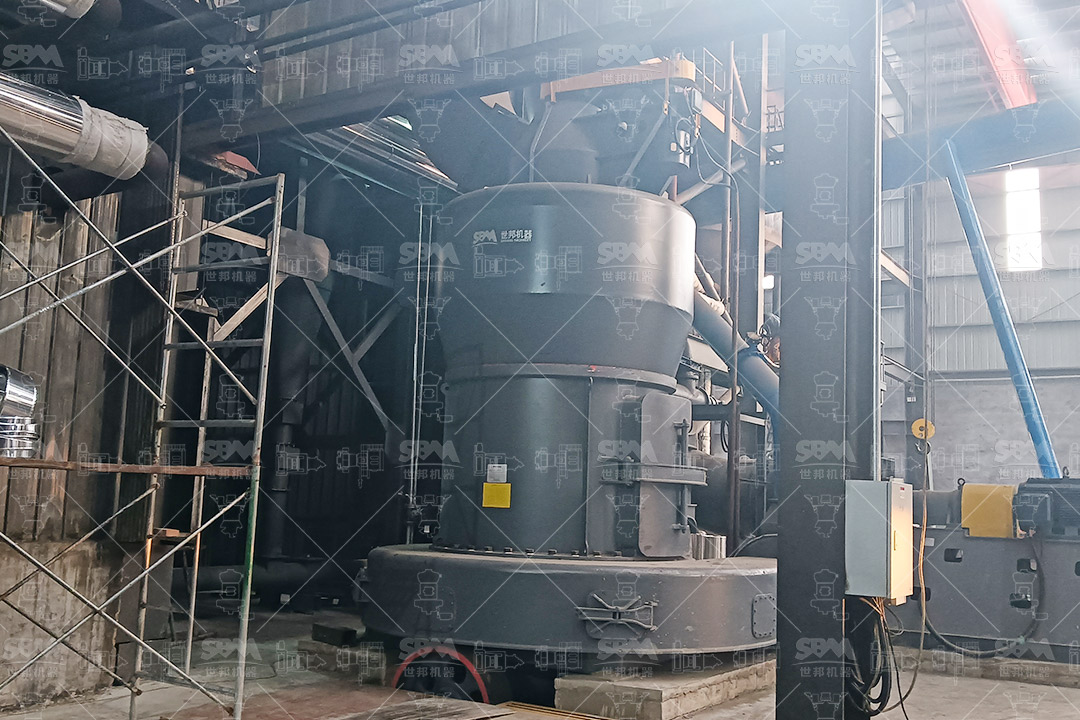
For the most demanding optical applications requiring sub-5μm particles, ultrafine grinding mills offer the necessary precision. These mills typically incorporate advanced classification systems and specialized grinding mechanisms that minimize contamination while achieving exceptional fineness.
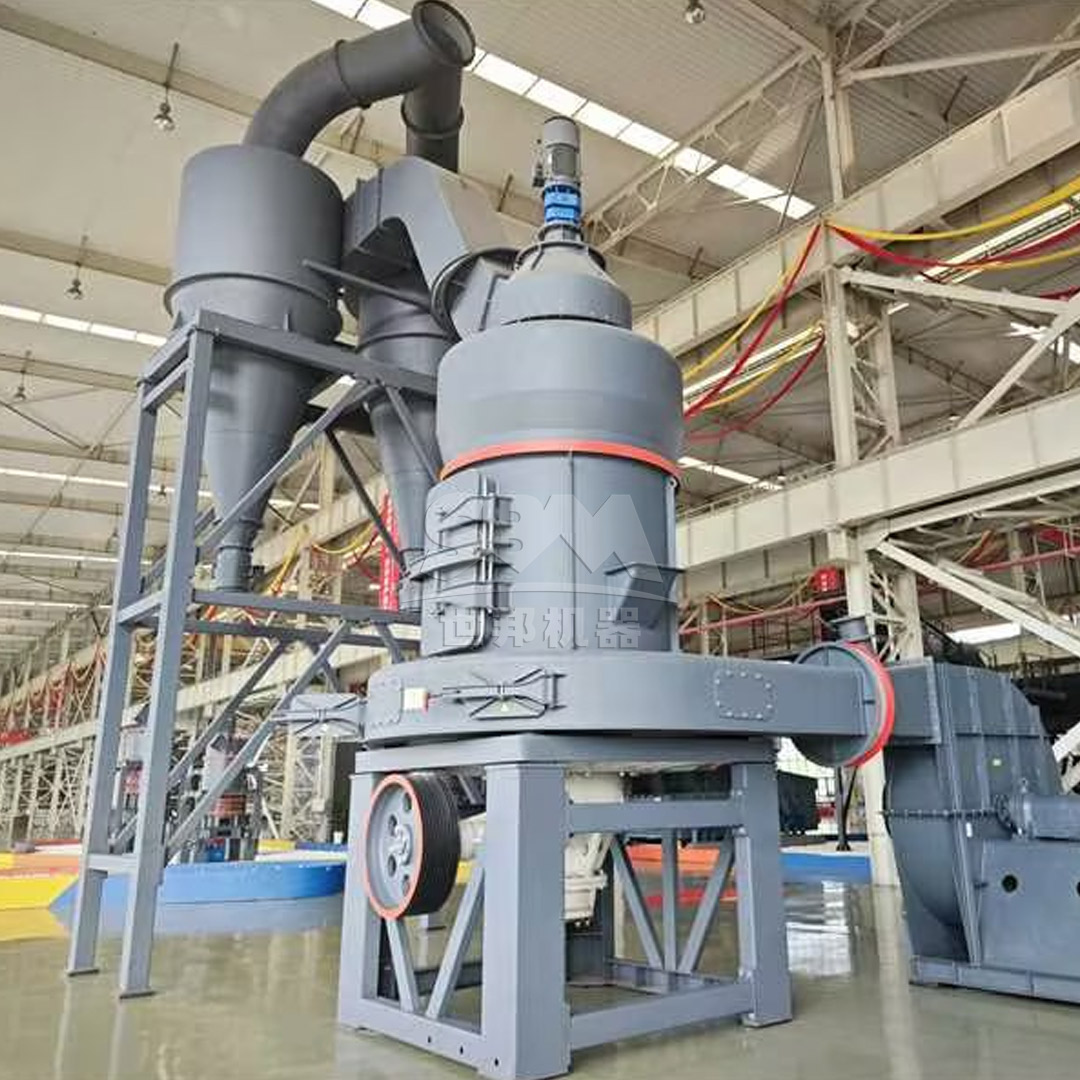
Our SCM Ultrafine Mill represents an ideal solution for high-precision optical quartz processing. With an output fineness range of 325-2500 mesh (D97≤5μm), this mill exceeds the requirements for most optical applications. The vertical turbine classifier ensures precise particle size control, while the special material construction minimizes iron contamination. The intelligent control system automatically maintains consistent product quality, crucial for optical grade quartz production.
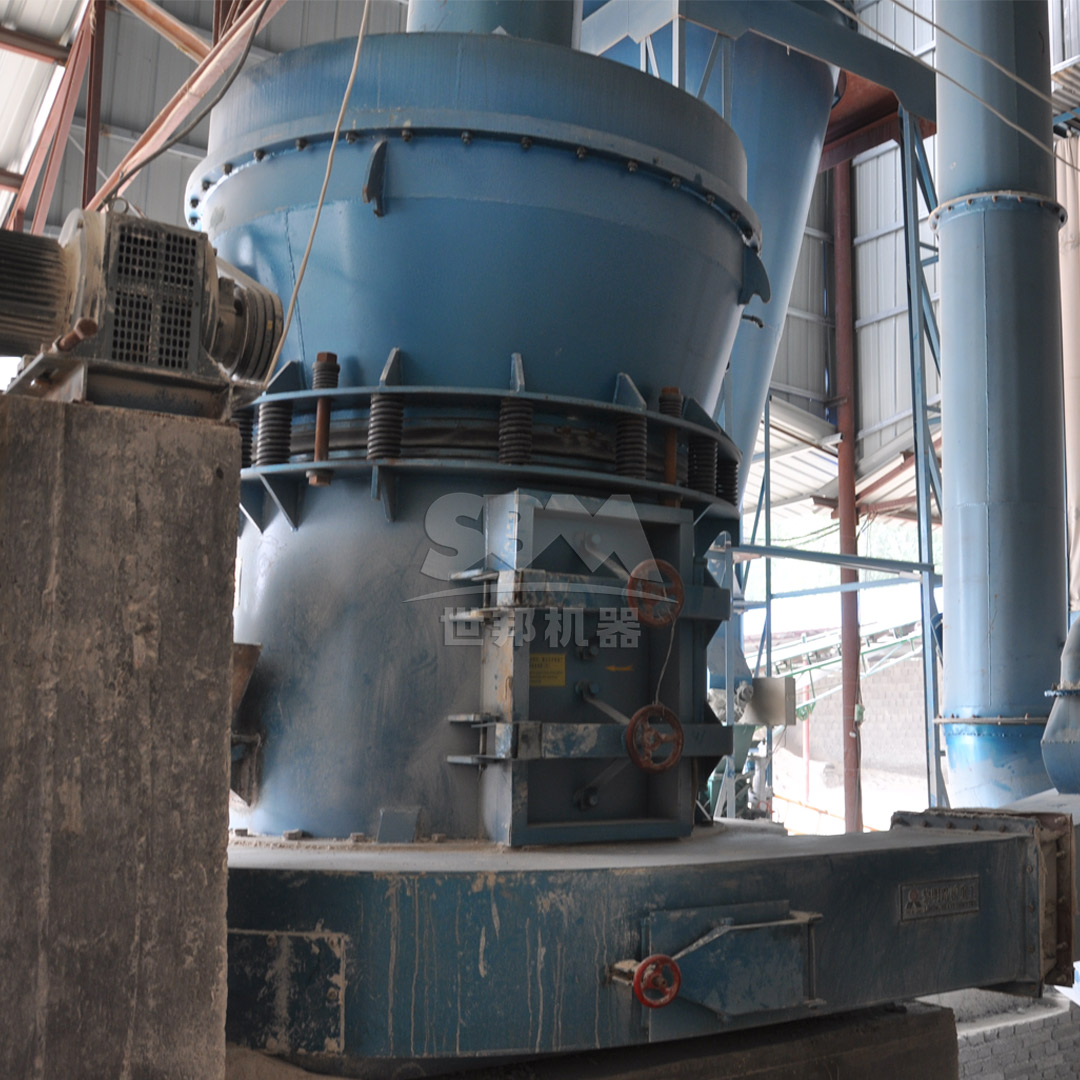
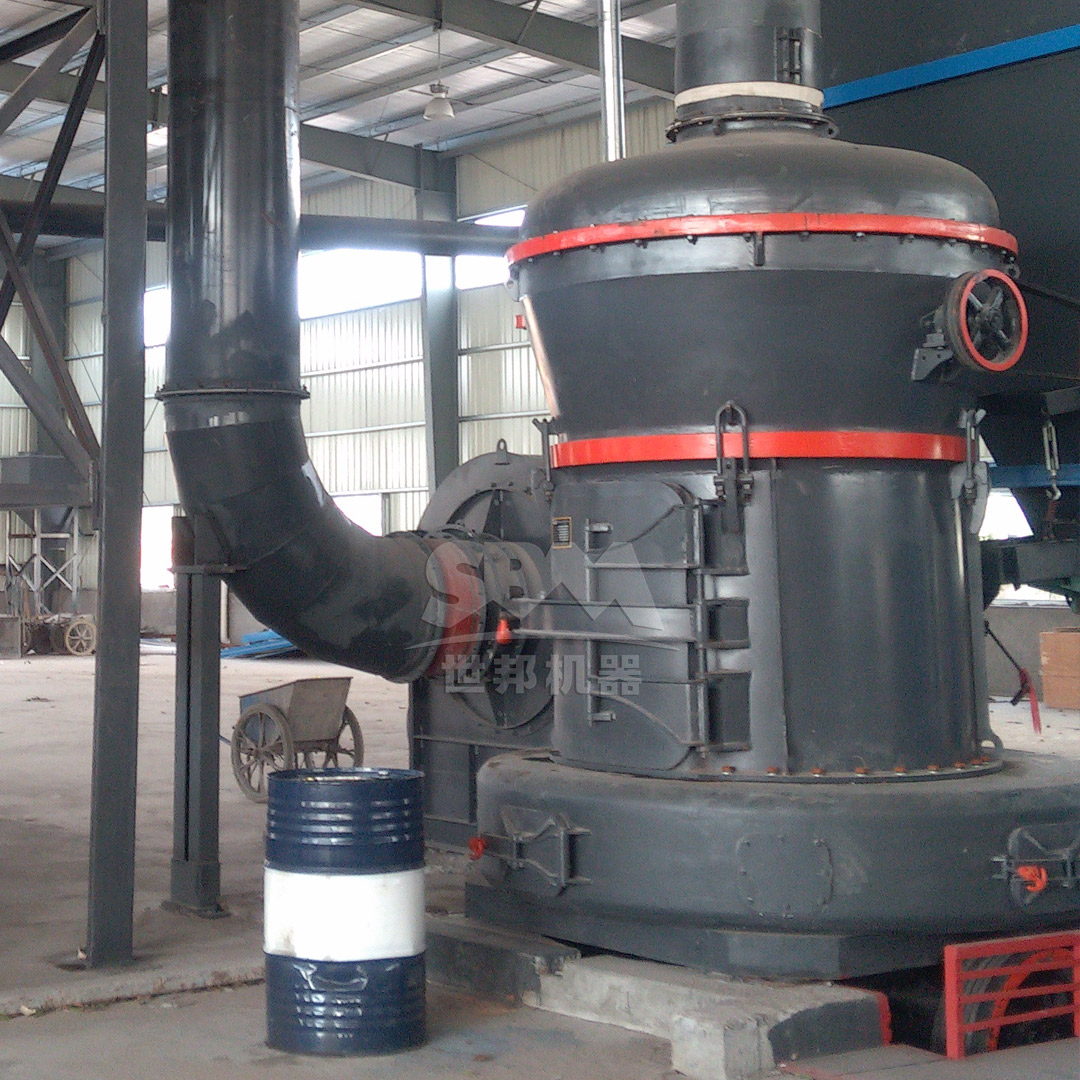
Vertical roller mills provide excellent options for medium to fine grinding of optical quartz. Their compact design and efficient operation make them suitable for production-scale optical material processing. The ability to integrate drying, grinding, and classification in a single unit reduces contamination risks.
Our LM Series Vertical Roller Mill offers particular advantages for optical quartz processing. The集约化设计 reduces footprint by 50% while the non-contact grinding design extends wear part life, critical for maintaining purity. With output fineness adjustable from 30-325 mesh (special models to 600 mesh), this mill covers a broad range of optical applications. The智能控制 system enables precise parameter monitoring and reduces human intervention, ensuring consistent product quality.
Medium-speed trapezium mills balance production capacity with particle size control, making them suitable for standard optical components. Their robust construction handles quartz’s hardness effectively while maintaining reasonable operating costs.
For applications requiring the highest level of precision, such as semiconductor optics and advanced fiber optics, the SCM Ultrafine Mill delivers exceptional performance. Key advantages include:
The mill’s working principle involves main motor-driven multi-layer grinding ring rotation, with material dispersed to the grinding track by centrifugal force. The progressive grinding approach ensures uniform particle size distribution, while the cyclone collector and pulse dust removal system efficiently collect the fine powder.
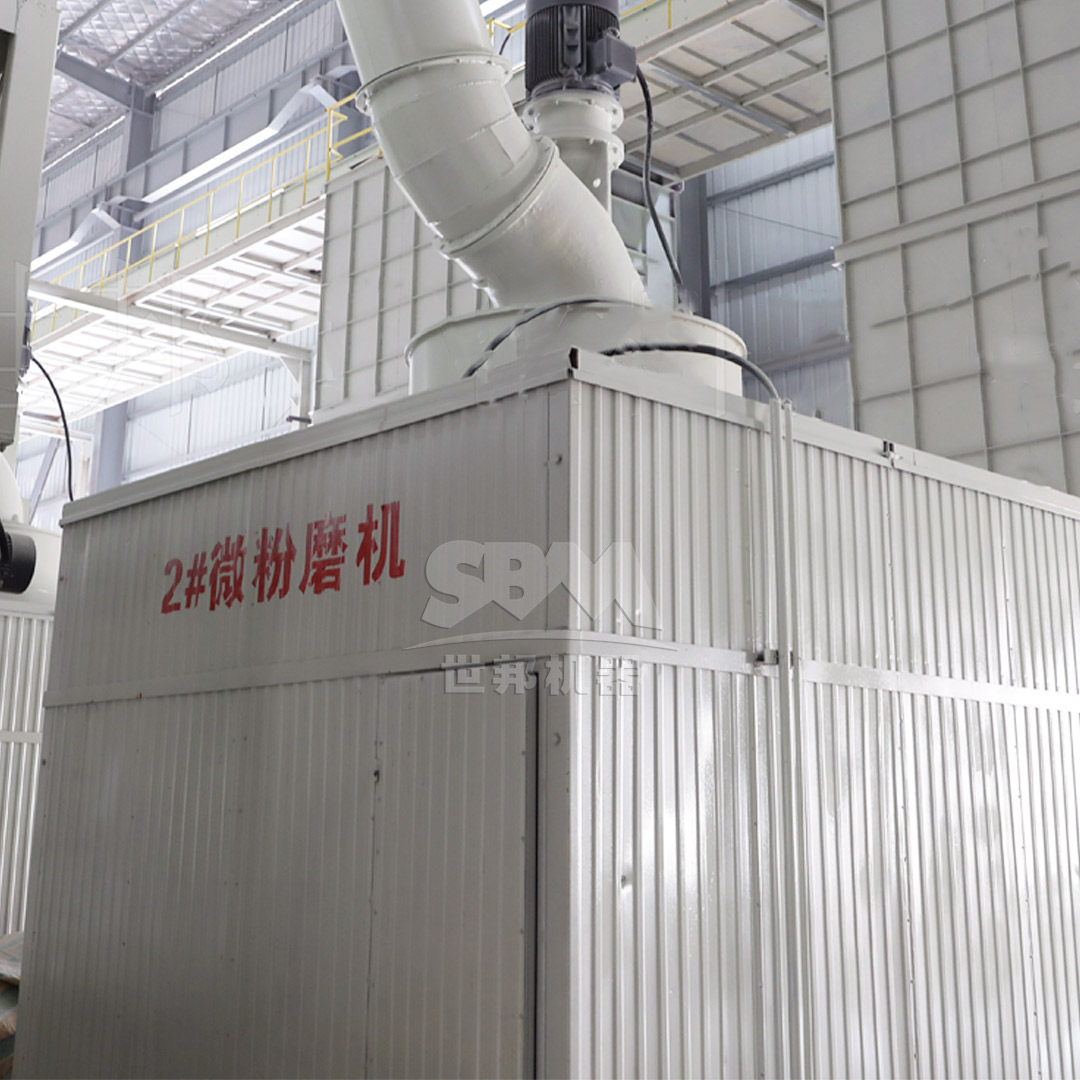
For larger-scale production of optical quartz powders, the LM Vertical Roller Mill offers an optimal balance of capacity and quality. Its advantages include:
The mill operates through a main motor driving the grinding table rotation via a reducer. Material enters through the central feed chute and spreads uniformly under centrifugal force. The grinding rollers apply pressure for bed comminution, with qualified fine powder carried by hot air to the classifier while coarse material returns for regrinding.
Proper preparation of quartz before grinding significantly impacts final product quality. Key considerations include:
The classification system determines the final particle size distribution. For optical applications, high-efficiency classifiers with precise cut-point control are essential. Dynamic classifiers with multiple rotor stages provide the flexibility needed for different optical grade requirements.
Regular monitoring and replacement of wear parts prevent contamination and maintain product consistency. Ceramic or specialized alloy components extend service life while preserving material purity. Implementing predictive maintenance schedules based on operating hours and material throughput optimizes performance.
| Mill Type | Optimal Application | Fineness Range | Capacity Range | Contamination Risk |
|---|---|---|---|---|
| SCM Ultrafine Mill | High-precision optics | 325-2500 mesh | 0.5-25 t/h | Very Low |
| LM Vertical Mill | Production optics | 30-325 mesh | 3-250 t/h | Low |
| MTW Trapezium Mill | Standard optics | 30-325 mesh | 3-45 t/h | Medium |
| Ball Mill | Basic optics | 0.074-0.8mm | 0.65-450 t/h | High |
Implementing rigorous quality control measures ensures the quartz powder meets optical specifications. Essential testing includes:
Regular calibration of monitoring equipment and adherence to standardized testing protocols maintain consistency across production batches. Statistical process control methods help identify trends and prevent quality deviations.
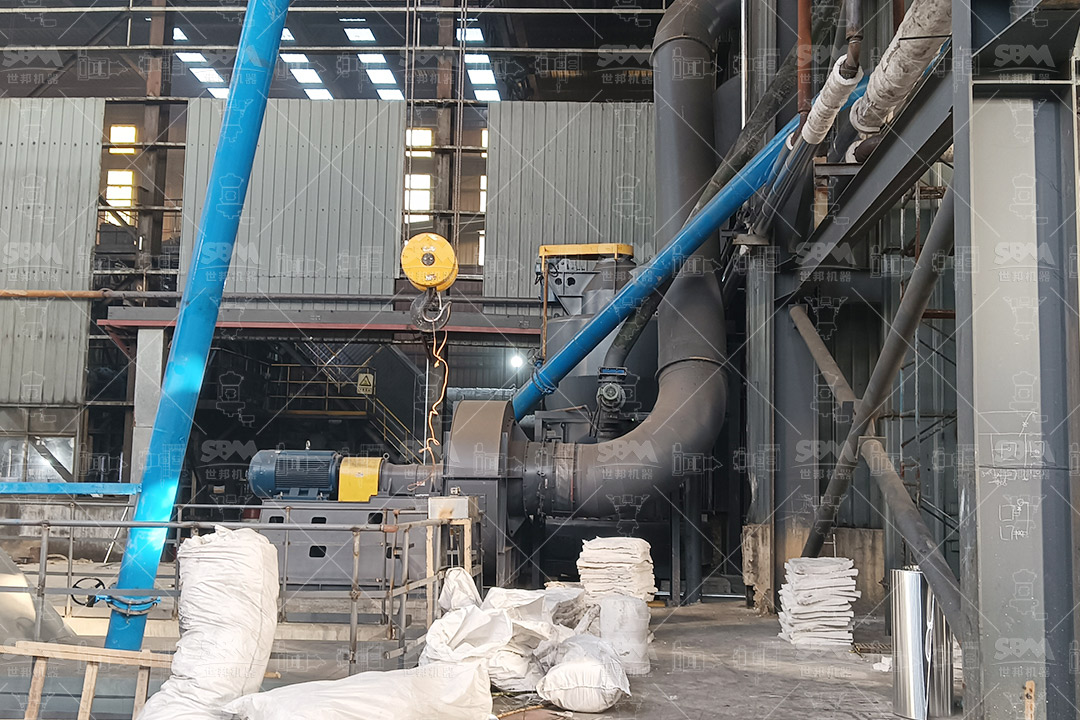
Selecting the right quartz grinding mill for optical applications requires careful consideration of multiple factors, including required fineness, contamination control, production capacity, and operational efficiency. The SCM Ultrafine Mill stands out for high-precision applications demanding sub-5μm particles with minimal contamination, while the LM Vertical Roller Mill offers an excellent solution for production-scale operations requiring consistent quality and operational economy.
By understanding the specific requirements of optical applications and matching them with appropriate milling technology, manufacturers can achieve optimal results in quartz powder production. The investment in proper grinding equipment pays dividends through improved product quality, reduced rejection rates, and enhanced competitiveness in the demanding optical materials market.
Continual advances in milling technology, particularly in classification efficiency and contamination control, will further enhance the capabilities available for optical quartz processing. Staying informed about these developments ensures manufacturers maintain their competitive edge while meeting the evolving demands of the optical industry.