Autoclaved Aerated Concrete (AAC) has revolutionized the construction industry with its lightweight, thermal insulation, and fire-resistant properties. However, the quality of AAC blocks is fundamentally dependent on the fineness and quality of raw materials, particularly silica sand, lime, and cement. The grinding process plays a pivotal role in determining the final product’s strength, dimensional accuracy, and cellular structure. This article explores how advanced grinding plant technology can significantly enhance AAC block quality while optimizing production efficiency.
The relationship between raw material fineness and AAC quality is both scientific and practical. Finer particles create more uniform slurry, leading to better gas bubble formation during the aeration process. This results in:
Traditional grinding methods often fail to achieve the optimal particle size distribution required for premium AAC production, leading to quality inconsistencies and higher production costs.
Modern grinding technology has evolved significantly to address the specific needs of AAC production. The ideal grinding system for AAC raw materials should deliver:
For silica sand grinding – the most critical process in AAC production – the SCM Ultrafine Mill represents a technological breakthrough. This advanced grinding system offers exceptional capabilities specifically tailored for AAC manufacturing requirements.
| Parameter | Value | Benefit for AAC Production |
|---|---|---|
| Output Fineness | 325-2500 mesh (D97≤5μm) | Optimal particle size for perfect aeration |
| Capacity Range | 0.5-25 ton/h | Scalable for different production volumes |
| Energy Efficiency | 30% lower than jet mills | Significant reduction in production costs |
| Noise Level | ≤75dB | Improved working environment |
The SCM Ultrafine Mill’s vertical turbine classifier ensures precise particle size control, eliminating coarse particles that can create weak spots in AAC blocks. Its unique grinding principle involving multiple layers of grinding rings and rollers achieves unprecedented fineness while maintaining energy efficiency.
For comprehensive AAC raw material preparation, the MTW Series Trapezium Mill provides an integrated solution for grinding lime, gypsum, and other additives. This European-style grinding mill combines high capacity with exceptional reliability.
Key advantages of MTW Series for AAC production include:
The MTW Series particularly excels in grinding lime, which requires precise fineness control to ensure proper reaction with silica during the autoclaving process. The mill’s advanced classification system ensures consistent output between 30-325 mesh, the ideal range for AAC production.
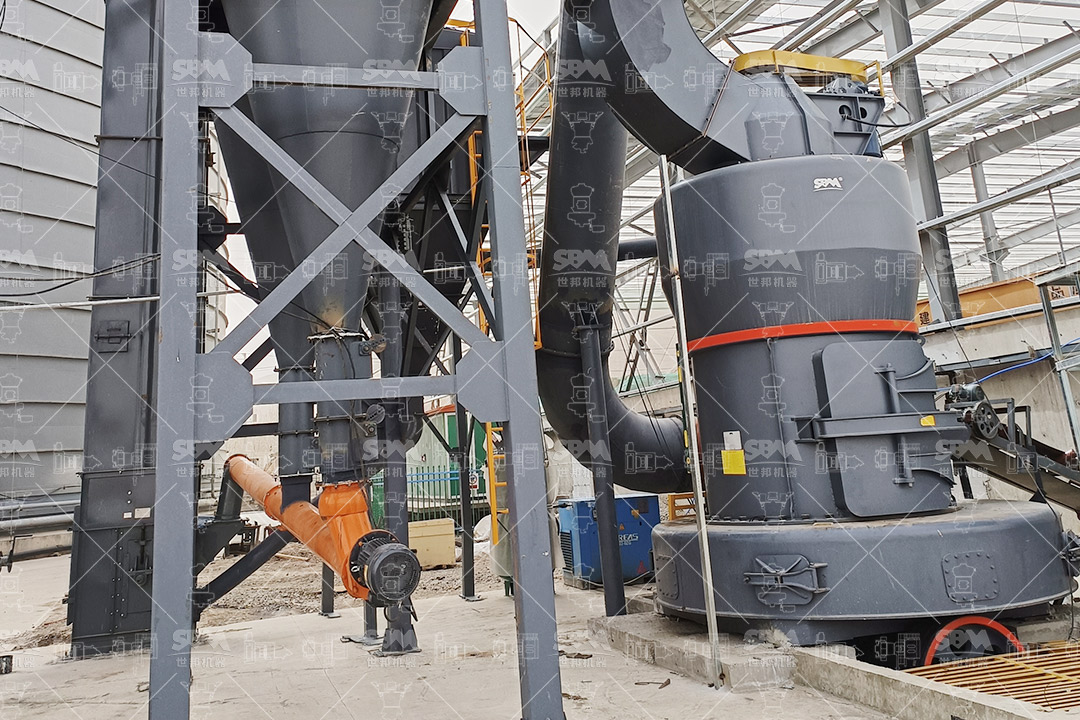
Choosing between different grinding technologies requires careful consideration of specific production requirements:
| Application | Recommended Equipment | Optimal Fineness | Key Benefits |
|---|---|---|---|
| Silica Sand Grinding | SCM Ultrafine Mill | 400-600 mesh | Superior strength development |
| Lime Grinding | MTW Series Trapezium Mill | 200-325 mesh | Optimal reactivity |
| Cement Grinding | LM Vertical Roller Mill | 300-400 mesh | Energy efficiency |
| Fly Ash Processing | SCM Ultrafine Mill | 500-800 mesh | Enhanced pozzolanic activity |
Successfully implementing advanced grinding technology requires a systematic approach:
The transition to advanced grinding technology delivers substantial economic benefits:
Most AAC manufacturers achieve return on investment within 12-18 months through combined savings and revenue improvements.
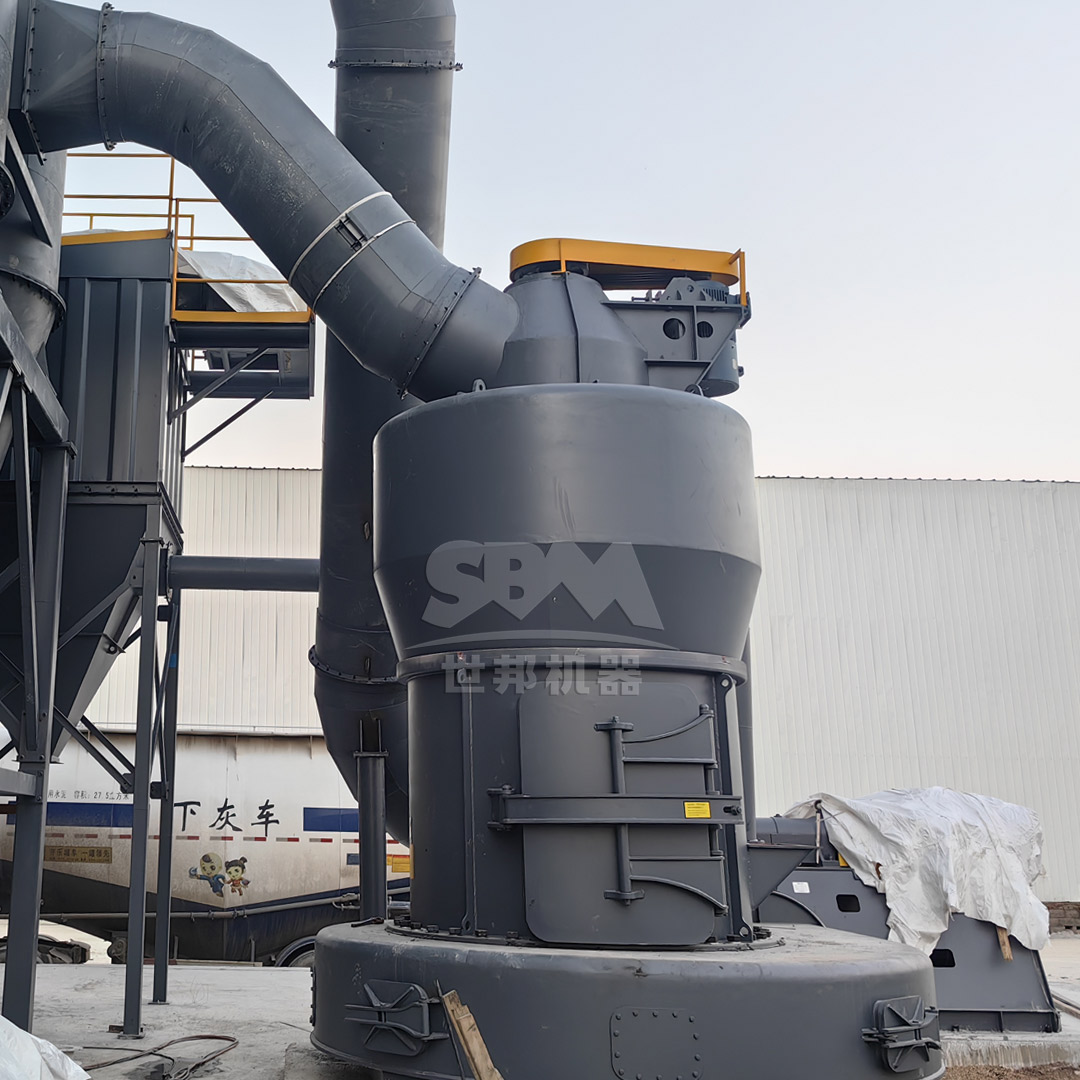
A major AAC block manufacturer in Southeast Asia faced consistent quality issues, including variable compressive strength and surface defects. After comprehensive analysis, the root cause was identified as inconsistent silica sand fineness from their aging ball mill system.
The implementation of an SCM8021 Ultrafine Mill transformed their production:
The evolution of grinding technology continues with the integration of Industry 4.0 principles:
These advancements will further enhance the consistency and efficiency of AAC production while reducing operational costs.
In the highly competitive AAC block market, grinding technology has emerged as a critical differentiator for quality-conscious manufacturers. The advanced capabilities of systems like the SCM Ultrafine Mill and MTW Series Trapezium Mill enable producers to achieve unprecedented consistency in their products while optimizing production costs.
By investing in modern grinding technology, AAC manufacturers can not only improve their current product quality but also position themselves for future market demands. The integration of precise particle size control, energy efficiency, and smart operation features creates a foundation for sustainable growth and market leadership.
As the construction industry continues to demand higher performance building materials, the role of advanced grinding technology in AAC manufacturing will only become more significant, making it an essential consideration for any producer aiming for excellence in the global market.