Orthoclase feldspar, a potassium aluminum silicate (KAlSi3O8), is a critical industrial mineral widely used in ceramics, glassmaking, and as a filler in paints, plastics, and rubber. Its processing from raw ore to a marketable product involves several stages, each requiring specific equipment to achieve the desired particle size, purity, and chemical composition. Efficient mineral processing not only maximizes yield and product quality but also minimizes energy consumption and operational costs. This guide provides a comprehensive overview of the orthoclase feldspar processing flow and the essential equipment needed for each stage, highlighting key considerations for building an efficient production line.
The journey from raw feldspar ore to a refined powder follows a logical sequence designed to liberate the mineral from gangue and reduce it to a specified fineness. The primary stages are:
Raw orthoclase ore, typically extracted from open-pit mines, can range from large boulders to smaller fragments. The first step is primary crushing using jaw crushers or gyratory crushers to reduce the ore to a manageable size, usually below 150-200mm. Secondary crushing with cone crushers or impact crushers further reduces the material to a size suitable for feeding into grinding mills, often aiming for a feed size of ≤50mm or smaller.
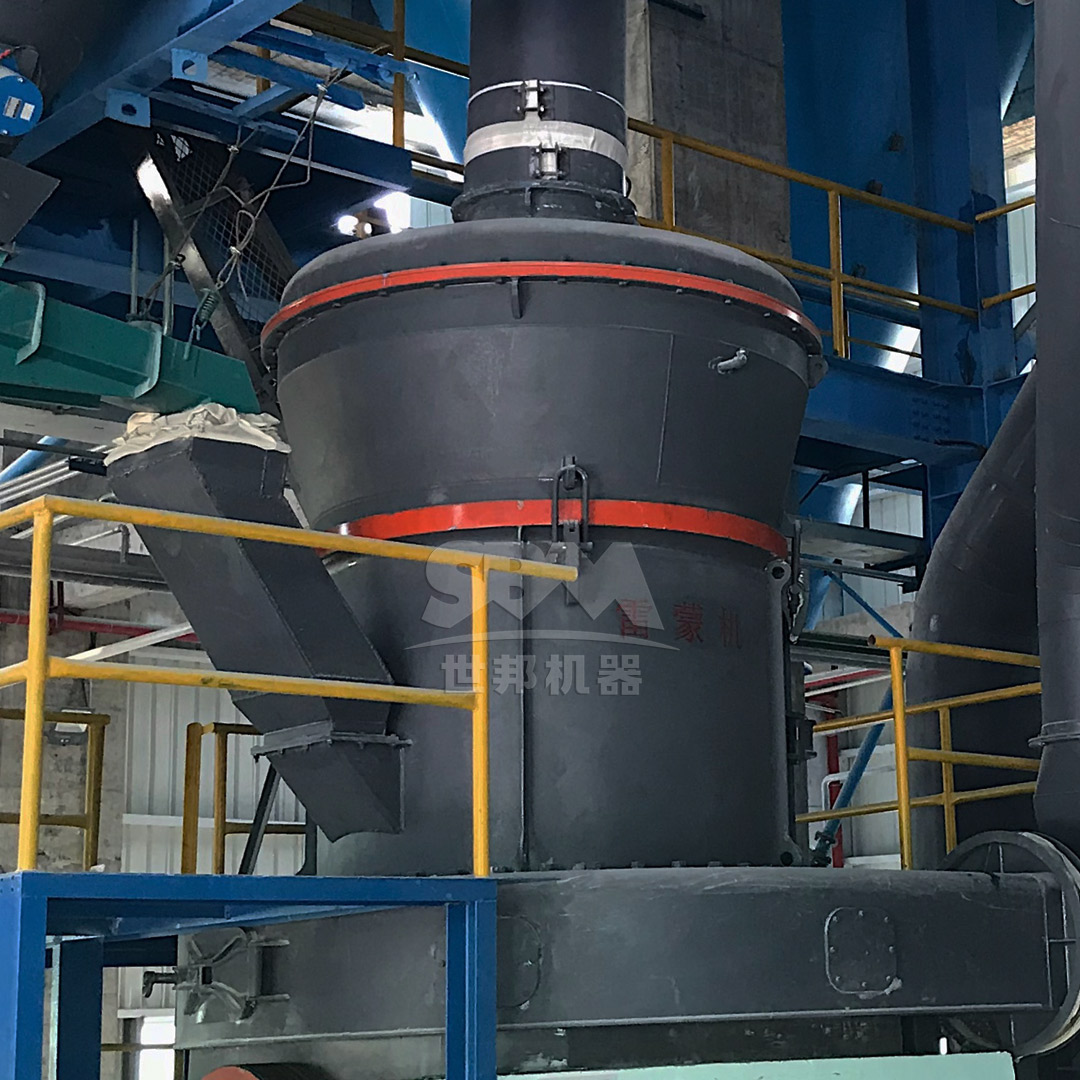
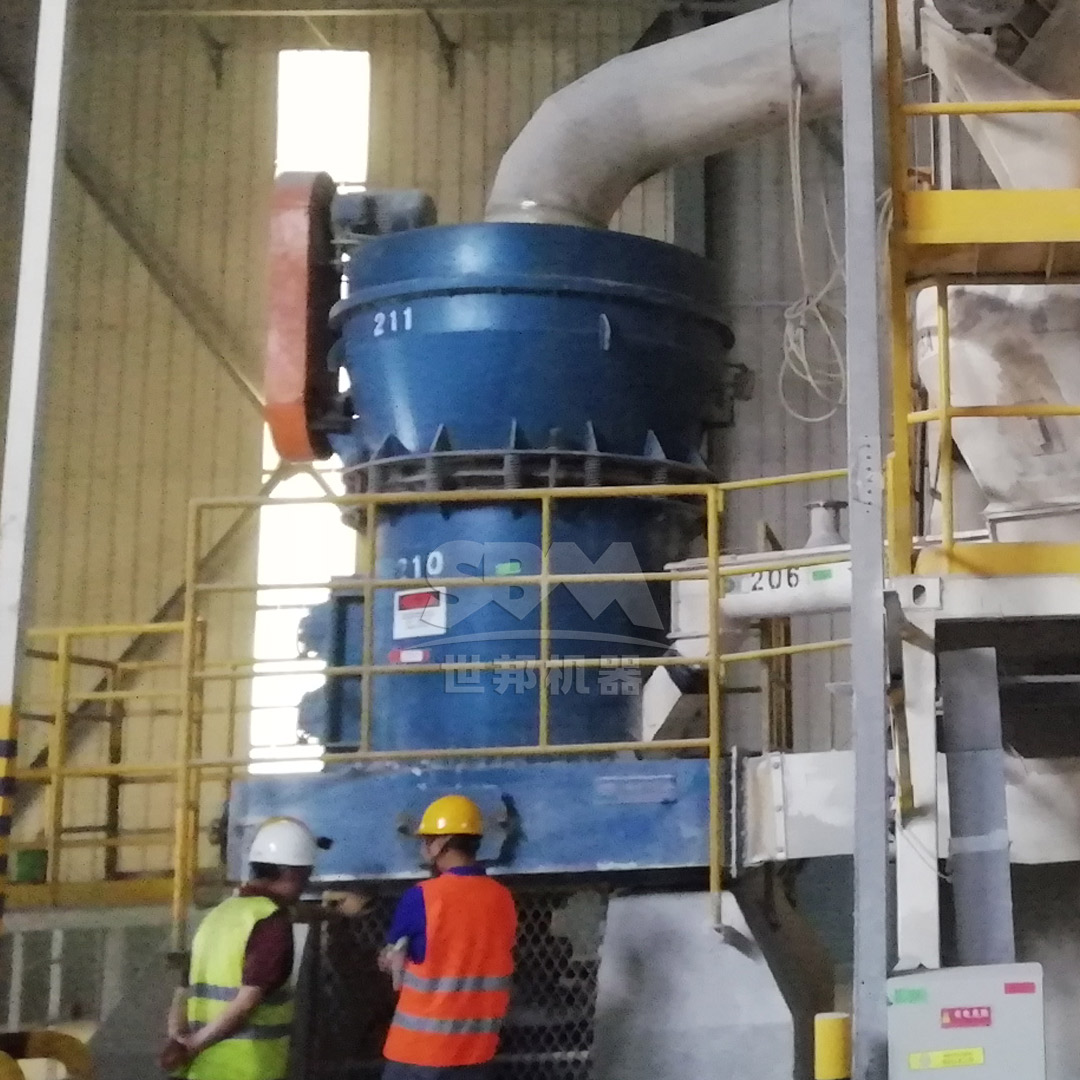
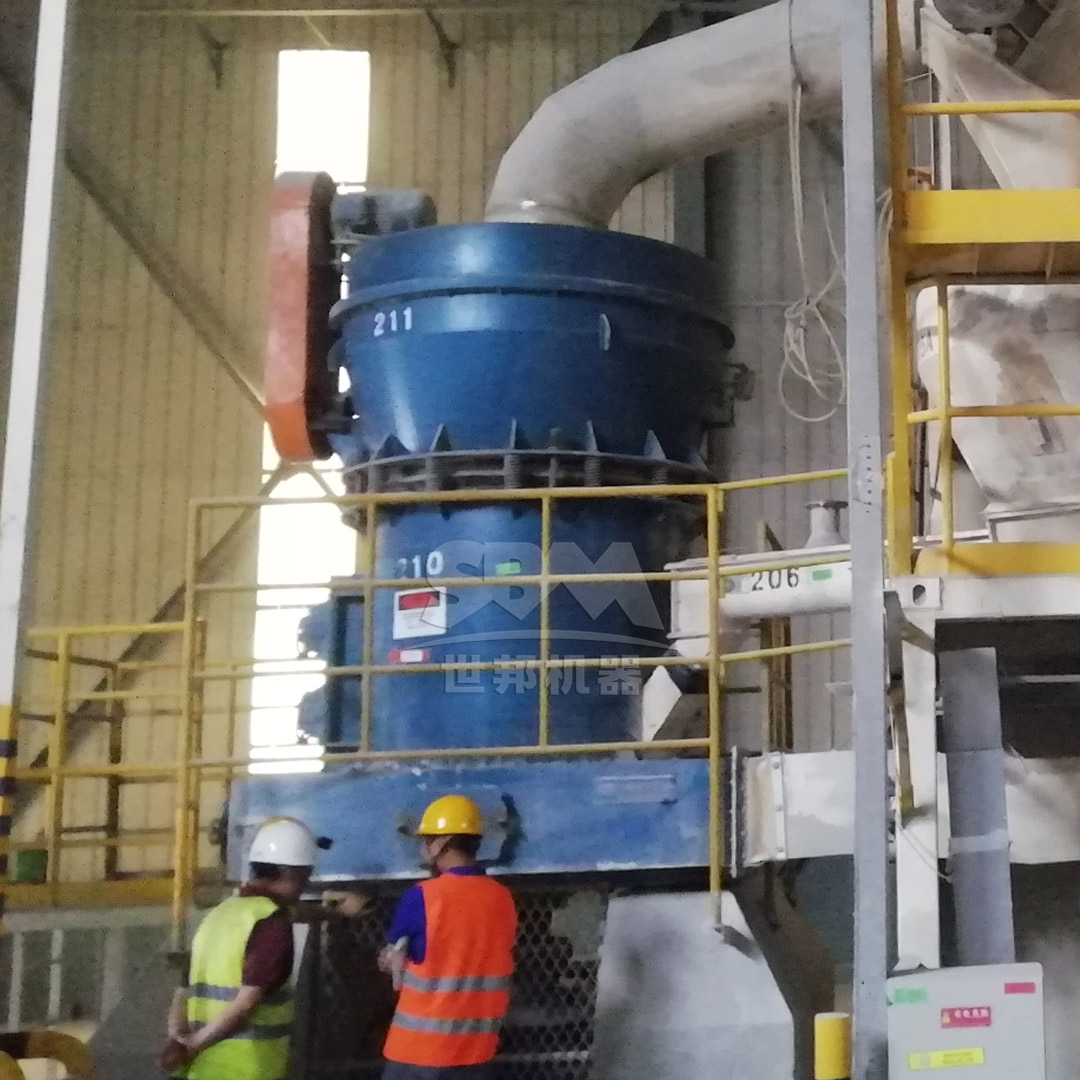
This is the core stage where the crushed feldspar is pulverized to its target fineness. The choice of grinding equipment is paramount and depends heavily on the required final product size (measured in mesh or micrometers). For coarse to medium grinding (e.g., 30-100 mesh for glass batches), robust mills like ball mills or trapezium mills are effective. For producing fine and ultra-fine powders (200 mesh to 2500+ mesh for high-grade ceramics and fillers), more advanced milling technology is required to achieve precise particle size distribution with energy efficiency.
After grinding, the powder must be classified to ensure it meets the target size specifications. Air classifiers are integrated with or attached to grinding mills to separate fine particles from coarse ones. The coarse material is recirculated for further grinding, while the qualified fine product is collected. For orthoclase, magnetic separation is often a crucial subsequent step to remove iron-bearing impurities (like biotite or magnetite) that can discolor ceramic and glass products, using high-intensity magnetic separators (WHIMS). Flotation may also be employed to separate feldspar from quartz.
If wet processing (like ball milling with water) is used, the product slurry must be dewatered using thickeners and filters and then dried in rotary dryers or flash dryers. Dry-process lines require efficient pneumatic or mechanical conveying systems to transport material between crushing, grinding, and storage stages.
| Processing Stage | Key Equipment | Primary Function | Output Range |
|---|---|---|---|
| Primary/Secondary Crushing | Jaw Crusher, Cone Crusher | Reduce raw ore to ≤50mm | 0-50mm |
| Coarse Grinding | Ball Mill, Hammer Mill | Initial pulverization | 0.074-3mm |
| Fine & Ultra-fine Grinding | Vertical Roller Mill, Trapezium Mill, Ultrafine Mill | Produce precise fine powders | 45μm (325 mesh) to 5μm (2500 mesh) |
| Classification | Air Classifier, Cyclone Collector | Separate fines from coarse material | — |
| Purification | Magnetic Separator, Flotation Cell | Remove iron and other impurities | — |
| Drying | Rotary Dryer | Remove moisture from slurry | — |
The grinding stage consumes the most energy in a feldspar processing plant. Selecting the optimal mill is critical for profitability.
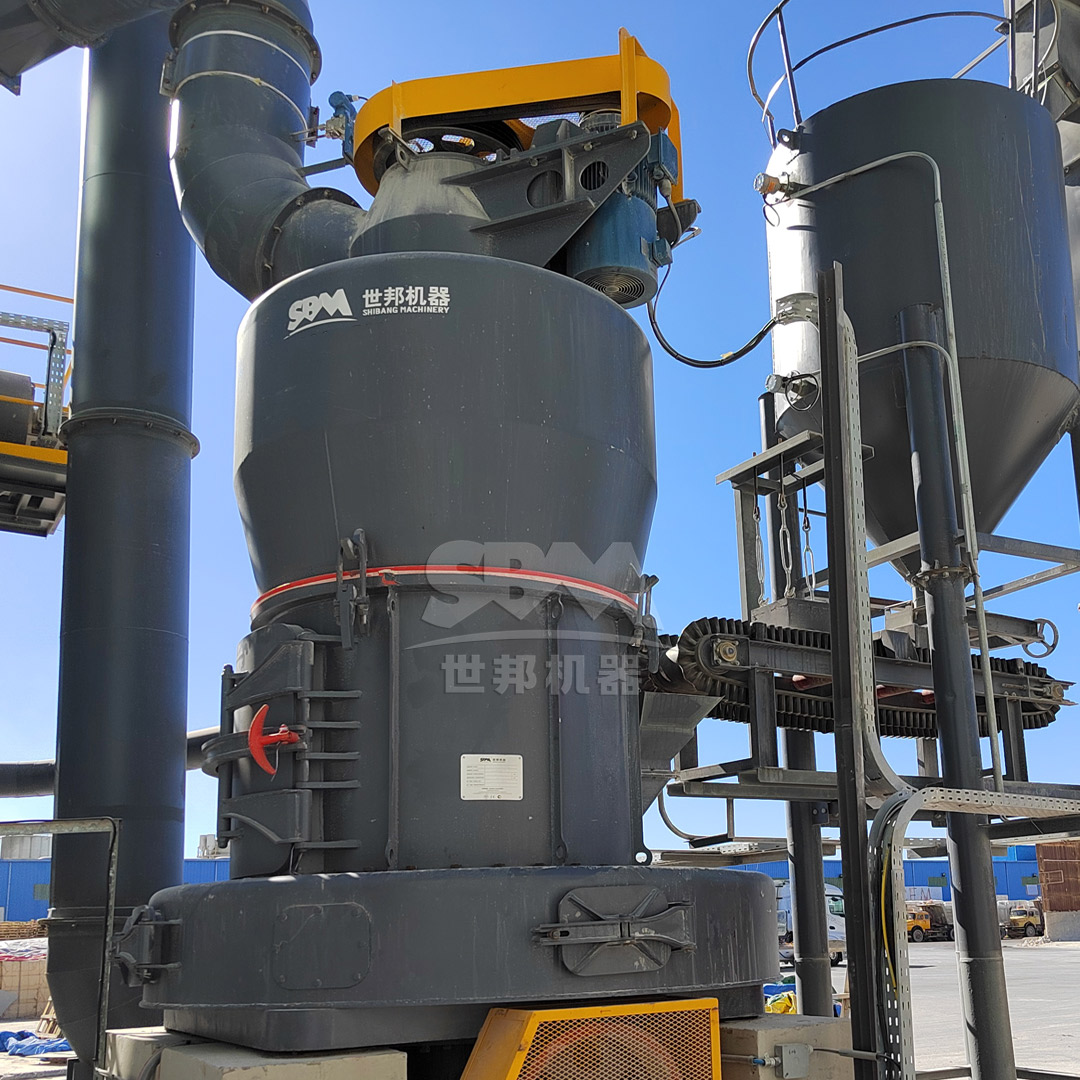
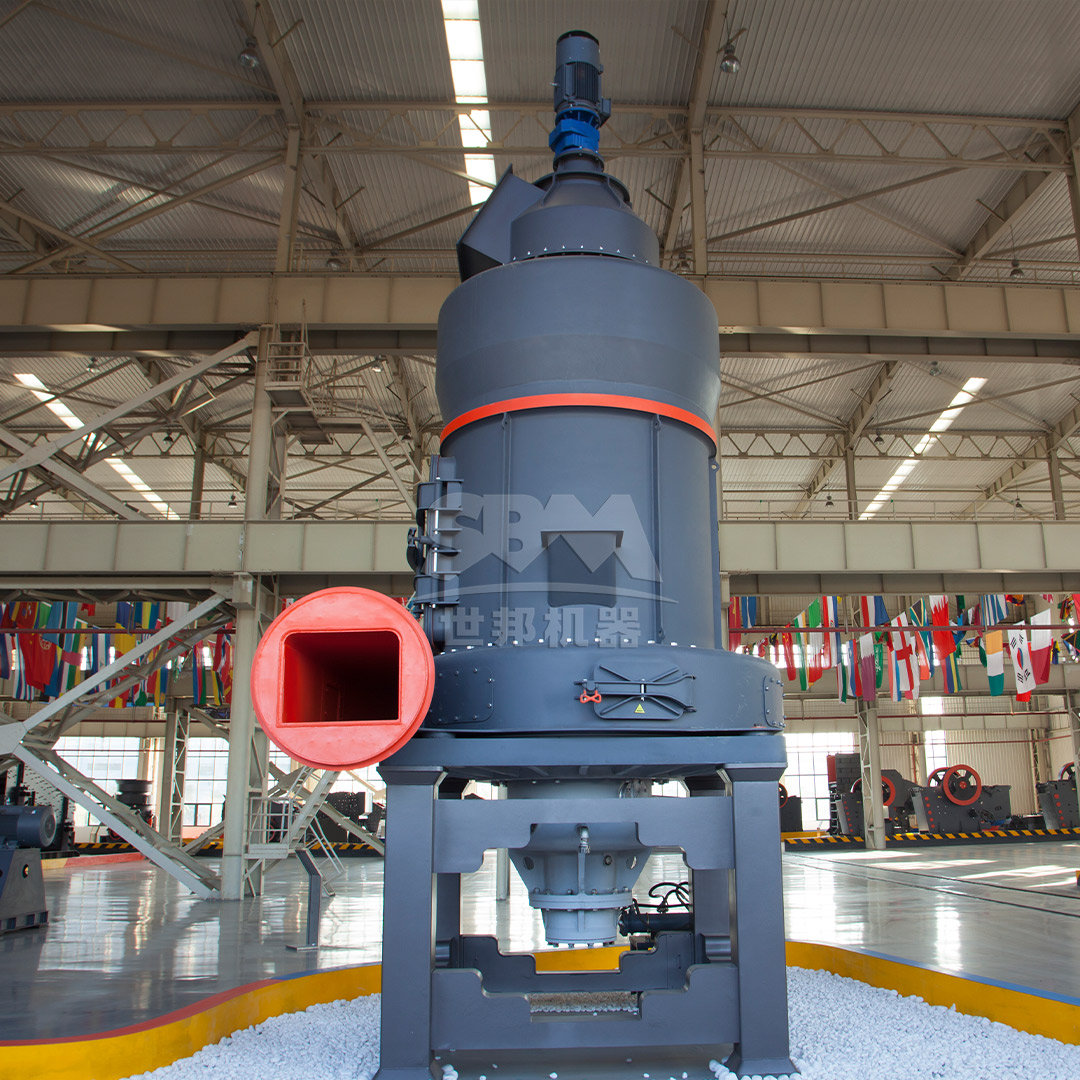
For projects requiring high throughput of products for glass or ceramic sanitaryware, the MTW Series European Trapezium Mill is an outstanding choice. Its advantages are directly relevant to processing abrasive minerals like feldspar:
With a capacity range of 3-45 tons per hour and the ability to handle feed sizes up to 50mm, the MTW series is a robust and reliable workhorse for large-scale feldspar grinding operations aiming for 30-325 mesh products.
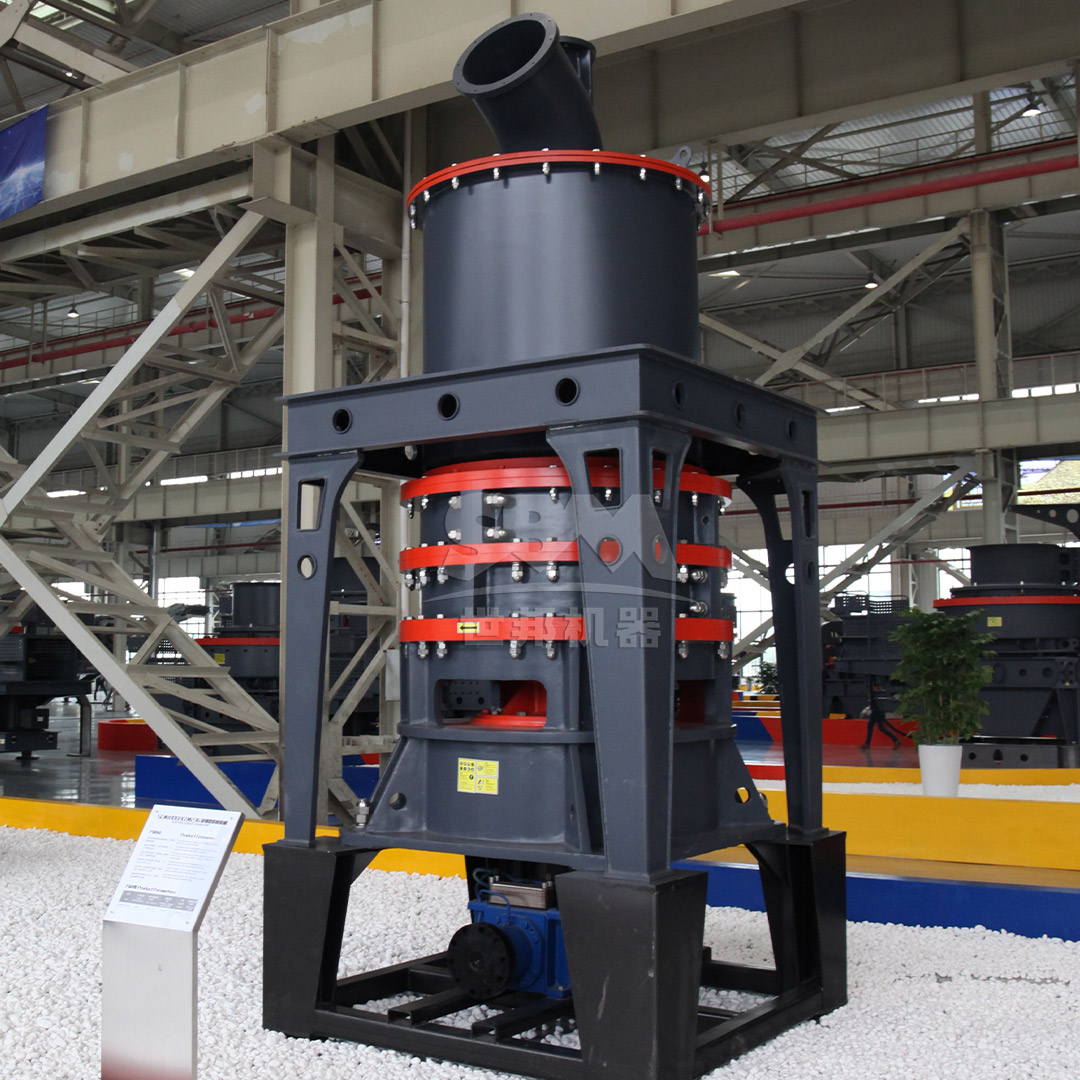
When the end product demands exceptional fineness and uniformity for high-performance ceramics, advanced fillers, or specialty glass, the SCM Series Ultrafine Mill is the industry-leading solution. This mill excels in the most demanding fine grinding applications:
For processors looking to enter the high-value ultra-fine feldspar market or upgrade their existing fine powder line, integrating the SCM Ultrafine Mill is a strategic move to enhance product quality and operational efficiency.
Building an efficient orthoclase feldspar processing plant requires careful planning and selection of equipment tailored to the feedstock characteristics and final product specifications. While robust crushers and separators form the backbone of the line, the heart of efficiency lies in the grinding circuit. For high-volume production of standard fineness, the MTW Series European Trapezium Mill offers durability and energy savings. For producing high-value ultra-fine powders, the SCM Series Ultrafine Mill stands out with its precision, efficiency, and reliability. By investing in the right technology for each stage, producers can optimize their mineral processing operations, reduce costs, and consistently deliver quality feldspar products to a competitive global market.