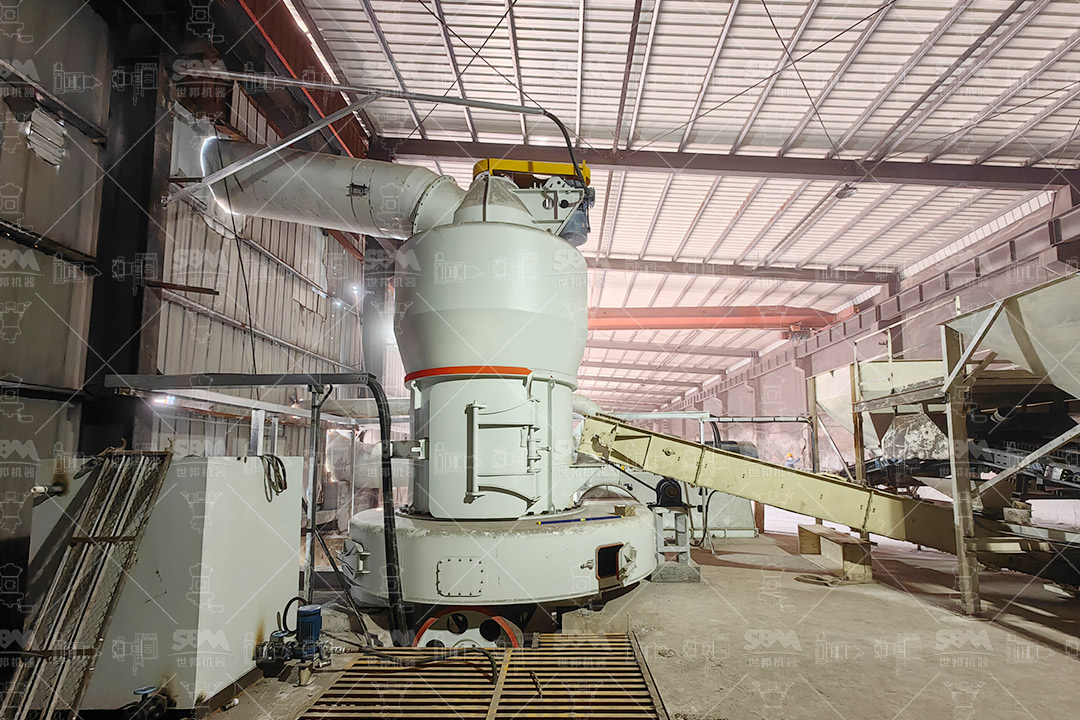
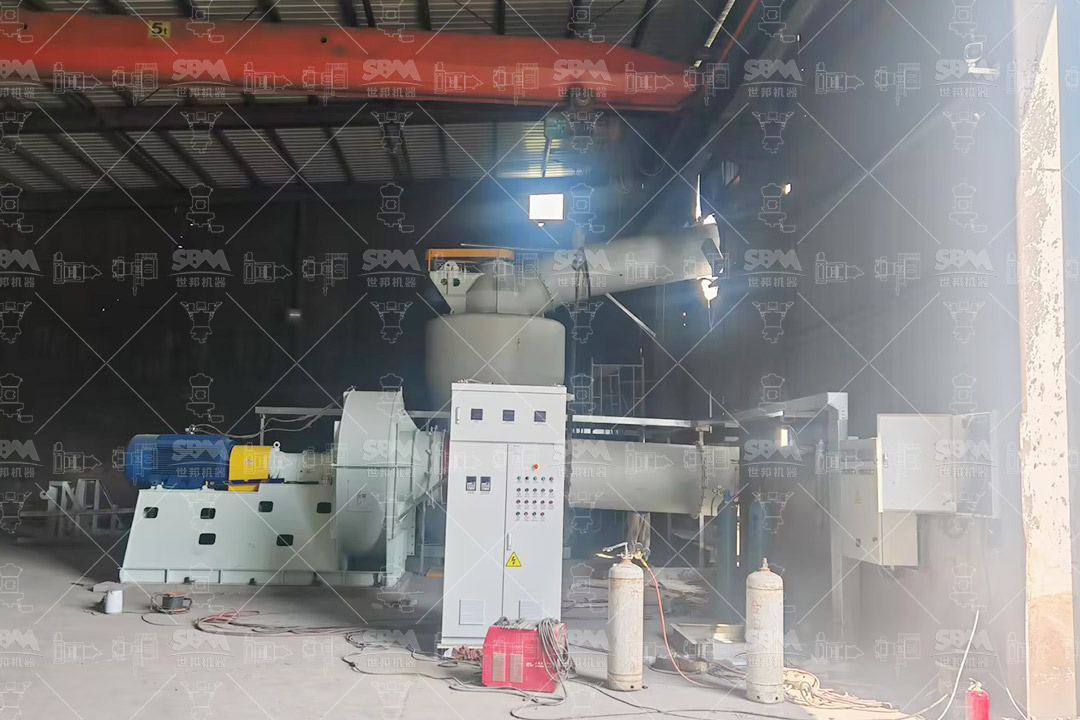
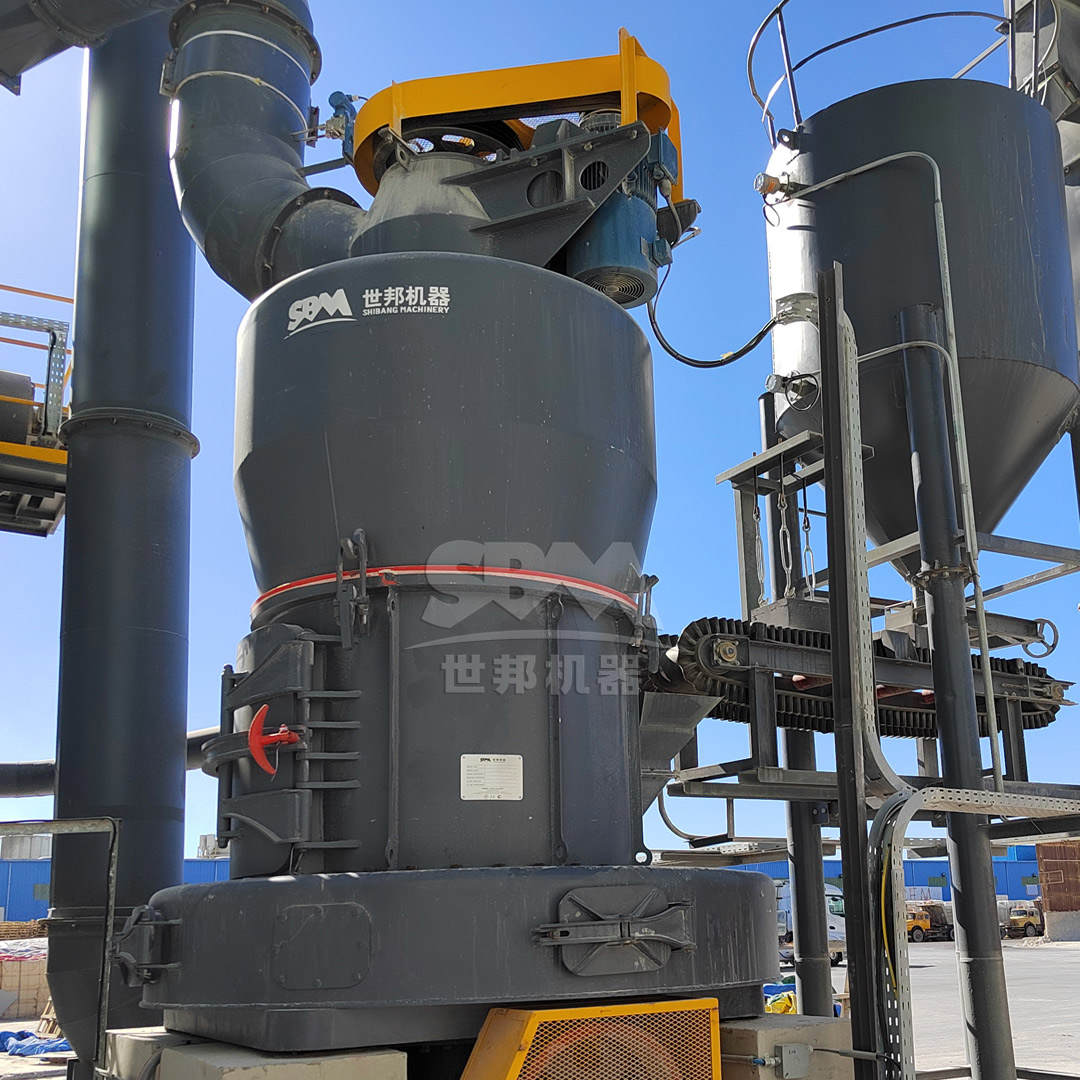
The iron and steel industry is a cornerstone of modern infrastructure, and its efficiency hinges on every stage of the production process. One critical, yet often under-optimized, aspect is the preparation and utilization of slagging agents. These materials, essential for controlling slag composition, removing impurities, and protecting furnace linings, require precise physical and chemical properties to be effective. The production of high-quality slagging agents—such as limestone, dolomite, fluorite, or synthetic compounds—demands specialized grinding and classification equipment to achieve the required fineness, uniformity, and reactivity. This article delves into the complete production line for slagging agents, highlighting key processes and equipment, with a focus on achieving optimal particle size distribution for maximum metallurgical efficiency.
The performance of a slagging agent is intrinsically linked to its particle size. Finer particles exhibit a larger surface area, leading to faster dissolution rates in the molten slag. This rapid reaction is crucial for timely impurity removal, efficient fluxing, and achieving the desired slag fluidity and basicity. Inconsistent or overly coarse particles can lead to uneven slag formation, prolonged reaction times, increased refractory wear, and ultimately, compromised steel quality and higher operational costs. Therefore, the core of a slagging agent production line is a robust and precise size reduction system.
A typical integrated production line for powdered slagging agents involves several sequential stages:
Selecting the right grinding mill is paramount. The choice depends on the raw material hardness, required capacity, target fineness, and energy consumption goals. For slagging agents, which often require a balance between medium fineness (e.g., 30-325 mesh for bulk addition) and ultra-fine grades (e.g., 600-2500 mesh for specialized injection), different mill types come into play.
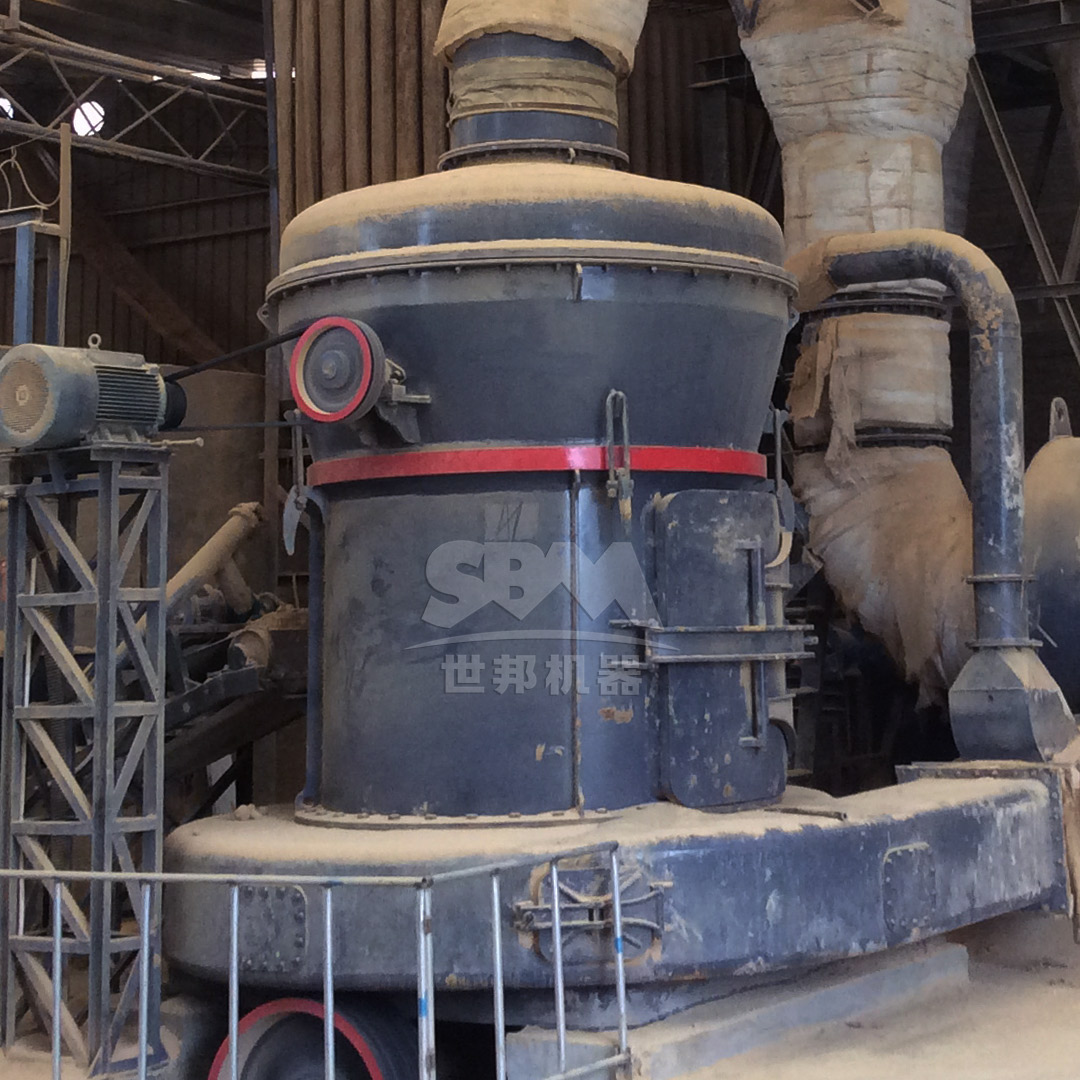
When the production target is in the range of tens to hundreds of tons per hour with a fineness between 30 and 325 mesh, vertical roller mills and European-type trapezium mills are the industry workhorses.
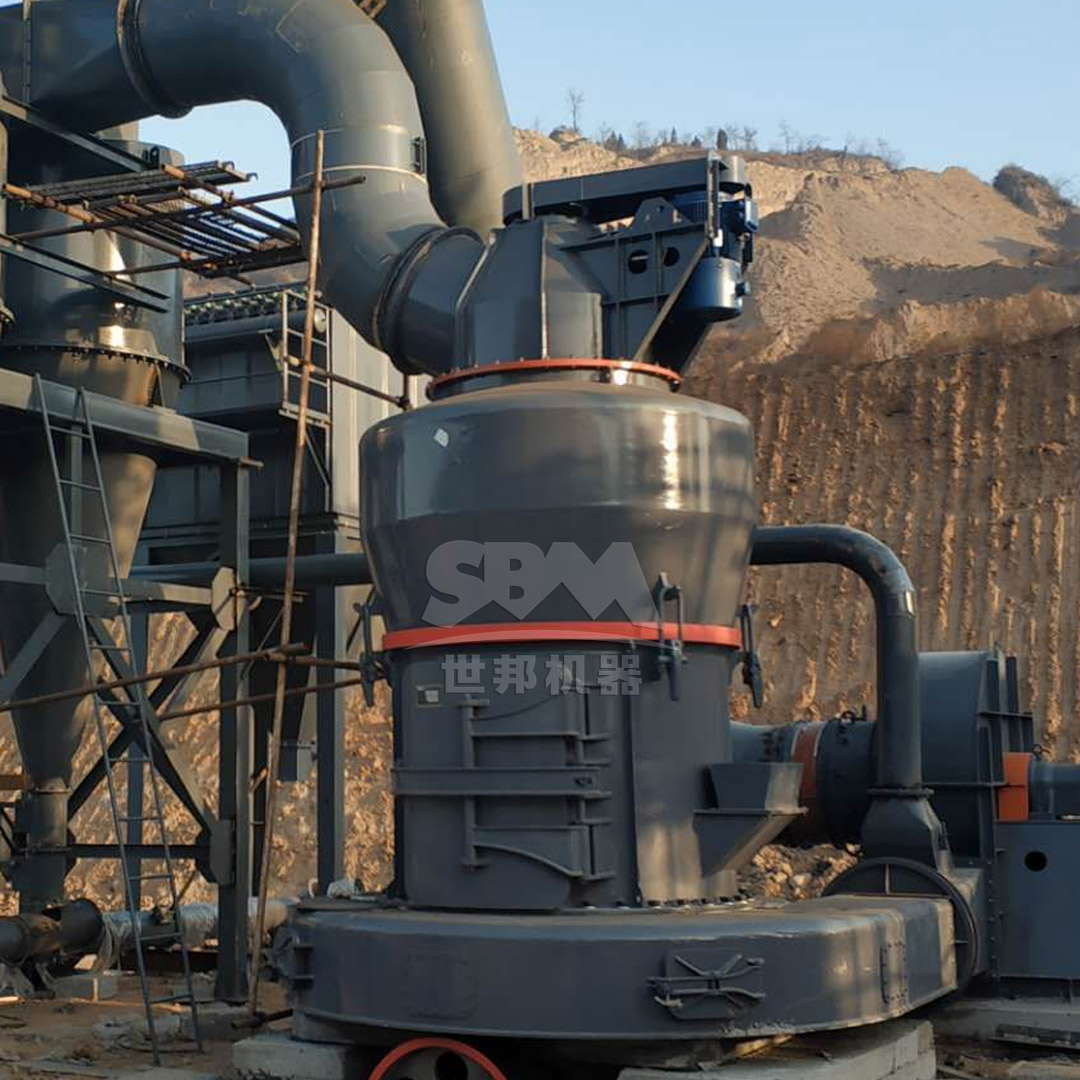
The LM Series Vertical Roller Mill is particularly advantageous for large-scale operations. Its integrated design combines crushing, grinding, drying (with hot air), and classification in a single unit, significantly reducing footprint and auxiliary equipment costs. The principle involves material being fed onto a rotating grinding table and crushed by hydraulically loaded rollers. The ground material is then pneumatically conveyed to an integrated classifier, where oversize particles are rejected back to the table. This mill offers remarkable energy savings of 30-40% compared to traditional ball mills and operates under full negative pressure, ensuring dust-free operation—a critical factor in mineral processing plants.
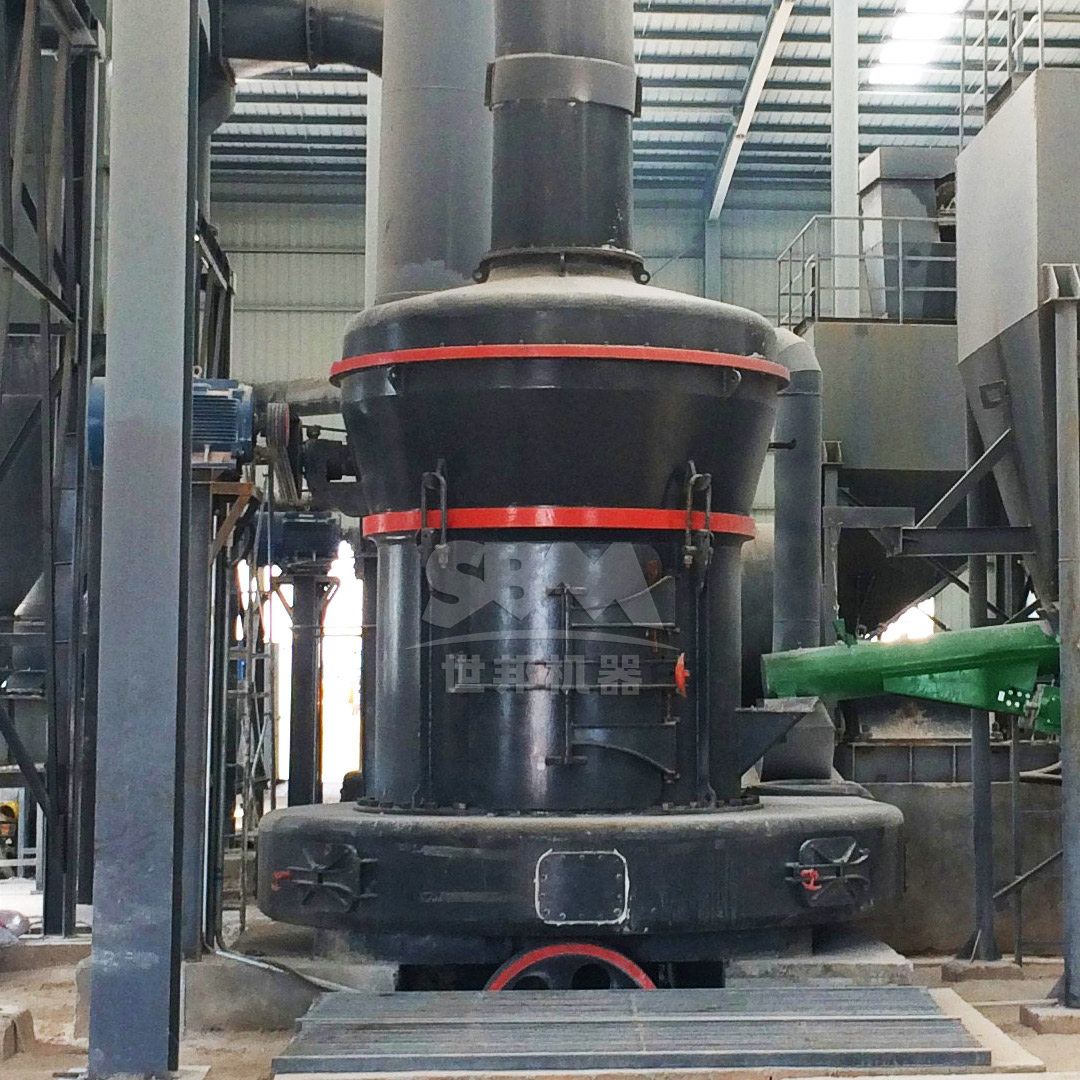
For projects requiring slightly lower capacity but exceptional reliability and ease of maintenance, the MTW Series European Trapezium Mill is a superb choice. It features an innovative bevel gear integral transmission with efficiency up to 98%, an optimized curved air duct that minimizes flow resistance, and wear-resistant combined shovel blades. Its stable performance and lower initial investment make it ideal for producing consistent quality slagging agent powder in the 3-45 ton/h range.
Advanced steelmaking processes and the production of synthetic slag formers sometimes demand ultra-fine powders. For this application, where fineness control and particle shape are critical, ultrafine grinding technology is essential.
We highly recommend our flagship SCM Series Ultrafine Mill for this demanding task. Engineered to produce powders between 325 and 2500 mesh (45-5μm), this mill sets the benchmark for efficiency and precision. Its vertical turbine classifier ensures sharp particle size cuts, eliminating coarse powder contamination and delivering a uniformly fine product essential for rapid slag reaction. The mill’s high efficiency is notable; it offers twice the capacity of a jet mill while consuming 30% less energy. Furthermore, its durable design, featuring special material grinding rollers and rings, extends service life dramatically, reducing long-term operating costs. For steel plants aiming to develop premium-grade, highly reactive slagging agents, the SCM series provides the technological edge.
| Mill Type | Typical Output Fineness | Capacity Range | Key Advantage for Slagging Agents | Recommended Model Example |
|---|---|---|---|---|
| LM Vertical Roller Mill | 30-325 mesh (600 mesh special) | 3-250 t/h | Extremely low operating cost, large capacity | LM190K (23-68 t/h) |
| MTW European Mill | 30-325 mesh | 3-45 t/h | High transmission efficiency, robust design | MTW215G (15-45 t/h) |
| SCM Ultrafine Mill | 325-2500 mesh | 0.5-25 t/h | Ultra-fine & precise classification, high efficiency | SCM1250 (2.5-14 t/h) |
A complete production line is more than just a mill. Supporting equipment ensures stability, quality, and environmental compliance.
The production of slagging agents is a strategic link in the iron and steel manufacturing chain. Investing in a modern, efficient, and automated production line is not an expense but a cost-saving and quality-enhancing measure. By selecting the right combination of equipment—such as the high-capacity LM Vertical Mill for bulk needs or the precision SCM Ultrafine Mill for premium grades—steel producers can achieve significant benefits: reduced specific energy consumption, lower grinding media and liner wear, consistent product quality leading to more predictable furnace performance, and full compliance with environmental regulations. A well-designed slagging agent production line ultimately contributes to lower cost per ton of steel, improved product quality, and enhanced operational sustainability.