January 24, 2026
Introduction to Iron Oxide Red Processing
Iron oxide red (Fe₂O₃), also known as hematite or red iron oxide, is a vital inorganic pigment prized for its excellent color stability, chemical inertness, UV resistance, and non-toxic properties. It finds extensive applications in coatings, paints, plastics, construction materials, and ceramics. The quality and performance of the final pigment are heavily dependent on the particle size distribution, fineness, and purity achieved during the grinding and classification stages. Selecting the appropriate grinding and processing equipment is therefore paramount to achieving optimal product characteristics, production efficiency, and cost-effectiveness. This guide provides a comprehensive overview of the key considerations and equipment solutions for processing iron oxide red.
Key Properties and Processing Challenges
Iron oxide red is a relatively hard and abrasive material (Mohs hardness ~5.5-6.5). Its processing presents several specific challenges that equipment must address:
- Abrasiveness: High wear on grinding components like rollers, rings, and liners, demanding superior wear-resistant materials.
- Fineness Requirements: Pigment-grade applications often require ultra-fine powders ranging from a few microns to sub-micron levels (e.g., 325 mesh to 2500 mesh).
- Color Consistency: Contamination from metal wear or overheating, which can alter the hue, must be strictly avoided.
- Thermal Sensitivity: Excessive heat generated during grinding can affect the crystal structure and color properties.
- Dust Control: Fine iron oxide powder is a significant dust hazard, requiring fully enclosed systems with high-efficiency dust collection.
Grinding and Processing Equipment Selection
The choice of equipment depends primarily on the desired final fineness, required capacity, and the initial feed size. The following is a breakdown of suitable mill types for different stages and specifications in iron oxide red production.
1. For Coarse and Intermediate Grinding (Feed: ≤50mm, Product: 30-325 mesh / 600-45μm)
This stage prepares raw or pre-crushed material for fine grinding or produces coarser grades for construction. High-capacity, robust mills are ideal.
- European Trapezium Mill (MTW Series): Excellent for high-capacity processing down to 325 mesh. Its bevel gear integral transmission offers high efficiency (up to 98%) and stability. The wear-resistant volute and curved air duct design minimize energy loss and maintenance costs. It’s a versatile workhorse for medium-fineness production.
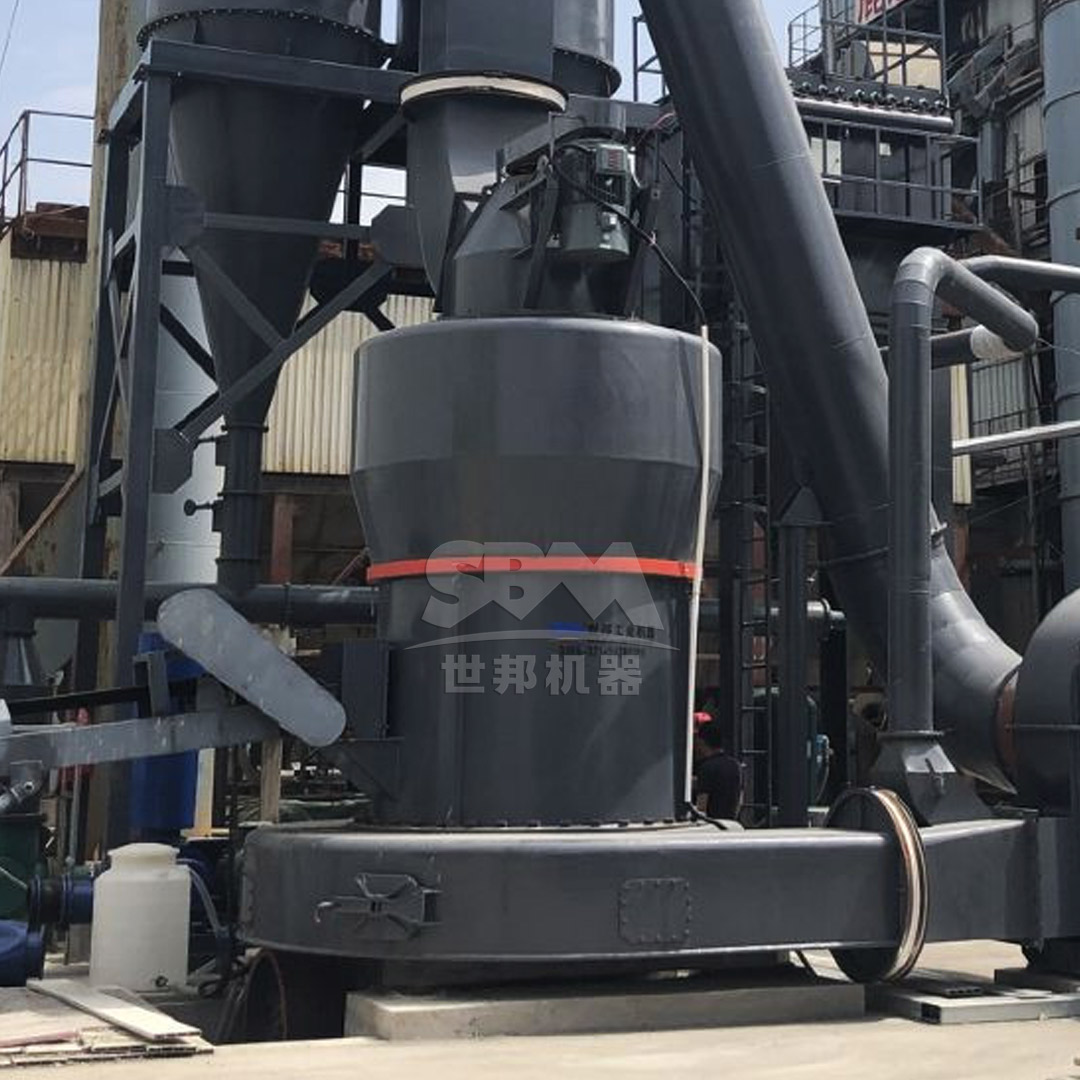
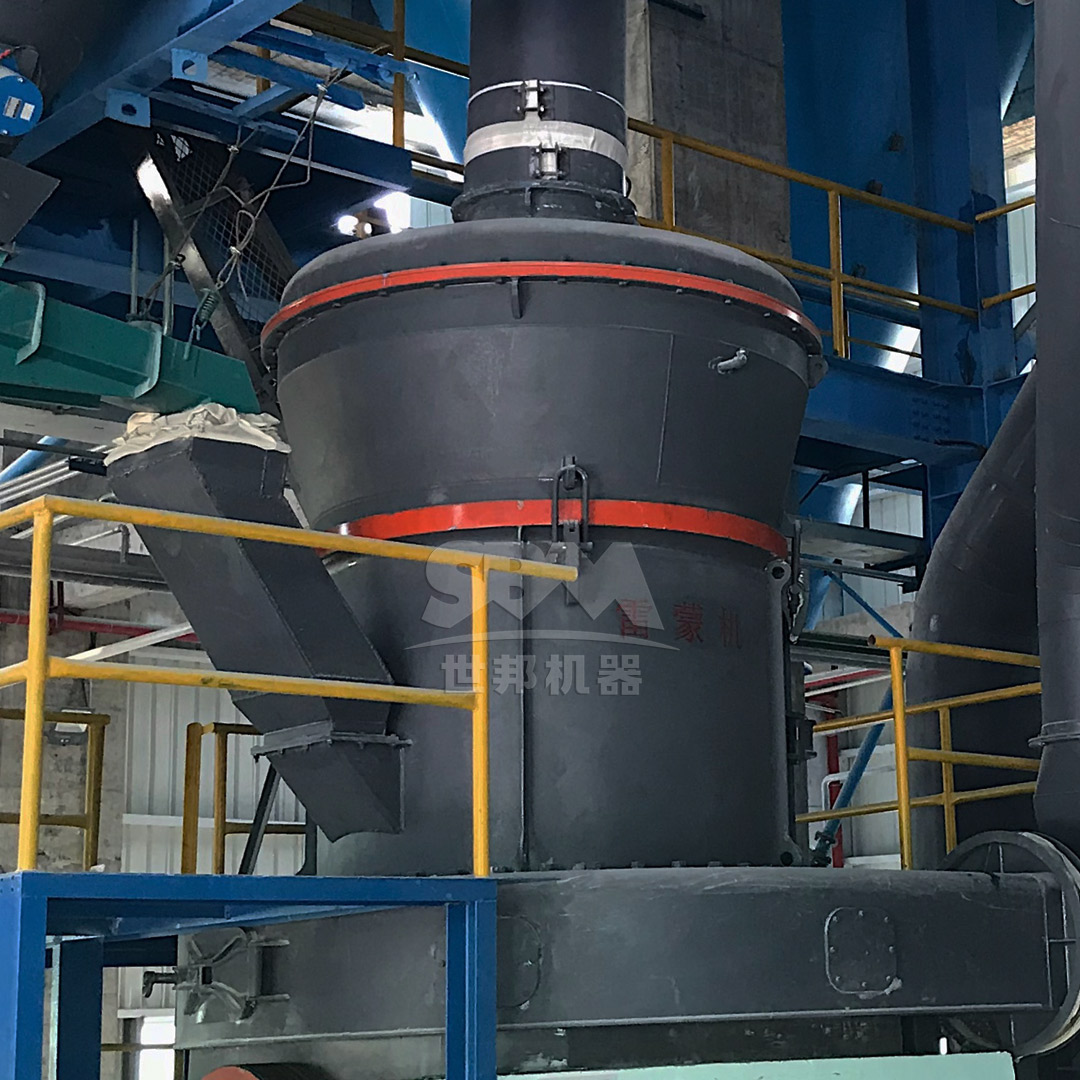
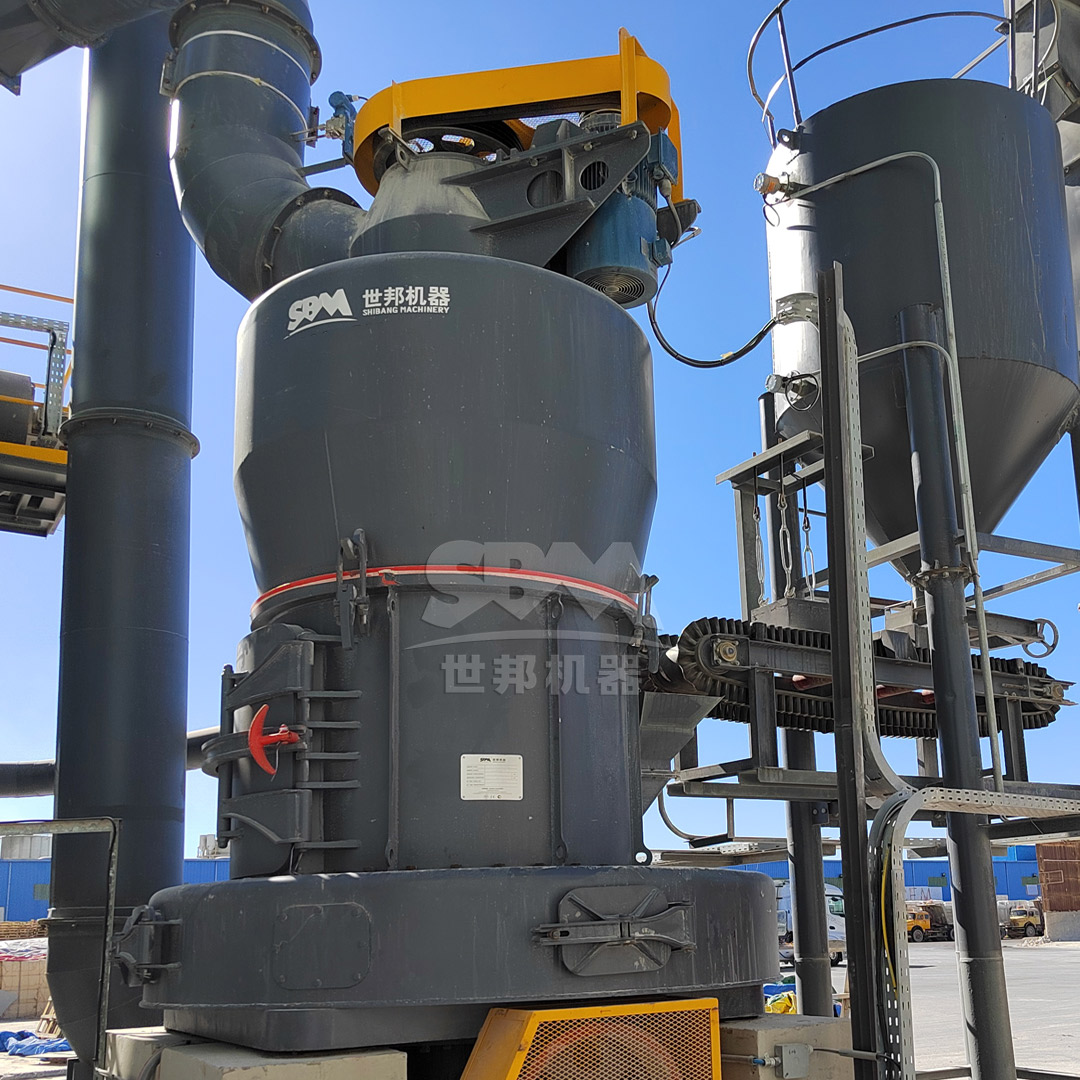
- Vertical Roller Mill (LM Series): An outstanding choice for large-scale production with superior energy efficiency. Its integrated design combines drying, grinding, and classification in one unit, reducing footprint by 50%. The non-contact grinding principle and wear-resistant rollers significantly lower operating costs and are well-suited for handling abrasive materials like iron oxide.
2. For Fine and Ultra-fine Grinding (Product: 325-2500 mesh / 45-5μm)
This is the core stage for producing high-value pigment-grade iron oxide red. Equipment must deliver precise particle size control and uniform distribution.
- Ultrafine Mill (SCM Series): This mill is specifically engineered for processing materials like iron oxide red to ultra-fine levels. It is highly recommended for its efficiency and precision.
Our Recommended Solution: SCM Series Ultrafine Mill
For producers targeting the high-end pigment market, our SCM Series Ultrafine Mill represents an optimal solution. It is designed to overcome the challenges of grinding hard, abrasive materials to consistent ultra-fine powders.
| Model |
Capacity (t/h) |
Main Power (kW) |
Output Fineness (mesh) |
| SCM800 |
0.5-4.5 |
75 |
325-2500 |
| SCM900 |
0.8-6.5 |
90 |
325-2500 |
| SCM1000 |
1.0-8.5 |
132 |
325-2500 |
| SCM1250 |
2.5-14 |
185 |
325-2500 |
| SCM1680 |
5.0-25 |
315 |
325-2500 |
Why it excels for Iron Oxide Red:
- High Efficiency & Energy Saving: Its grinding mechanism provides capacity twice that of jet mills while consuming 30% less energy. Intelligent control with automatic granularity feedback ensures stable output quality.
- High-Precision Classification: The integrated vertical turbine classifier achieves sharp particle size cuts, preventing coarse powder mixing and guaranteeing a uniform, high-quality product essential for pigment consistency.
- Durable, Contamination-Free Design: Special alloy materials for rollers and grinding rings extend service life dramatically against abrasion. The shaftless screw design in the grinding chamber ensures smooth operation and minimizes potential contamination from mechanical wear.
- Eco-friendly Operation: The system operates under negative pressure with a pulse dust collector exceeding 99.9% efficiency, containing all iron oxide dust. The soundproof room design keeps noise levels low.
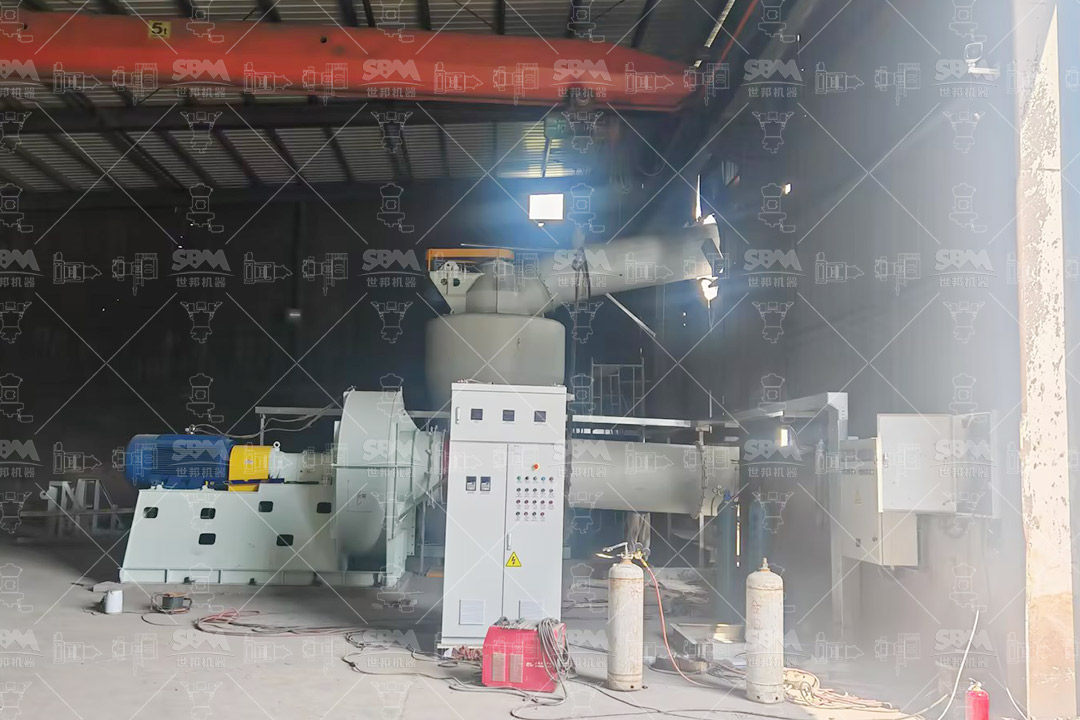
- LUM Ultrafine Vertical Roller Mill: Another excellent option for ultra-fine grinding. It combines the benefits of vertical roller mill efficiency with advanced multi-rotor classifying technology for precise cuts at 2500 mesh.
3. For Primary Crushing and Pre-Grinding
Before fine grinding, large lumps may need size reduction.
- Jaw Crusher / Hammer Mill: For initial crushing of raw ore or large aggregates to below 20-50mm.
- Vertical Pre-grinding Mill (LM-Y Series): For integrated systems, this mill can handle ≤20mm feed and perform efficient pre-grinding, significantly improving the overall system throughput and energy efficiency for downstream fine mills.
Auxiliary and Supporting Equipment
A complete processing line involves more than just the grinding mill.
- Feeding System: Vibrating or screw feeders for stable and controlled material input.
- Classification System: Often integrated (as in SCM or LUM mills), but standalone air classifiers can be used for precise final product separation.
- Dust Collection System: Mandatory. Pulse-jet baghouse dust collectors are standard to ensure a clean plant environment and product recovery.
- Packaging System: Automated valve baggers or big bag stations for final product handling.
- Control System: PLC-based automation for monitoring pressure, temperature, feed rate, and classifier speed to ensure consistent product quality.
Process Flow Recommendations
A typical advanced process flow for pigment-grade iron oxide red is as follows:
- Raw Material Pre-treatment: Drying (if moisture is high) and primary crushing to ≤20mm.
- Intermediate Grinding (Optional): Using an MTW or LM mill to achieve a 100-325 mesh intermediate product if starting from very coarse feed.
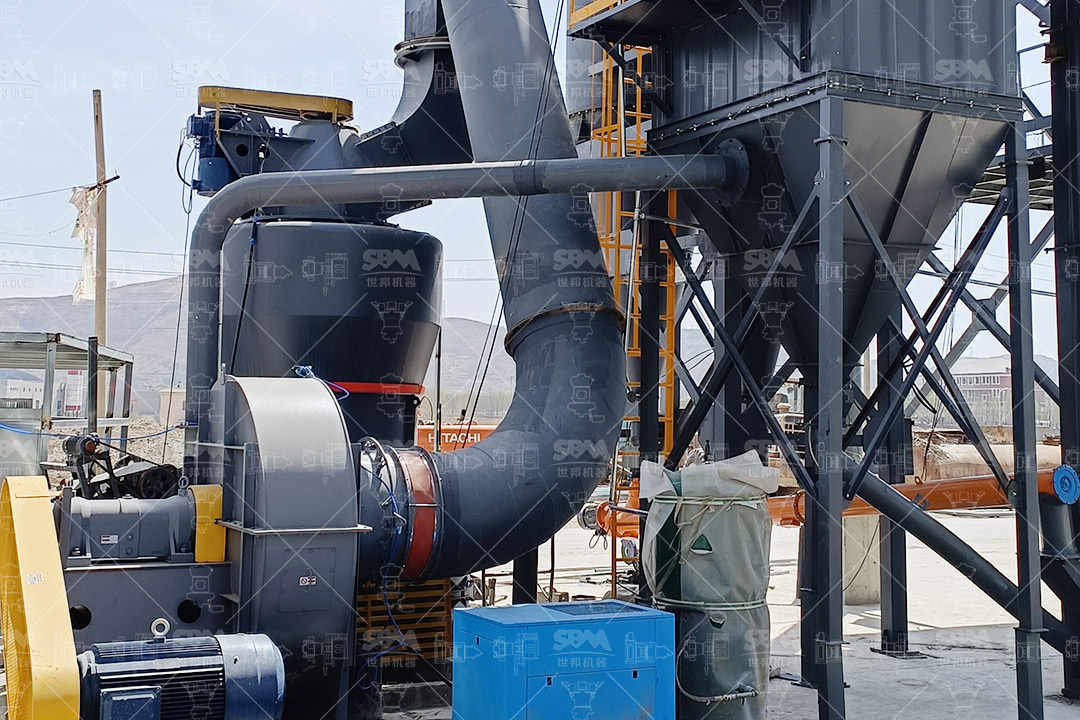
- Ultra-fine Grinding & Classification: The core stage. Feeding the intermediate product into an SCM Ultrafine Mill. The mill’s internal classifier continuously separates fines; qualified product is collected by the cyclone and dust collector, while oversize material is returned for re-grinding.
- Product Collection & Packaging: The collected fine powder is conveyed to silos and then to automated packaging machines.
Conclusion
Successful processing of iron oxide red into a high-value pigment requires a carefully selected equipment chain that prioritizes wear resistance, precise classification, energy efficiency, and impeccable dust control. For the critical ultra-fine grinding stage, mills like the SCM Series Ultrafine Mill offer a tailored solution that directly addresses the material’s abrasiveness and stringent quality requirements. By investing in the right technology—from robust trapezium mills for mid-range products to advanced ultrafine mills for premium pigments—producers can optimize their operations, ensure consistent product quality, and maintain a strong competitive edge in the market. Always consult with equipment specialists to design a system based on your specific raw material characteristics and final product specifications.