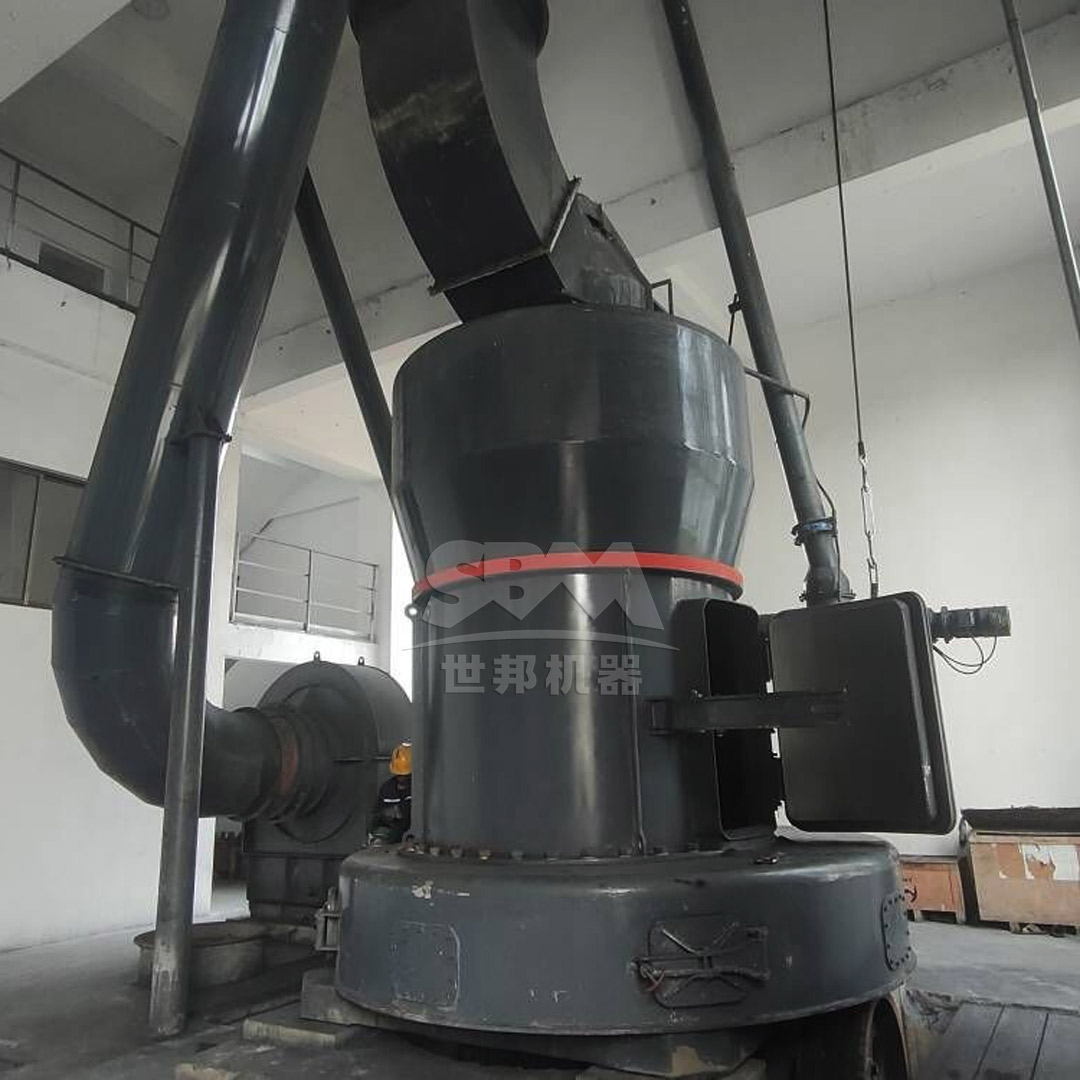
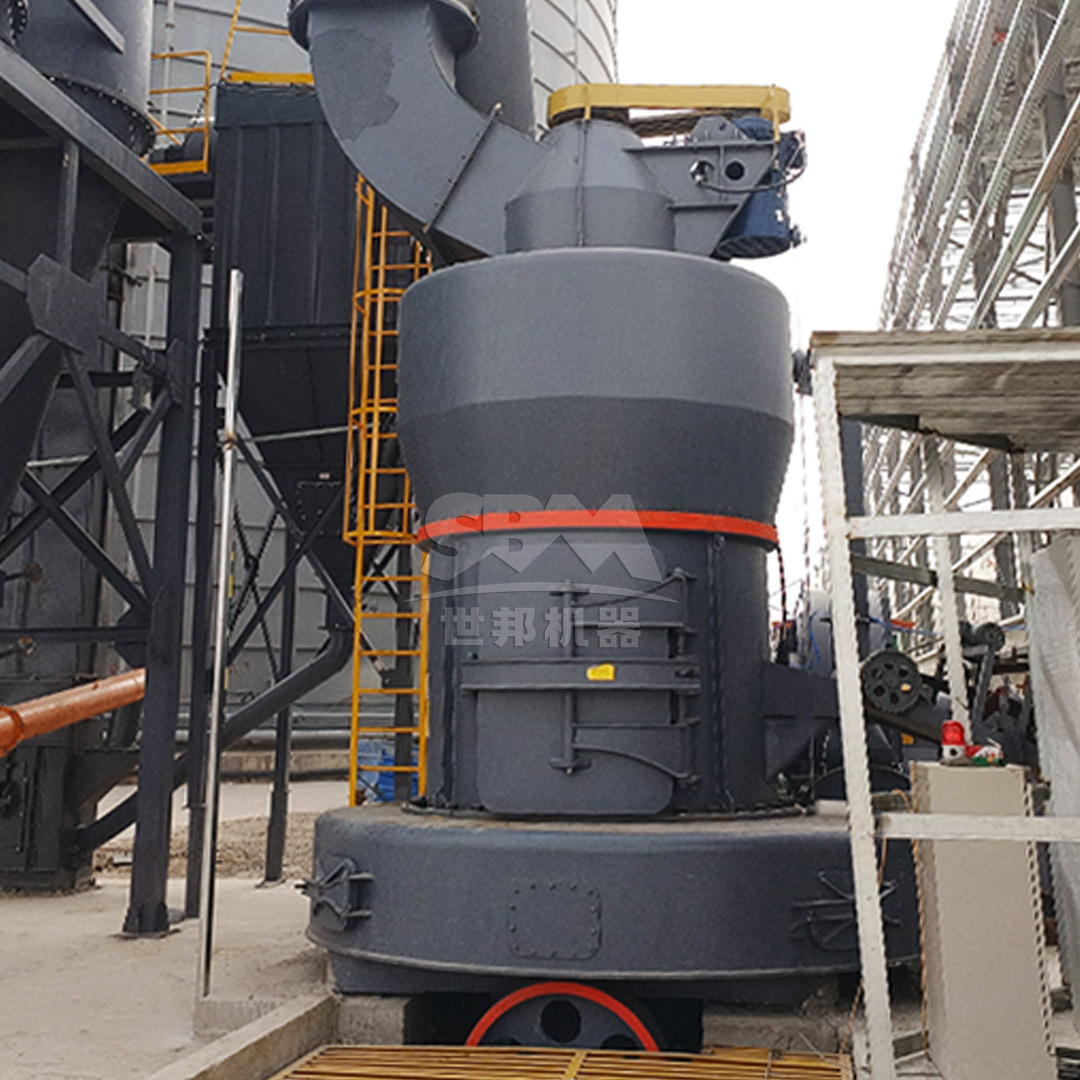
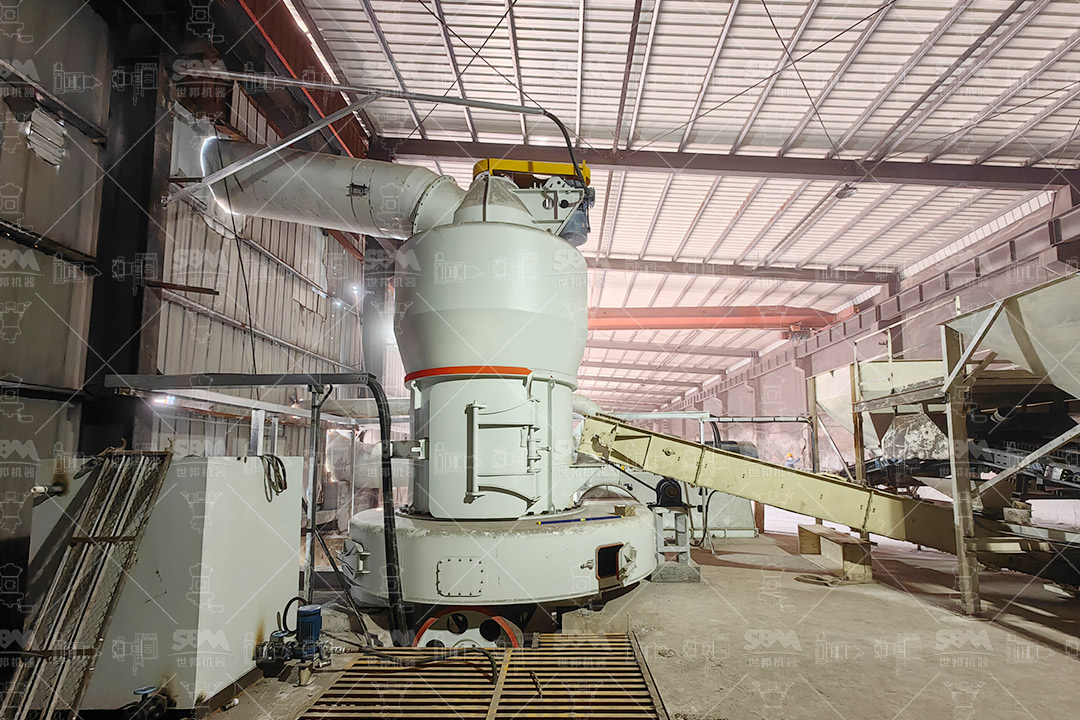
Iron Oxide Red (Fe₂O₃), a vital inorganic pigment, is extensively used in construction, coatings, plastics, and ceramics due to its excellent color stability, chemical inertness, and UV resistance. The production of high-quality iron oxide red powder hinges on efficient and precise grinding technology. The process typically involves crushing raw hematite or synthetic iron oxide precursors, followed by fine or ultra-fine grinding to achieve the desired particle size distribution, which directly influences the pigment’s tinting strength, hiding power, and dispersion properties. A complete production line integrates primary crushing, grinding, classification, collection, and packaging systems, with the grinding mill serving as the core component. Selecting the appropriate grinding equipment is paramount for achieving optimal product quality, production efficiency, and operational economy.
Grinding iron oxide red presents specific challenges. The material is moderately hard and abrasive, which demands wear-resistant grinding components. The target fineness for pigment-grade applications often ranges from 325 mesh (45μm) to 2500 mesh (5μm) or even finer, requiring mills with high-precision classification systems. Furthermore, maintaining color purity is critical; thus, the grinding system must prevent iron contamination and efficiently remove impurities. Energy consumption, dust control, and system automation are also major considerations for modern, cost-effective, and environmentally compliant production.
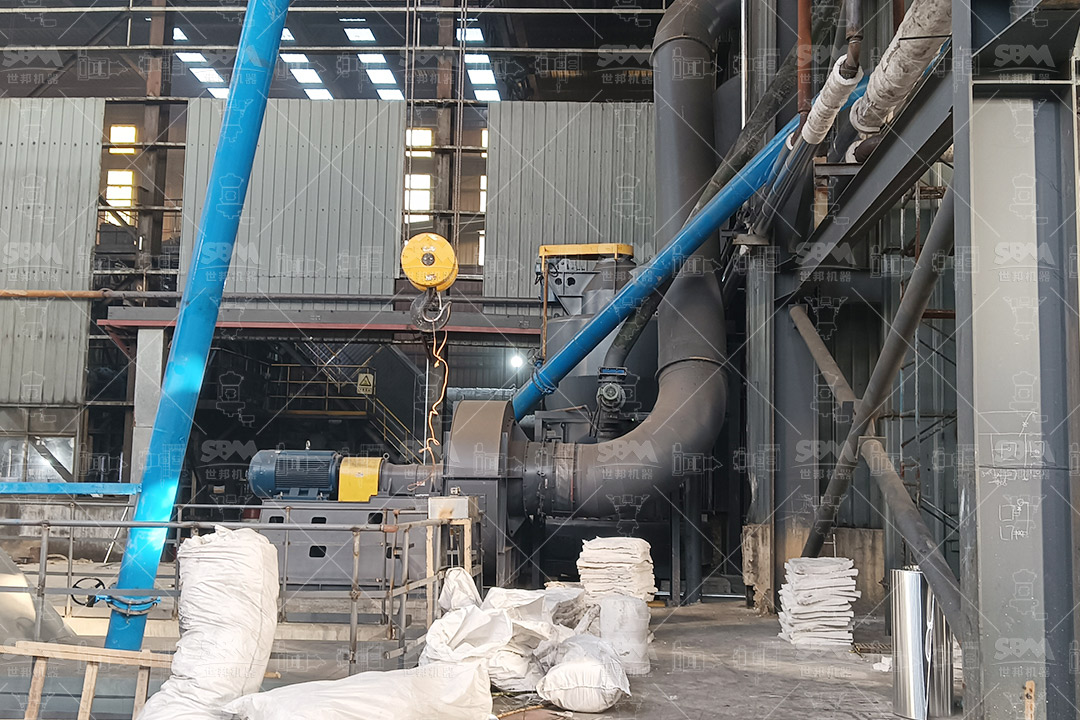
Various grinding mill types can be applied to iron oxide red processing, each with its own advantages in terms of capacity, fineness range, and system configuration. The choice depends on the required final product specifications and production scale.
For applications demanding superfine powders (D97 ≤ 5μm), such as high-grade coatings and specialty plastics, ultra-fine grinding mills are indispensable. These mills integrate intense grinding force with highly efficient, often turbo-based, classifiers to achieve narrow particle size distributions.
A premier solution in this category is our SCM Ultrafine Mill. Designed for producing powders between 325 and 2500 mesh (45-5μm), it represents a technological leap in fine grinding. Its core advantages make it exceptionally suitable for premium iron oxide red production:
The mill operates on a layered grinding principle: the main motor drives multi-layer grinding rings to rotate, dispersing material by centrifugal force into the grinding path where it is crushed by rollers. The powdered material is then collected by a cyclone and a pulse dust collection system. With models like the SCM1000 (1.0-8.5 t/h, 132kW) to the large-scale SCM1680 (5.0-25 t/h, 315kW), it can cater to a wide range of production needs for ultra-fine iron oxide red.
For larger volume production where the target fineness is between 30 and 325 mesh (600-45μm), such as for construction materials and standard pigments, robust and high-capacity roller mills are the preferred choice.
Our MTW Series Trapezium Mill is engineered for this very purpose. It handles feed sizes up to 50mm and delivers outputs from 30 to 325 mesh with capacities ranging from 3 to 45 tons per hour. Its European-origin design incorporates several key features beneficial for iron oxide processing:
In operation, the main motor drives the grinding rollers to revolve around the central axis while rotating on their own, generating centrifugal force. Shovels feed material between the rollers and the grinding ring for efficient compression grinding, with a classifier precisely controlling the final particle size. Models like the MTW175G (9.5-25 t/h) and MTW215G (15-45 t/h) are ideal for establishing high-throughput iron oxide red powder lines.
| Mill Type | Model Example | Output Fineness | Typical Capacity | Key Advantage for Fe₂O₃ |
|---|---|---|---|---|
| Ultrafine Mill | SCM1000 | 325-2500 mesh (D97≤5μm) | 1.0-8.5 t/h | Precision classification for premium pigment quality |
| Trapezium Mill | MTW215G | 30-325 mesh | 15-45 t/h | High capacity & durability for large-scale production |
| Vertical Roller Mill | LM190K | 80-400 mesh | 23-68 t/h | Integrated system, low energy consumption |
Vertical Roller Mills (VRMs) offer a highly integrated solution, combining grinding, drying, classification, and material conveying into a single compact unit. They are renowned for their low energy consumption and are suitable for producing iron oxide red in the medium fineness range.
Our LM Series Vertical Roller Mill is a standout in this category. It can process feed up to 50mm and produce powder from 30 to 325 mesh (with special models reaching 600 mesh), with capacities from 3 to an impressive 250 t/h. Its集约化设计 (intensive design) reduces footprint by 50% and can lower infrastructure costs by 40%. The non-contact design between rollers and the grinding disc triples the life of wear parts, and energy consumption is 30-40% lower than traditional ball mill systems. For iron oxide red, its fully sealed negative-pressure operation ensures dust emission remains below 20mg/m³, which is crucial for maintaining a clean plant environment and product purity.
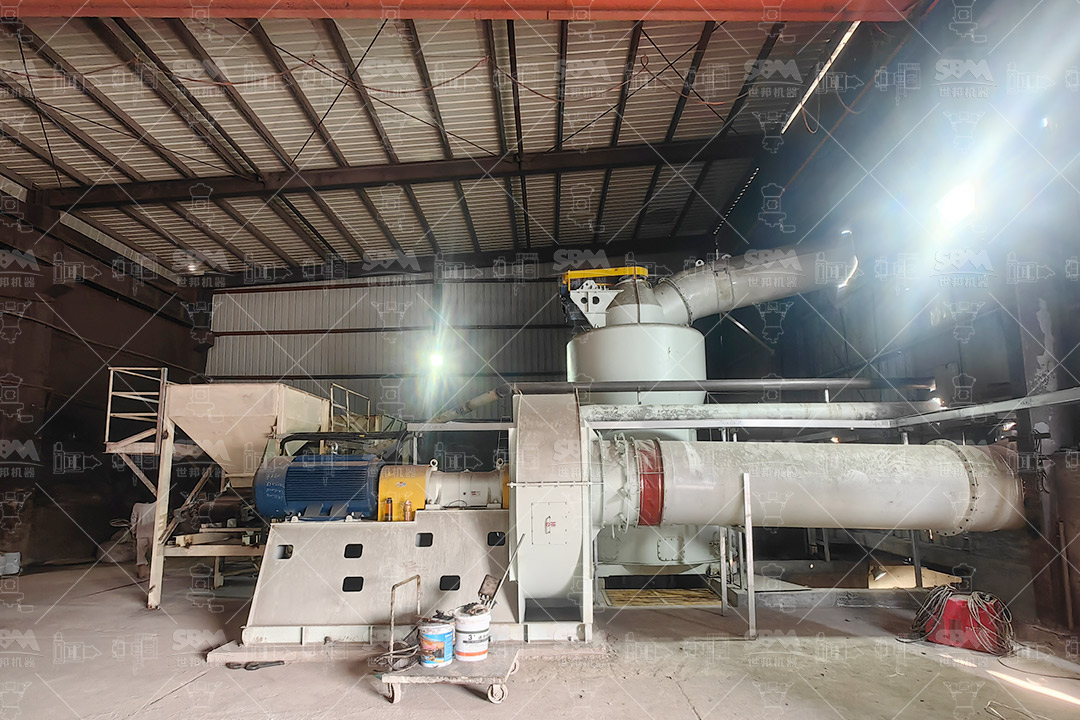
A turnkey iron oxide red powder line extends far beyond the grinding mill. A well-designed system ensures seamless material flow, consistent quality, and automated control.
Raw iron oxide lumps or synthesized cake is first reduced to a size suitable for the grinding mill feed (typically <20mm for ultra-fine mills, <50mm for larger mills). Jaw crushers or hammer mills are commonly used. Our Hammer Mill (PC Series) is particularly effective for this stage, capable of reducing 0-40mm feed to 0-3mm in one step, featuring a high manganese steel liner for durability against abrasive materials.
This is the heart of the line, featuring the selected main grinding mill (e.g., SCM, MTW, or LM series) integrated with its internal or external classifier. The classifier is critical for separating fine product from coarse material that needs recirculation.
Efficient collection is vital for product yield and environmental protection. A two-stage system involving a cyclone collector (for primary recovery) and a pulse-jet bag filter (for final cleaning) is standard. Our mills are equipped with high-efficiency pulse dust collectors with filtration efficiency over 99.9%.
This includes bucket elevators, screw conveyors, or pneumatic conveying systems to transport material between stages. Finished powder is stored in silos and then packaged via automatic valve bag packers or big bag stations.
A centralized PLC control system monitors and controls the entire line, enabling automatic start-up/shutdown sequences, interlocking, and real-time monitoring of key parameters like temperature, pressure, and motor load, ensuring safe and stable operation.
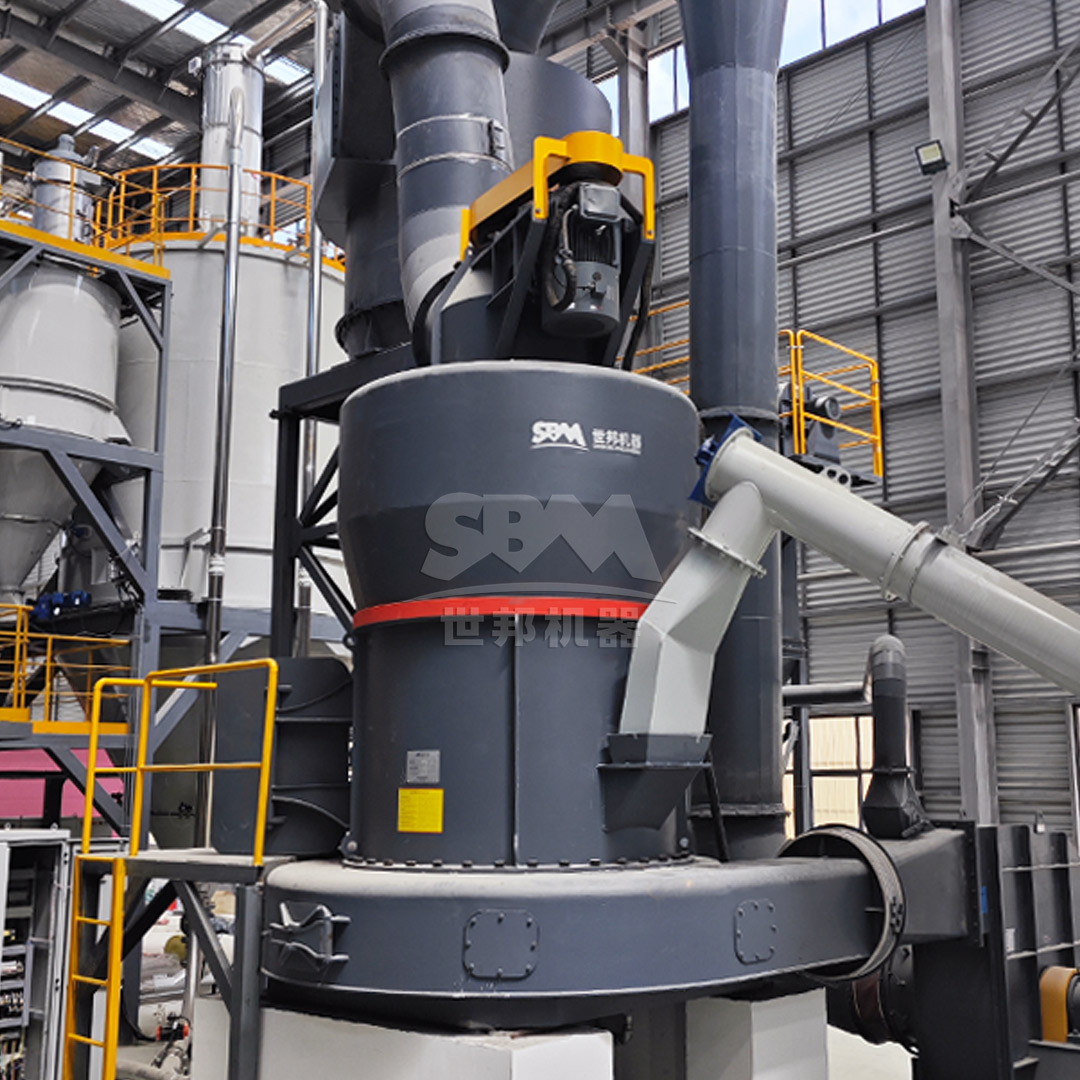
Selecting the optimal grinding mill and configuring a complete production line for iron oxide red requires a careful analysis of product specifications, desired capacity, investment budget, and long-term operating costs.
For ultra-fine, high-value pigment production, the SCM Ultrafine Mill is the recommended core equipment. Its unparalleled combination of fine grinding capability, energy efficiency, and product uniformity makes it the ideal choice for manufacturers aiming at the top tier of the market.
For large-scale production of standard-grade pigments where throughput and reliability are paramount, the MTW Series Trapezium Mill offers a robust, high-capacity, and cost-effective solution with proven performance and low maintenance requirements.
Ultimately, partnering with an experienced equipment supplier who can provide not only the core mill but also engineer the complete system—including crushing, collection, and automation—is crucial for achieving a successful, efficient, and profitable iron oxide red powder production facility. Our company offers comprehensive technical support from initial testing and process design to installation, commissioning, and after-sales service, ensuring your project’s success from the ground up.