The papermaking industry is a sophisticated ecosystem of chemistry, physics, and engineering, where every additive plays a pivotal role in determining the final product’s quality, performance, and cost-efficiency. Among these additives, bentonite clay stands out as a cornerstone material, primarily used in the production of coated paper and board, as a retention and drainage aid, and as a key component in pitch control. Its unique colloidal properties, high surface area, and cation exchange capacity make it indispensable. However, the efficacy of bentonite is intrinsically linked to its particle size distribution, purity, and activation level, which are directly controlled by the grinding and processing technology employed. This article delves into the core equipment and production line technology required to transform raw bentonite into a high-performance papermaking additive, highlighting the technological advancements that ensure optimal results.
A typical bentonite processing line for papermaking applications involves several critical stages: primary crushing, drying, milling, classification, and packaging. The heart of this operation lies in the milling stage, where the raw clay is reduced to the precise fineness required. For paper coating, bentonite must achieve a fineness typically ranging from 45 microns (325 mesh) down to 5 microns (2500 mesh) or even finer for high-gloss applications. For retention aid systems, a slightly coarser but tightly controlled distribution is often desired. The choice of milling technology dictates not only the particle size but also the particle shape, surface energy, and the preservation of the clay’s natural lamellar structure—all factors critical to its performance in the paper machine wet end or on the coating head.
Selecting the right mill is paramount. The industry utilizes a range of technologies, each with its own advantages and optimal application ranges for bentonite processing.
Producing the superfine bentonite used in high-quality paper coatings demands technology capable of delivering high energy efficiency, precise classification, and minimal contamination. Traditional ball mills are often inefficient at this range due to high energy consumption and heat generation, which can degrade the clay. Jet mills, while capable, suffer from high operational costs and broad particle size distributions.
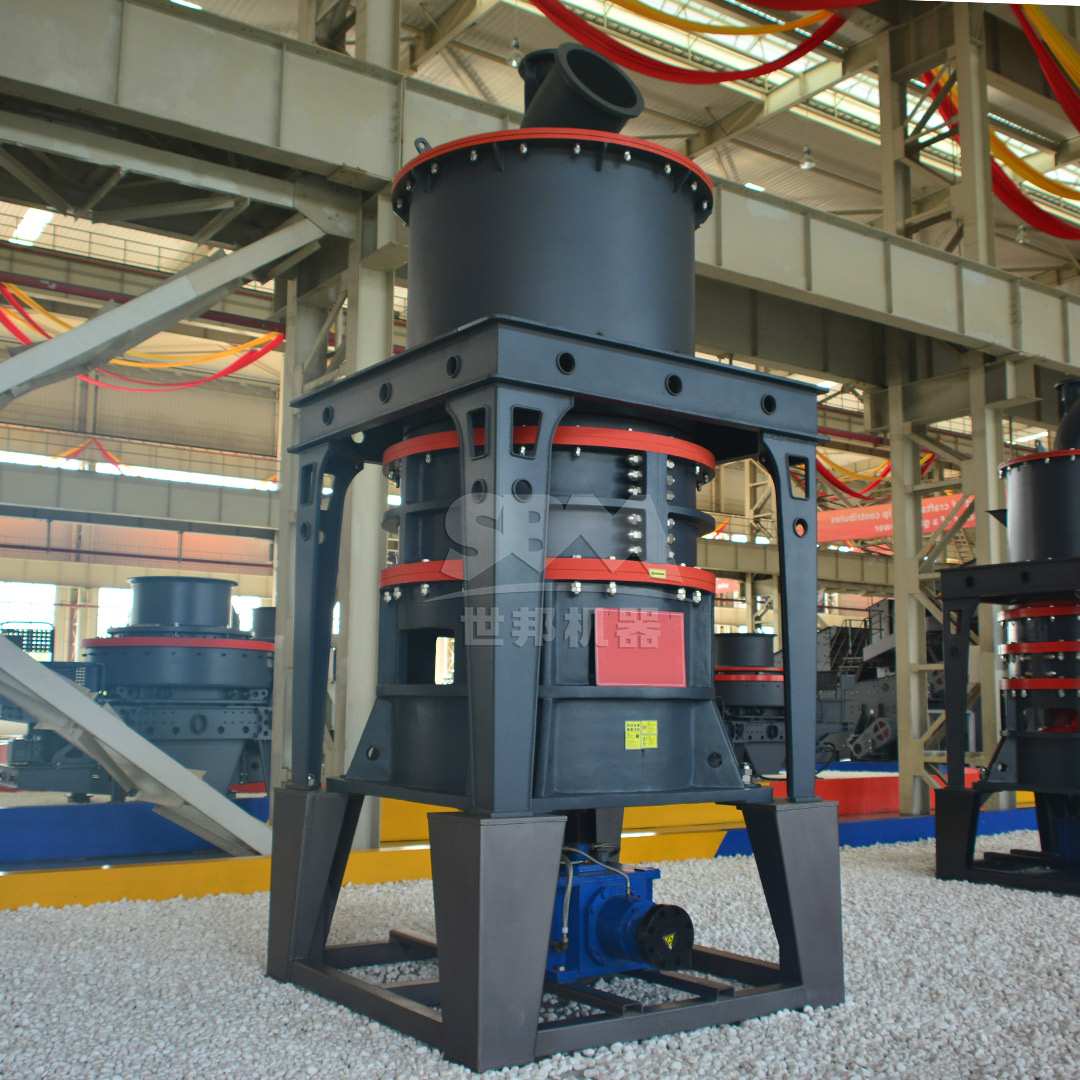
A superior solution is the SCM Series Ultrafine Mill. This mill is engineered specifically for the economic production of powders in the 325 to 2500 mesh range. Its vertical turbine classifier achieves precise particle size cuts, ensuring no coarse powder mixes into the final product—a crucial factor for coating uniformity and gloss. With a capacity up to 2 times that of jet mills and energy consumption 30% lower, it represents a significant technological leap. Its durable design, featuring special material rollers and rings, extends service life dramatically, while the integrated pulse dust collection system ensures an environmentally friendly operation with noise levels well within industrial standards. For paper mills or bentonite processors requiring a consistent supply of ultra-fine, high-purity coating-grade bentonite, the SCM series, particularly the SCM1250 model (2.5-14t/h capacity), offers an unbeatable combination of precision, efficiency, and reliability.
| Model | Capacity (t/h) | Main Power (kW) | Output Fineness (mesh) | Primary Application |
|---|---|---|---|---|
| SCM800 | 0.5-4.5 | 75 | 325-2500 | Pilot/Low-volume coating grade |
| SCM1000 | 1.0-8.5 | 132 | 325-2500 | Standard coating grade production |
| SCM1250 | 2.5-14 | 185 | 325-2500 | High-volume coating/filler grade |
| SCM1680 | 5.0-25 | 315 | 325-2500 | Large-scale industrial production |
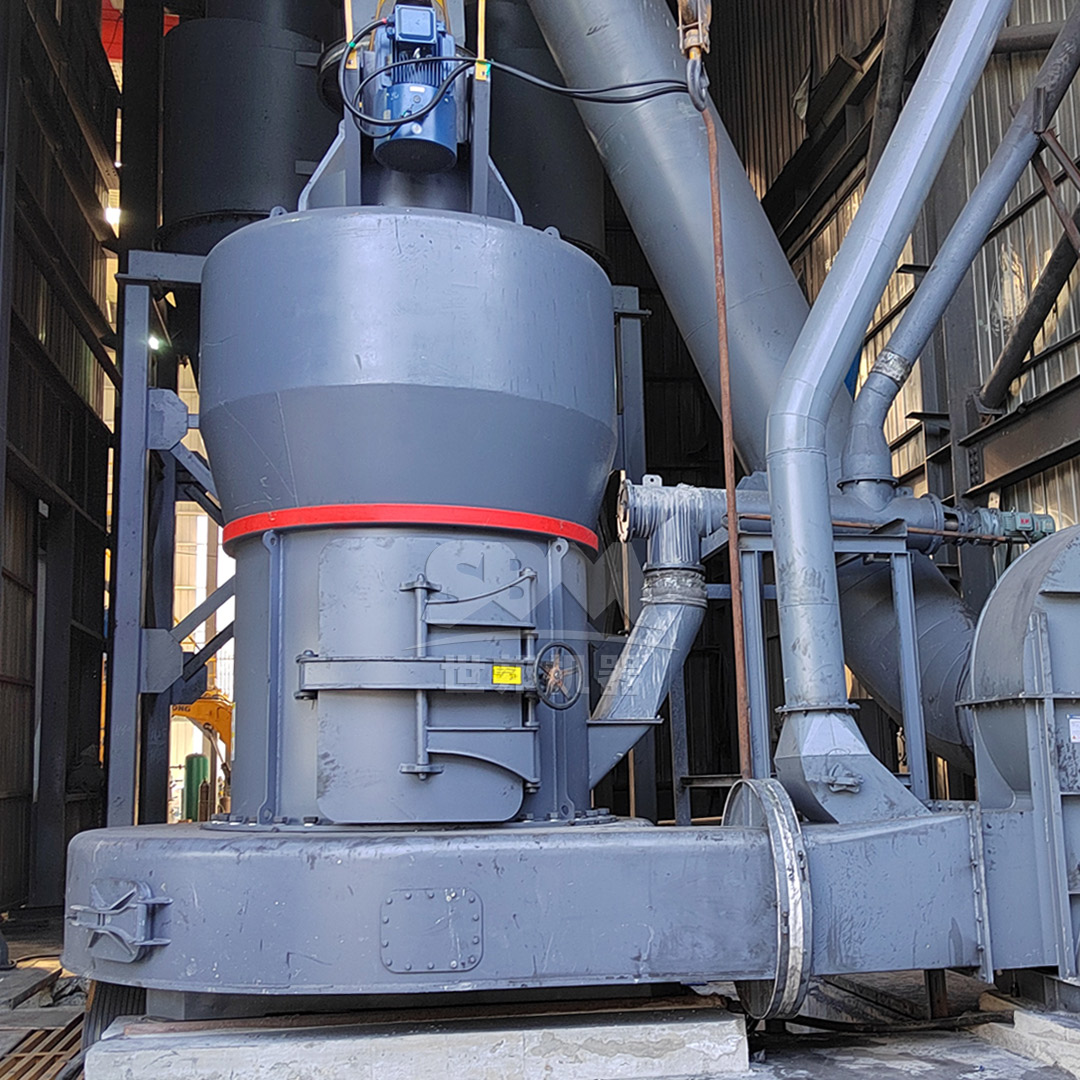
For bentonite used as a retention aid, carrier, or in other wet-end applications, a slightly coarser but highly uniform product is often sufficient. The priority here shifts to high throughput, operational stability, and low wear costs. The MTW Series European Trapezium Mill excels in this domain. With an output fineness range of 30-325 mesh and capacities from 3 to 45 tons per hour, it is a workhorse for medium-fine bentonite production. Its patented technologies, such as the anti-wear shovel design and curved grinding roller, significantly reduce maintenance costs and extend component life. The integral bevel gear drive boasts 98% transmission efficiency, saving energy and space. This mill is ideal for processing raw bentonite into a consistent, reliable additive for the paper machine wet end, ensuring stable retention and drainage performance.
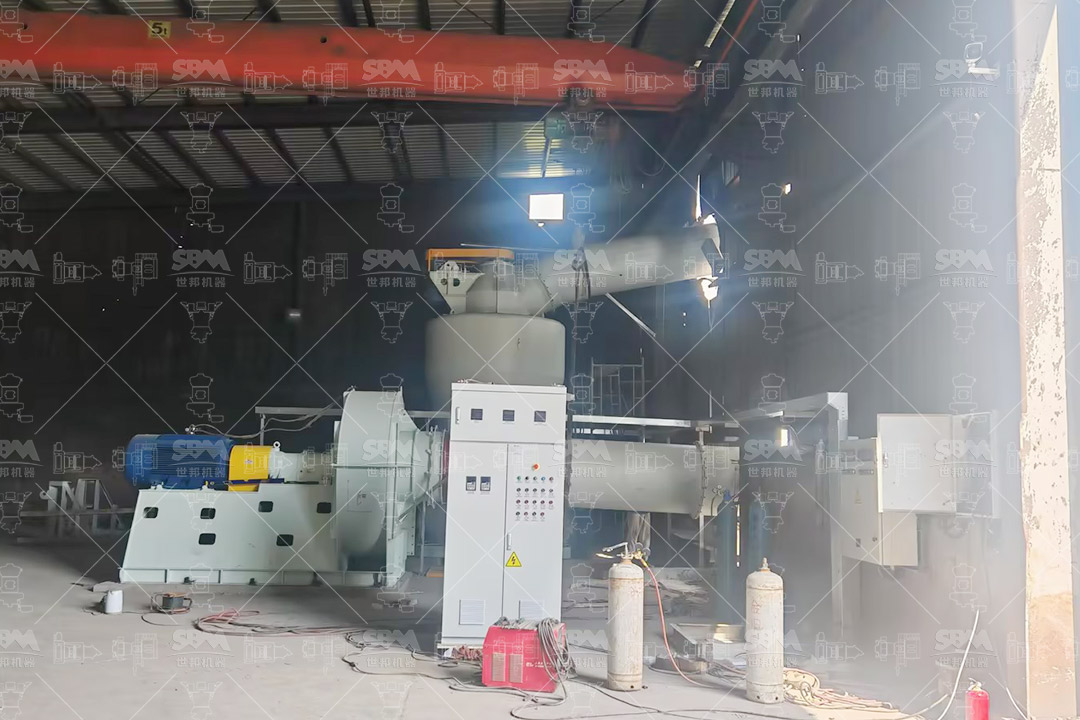
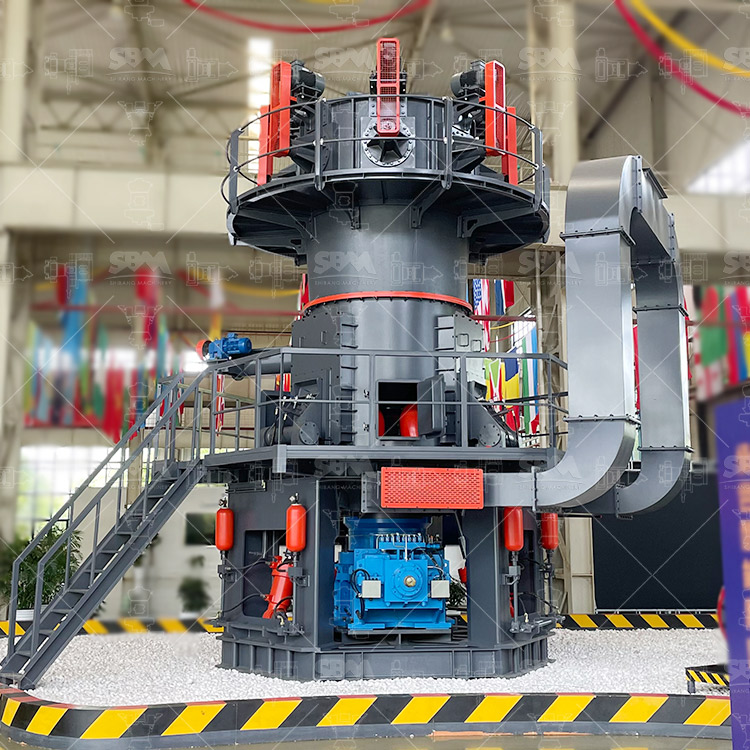
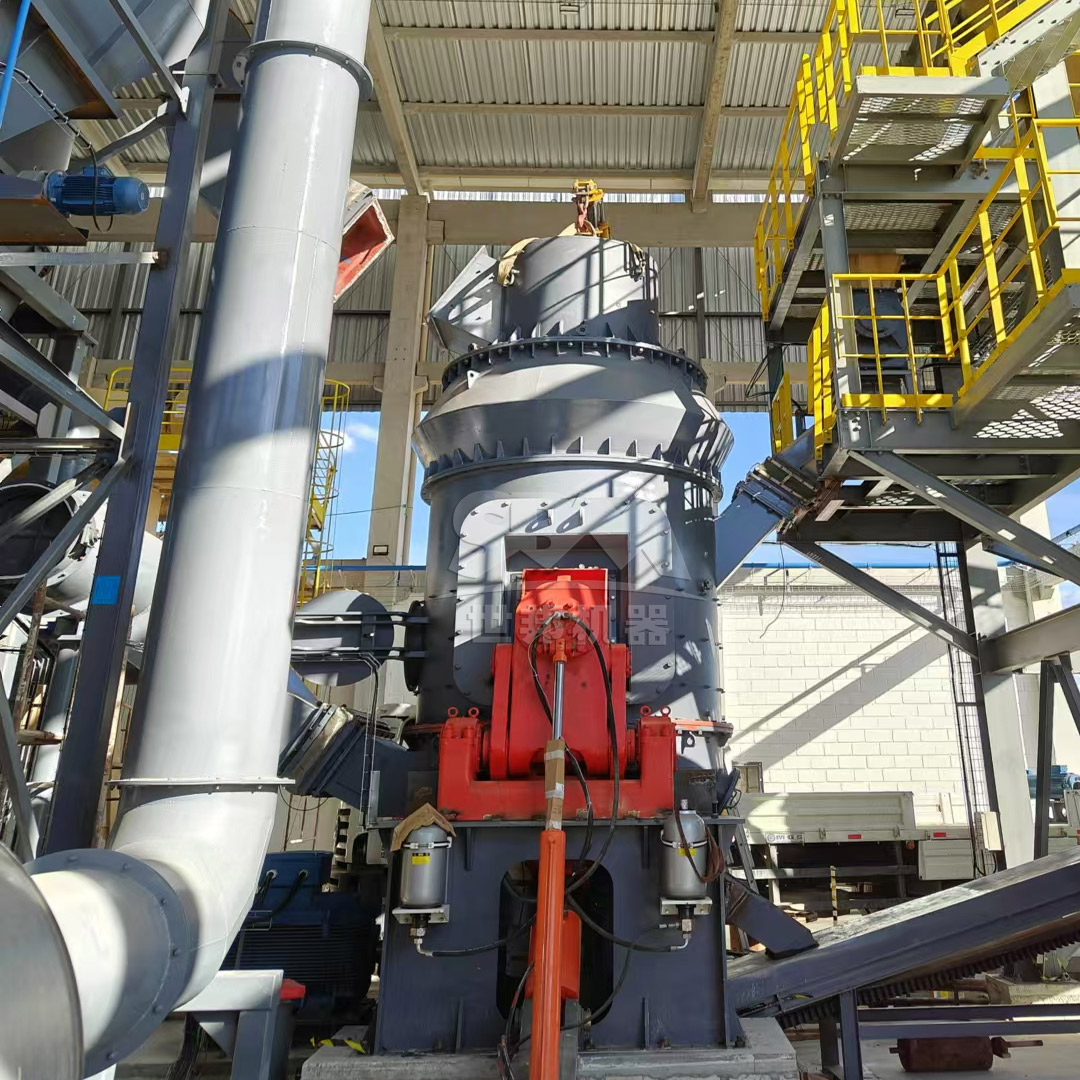
For mega-plants aiming for the highest levels of automation and energy efficiency in producing a range of bentonite products, the LM Series Vertical Roller Mill presents a compelling integrated solution. It combines crushing, grinding, drying, classifying, and conveying into a single unit, reducing floor space by 50% and civil construction costs by 40%. Its non-contact grinding principle and intelligent control system lower energy consumption by 30-40% compared to traditional ball mill systems and minimize manual intervention. This makes the LM series perfect for large-scale production of both filler-grade and some coating-grade bentonites, especially where consistent quality and low operational expenditure are critical.
A high-performance milling core must be supported by a robust system. Key components include:
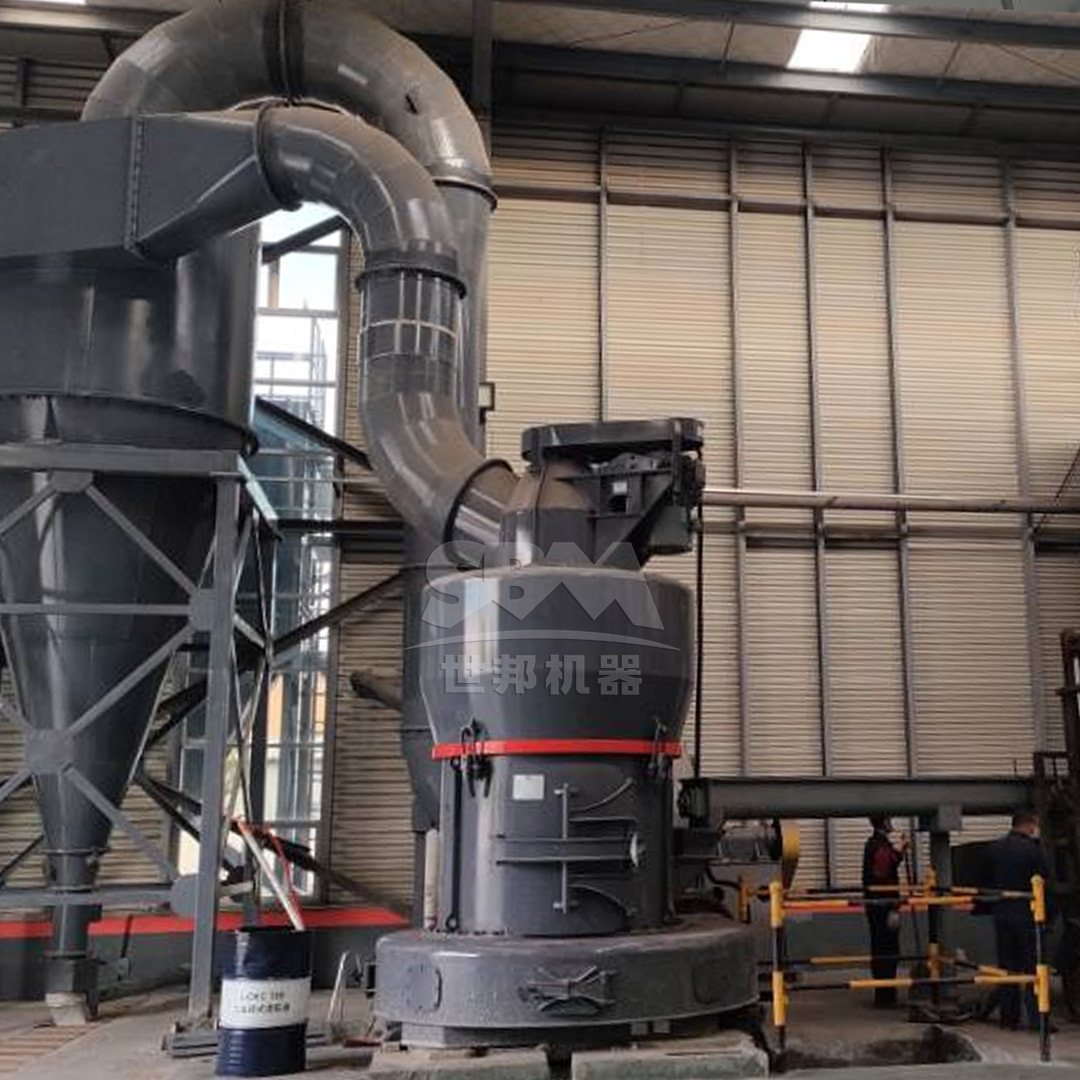
The future of bentonite processing for papermaking lies in smarter, more connected, and more sustainable technologies. Key trends include:
The transformation of raw bentonite into a high-value papermaking additive is a precise science enabled by advanced engineering. The choice of grinding technology—whether the ultra-fine precision of the SCM Series, the robust efficiency of the MTW Series, or the integrated prowess of the LM Vertical Roller Mill—directly determines the additive’s performance characteristics and the processor’s profitability. By investing in the right production line technology, paper chemical suppliers and integrated mills can ensure a reliable supply of high-quality bentonite, driving innovation in paper products while maintaining strict control over quality and cost. As the industry evolves towards greater sustainability and performance, the continuous advancement of milling equipment will remain at the forefront of this essential supply chain.