The efficient processing of manganese ore, a critical raw material for steelmaking and battery production, hinges on a well-designed comminution circuit. The journey from raw, mined ore to a finely ground, liberated powder suitable for beneficiation involves several stages, each demanding specialized equipment. Selecting the right machinery is paramount for achieving optimal liberation of manganese minerals from gangue, maximizing recovery rates, minimizing energy consumption, and ensuring overall plant profitability. This article provides a professional overview of the key equipment used in manganese ore processing, from primary crushing to final fine grinding, highlighting technological considerations and modern solutions.
The first step in any mineral processing plant is size reduction of the run-of-mine (ROM) ore. For manganese ore, which can be hard and abrasive, robust primary crushers are essential.
The primary goal here is to achieve a size suitable for efficient handling and feeding into the secondary crushing stage.
Following primary crushing, the ore undergoes further size reduction to prepare it for grinding. This stage aims to produce a feed typically smaller than 30-50 mm.
Efficient crushing at this stage directly reduces the energy burden on the subsequent, more energy-intensive grinding circuit.
Grinding is the most critical and energy-intensive phase in manganese ore processing. Its purpose is to reduce the crushed ore to a fine powder, liberating the valuable manganese minerals (e.g., pyrolusite, rhodochrosite) from the waste gangue. The choice of grinding mill depends on the required product fineness, ore characteristics, and plant capacity.
For initial grinding to a medium-coarse size (typically 0.1-1.0 mm), tumbling mills are widely used.
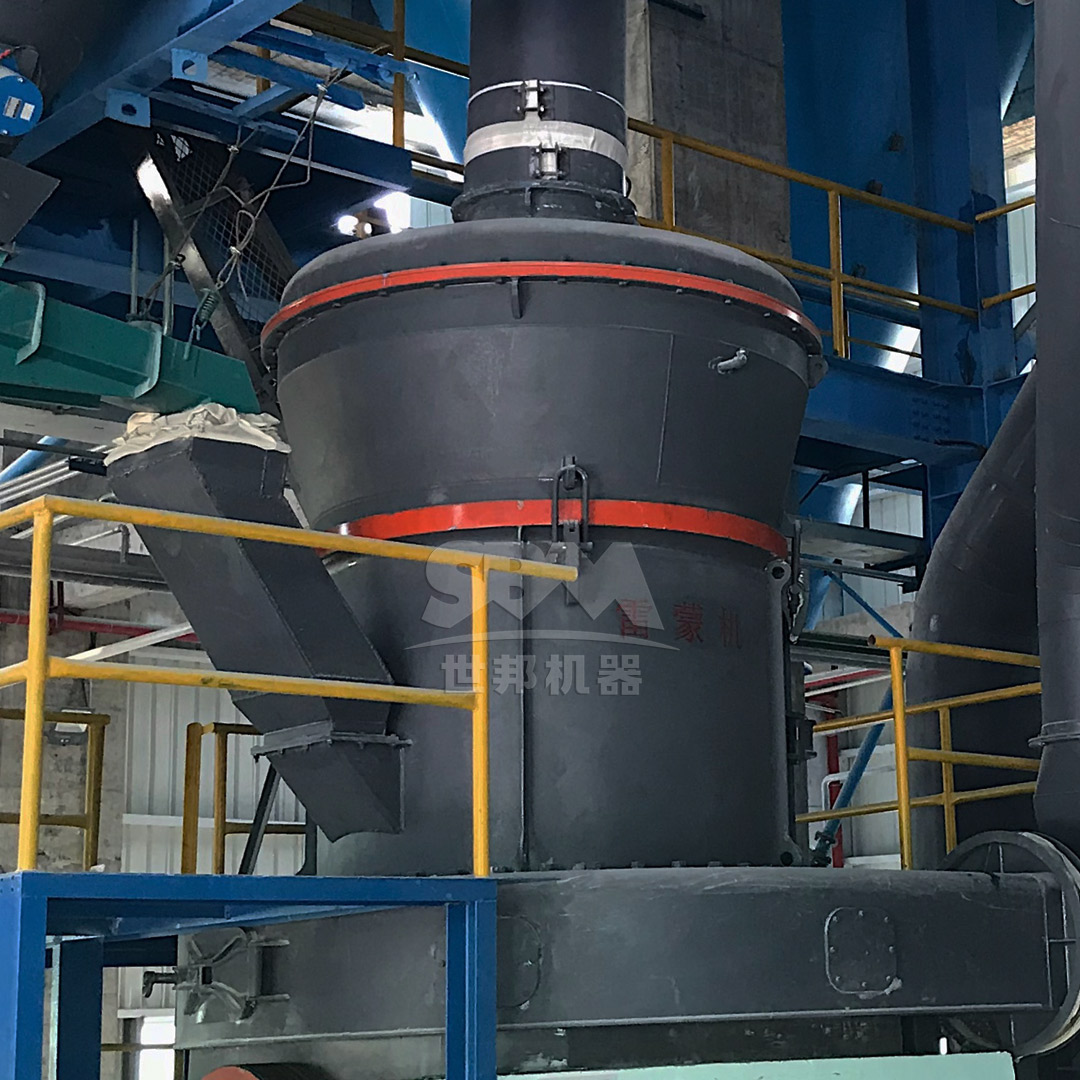
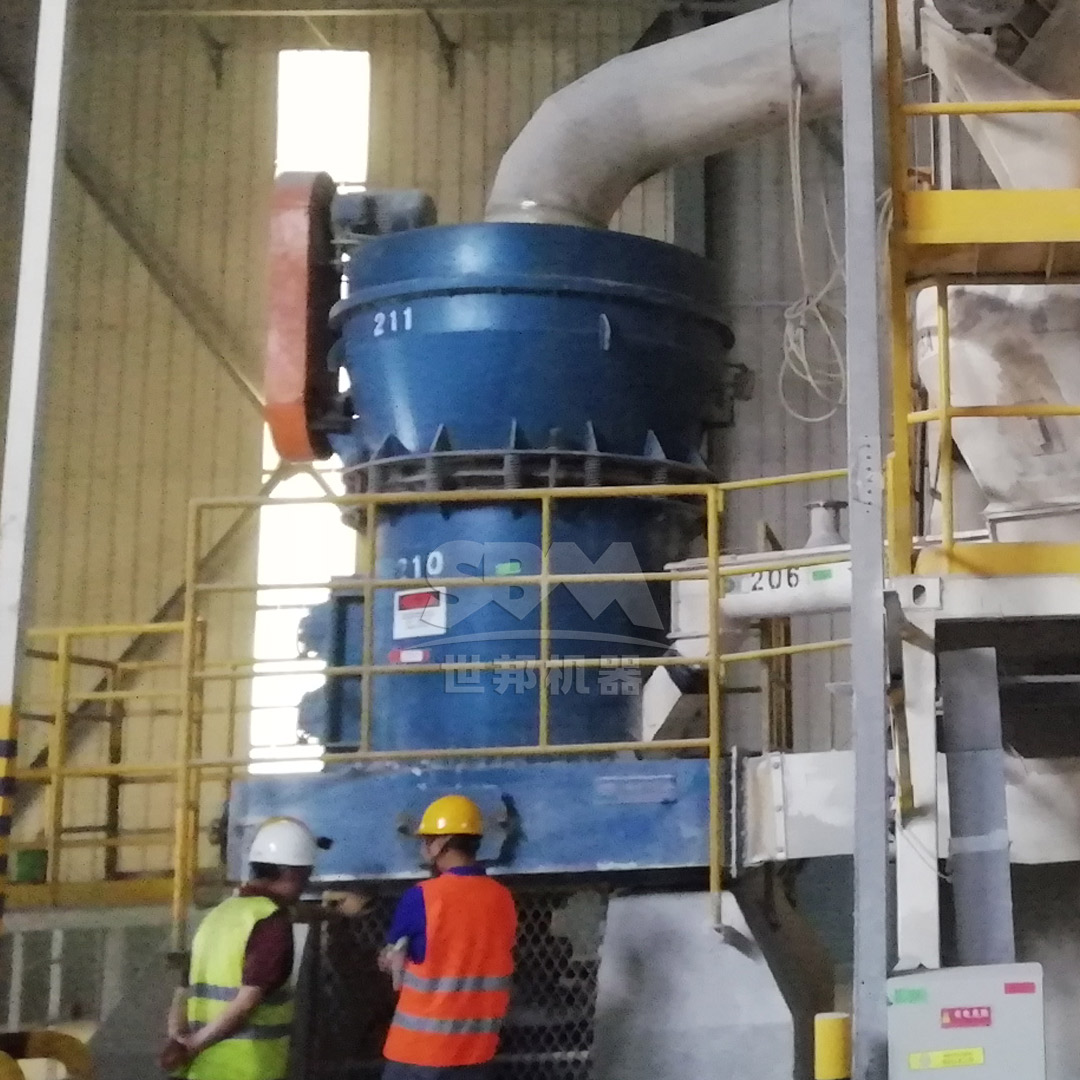
For modern, high-capacity plants, Vertical Roller Mills (VRM) have become a superior alternative for grinding manganese ore to medium fineness. They operate on the principle of bed comminution, where material is ground between a rotating table and rollers under hydraulic pressure.
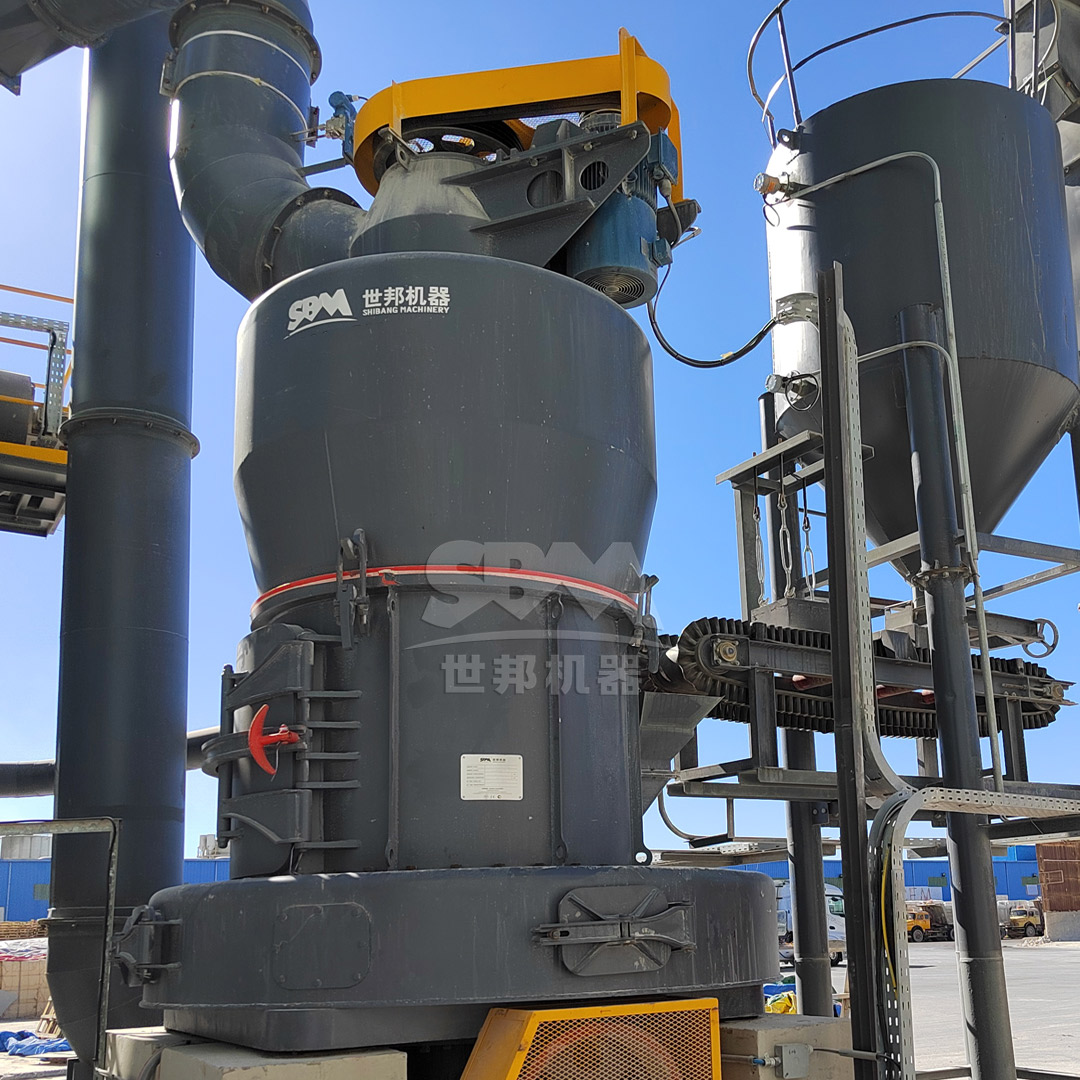
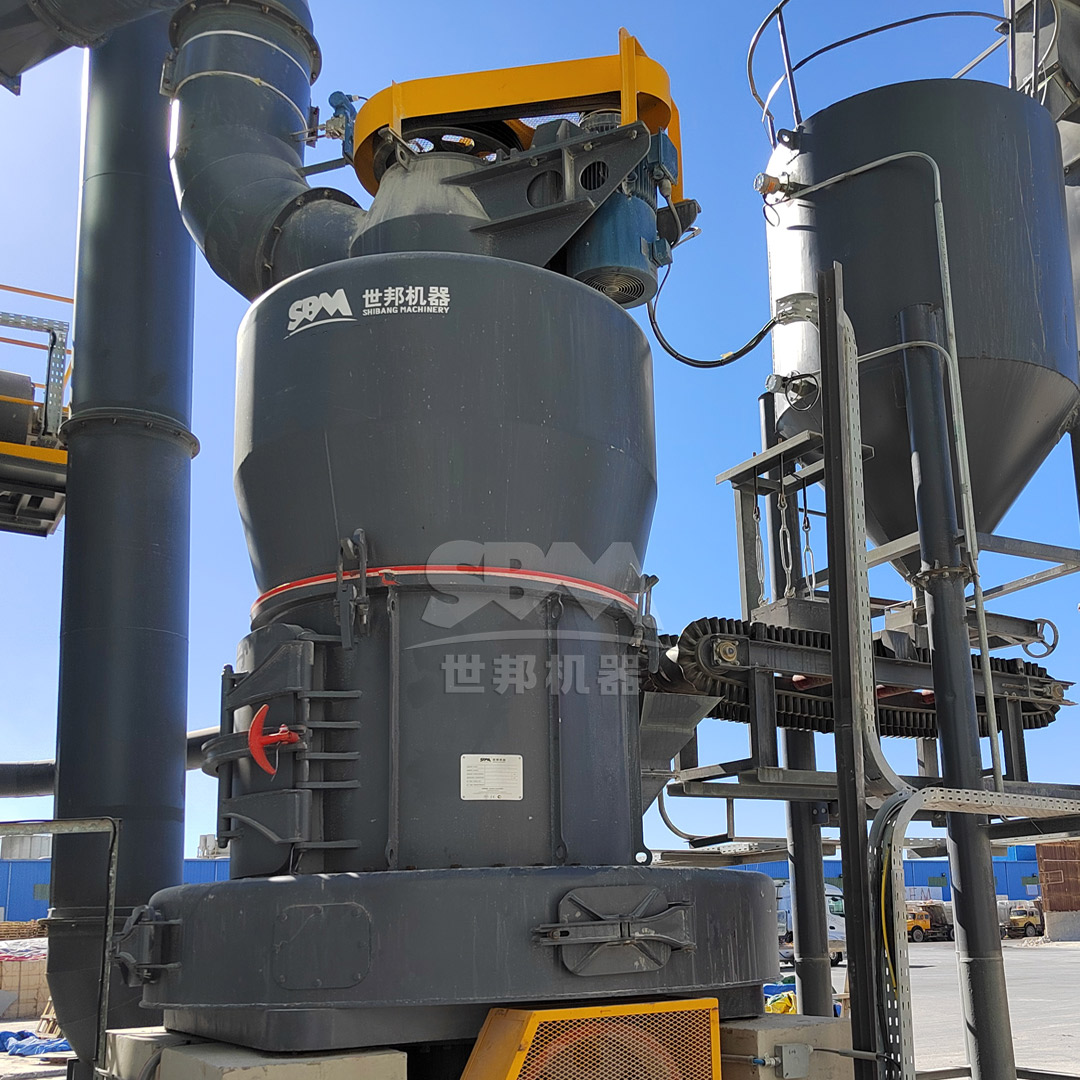
For manganese ore processing requiring an output fineness in the range of 30-325 mesh (600-45μm), our LM Series Vertical Roller Mill represents a technological leap forward. Its integrated design combines crushing, grinding, drying (if needed), and classification in a single unit, reducing plant footprint by up to 50%. Compared to traditional ball mill systems, the LM Series offers 30-40% lower energy consumption, a critical factor given grinding’s high power demand. Its intelligent control system allows for expert-level automation and remote monitoring, ensuring stable operation and consistent product quality. The fully sealed, negative-pressure operation guarantees environmental compliance with minimal dust emission.
| Model | Grinding Table Diameter | Capacity (t/h) | Output Fineness | Main Motor Power |
|---|---|---|---|---|
| LM190K | Φ1900mm | 23-68 | 170-45μm (30-325 mesh) | 500 kW |
| LM220K | Φ2200mm | 36-105 | 170-45μm (30-325 mesh) | 800 kW |
| LM280K | Φ2800mm | 50-170 | 170-45μm (30-325 mesh) | 1250 kW |
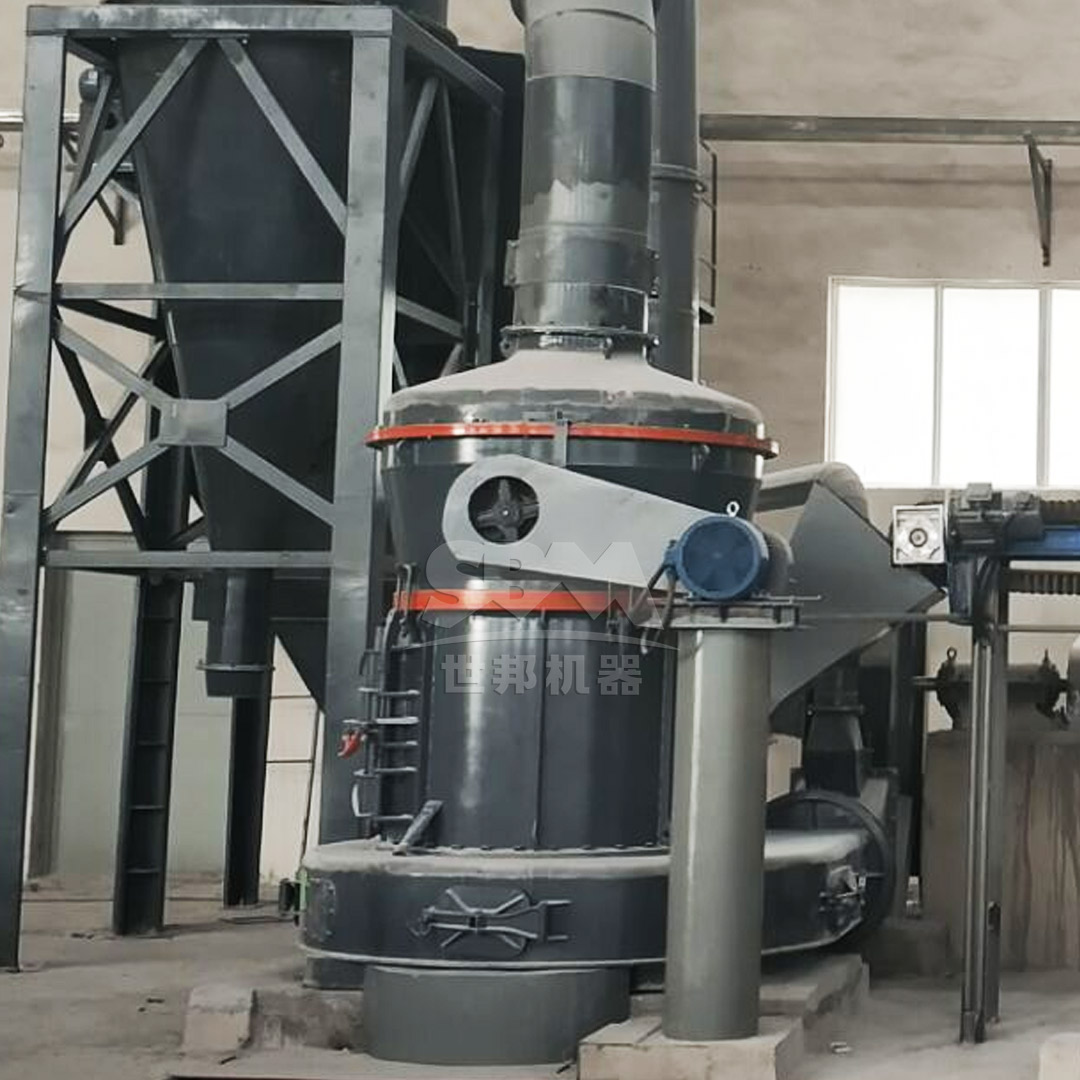
Certain advanced manganese applications, such as the production of high-purity manganese chemicals or battery-grade materials, may require ultra-fine grinding down to a few microns. For this demanding task, specialized equipment is necessary.
Our SCM Series Ultrafine Mill is engineered to excel in this domain. Capable of producing powder in the range of 325-2500 mesh (45-5μm), it is ideal for achieving the liberation fineness needed for high-grade concentrates or direct chemical processing. Its high-efficiency design offers capacity twice that of jet mills while consuming 30% less energy. The integrated vertical turbine classifier ensures precise particle size cutting, eliminating coarse powder contamination and delivering a uniform product. Furthermore, its durable construction with special material rollers and rings, coupled with an eco-friendly pulse dust collection system exceeding international standards, makes it a reliable and sustainable choice for advanced manganese processing circuits.
No grinding circuit is complete without efficient classification and feeding systems.
The path from raw manganese ore to a process-ready powder is a carefully orchestrated sequence of crushing and grinding stages. Each stage requires equipment matched to the specific physical characteristics of the ore and the target product specifications. While traditional jaw crushers, cone crushers, and ball mills form the backbone of many operations, technological advancements are driving a shift towards more efficient solutions. Vertical Roller Mills, like our LM Series, offer significant energy and space savings for intermediate grinding, while specialized Ultrafine Mills, such as the SCM Series, unlock the potential for high-value, ultra-fine manganese products. A holistic understanding of this equipment landscape is essential for designing a manganese processing plant that is both economically viable and technically superior.