Limestone grinding represents a critical process in numerous industrial applications, from construction materials and agriculture to chemical manufacturing and environmental remediation. The efficiency and quality of limestone grinding operations directly impact product performance, operational costs, and environmental compliance. This comprehensive guide examines the key factors that determine success in industrial limestone grinding operations and provides insights into optimizing these processes for maximum productivity and quality.
Understanding the inherent characteristics of limestone is essential for selecting appropriate grinding equipment and optimizing operational parameters. The grindability of limestone varies significantly based on several geological and physical factors.
The primary component of limestone is calcium carbonate (CaCO₃), typically comprising 90-99% of the material. However, the presence of impurities such as silica, clay minerals, iron oxides, and magnesium carbonate significantly affects grinding behavior. High-purity limestone generally grinds more efficiently, while materials with higher silica content (above 5%) can cause accelerated wear on grinding components and require specialized equipment designs.
Limestone hardness typically ranges from 2 to 4 on the Mohs scale, making it relatively soft compared to many other industrial minerals. However, the abrasiveness index (measured by the Bond Abrasion Index) can vary considerably based on quartz content and crystal structure. Materials with higher abrasiveness require grinding systems with enhanced wear protection and may benefit from equipment with replaceable wear components.
The moisture content of feed material significantly impacts grinding efficiency. Most grinding systems perform optimally with moisture levels below 5-6%. Higher moisture can lead to material agglomeration, reduced throughput, and increased energy consumption. For materials with elevated moisture content, pre-drying systems or grinding equipment with integrated drying capabilities may be necessary.
| Property | Typical Range | Impact on Grinding | Recommended Approach |
|---|---|---|---|
| Hardness (Mohs) | 2-4 | Determines energy requirements | Select appropriate pressure settings |
| Moisture Content | 1-8% | Affects flowability and efficiency | Pre-drying for >5% moisture |
| Silica Content | 0.5-15% | Influences wear rates | Enhanced wear protection |
| Bond Work Index | 8-12 kWh/t | Measures grindability | Equipment sizing basis |
Choosing the right grinding equipment is paramount to achieving operational efficiency and product quality targets. The selection process must consider multiple technical and economic factors.
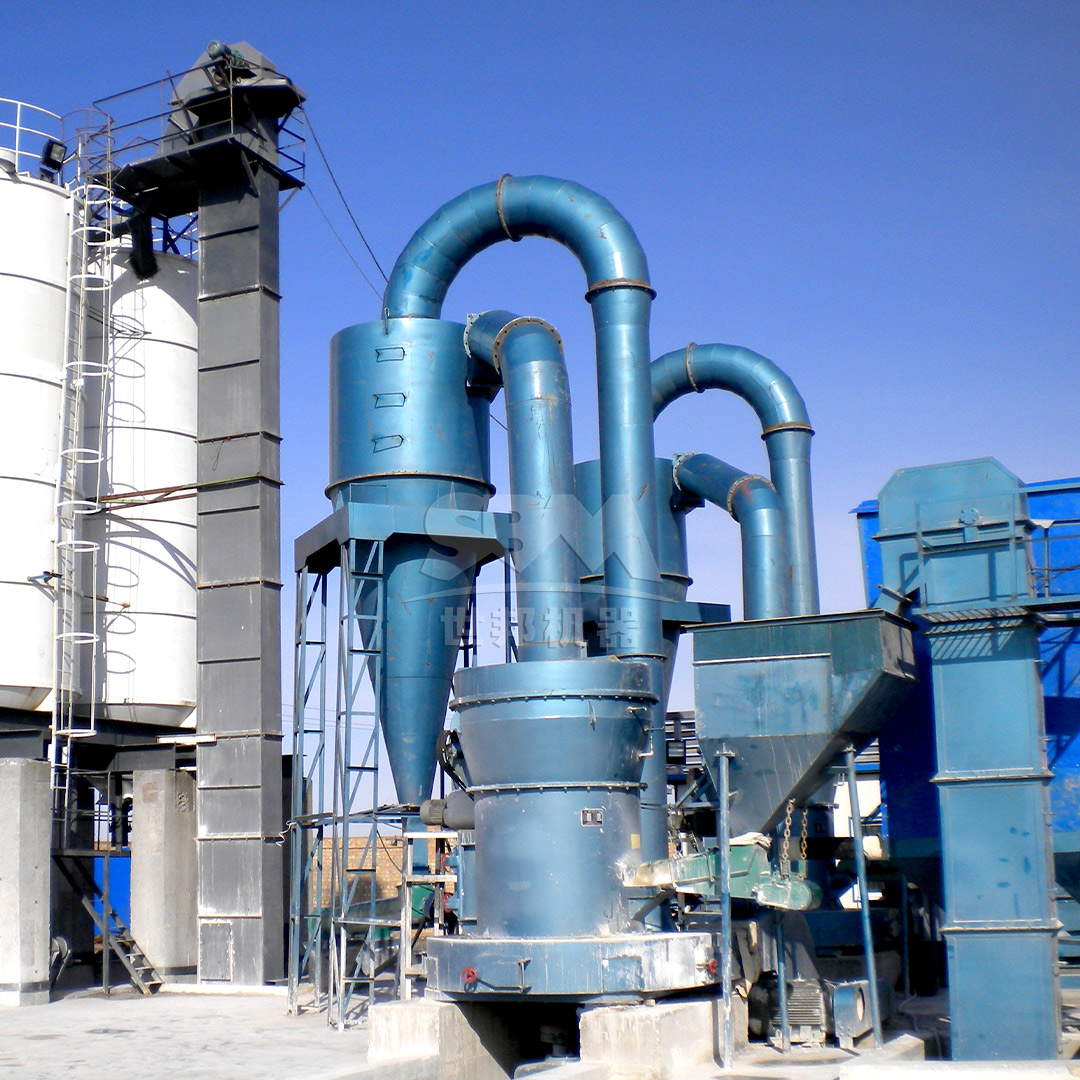
The required production capacity directly influences equipment selection. Small to medium operations (1-25 tons per hour) may benefit from compact vertical mills or trapezium mills, while large-scale operations requiring 25-250 tons per hour typically employ larger vertical roller mills or multiple units in parallel configuration.
The target product fineness represents one of the most critical selection criteria. Applications requiring coarse to medium fineness (30-325 mesh) can utilize trapezium mills or vertical roller mills, while ultrafine applications (325-2500 mesh) demand specialized equipment with advanced classification systems.
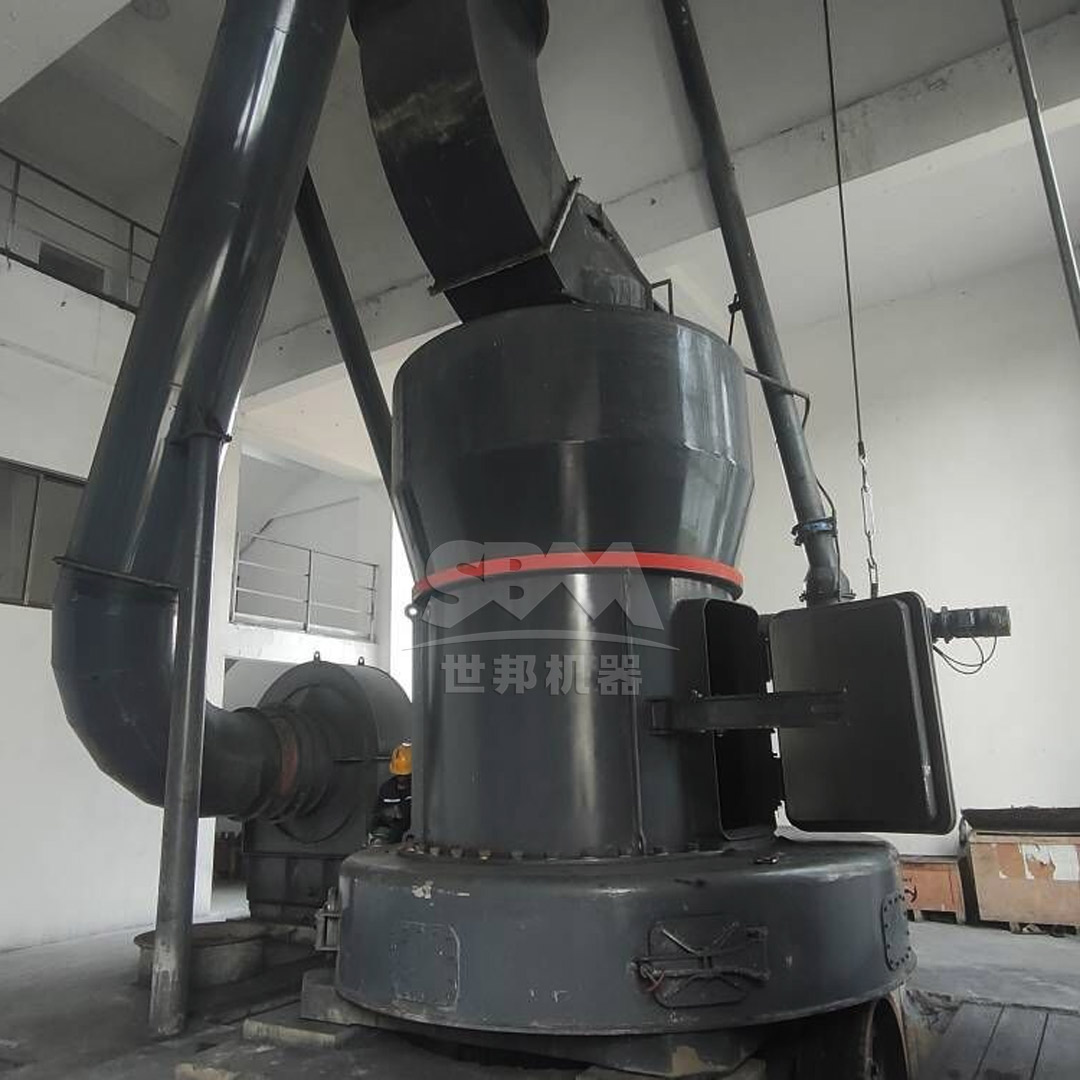
Grinding operations typically account for 50-70% of total energy consumption in mineral processing plants. Modern grinding systems incorporate numerous energy-saving features, including optimized grinding geometries, efficient classification systems, and intelligent control systems that adjust operational parameters in real-time based on feed characteristics and product requirements.
The physical footprint of grinding equipment varies significantly between technologies. Vertical roller mills typically offer the most compact design, with integrated crushing, grinding, and classification functions in a single unit. This integrated approach can reduce space requirements by up to 50% compared to traditional ball mill systems.
Modern limestone grinding operations leverage advanced technologies to achieve superior performance, reduced operating costs, and enhanced product quality. Several equipment configurations have proven particularly effective for limestone applications.
Vertical roller mills have become the technology of choice for large-scale limestone grinding operations due to their exceptional energy efficiency and high throughput capabilities. These systems employ a bed compression grinding principle, where material is ground between a rotating table and stationary or rotating rollers.
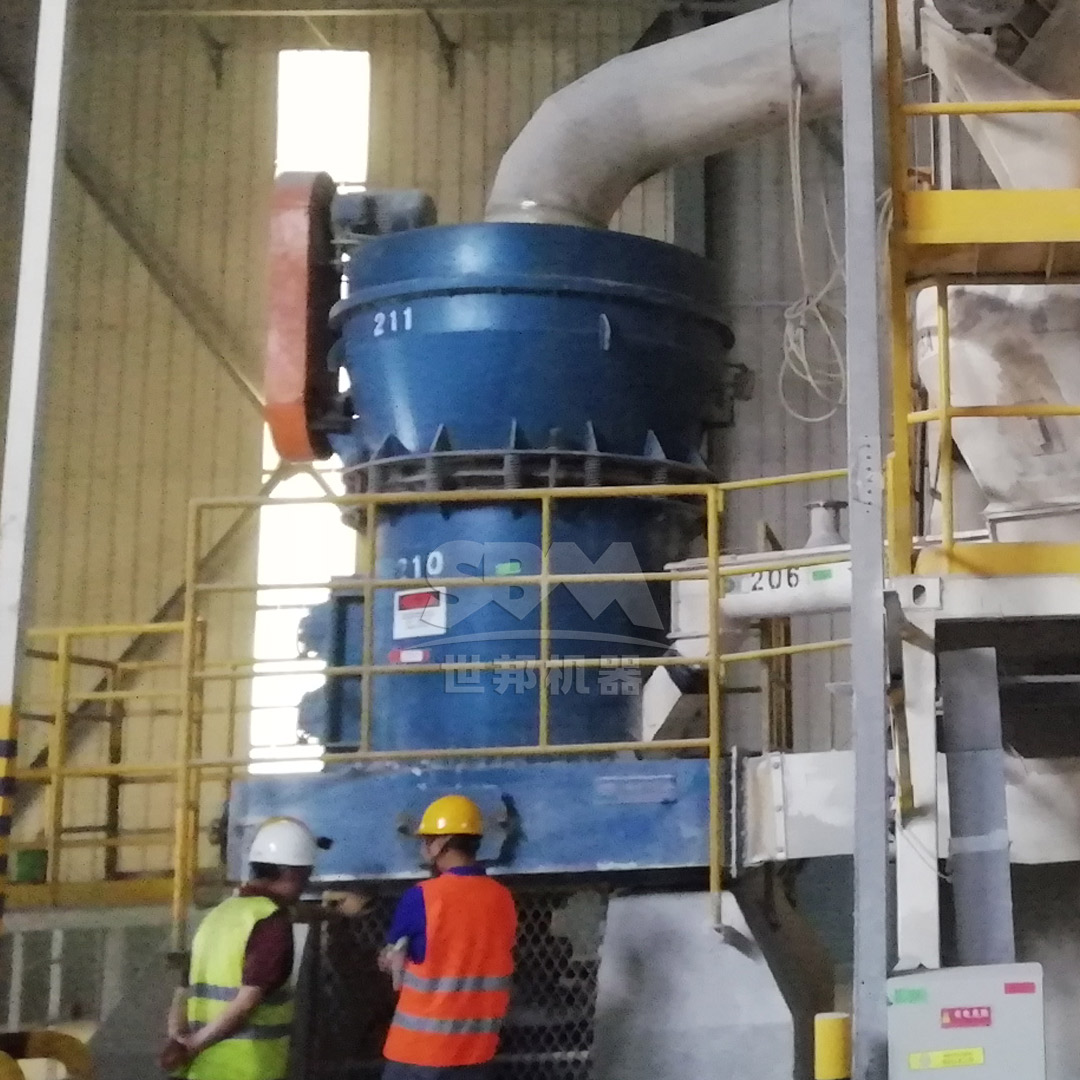
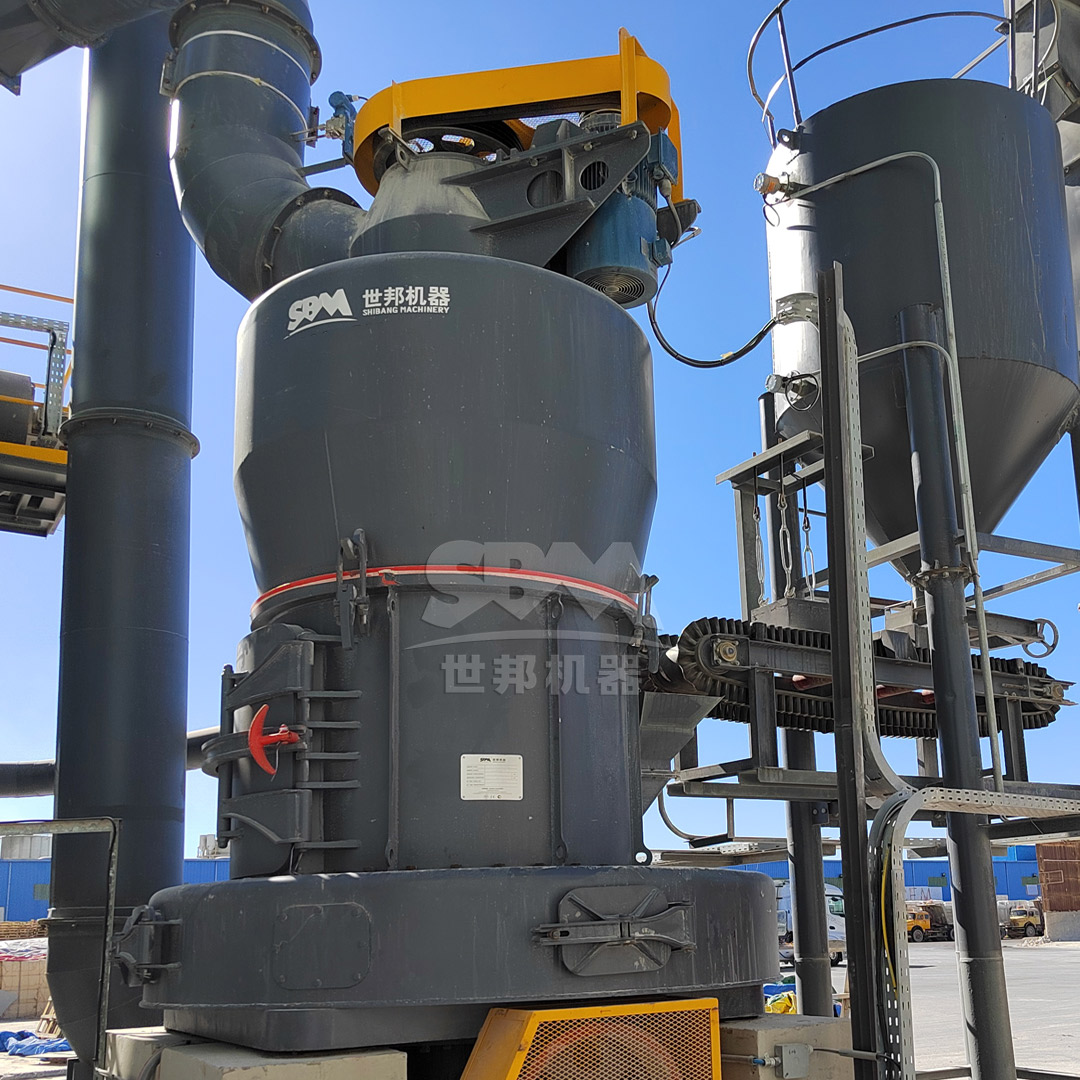
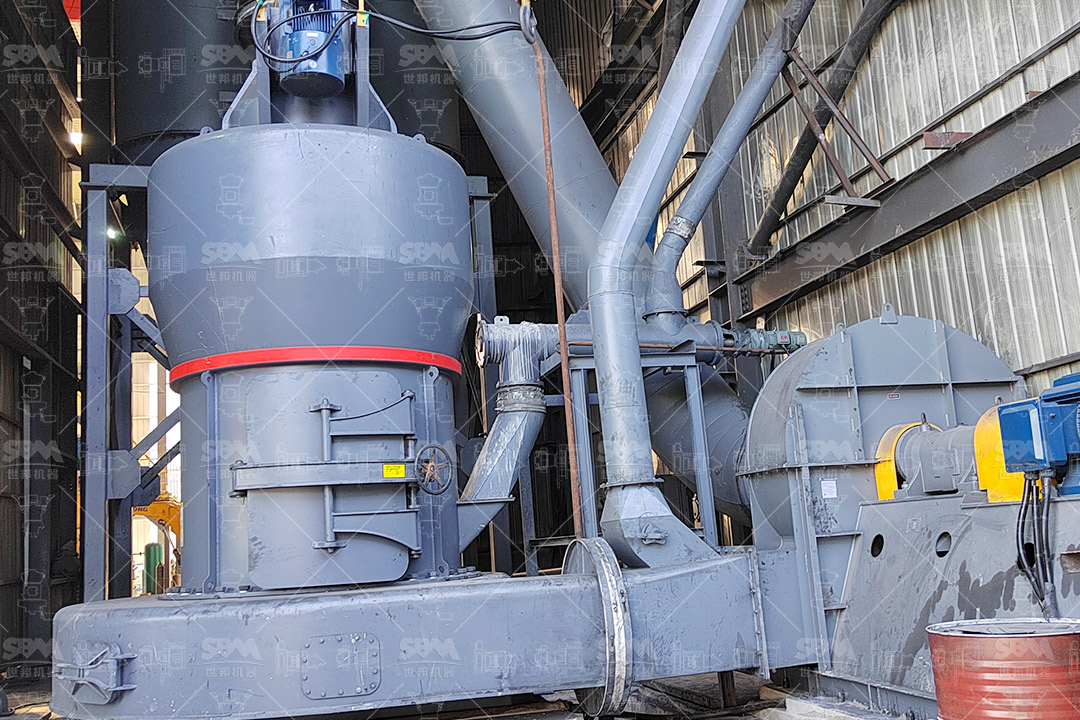
The LM Series Vertical Roller Mill represents an excellent solution for medium to high-capacity limestone grinding applications. With capacity ranges from 3-250 tons per hour and the ability to produce fineness from 30-325 mesh (with special configurations reaching 600 mesh), this equipment offers remarkable versatility. The integrated design combines crushing, grinding, and classification functions in a single compact unit, reducing space requirements by 50% and cutting foundation costs by 40% compared to traditional systems.
Key advantages of the LM Series include:
Applications requiring ultrafine limestone powders (325-2500 mesh) demand specialized grinding systems with precision classification technology. These systems must efficiently handle the increased surface area and tendency toward agglomeration associated with ultrafine particles.
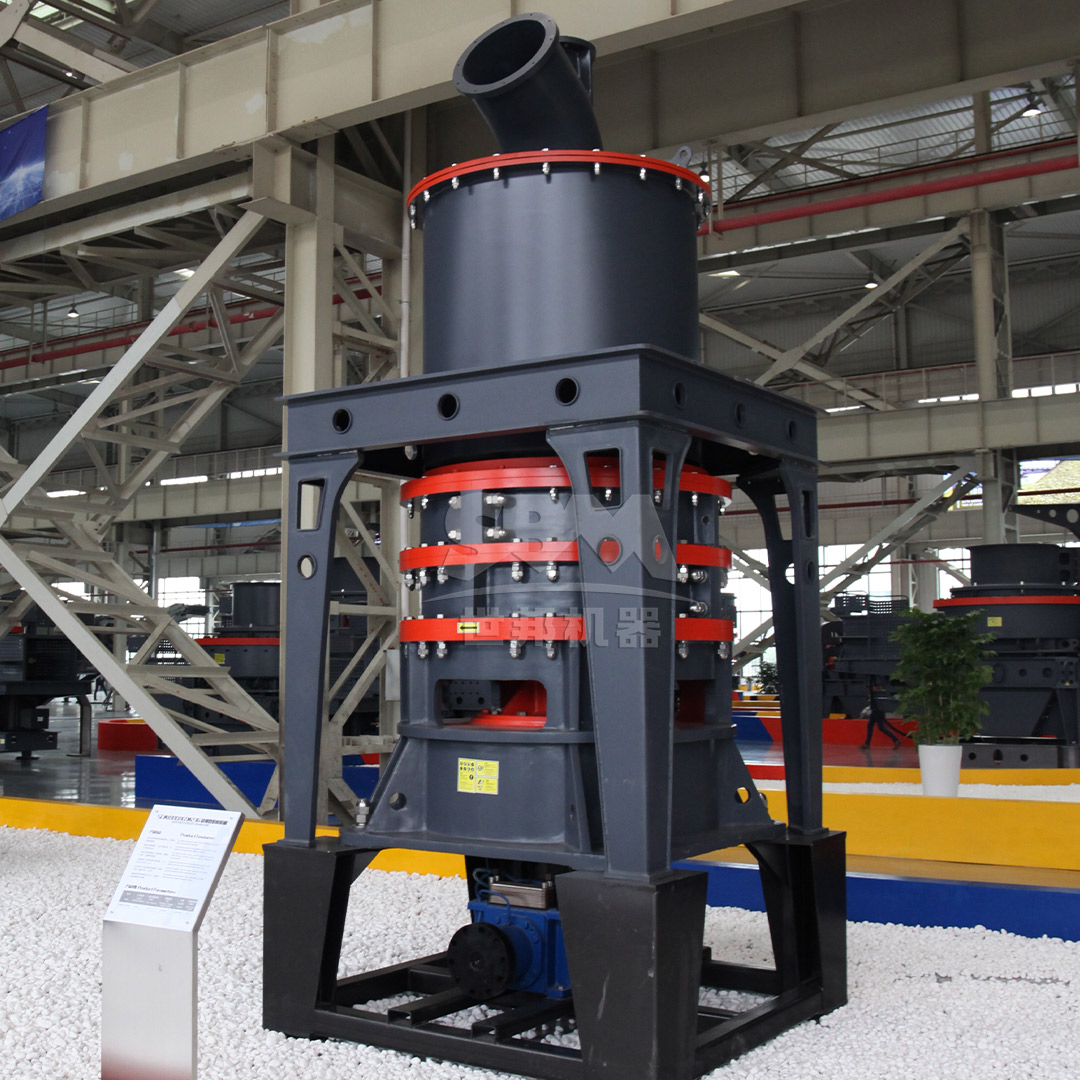
For ultrafine limestone grinding requirements, the SCM Series Ultrafine Mill delivers exceptional performance with output fineness ranging from 325-2500 mesh (D97≤5μm). This system achieves throughput rates of 0.5-25 tons per hour while consuming 30% less energy than conventional jet mills. The vertical turbine classifier ensures precise particle size distribution without coarse particle contamination, while specialized roller and ring materials extend component life significantly.
Notable features include:
Beyond equipment selection, numerous operational factors determine the efficiency and cost-effectiveness of limestone grinding processes. Implementing systematic optimization strategies can yield significant improvements in productivity and product quality.
Proper feed preparation is essential for optimizing grinding circuit performance. Limestone should typically be pre-crushed to a maximum size of 20-50mm, depending on the grinding system. Consistent feed size distribution minimizes fluctuations in grinding pressure and power consumption, leading to more stable operation and improved product consistency.
The classification system represents a critical component in closed-circuit grinding operations. Efficient separation of finished product from oversize material directly impacts energy consumption and product quality. Modern high-efficiency classifiers with adjustable rotor speeds and blade configurations enable precise control over product fineness and particle size distribution.
Implementing comprehensive wear management programs can significantly reduce operating costs and maintenance downtime. Key elements include regular inspection schedules, strategic inventory management of critical wear parts, and monitoring of wear rates relative to processed tonnage. Advanced systems incorporate wear monitoring technologies that track component condition in real-time.
| Optimization Area | Key Parameters | Potential Improvement | Implementation Considerations |
|---|---|---|---|
| Feed Preparation | Size distribution, moisture content | 10-15% throughput increase | Pre-crushing system capacity |
| Classification Efficiency | Cut point, sharpness of separation | 8-12% energy reduction | Classifier type and configuration |
| Wear Management | Component life, replacement frequency | 15-25% cost reduction | Monitoring systems, inventory strategy |
| Process Control | Automation level, control strategy | 5-8% quality improvement | Sensor technology, control algorithms |
Modern limestone grinding operations must address increasingly stringent environmental regulations while maintaining economic viability. Several key areas require careful attention in system design and operation.
Effective dust control is essential for both regulatory compliance and operator safety. Modern pulse-jet baghouse collectors typically achieve collection efficiencies exceeding 99.9%, with outlet concentrations below 10mg/m³. System design must consider the explosive nature of limestone dust and incorporate appropriate explosion protection measures.
Grinding operations generate significant noise from mechanical components, material movement, and air handling systems. Modern equipment incorporates numerous noise reduction features, including acoustic enclosures, vibration isolation mounts, and low-noise fan designs. Operational noise levels should be maintained below 80-85dB to ensure compliance with workplace health and safety regulations.
With energy costs representing a major portion of operating expenses and increasing focus on carbon emissions, optimizing energy efficiency provides both economic and environmental benefits. Modern grinding systems incorporate multiple energy-saving features, including high-efficiency motors, variable frequency drives, heat recovery systems, and optimized process control strategies.
The limestone grinding industry continues to evolve, driven by technological advancements and changing market demands. Several emerging trends are shaping the future of grinding technology and operations.
The integration of digital technologies represents the most significant trend in grinding operations. Modern systems incorporate comprehensive sensor networks, cloud-based data analytics, and artificial intelligence to optimize performance in real-time. These smart grinding systems can automatically adjust operational parameters based on feed material characteristics, wear conditions, and product requirements, maximizing efficiency and product quality while minimizing operator intervention.
Continued development in materials science is yielding significant improvements in wear part performance. Advanced composite materials, ceramic coatings, and specialized alloys are extending component life in abrasive applications. These developments are particularly valuable for limestone grinding operations with high silica content, where wear rates traditionally limited equipment lifespan and increased operating costs.
The trend toward fully integrated grinding systems continues to gain momentum. Modern designs seamlessly combine multiple process steps – including pre-crushing, grinding, classification, and product collection – into compact, highly efficient systems. This integrated approach reduces space requirements, minimizes energy losses between process stages, and simplifies operational control.
Successful industrial limestone grinding requires careful consideration of multiple interrelated factors, from fundamental material characteristics to advanced process control strategies. Equipment selection should be based on comprehensive analysis of production requirements, product specifications, and economic objectives. Modern grinding technologies, such as the LM Series Vertical Roller Mill for high-capacity applications and the SCM Series Ultrafine Mill for specialized fine grinding, offer significant advantages in efficiency, product quality, and operational flexibility. By implementing systematic optimization strategies and staying abreast of technological developments, operators can achieve world-class performance in limestone grinding operations while meeting increasingly stringent economic and environmental requirements.