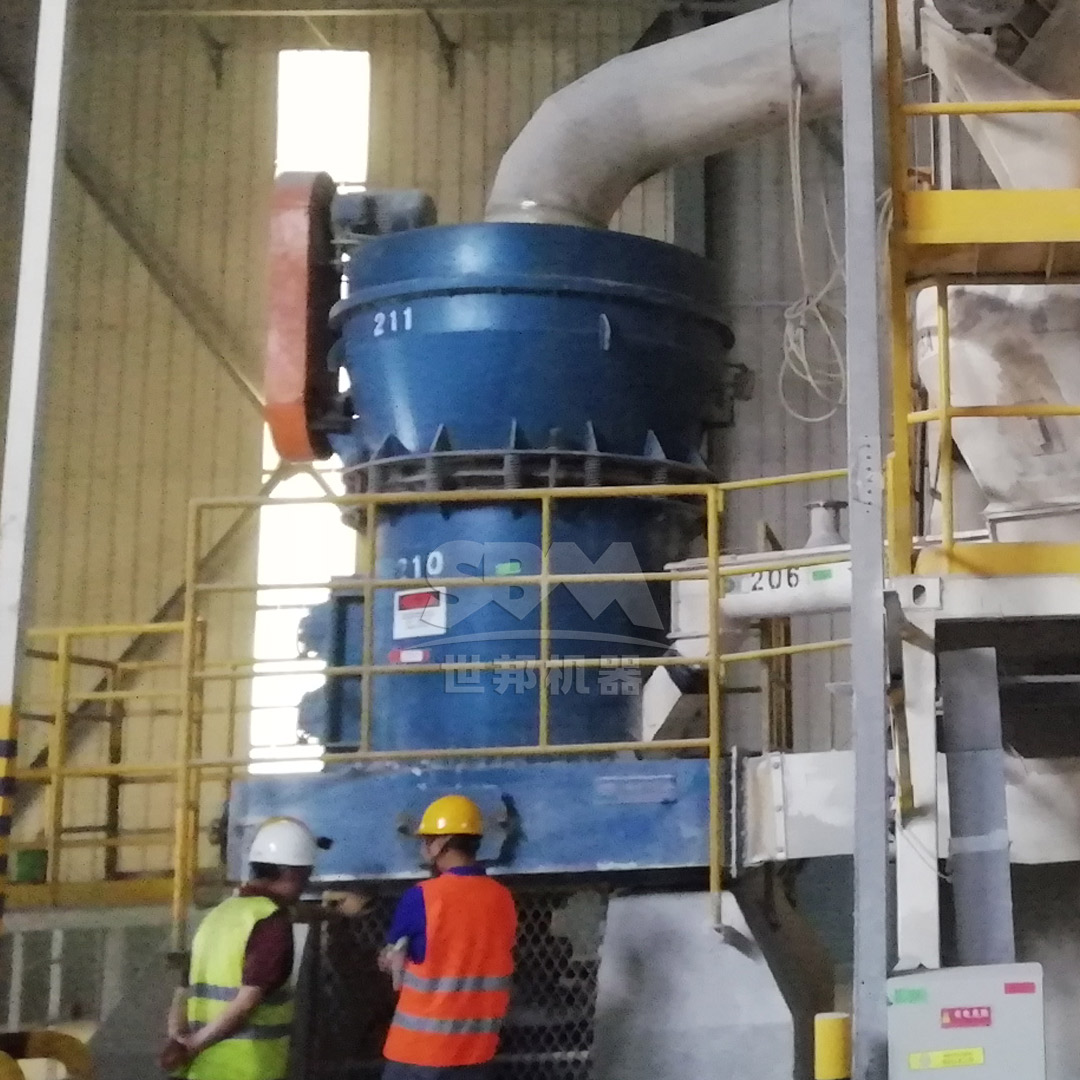
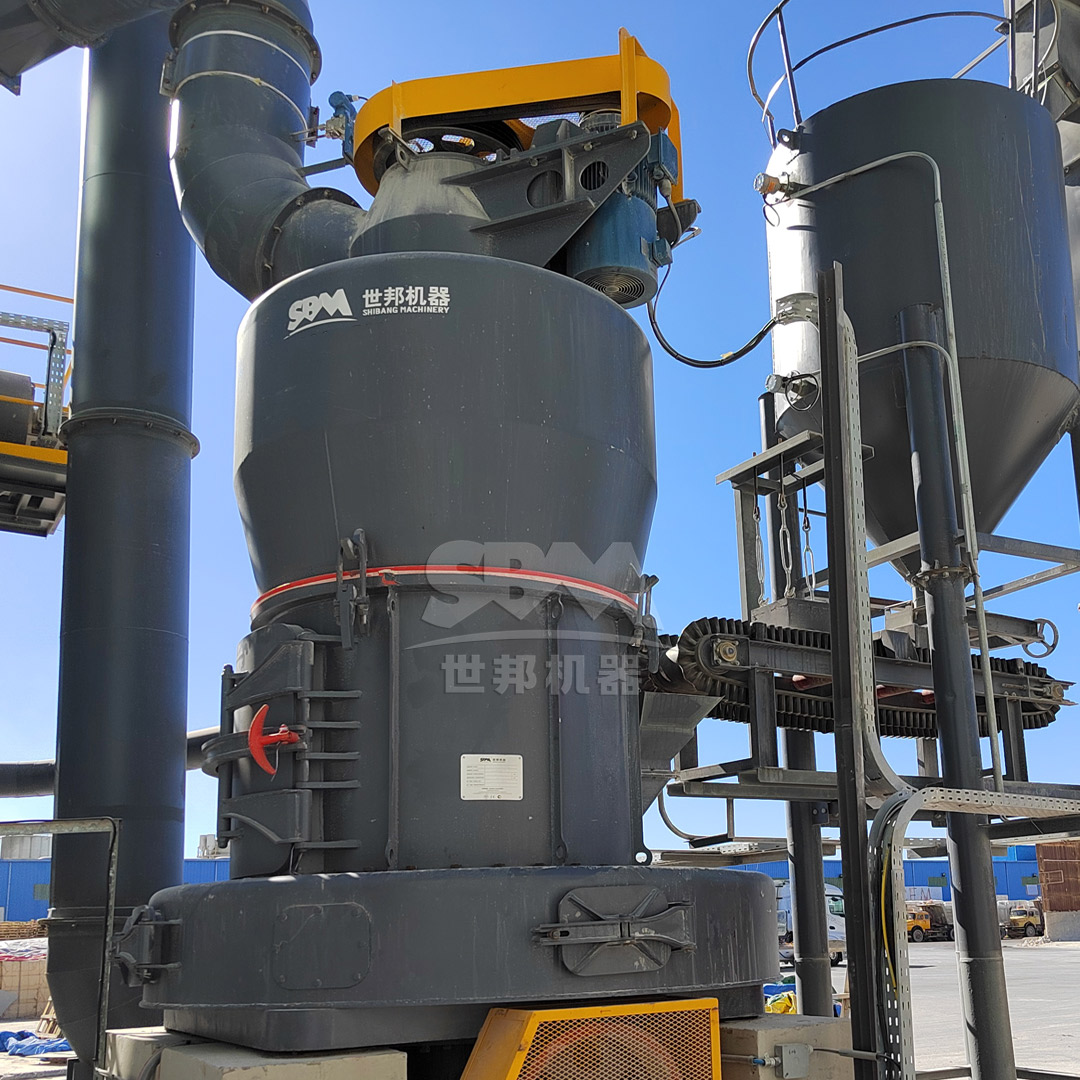
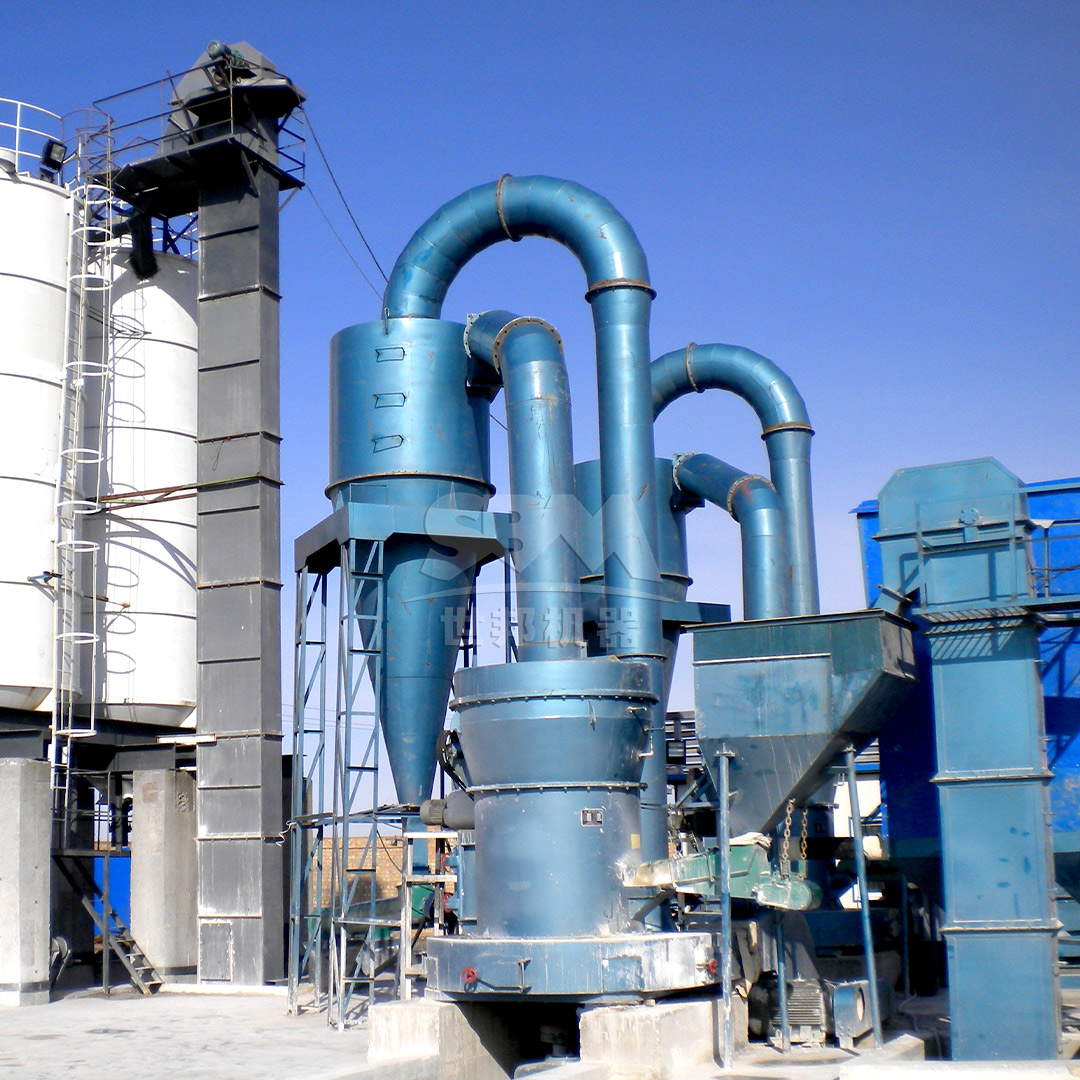
Grinding operations represent a critical stage in chemical manufacturing processes, where particle size reduction directly impacts product quality, reaction rates, and downstream processing efficiency. The selection of appropriate grinding equipment requires careful consideration of multiple technical parameters to ensure optimal performance, energy efficiency, and compliance with stringent industry standards. This comprehensive guide examines the key specifications and technological considerations for chemical industry grinding plants, with particular focus on advanced milling solutions that deliver precision, reliability, and operational excellence.
Chemical processing demands grinding equipment capable of handling diverse material characteristics while maintaining consistent output quality. Key requirements include precise particle size control, contamination-free operation, thermal sensitivity management, and adaptability to various chemical compositions. The grinding system must accommodate materials ranging from abrasive minerals to heat-sensitive compounds, with flexibility to adjust to changing production needs.
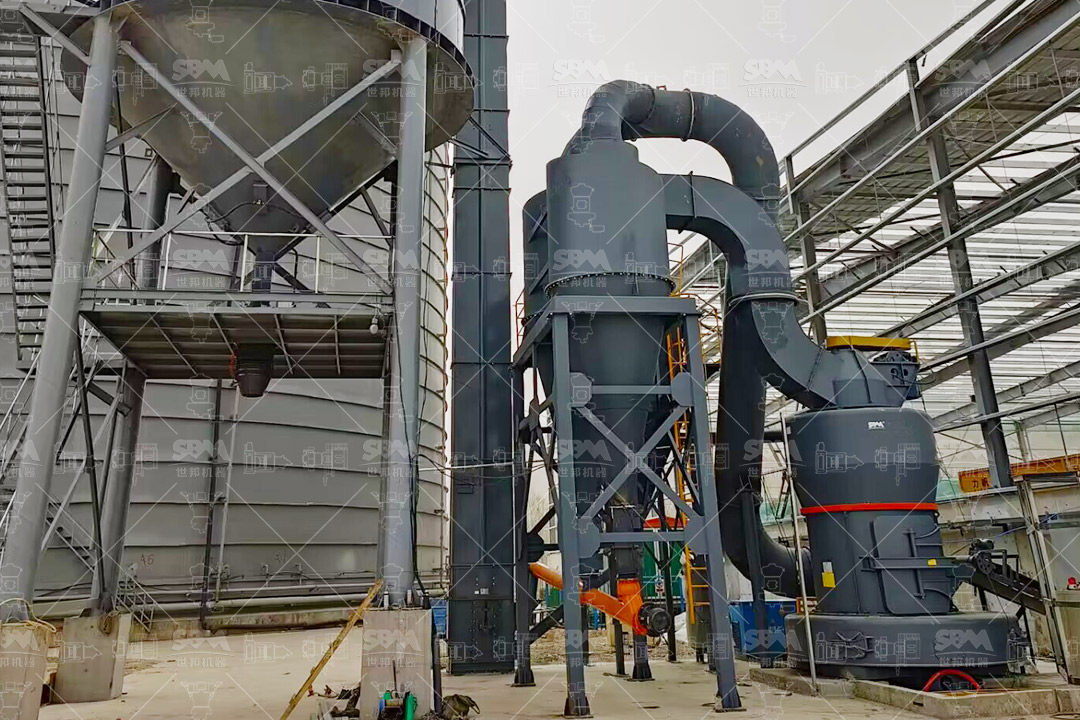
In chemical applications, particle size distribution (PSD) critically influences dissolution rates, reactivity, and final product performance. Target PSD ranges vary significantly based on application:
| Application | Target Particle Size Range | Special Requirements |
|---|---|---|
| Pharmaceutical Excipients | 5-45μm (D90) | Narrow distribution, contamination control |
| Pigments & Dyes | 1-20μm | Color consistency, dispersion quality |
| Catalysts | 10-100μm | Surface area optimization, structural integrity |
| Specialty Chemicals | 1-50μm | Chemical purity, thermal stability |
For applications requiring sub-micron particle sizes, advanced ultra-fine grinding technologies offer precise control over final product specifications. The SCM Series Ultrafine Mill represents cutting-edge technology in this category, capable of producing powders in the range of 325-2500 mesh (D97≤5μm). This equipment features a unique grinding chamber design with special material rollers and grinding rings that extend service life while maintaining consistent output quality.
The technological advantages of the SCM Ultrafine Mill include exceptional energy efficiency, with capacity doubling that of jet mills while reducing energy consumption by 30%. Its intelligent control system provides automatic feedback on product fineness, ensuring consistent quality throughout operation. The integrated vertical turbine classifier enables precise particle size separation without coarse powder contamination, while the pulse dust collection system exceeds international environmental standards with operational noise levels below 75dB.
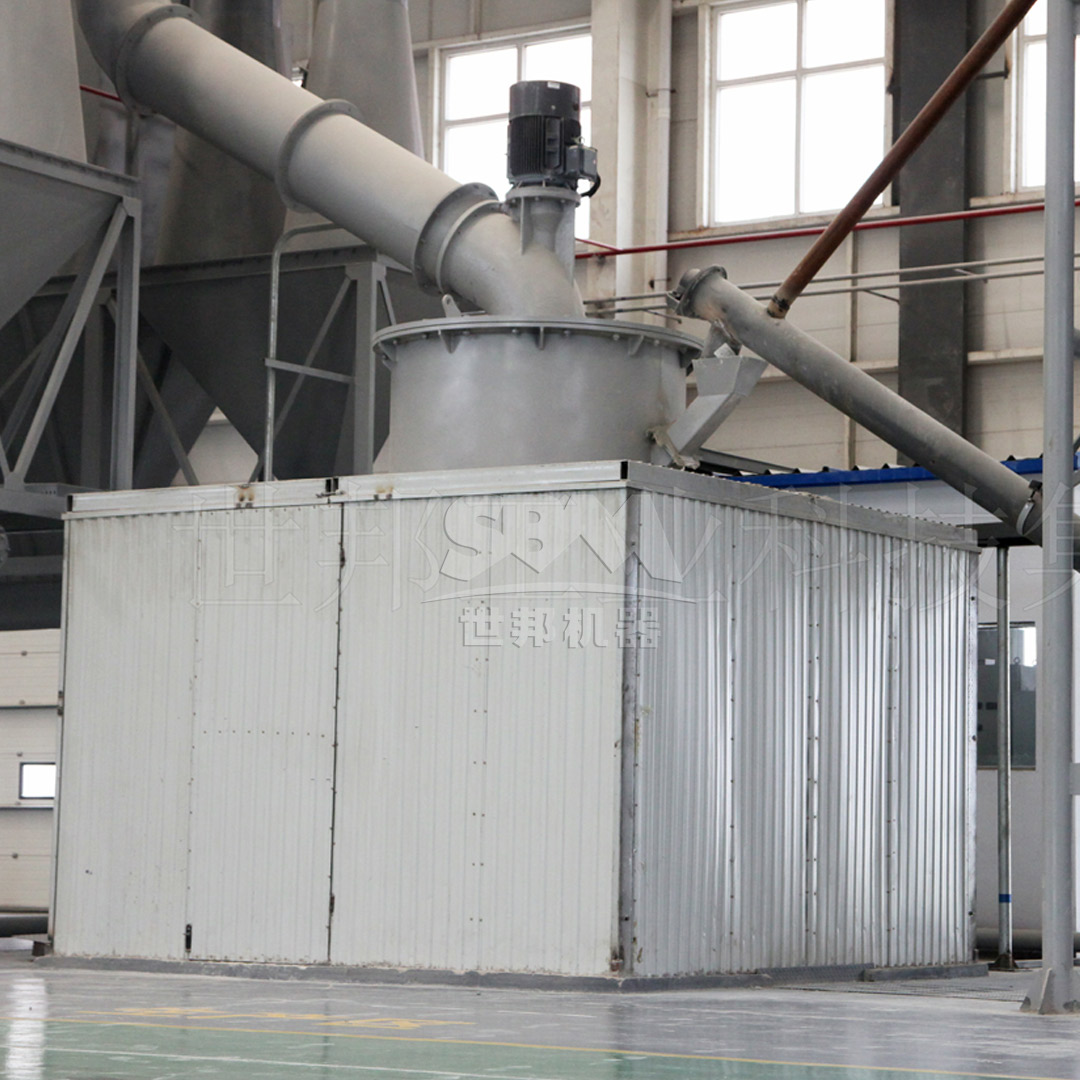
For applications requiring particle sizes in the 45-600μm range, trapezium mills offer robust performance with high throughput capabilities. The MTW Series Trapezium Mill provides excellent grinding efficiency for materials with input sizes up to 50mm, delivering output fineness from 30-325 mesh. Its innovative design incorporates wear-resistant shovel blades with curved surfaces that extend roller service life, while the arc-shaped air channel minimizes energy loss and improves transmission efficiency.
The MTW series features integrated cone gear transmission with 98% efficiency, reducing installation costs and saving valuable floor space. The wear-resistant volute structure employs non-blocking design principles to enhance air classification efficiency while reducing maintenance costs by approximately 30%. These mills are particularly suitable for grinding medium-hardness chemical materials where consistent throughput and reliable operation are paramount.
| Parameter | SCM Ultrafine Mill | MTW Trapezium Mill | LM Vertical Roller Mill | Ball Mill |
|---|---|---|---|---|
| Input Size | ≤20mm | ≤50mm | ≤50mm | ≤25mm |
| Output Fineness | 325-2500 mesh | 30-325 mesh | 30-325 mesh | 0.074-0.8mm |
| Capacity Range | 0.5-25 t/h | 3-45 t/h | 3-250 t/h | 0.65-450 t/h |
| Energy Consumption | 30% lower vs. jet mills | High efficiency transmission | 30-40% lower vs. ball mills | Standard reference |
| Noise Level | ≤75dB | Damping spring system | ≤80dB(A) | Varies by size |
Vertical roller mills represent a comprehensive solution for large-scale chemical grinding operations, integrating crushing, grinding, and classification functions within a single compact unit. The LM Series Vertical Roller Mill offers significant space savings with a 50% reduction in footprint compared to traditional systems, along with 40% lower infrastructure costs due to capability for outdoor installation.
These mills employ non-contact grinding roller and grinding plate designs that triple wear part lifespan while reducing energy consumption by 30-40% compared to ball mill systems. Advanced control systems support expert-level automation with remote/local operation switching and real-time monitoring of operational parameters. Environmental performance includes fully sealed negative pressure operation with dust emissions below 20mg/m³ and noise levels not exceeding 80dB(A).
Proper equipment selection begins with comprehensive analysis of material properties, including hardness, abrasiveness, moisture content, thermal sensitivity, and chemical composition. Materials with high moisture content may require integrated drying systems, while heat-sensitive compounds need mills with efficient cooling mechanisms. Abrasive materials demand specialized wear-resistant components to maintain operational efficiency and reduce maintenance frequency.
Throughput requirements directly influence equipment selection, with chemical plants typically operating across multiple production scenarios:
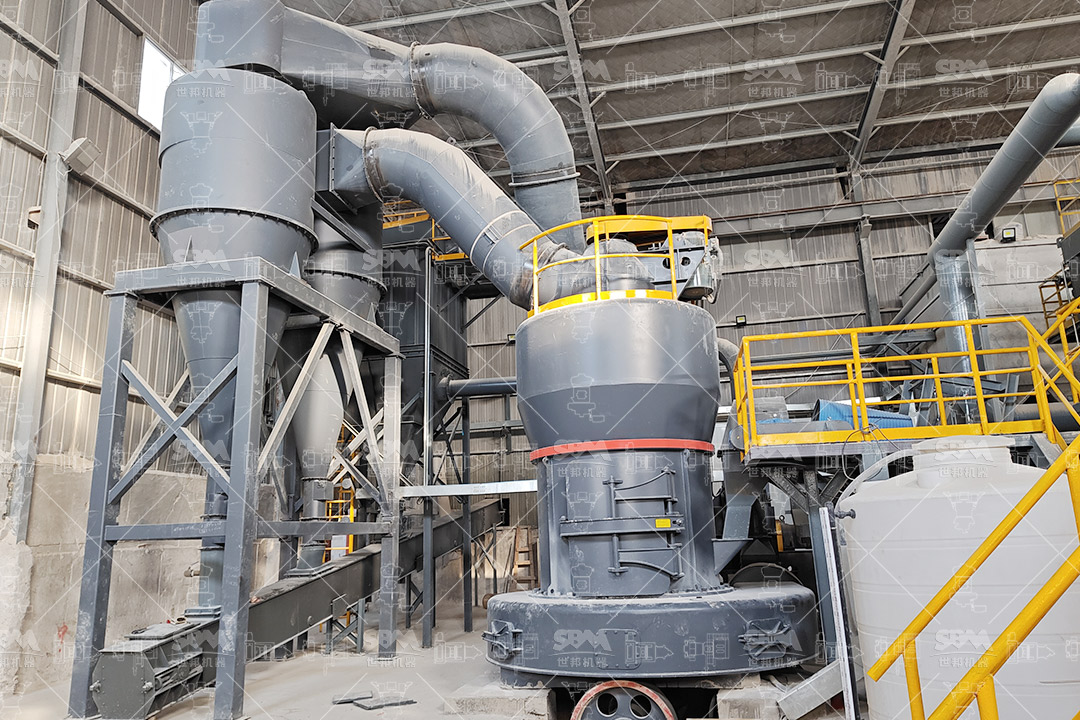
Chemical grinding operations must address multiple environmental and safety concerns, including dust explosion risks, toxic material containment, and noise pollution control. Modern grinding systems incorporate advanced safety features such as inert gas blanketing, explosion venting, and comprehensive monitoring systems. Environmental compliance requires efficient dust collection with filtration efficiency exceeding 99.9% and noise abatement measures to protect workforce health.
Modern grinding technologies significantly improve energy utilization through advanced design principles. The SCM Ultrafine Mill achieves notable efficiency through optimized grinding mechanics and intelligent classification systems, while vertical roller mills leverage material bed compression grinding for reduced specific energy consumption. Overall plant design should incorporate energy recovery systems, variable frequency drives, and thermal management to minimize operational costs.
Equipment reliability directly impacts plant availability and product quality consistency. Advanced mills feature modular design for rapid component replacement, online monitoring systems for predictive maintenance, and wear-resistant materials that extend service intervals. The SCM series employs special material rollers and grinding rings that multiply service life, while the MTW series incorporates combination shovel blades that reduce maintenance costs through segmented replacement capability.
Modern grinding plants employ sophisticated control systems that maintain consistent product quality while optimizing operational parameters. Key control aspects include:
The integration of Industry 4.0 technologies is transforming chemical grinding operations through real-time performance monitoring, predictive maintenance algorithms, and digital twin simulations. Advanced sensors provide comprehensive operational data, while machine learning algorithms optimize grinding parameters for specific materials and desired product characteristics.
Environmental considerations increasingly influence grinding technology development, with emphasis on reduced energy consumption, minimal waste generation, and compatibility with recycling processes. Equipment designs now prioritize full material utilization, water conservation in wet grinding applications, and reduced carbon footprint through optimized operational efficiency.
Continued innovation in wear-resistant materials, including advanced ceramics, composite materials, and specialized alloys, extends equipment lifespan while maintaining product purity. These developments are particularly valuable in chemical applications where metallic contamination must be minimized and equipment durability is essential for economic operation.
In conclusion, selecting the appropriate grinding technology for chemical applications requires careful evaluation of multiple technical parameters, operational requirements, and economic considerations. Advanced solutions like the SCM Ultrafine Mill and MTW Trapezium Mill offer chemical processors reliable, efficient, and precise grinding capabilities that support product quality, operational efficiency, and environmental compliance across diverse application scenarios.