Ultrafine coal grinding represents a critical process in modern energy and industrial sectors, enabling enhanced combustion efficiency, reduced emissions, and expanded applications in specialized fields such as coal-water slurry production and advanced carbon materials. The transformation of raw coal into fine powders with precisely controlled particle size distributions requires sophisticated grinding technologies that balance efficiency, precision, and operational economy. This article explores the fundamental principles, technological advancements, and practical applications of ultrafine coal grinding systems, with particular emphasis on the engineering solutions that address the unique challenges of coal comminution.
The process of reducing coal particle size involves complex interactions between mechanical forces and material properties. Coal, being a heterogeneous material with varying hardness, moisture content, and friability, presents distinct challenges compared to mineral ores. The comminution mechanism transitions from impact-dominated breakage for coarse particles to attrition and abrasion for finer size reduction. Understanding these fundamental principles is essential for selecting appropriate grinding equipment and optimizing operational parameters.
The energy efficiency of coal grinding follows Rittinger’s law, which states that the energy required for size reduction is proportional to the new surface area created. This relationship becomes particularly significant in ultrafine grinding applications, where the specific surface area increases exponentially as particle size decreases. Advanced grinding systems therefore focus on maximizing the energy transfer to the coal particles while minimizing losses to heat, vibration, and equipment wear.
Different applications demand specific particle size distributions (PSD). For pulverized coal combustion, the ideal PSD typically has 70-80% passing 200 mesh (74μm), while advanced applications such as coal injection in blast furnaces or carbon anode production may require much finer distributions with D90 values below 10μm. The control of PSD directly influences combustion characteristics, transport properties, and end-product quality.
| Application | Target Size (D90) | Special Requirements |
|---|---|---|
| Pulverized Coal Combustion | 45-75μm | Narrow distribution, low moisture |
| Coal Water Slurry | 10-45μm | Spherical particles, surface modification |
| Carbon Anode Production | 5-15μm | High purity, controlled morphology |
| Injection in Blast Furnaces | 15-30μm | High calorific value, low ash |
The evolution of coal grinding technology has progressed from traditional ball mills to highly specialized systems designed specifically for ultrafine applications. Modern grinding systems incorporate precision classification, advanced material handling, and intelligent control systems to achieve unprecedented levels of performance and efficiency.
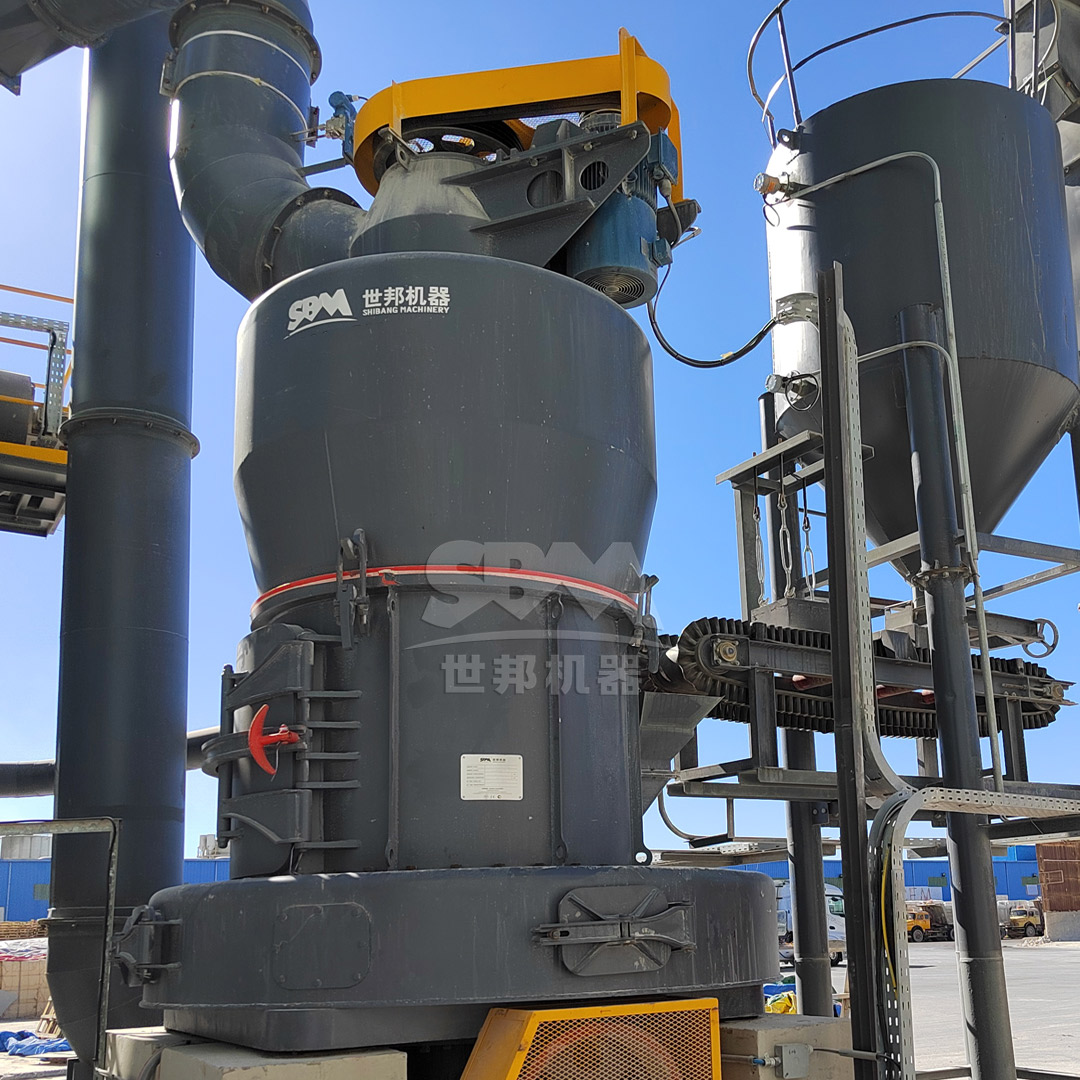
Vertical roller mills have emerged as the dominant technology for coal grinding in large-scale industrial applications. These systems utilize a bed compression principle where coal is ground between a rotating table and stationary or rotating rollers. The significant advantages of VRM technology include higher energy efficiency (30-50% less energy consumption compared to ball mills), compact footprint, and superior drying capability when integrated with hot gas systems.
Our LM Series Vertical Roller Mill exemplifies the technological advancement in this category. With its集约化设计 (intensive design) that integrates crushing, grinding, and separation functions, this system reduces footprint requirements by 50% and can be installed outdoors, cutting infrastructure costs by 40%. The non-contact design between grinding rollers and the grinding plate extends wear part life up to three times, while the intelligent expert control system supports remote/local switching and real-time monitoring of operational parameters.
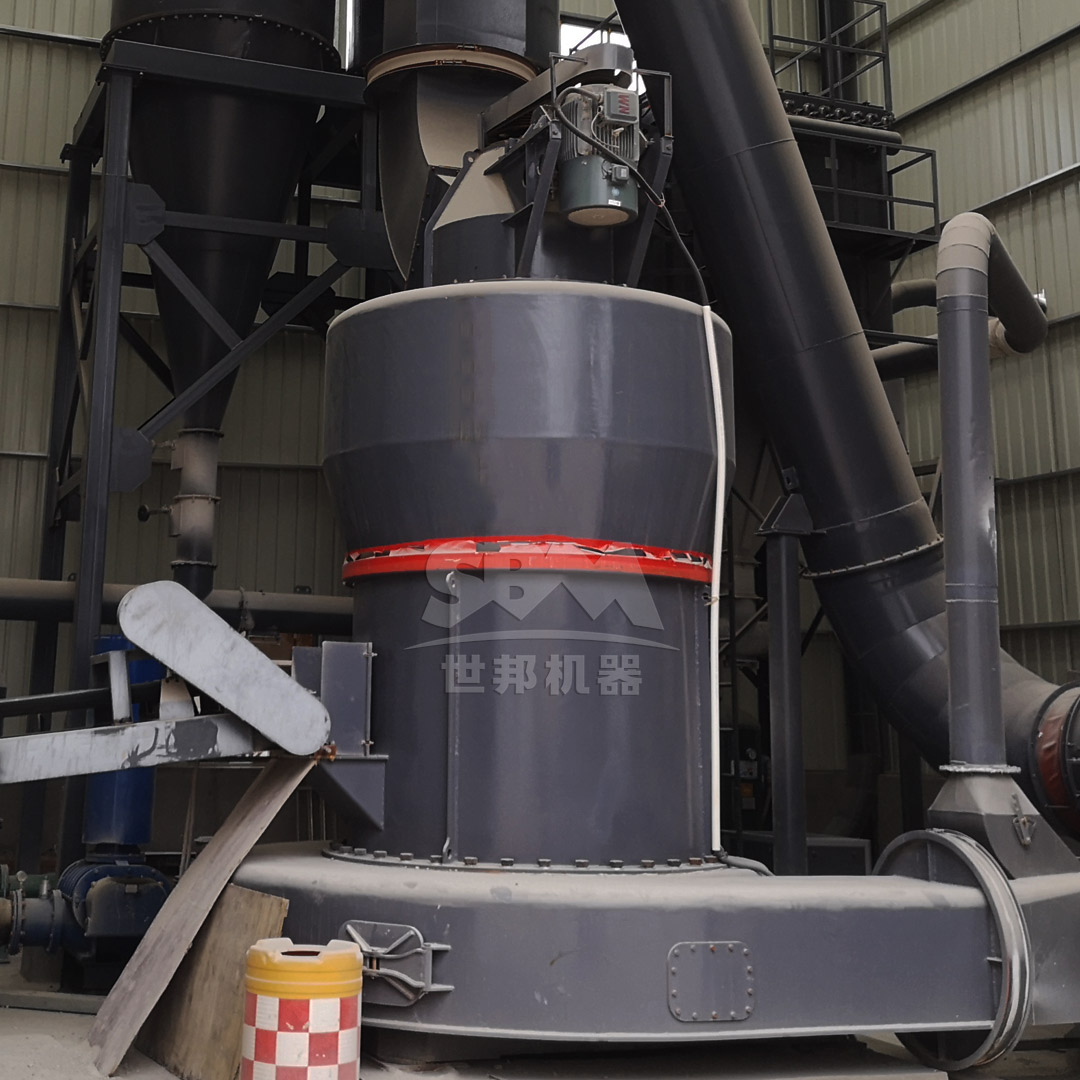
The operational principle involves the main motor driving the grinding plate through a reducer, with coal entering through the central feed chute. Centrifugal force distributes the material evenly across the grinding track, where roller pressure achieves bed comminution. Qualified fine powder is carried by hot air to the classifier, while coarse material returns to the grinding plate for further processing.
For applications requiring the finest particle sizes, specialized ultrafine grinding systems have been developed. These technologies typically combine mechanical milling with precise air classification to achieve products with D97 values below 10μm. The challenges in this domain include managing the increased surface energy of fine particles, preventing agglomeration, and controlling the heat generation during intensive milling.
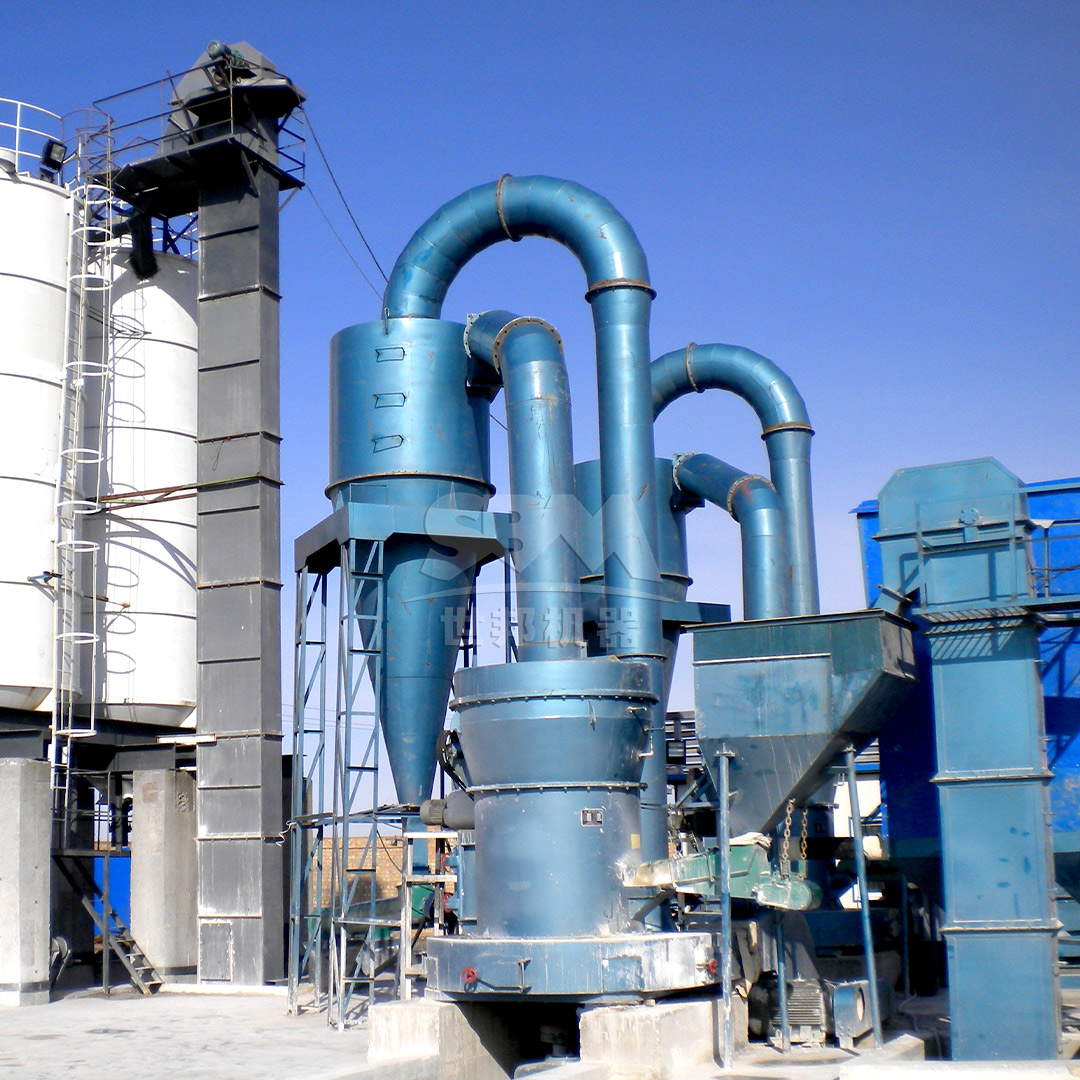
Our SCM Series Ultrafine Mill represents the cutting edge in ultrafine coal grinding technology. Capable of producing powders in the range of 325-2500 mesh (D97≤5μm) with throughput capacities from 0.5 to 25 tons per hour, this system incorporates several proprietary technologies that address the specific challenges of ultrafine processing. The vertical turbine classifier enables precise particle size cuts without coarse powder contamination, ensuring exceptional product uniformity.
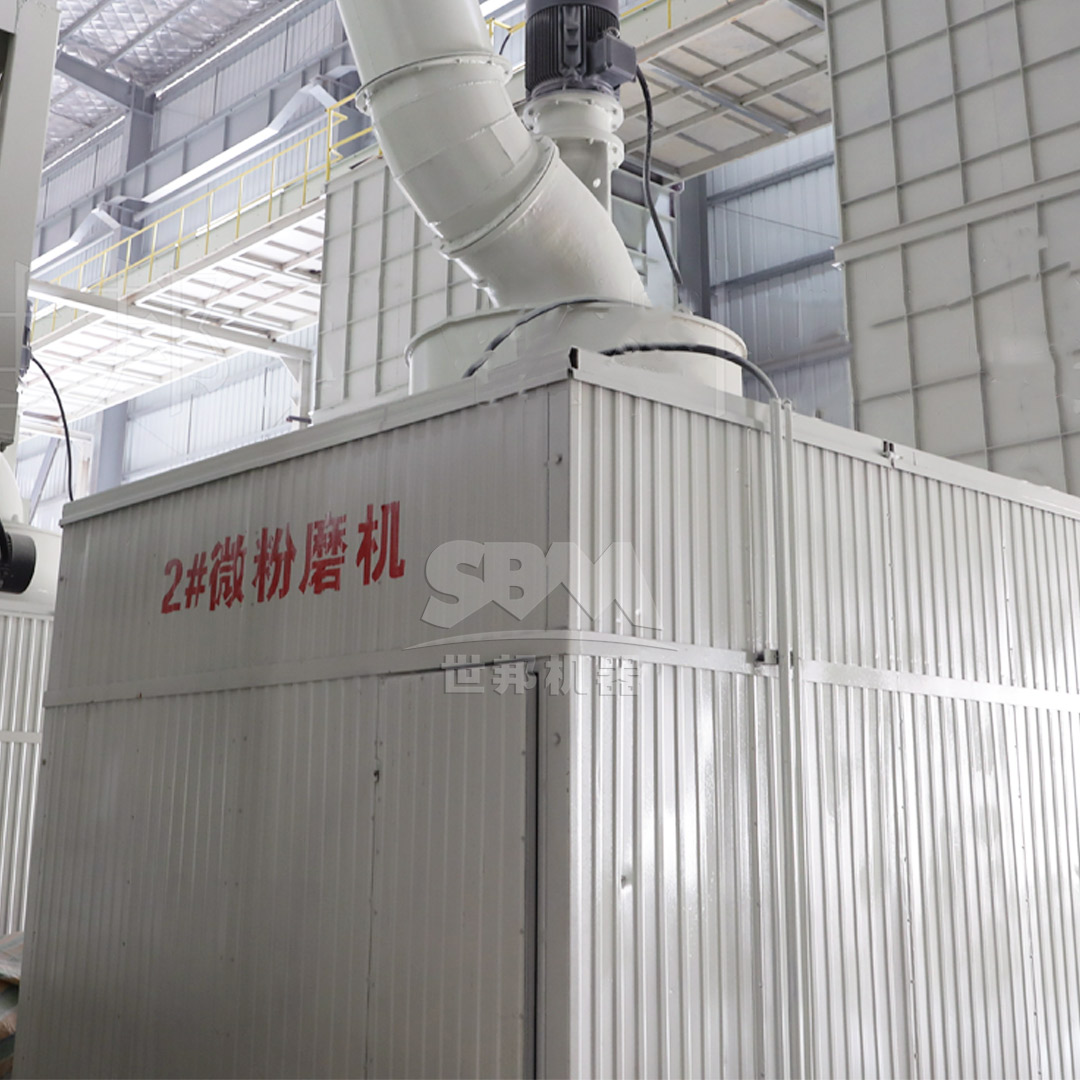
The grinding mechanism involves a main motor driving multiple grinding rings in layers. Material is dispersed into the grinding path by centrifugal force, undergoing sequential compression and grinding operations before final collection through a cyclone separator and pulse dust collection system. Special material compositions for rollers and grinding rings extend service life significantly, while the bearing-free screw grinding chamber ensures stable operation.
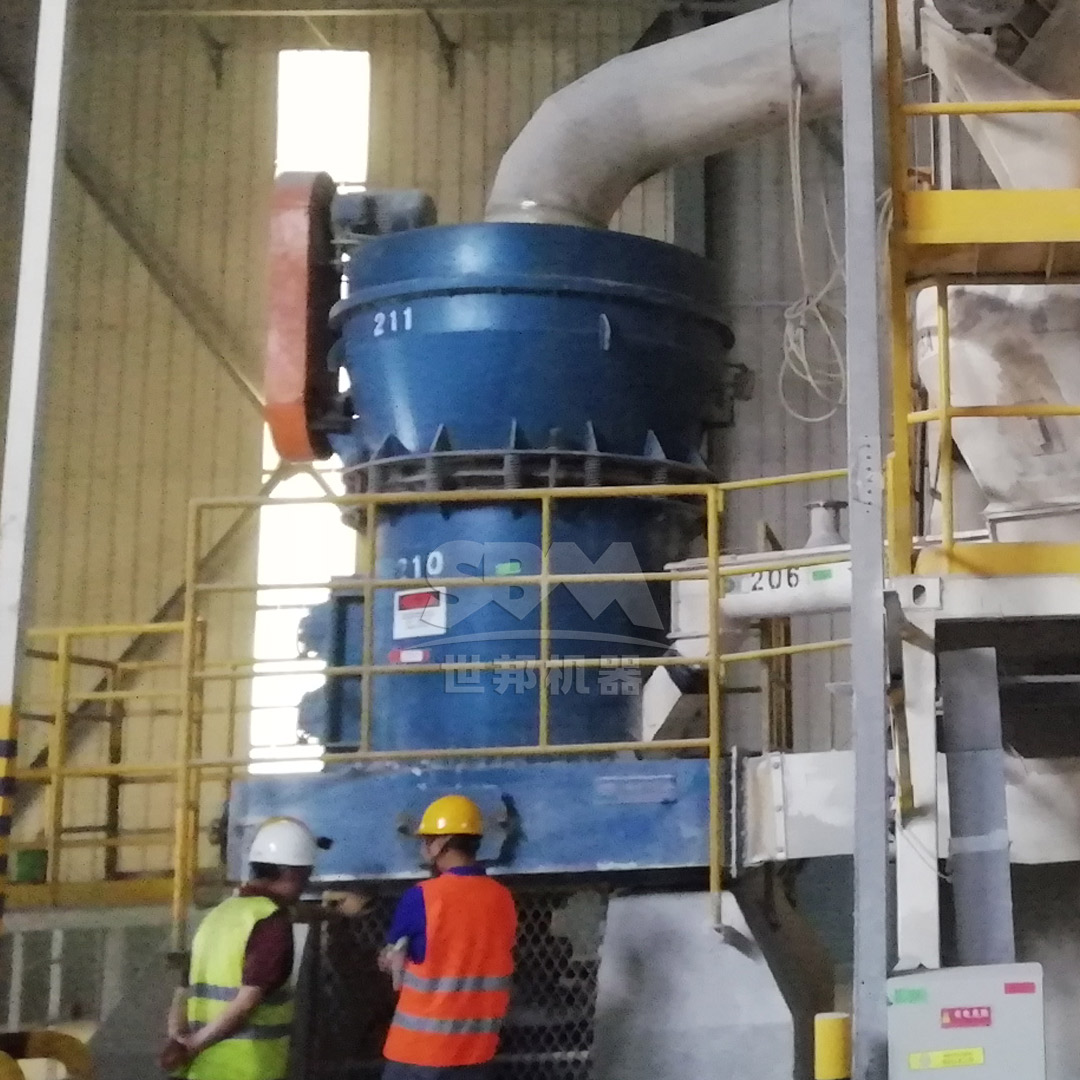
Medium-speed mills occupy an important position in coal grinding, particularly for applications requiring flexibility in product size and feed characteristics. These systems typically operate at rotational speeds between 50-150 rpm and employ spring or hydraulic loading systems to apply grinding pressure. The trapezium mill configuration, with its multiple grinding rollers arranged symmetrically around a central shaft, provides excellent stability and wear distribution.
The MTW Series Trapezium Mill incorporates several innovative features that enhance its performance in coal grinding applications. The anti-wear shovel blade design utilizes combined blade segments that reduce maintenance costs, while the curved air passage optimizes airflow with reduced energy loss. The integrated bevel gear transmission achieves 98% transmission efficiency, saving space and reducing installation costs.
The performance of modern coal grinding systems depends on the integration of several critical components, each contributing to the overall efficiency, reliability, and product quality.
Advanced classification represents one of the most significant developments in ultrafine coal grinding. Static and dynamic classifiers separate particles based on size, shape, and density, ensuring that only properly sized material proceeds to the final product collection. High-efficiency classifiers with adjustable rotor speeds and blade configurations enable precise control over the product size distribution, often achieving cut points as fine as 3-5μm.
Modern classification systems incorporate computational fluid dynamics (CFD) in their design to optimize airflow patterns and particle trajectories. The reduction of short-circuiting (coarse particles entering the fine product) and the minimization of energy consumption are primary design objectives. Some advanced systems employ multiple classification stages to achieve sharper separations and improved yield of the target size fraction.
The abrasive nature of coal, particularly when containing mineral impurities, presents significant challenges for equipment longevity. Advanced wear protection strategies include the application of specialized alloys, ceramic composites, and surface hardening treatments to critical components. The economic impact of wear part replacement extends beyond the direct cost of components to include production downtime and associated losses.
Our grinding systems incorporate several proprietary wear protection technologies. The LM Series utilizes a non-contact design between grinding rollers and the grinding plate that extends wear part life up to three times compared to conventional designs. The MTW Series features curved shovel blades that optimize material flow while reducing abrasive wear. These engineering solutions significantly reduce operating costs and improve equipment availability.
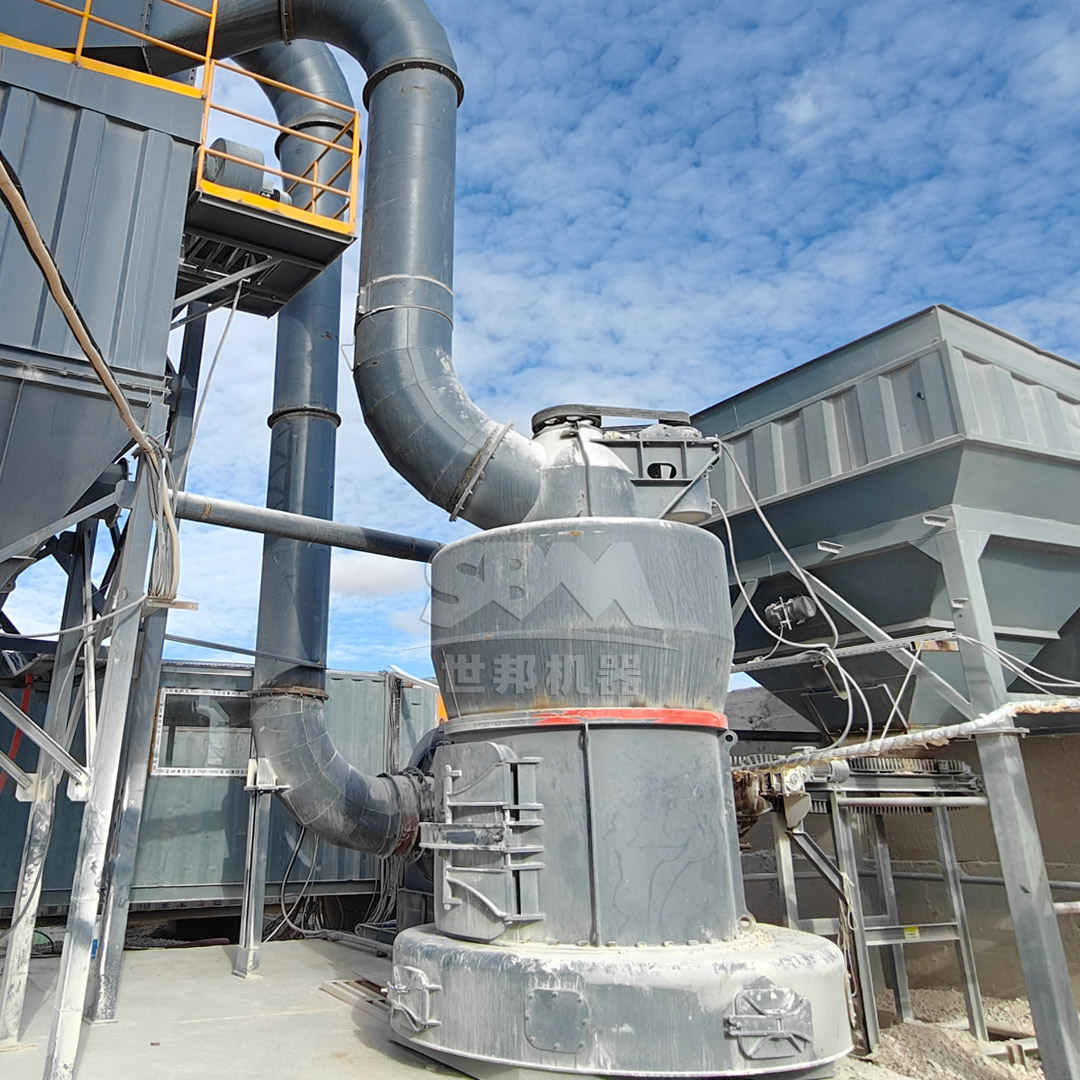
Modern coal grinding operations increasingly rely on sophisticated control systems that optimize performance based on multiple input parameters. These systems monitor operational variables such as motor current, grinding pressure, temperature profiles, and product fineness, making real-time adjustments to maintain optimal conditions. Advanced control algorithms can predict maintenance requirements, detect abnormal operating conditions, and automatically adjust setpoints to compensate for changes in feed characteristics.
Our grinding equipment incorporates expert-level automatic control systems that support both remote and local operation modes. Real-time monitoring of operational parameters reduces manual intervention while ensuring consistent product quality. The integration of these intelligent systems has demonstrated significant improvements in energy efficiency, reduction in operator error, and enhanced equipment protection.
The advancement in ultrafine coal grinding technologies has enabled diverse applications across multiple industries. The specific requirements of each application dictate the selection of grinding technology and operational parameters.
In pulverized coal combustion for power generation, the fineness of coal powder directly impacts combustion efficiency, flame stability, and emissions. Finer particles promote more complete combustion, reducing unburned carbon in fly ash and lowering NOx emissions through improved burner performance. Modern power plants typically target 70-80% passing 200 mesh (74μm) with a maximum particle size of 300μm.
The LM Vertical Coal Mill series has been successfully implemented in numerous power generation facilities, demonstrating 30-40% lower energy consumption compared to traditional ball mill systems. The integrated drying capability allows processing of coal with higher moisture content without pre-drying requirements, while the compact footprint reduces construction costs.
Coal injection into blast furnaces represents a significant application for finely ground coal, where the replacement of coke with coal powder reduces production costs and environmental impact. The requirements for injection coal include strict size specifications (typically 80% below 74μm), low moisture content, and consistent quality to ensure stable operation.
The SCM Ultrafine Mill has proven particularly effective for producing coal powder for blast furnace injection, with its precise classification system ensuring consistent product quality. The system’s ability to produce powders with D97 values as low as 5μm makes it suitable for advanced injection technologies that require ultrafine particles for improved combustion characteristics.
Beyond traditional energy applications, ultrafine coal finds use in specialized sectors such as carbon anode production, activated carbon manufacturing, and coal-water slurry production. These applications often demand tighter size distributions, specific particle morphologies, and surface characteristics that require advanced grinding and classification technologies.
For coal-water slurry production, the grinding process must achieve not only fine particle sizes but also favorable particle shape distributions to maximize solids loading while maintaining suitable rheological properties. The MTW Series Trapezium Mill with its combination of compression and shear forces produces particles with morphology conducive to high-concentration slurry preparation.
| Application | Recommended Equipment | Key Performance Metrics |
|---|---|---|
| Power Generation (Pulverized Coal) | LM Vertical Coal Mill | Energy savings 30-40%, capacity 3-90 t/h |
| Blast Furnace Injection | SCM Ultrafine Mill | D97 ≤ 5μm, capacity 0.5-25 t/h |
| Coal Water Slurry | MTW Trapezium Mill | 30-325 mesh, capacity 3-45 t/h |
| Carbon Products | SCM Ultrafine Mill | 325-2500 mesh, high uniformity |
The environmental performance of coal grinding operations has received increasing attention, with emphasis on dust emissions, noise pollution, and energy consumption. Modern grinding systems incorporate comprehensive environmental protection features including pulse-jet baghouse filters with collection efficiencies exceeding 99.9%, sound insulation enclosures that reduce noise levels to 75-80 dB(A), and fully enclosed negative pressure operation that prevents dust leakage.
Future developments in coal grinding technology are likely to focus on further energy reduction through optimized grinding mechanics, improved wear materials that extend maintenance intervals, and enhanced digitalization that enables predictive maintenance and autonomous operation. The integration of grinding systems with carbon capture technologies may also emerge as an important consideration in the evolving energy landscape.
Our grinding equipment incorporates several forward-looking technologies that address these trends. The environmental performance of our systems exceeds international standards, with dust emissions below 20mg/m³ and noise levels controlled through comprehensive acoustic engineering. The intelligent control systems provide a foundation for further digitalization and integration with plant-wide optimization platforms.
Ultrafine coal grinding technology has evolved significantly, driven by the demands for improved efficiency, product quality, and environmental performance. The selection of appropriate grinding systems depends on multiple factors including the target particle size distribution, throughput requirements, coal characteristics, and specific application needs. Vertical roller mills, ultrafine grinding systems, and medium-speed trapezium mills each offer distinct advantages for different operational contexts.
Our comprehensive range of coal grinding equipment, including the SCM Ultrafine Mill for the finest applications and the LM Series Vertical Roller Mill for large-scale industrial operations, incorporates the latest technological advancements to deliver superior performance, reliability, and economic value. As the energy sector continues to evolve, these grinding technologies will play an increasingly important role in enabling efficient and environmentally responsible coal utilization across diverse applications.