The efficient utilization of lignite, a low-rank coal with high moisture content and relatively low calorific value, hinges on effective preprocessing. Unlike higher-rank coals, lignite’s inherent properties—typically containing 25% to 60% moisture by weight—necessitate specialized equipment for drying and size reduction to enhance its handling, transportation, combustion efficiency, and economic value. This article delves into the core machinery required for a modern lignite processing plant, focusing on the critical stages of drying and comminution.
Raw lignite is challenging to use directly in most industrial applications. Its high moisture content reduces net calorific value significantly, increases transportation costs per energy unit, and can cause handling issues like freezing or spontaneous combustion. Furthermore, efficient combustion or gasification requires a specific particle size distribution. Therefore, preprocessing, primarily involving drying and crushing/grinding, is not optional but a fundamental step to transform lignite into a reliable and efficient fuel or feedstock.
A typical lignite beneficiation flow involves several key stages:
| Processing Stage | Primary Objective | Typical Equipment Examples | Output Size/Moisture Target |
|---|---|---|---|
| Primary Crushing | Size reduction for handling & drying | Jaw Crusher, Hammer Mill | <50mm – 100mm |
| Drying | Moisture reduction | Rotary Dryer, Fluidized Bed Dryer | 10% – 15% moisture |
| Fine Grinding | Final product sizing | Vertical Roller Mill, MTW Trapezium Mill, Ball Mill | 30 mesh – 200 mesh (0.6mm – 0.075mm) |
| Ultra-fine Grinding | Specialized applications (e.g., slurry fuels) | SCM Ultrafine Mill | >325 mesh (<0.045mm) |
Following drying, selecting the right grinding mill is paramount for achieving the desired product fineness and throughput while controlling energy consumption—the largest operating cost factor.
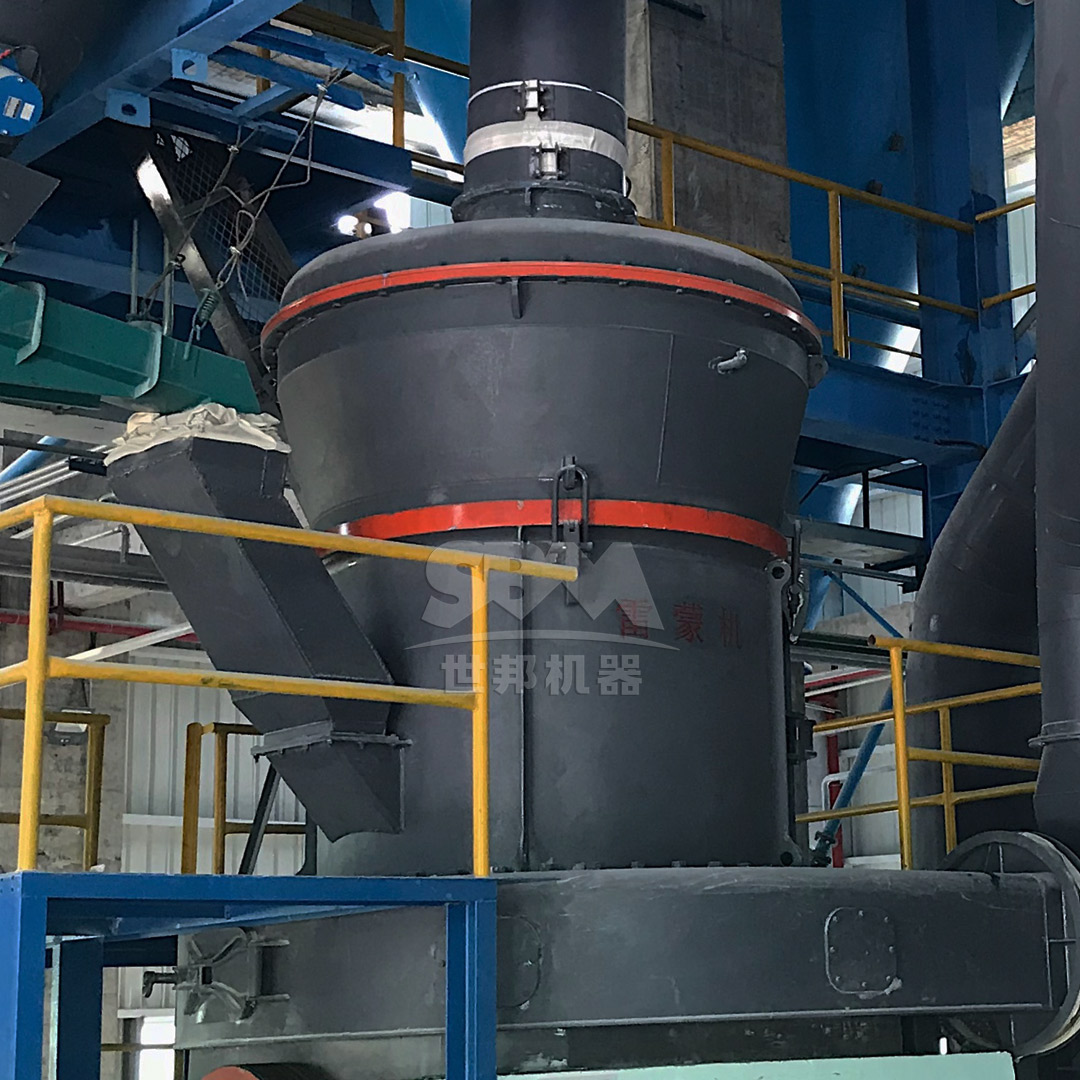
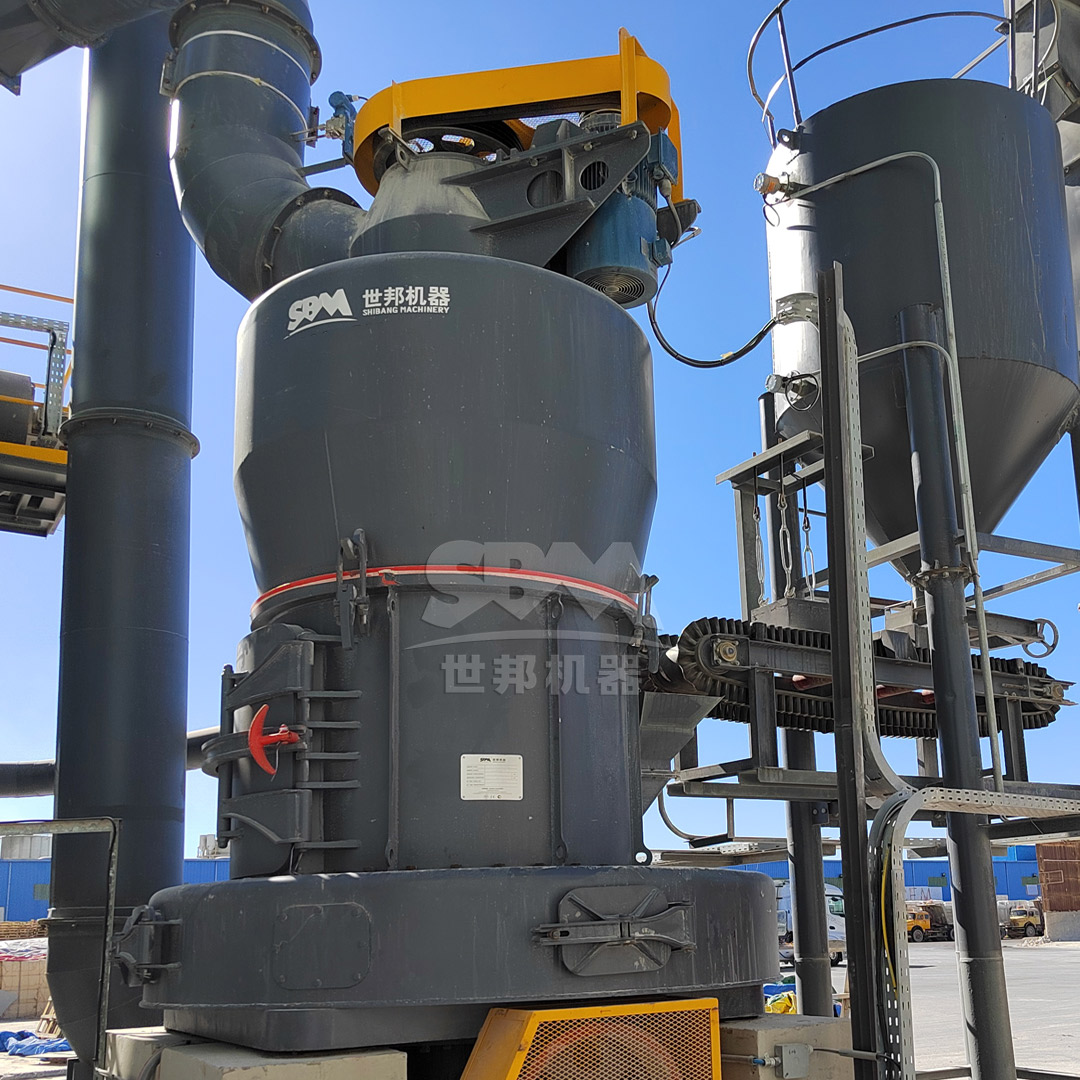
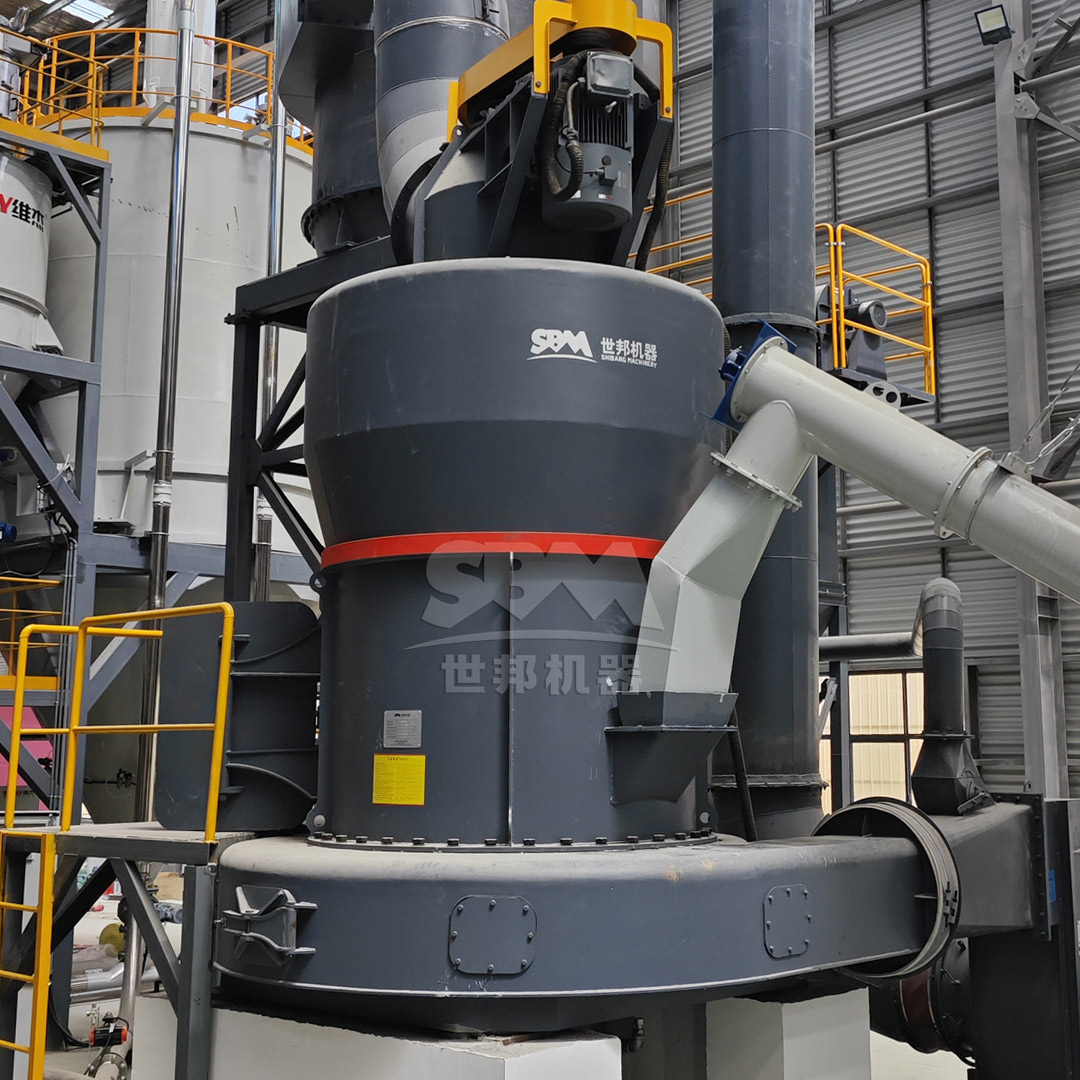
Vertical Roller Mills have become the industry standard for high-capacity grinding of coal and lignite due to their integrated design and efficiency. They combine crushing, grinding, drying (with hot gas), classification, and material conveyance in a single unit.
Key Advantages for Lignite:
For large-scale lignite processing plants requiring capacities from 3 to over 250 tons per hour, the LM Series Vertical Roller Mill represents a top-tier solution. Its intelligent control system allows for expert-level automation and real-time monitoring, ensuring stable operation with the variable feed characteristics often encountered with lignite. The fully sealed negative pressure operation is crucial for containing dust, a significant concern with dry, fine lignite particles.
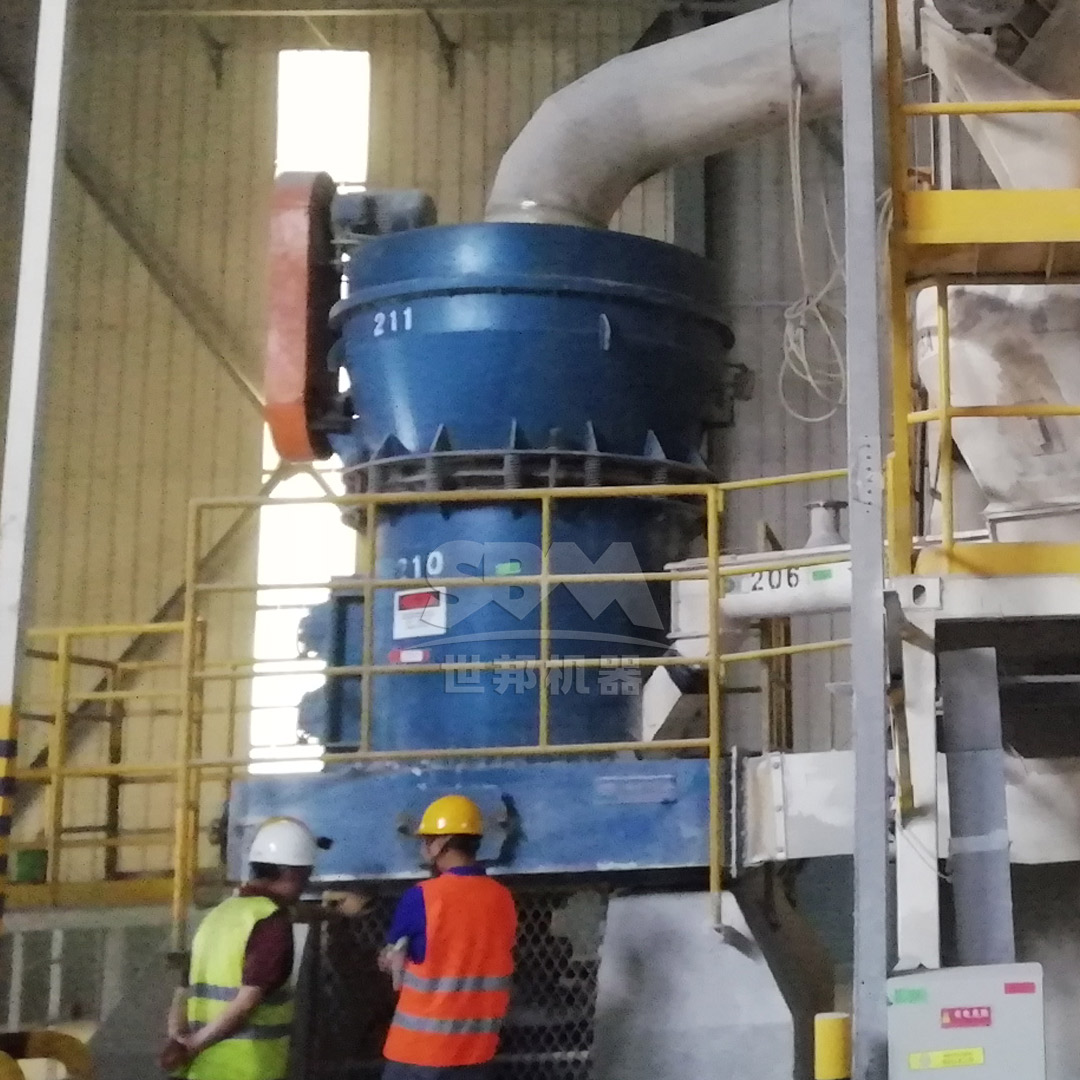
When the project requires high efficiency and precise control over mid-range fineness (30-325 mesh), the MTW Series European Trapezium Mill is an excellent choice. It is particularly suited for dedicated grinding circuits where drying is handled separately or for processing already-dried lignite.
Key Advantages for Lignite:
While most lignite is used in coarse or medium-fine forms, advanced applications like coal-water slurry fuels or certain chemical processes require ultrafine powders. For these demanding specifications, reaching fineness levels of 325 to 2500 mesh (45-5μm), the SCM Series Ultrafine Mill is the definitive technology.
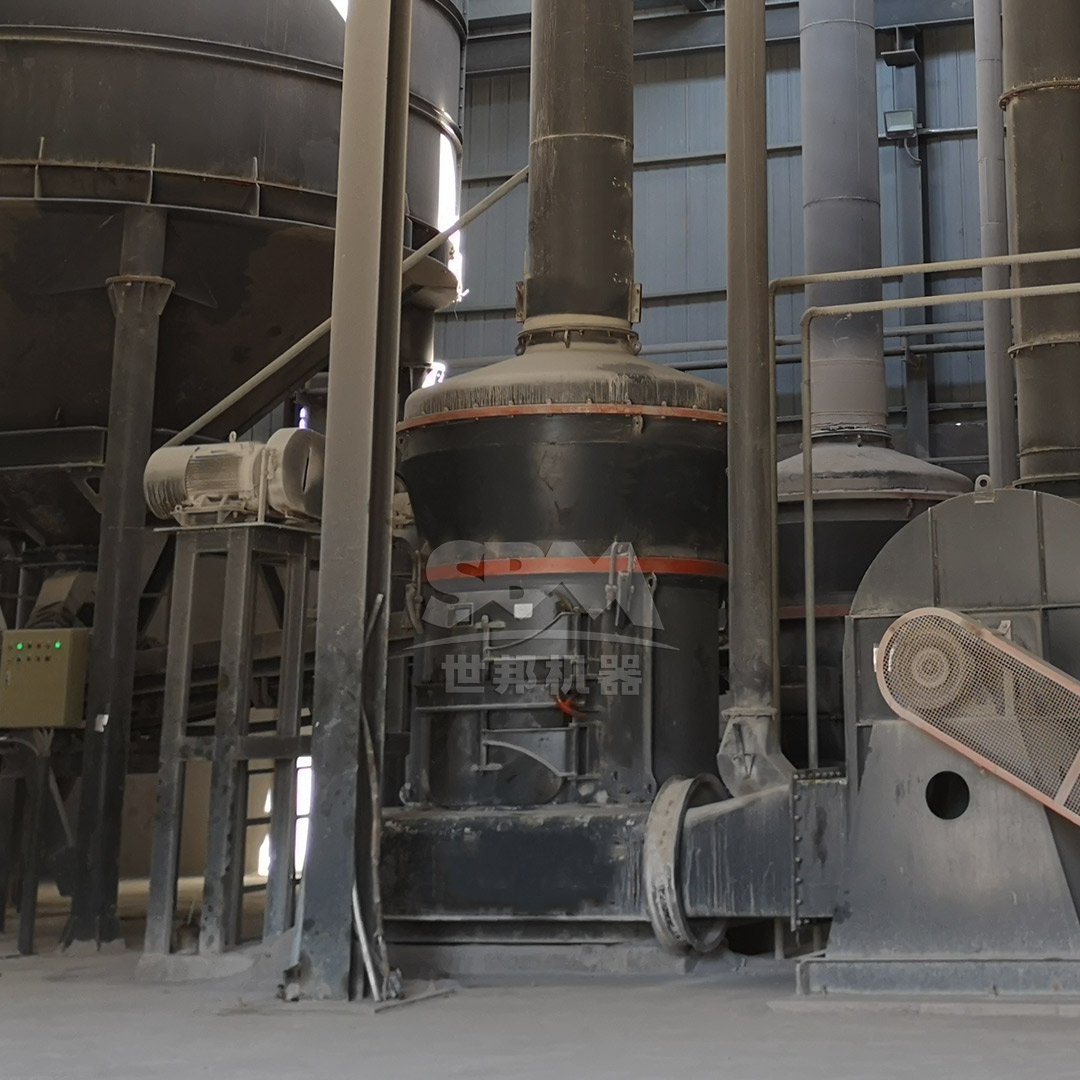
This mill excels in this niche but growing field due to its:
With models like the SCM1000 offering capacities from 1.0 to 8.5 t/h and the large SCM1680 handling up to 25 t/h, this series provides scalable solutions for specialized lignite valorization projects.
Efficient drying is the gateway to effective grinding. Rotary dryers are the most common, using a rotating drum and hot flue gases. More advanced systems like Fluidized Bed Dryers offer superior heat transfer and control. The choice depends on scale, moisture reduction target, and available heat source. It’s important to note that mills like the LM Vertical Roller Mill can perform final drying in conjunction with grinding, but a primary dryer is usually required to reduce moisture to a level suitable for milling.
Selecting individual machines is only part of the equation. The real optimization comes from intelligent system integration. A well-designed lignite processing plant will consider:
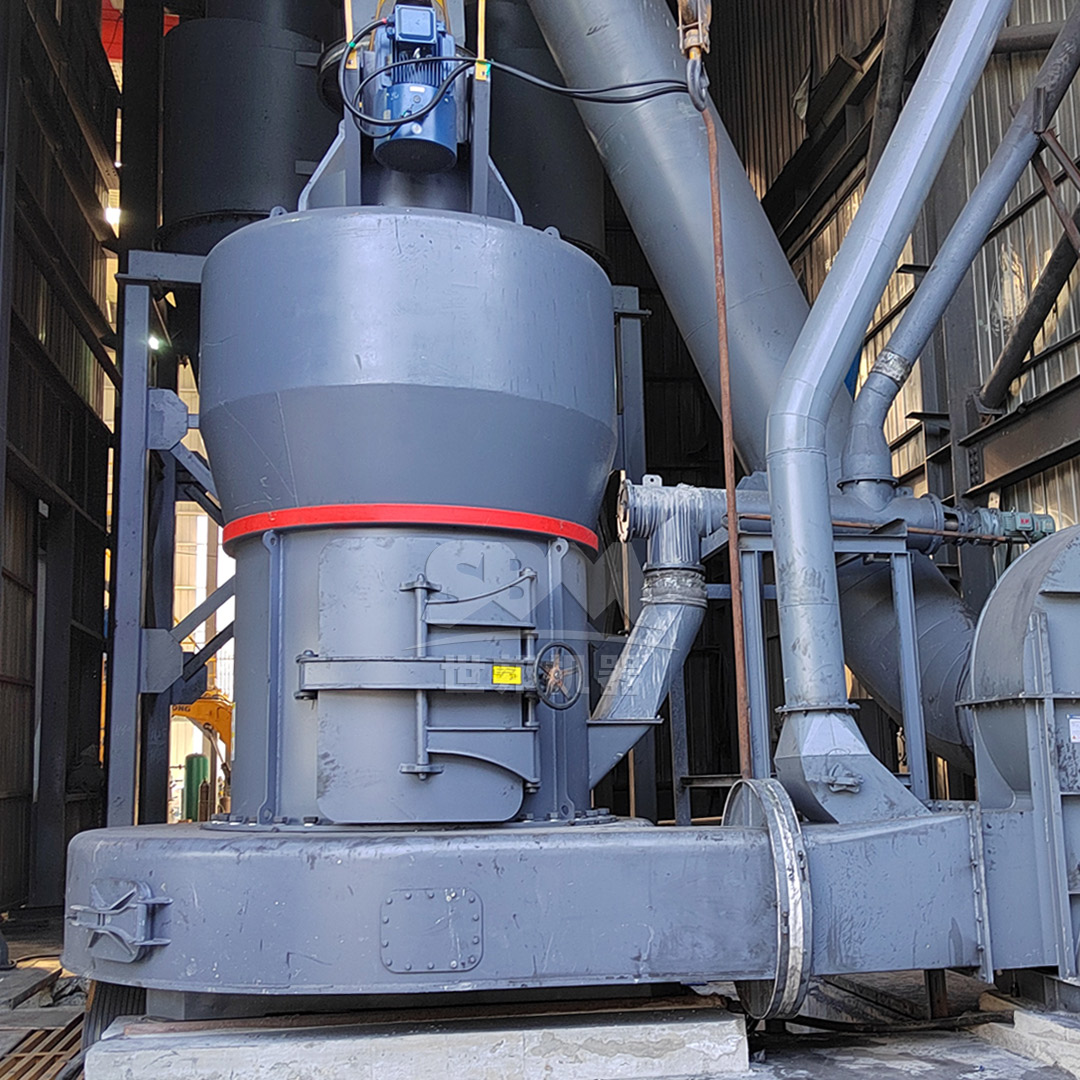
The transformation of raw lignite into a high-quality, efficient fuel is an engineering challenge met by robust and sophisticated equipment. The journey from a wet, coarse feedstock to a dry, precisely sized product relies on a chain of specialized machinery. For the core grinding stage, technology choices range from high-capacity, efficient LM Vertical Roller Mills for mainstream applications to precision MTW European Trapezium Mills, and all the way to the advanced SCM Ultrafine Mill for specialized, high-value products. Investing in the right drying and size reduction technology is not merely an equipment purchase; it is a strategic decision that determines the long-term profitability, efficiency, and environmental footprint of any lignite utilization project.