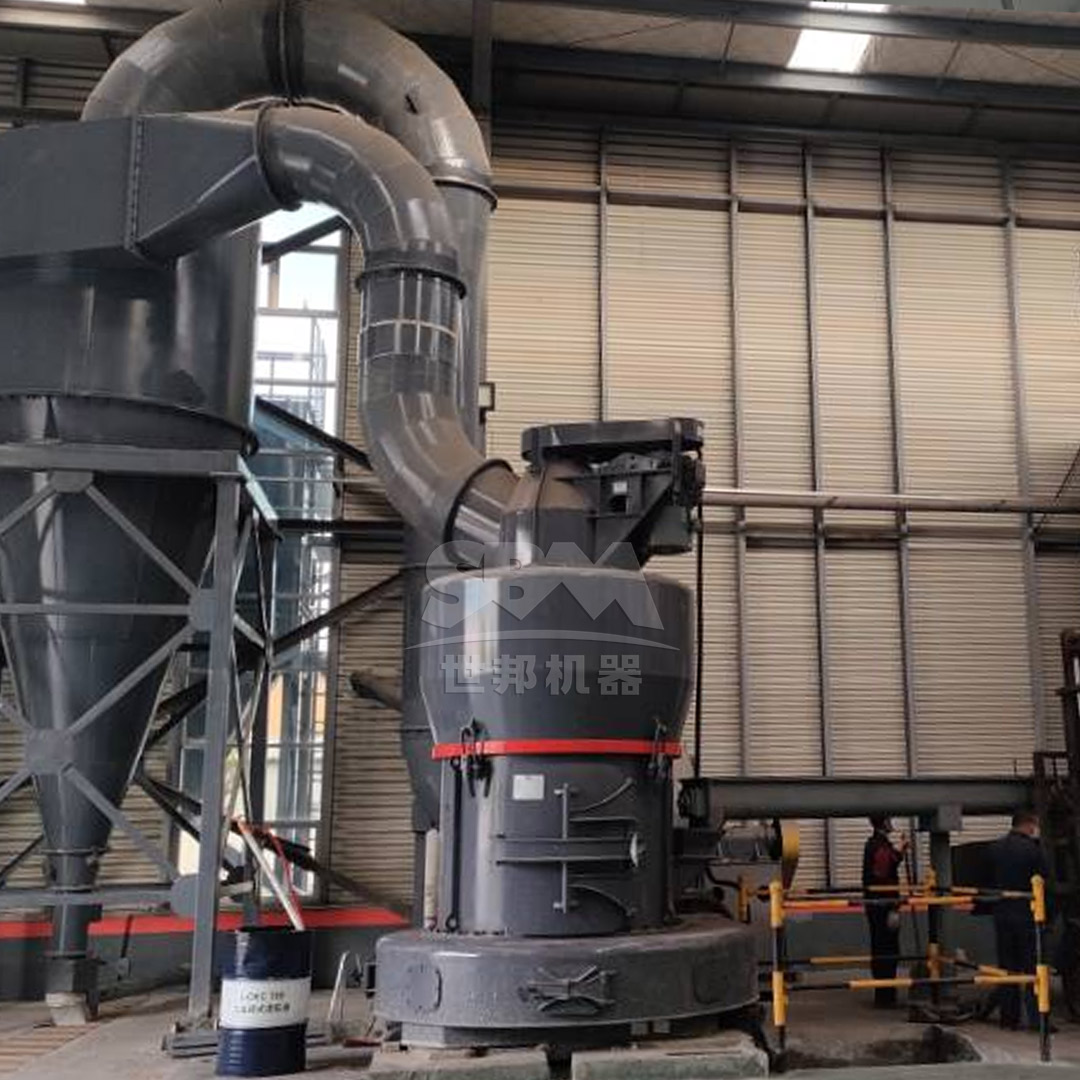
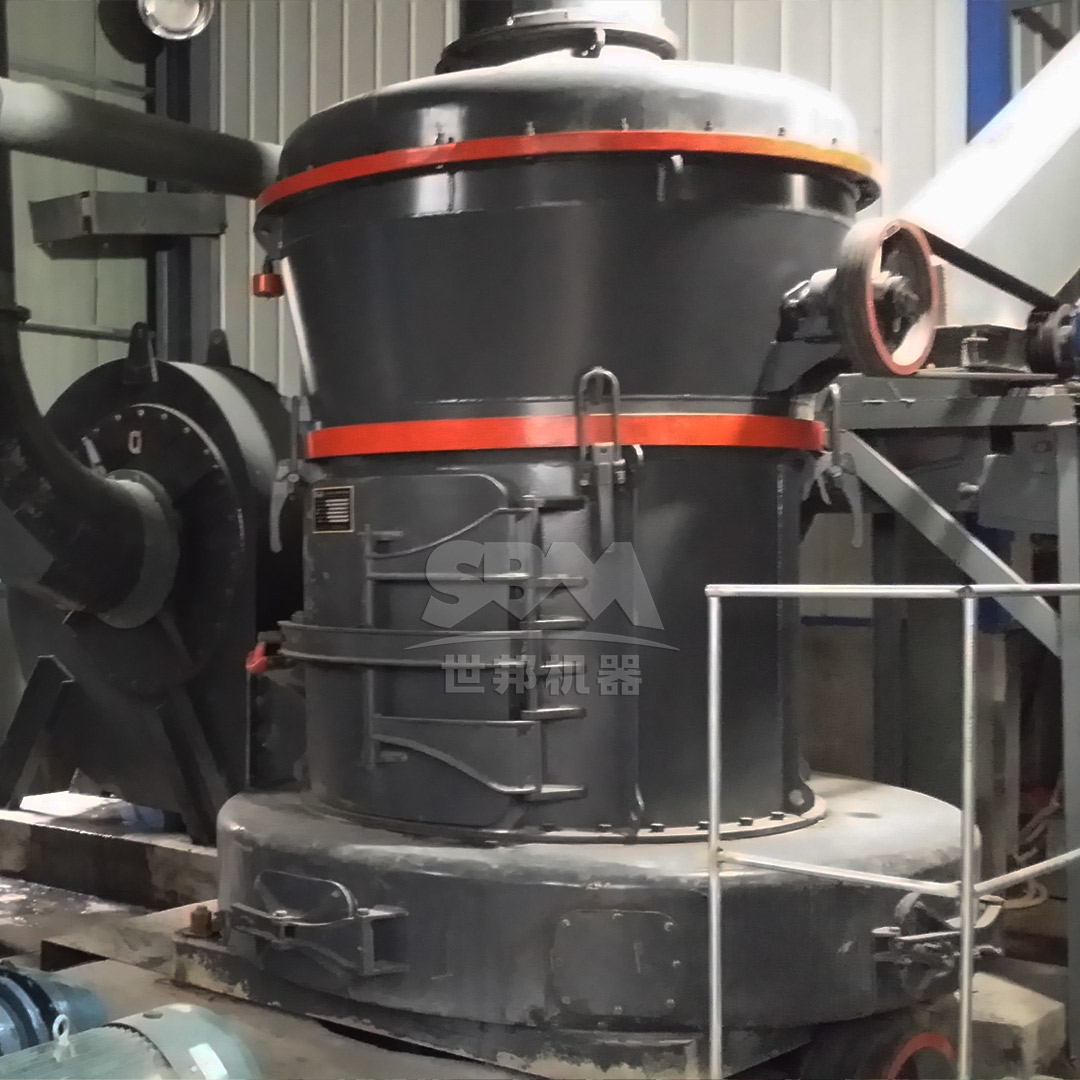
Limestone Additive Production Equipment for Smelting Furnaces: Grinding Mills & Complete Plant Solutions

Limestone Additive Production Equipment for Smelting Furnaces: Grinding Mills & Complete Plant Solutions

Introduction: The Critical Role of Limestone in Modern Smelting

In the metallurgical industry, limestone is far more than a simple raw material; it is a vital additive that governs process efficiency, product quality, and environmental compliance. Within smelting furnaces, finely ground limestone serves as a fluxing agent, effectively lowering the melting point of impurities to form slag, which is then separated from the molten metal. The efficacy of this process is profoundly dependent on the physical and chemical properties of the limestone powder, most notably its fineness, particle size distribution, and purity. Inconsistent or coarse limestone can lead to incomplete reactions, increased energy consumption, refractory wear, and suboptimal slag formation. Therefore, selecting the appropriate grinding technology and designing a robust production plant are paramount for any smelting operation aiming for peak performance, cost control, and sustainability.

1. Key Requirements for Limestone Grinding in Smelting Applications

The production of limestone additives for smelting imposes specific and demanding requirements on grinding equipment:

  • Precise Fineness Control: The target fineness typically ranges from 30 mesh (600μm) for some basic applications down to 325 mesh (45μm) or even finer for advanced processes requiring rapid dissolution and reaction. A narrow particle size distribution is crucial to ensure uniform behavior in the furnace.
  • High Capacity & Reliability: Smelting operations are continuous, demanding a steady, high-volume supply of additive. The grinding system must offer high throughput with exceptional operational reliability to avoid disruptions in the downstream process.
  • Energy Efficiency: Grinding is an energy-intensive process. Selecting mills with superior energy utilization directly translates to lower operational costs and a reduced carbon footprint.
  • Low Contamination & High Purity: The grinding process must not introduce metallic wear debris or other contaminants that could compromise the quality of the steel or metal being produced. Wear parts must be designed for longevity and minimal abrasion.
  • System Integration & Automation: A modern plant requires seamless integration of crushing, grinding, classification, conveying, and dust collection systems, all managed by an intelligent control system for stable product quality and reduced labor.
Application in Smelting Typical Required Fineness Key Grinding Challenge
Basic Slag Formation (BF/BOF) 30 – 100 mesh (600 – 150μm) High capacity, consistent gradation
Secondary Refinement (Ladle) 200 – 325 mesh (75 – 45μm) Ultra-fine grinding, low contamination
Desulfurization & Flux Injection 325 – 2500 mesh (45 – 5μm) Extreme fineness, high reactivity
2. Core Grinding Technologies for Limestone Additives

Several advanced milling technologies are capable of meeting the rigorous demands of smelting-grade limestone production. The choice depends on the target fineness, required capacity, and total cost of ownership.

2.1 Vertical Roller Mills (VRM): The High-Capacity Workhorse

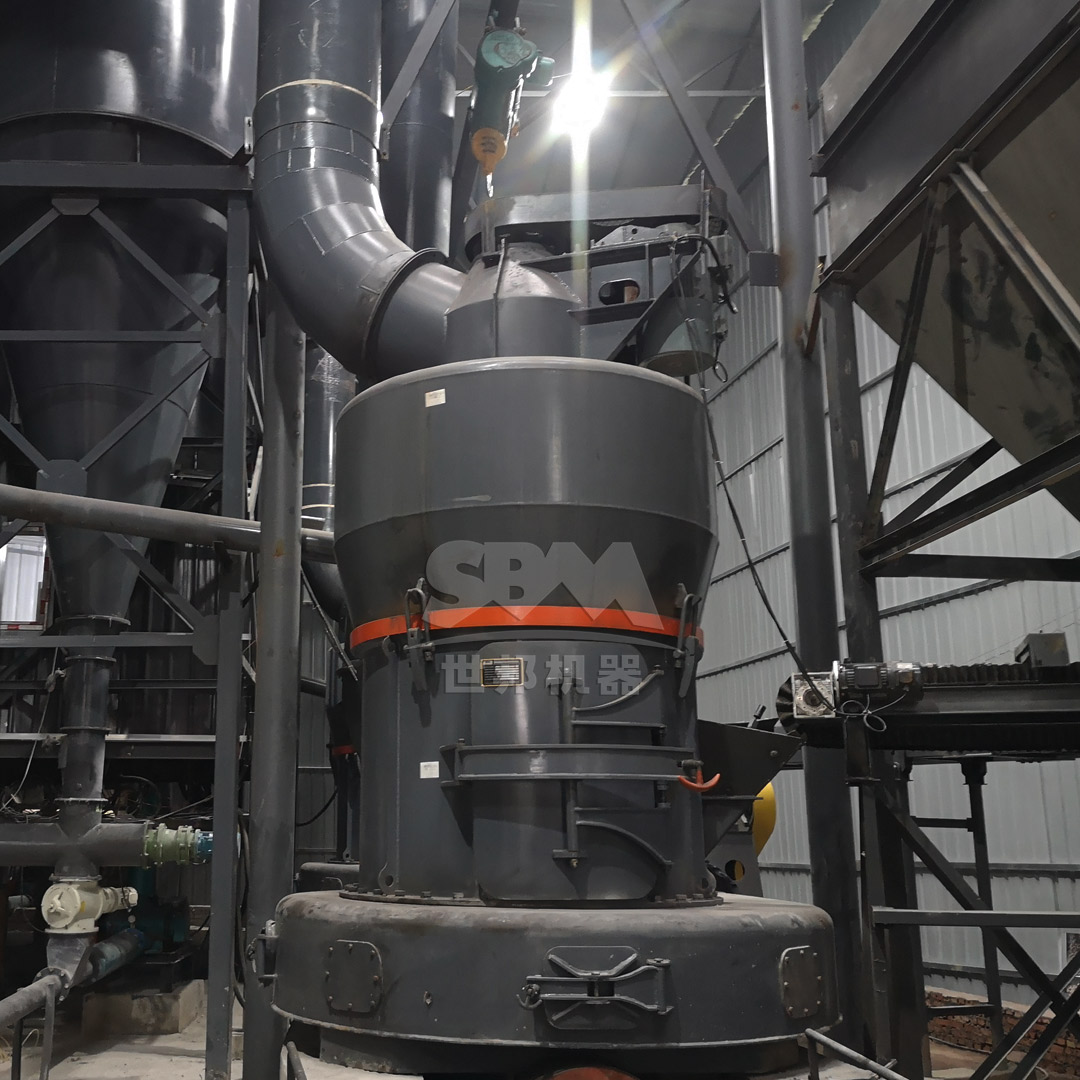
For large-scale production of limestone powder in the range of 30-325 mesh, the Vertical Roller Mill (VRM) stands out as the industry benchmark for efficiency. Its integrated design combines grinding, drying (if needed), classification, and conveying into a single, compact unit.
\"Diagram

Technical Advantages for Smelting Plants:

  • Superior Energy Efficiency: Utilizing a bed-compression grinding principle, VRMs consume 30-40% less energy than traditional ball mill systems, offering massive savings for continuous operations.
  • High Throughput in Compact Footprint: The integrated design reduces plant floor space requirements by up to 50% and allows for outdoor installation, significantly lowering civil engineering costs.
  • Precise Particle Size Control: Equipped with dynamic classifiers, VRMs can accurately adjust product fineness to meet specific smelting formulas.
  • Low Wear & Operating Costs: Features like non-contact grinding rollers and durable wear parts made from special alloys extend service life and reduce maintenance frequency.

For smelting operations requiring reliable, high-volume production of quality limestone flux, our LM Series Vertical Roller Mill is an exemplary solution. With models like the LM190K (capacity 23-68 t/h) and the LM220K (capacity 36-105 t/h), it delivers the robust performance needed for integrated steel plants. Its intelligent control system ensures stable operation and product consistency, while its fully sealed negative pressure design guarantees environmental compliance with minimal dust emission.

2.2 Ultrafine Grinding Mills: Enabling Advanced Metallurgy

As smelting technology advances towards cleaner steel and more efficient processes, the demand for ultra-fine limestone additives (below 45μm) is growing. These super-fine powders exhibit dramatically increased surface area and reactivity, leading to faster slag formation and more effective desulfurization.

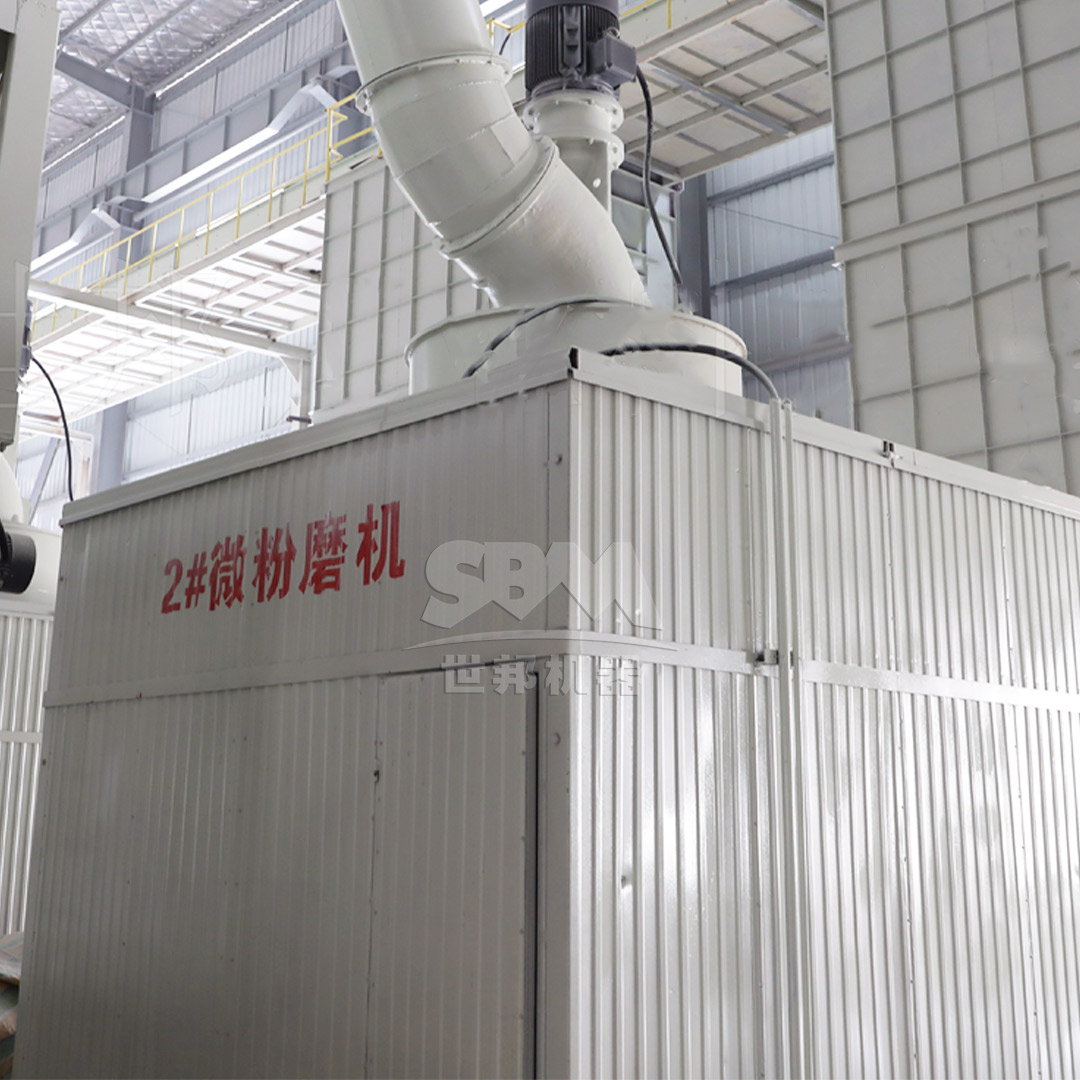
For this critical application, our SCM Series Ultrafine Mill is engineered to excel. It is specifically designed to produce powders in the range of 325-2500 mesh (45-5μm) with high efficiency and uniformity.
\"SCM

Why the SCM Mill is Ideal for Reactive Additives:

  • High-Efficiency Classification: Its advanced vertical turbine classifier ensures precise particle size cutting, eliminating coarse powder mixing and delivering a uniform product essential for predictable furnace chemistry.
  • Energy-Saving Design: The mill offers a capacity twice that of traditional jet mills while consuming approximately 30% less energy, making ultrafine production economically viable.
  • Durable & Low-Contamination Grinding Zone: The use of special material rollers and rings, combined with a shaftless screw grinding chamber design, minimizes wear and the risk of metallic contamination in the final product.
  • Turnkey Environmental System: Integrated with a high-efficiency pulse dust collector exceeding international standards, the system operates cleanly with low noise, meeting the strict environmental regulations of modern plants.
SCM Series Ultrafine Mill Model Selection Guide
Model Capacity (t/h) Main Power (kW) Target Fineness (mesh) Suitable Plant Scale
SCM1000 1.0 – 8.5 132 325 – 2500 Pilot / Specialty Steel
SCM1250 2.5 – 14 185 325 – 2500 Mid-sized Smelter
SCM1680 5.0 – 25 315 325 – 2500 Large Integrated Mill
3. Designing a Complete Limestone Additive Production Plant

A successful limestone grinding plant is more than just a mill; it is a synchronized ecosystem. A holistic plant solution encompasses:
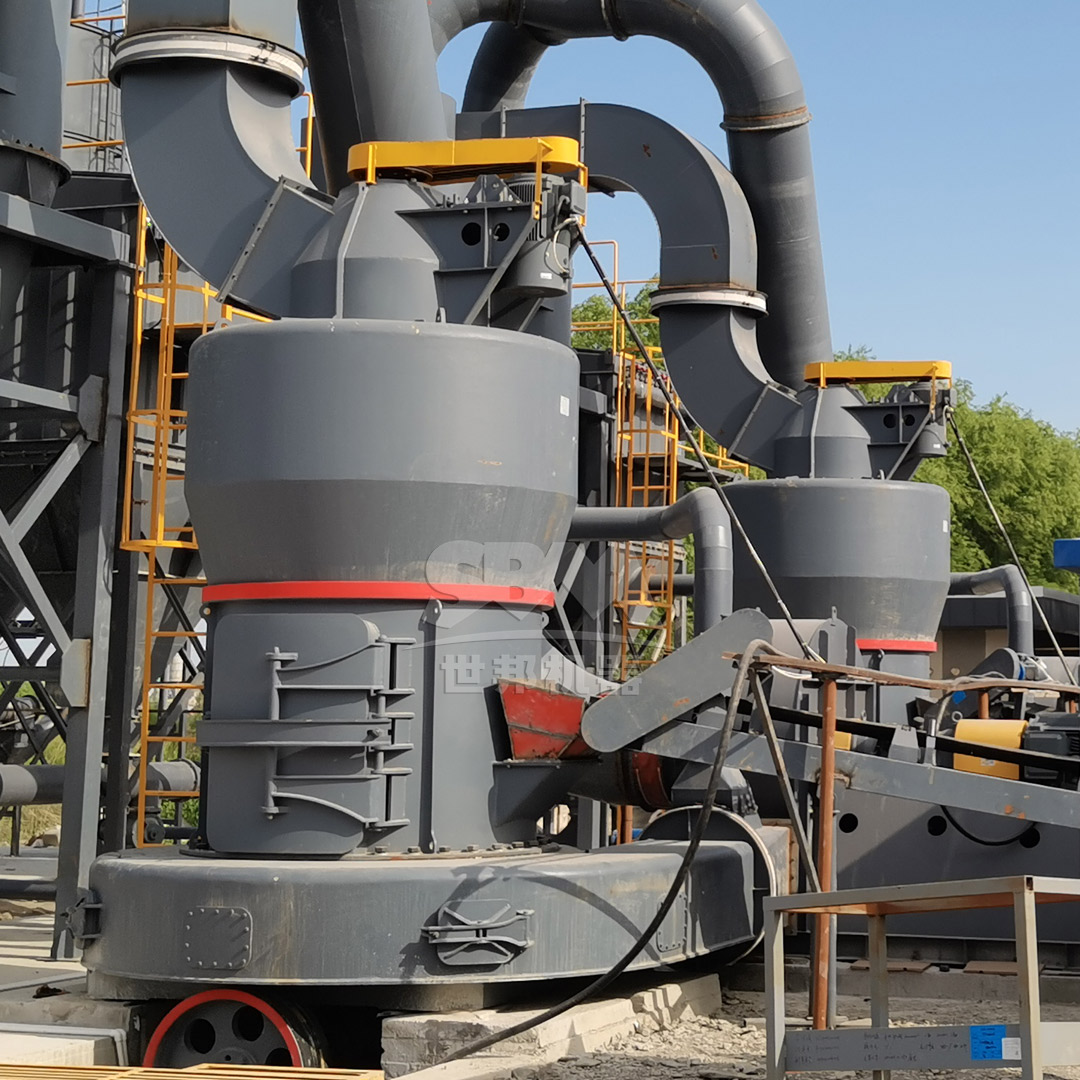
  1. Raw Material Handling & Pre-Crushing: Receiving, storage, and primary size reduction of limestone to a consistent feed size (e.g., ≤50mm for VRM, ≤20mm for SCM).
  2. Grinding & Classification Core: The heart of the plant, featuring the selected mill (e.g., LM Series VRM or SCM Ultrafine Mill) with its integrated or separate classifier.
  3. Product Conveying & Storage: Pneumatic or mechanical conveying of finished powder to large, sealed silos equipped with aeration and discharge systems to prevent caking.
  4. Dust Collection & Environmental Control: A comprehensive, plant-wide pulse-jet baghouse system to capture dust at all transfer points, ensuring a clean working environment and near-zero emissions.
  5. Automation & Process Control: A central PLC/SCADA system for monitoring and controlling the entire process flow, ensuring optimal mill parameters, consistent product quality, and safe, efficient operation with minimal manual intervention.

\"Layout

4. Conclusion: Partnering for Smelting Success

The selection of limestone additive production equipment is a strategic decision with long-term implications for a smelter’s productivity and profitability. Moving beyond standalone equipment to a fully engineered plant solution mitigates risk, optimizes performance, and future-proofs the investment.

By leveraging technologies like the high-capacity LM Series Vertical Roller Mill for standard flux production and the precision SCM Series Ultrafine Mill for advanced reactive additives, smelting operations can achieve unparalleled control over their metallurgical processes. Partnering with a supplier capable of delivering not only best-in-class machinery but also comprehensive plant design, engineering, and service support is the key to unlocking the full value of limestone additives, driving towards more efficient, sustainable, and competitive smelting operations.