The rubber industry relies heavily on functional fillers to enhance product properties, reduce costs, and improve processing characteristics. Among these, ground calcium carbonate (GCC), derived from high-purity limestone, stands as one of the most important and versatile fillers. Its incorporation improves tensile strength, tear resistance, dimensional stability, and surface finish while significantly lowering compound costs. However, the efficacy of limestone filler is intrinsically tied to its particle size distribution, morphology, and surface area. Achieving the precise fineness and consistency required for high-performance rubber compounds demands advanced, specialized grinding machinery. This article explores the technological requirements for limestone filler production in the rubber sector and examines the machinery solutions that enable manufacturers to meet stringent quality standards.
The performance of limestone filler in rubber is a direct function of its fineness. Coarser fillers (typically above 45μm or 325 mesh) are used as low-cost extenders in products like flooring and general-purpose mats. For high-value applications such as automotive seals, hoses, conveyor belts, and premium footwear, ultrafine fillers are essential.
Beyond mere fineness, a narrow particle size distribution is crucial to ensure uniform dispersion within the rubber matrix, which directly impacts compound viscosity, cure characteristics, and final product consistency.
Producing filler that meets rubber industry specs presents several challenges for milling equipment:
The choice of grinding mill depends on the target fineness, required capacity, and total cost of ownership. A tiered approach is often employed.
Before fine grinding, raw limestone (≤50mm) must be reduced to a suitable feed size for the grinding mill. Hammer Mills and Jaw Crushers are typically used for this stage, producing a granular product of 0-3mm or 0-10mm. Our Hammer Mill series (e.g., PC4012-90) is highly effective for this purpose, featuring high manganese steel liners and hammers for durability and a compact structure that minimizes plant footprint.
This is the most critical stage. Two primary technological paths exist: roller mill systems for high-capacity fine grinding and specialized ultrafine mills for high-value reinforcing fillers.
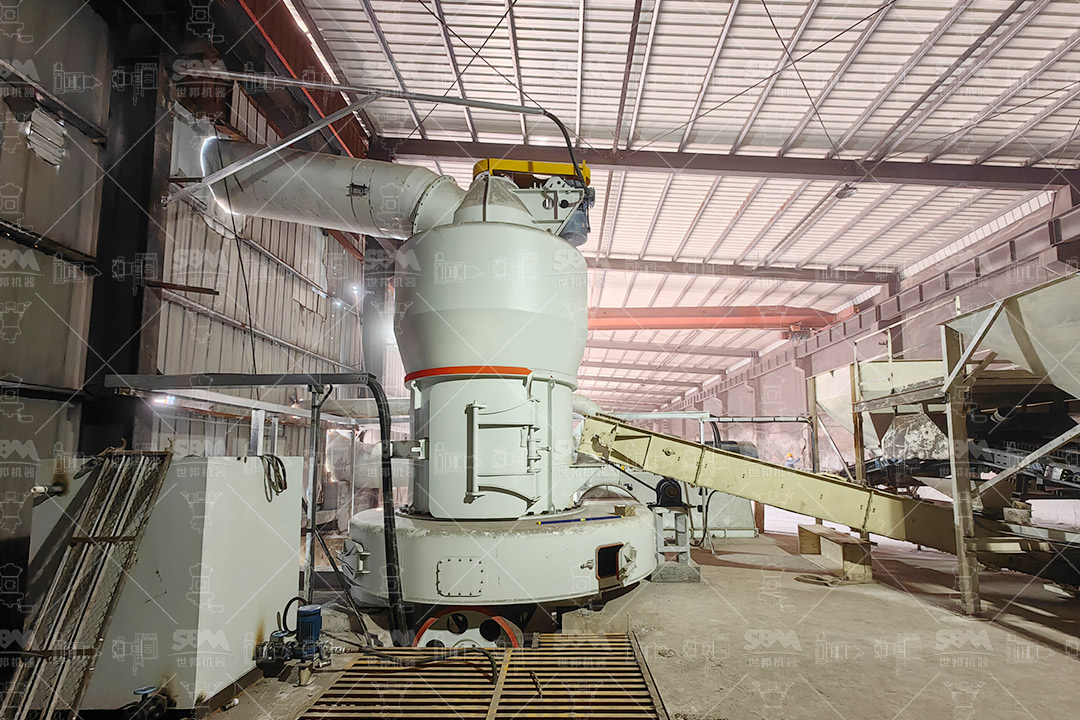
For large-volume production of filler for tires, industrial belts, and other commodities, efficiency and reliability are paramount. The MTW Series European Trapezium Mill is an exemplary solution for this range.
| Model | Capacity (t/h) | Output Fineness | Main Power (kW) | Key Feature for Rubber |
|---|---|---|---|---|
| MTW138Z | 6-17 | 10-325 mesh | 90 | Stable output for consistent compound quality |
| MTW175G | 9.5-25 | 10-325 mesh | 160 | High capacity for large-scale filler production |
| MTW215G | 15-45 | 10-325 mesh | 280 | Maximum output for flagship filler plants |
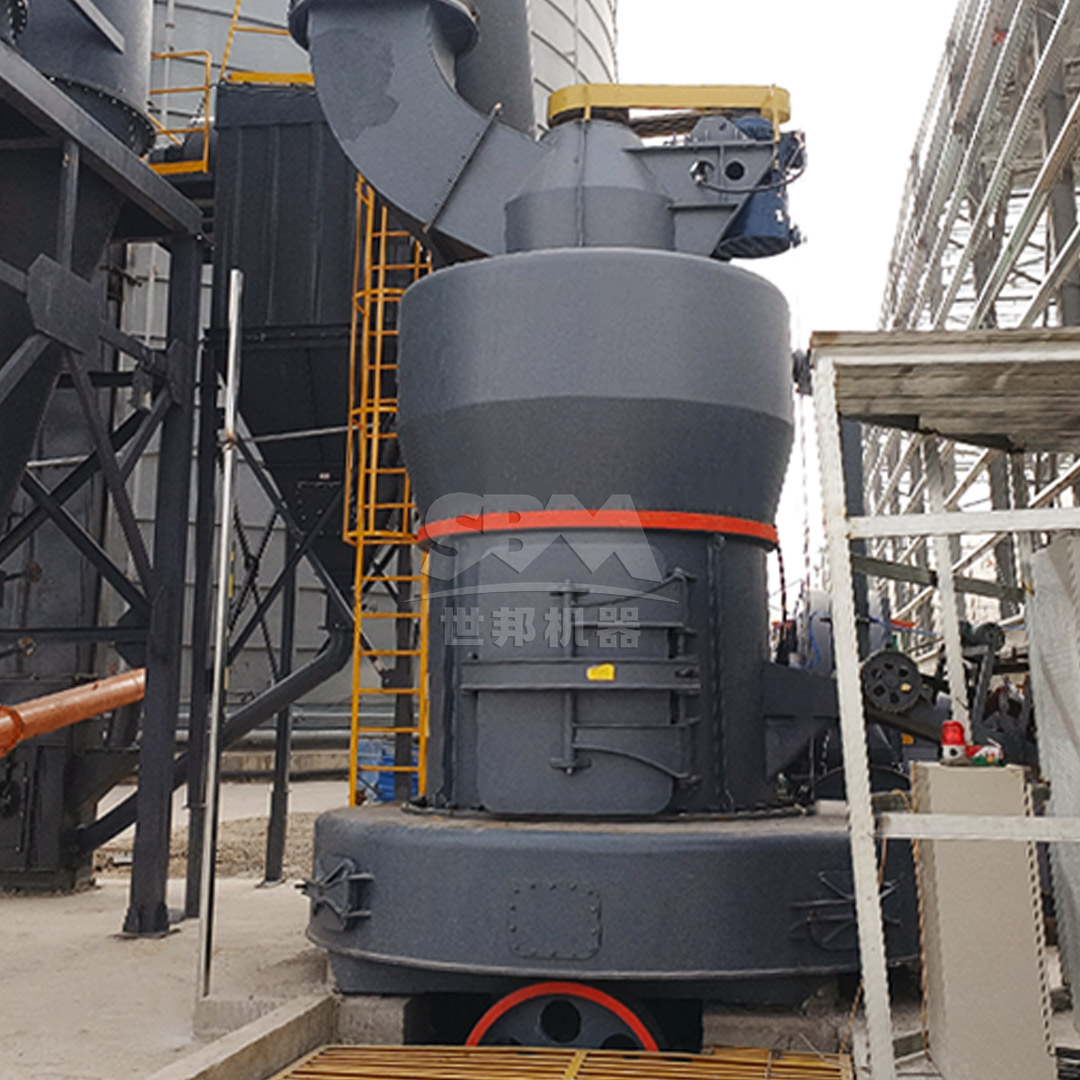
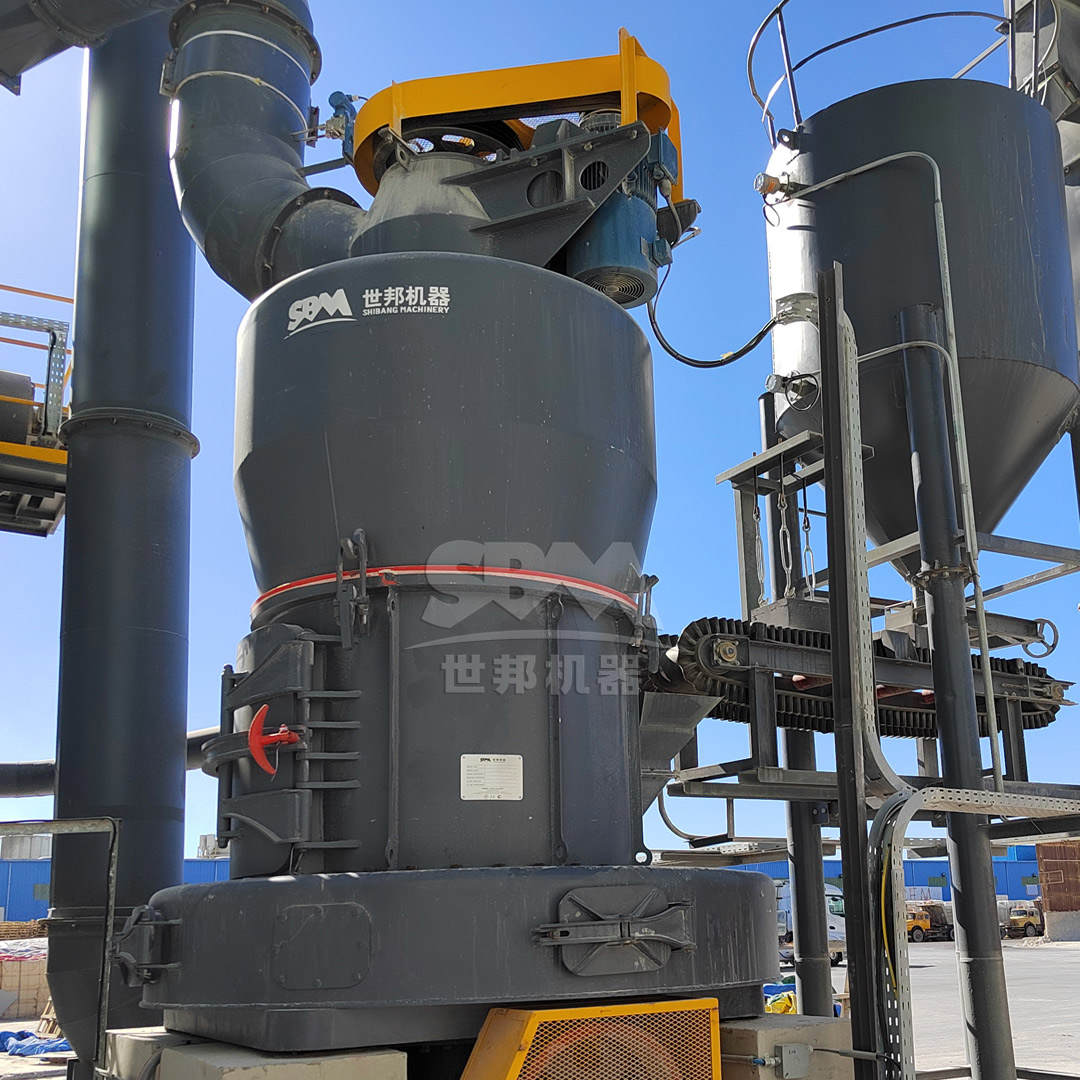
To produce the reinforcing fillers that compete with PCC, a mill capable of efficient sub-10-micron grinding is essential. The SCM Series Ultrafine Mill is the industry benchmark for this application.
For rubber companies aiming to develop premium compounds, the SCM1000 or SCM1250 models are highly recommended. They offer the perfect balance of capacity (1.0-14 t/h) and the ability to reliably produce filler in the 800-2500 mesh range, unlocking enhanced physical properties in the final rubber product.
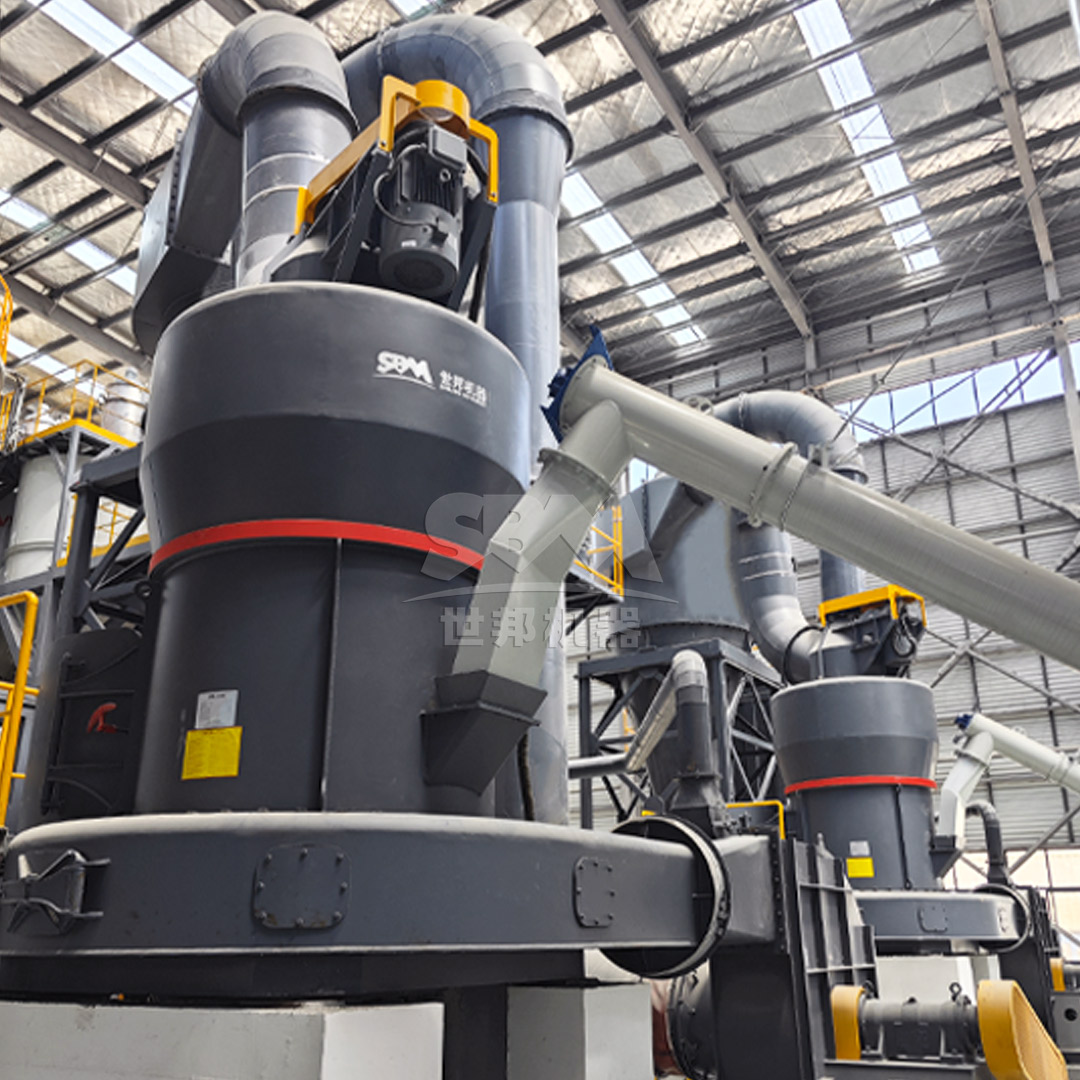
A complete limestone filler line involves more than just a mill. It integrates feeding, grinding, classification, collection, and packaging. Modern mills like the SCM and MTW series are designed as integrated systems. They feature intelligent control systems that automatically adjust operational parameters based on real-time feedback from particle size analyzers, ensuring consistent product quality. This level of automation minimizes human error and allows for the production of multiple filler grades from a single line with quick changeovers.
The competitive landscape of the rubber industry drives continuous demand for higher-quality, more cost-effective fillers. Investing in advanced grinding technology is not an expense but a strategic move to capture value in this market. Machinery must be selected based on a clear understanding of target applications, required fineness, and production volume.
For high-volume, fine-grade filler production, the MTW Series European Trapezium Mill provides unbeatable efficiency and reliability. For manufacturers targeting the high-margin, high-performance segment with ultrafine reinforcing fillers, the SCM Series Ultrafine Mill stands as the definitive technological solution, enabling the production of limestone fillers that can truly enhance rubber performance. By partnering with a machinery provider offering such specialized, proven technologies, limestone processors can securely position themselves as critical, value-adding suppliers to the global rubber industry.