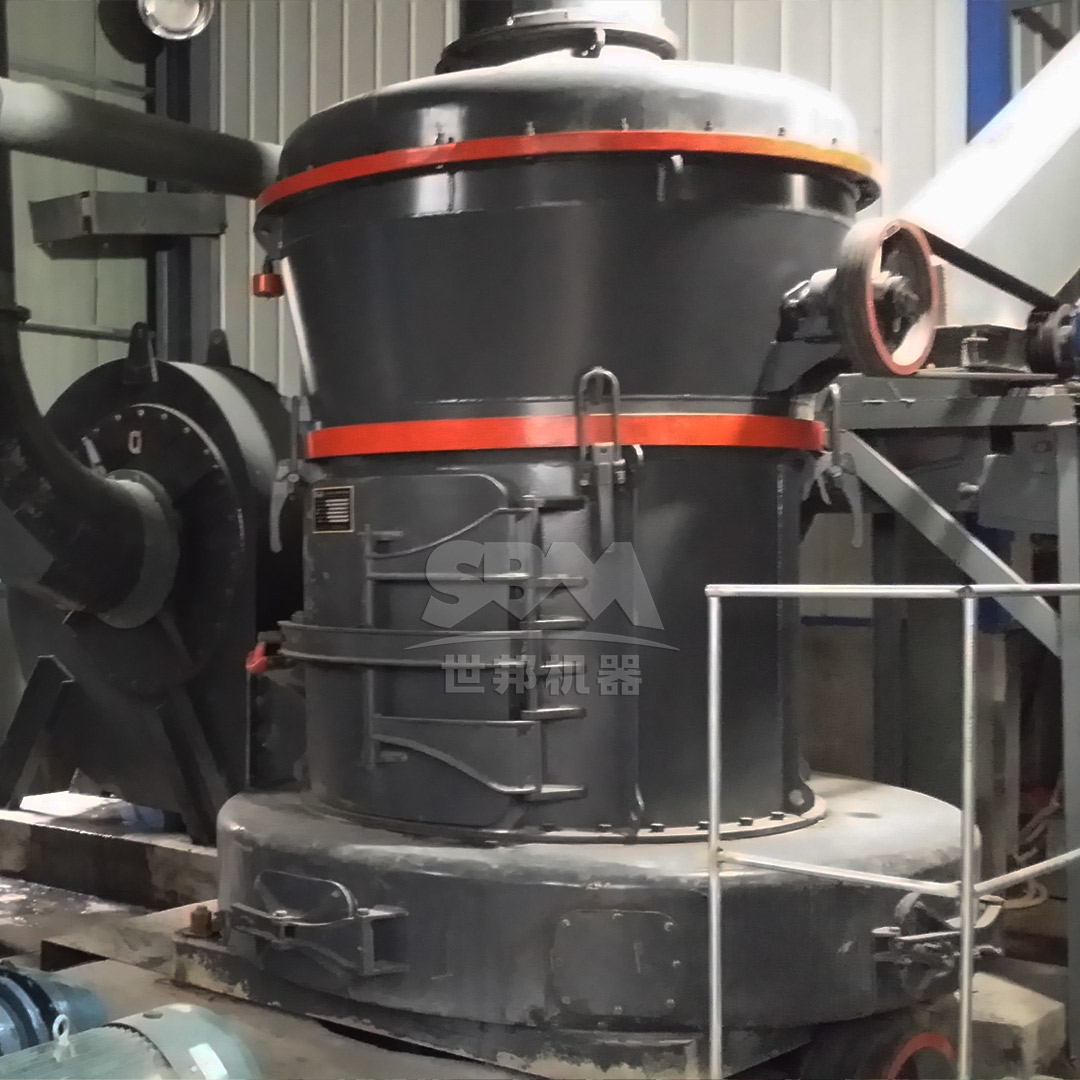
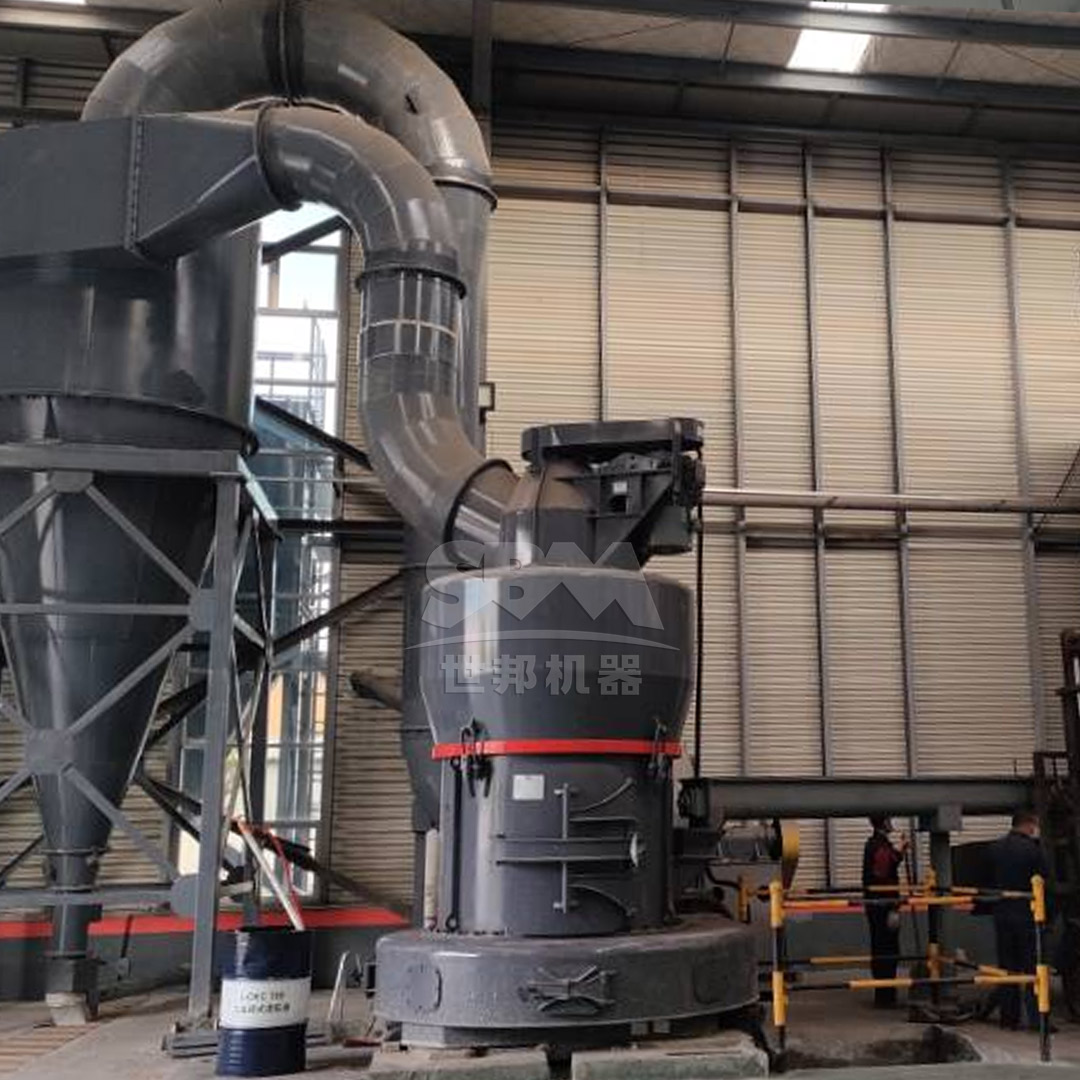
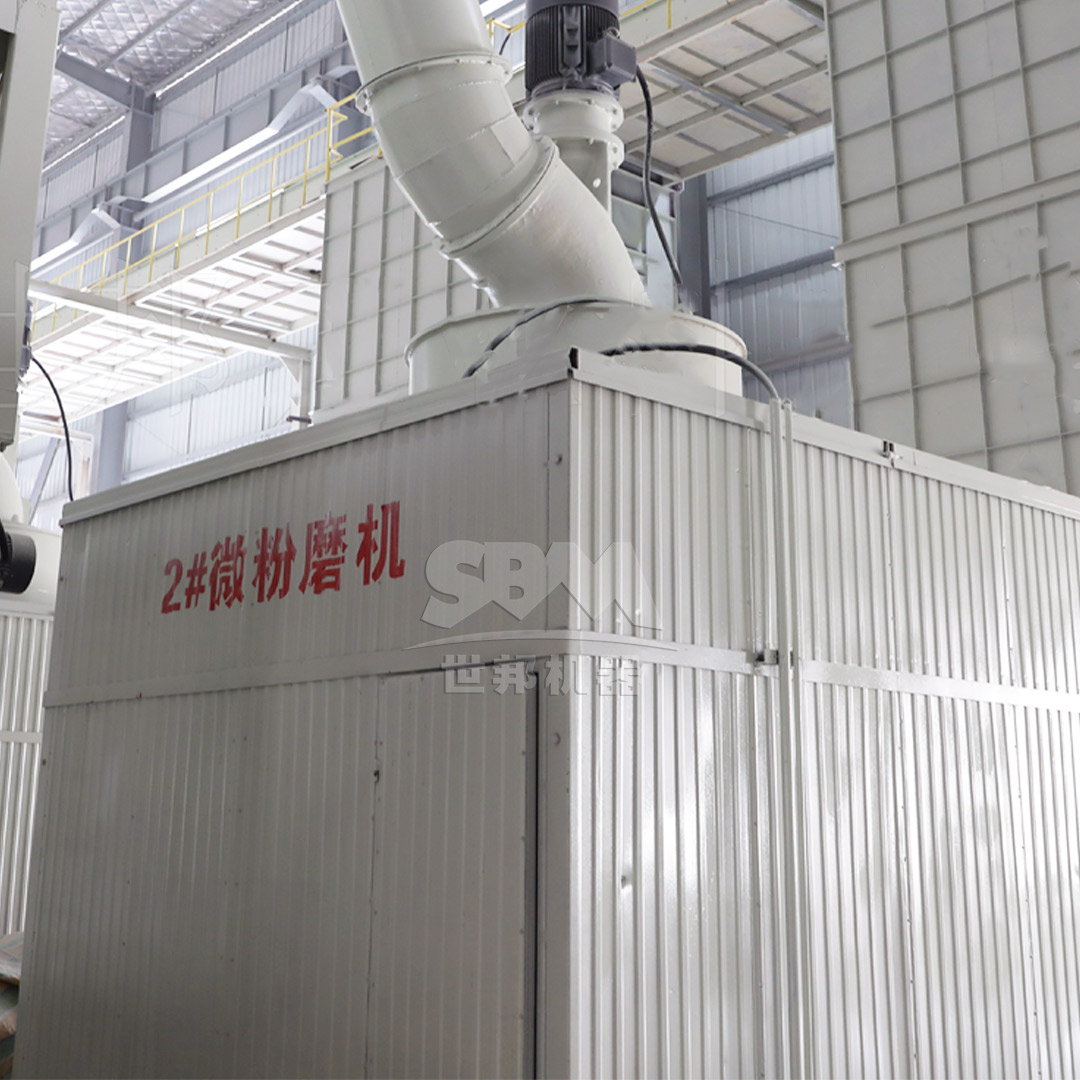
The paper industry is a significant consumer of mineral fillers, with ground calcium carbonate (GCC) derived from high-purity limestone being one of the most critical components. GCC filler enhances paper properties such as opacity, brightness, printability, and bulk while reducing production costs by partially replacing more expensive wood pulp. The manufacturing process of limestone filler is a sophisticated operation that demands precise control over particle size distribution (PSD), morphology, and brightness. This article delves into the key stages of limestone filler production and examines the advanced grinding equipment essential for meeting the stringent quality requirements of modern paper mills.
In paper coating and filling applications, GCC acts as a functional pigment. As a filler, it is incorporated into the paper sheet to improve formation, smoothness, and ink receptivity. In coating applications, a GCC slurry is applied to the paper surface to create an exceptionally smooth, white, and porous layer ideal for high-quality printing. The effectiveness of GCC in these roles is heavily dependent on its physical characteristics:
The process begins at the quarry with the selective mining of high-calcium limestone. The extracted rock undergoes primary crushing (e.g., using jaw or gyratory crushers) to reduce it to a manageable size, typically below 50mm.
To ensure the final product’s purity and brightness, the crushed limestone may be washed to remove clay, silt, and other impurities. In some cases, flotation or other beneficiation techniques are employed to separate deleterious minerals.
If a wet process is not used, the crushed and cleaned limestone must be dried to a low moisture content (typically below 1%) to prepare it for efficient dry grinding and to prevent clogging in milling equipment.
| Process Stage | Key Objective | Typical Output Size |
|---|---|---|
| Primary Crushing | Size reduction for handling | <50mm |
| Beneficiation | Remove impurities, increase CaCO3 % | – |
| Drying | Reduce moisture for dry milling | Moisture <1% |
| Fine Grinding | Achieve target fineness and PSD | 45μm – 2μm (325-2500 mesh) |
| Classification & Collection | Separate and collect product, recycle oversize | Final product specification |
This is the most critical stage, where the pre-processed limestone is ground to the required fineness. The choice of grinding technology directly determines the product’s PSD, energy efficiency, and overall operational cost. Modern paper-grade GCC production almost exclusively relies on advanced dry grinding systems.
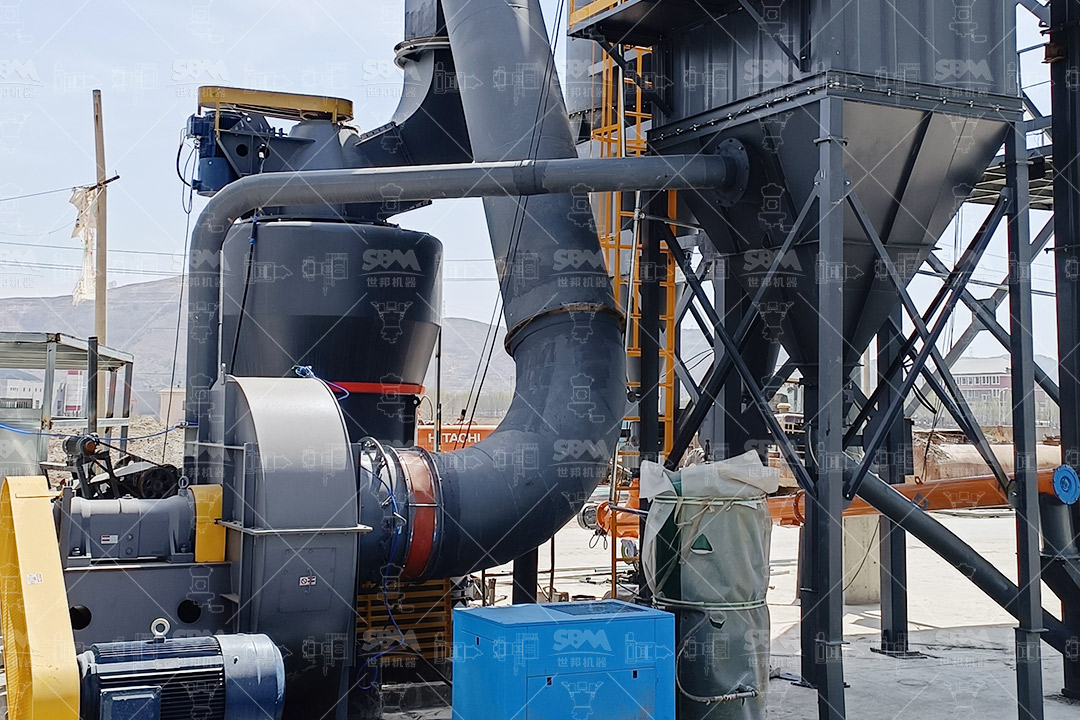
Integrated or external air classifiers are used to separate fine particles that meet specification from coarse ones. The coarse fraction is recirculated back to the mill for further grinding, ensuring a tight PSD. The final product is then collected using highly efficient cyclone separators and baghouse filter systems.
The evolution from traditional ball mills to modern, energy-efficient grinding systems has revolutionized filler production. Two primary equipment categories dominate the market for producing paper-grade limestone filler.
For producing filler-grade GCC in the range of 45-150μm (100-325 mesh), Vertical Roller Mills offer an excellent balance of high capacity, low energy consumption, and integrated drying capability. Their integrated design combines grinding, drying, classification, and conveying into a single compact unit.
For operations targeting high-volume production of filler-grade GCC with superior energy efficiency, our LM Series Vertical Roller Mill presents an ideal solution. Its integrated design reduces plant footprint by 50% and infrastructure costs by 40%. The non-contact grinding principle and wear-resistant materials extend component life significantly, while its energy consumption is 30-40% lower than traditional ball mill systems. The intelligent control system allows for precise fineness control and stable, automated operation, making it a robust and cost-effective choice for large-scale filler plants.
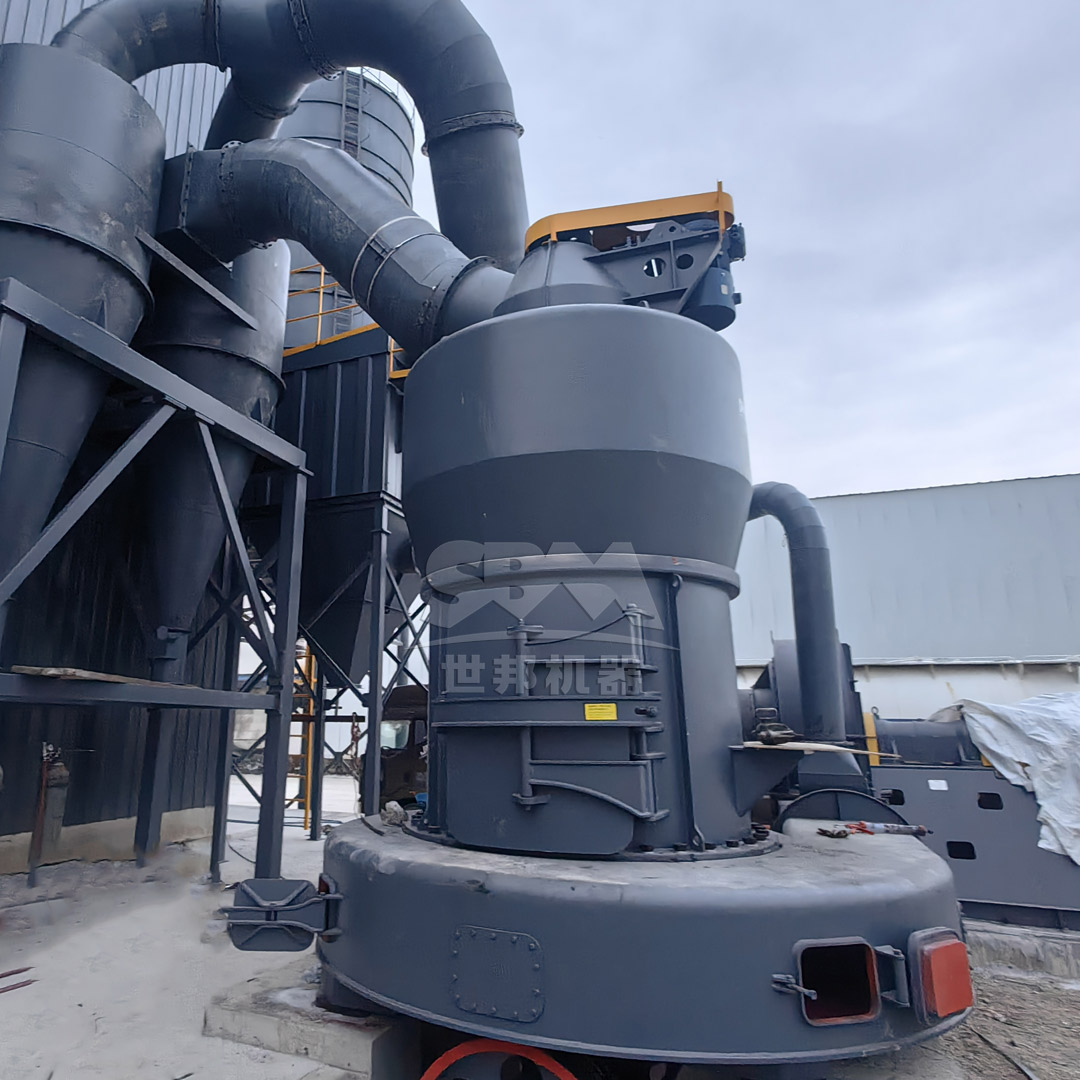
To achieve the ultrafine fineness (2-45μm or 325-2500 mesh) required for premium fillers and coating pigments, specialized mills are necessary. These mills must provide not only fine grinding but also precise classification to ensure a narrow PSD without coarse particles.
For the most demanding applications requiring ultrafine, high-brightness GCC, the SCM Series Ultrafine Mill is the technology of choice. Engineered to produce powders from 325 to 2500 mesh (45-5μm), it excels where other mills reach their limits. Its core advantages include a high-precision vertical turbine classifier that guarantees a sharp particle size cut and uniform product, eliminating coarse powder contamination. The mill operates with remarkable efficiency, offering twice the capacity of jet mills while consuming 30% less energy. Furthermore, its durable design with special material rollers and rings, coupled with an eco-friendly pulse dust collection system exceeding international standards, ensures reliable, low-maintenance, and clean production—a perfect match for the quality-focused paper industry.
| Equipment Type | Typical Output Range | Key Advantages | Ideal Application |
|---|---|---|---|
| Vertical Roller Mill (e.g., LM Series) | 30-325 mesh (600-45μm) | High capacity, integrated drying, low OPEX | High-volume filler production |
| Ultrafine Mill (e.g., SCM Series) | 325-2500 mesh (45-5μm) | Ultrafine grinding, precise PSD control, energy-efficient | Premium filler & coating pigment |
| European Trapezium Mill (e.g., MTW Series) | 30-325 mesh (600-45μm) | Stable, reliable, anti-wear design | General filler production |
The manufacturing of limestone filler for the paper industry is a precise engineering endeavor where the selection of grinding technology is paramount. Moving beyond conventional methods to advanced systems like Vertical Roller Mills and Ultrafine Grinding Mills is essential to achieve the desired product quality, operational efficiency, and environmental compliance. Investing in the right equipment, such as our energy-efficient LM Series for large-scale filler production or our high-precision SCM Series for ultrafine applications, provides paper manufacturers with a reliable supply of high-performance GCC. This, in turn, enables them to produce superior paper products while optimizing their overall cost structure, ensuring competitiveness in a demanding global market.