The plastics industry is in a constant state of evolution, driven by demands for cost reduction, performance enhancement, and environmental responsibility. A key technology enabling this progress is the use of mineral fillers, with ground calcium carbonate (GCC) from limestone being the most prominent. Limestone filler masterbatch, a concentrated mixture of ultrafine GCC dispersed in a polymer carrier, has become indispensable. It improves stiffness, heat deflection temperature, and dimensional stability while significantly reducing raw material costs. However, the efficacy of the final plastic product is intrinsically linked to the quality of the GCC powder—its particle size distribution, purity, and surface morphology. This underscores the critical importance of a sophisticated, integrated limestone filler masterbatch production line. This article explores the core components and technological considerations of such a line, with a focus on the pivotal grinding and classification stage.
A complete limestone filler masterbatch production line is a symphony of interconnected processes, each stage meticulously designed to transform raw limestone into a high-performance plastic additive.
1.1 Primary Crushing and Pre-Homogenization: The journey begins with mined limestone, which is first reduced to a manageable size (typically <50mm) using primary crushers like jaw or impact crushers. This material is then stored in homogenization yards or silos to ensure consistent chemical composition for downstream processing.
1.2 Drying (If Required): Moisture content must be controlled. If the limestone feedstock has high moisture, a rotary or flash dryer is employed to reduce it to below 0.5-1.0%, which is crucial for efficient fine grinding and preventing agglomeration.
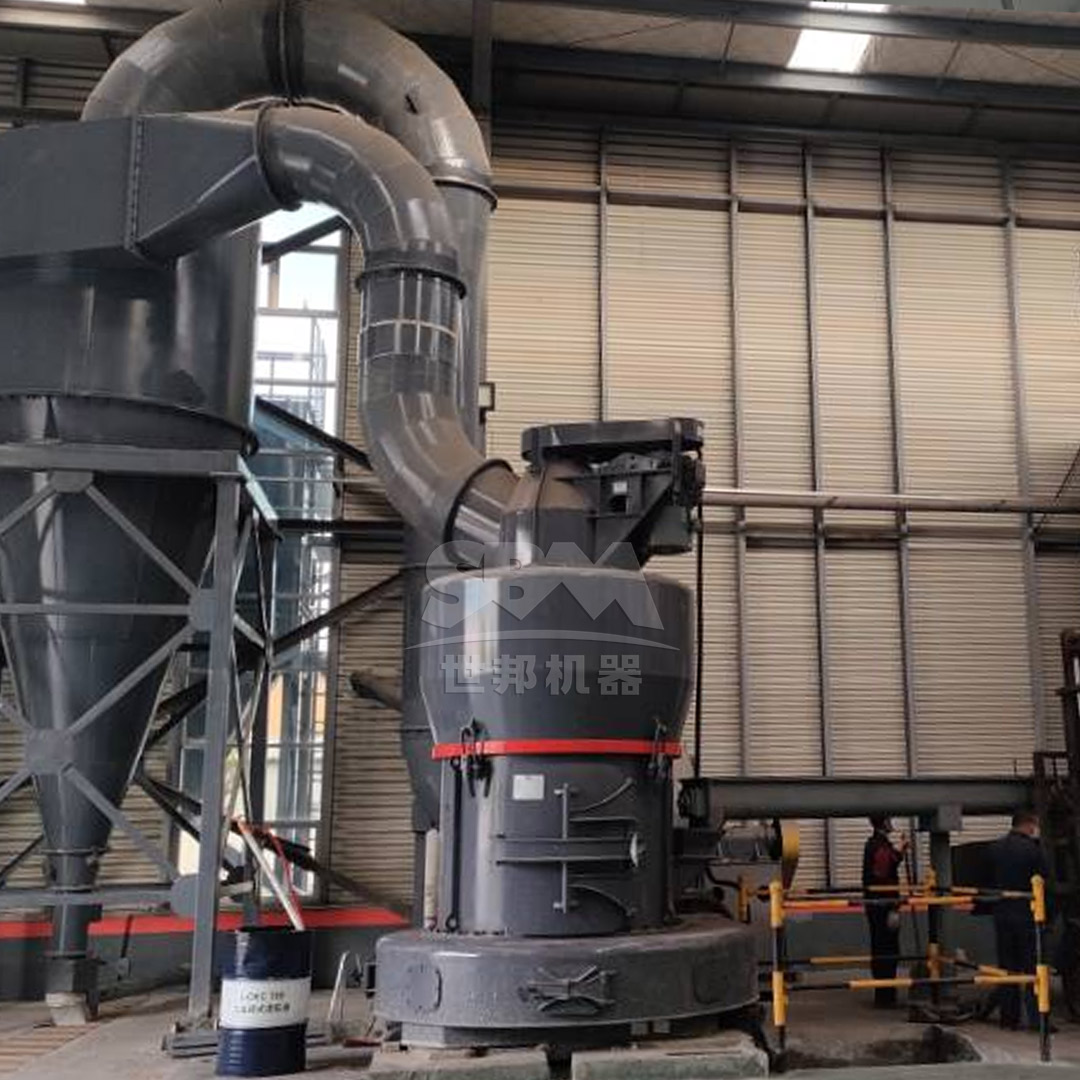
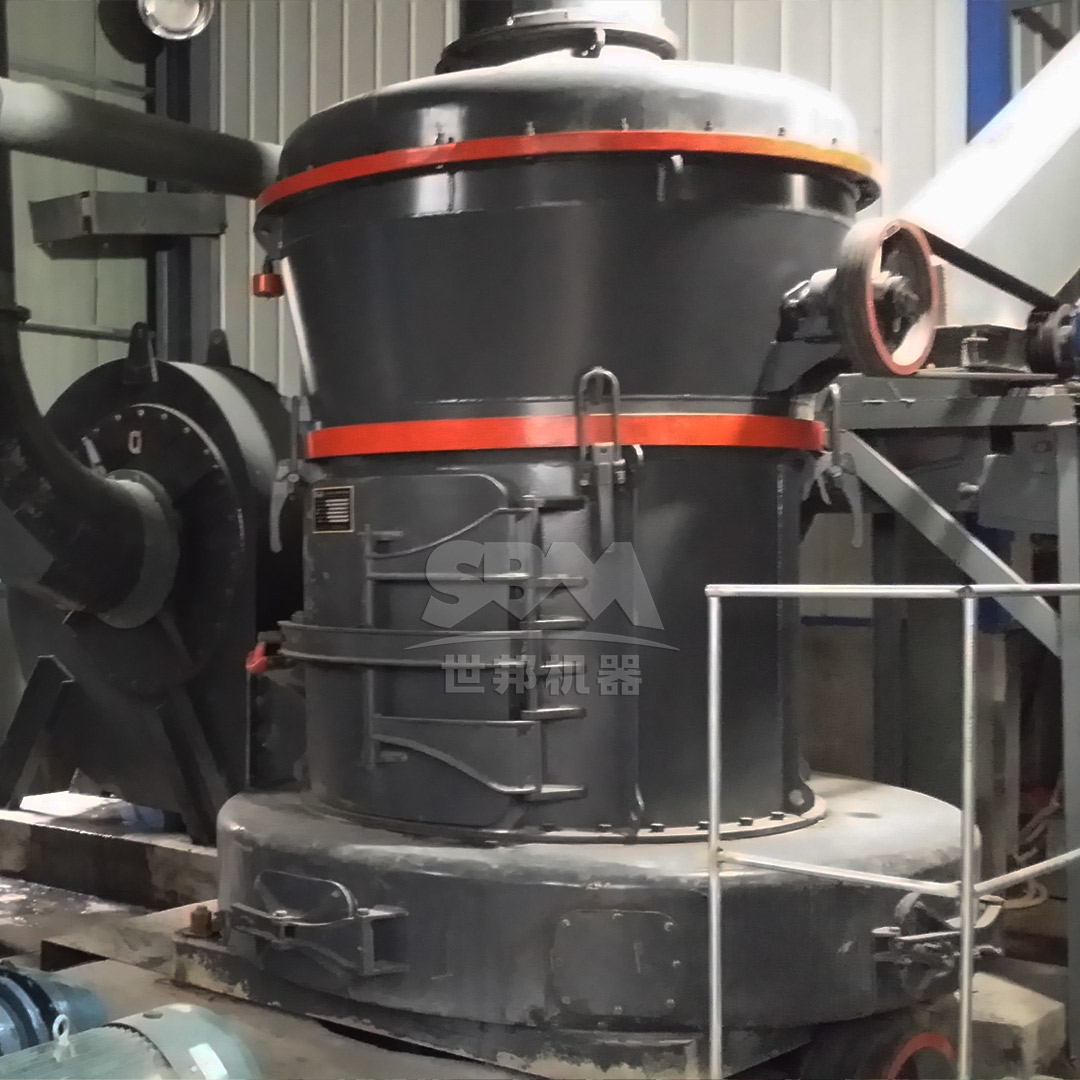
1.3 Fine Grinding and Classification – The Heart of the System: This is the most technologically intensive stage, where limestone is transformed into the precise powder specifications required for masterbatch. The choice of grinding mill determines the final product’s fineness range, throughput, and energy efficiency. For high-volume production of GCC in the common filler ranges (from coarse 600μm down to ultrafine 5μm), selecting the right mill is paramount.
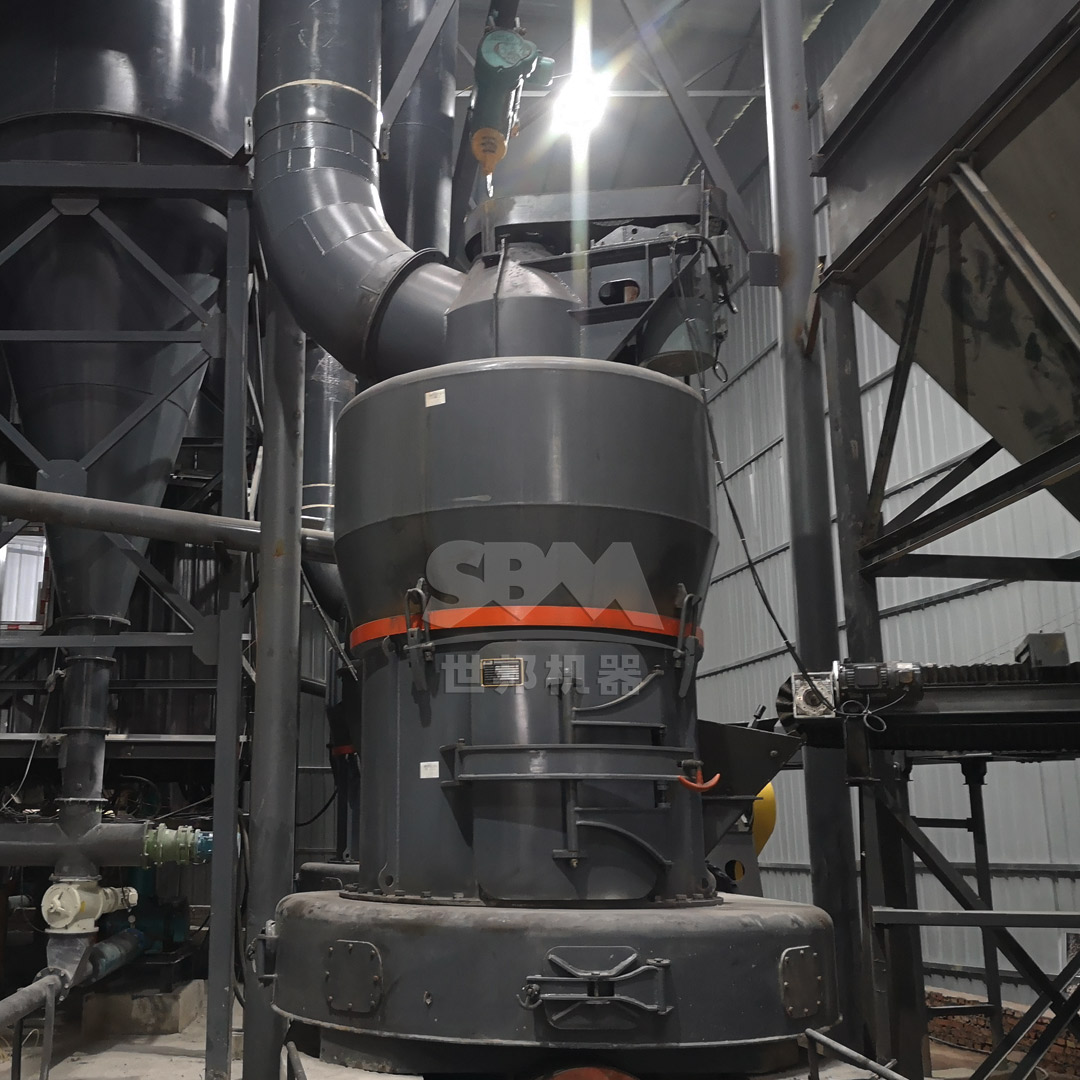
For producing GCC in the medium-fineness range ideal for many plastic applications (e.g., 30-325 mesh, or 600-45μm), the MTW Series European Trapezium Mill represents an optimal solution. Its advanced design features, such as the anti-wear shovel design and optimized arc air duct, ensure high grinding efficiency and reduced maintenance costs. The integral bevel gear drive offers transmission efficiency up to 98%, directly contributing to lower operational expenses. For operations targeting a capacity between 15-45 tons per hour with a feed size up to 50mm, the MTW215G model is a robust choice, capable of delivering precisely classified powder ready for the next stage.
1.4 Surface Modification (Coating): To ensure optimal dispersion within the polymer matrix and improve the interfacial adhesion between the inorganic filler and organic plastic, the GCC powder often undergoes surface treatment. This typically involves a high-speed mixer where stearic acid or other coupling agents are evenly coated onto the particle surfaces.
1.5 Masterbatch Compounding: The coated GCC is then fed into a twin-screw extruder along with the polymer carrier resin (often polyethylene or polypropylene) and other additives (e.g., dispersants, antioxidants). The extruder melts the polymer and provides high shear forces to uniformly disperse the filler. The molten composite is then strand-pelletized or underwater-cut into the final masterbatch pellets.
1.6 Packaging and Storage: The cooled masterbatch pellets are packaged in bags or bulk containers, ensuring protection from moisture and contamination.
Designing an efficient production line goes beyond equipment selection. Several interlinked factors must be optimized.
2.1 Particle Size Distribution (PSD) Control: A narrow, consistent PSD is vital. Broad distributions can lead to poor packing density and reduced mechanical properties. This makes the classification system within or attached to the grinding mill critical. Advanced classifiers allow for real-time adjustment of the cut point to meet specific customer requirements.
2.2 Energy Efficiency: Fine grinding is energy-intensive. Modern mills are designed for specific energy consumption (kWh/ton). Technologies like bed grinding (in vertical roller mills) and optimized airflow (in trapezium mills) significantly reduce power consumption compared to traditional ball mills.
2.3 System Integration and Automation: A seamlessly integrated line from crushing to packaging, controlled by a central PLC/SCADA system, ensures consistent quality, maximizes throughput, and minimizes human error. Automated feedback loops between the classifier and mill drive can maintain fineness within tight tolerances.
2.4 Environmental and Safety Compliance: The entire process must be enclosed with effective dust collection systems, such as pulse-jet baghouses, to meet stringent emission standards. Equipment design should also prioritize low noise levels and safe, accessible maintenance points.
While the MTW series excels in the common filler range, premium plastic applications—such as high-clarity films, premium-grade pipes, and engineering plastics—demand ultrafine GCC with top cuts below 10μm and median particle sizes (d50) in the 2-3μm range. Achieving this level of fineness efficiently requires specialized technology.
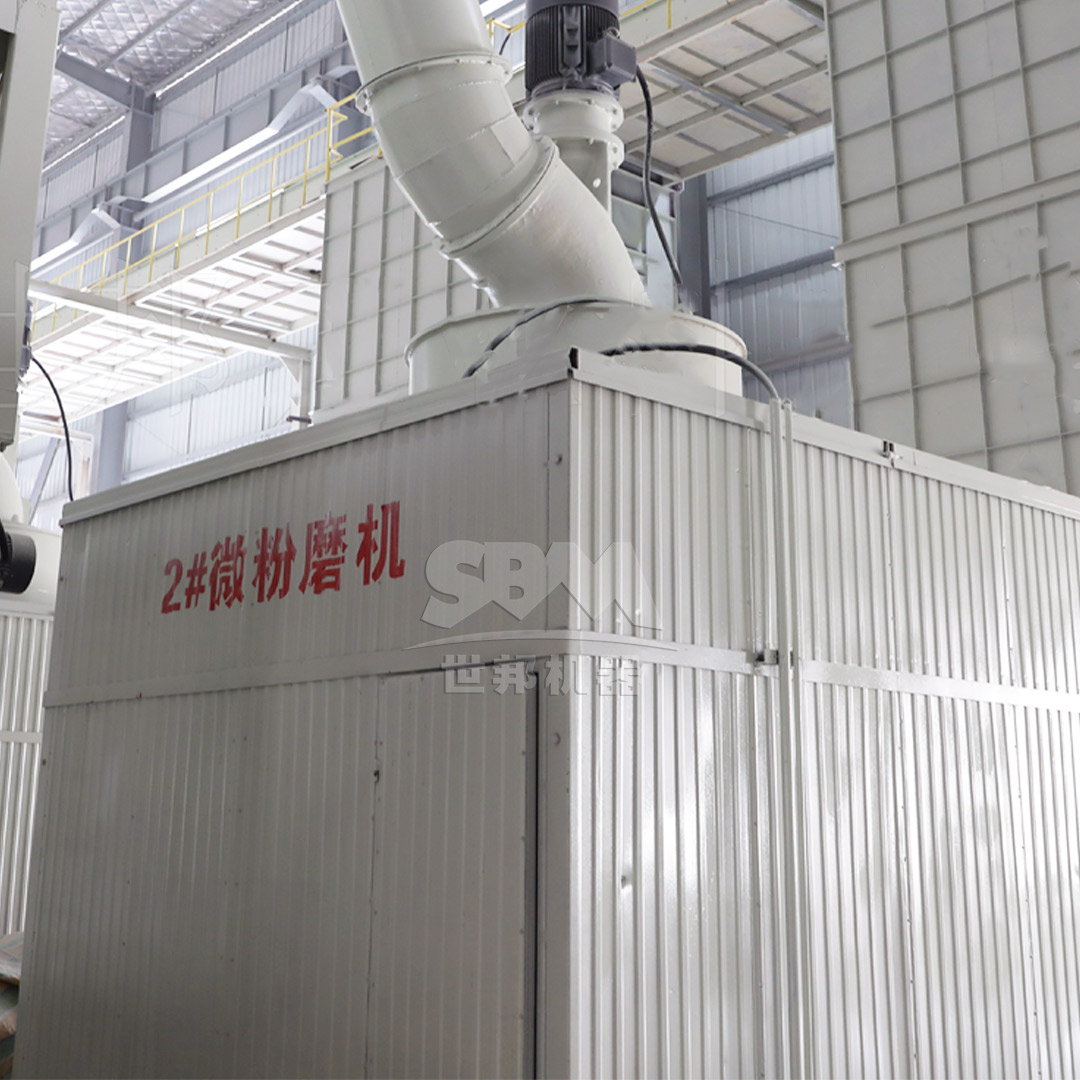
For these demanding applications, the SCM Series Ultrafine Mill is the industry benchmark. Engineered to produce powders between 325-2500 mesh (45-5μm), it combines high efficiency with precision. Its vertical turbine classifier ensures precise particle size cutting with no coarse powder mixing, guaranteeing a uniform product. The mill’s high efficiency is notable, offering capacity twice that of traditional jet mills while consuming 30% less energy. For a production line requiring an output of 5.0-25 tons per hour of ultrafine limestone powder, the SCM1680 model, with its 315kW main power and durable, wear-resistant design, provides a reliable and economical solution.
| Application Area | Recommended GCC Fineness | Suggested Grinding Mill Series | Key Benefit in Masterbatch |
|---|---|---|---|
| Rigid Packaging, Woven Sacks | 200-600 mesh (75-10μm) | MTW / LM Series | Cost reduction, improved stiffness |
| PVC Pipes & Profiles | 400-800 mesh (38-18μm) | MTW / LM Series | Impact strength, dimensional stability |
| BOPP Film, High-Clarity Products | 1250-2500 mesh (10-5μm) | SCM Series | High loading, excellent surface finish, clarity |
| Engineering Plastics (PP, PA) | 800-2500 mesh (18-5μm) | SCM / LUM Series | Enhanced mechanical properties, wear resistance |
Investing in a state-of-the-art limestone filler masterbatch production line is a strategic decision that directly impacts product quality, production cost, and market competitiveness. The core of this investment lies in selecting the right grinding and classification technology tailored to the target product portfolio. From the high-capacity, efficient grinding of the MTW Series for standard fillers to the precision ultrafine capabilities of the SCM Series for specialty applications, a well-designed line transforms raw limestone into a high-value additive that empowers the plastics industry to innovate and grow sustainably. A holistic approach, integrating robust equipment with smart automation and environmental controls, ensures a production asset that delivers long-term reliability and return on investment.