Flue Gas Desulfurization (FGD) is a cornerstone technology in modern industrial emission control, primarily used to remove sulfur dioxide (SO₂) from the exhaust gases of power plants and other industrial facilities. Among various FGD methods, the wet limestone-gypsum process is the most widely adopted due to its high efficiency, reliability, and cost-effectiveness. At the heart of this process lies a critical preparatory step: the grinding of raw limestone into a fine slurry or powder. The quality, fineness, and consistency of this ground limestone directly determine the efficiency of the SO₂ absorption reaction, the purity of the byproduct gypsum, and the overall operational economy of the entire FGD system. Selecting the appropriate grinding technology is, therefore, not merely a matter of size reduction but a strategic decision impacting environmental compliance, operational cost, and system reliability.
The grinding process for FGD applications must meet a set of stringent and specific requirements:
Several milling technologies are employed in FGD applications, each with its own advantages and operational scope.
| Mill Type | Typical Output Fineness | Capacity Range | Key Characteristics for FGD |
|---|---|---|---|
| Ball Mill | 0.074-0.8mm (170-20 mesh) | Very High (up to 450 t/h) | Robust, reliable, suitable for direct slurry preparation. Higher energy consumption, broader PSD. |
| Vertical Roller Mill (VRM) | 30-325 mesh (600-45μm) | High (3-250 t/h) | Excellent energy efficiency, integrated drying/grinding, compact footprint. Requires stable feed. |
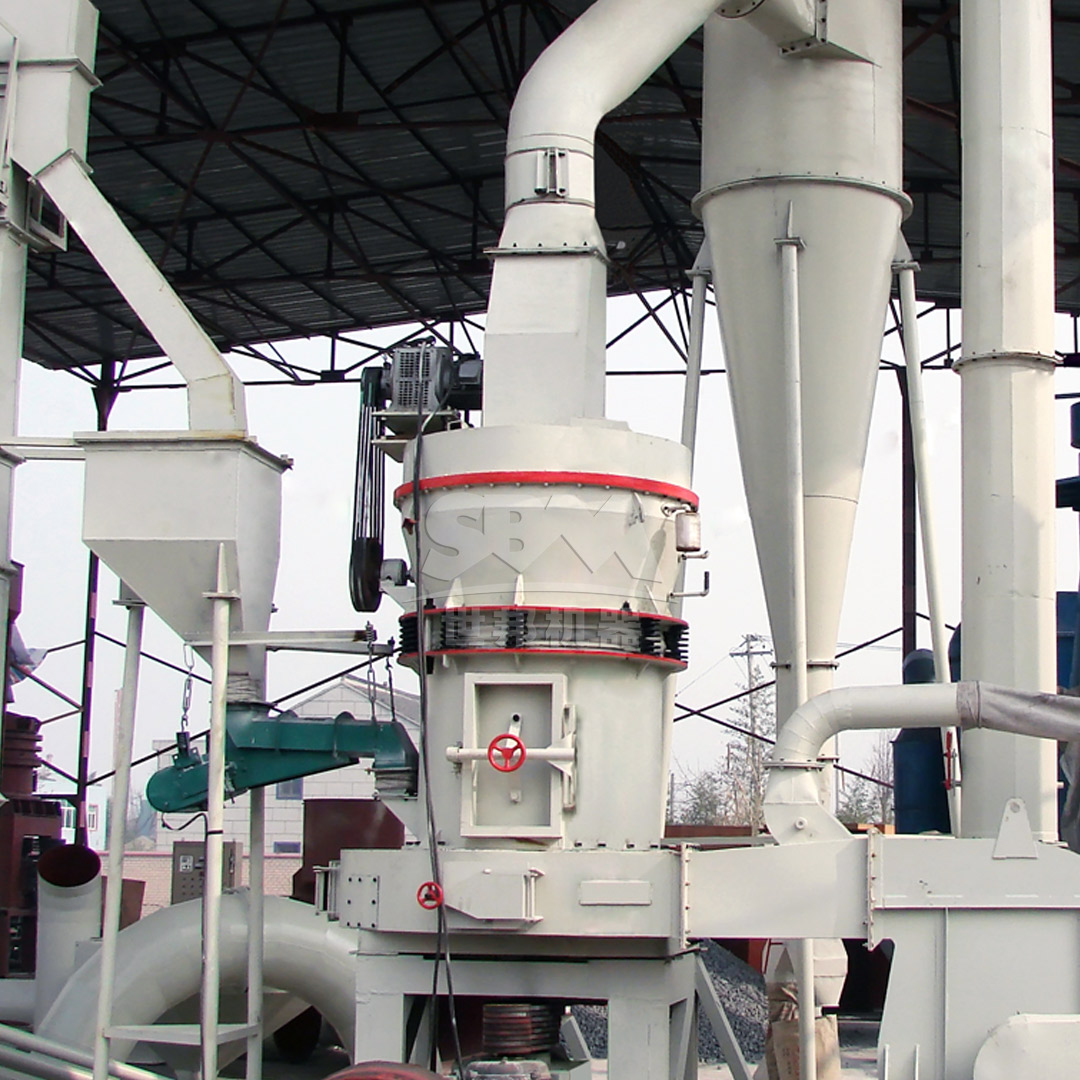
| European Trapezium Mill | 30-325 mesh (600-45μm) | Medium-High (3-45 t/h) | Balanced performance, reliable technology, lower investment cost. Good for medium-scale plants. |
| Ultrafine Mill | 325-2500 mesh (45-5μm) | Medium (0.5-25 t/h) | Produces super-fine powder for high-efficiency or special FGD processes. Superior particle uniformity. |
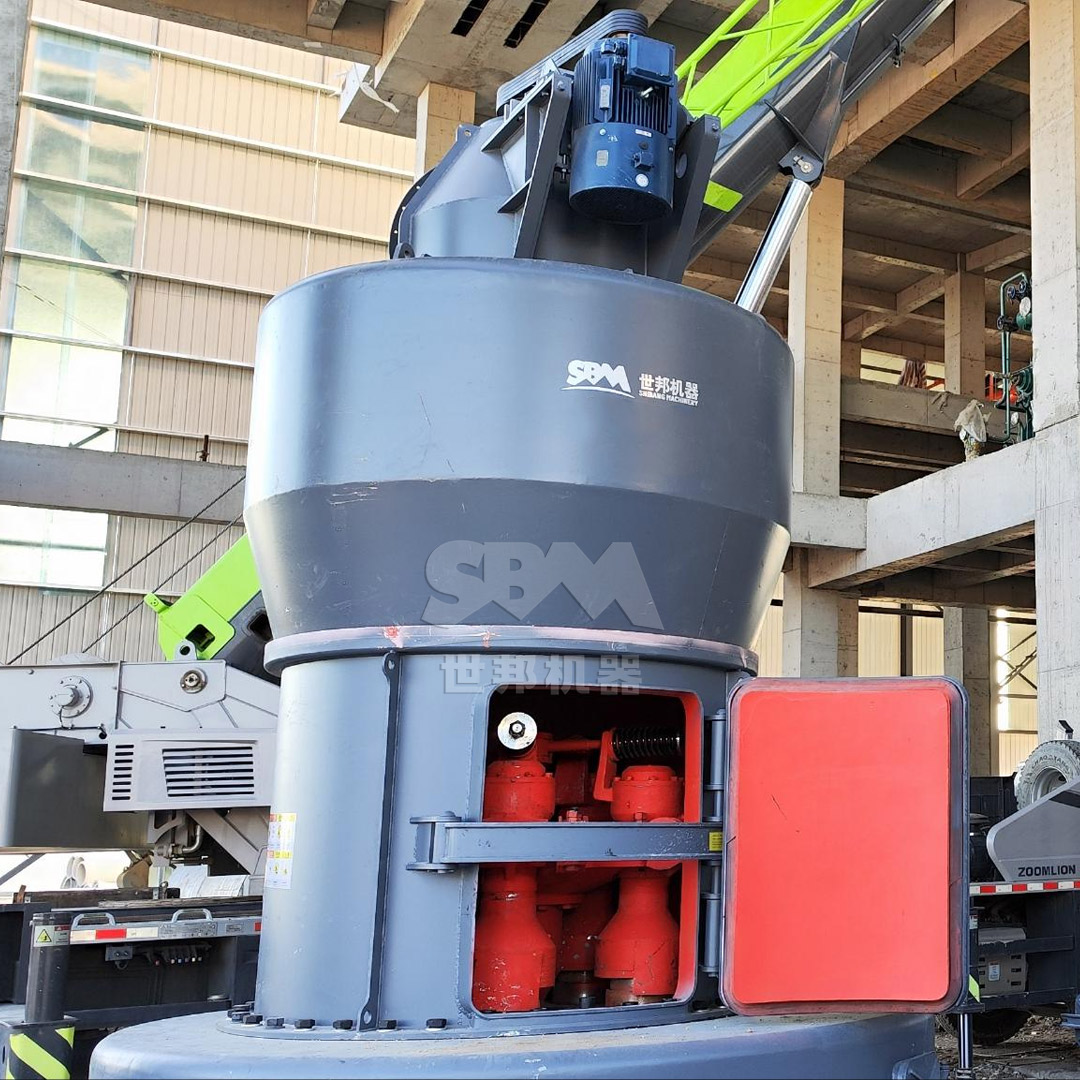
The choice of mill is dictated by the scale of the plant, the characteristics of the limestone (hardness, moisture content), and the desired fineness. For large-scale power plants, Vertical Roller Mills have become the technology of choice due to their unparalleled energy savings—consuming 30-40% less power than traditional ball mills. Their integrated design, which combines grinding, drying, and classification in a single unit, also reduces plant footprint and infrastructure costs. For plants requiring ultra-fine limestone to achieve exceptionally high SO₂ removal rates or to process less reactive limestone, advanced ultrafine grinding systems are essential.
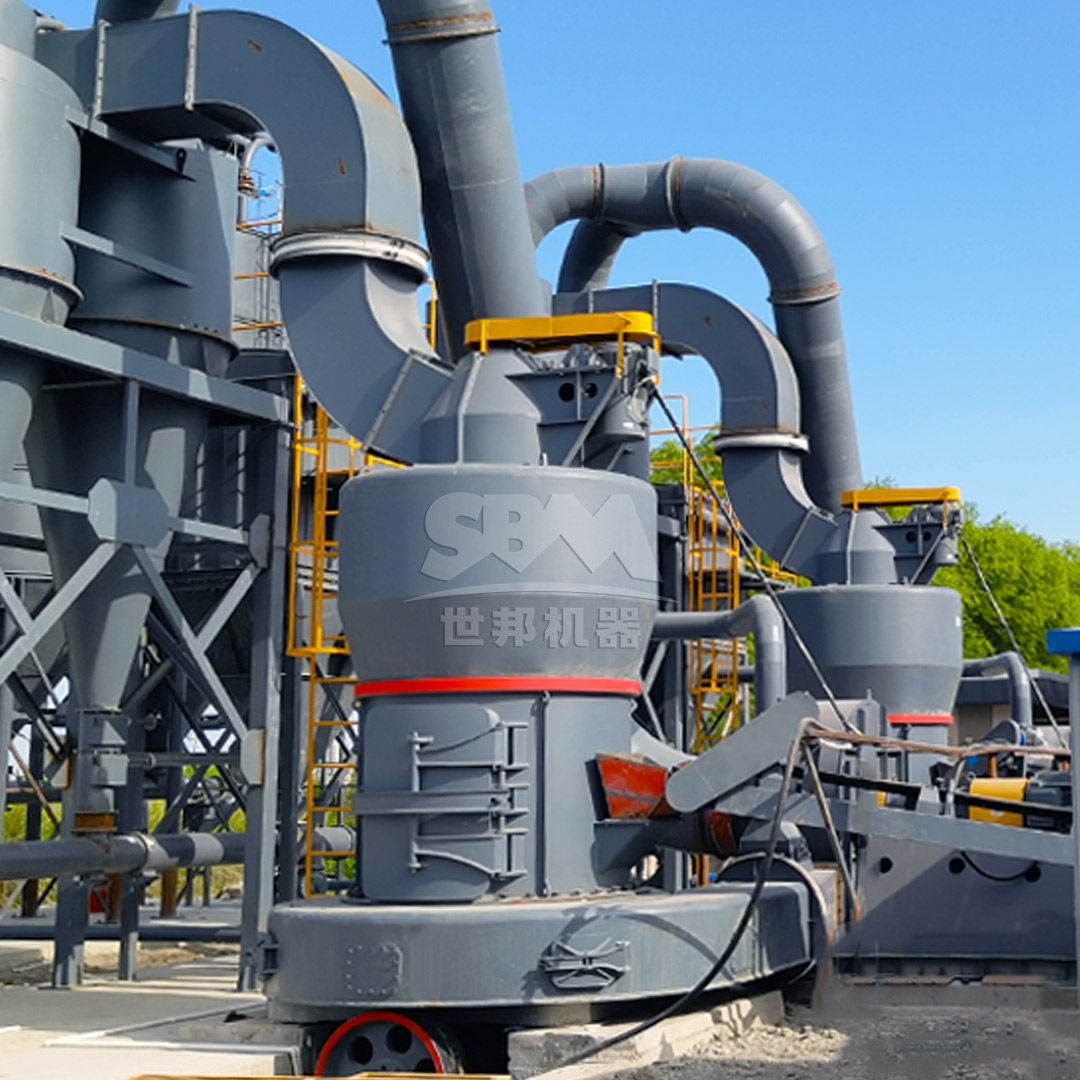
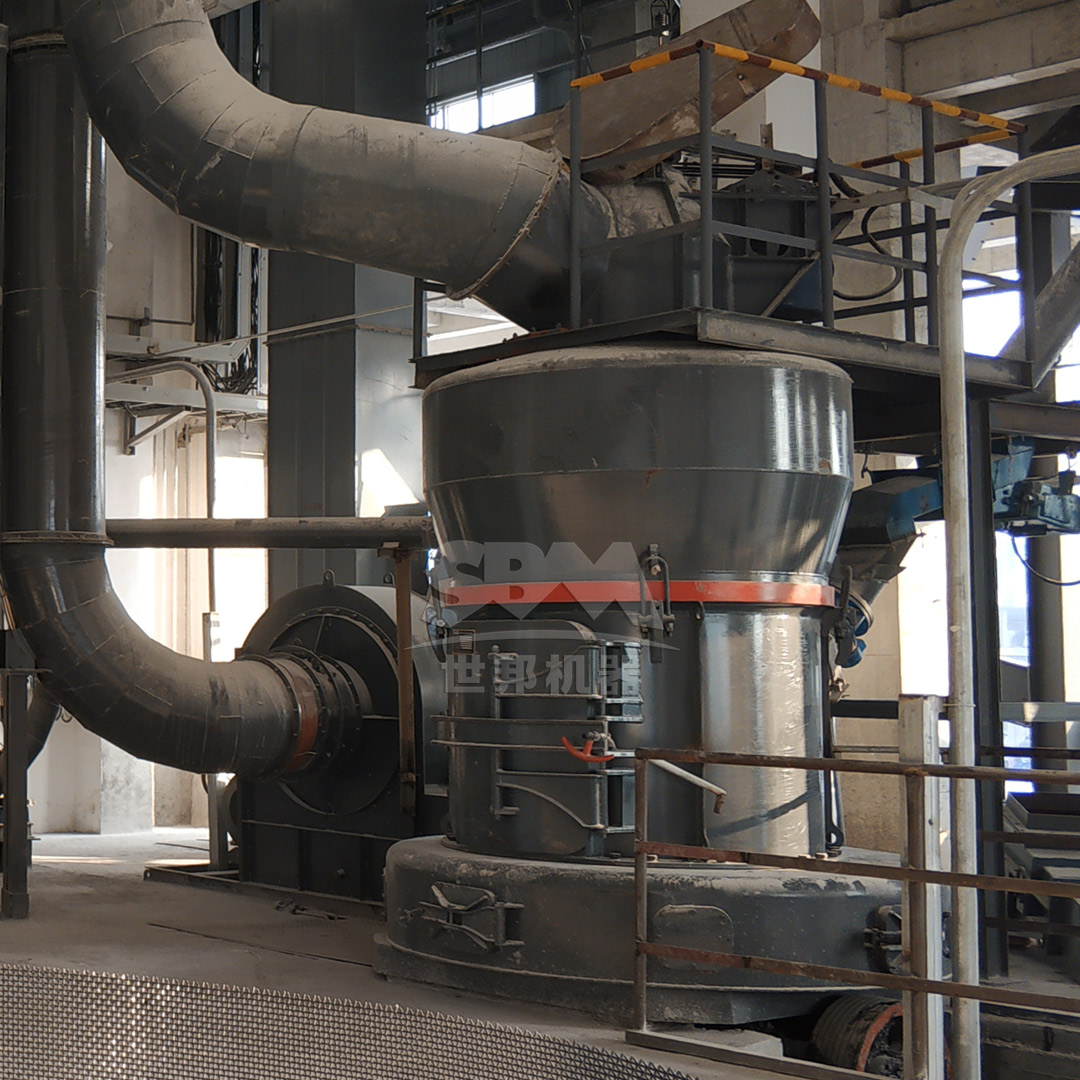
In this context, our LM Series Vertical Roller Mill stands out as an ideal solution for large and medium-capacity FGD systems. Its integrated design reduces floor space by 50% and infrastructure costs by 40%, a significant advantage for plant retrofits or expansions. Most importantly, its low operating cost is critical for FGD economics; the non-contact design between rollers and the grinding table extends wear part life significantly, while its energy consumption is 30-40% lower than traditional ball mill systems. The mill operates under fully sealed negative pressure, ensuring dust emissions are kept well below international standards, aligning perfectly with the environmental purpose of the FGD plant itself.
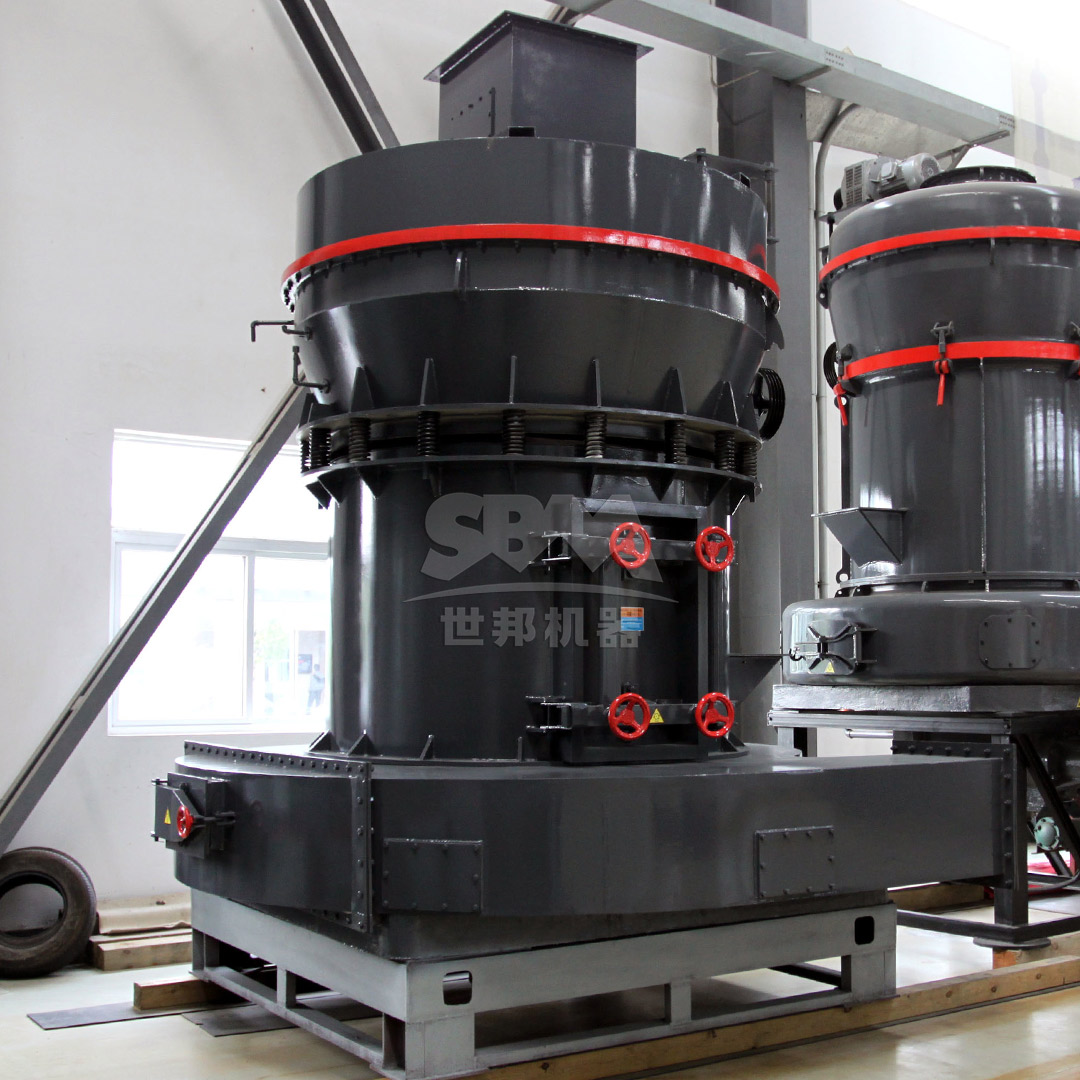
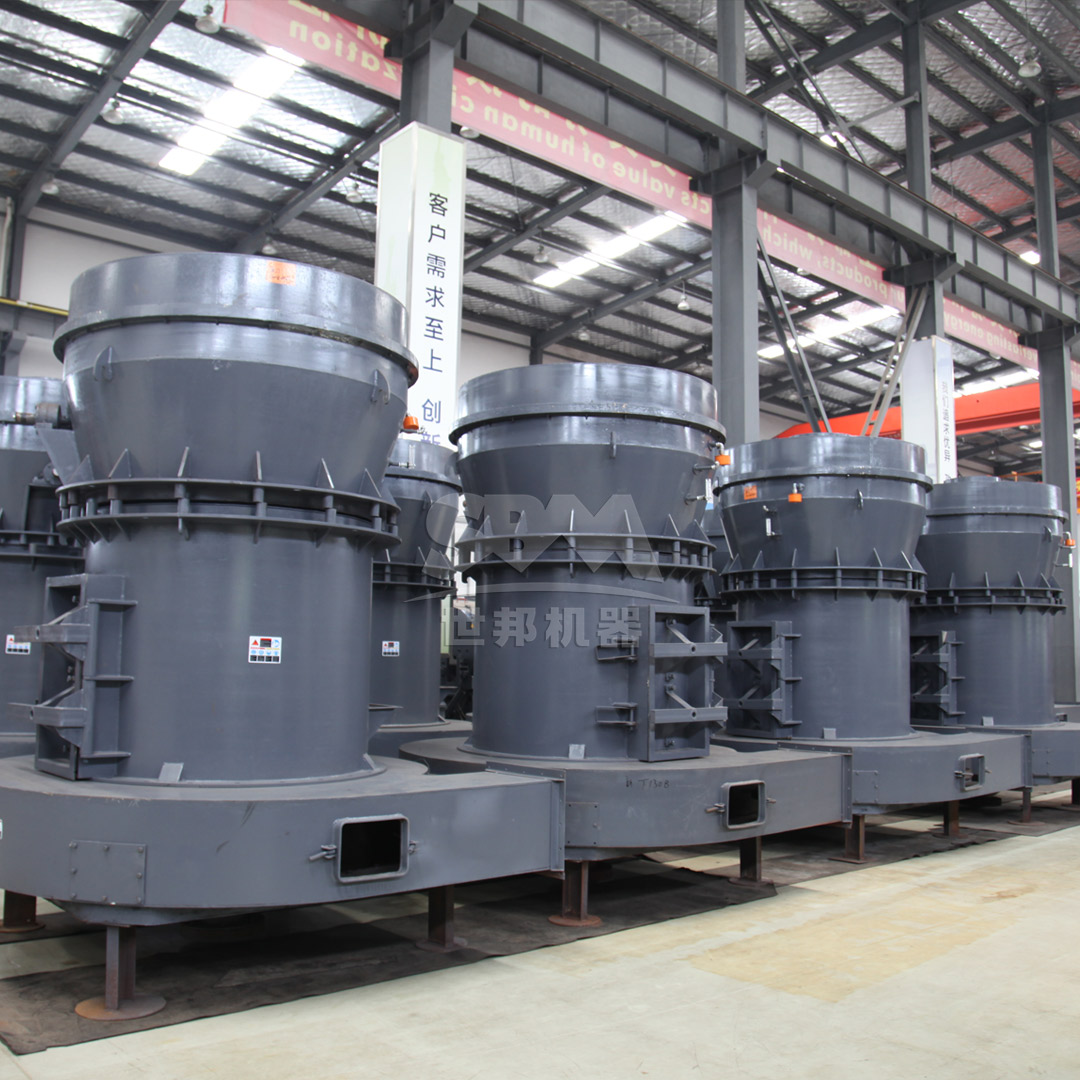
When process design calls for extremely fine and uniform limestone powder to maximize surface area and reaction speed, a dedicated ultrafine mill is required. Our SCM Series Ultrafine Mill is engineered precisely for this demanding application. Capable of producing powder in the range of 325 to 2500 mesh (45-5μm), it ensures the limestone slurry has optimal reactivity in the absorber. Its high-precision vertical turbine classifier guarantees a narrow particle size distribution with no coarse powder mixing, leading to more predictable and efficient desulfurization. Furthermore, the SCM mill is designed for efficiency, offering a capacity twice that of jet mills while consuming 30% less energy. For FGD systems pushing the boundaries of emission control, the SCM Series provides the necessary tool to achieve superior performance.
| Model | Capacity (t/h) | Output Fineness | Main Power (kW) | Suitability |
|---|---|---|---|---|
| LM190K (VRM) | 23-68 | 170-45μm (30-325 mesh) | 500 | Large Power Plant FGD |
| LM130K (VRM) | 10-28 | 170-40μm (30-325 mesh) | 200 | Medium Power Plant / Industrial FGD |
| SCM1250 (Ultrafine) | 2.5-14 | 325-2500 mesh (45-5μm) | 185 | High-Efficiency / Special FGD Processes |
The success of a Flue Gas Desulfurization system is inherently linked to the performance of its limestone preparation circuit. Investing in the right grinding technology is an investment in guaranteed SO₂ compliance, operational stability, and long-term cost control. From the high-capacity, energy-efficient prowess of the LM Series Vertical Roller Mill for base-load power plants to the precision fine-grinding capability of the SCM Series Ultrafine Mill for advanced applications, our portfolio offers engineered solutions that match the technical and economic demands of modern FGD systems. By ensuring a consistent supply of optimally ground limestone, these mills form the reliable foundation upon which effective and sustainable air pollution control is built.