February 04, 2026
Introduction
Flue Gas Desulfurization (FGD) is a critical technology employed by modern thermal power plants to mitigate sulfur dioxide (SO₂) emissions, a primary contributor to acid rain and atmospheric pollution. Among various FGD methods, the wet limestone-gypsum process stands as the most widely adopted and mature technology globally due to its high efficiency, reliability, and byproduct usability. At the heart of this process lies the preparation of high-quality limestone slurry, where the performance of the grinding mill directly determines the desulfurization efficiency, operational cost, and overall system stability. This article delves into the technical requirements for limestone grinding in FGD systems and explores advanced milling solutions.
The Role of Limestone Grinding in Wet FGD Systems
In a typical wet limestone-gypsum FGD system, finely ground limestone powder is mixed with water to form an absorbent slurry. This slurry is then sprayed into the absorption tower, where it comes into counter-current contact with the flue gas. The chemical reaction between calcium carbonate (CaCO₃) in the limestone and SO₂ produces calcium sulfite, which is further oxidized to form gypsum (CaSO₄·2H₂O), a commercially valuable byproduct.
The fineness and particle size distribution of the ground limestone are paramount. Optimal fineness (typically 90% passing 325 mesh or 44 μm, with a specific surface area of 2500-3500 cm²/g) ensures:
- Maximized Reaction Rate & Efficiency: Increased surface area accelerates the dissolution of CaCO₃ and its reaction with SO₂, achieving removal efficiencies often exceeding 95%.
- Reduced Limestone Consumption: Complete utilization of finer particles minimizes wasteful oversize material that would otherwise pass through the system unreacted.
- Improved Slurry Handling: A uniform, fine slurry is less prone to sedimentation and clogging in pipelines and nozzles, ensuring stable operation of the spray system.
- High-Quality Gypsum Byproduct: Consistent fineness leads to uniform gypsum crystal growth, resulting in a purer, more easily dewatered product with higher commercial value.
Key Challenges in FGD Limestone Grinding
Selecting and operating a grinding mill for power plant desulfurization involves overcoming several specific challenges:
- High Throughput & Availability: Power plants operate continuously, requiring grinding systems with high capacity (often tens to hundreds of tons per hour) and exceptional reliability to match boiler load.
- Strict Fineness Control: Consistent output fineness is non-negotiable for maintaining stable desulfurization chemistry and efficiency.
- Energy Efficiency: Grinding is an energy-intensive process. Optimizing kilowatt-hours per ton of product is crucial for lowering the plant’s auxiliary power consumption and overall operating costs.
- Wear & Maintenance: Limestone is abrasive. Mill components exposed to grinding forces must exhibit extreme wear resistance to minimize downtime for part replacement.
- Environmental Compliance: The grinding process itself must be dust-free and low-noise to meet stringent plant environmental standards.
Advanced Grinding Solutions for FGD Applications
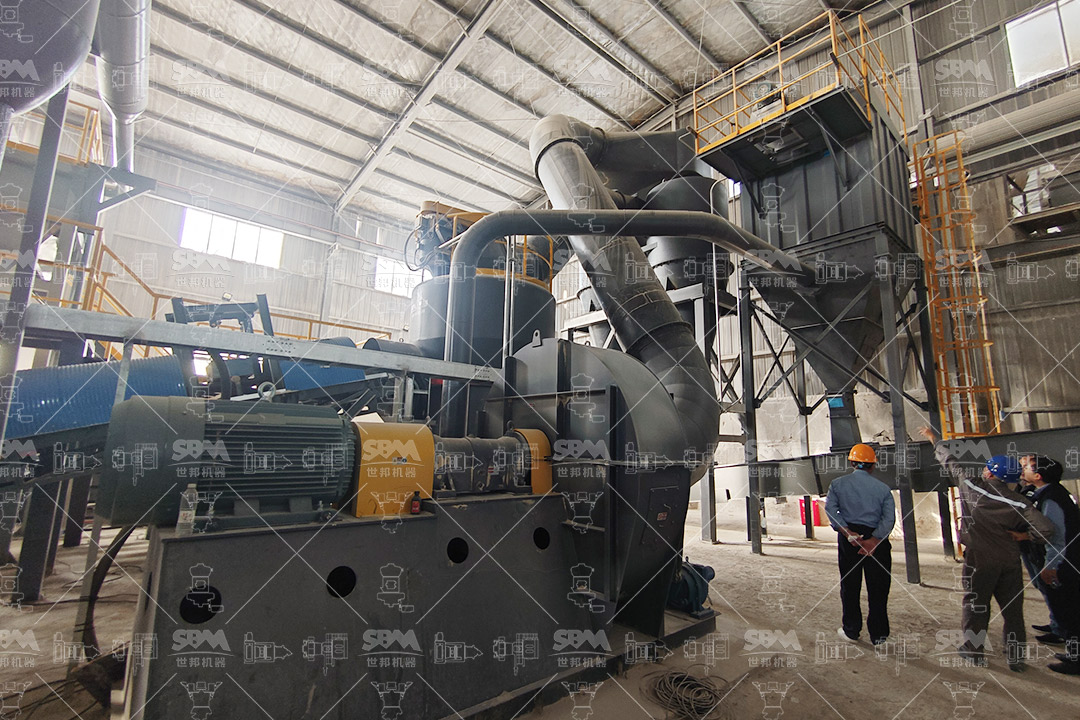
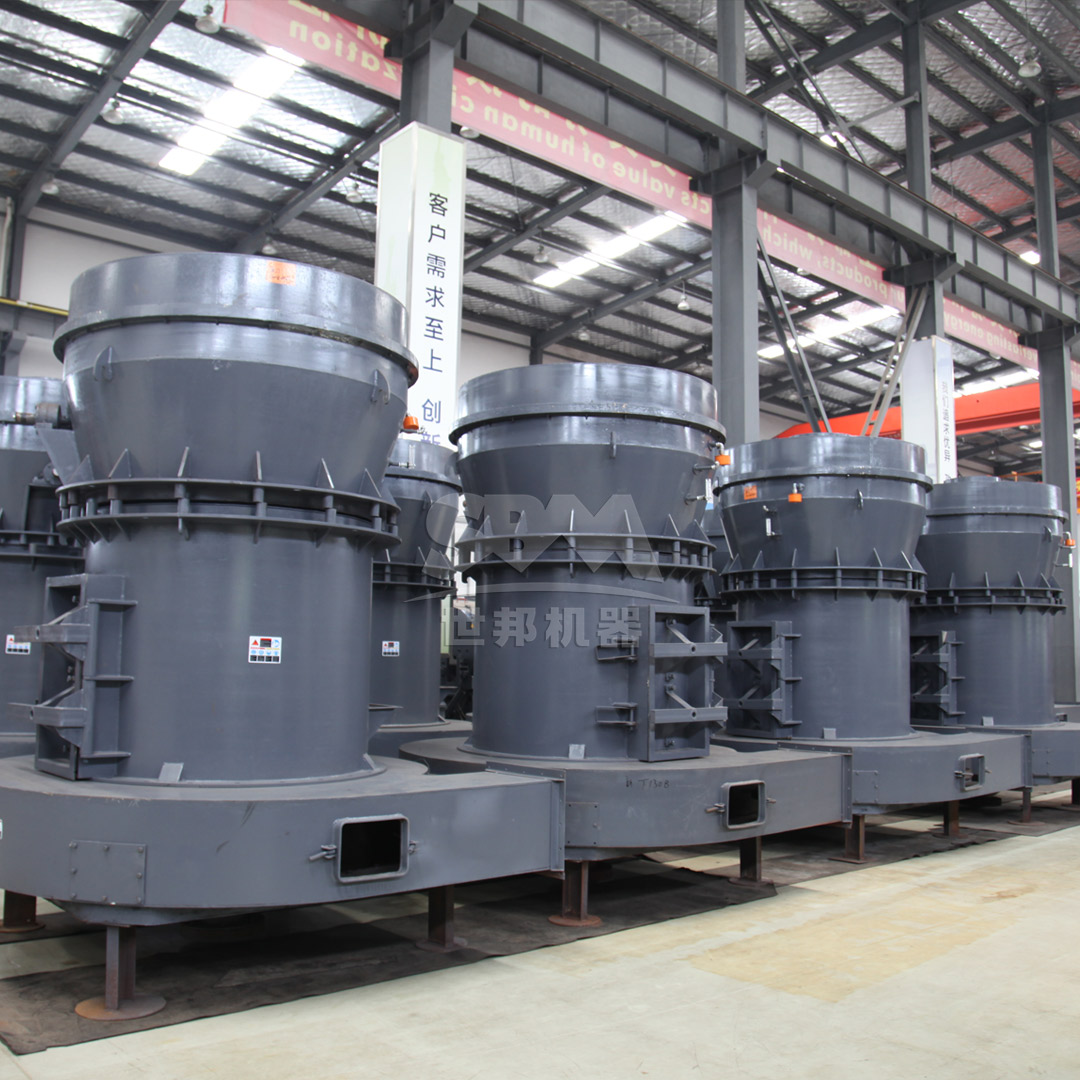
While traditional ball mills have been used, modern power plants increasingly favor more efficient and controllable vertical roller mills and advanced trapezium mills for limestone preparation. Two standout technologies, exemplified by our product portfolio, are particularly well-suited for this demanding application.
1. The LM Series Vertical Roller Mill: For Large-Scale, High-Efficiency Grinding
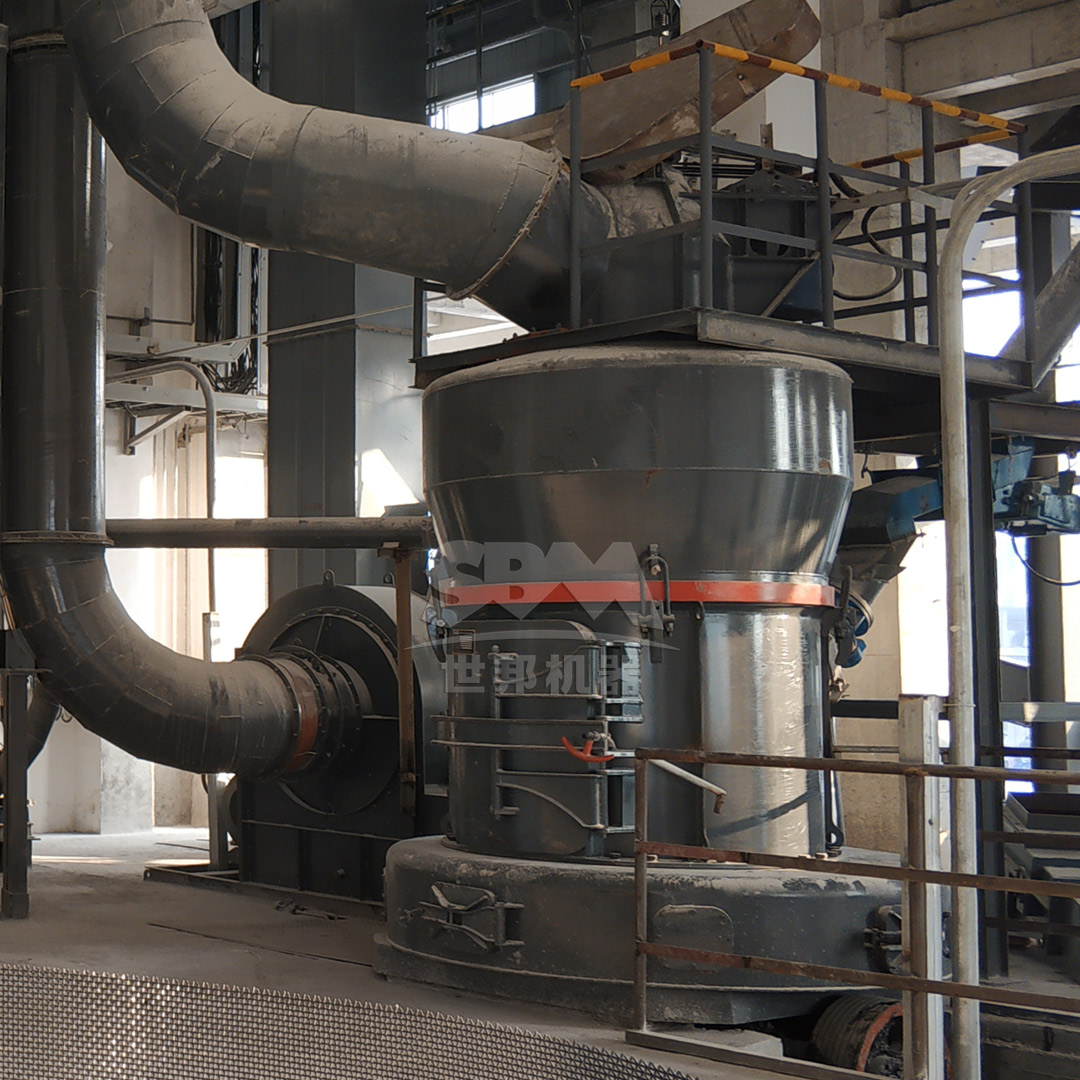
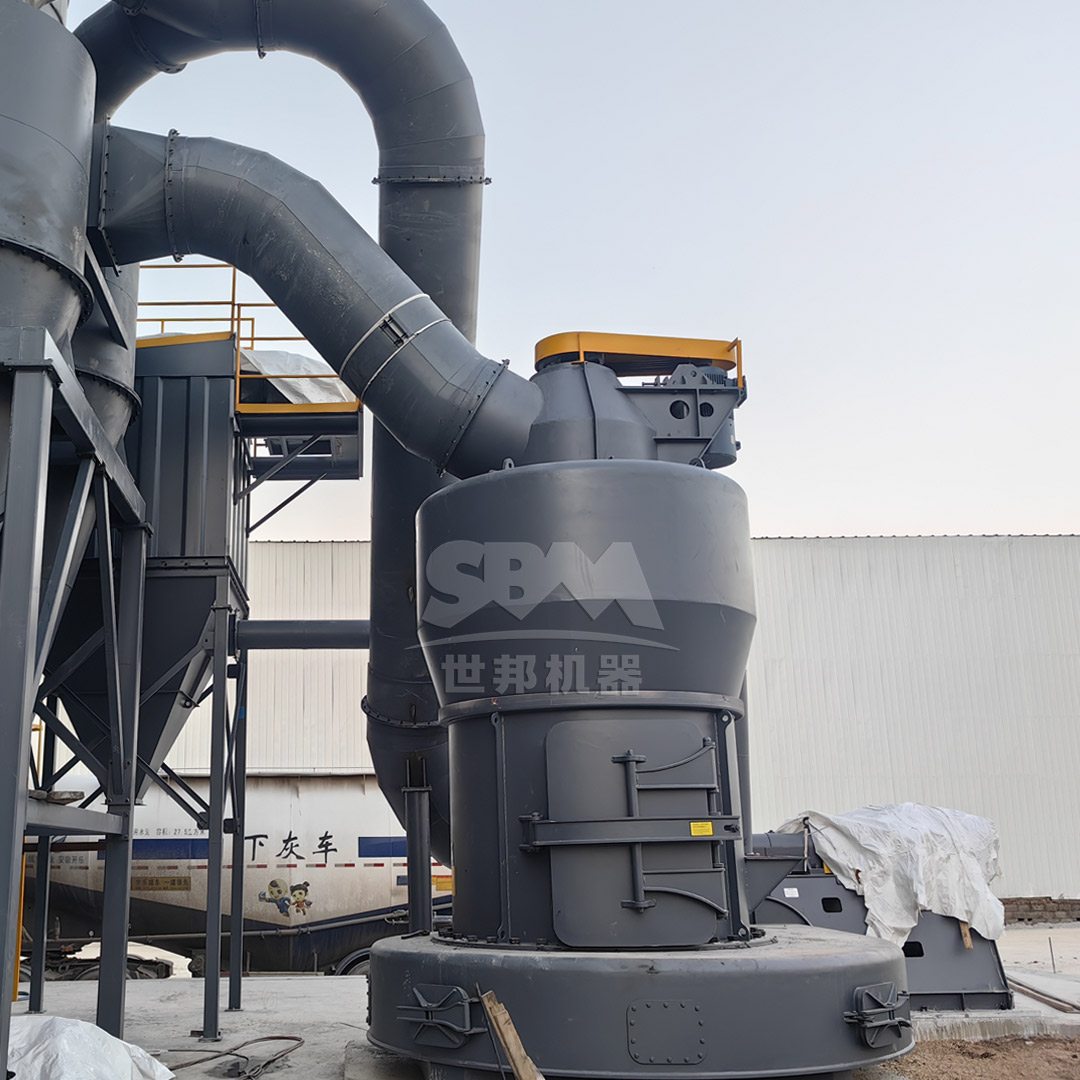
For new large-capacity power plants or major retrofits, the LM Series Vertical Roller Mill represents the state-of-the-art choice. Its integrated design and working principle offer distinct advantages for FGD limestone preparation.
Why it excels for FGD:
- Superior Energy Efficiency: Utilizing the bed grinding principle with direct grinding on the table, the LM mill consumes 30-40% less energy compared to a ball mill system of equivalent output, directly reducing operating costs.
- Integrated System & Small Footprint: It integrates crushing, grinding, drying, classifying, and conveying. This all-in-one design reduces floor space by approximately 50% and lowers civil construction costs by about 40%, a significant benefit for space-constrained plants.
- Excellent Fineness Stability: Equipped with a high-efficiency dynamic classifier, the mill ensures precise cut-point control, producing a consistent product with a narrow particle size distribution ideal for absorption.
- High Availability & Low Wear: The non-contact design between rollers and table, coupled with wear-resistant material technology, extends the service life of grinding parts significantly. Features like the modular grinding roller quick-change system further reduce maintenance downtime.
- Environmental Performance: The fully sealed negative pressure operation guarantees dust emissions far below national standards, while its soundproof design maintains low noise levels.
For instance, an LM190K model, with a grinding table diameter of 1900mm and a main motor power of 500kW, can reliably produce 23-68 tons per hour of limestone powder with a fineness of 170-45μm (approx. 80-325 mesh), perfectly matching the demands of a mid-to-large-scale power unit.
2. The MTW Series European Trapezium Mill: A Robust and Cost-Effective Workhorse
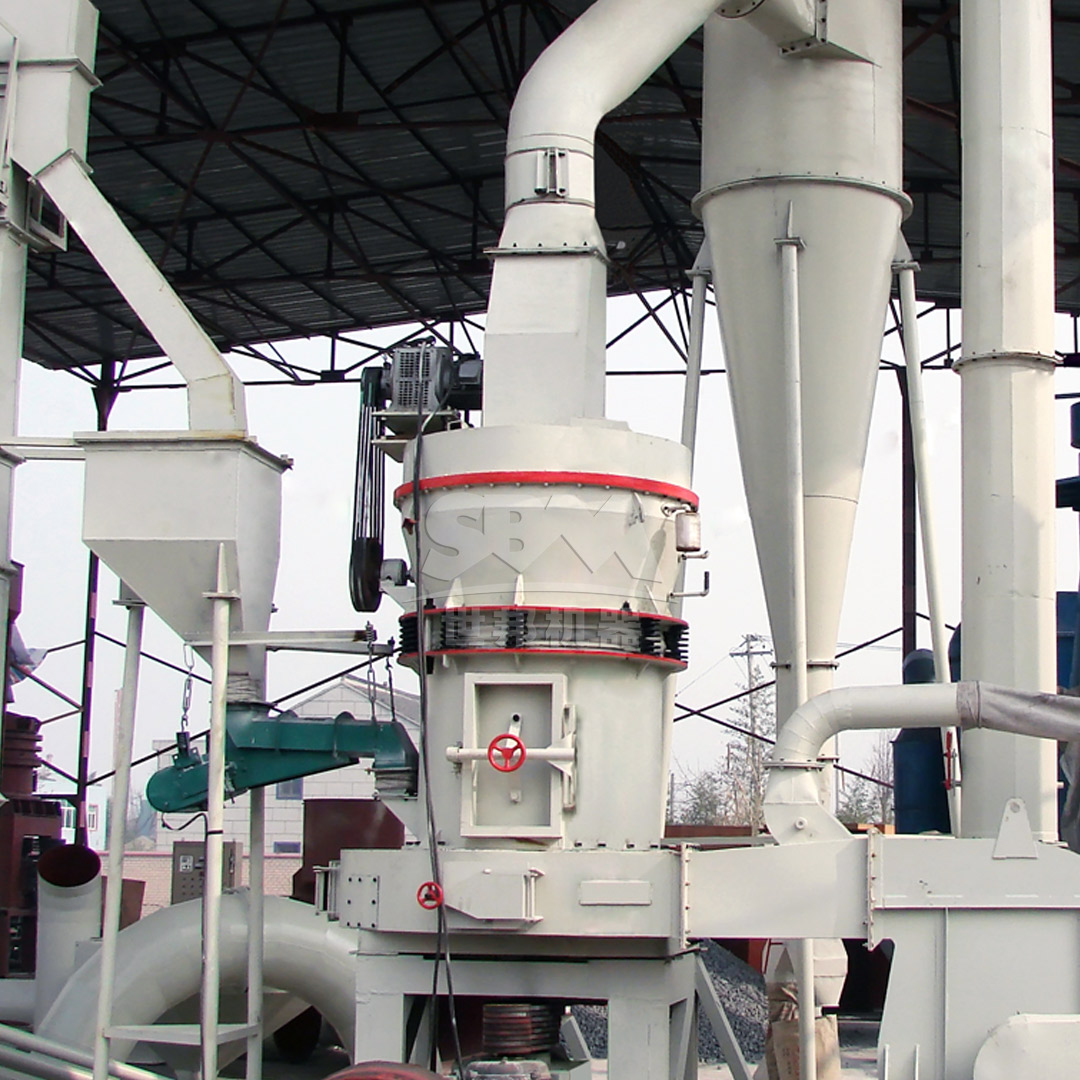
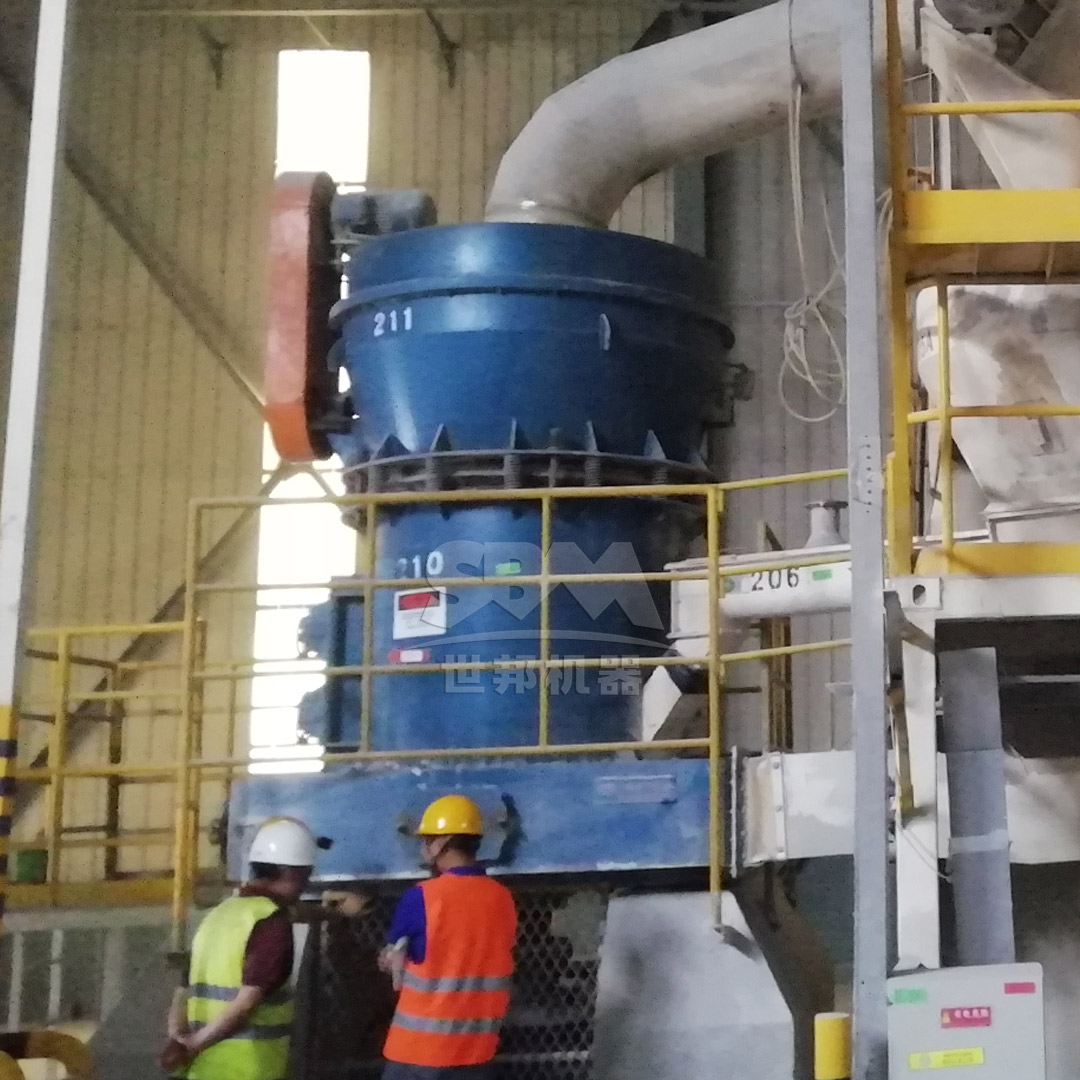
For medium-scale requirements or plants seeking a balance of performance, reliability, and cost, the MTW Series European Trapezium Mill is an exceptionally robust solution. Its mature design incorporates numerous patented improvements that address the core needs of FGD grinding.
Why it excels for FGD:
- Anti-Wear & Durability Focus: The patented combined shovel blade design and curved roller technology are specifically engineered to handle abrasive materials like limestone, dramatically reducing wear part consumption and maintenance frequency.
- High Transmission Efficiency: The innovative integral bevel gear transmission system achieves an efficiency of up to 98%, ensuring stable power delivery and lower mechanical losses compared to traditional worm gear systems.
- Optimized Airflow & Classification: The arc air duct and wear-resistant volute structure minimize airflow resistance and energy loss. The coupled classifier provides stable and precise size separation.
- Proven Reliability: With a simple yet sturdy mechanical structure, the MTW mill is known for its long-term operational stability and ease of maintenance, making it a trusted choice for continuous industrial duty.
| Model |
Capacity (t/h) |
Main Power (kW) |
Feed Size (mm) |
Fineness (mesh) |
| MTW175G |
9.5 – 25 |
160 |
<40 |
10-325 |
| MTW215G |
15 – 45 |
280 |
<50 |
10-325 |
| MRN198 |
12 – 33 |
220 |
<45 |
10-325 |
The MTW215G model, for example, offers a capacity range of 15-45 t/h, making it a versatile selection for a wide array of power plant scales, ensuring a reliable supply of high-quality limestone slurry.
Selection Criteria and System Integration
Choosing between an LM Vertical Mill and an MTW Trapezium Mill depends on specific project parameters:
- Scale & Capacity: LM series is ideal for very high throughputs (>50 t/h), while MTW excels in the medium capacity range (10-45 t/h).
- Space Constraints: The compact, vertical design of the LM mill is advantageous where plot space is limited.
- Lifecycle Cost Analysis: While the LM mill may have a higher initial investment, its lower energy and wear costs often result in a superior total cost of ownership for large-scale, continuous operations. The MTW mill offers excellent value and lower upfront cost for medium-scale applications.
- System Integration: Both mills can be seamlessly integrated with automated control systems, feeding conveyors, slurry preparation tanks, and dust collection systems to form a complete, turnkey limestone preparation island.
Conclusion
The efficiency and economics of a power plant’s flue gas desulfurization system are inextricably linked to the performance of its limestone grinding mill. Moving beyond conventional technologies to adopt advanced vertical roller mills or modern trapezium mills delivers tangible benefits: drastic reductions in energy consumption, superior product quality for enhanced SO₂ removal, minimized maintenance downtime, and full compliance with environmental regulations.
Investing in the right grinding technology is not merely an equipment purchase; it is a strategic decision for ensuring regulatory compliance, achieving sustainable operation, and optimizing the long-term economic performance of the power generation facility. Our LM Series Vertical Roller Mill and MTW Series European Trapezium Mill are engineered to meet these exacting challenges, providing power plant operators with reliable, efficient, and intelligent solutions for their critical desulfurization needs.